
At a Glance
- Not all ants are harmful, but fire ants, carpenter ants, and leafcutter ants are the ones that cause real damage and need to be addressed.
- The most effective way to get rid of ants in the garden organically is a layered approach: address the root cause, treat the colony, and set up barriers that keep them from returning.
- Diatomaceous earth, vinegar, cinnamon, peppermint oil, and boiling water are the most reliable organic tools for treating an ant problem.

First, Know Your Enemy: Common Garden Ants
Before you reach for anything, it helps to know which ants you're actually dealing with. Not all of them are a problem. Some are genuinely beneficial. But a few are worth taking seriously — and those are the ones this article is for.
1. Fire Ants
The most aggressive species on this list. Fire ants are reddish-brown, build large mounds in sunny open areas, and sting repeatedly and painfully. They're common across the South and Southeast and are spreading northward. In the garden, they damage seedlings, feed on plant roots, and make working in the beds genuinely unpleasant. If you have fire ants, don't wait.
2. Carpenter Ants
Large, typically black, and not interested in your plants directly — but very interested in any wooden structure nearby. Raised beds, trellises, fences, tool handles, and garden frames are all fair game. Carpenter ants tunnel through wood to nest, which, over time, causes real structural damage. If you've invested in quality cedar raised beds, carpenter ants are worth watching for.
3. Leafcutter Ants
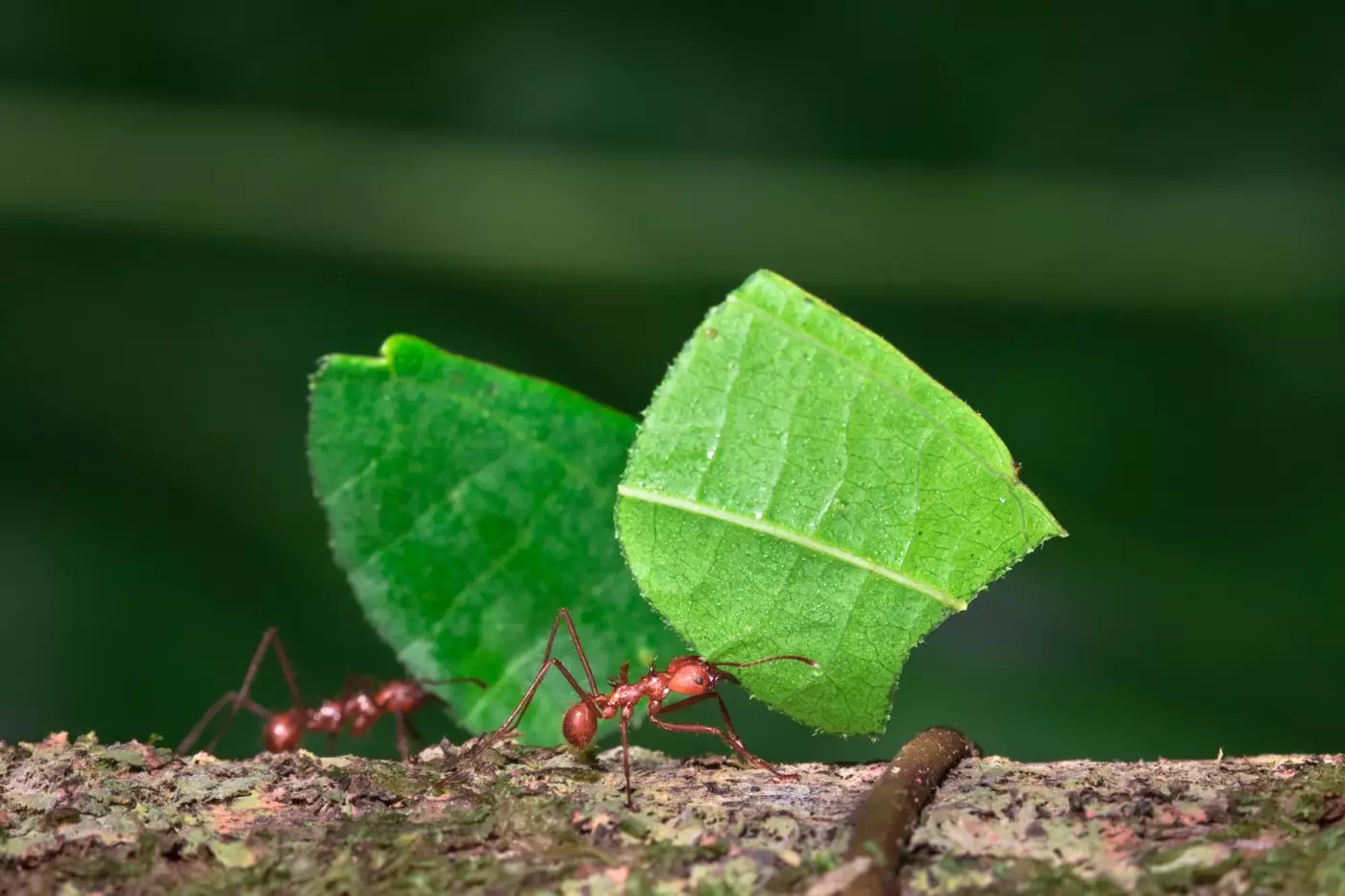
Mostly found in warm southern regions, leafcutters are identifiable by what they do: they cut clean semicircles out of leaves and carry them back to the colony to grow fungus for food. They can defoliate plants surprisingly fast and leave wounds that invite disease and pest pressure. If you see neat circular cuts on your leaves, leafcutters might be the culprit.
4. Argentine Ants
Small, dark brown, and incredibly organized. Argentine ants form massive supercolonies that can spread across entire gardens and yards. Their biggest offense in the kitchen garden is farming aphids and mealybugs — protecting them from predators and moving them to new plants to keep the honeydew supply going. Where Argentine ants thrive, aphid infestations follow.
5. Black Garden Ants
The most common ant in gardens across the US. Black garden ants are largely beneficial — they aerate soil, help with decomposition, and prey on some pest insects. A few of them crawling around the beds isn't a problem. The issue starts when populations explode and they begin farming aphids or disrupting roots with extensive tunnel systems.
6. Pavement Ants
Small, dark brown, and typically found nesting under stones, bricks, and garden paths. They rarely damage plants directly, but their tunneling can undermine garden edging, paving, and the structure of raised beds over time. They also farm honeydew-producing insects and will protect aphid colonies on nearby plants.

Join Thousands of Gardeners On the VIP List
Free perks, just for email subscribers:
- 15% Off Your First Order
- Gardening Videos & Articles
- Early Access to Sales
Sign up, check your inbox, then shop with your code.
What Damage Do Ants Cause in the Garden?
Here's a question worth answering clearly because the answer shapes how urgently you need to act.
Direct Damage:
- Root disruption — extensive tunneling around plant roots causes soil to dry out unevenly and can stress or kill plants by destabilizing the root zone
- Leaf damage — leafcutter ants remove large portions of leaves, creating wounds that invite fungal disease and pest pressure
- Structural damage — carpenter ants can tunnel into wooden raised beds, trellises, and fences, compromising their integrity over time
- Seedling damage — fire ants feed on seedlings and can kill young transplants quickly
Indirect Damage:
- Aphid farming — this is the big one. Ants actively protect aphids, mealybugs, and scale insects from their natural predators, move them to new plants, and essentially cultivate pest infestations in exchange for the honeydew those insects produce. One ant colony farming aphids can turn a minor pest problem into a major infestation very quickly.
- Disease spread — plants damaged by ants or aphid-related stress become more vulnerable to powdery mildew, black spot, and other fungal diseases
- Deterring beneficial insects — in areas of heavy ant activity, beneficial insects like ladybugs and lacewings — which would otherwise keep aphids in check — are actively driven away

How to Get Rid of Ants in the Garden Organically
Getting rid of ants in the garden for good comes down to three things done in the right order: find and fix what's attracting them, eliminate the colony, and put barriers in place so they can't come back. Skip one step, and the ants come back.
Step 1: Find the Colony
Everything starts here. Follow the ant trail, and it will lead you to the whole nest. Knowing where the colony is living tells you where to focus your treatment and how serious the infestation is.
Look for these signs:
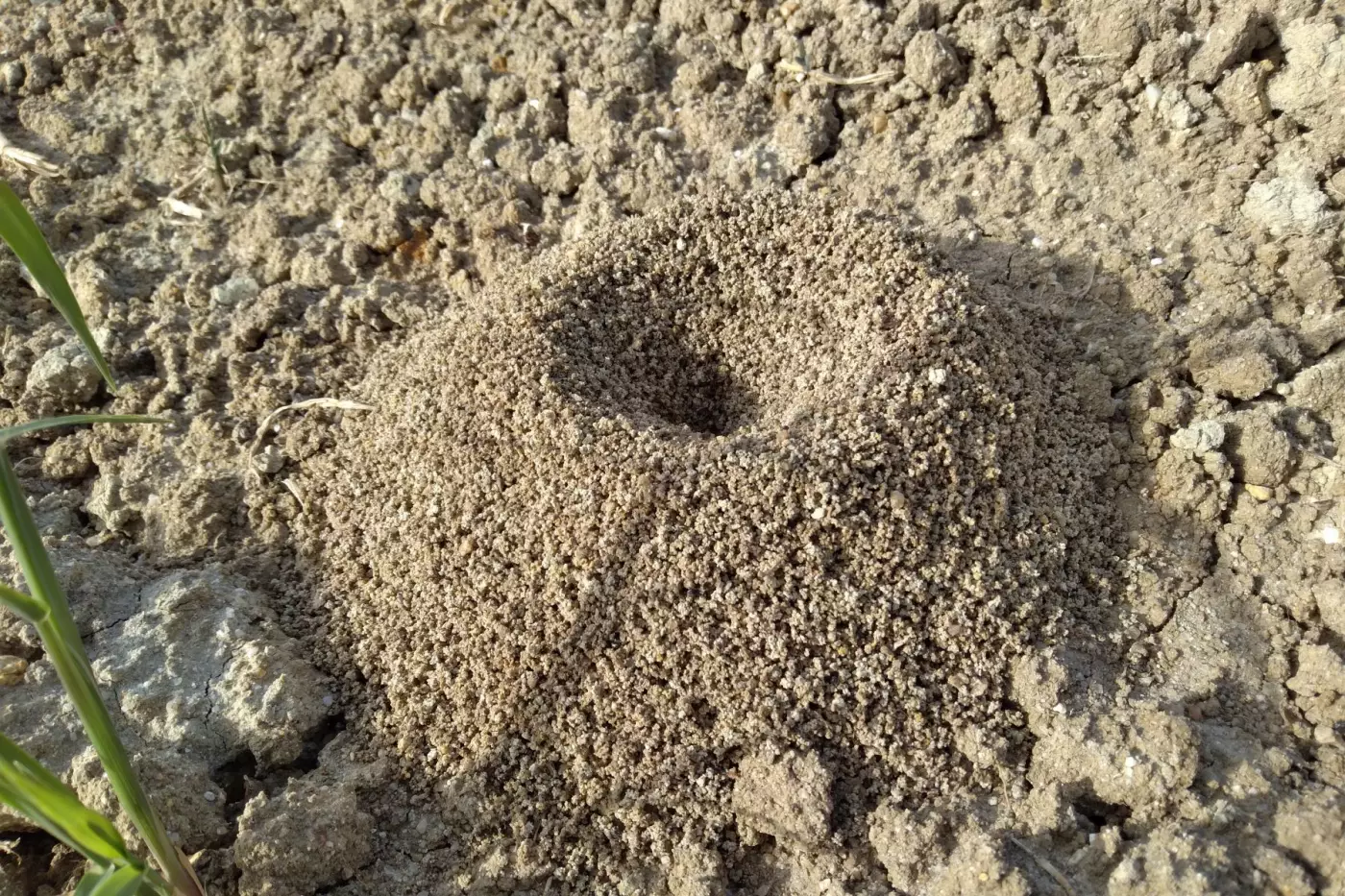
- Visible mounds or disturbed soil in or around beds
- Soft, loose soil near plant roots where tunneling is happening
- Trails leading into or under raised bed frames
- Wood that sounds hollow when tapped (carpenter ants)
Step 2: Address the Root Cause — Especially Aphids
If ants are farming aphids or mealybugs in your garden, you need to take away their food source, and then the incentive disappears. Once the aphids are gone, the ants have less reason to stay.
- Knock aphids off plants with a strong stream of water from the hose
- Apply neem oil or insecticidal soap directly to aphid colonies
- Introduce or attract beneficial insects — ladybugs, lacewings, and parasitic wasps all prey on aphids
- Remove heavily infested plant material and dispose of it away from the garden
Step 3: Treat the Colony Directly
These are the most effective organic methods for getting rid of ants in the garden at the source:
Diatomaceous Earth (DE) Food-grade diatomaceous earth is one of the most reliable organic ant killers available. It's made from fossilized algae and works by piercing the ant's exoskeleton on contact, causing dehydration and death. Sprinkle a generous layer directly over ant mounds, along visible trails, and around the perimeter of affected beds. Reapply after rain — DE loses effectiveness when wet. Always use food-grade DE, wear gloves during application, and avoid inhaling the powder.
Boiling Water. For accessible ground-level nests, pouring boiling water directly into the mound kills a significant portion of the colony, including eggs. It's immediate, chemical-free, and surprisingly effective. You may need to repeat the treatment two or three times over a week for full results. Avoid using this method near live garden plants and plant roots, as the boiling water will damage the roots.
Vinegar Solution White vinegar diluted 50/50 with water disrupts the pheromone trails ants use to navigate and communicate. Spray directly onto trails, mounds, and entry points. It won't eliminate a colony on its own, but it breaks down their organization and disorients foragers significantly. Before spraying near your plants, test a small leaf first — vinegar can burn delicate foliage.
Boric Acid Bait Mix boric acid with powdered sugar and a small amount of water to create a slow-acting bait that worker ants carry back to the colony and share with the queen. This is one of the most effective organic options for eliminating an entire colony from the inside out. Place bait stations near trails rather than directly on them so foragers can find and carry it back. Be patient — this takes several days to work, and that's the point.

Step 4: Set Up Organic Barriers to Keep Them Out
Once you've addressed the colony, these deterrents create a lasting barrier that discourages ants from returning:
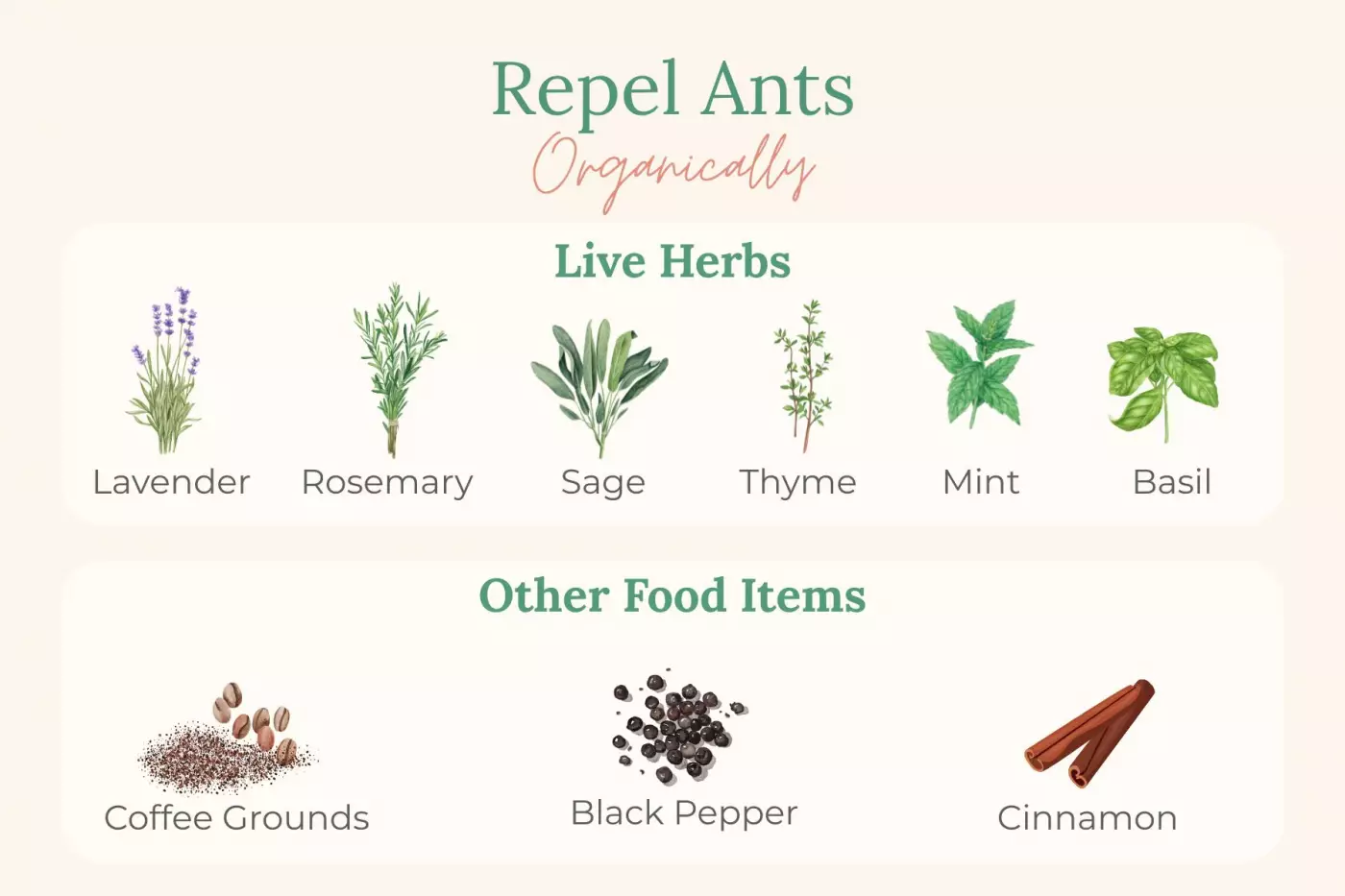
- Cinnamon — sprinkle ground cinnamon along the edges of raised beds and entry points. Ants dislike the scent, and the compounds disrupt their trail communication. Reapply weekly and after rain.
- Peppermint oil — dilute a few drops in water and spray around the perimeter of beds. The menthol compounds are a powerful deterrent to most ant species.
- Coffee grounds — sprinkle used coffee grounds around the base of plants and along garden bed edges. The acidity and scent deter ants and add a small amount of nitrogen to the soil as a bonus.
- Cayenne or black pepper — sprinkle directly on soil around ant trails and nest entry points. The compounds irritate ants' sensory systems and discourage return.
- Diatomaceous earth border — a consistent ring of DE around each raised bed creates an ongoing physical barrier. Maintain it throughout the season and reapply after watering or rain.
Herbs That Naturally Deter Ants — Plant These in and Around Your Garden Beds
One of the most effortless long-term strategies for keeping ants away is simply growing the right things nearby. Several common kitchen garden herbs produce strong aromatic compounds that ants find deeply unpleasant — and they happen to be herbs you'd want to grow anyway.
- Peppermint and spearmint — the most powerful ant-deterring herbs available. The high menthol content overwhelms ants' sensory systems and disrupts their pheromone trails. Plant mint near garden entrances and along bed edges. Just keep it in a container — mint spreads aggressively in the ground and will take over a bed if given the chance.
- Lavender — its strong floral compounds repel ants along with a range of other pests. Plant it along the perimeter of your kitchen garden or in containers near entry points.
- Rosemary — the aromatic oils in rosemary deter ants and several other common garden pests. It's also drought-tolerant and perennial in most climates, making it a permanent, low-maintenance deterrent once established.
- Thyme — another low-growing, drought-tolerant herb whose strong scent ants dislike. It works beautifully planted along the edges of raised beds where it can do double duty as a culinary herb and a pest deterrent.
- Sage — its strong herbal compounds mask the pheromone signals ants use to navigate and recruit other ants to food sources. Plant it along bed borders for ongoing deterrence.
- Basil — the aromatic oils in basil deter ants as well as aphids, making it a smart addition to the interior of raised beds where you want protection closest to your crops.
Quick Tip: The deterrent effect of these herbs is strongest when the leaves are brushed or disturbed — releasing more of their aromatic oils. Lightly rubbing the leaves as you walk past your garden border gives you a fresh wave of scent right where you need it most.
Step 5: Keep the Garden Environment Less Attractive to Ants
Long-term ant management in the garden is as much about the environment as it is about treatment. These habits make your beds genuinely less inviting:
- Harvest regularly — fallen or overripe fruit is a major food source for ants. Keep it cleared.
- Manage aphids proactively — companion plant with marigolds, dill, and nasturtiums to deter aphids and attract their natural predators before infestations develop.
- Avoid deep mulch against plant stems — thick mulch directly against stems creates ideal nesting conditions. Keep a gap of a few inches.
- Water consistently — dry, stressed soil is more hospitable to ant colonies. Well-watered garden beds are less attractive nesting environments.
- Inspect wooden structures — check raised beds, trellises, and fences regularly for early signs of carpenter ant activity. Catching it early is far easier than managing an established colony.
A Word About Ants That Are Actually Helping You
Before you declare all-out war on every ant in the garden, it's worth pausing for a moment. Black garden ants and some pavement ants are genuinely beneficial. They aerate soil, prey on pest insect eggs, help with decomposition, and contribute to a balanced garden ecosystem.
The goal isn't a garden with zero ants. It's a garden where ant populations are in balance, and where the beneficial species can do their work without the harmful ones taking over. If you've got a few ants wandering around your beds and no signs of aphid farming, structural damage, or mounding near plant roots, they're probably doing more good than harm. Leave them alone and watch what happens.
The problem ants — fire ants, leafcutters, large colonies of Argentine or carpenter ants — those are worth addressing promptly and thoroughly. Everything else, use your judgment.
Want to Take the Guesswork Out of Garden Pests Entirely?
Ants are just one of the creatures that show up in the kitchen garden and leave you wondering whether to act or leave well enough alone. That question gets exhausting when it's happening with a different pest every other week.
The Organic Pest Control Course at Gardenary gives you a complete, calm, strategic system for managing every pest in your garden organically — no panic, no harsh sprays, no endless guessing. With 28 video lessons on organic pest control, 8 lessons on building a pest-proof garden, specialty guides for the most common pest challenges, and Nicole's own organic spray recipes, you'll finish with a system that protects your garden season after season.
Find the Organic Pest Control Course at gardenary.com.
Stop Spraying. Start Gardening Smarter.
Organic Pest Control Made Simple
No harsh sprays. No endless guessing. Just a thriving, abundant garden that practically protects itself. With the Organic Pest Control Method, you’ll learn Nicole Burke's exact steps to grow naturally and confidently, season after season.
Frequently Asked Questions About Getting Rid of Ants in the Garden
What is the fastest way to get rid of ants in the garden? Boiling water poured directly into an ant mound is the fastest immediate treatment — it kills a significant portion of the colony on contact. For a more complete elimination, follow up with diatomaceous earth along trails and a boric acid bait station near the nest. Together, these two methods work quickly and thoroughly.
Does diatomaceous earth get rid of ants in the garden? Yes — food-grade diatomaceous earth is one of the most effective organic ant killers available. It works by physically damaging ants' exoskeletons on contact, causing dehydration. Apply it directly to trails and mounds, and maintain a border around garden beds throughout the season. Reapply after rain as DE loses effectiveness when wet.
Will vinegar kill ants in the garden? Vinegar disrupts ants' pheromone trails and disorients foragers, and can kill ants on direct contact. However, it won't eliminate a colony on its own — it's best used as a trail disruptor alongside a colony treatment like diatomaceous earth or boric acid bait. Dilute 50/50 with water before applying and test on a small area first as vinegar can damage sensitive plant foliage.
How do I get rid of fire ants in the garden organically? Fire ants are more aggressive and harder to eliminate than most garden ant species. The most effective organic approach is a combination of boric acid bait stations placed near active trails and diatomaceous earth applied to the mound. For large or persistent fire ant infestations, particularly in the South, multiple treatment rounds over several weeks may be necessary.
Do ants damage wooden raised beds? It depends on the species. Carpenter ants can cause structural damage to wooden raised beds over time by tunneling through the wood to nest. Most other ant species won't damage the beds themselves but may disrupt plant roots through extensive tunneling in the soil and encourage aphid infestations on the plants inside. Regular inspection of cedar raised beds for carpenter ant activity is worthwhile maintenance.
More About Pests
Sources
- "Ant Management in Gardens and Landscapes" — https://ipm.ucanr.edu/PMG/GARDEN/CONTROLS/antmanagement.html
- "Natural Way to Keep Ants off Plants" — https://kellogggarden.com/blog/insect-pest-control/natural-way-to-keep-ants-off-plants/
- "Facts About Ants in a Garden and Organic Control Tips" — https://getbusygardening.com/garden-ants-friends-or-foes/
- "Ants in Garden: How to Get Rid of Ants in a Garden" — https://www.masterclass.com/articles/ants-in-garden-explained-and-how-to-get-rid-of-them