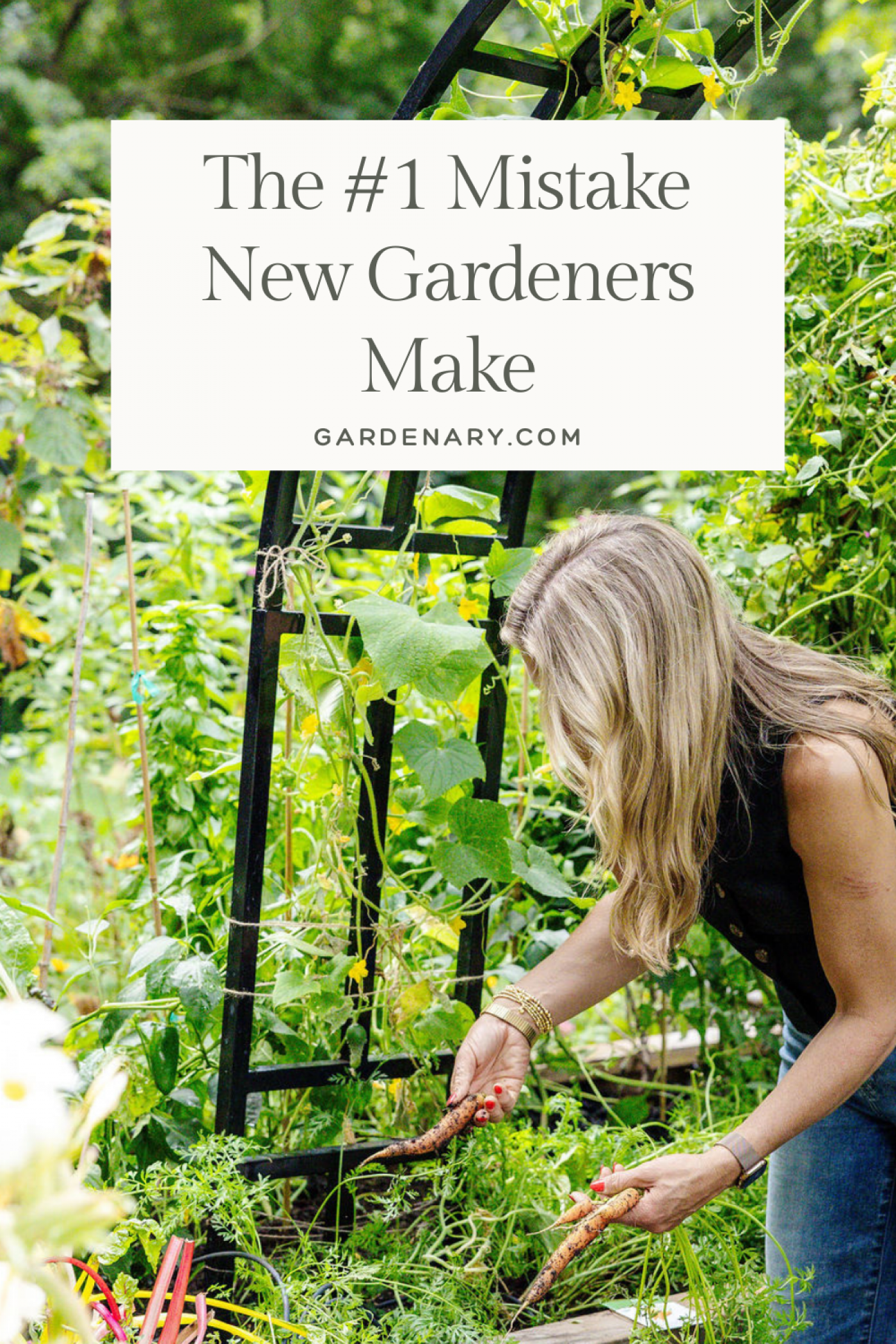
When you first get the itch to garden, you might hear a common piece of advice: “Start small. Just try one plant.”
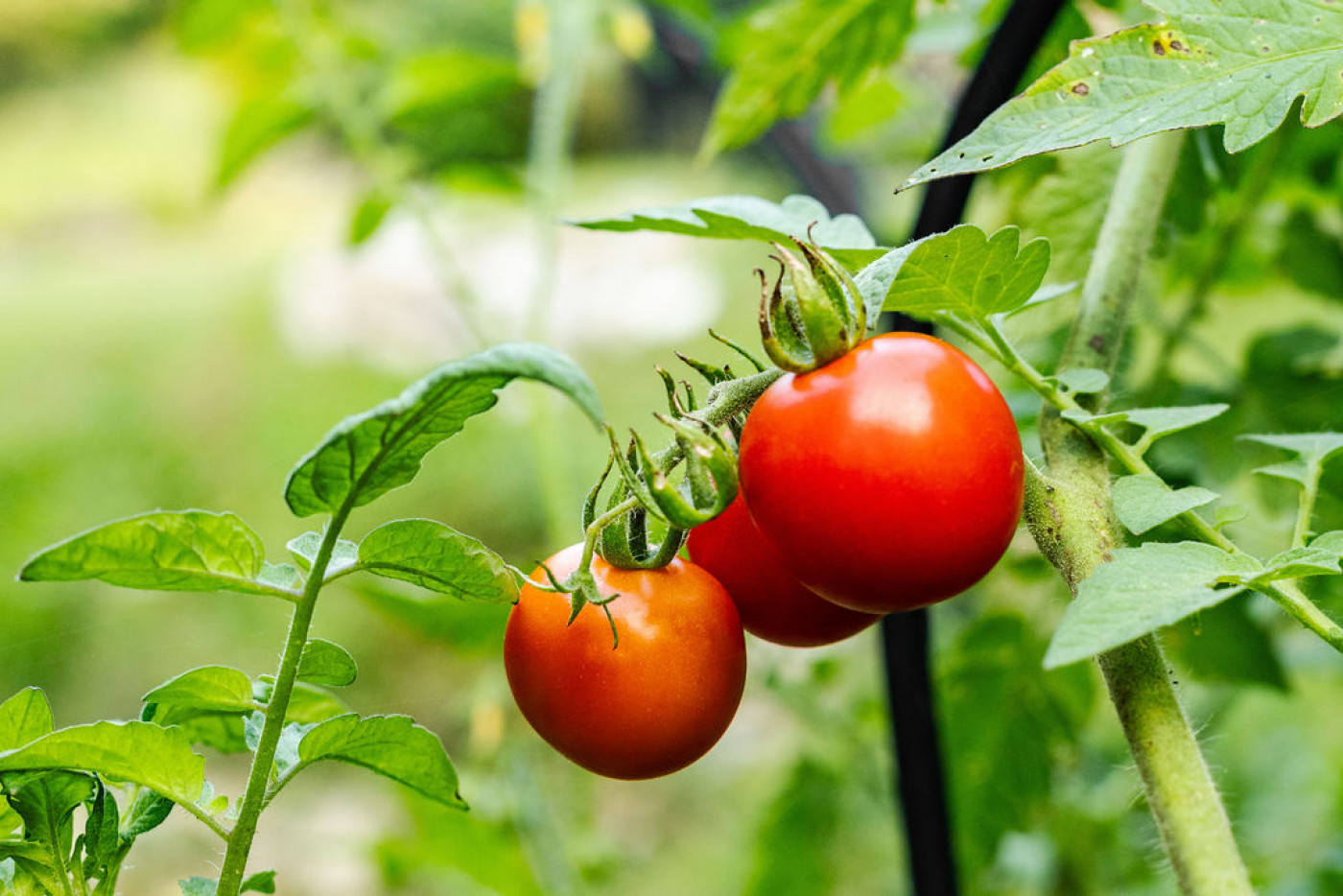
It sounds reasonable, right? One pot on the patio, one tomato plant by the porch, or one basil plant on the kitchen windowsill. Easy enough.
But here’s the truth: starting with just one plant is actually the number one mistake new gardeners make.
Why? Because one lonely plant won’t give you the joy, abundance, or learning experience that makes gardening so rewarding, and in many cases, caring for just one plant can actually be harder.
At a Glance
- The #1 mistake new gardeners make is starting with just one plant, which leads to boredom, fragility, and frustration instead of success.
- The solution is to begin with a small, thriving garden system that provides multiple plants, simple guidance, and the confidence to grow an abundant harvest from the very first season.
Why “Just One Plant” Doesn’t Work
When you grow just one plant, you set yourself up for disappointment:
It’s boring. One plant doesn’t do much over time. A single tomato plant might give you a handful of fruits, but then… that’s it.
It’s fragile. If something goes wrong—a pest, a heatwave, or a forgotten watering—you lose your entire garden in one swoop.
It limits your learning. You don’t actually learn how plants work together or how a garden ecosystem thrives. You just learn how to keep that one pot alive.
And here’s the sad part: most people who start with a single plant give up before they ever really begin. They decide gardening isn’t for them, when in reality, they just didn’t start with the right setup.

Join Thousands of Gardeners On the VIP List
Free perks, just for email subscribers:
- 15% Off Your First Order
- Gardening Videos & Articles
- Early Access to Sales
Sign up, check your inbox, then shop with your code.
CLAIM YOUR 15% OFF BELOW
What to Do Instead: Start with a Small Garden
The secret to an easy garden isn’t less—it’s actually a little more.
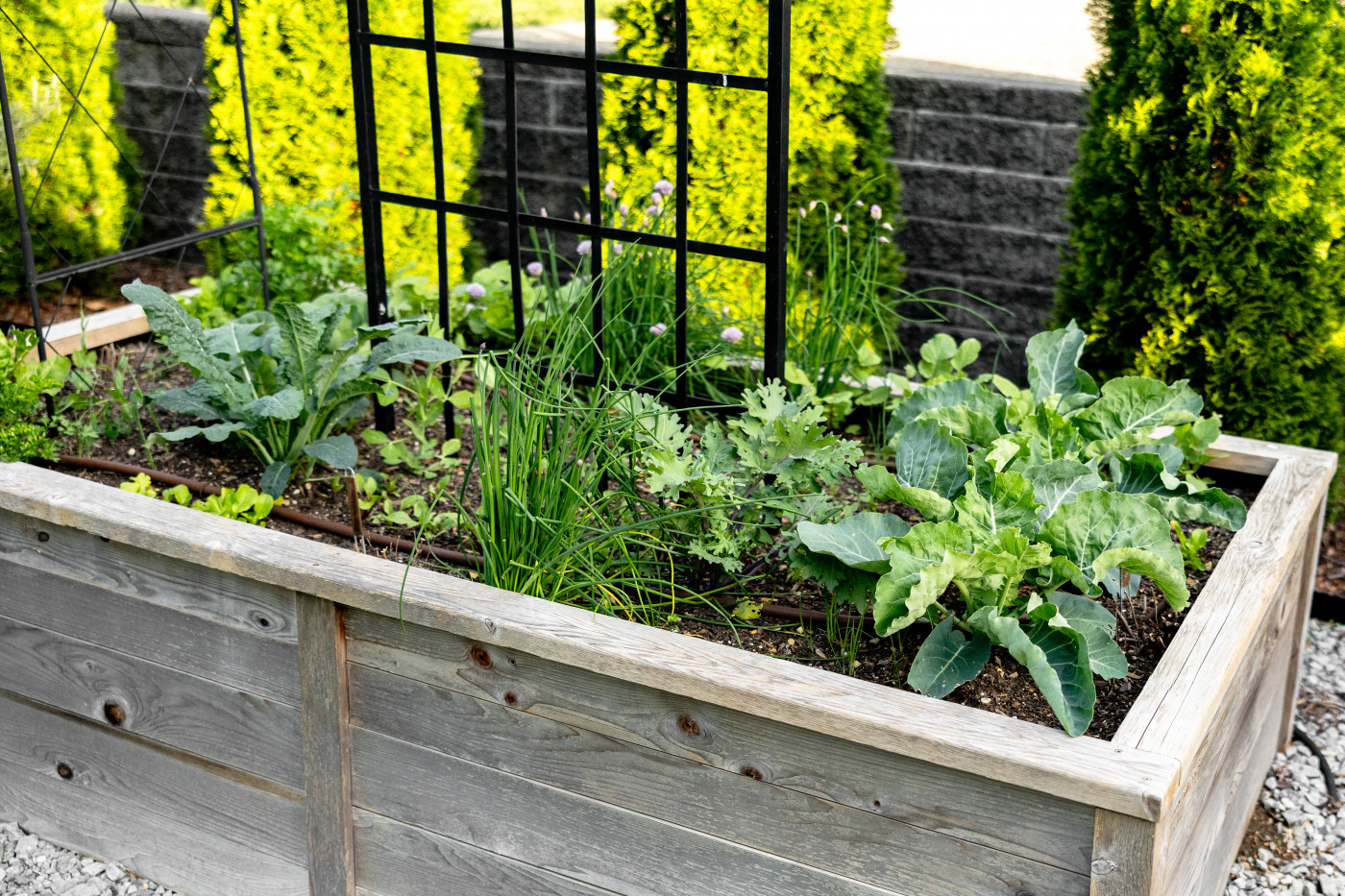
When you grow three to five different plants together, something magical happens:
- You’ll always have something happening in your garden. While your lettuce is ready to harvest, your beans are climbing, and your carrots are quietly growing underground.
- Plants actually support one another. Leafy greens shade the soil, roots open up space, and fruiting crops stretch upward.
- You’ll get a steady supply of food for your kitchen, which keeps you motivated and excited to keep tending.
A simple mix like spring mix lettuce, spinach, radishes, peas, and carrots can give you variety, resilience, and plenty to enjoy.
Instead of babysitting one fragile plant, you’re creating a tiny, thriving ecosystem right in your backyard.

But Doesn’t That Sound Complicated?
If you’re brand-new, the idea of starting with multiple plants instead of just one might feel overwhelming. What plants should you choose? How do you know they’ll grow well together? What kind of soil or setup do you need?
That’s where a plan, and the right materials, make all the difference.
Start with plants that are EASY!
Easy Plants:
- Arugula – Peppery greens perfect for fresh salads
- Bush Beans – Crisp, tender, and fast-producing
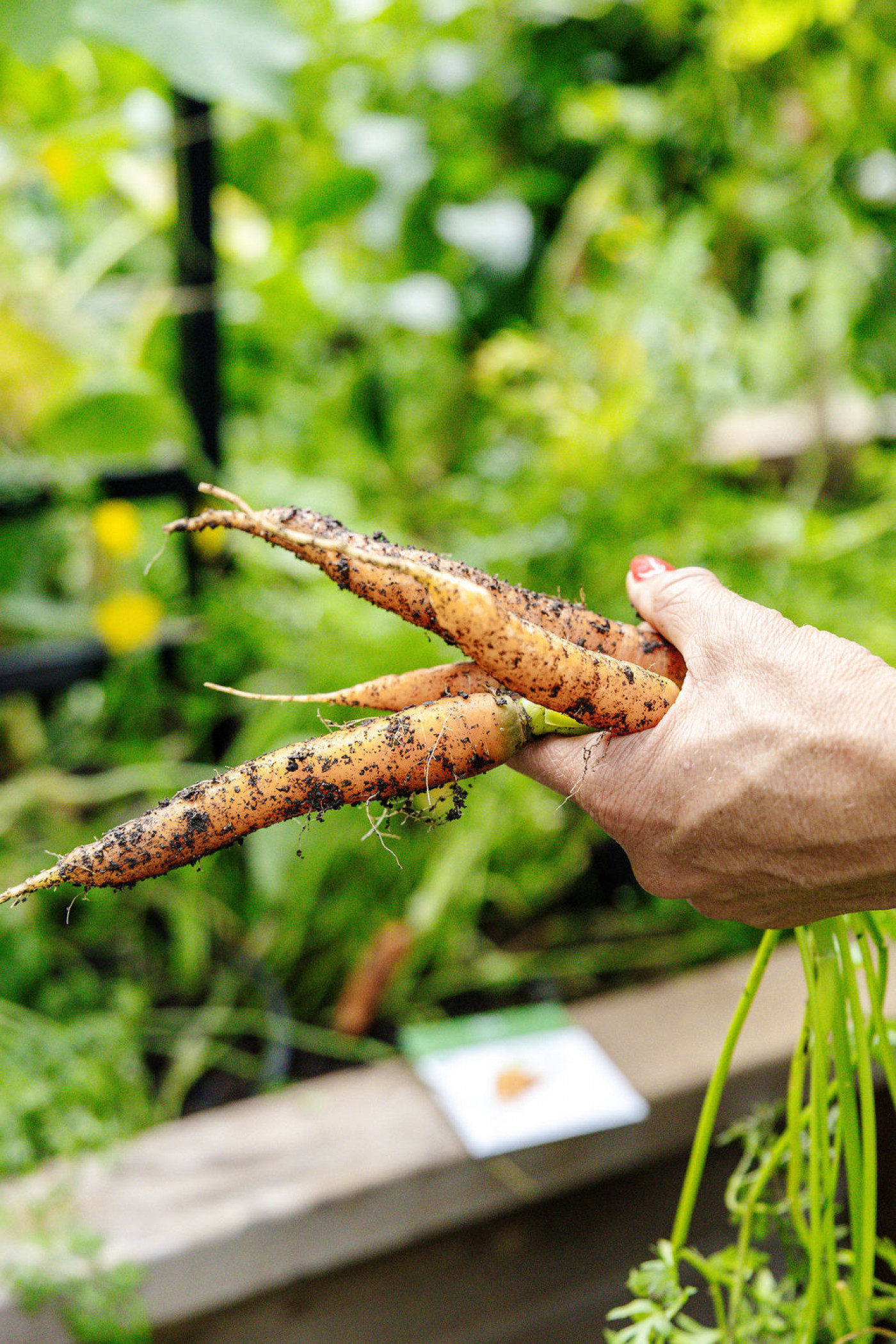
- Carrots – Sweet, crunchy favorites for all ages
- Cucumbers – Ideal for snacking or pickling
- Lettuce – Cut-and-come-again leaves for daily harvest
- Peas – Sweet pods to enjoy straight from the vine
- Radishes – Fast-growing roots for quick wins
- Spinach – Tender, nutrient-rich greens
- Zinnias – Bright blooms that attract pollinators
- Zucchini – Abundant summer squash with endless uses



Start Your Garden the Right Way
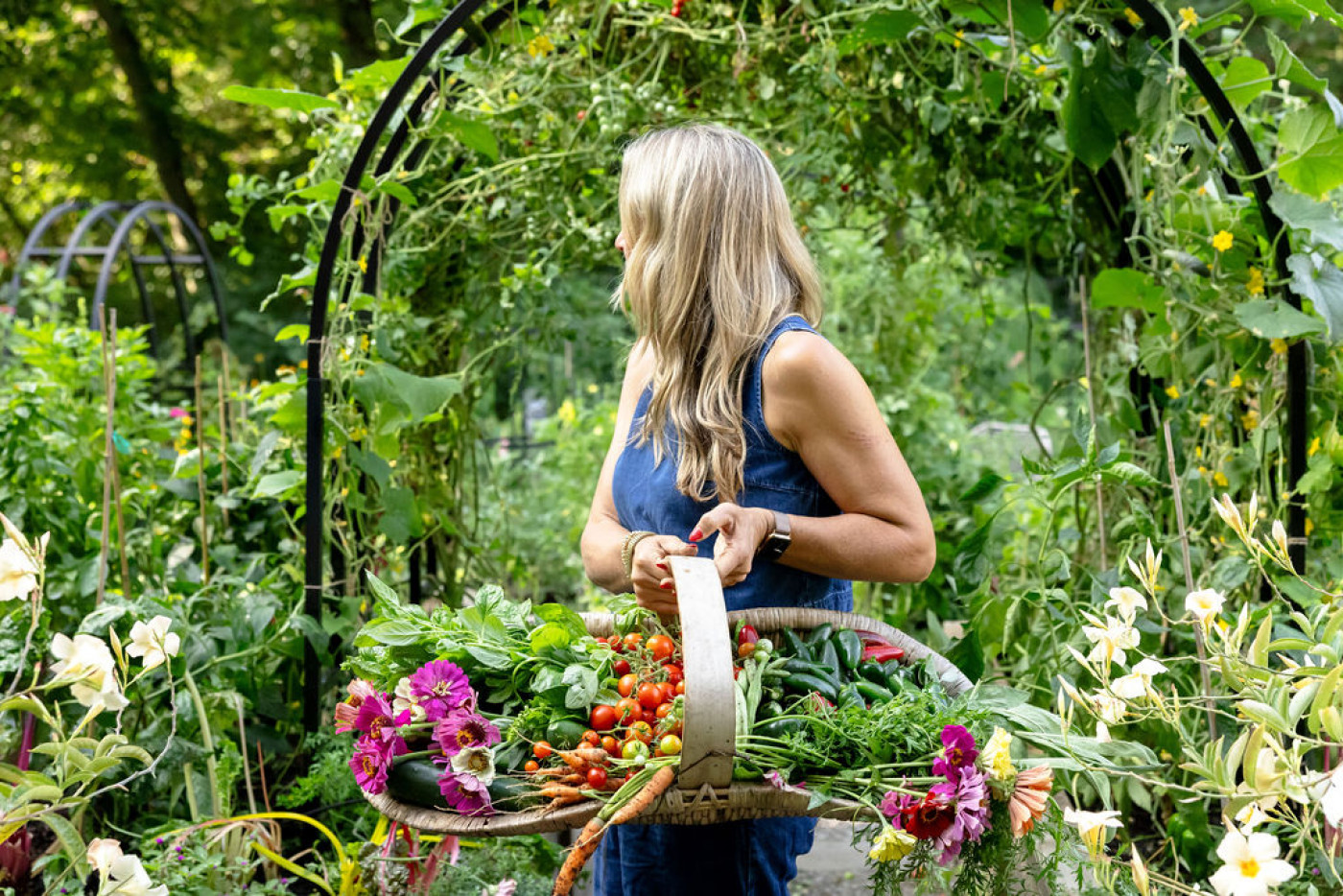
Starting small is smart. But “small” doesn’t mean just one plant. It means starting with a simple, contained space where multiple plants can thrive together. That’s what makes gardening fun, easy, and sustainable.
So if you’ve been tempted to stick a lonely tomato in a pot and call it a garden, do yourself a favor: give yourself a real chance to grow.
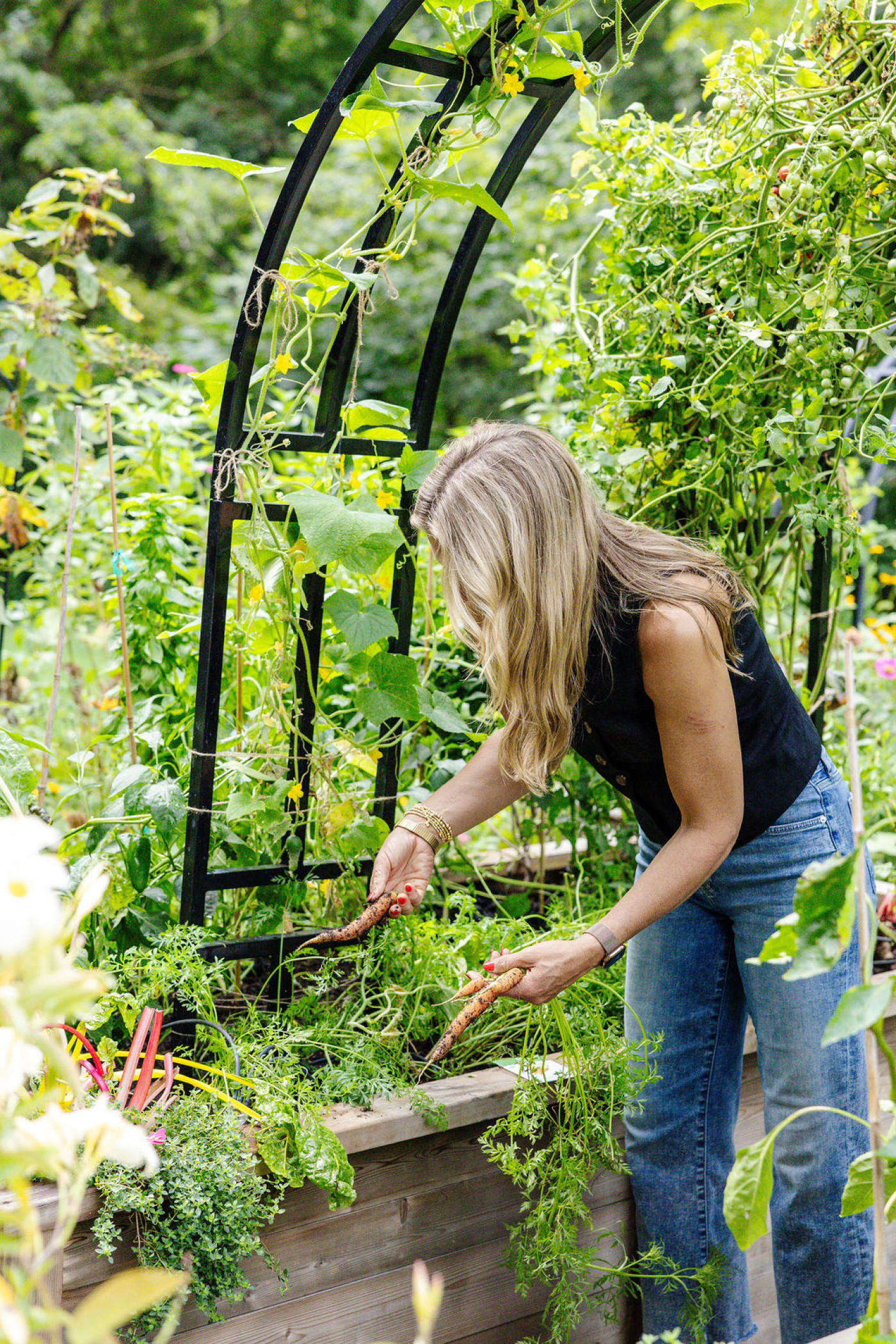
Your future self, the one harvesting greens for dinner and pulling fresh carrots from the soil, will thank you.
Because gardening shouldn’t be about “just surviving one plant.” It should be about creating a little piece of abundance right outside your door.
Click on the image below to save this article for later.