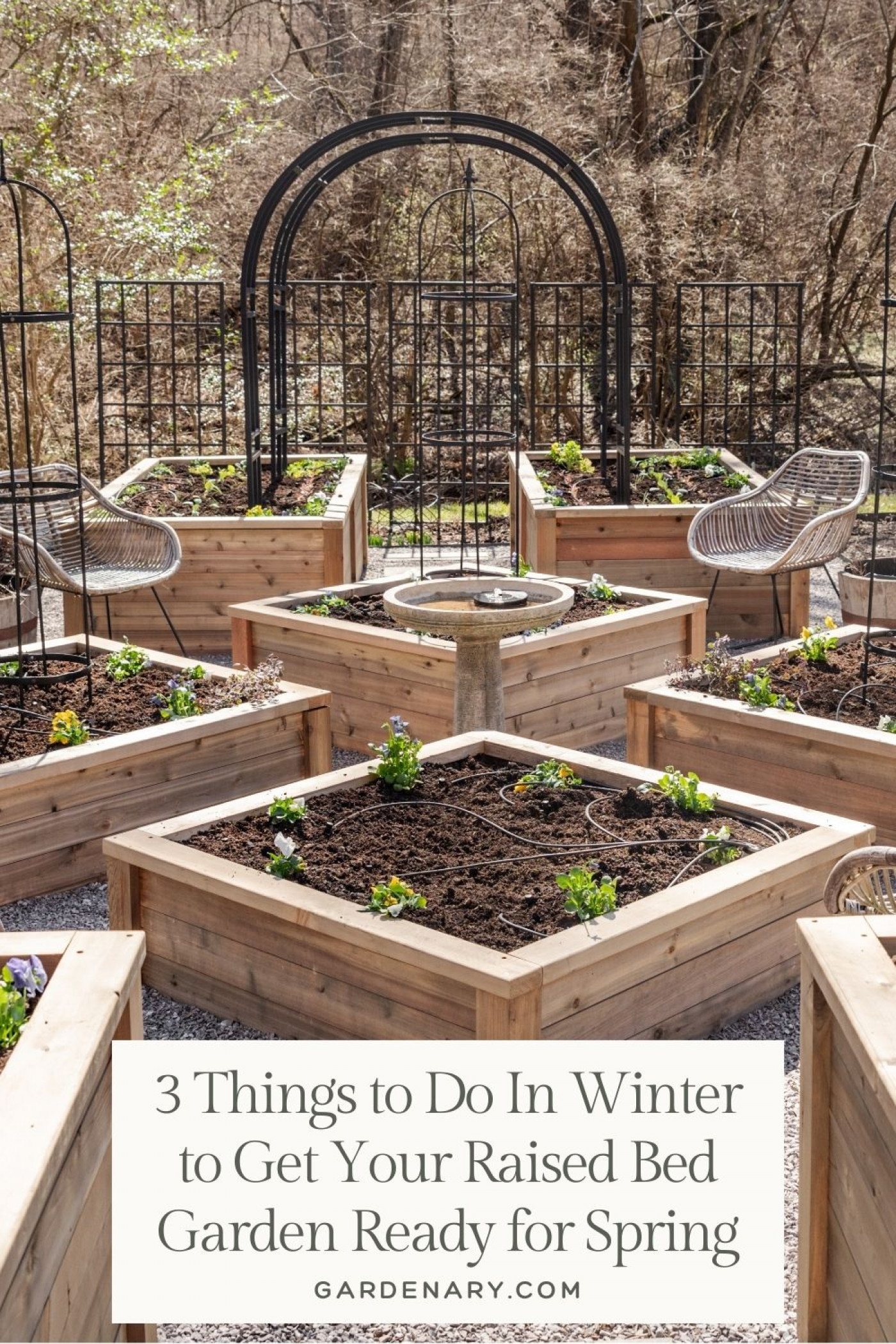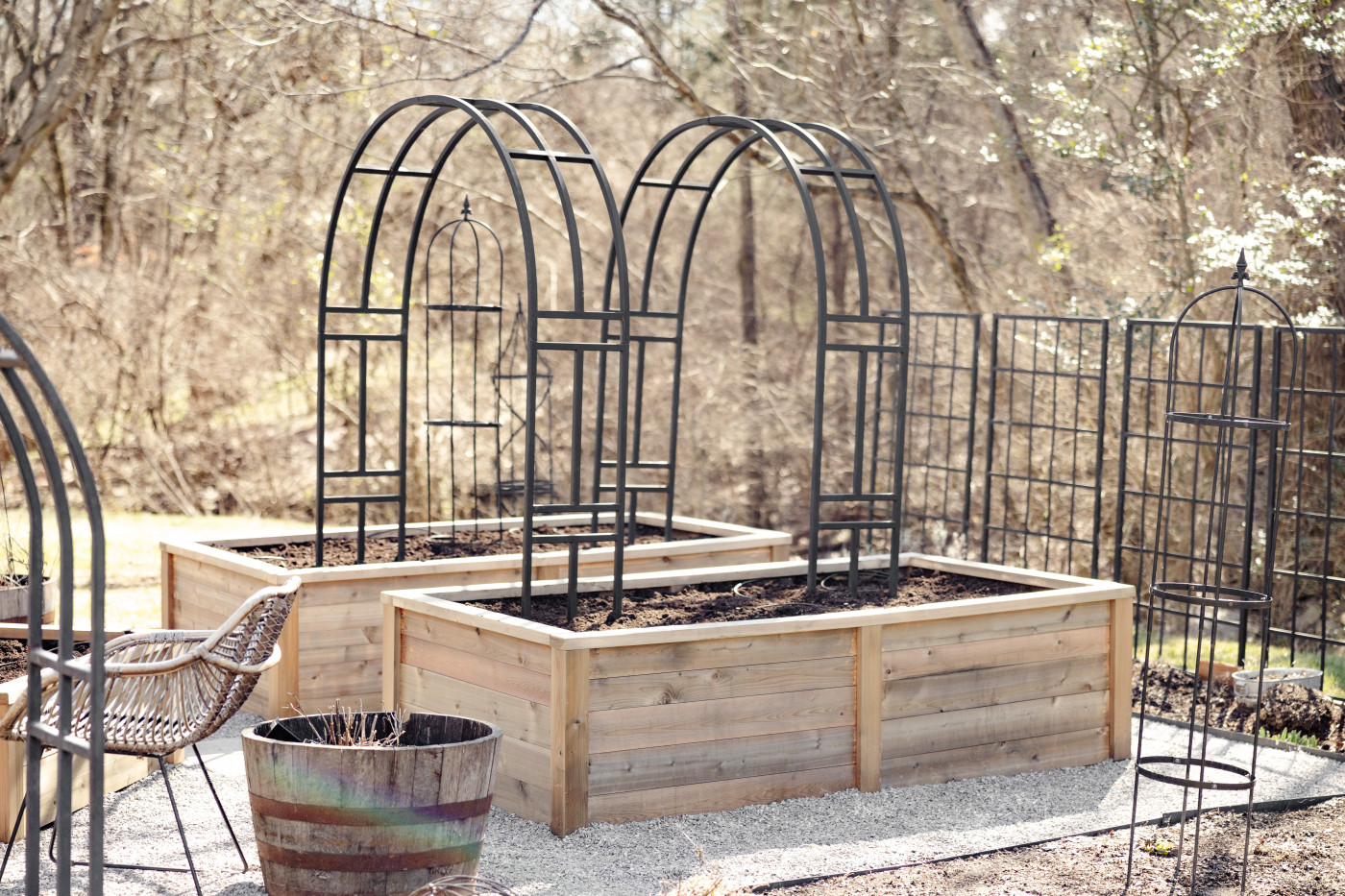
At a Glance
- Three simple Winter garden tasks that prepare your raised beds for a productive spring
- How to harvest, prune, and clear beds without disrupting soil health
- Why a few five-minute garden habits in winter lead to your best growing year yet
Things I Do in Winter to Prepare My Garden for the Best Year Yet
During winter, the sun is out for a few minutes, the air is cold, and most people assume the garden is done for the season. But winter is actually a great time to work in the garden. Not because there’s a lot to do, but because what you do now quietly sets the stage for everything that comes next.
On a recent January morning, I found myself with just enough warmth to step outside. It wasn't for long, but it was all the time I needed. Over the years, I’ve learned that winter gardening isn’t about long work sessions. It’s about small, intentional actions that add up.
These are the three things I focus on in the middle of winter to prepare my raised bed garden for spring. None of them requires perfect weather, fancy tools, or hours of free time.

Join Thousands of Gardeners On the VIP List
Free perks, just for email subscribers:
- 15% Off Your First Order
- Gardening Videos & Articles
- Early Access to Sales
Sign up, check your inbox, then shop with your code.
CLAIM YOUR 15% OFF BELOW
Step 1

Harvest What’s Still Giving
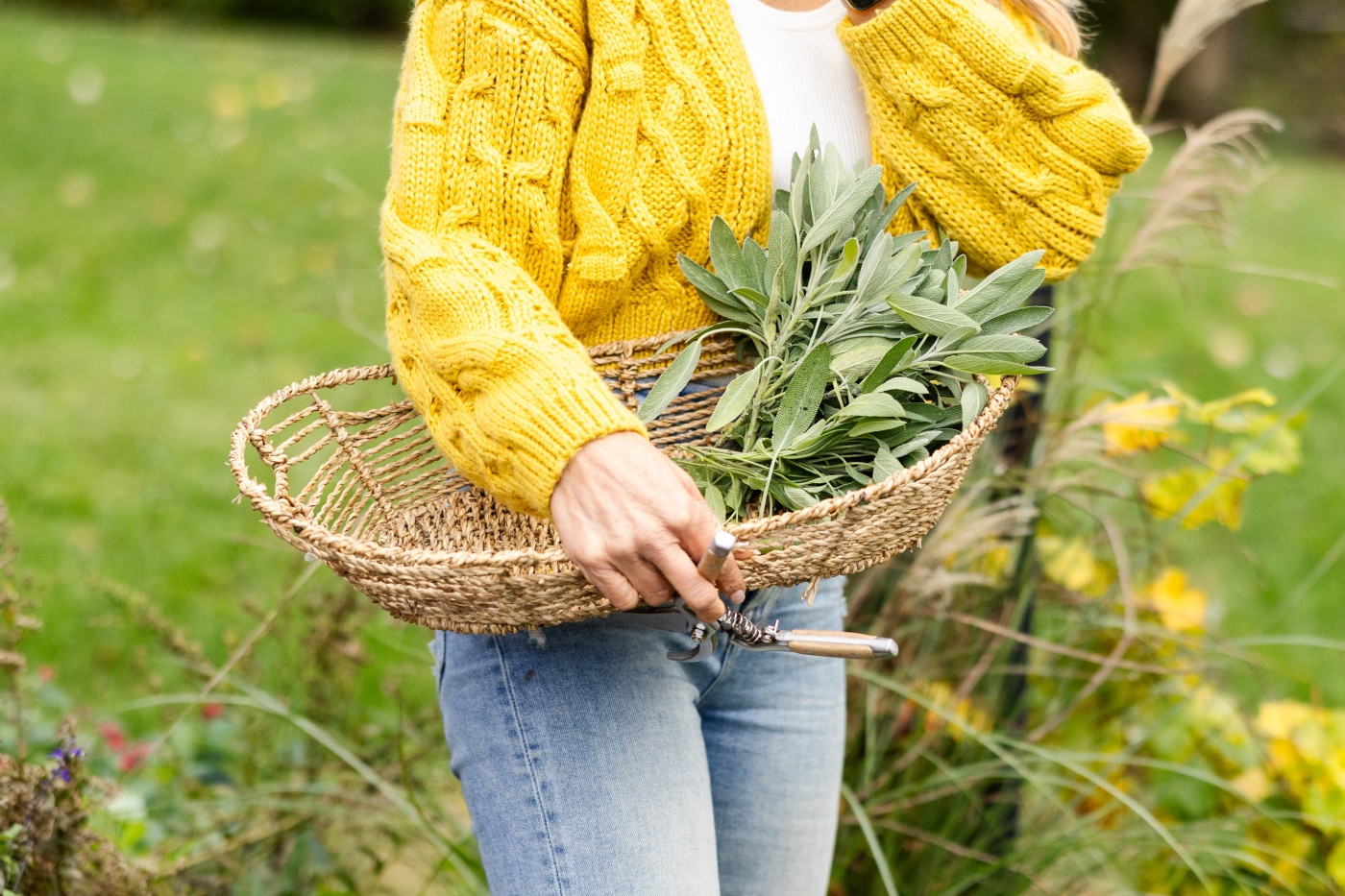
The first thing I do in winter is harvest anything that’s still worth harvesting. You might be surprised how much survives cold weather.
In my garden, sage is a perfect example. Even after nights in the low 20s°F (around -6°C), the sage plants are still standing strong. These are plants I put in years ago, and they continue to give season after season. Winter harvesting doesn’t mean taking everything. It means taking what the plant can spare.
This is also the moment to look closely at what’s still alive. Some plants may look rough on the surface but have healthy growth at the base. Others have clearly finished their life cycle.
I take a light harvest, enjoy what’s usable, and mentally note which plants proved themselves through cold weather. Those observations matter later when I’m deciding what to plant again.
Prune (Don't Pull) Perennials and Plants That Might Thrive Again
While harvesting, I move straight into pruning. This is where winter garden cleanup really begins.
Some plants don’t need to be removed entirely. Snapdragons are a great example. Mine looked beautiful for most of the year, and even into winter, some of them were still holding on. Instead of pulling them out, I cut back the dead growth and leave the roots in place.
Often, you’ll notice tiny buds at the base of the plant. That’s your sign that it may return once temperatures warm. Leaving roots in the soil supports soil structure and helps beneficial organisms stay active.
Perennial herbs fall into this category as well. Oregano, sage, and other hardy herbs should not be pulled out in winter. Cutting them back gently is enough.
This step is about discernment. You’re deciding what stays and what goes, not ripping everything out just because it’s winter.
Step 2

Pull Plants That Are Truly Done
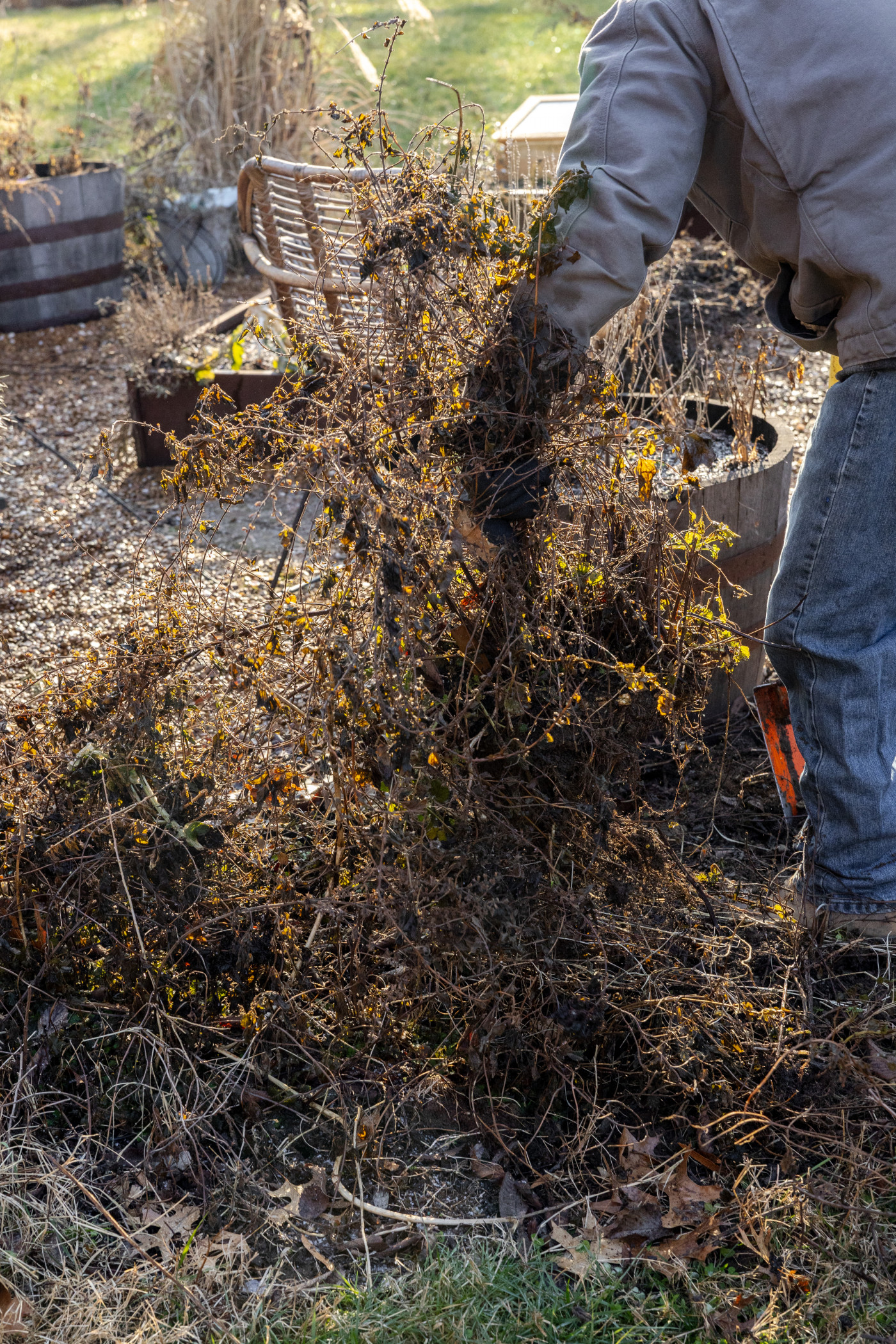
Once pruning is finished, it’s time to make some decisions on which plants to say goodbye to. Pull out plants that won’t return and that you don’t want roots remaining in the soil.
Peppers are a good example in my garden. While they were incredibly productive during the growing season, they’re not something I leave in the ground long-term. Their roots can interfere with future plantings, so I remove them completely.
Pulling plants in winter feels different than pulling them in summer. There’s less resistance. As you remove plants, you begin to see the soil surface again, and that’s when the garden starts to feel clear and ready for its next phase.
This is also a good moment to pay attention to plant performance. I like to mentally rate plants on a simple scale. Did it earn its space? Did I actually use what it produced? Did it bring me joy?
Winter cleanup gives you the clarity to make better planting decisions later.
A Note on Staying Organized in Winter
One of the reasons I know exactly what to do on a random sunny January day is because I garden by season, not by zone. Right now, I’m in the cold season, and my focus is on preparation, not production.
Having a seasonal plan removes guesswork. It tells you when to clean up beds, when to organize seeds, and when to start thinking ahead to spring. I use these garden planners to help me stay on track each season.
Step 3

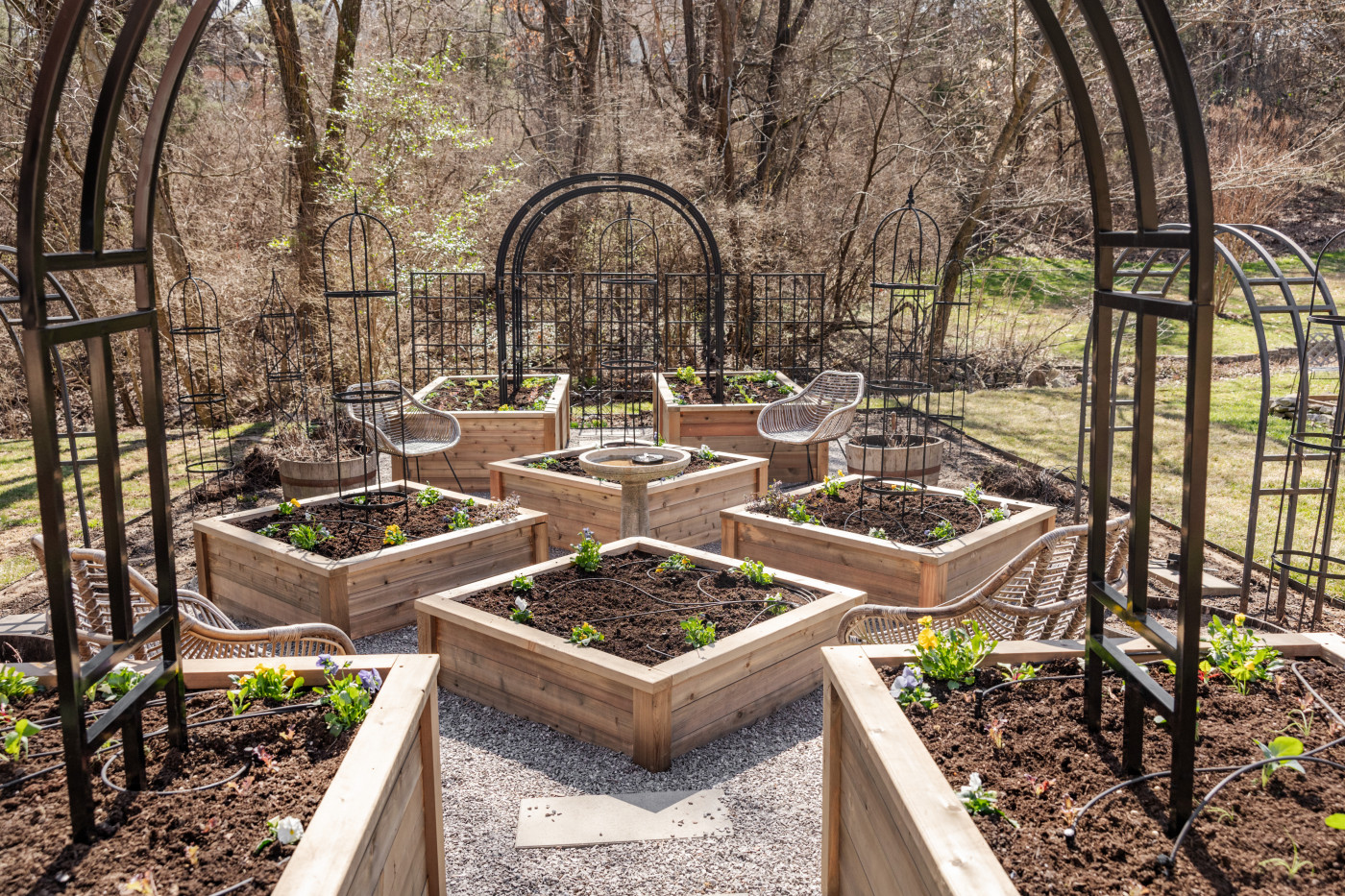
Clear Debris and Reset the Soil Surface
Once harvesting, pruning, and pulling are done, the final step is clearing debris from the soil surface.
I pull out my small hand rake and gently remove dead leaves, stems, and leftover plant material. Don't forget this step! Leaving piles of debris in raised beds over winter can invite unwanted pests and burrowing insects.
After raking everything clean, I’m left with exposed soil that’s ready for a reset. The debris goes straight to the compost pile, where it will break down and eventually return to the garden in a much more beneficial form.
At this point, all that’s left to do is add a fresh layer of compost. That compost becomes both mulch and soil food, protecting the bed while feeding it at the same time.
Making Gardening Fit Into Real Life
As a mom and a business owner, I’ve learned that gardening has to work with my life, not against it. That’s why I focus on five-minute garden tasks, especially in winter.
On the morning I filmed this cleanup, I had already journaled, walked the dogs, worked out, and put breakfast in the oven. I came down to the garden, spent five minutes cleaning a bed, and went back to my day knowing the garden was cared for.
Those small moments add up. Winter gardening doesn’t need to be overwhelming to be effective.
Watch the YouTube video to learn more!
Click the image below to save this article for later!