
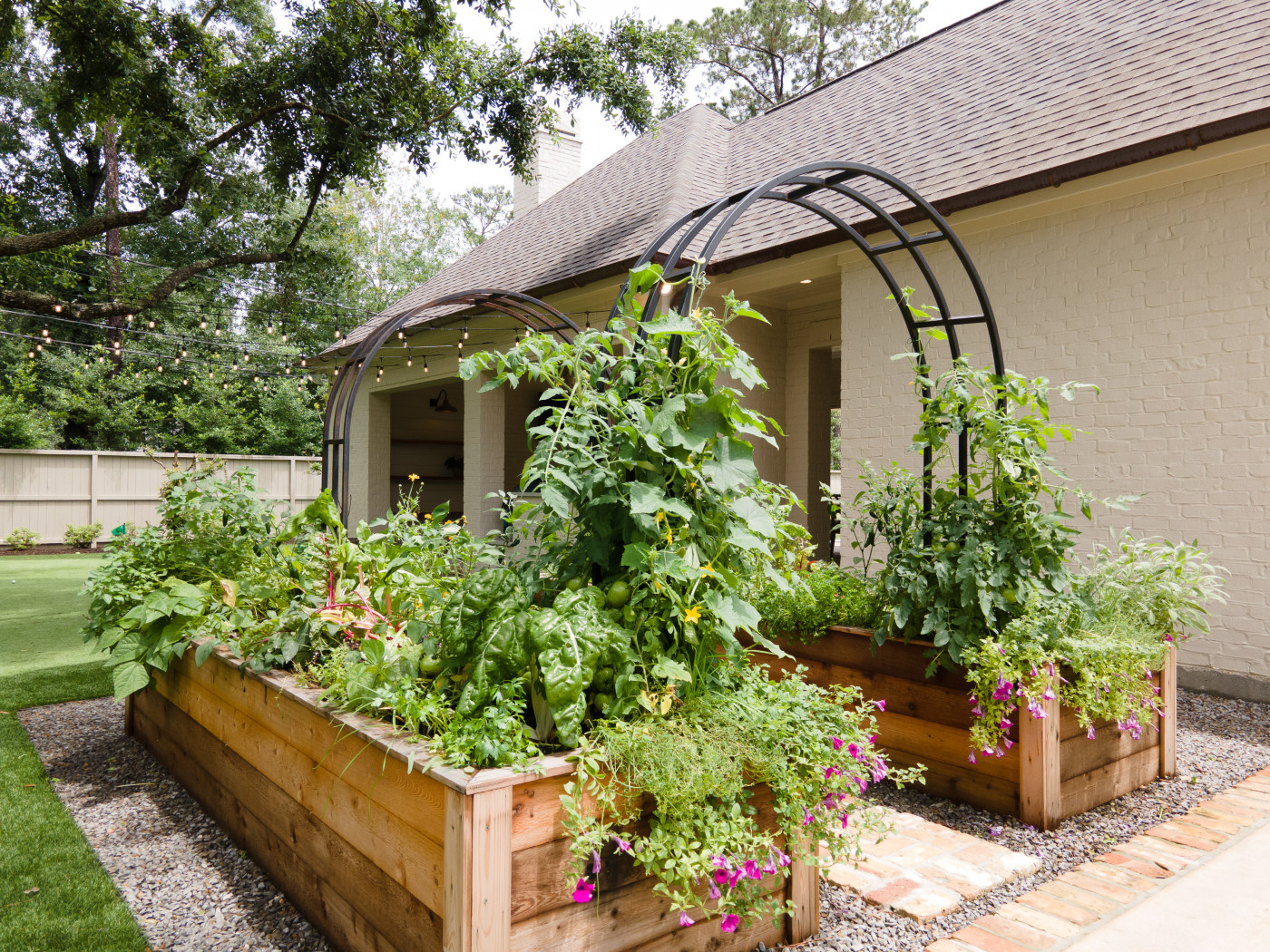
At a Glance
- How to avoid mistakes when buying a raised garden bed
- The 5 factors that determine long-term success
- What truly matters when you buy a raised bed
Things to Consider Before You Buy a Raised Garden Bed
When you buy a raised garden bed, you're not just purchasing a frame. You're choosing the foundation that will support your soil, your plants, and your harvest for years to come.
The wrong purchase can lead to warping boards, chemical exposure, premature rot, instability, or constant frustration. The right purchase can simplify your gardening and ensure that you're investing in a garden that will last.
After helping design hundreds of raised bed gardens over the past decade, I rely on a simple checklist before I ever buy one.
Here are the five things you should always check when you buy a raised bed.

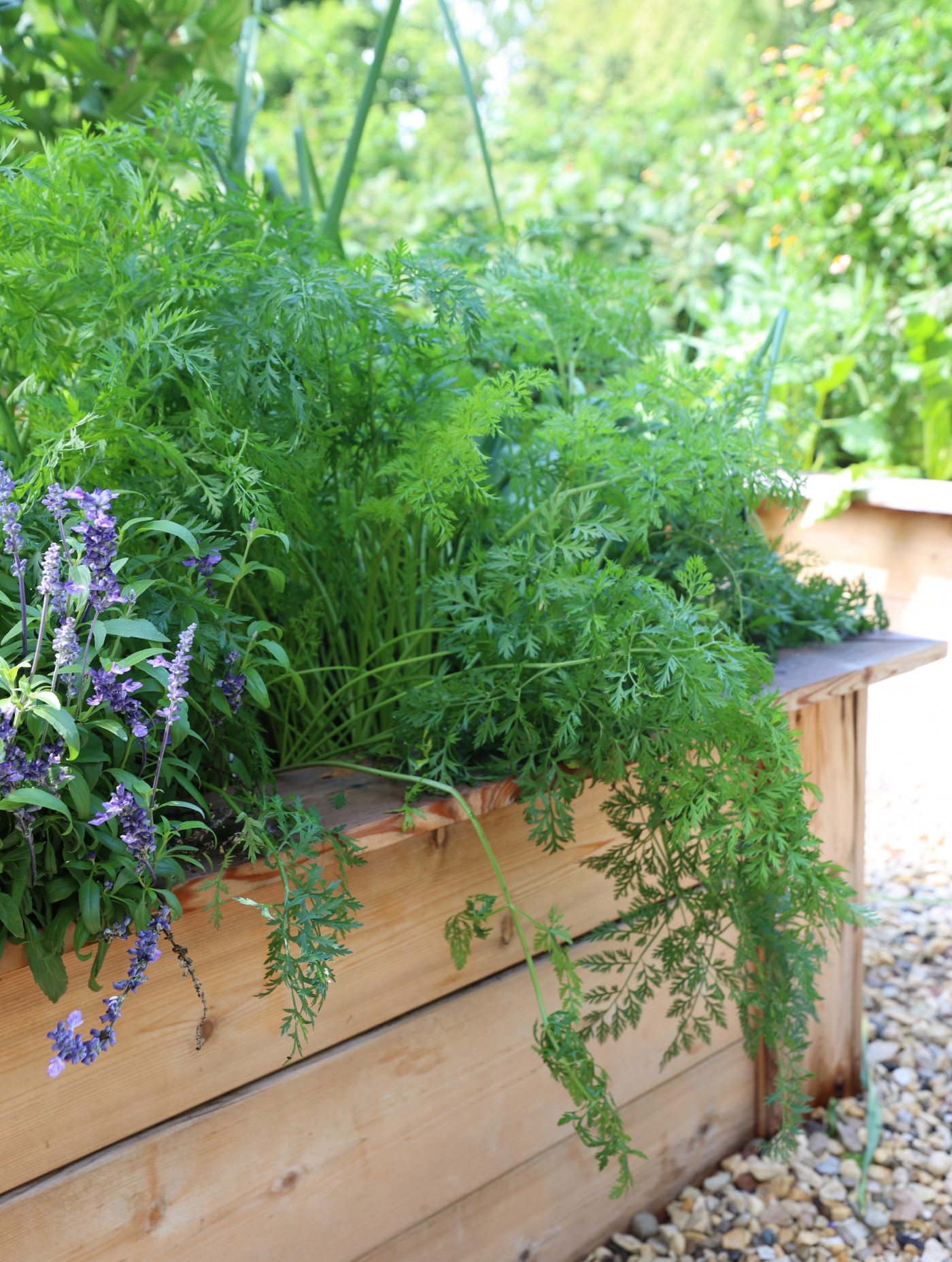
1. Is the Material Natural and Untreated?
The first thing to check when you buy a raised garden bed is the material itself.
The most common raised bed materials are wood, steel, and stone. All three occur naturally, but that doesn't automatically mean they are safe in every form. Many wood products are pressure-treated with chemicals. Some steel beds are coated in synthetic finishes. Certain stone products are sealed with artificial coatings.
Before purchasing, confirm that:
- Wood is untreated and free of chemical preservatives
- Steel has not been coated with harmful synthetic finishes
- Stone is not sealed with artificial materials
You want confidence that your raised bed is not introducing unwanted substances into the soil where your food grows.
Natural and untreated materials provide peace of mind. When you know your structure is clean, you can focus fully on building healthy soil and growing strong plants.
Why Gardenary raised beds are untreated:
- Gardenary raised beds are made from untreated cedar, never pressure-treated lumber
- Materials are selected specifically for growing food safely
- We prioritize natural materials like wood that align with organic gardening principles

Join Thousands of Gardeners On the VIP List
Free perks, just for email subscribers:
- 15% Off Your First Order
- Gardening Videos & Articles
- Early Access to Sales
Sign up, check your inbox, then shop with your code.
CLAIM YOUR 15% OFF BELOW

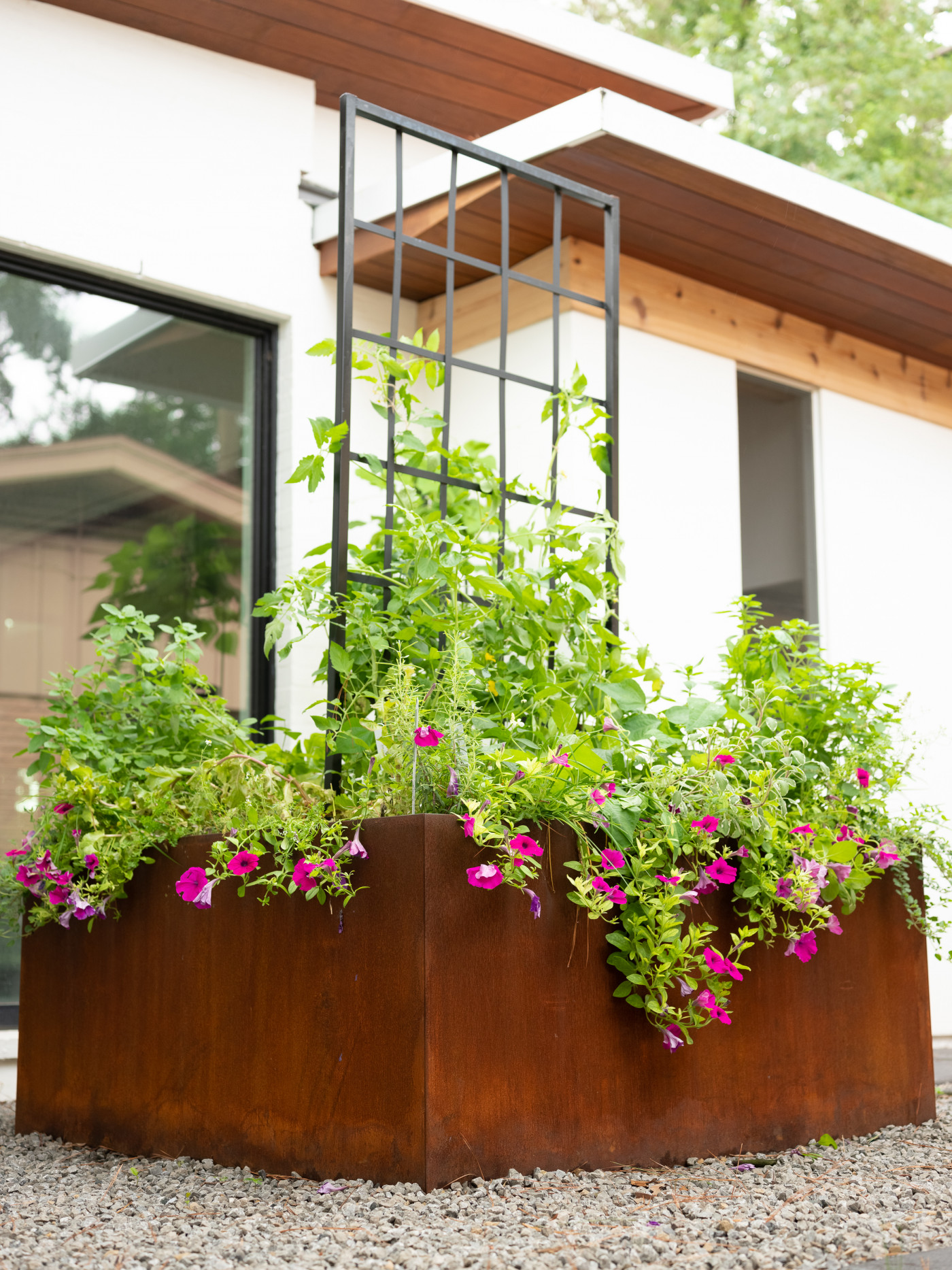
2. Is It Built for Durability?
The next thing to consider when you buy a raised garden bed is durability.
There is an old saying: "the cheap pay twice." Raised beds are not something you want to replace every couple of seasons. You want a structure that can handle years of moisture, soil pressure, and changing weather conditions.
For wood beds, durability depends heavily on the type of lumber used. Softwoods like pine break down quickly in outdoor conditions. Harder woods such as cedar, redwood, cypress, and hemlock are naturally more resistant to decay and insects.
Steel beds generally last longer than wood, especially when designed properly. Certain types of steel, like corten steel, are engineered to rust to a protective layer and then stabilize. Stone beds can last decades, but only if installed correctly with proper footing and support.
Durability does not mean sacrificing natural materials. It means selecting materials that are both safe and strong enough to stand the test of time.
When you buy a raised garden bed, think in terms of years, not seasons.
Why Gardenary prioritizes durability:
- We use naturally rot-resistant cedar varieties
- Beds are designed to last for many years, depending on climate
- Optional eco-friendly wood treatment is available to extend the lifespan
- Kits are engineered to withstand soil pressure and outdoor exposure

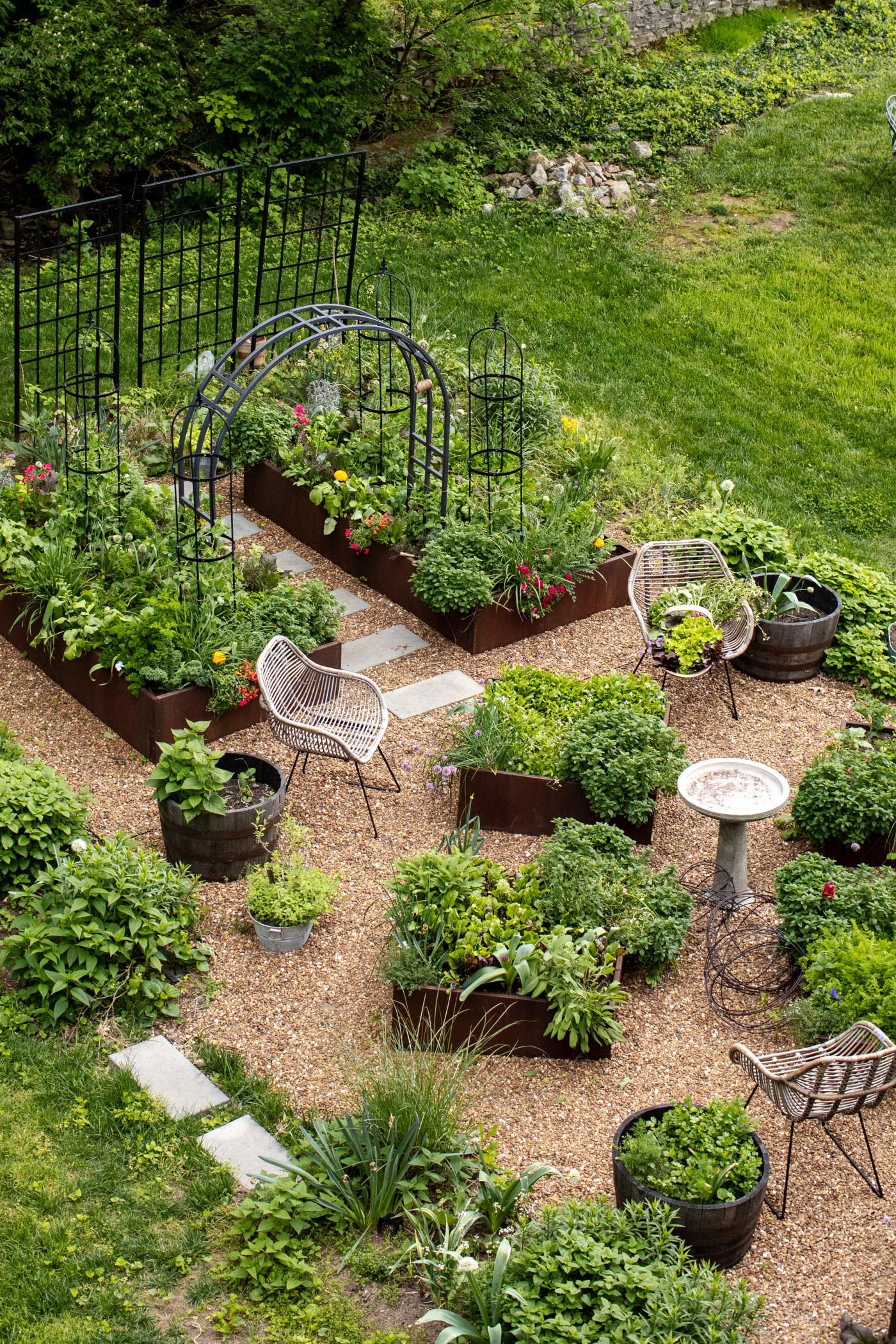
3. Does It Feel Beautiful to You?
This may sound like a luxury question, but it is not.
When you buy a raised garden bed, you are adding a permanent visual element to your outdoor space. If you love the way it looks, you are more likely to walk outside, spend time in the garden, and maintain it consistently.
There is a simple principle I follow: beautiful gardens get cared for. And cared-for gardens thrive.
Consider how the raised bed will complement your home and landscape. Cedar often pairs beautifully with cottage or farmhouse-style homes. Steel tends to match modern architecture. Stone feels timeless and classic, especially with traditional or European-inspired spaces.
Choosing a raised bed that aligns with your style is not superficial. It is strategic. The more you enjoy looking at your garden, the more invested you will feel in tending it.
Gardenary considers beauty essential:
- Our designs are created to complement farmhouse, cottage, and classic home styles
- They have clean lines and natural wood tones to that elevate outdoor spaces
- A beautiful garden increases consistency and long-term care

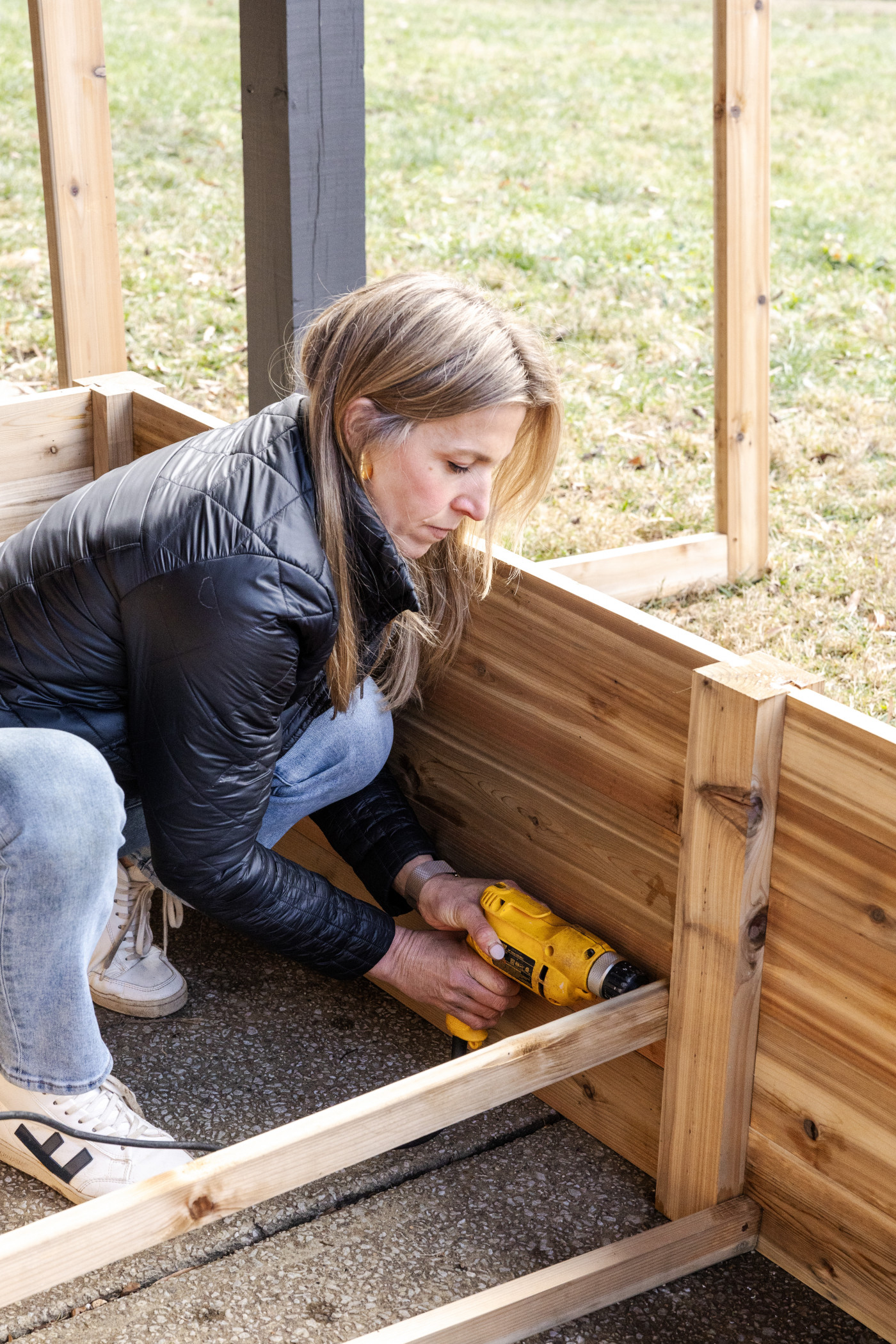
4. Is the Supplier Committed to Sustainability?
If you're growing your own food, sustainability likely matters to you.
When you buy a raised garden bed, take a moment to research the company behind it. Where do they source their materials? Do they replant trees after harvesting lumber? Do they use recycled steel? Do they minimize waste in production?
This step requires only a few minutes of research, but it can give you tremendous peace of mind.
Your raised bed purchase is part of a larger system. Aligning it with sustainable practices supports both your garden and the broader environment.
Why sustainability matters to Gardenary:
- Cedar is sourced from responsible growers in Montana
- We work with suppliers who replant harvested trees
- Wood is biodegradable, and steel materials are recyclable
- We aim to minimize environmental impact while maximizing food production
5. Is It Affordable Over the Long Term?
Affordability is not just about the initial price tag. It is about long-term value.
Cedar beds are often the most budget-friendly option. Steel costs more per square foot but typically lasts longer. Stone is usually the highest upfront investment, but it can last decades or even a lifetime.
When you buy a raised garden bed, consider:
- How long you plan to garden in that space
- Your climate conditions
- Your overall garden budget
Sometimes spending a little more upfront prevents replacement costs later. True affordability is measured in years of use, not just dollars spent today.
Why Gardenary focuses on long-term value:
- Cedar offers one of the most affordable natural raised bed options
- Kits eliminate the need for expensive tools or carpentry experience
- Durable materials reduce replacement costs over time
- Designed to balance quality, longevity, and accessibility
A Quality Raised Bed Is a Long-Term Investment
I’ve learned that taking a few extra minutes before buying can save years of frustration.
When I buy a raised garden bed, I want to know that the material is natural and untreated. I want confidence that it’s built for durability and won’t start bowing or breaking down after a couple of seasons. And I want it to look beautiful in my space, because I know I’m more likely to care for a garden that feels inviting.
I also take time to research the company and how the bed is sourced. If I’m growing my own food to be more sustainable, I want that choice reflected in the materials I bring into my yard.
And of course, I think long term. A raised bed isn’t a seasonal purchase. It’s something I expect to last. I’d rather invest once in something safe, strong, and thoughtfully built than replace a cheaper option later.