
At a Glance
- Weed barrier cloth, synthetic fertilizers, and Roundup are three of the most common organic garden mistakes you can make at the checkout line.
- Every single item on this list has a more affordable, more effective, and far less toxic alternative.
- Switching to organic-friendly products doesn't just help your garden — it protects your soil, your local waterways, and the wildlife around your home.
Make Smart Garden Purchases
Every year, people spend millions of dollars at garden centers stocking up for the season. And a good chunk of that money goes toward products that have no business being anywhere near an organic garden. It's not their fault — the packaging looks great, the claims sound convincing, and honestly, who has time to research every product on the shelf?
I've simplified everything for you.
Here are five things to leave on the shelf this season, along with what to buy instead.

1. Weed Barrier Cloth: A Great Idea... Until It Isn't
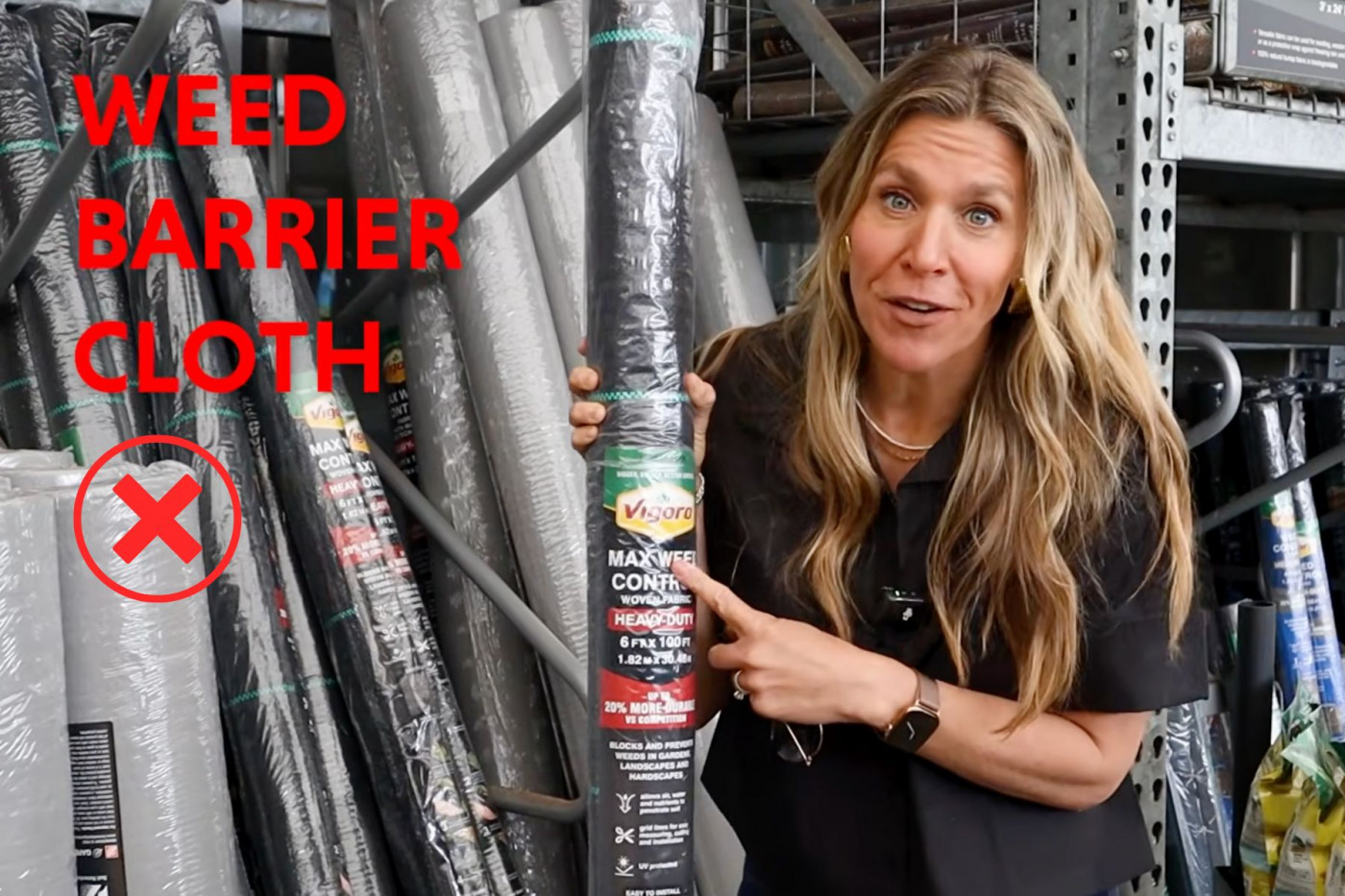
We've all been there. The weeds are out of control, you're exhausted, and weed barrier cloth looks like the answer to all of your problems. It is not.
Once you lay plastic weed barrier cloth down in your garden, you're essentially committing to it forever. Every time you want to plant something new, you're wrestling with plastic. It doesn't break down, it doesn't improve your soil, and it doesn't even fully stop weeds since airborne seeds can still land on top and germinate above the barrier.
It's a short-term fix that creates a very long-term headache.
Don't Buy This: Weed Barrier Cloth
- Permanent plastic that never decomposes
- Makes replanting and digging a frustrating chore
- Doesn't stop airborne weeds from germinating above it
- Restricts airflow and water movement through the soil

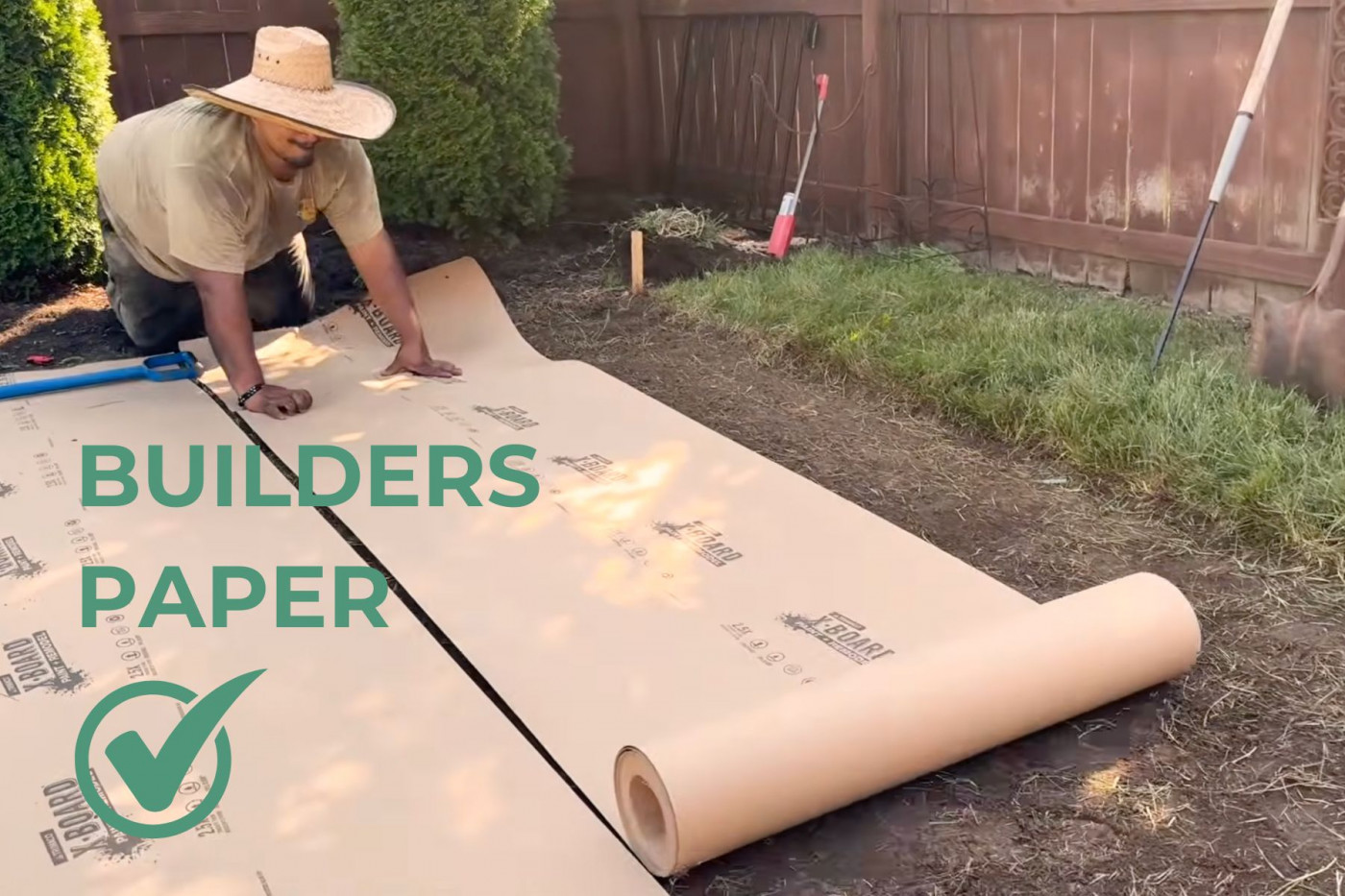
Buy This Instead: Builder's Paper
Builder's paper does everything weed barrier cloth promises, and then some. At around $13 for 450 square feet, it's incredibly affordable. Double it up for extra thickness and weed prevention, lay it down between rows, and let it do its job. The best part? It decomposes naturally over time, so when you're ready to replant, the paper breaks down into the soil instead of fighting you every step of the way.
Quick Tip: Lay builder's paper in overlapping layers to close any gaps, then top it with mulch or compost to hold it in place and speed up decomposition.

2. Synthetic Fertilizers: Limiting Your Soil's Future
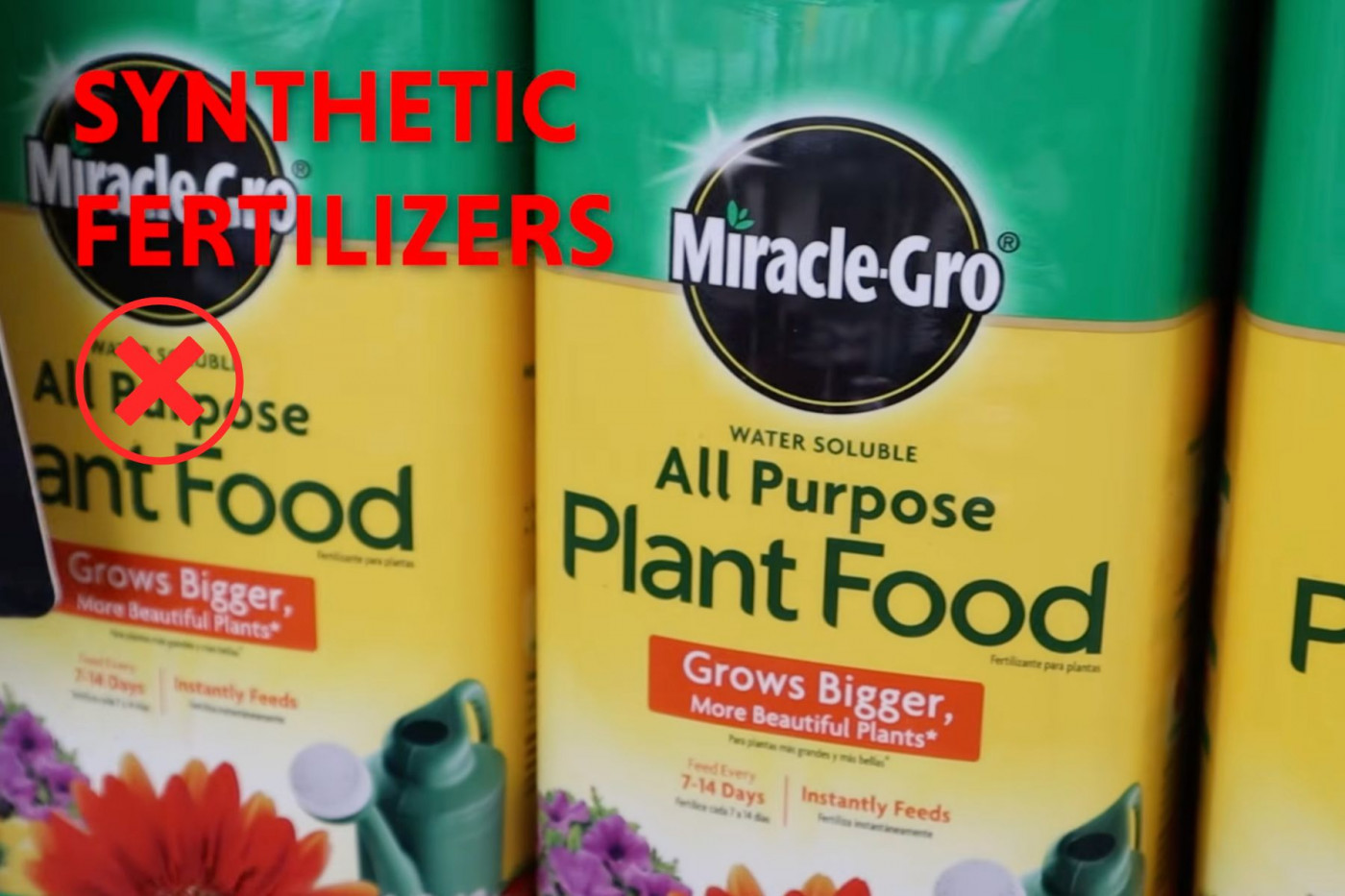
Synthetic fertilizers are one of the most tempting products in any garden store. The numbers on the front of the bag make it look like your plants are about to win a competition. And for one season, maybe they will. But the cost is real, and your soil pays it for years.
Don't Buy This: Synthetic Fertilizer
- Degrades soil health over time by pulling salts from the soil
- Creates an unnatural nutrient surge that actually stresses your plants
- Washes into local waterways every time it rains, affecting wildlife and water quality well beyond your backyard
- Leaves your soil worse off heading into next season

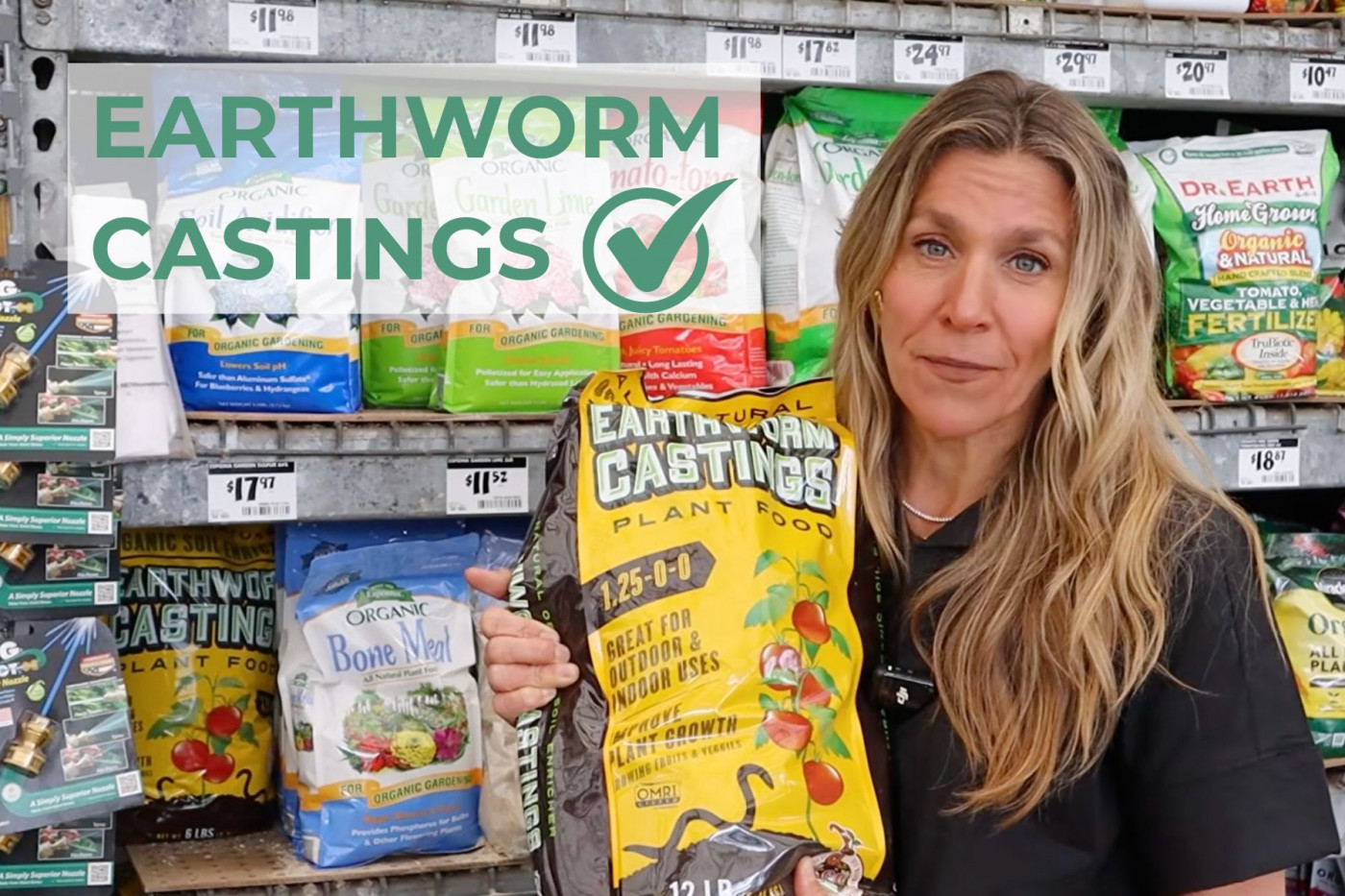
Buy This Instead: Earthworm Castings
Earthworm castings are one of the most underrated products in organic gardening. They naturally amend your soil, they don't stress your plants, and research shows they actually attract more earthworms to your garden over time. More worms mean better soil aeration, better drainage, and healthier plants season after season. Bigger plants, better soil, and a boost to the environment all at once. Hard to argue with that.
Good to Know: Earthworm castings won't burn your plants the way synthetic fertilizers can. They release nutrients slowly and naturally, which is exactly how healthy soil is supposed to work.
Start your dream garden. Watch the free class!

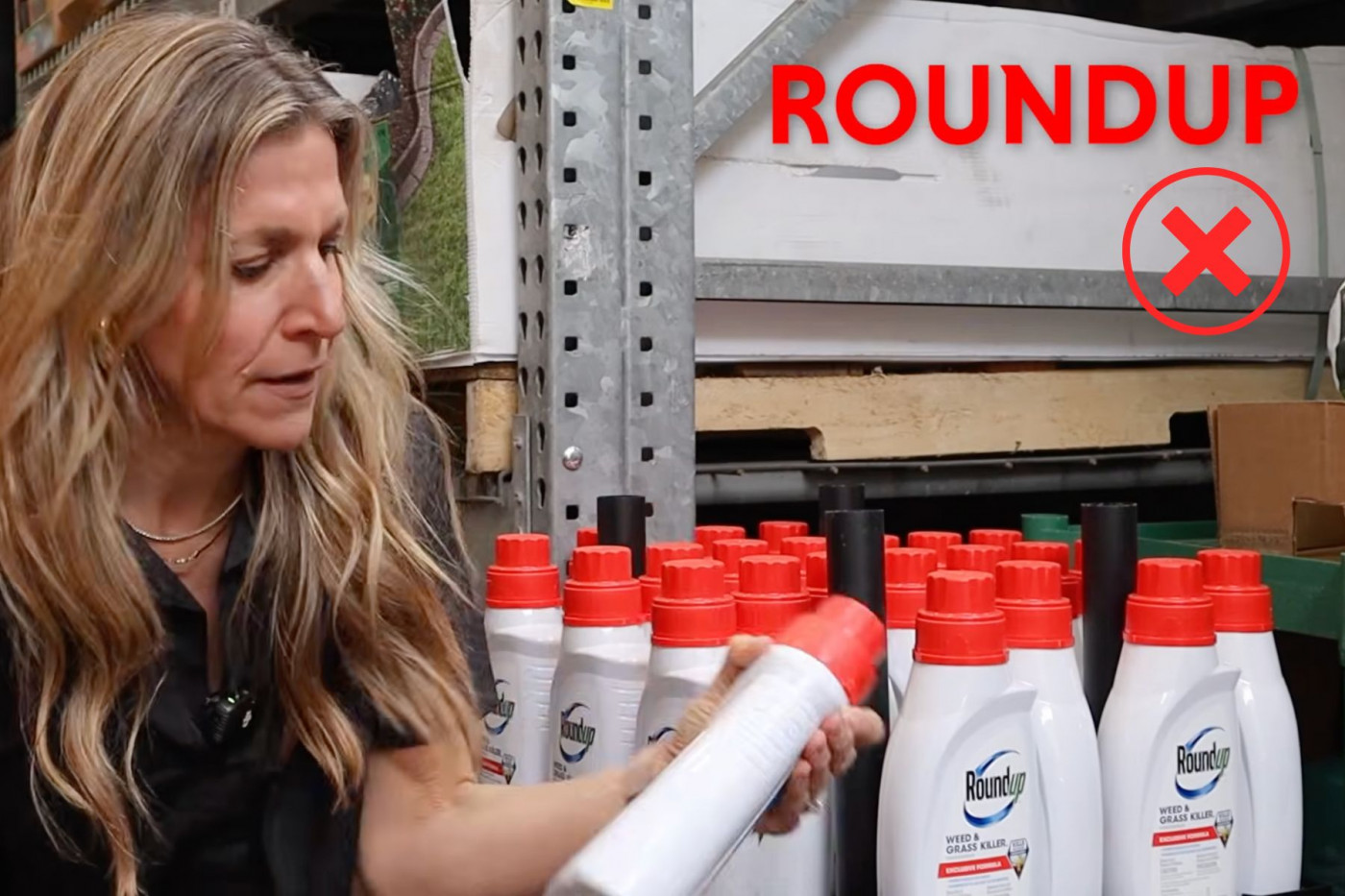
3. Roundup: Not Recommended for Organic Gardens
This one is not subtle. The label on Roundup tells you to keep it away from children, pets, and pretty much anything living. That's not a product you want anywhere near a garden you're growing food in. The appeal makes sense — weeds are genuinely exhausting, and pulling them by hand gets old fast. But there's a much better way.
Don't Buy This: Roundup or Synthetic Herbicides
- Toxic to children, pets, and garden wildlife
- Lingers in soil and can affect the health of nearby plants
- Disrupts the living ecosystem you're trying to build in your garden
- Unnecessary when effective natural alternatives exist

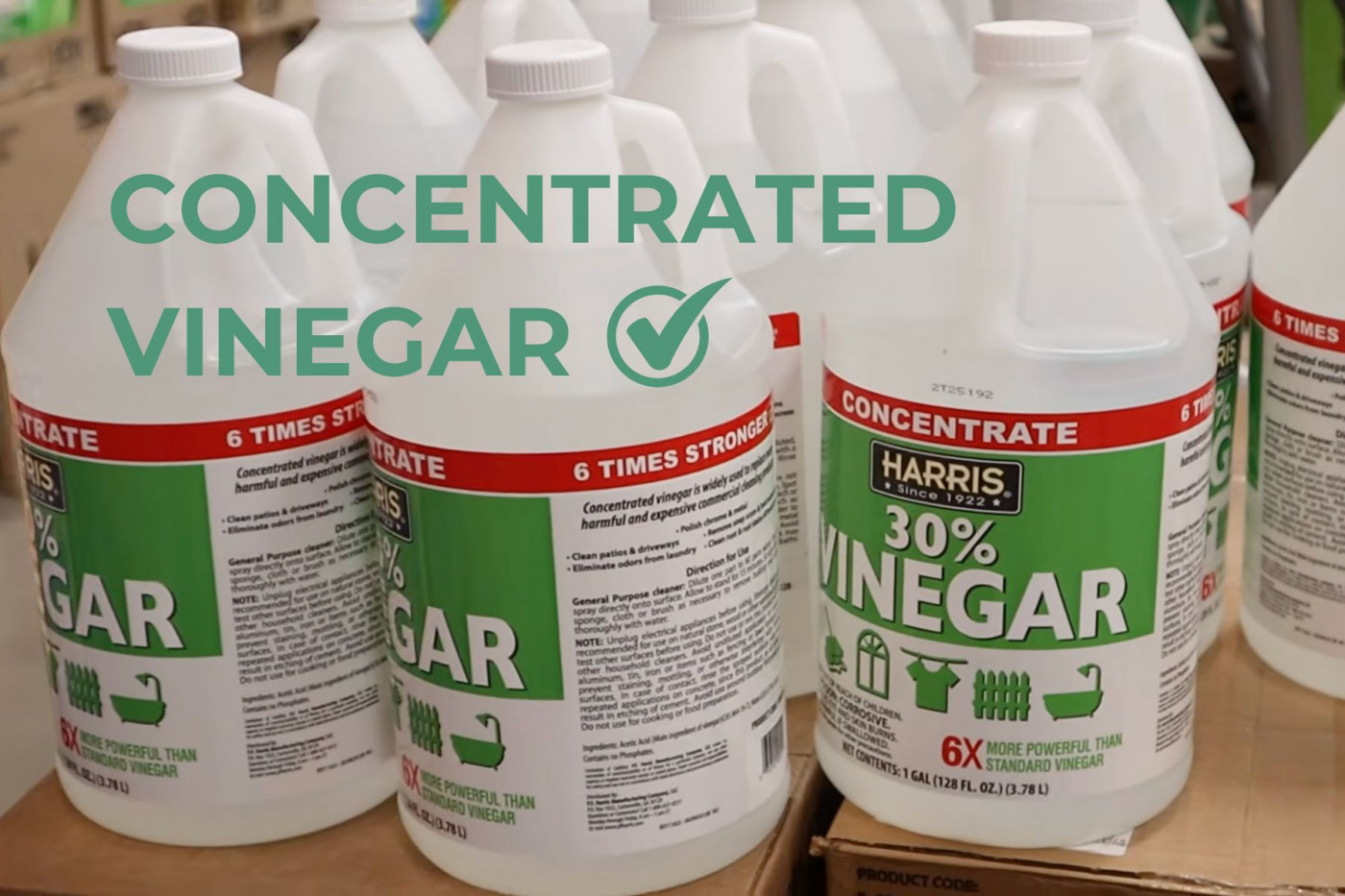
Buy This Instead: Concentrated Vinegar
Concentrated vinegar sounds almost too simple, but it genuinely works. Dilute it with water, spray it directly on weeds, and they're done. It's not nearly as toxic as chemical herbicides, it doesn't linger in your soil, and it handles stubborn weeds without putting your garden ecosystem at risk.
Heads Up: Concentrated vinegar is strong and will kill whatever plant it touches. Spray carefully, avoid windy days, and keep it away from anything you want to keep. It's a tool, not a blanket spray.

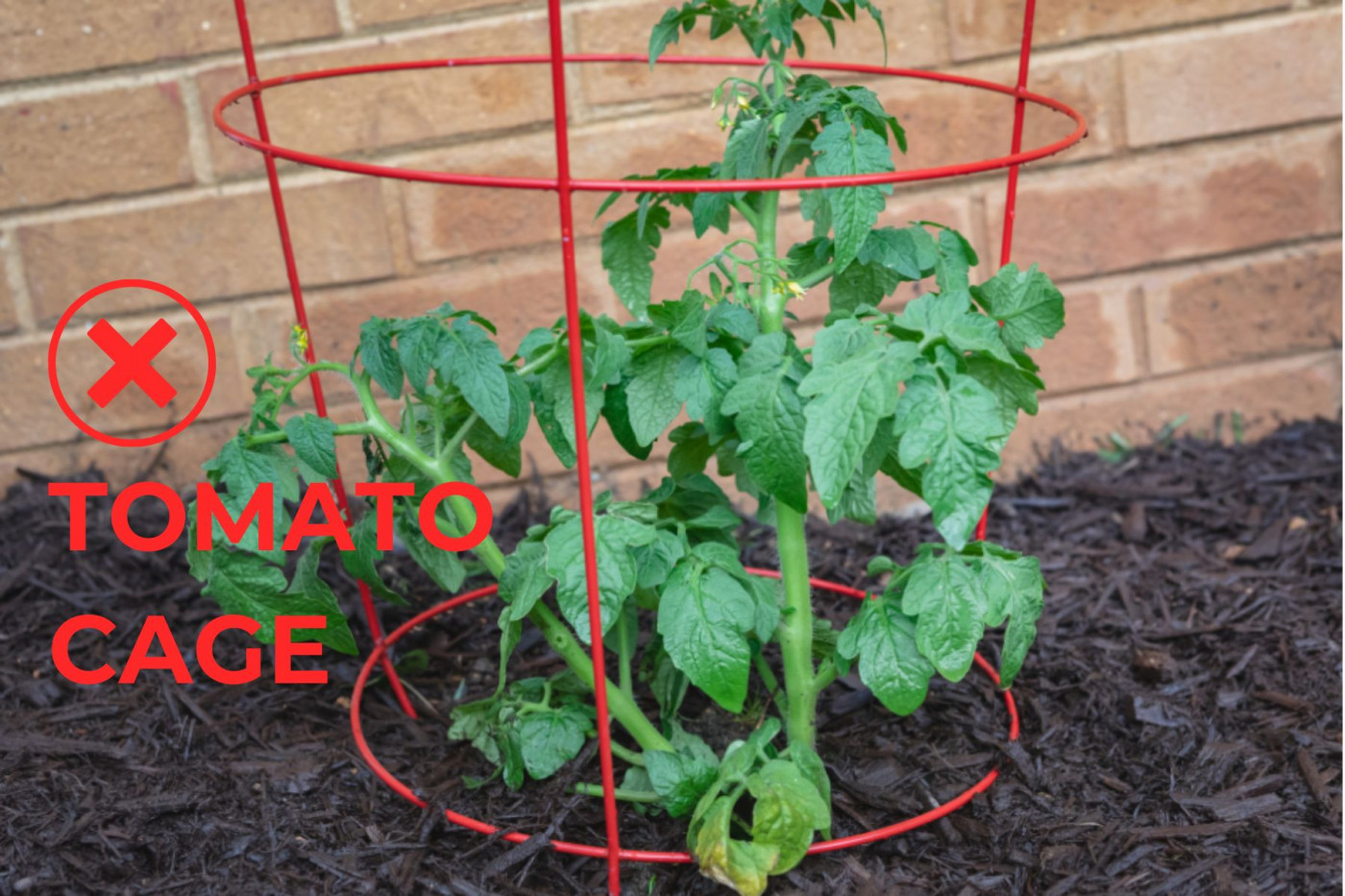
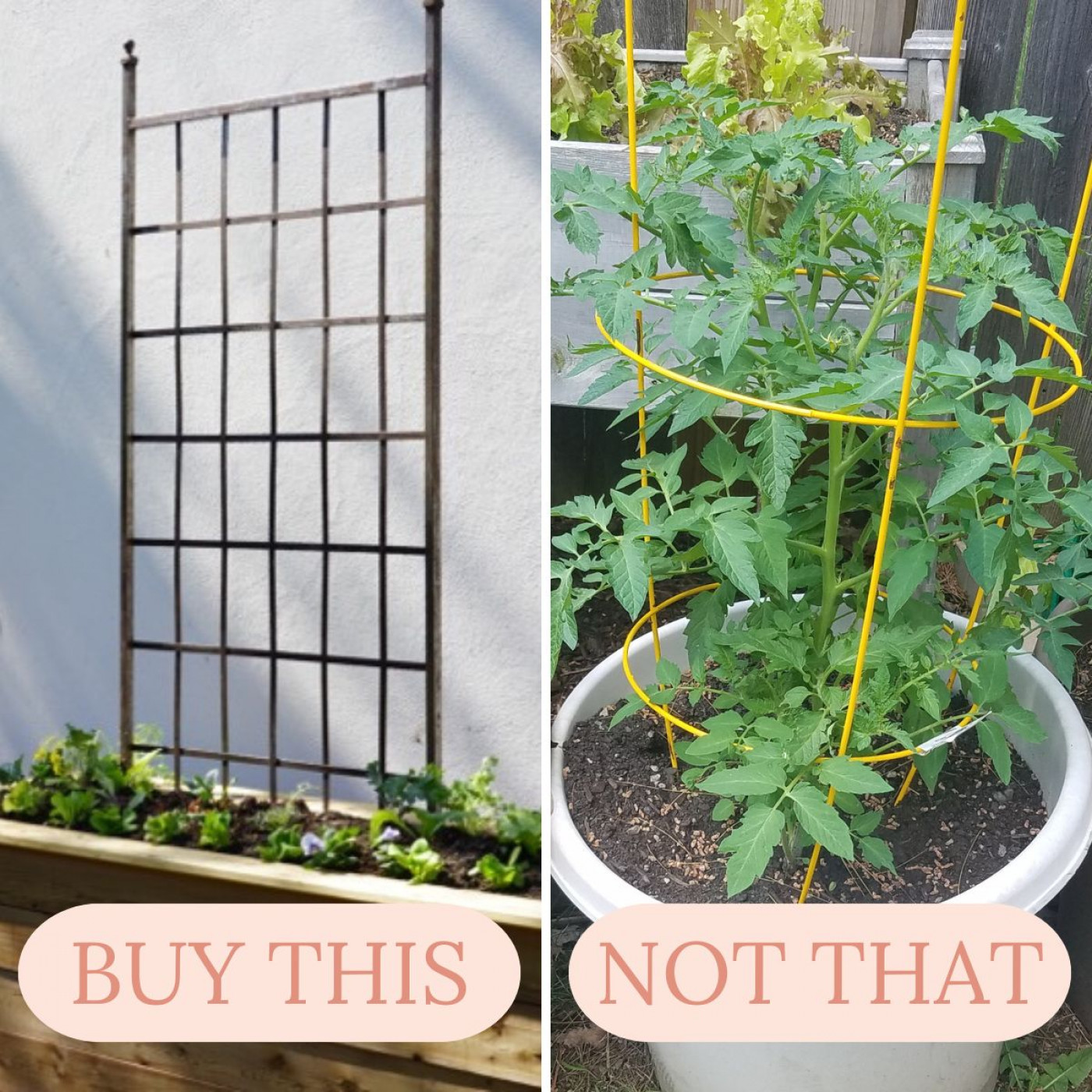
4. Tomato Cages: A Messy Let-Down
Tomato cages are one of those products that looks completely reasonable in the store and becomes a source of real regret by midsummer. If you've used them before, you already know the story. Your tomatoes grow, they keep growing, they blow right past the top of the cage, flop over the sides, and suddenly you've got a tangled mess you can barely prune, let alone harvest from.
Don't Buy This: Standard Tomato Cages (for Tomatoes)
- Too short for most vining tomato varieties, which can reach 5 to 6 feet tall
- Flopping plants become nearly impossible to prune or harvest
- Flimsy construction means replacing them every season
- A genuine waste of money for anything other than peppers or eggplants

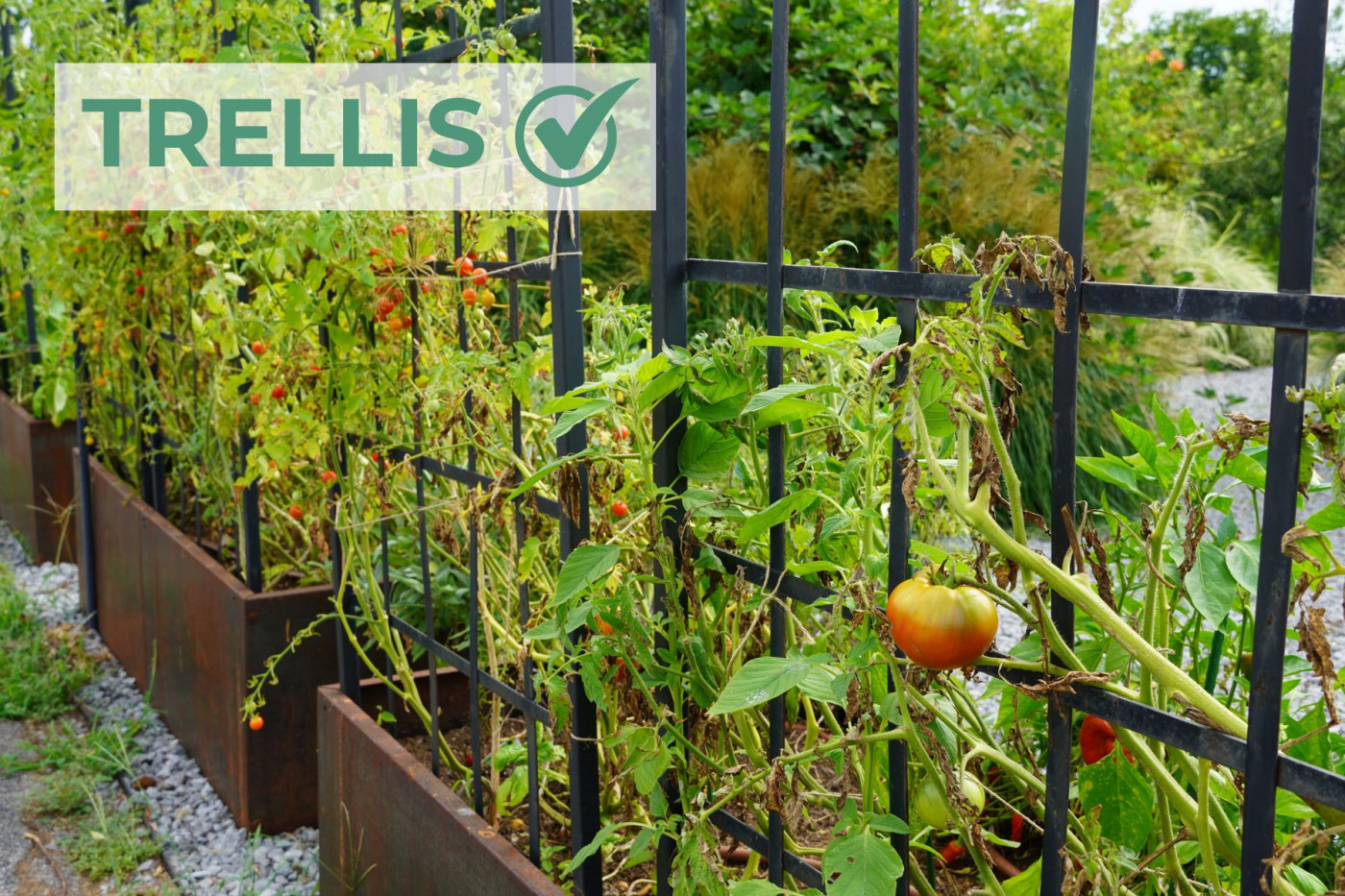
Buy This Instead: A Proper Trellis
A trellis, whether it's an obelisk style, a flat panel, or an arch, gives your tomatoes the vertical support they actually need. A six-foot arch or panel trellis lets you guide plants upward as they grow, maintain full access for pruning, and actually reach your tomatoes at harvest time. They're reusable season after season, and at $20 to $40, they're a smarter long-term investment than a fresh batch of flimsy cages every spring.
Silver Lining: Those tomato cages aren't totally useless. They're actually a great fit for peppers and eggplants, which stay more compact. Reassign them and feel good about it.

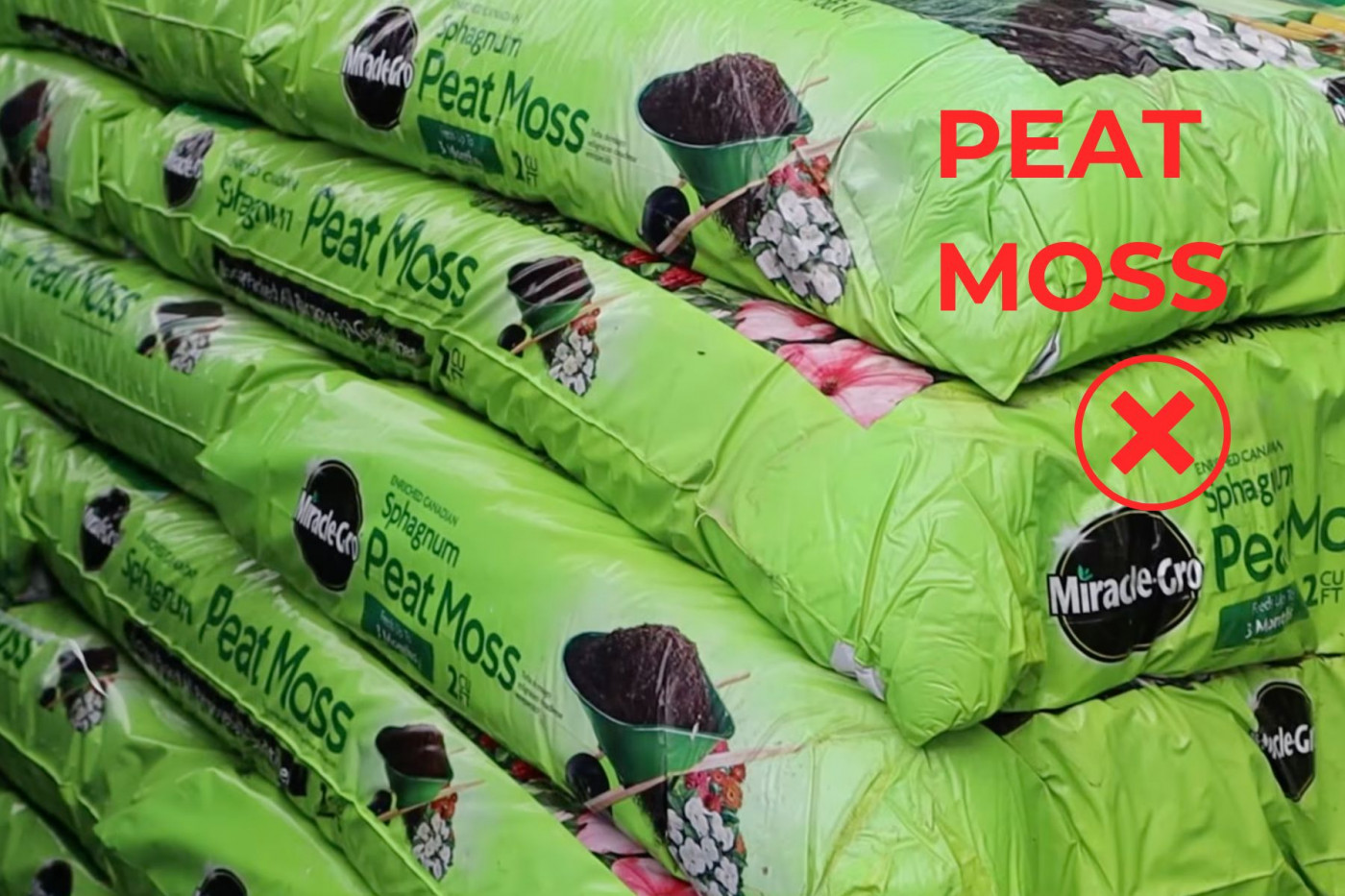
5. Peat Moss: Not Worth the Environmental Cost
Peat moss has been a gardening staple for decades, and its appeal is easy to understand. It lightens heavy soil, improves drainage and aeration, and gives vegetable roots the loose, workable environment they need to grow deep and strong. It works. The problem is where it comes from and what harvesting it costs the planet.
Don't Buy This: Peat Moss
- Harvested primarily from peat bogs, a nonrenewable resource being depleted faster than it can regenerate
- A significant environmental cost for a product used so casually
- Better, more sustainable alternatives exist that do the same job

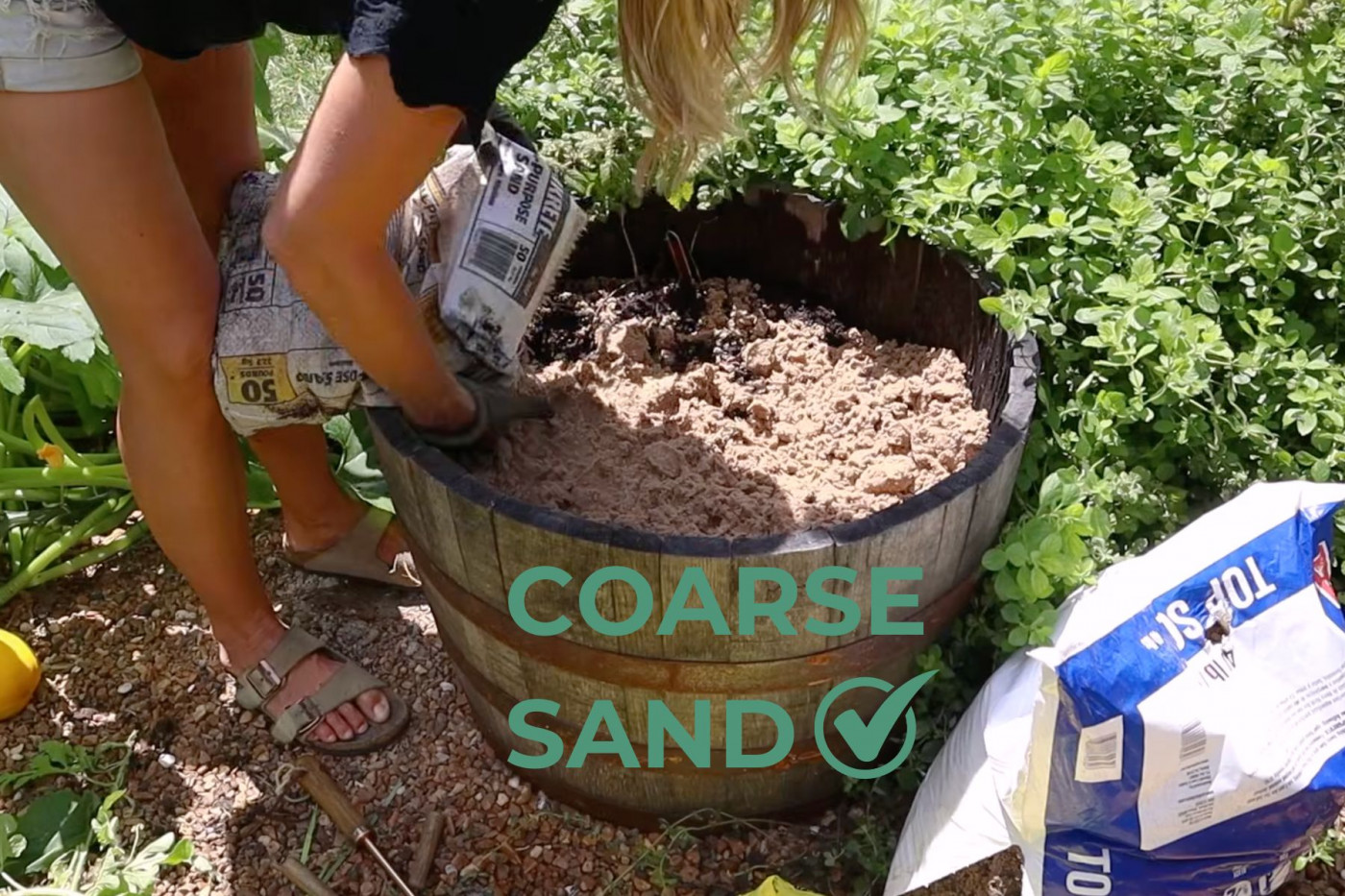
Buy This Instead: Coarse Sand
Coarse sand does everything peat moss does for your soil structure. It adds air pockets, improves drainage and permeability, and gives plant roots the loose environment they need to grow deep and strong. It's found abundantly across the world, it's far more renewable, and it integrates beautifully into any garden soil blend without the ecological trade-off.
Soil Blend Tip: Coarse sand works especially well when mixed with compost and topsoil in a raised bed setup. It's a reliable base that improves with every season you add organic matter to it.
Watch Nicole on YouTube
Sources
" Sustainable Gardening Practices: Moving Away from Peat Moss in Potting Soil" — Ecological Landscape Alliance