At a Glance
- Why a native plant gardens support pollinators, birds, and local ecosystems
- How native plants reduce maintenance, watering, and inputs
- The long-term beauty and resilience of gardening with plants adapted to your climate
Why I Started a Native Plant Garden
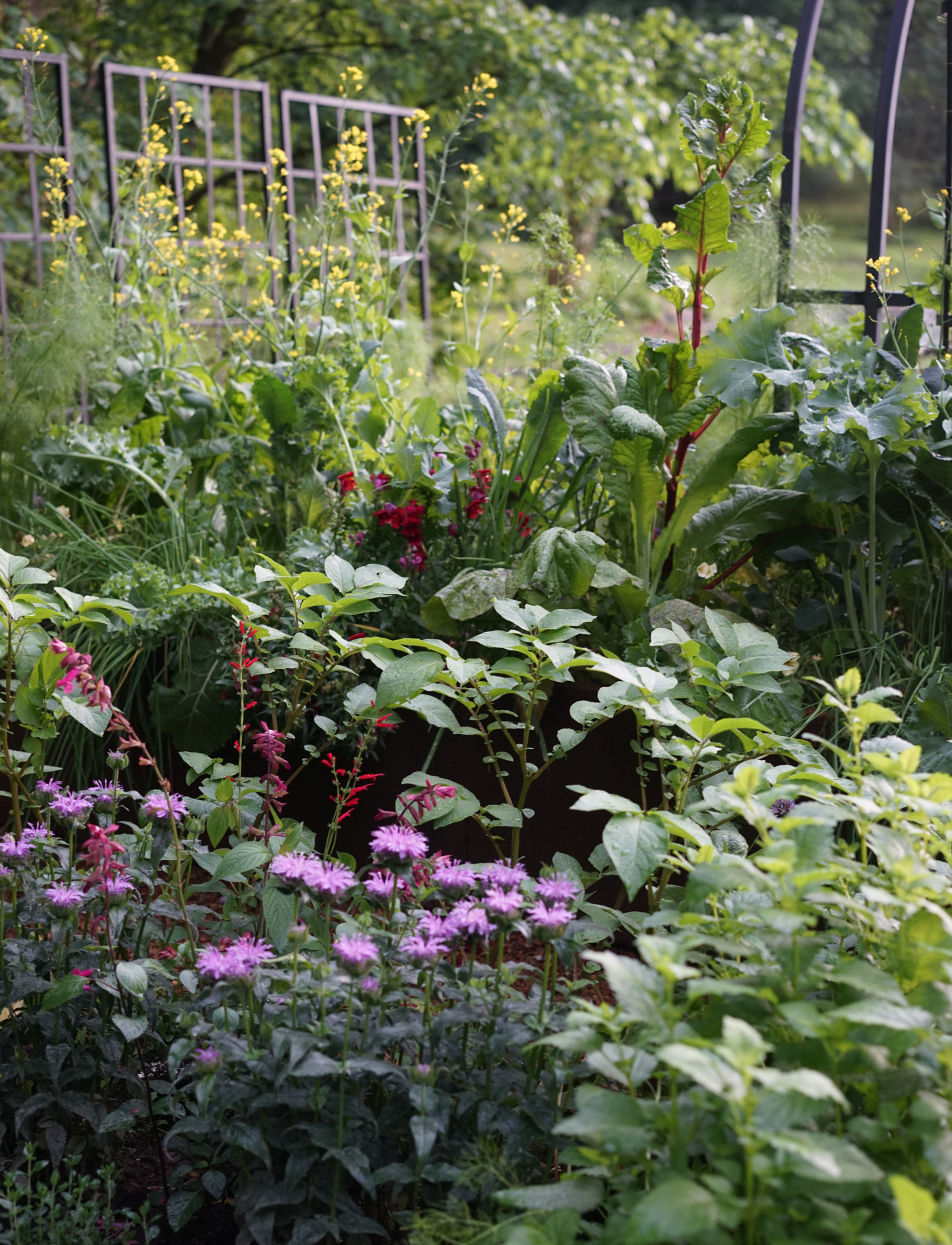
A few years ago, I realized I was spending too much time fighting my landscape. I was constantly replacing struggling plants and wondering why things just didn’t look as vibrant as I hoped. When I shifted toward building a Native Plant Garden, everything changed. Instead of forcing plants to adapt to my yard, I started choosing plants that already belonged there.
A Native Plant Garden works with your climate, your soil, and your local ecosystem. And once you experience that shift, it’s hard to go back.
Here are a few reasons to consider starting a native plant garden.

1. A Native Plant Garden Supports Pollinators Naturally
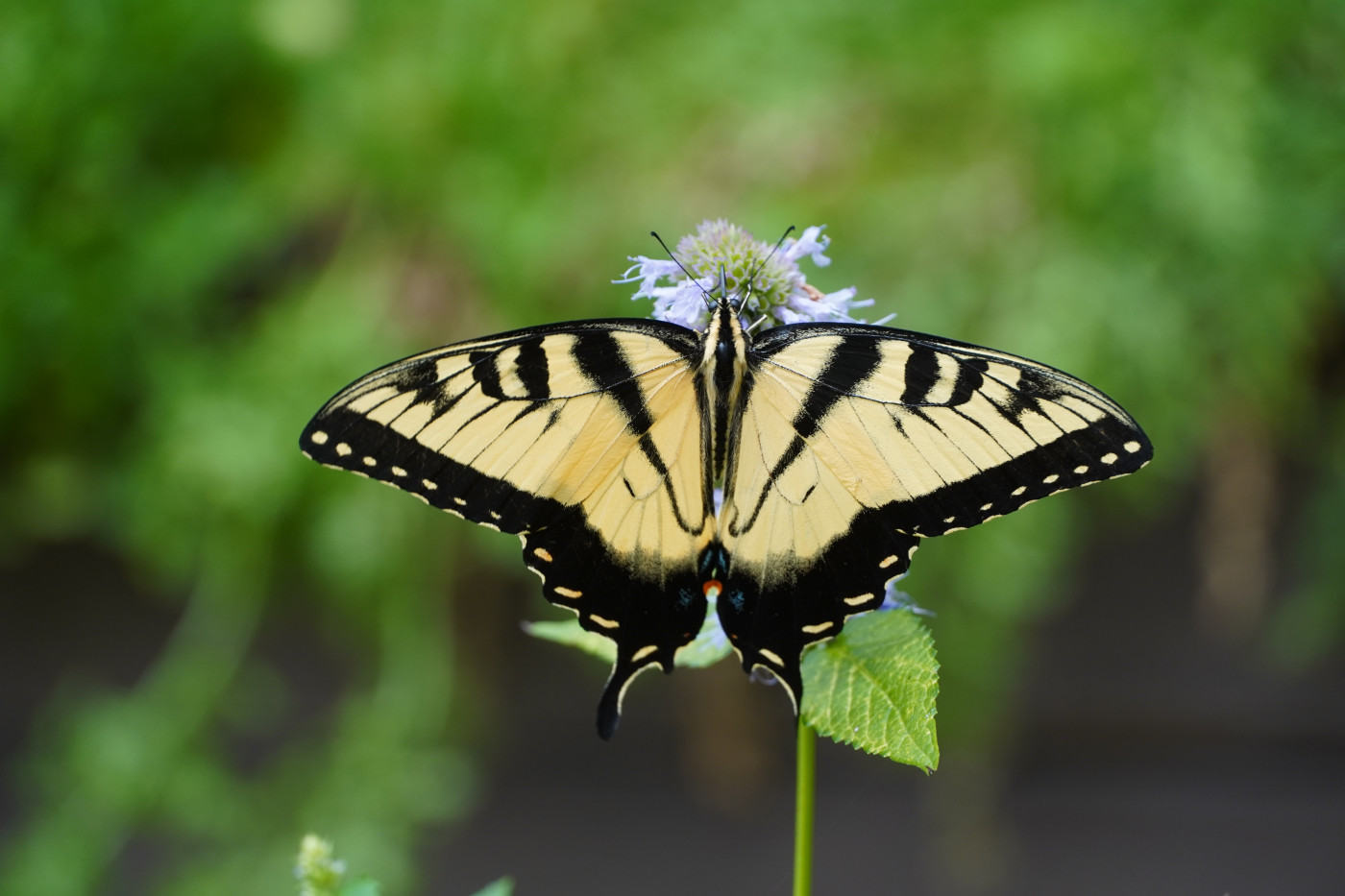
One of the biggest benefits of starting a native plant garden is how quickly it comes alive. Native bees, butterflies, birds, and beneficial insects are already adapted to these plants. They recognize them. They rely on them.
When you plant native flowers and shrubs, you’re not just decorating your yard. You’re restoring habitat.
Native Plant Gardens Attract Pollinators
- Provides nectar and pollen for pollinators
- Creates shelter for birds and beneficial insects
- Strengthens your local ecosystem
And the best part? You don’t have to micromanage it. Nature does what it was designed to do.
A well-designed native plant garden in the United States can support an incredible diversity of pollinators. Here are some of the most important ones.
Common Pollinators
- Native solitary bees (mason bees, leafcutter bees, mining bees)
- Bumblebees
- Honeybees
- Monarch butterflies
- Swallowtail butterflies
- Painted lady butterflies
- Skipper butterflies
- Hummingbirds
- Moths, including sphinx moths
- Hoverflies, also called flower flies
- Beetles, including soldier beetles
- Wasps, including parasitic wasps
Many of these pollinators rely specifically on native plants for nectar, pollen, host plants, or shelter, which is why a Native Plant Garden creates such a meaningful ecological impact.

Join Thousands of Gardeners On the VIP List
Free perks, just for email subscribers:
- 15% Off Your First Order
- Gardening Videos & Articles
- Early Access to Sales
Sign up, check your inbox, then shop with your code.
CLAIM YOUR 15% OFF BELOW
2. Native Plant Gardens Use Less Water
Because native plants evolved in your specific region, they’re adapted to local rainfall patterns and temperature swings. Once established, many native plants require far less supplemental watering than non-native ornamentals.
Why Native Plant Gardens Conserve Water
- Less frequent watering
- Better drought tolerance
- Fewer signs of stress during heat waves
That resilience translates to lower water bills and less time dragging hoses around the yard.

3. A Native Plant Garden Requires Less Maintenance
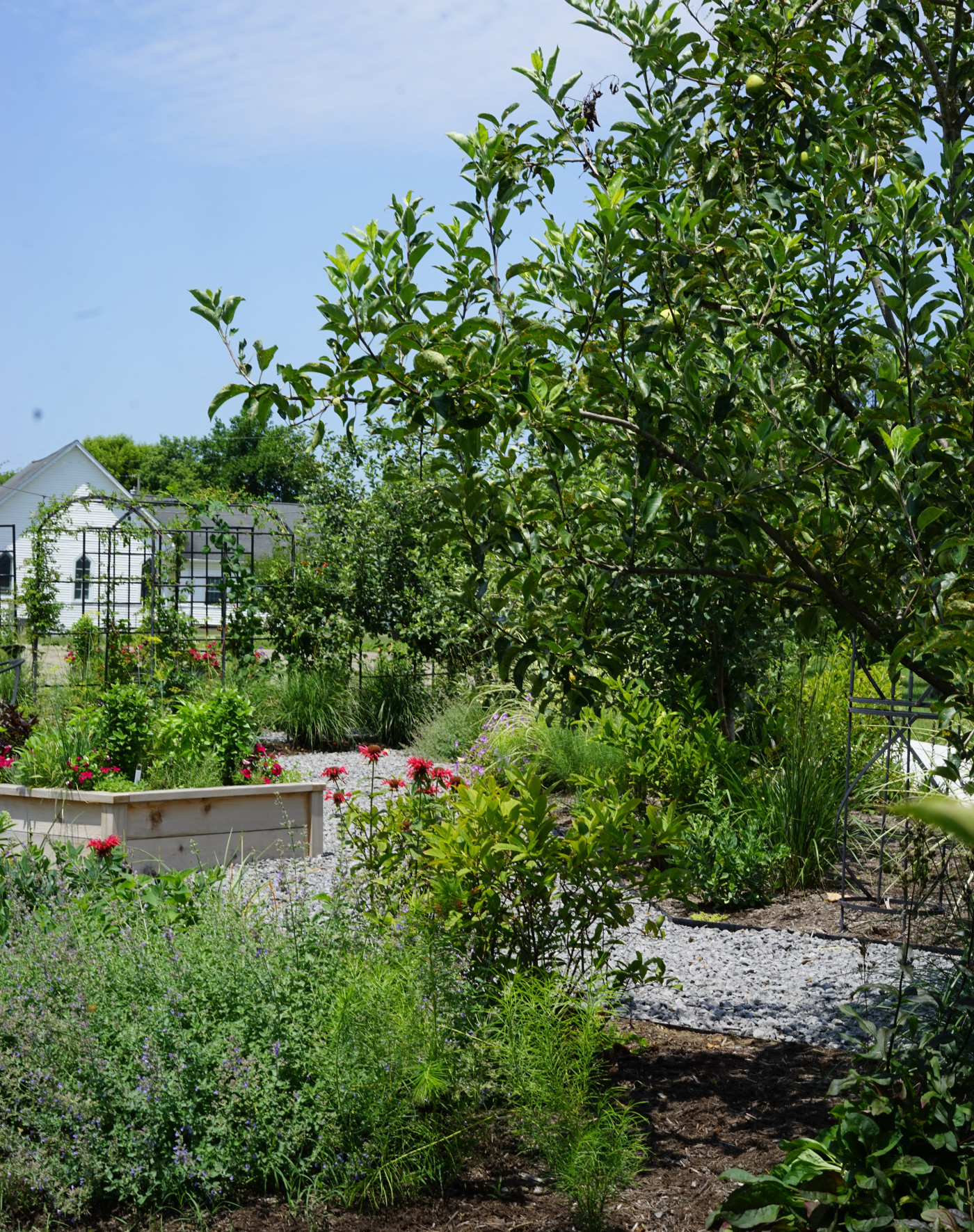
This was the real turning point for me. Once I committed to a native plant garden, I stopped feeling like I was constantly troubleshooting. The plants weren’t struggling through every heat wave or collapsing after a heavy rain. They were built for this environment.
My garden started to feel resilient without extra effort on my part.
Native plants are adapted to local pests, rainfall patterns, and seasonal shifts. That means fewer inputs, fewer emergencies, and fewer replacement trips to the garden center. In my experience, maintenance shifts from constant correction to simple observation.
It’s not zero maintenance. No living system is. But it’s dramatically lower effort because you’re no longer fighting your climate.

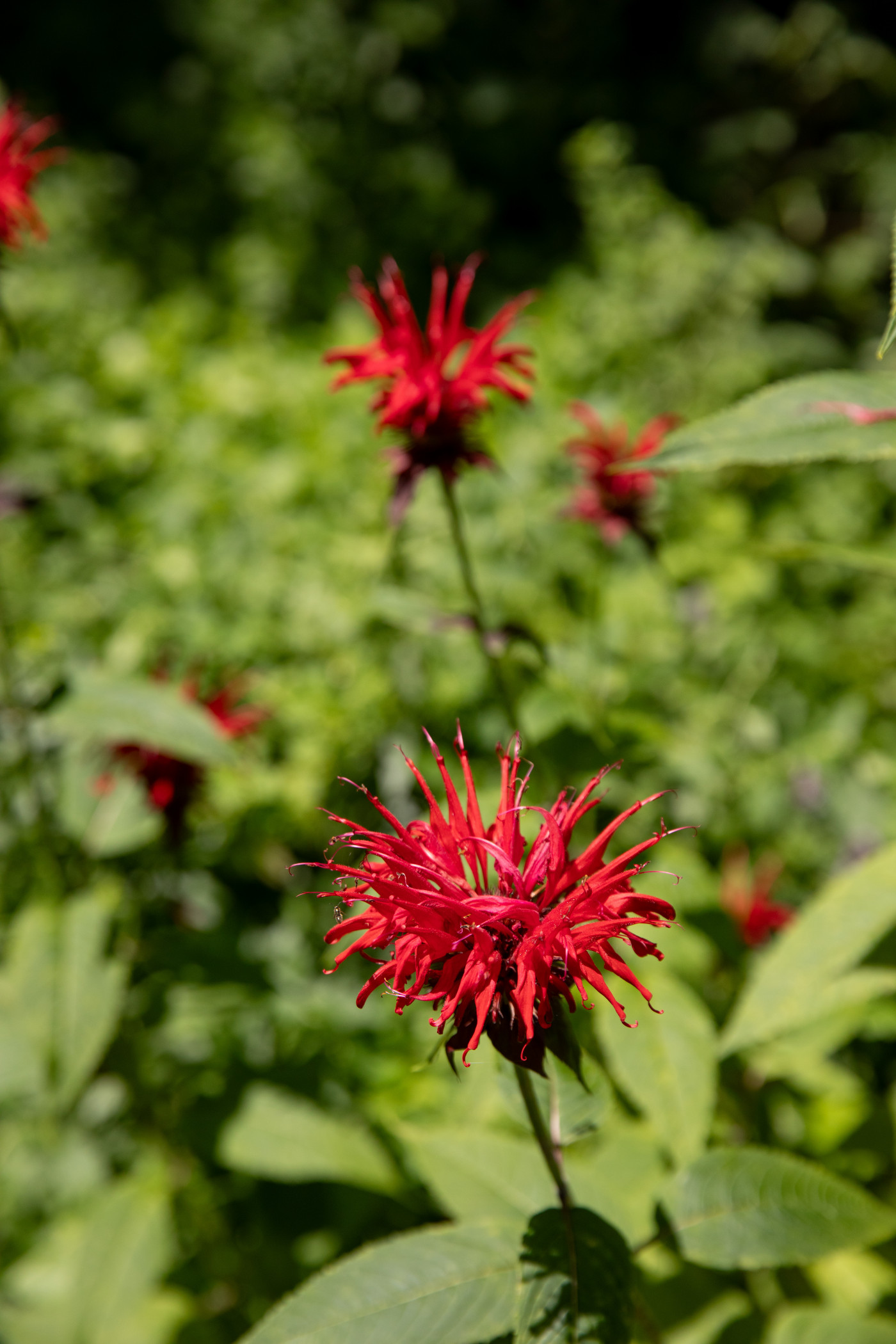
4. Native Plant Gardens Build Healthier Soil
One benefit people don’t talk about enough is what happens underground. A native plant garden supports the soil food web that already exists in your region. Native roots have long-standing relationships with local fungi and beneficial microbes.
Over time, I noticed my soil becoming more crumbly, more alive, and easier to work with. Water infiltrated better. Compaction decreased. Earthworms increased. I had healthy soil.
Benefits of Healthy Soil
- Stronger root systems
- Better drought tolerance
- Increased nutrient cycling
- More resilient plant growth
When you plant species that evolved in your area, you’re strengthening the invisible systems beneath your feet. And that foundation makes everything above ground thrive.
Gardenary's Native Plants Course
You don’t need a green thumb or a massive yard to build a garden that’s beautiful, resilient, and buzzing with life. You just need to plant what belongs: native plants. The Native Plants Program gives you everything you need to design and grow a garden that works with nature, not against it.
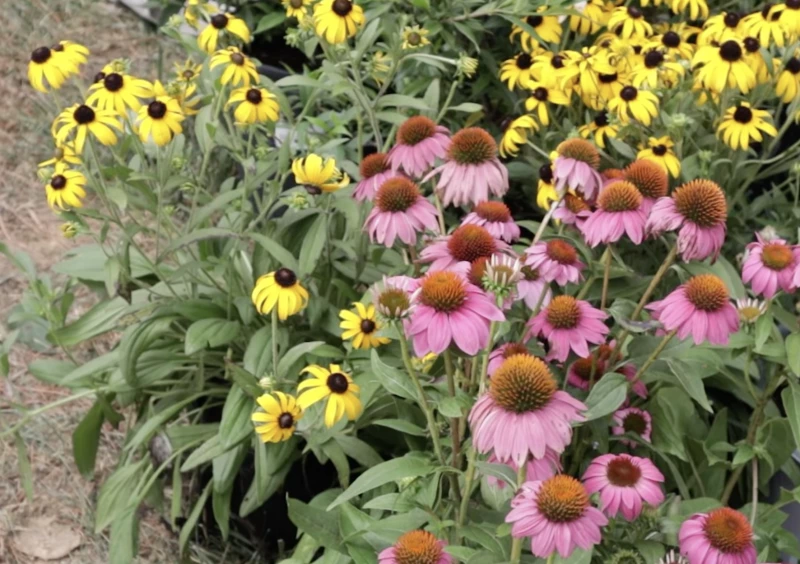

5. A Native Plant Garden Looks Better Over Time
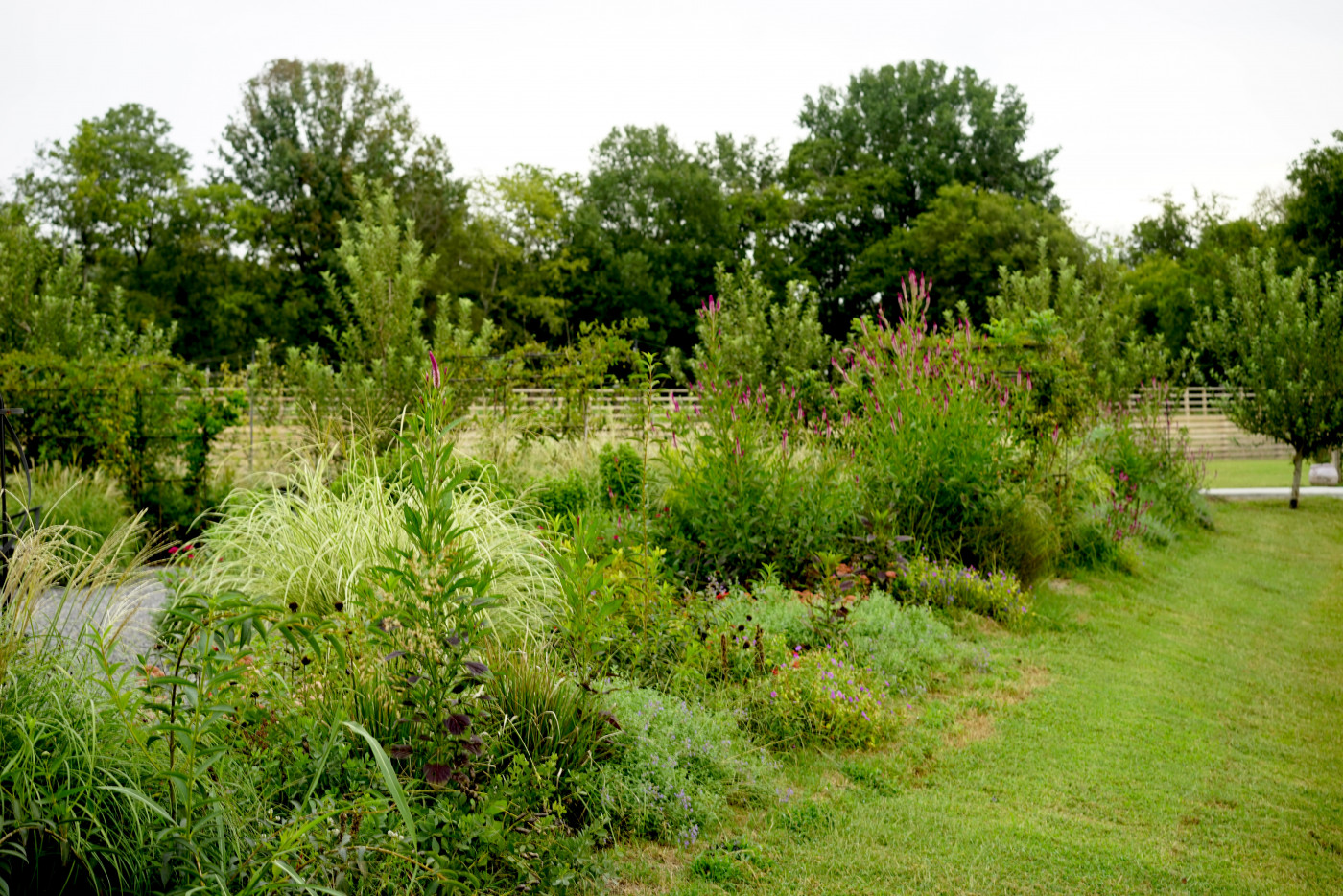
There’s a depth and cohesion to a native plant garden that’s hard to replicate with mixed ornamental plantings. It doesn’t look artificial or overly staged. It looks settled.
Instead of peak bloom followed by decline, you get layers of interest throughout the year. Early spring flowers support emerging pollinators. Summer brings waves of color and movement. Fall seed heads feed birds. Winter structure provides texture and habitat.
What I love most is that a Native Plant Garden matures. It fills in naturally. It self-regulates. Each year, it looks fuller and more grounded instead of patchy and tired.
It feels like it belongs.

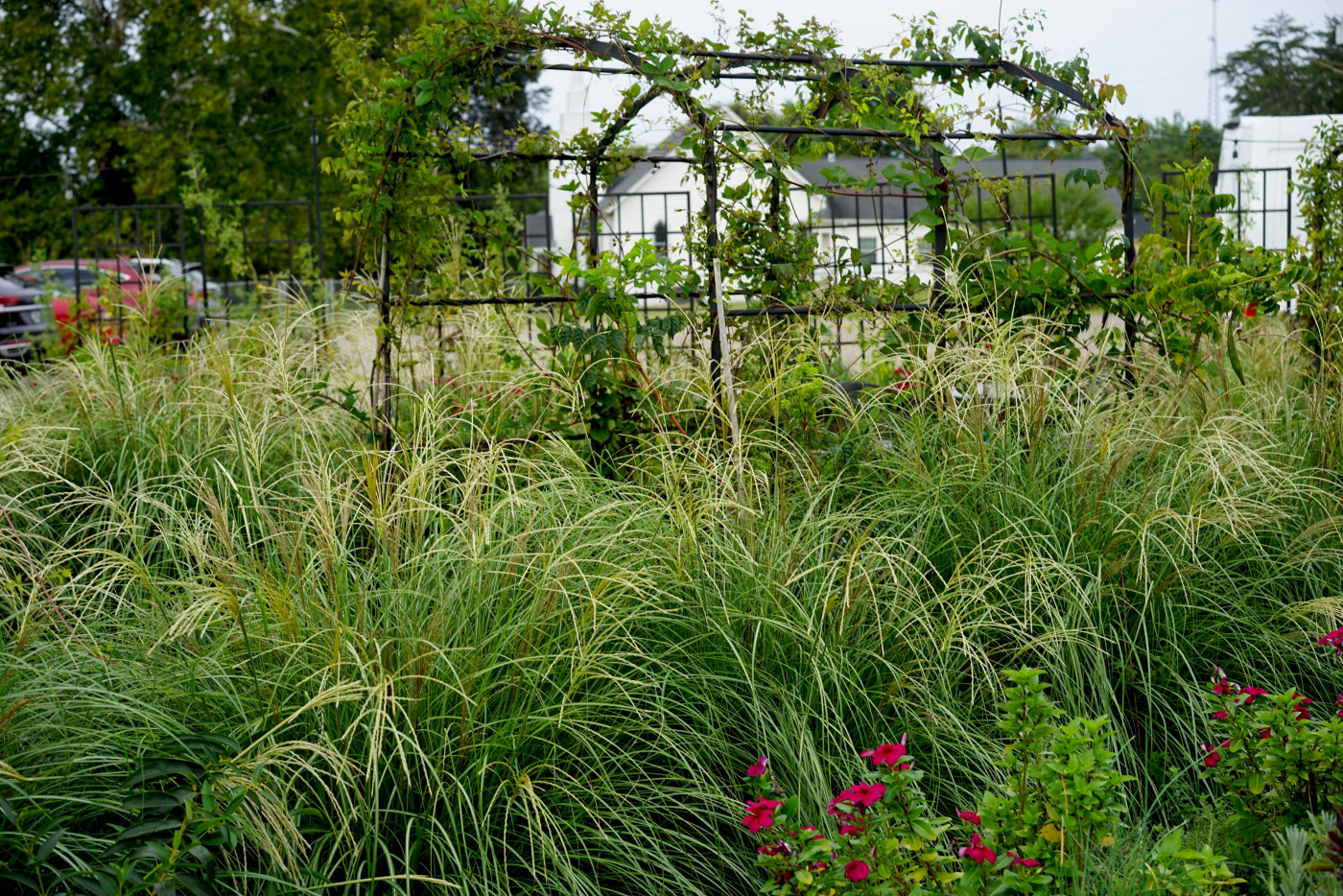
6. Starting a Native Plant Garden Is an Investment in the Future
A native plant garden isn’t just a landscaping choice. It’s a long-term decision that impacts your yard, your local wildlife, and even your community.
Native Plant Gardens are Good for the Environment
- Restore fragmented habitat
- Reduce chemical dependence
- Lower water usage
- Support biodiversity
When more homeowners choose native plants, the collective effect becomes powerful. Individual yards begin to connect into corridors of habitat.
For me, starting a native plant garden felt like stepping into stewardship instead of control. I’m still shaping the space, but I’m working with the ecosystem rather than overriding it.
And that shift changes everything.

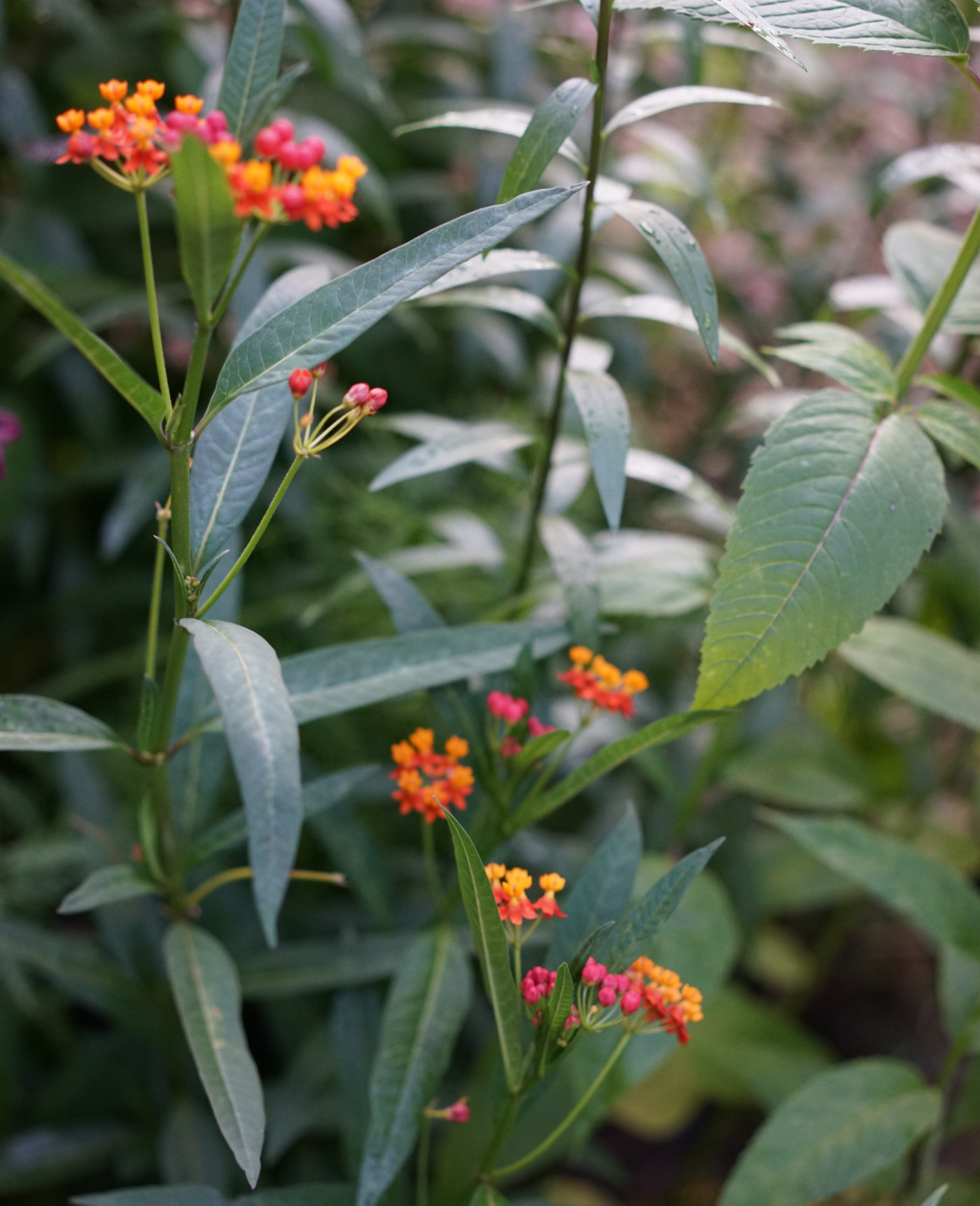
Is a Native Plant Garden Worth It?
From my experience, absolutely. A native plant garden simplifies maintenance, strengthens the ecosystem, and creates a landscape that feels grounded and intentional. It’s not about perfection. It’s about alignment with nature.
And once you see the pollinators return, the soil improve, and the garden settle into its rhythm, you’ll understand why native gardening isn’t just a trend. It’s a smarter way to grow.
Gardenary's Native Plants Course
You don’t need a green thumb or a massive yard to build a garden that’s beautiful, resilient, and buzzing with life. You just need to plant what belongs: native plants. The Native Plants Program gives you everything you need to design and grow a garden that works with nature, not against it.
Start Your Own Native Plant Garden
If you’re considering starting a native plant garden, begin by researching plants native to your specific region. Choose species adapted to your soil type and sun exposure.
You don’t need to overhaul your entire yard overnight. Start small. Even one small native plant garden bed can make a measurable difference.
More About How to Start a Native Plant Garden
Join Thousands of Gardeners On the VIP List
Free perks, just for email subscribers:
- 15% Off Your First Order
- Gardening Videos & Articles
- Early Access to Sales
Sign up, check your inbox, then shop with your code.
CLAIM YOUR 15% OFF BELOW
Click the image below to save this article for later!