
Join Thousands of Gardeners On the VIP List
Free perks, just for email subscribers:
- 15% Off Your First Order
- Gardening Videos & Articles
- Early Access to Sales
Sign up, check your inbox, then shop with your code.

At a Glance
- What to look for in a high-quality raised garden bed before you buy online.
- The materials, dimensions, and features that separate a durable bed from a disappointing one.
- Where to find the best raised garden beds available online, including the option I personally grow in.


Quality Raised Beds Are Available Online - You Just Need to Know What to Look For
I've seen a lot of raised garden beds in my time: gorgeous ones, warped ones, some that barely made it through their first winter. I've helped thousands of gardeners set up their first kitchen garden, and I can tell you that the raised bed you choose matters.
You don't have to drive to a garden center and settle for whatever's on the shelf.
Some of the best raised garden beds available right now can be ordered online, delivered to your door, and are quickly assembled without a single tool.
The bad news is that when Googling "raised garden bed," the results cover a huge range of varying quality products, and shopping online makes it easy to accidentally choose the wrong one.
This guide will help you shop smarter. I'll walk you through exactly what to look for.

What Makes a Raised Garden Bed High Quality?
Before you add anything to your cart, you need to know what you're actually evaluating. Here's what separates a raised bed that lasts a decade from one that disappoints you by summer.
Material
Material type is the single most important factor. Your raised bed will hold hundreds of pounds of moist soil, sit through freeze-thaw cycles, and be home to everything from tomatoes to herbs. The material has to hold up.
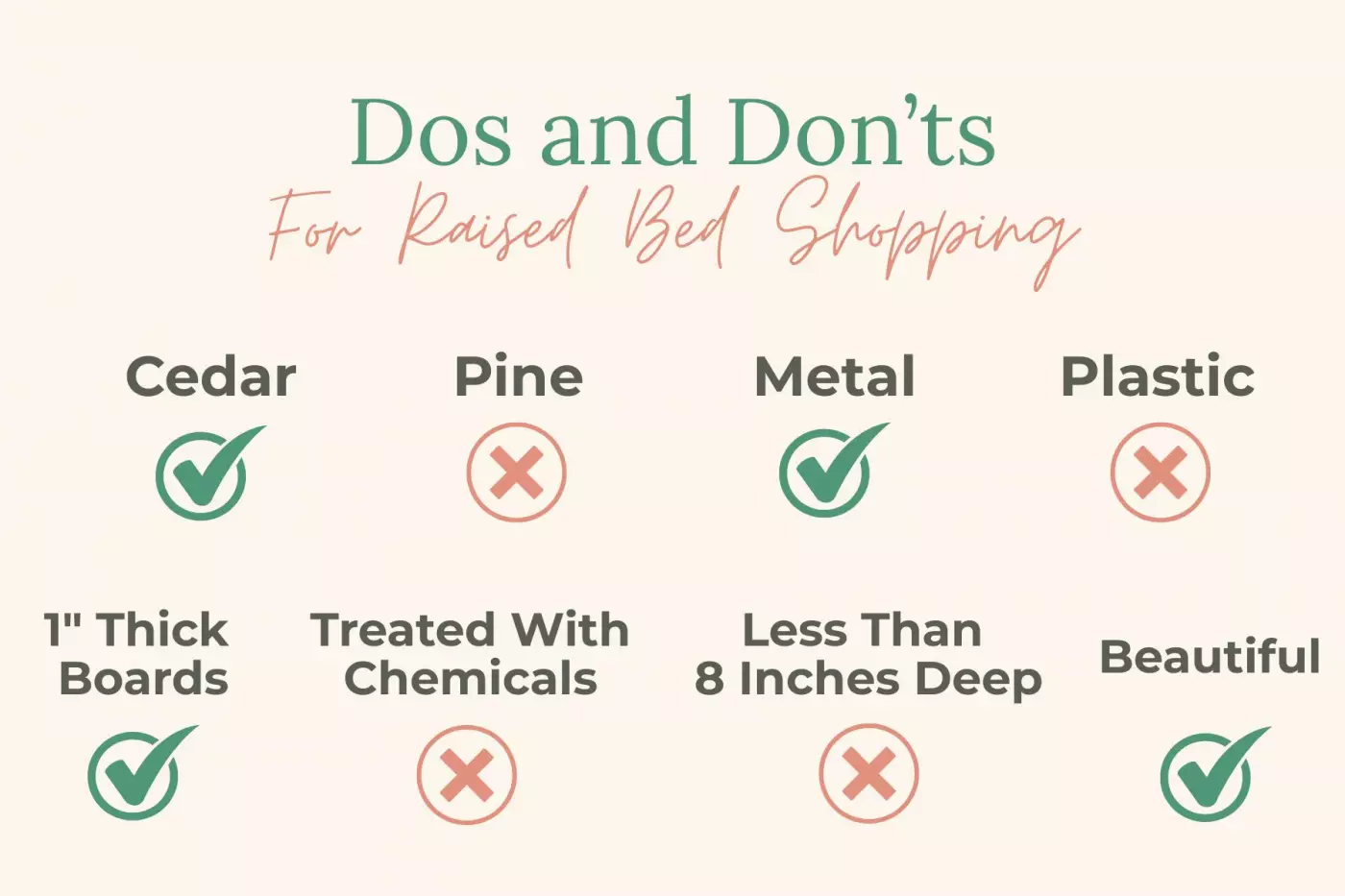
Cedar is the gold standard for wooden raised garden beds. It's naturally resistant to rot and insects — no chemical treatment required — and it weathers beautifully over time. High-quality, untreated cedar is safe for growing edibles, which matters a lot when you're raising food for your family. Kiln-dried cedar is even better: it's more dimensionally stable, less likely to warp or crack, and built to last.
Recommended? Yes
Pine is more affordable but far less durable. You'll see this type of wood on many of the cheapest raised bed kits. Untreated pine can begin to rot within a few seasons. Treated pine raises questions about chemical leaching near food crops.
Recommended? No
Metal beds (typically galvanized steel or Cor-Ten steel) are long-lasting and sleek, but they don't have the warmth and natural beauty of wood. The aesthetics are definitely something to consider.
Recommended? Yes
Plastic and resin beds are lightweight and inexpensive, but they degrade in UV light over time, can crack in cold weather, and lack the aesthetic that makes a kitchen garden feel like a space you actually want to spend time in. I don't recommend plastic or resin.
Recommended? No
Construction and Joinery
A raised bed is only as strong as its corners. Look for beds with sturdy joinery — not just screws driven through thin boards. The best beds use interlocking systems, reinforced corners, or thick enough lumber that the connection points don't become failure points when soil pressure builds up.
Also, pay attention to board thickness. Thinner boards flex under the weight of soil and break down faster. Look for at least 1-inch-thick cedar boards.
Depth
Depth is one of the most underestimated factors in raised bed success. Most vegetables need at least 10–12 inches of soil depth to thrive. Root vegetables like carrots need more. A bed that's only 6 inches deep will frustrate you — your plants won't perform, and you'll wonder what you did wrong.
Standard depth options to look for:
- 12 inches (1 foot): Good for herbs, salad greens, and shallow-rooted crops
- 18 inches: Versatile — handles most vegetables well
- 24 inches (2 feet): Ideal for deep-rooted crops and serious kitchen gardens; also reduces bending
Safety for Edibles
If you're growing food — and I hope you are — make sure any wood in your raised bed is untreated. Pressure-treated lumber contains preservatives that can leach into soil over time. Always confirm the wood is untreated and safe for edible gardens before purchasing.
Aesthetics
I know this sounds like a luxury consideration, but hear me out: a raised bed you love to look at is a raised bed you'll actually tend. A beautiful kitchen garden isn't vanity — it's a design choice that keeps you invested in the work. If your bed looks like something you threw together out of desperation, you're less likely to take pride in it, maintain it, and grow in it year after year.


The Best Raised Garden Beds Available Online
GARDENARY CEDAR RAISED BEDS - MY TOP PICK
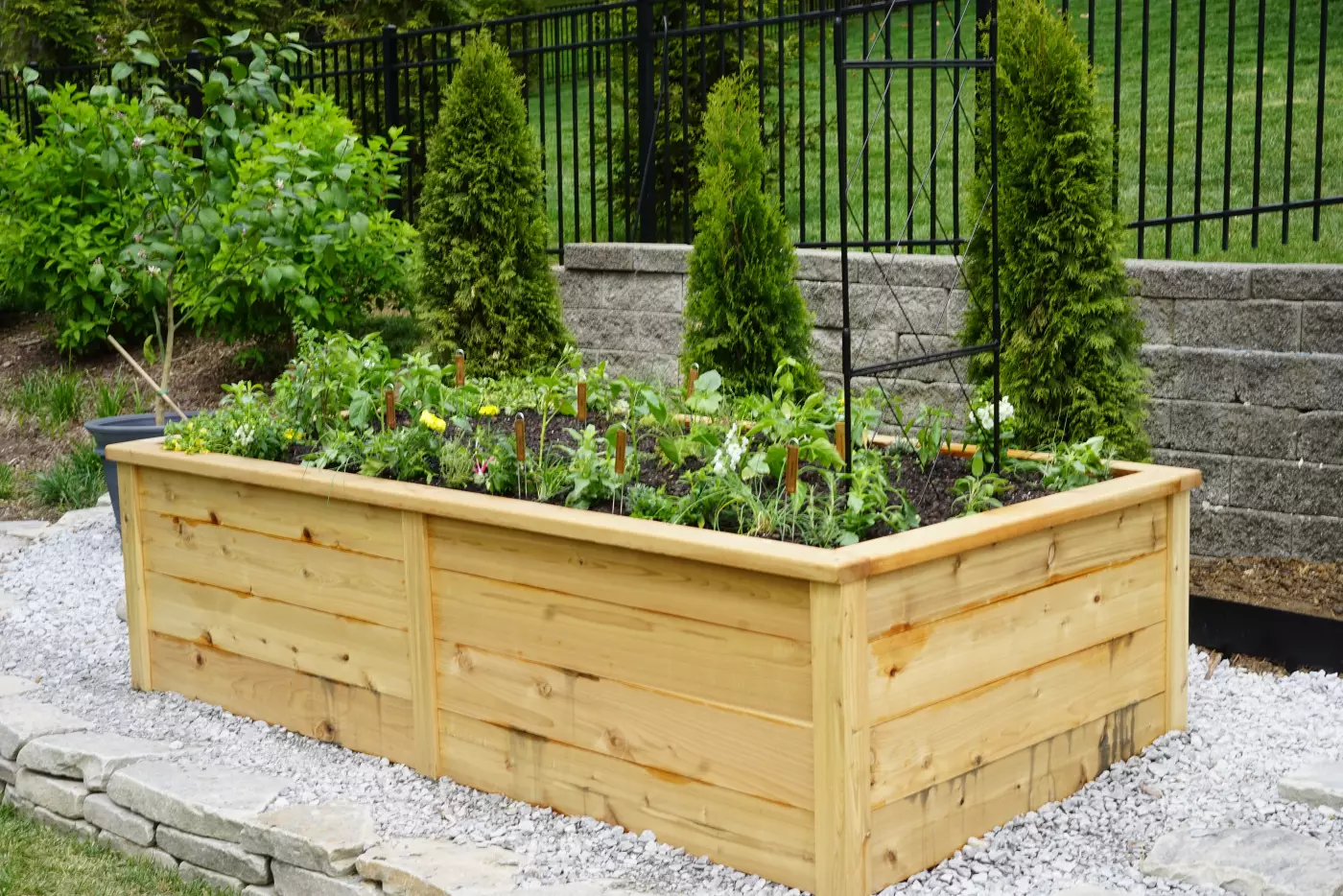
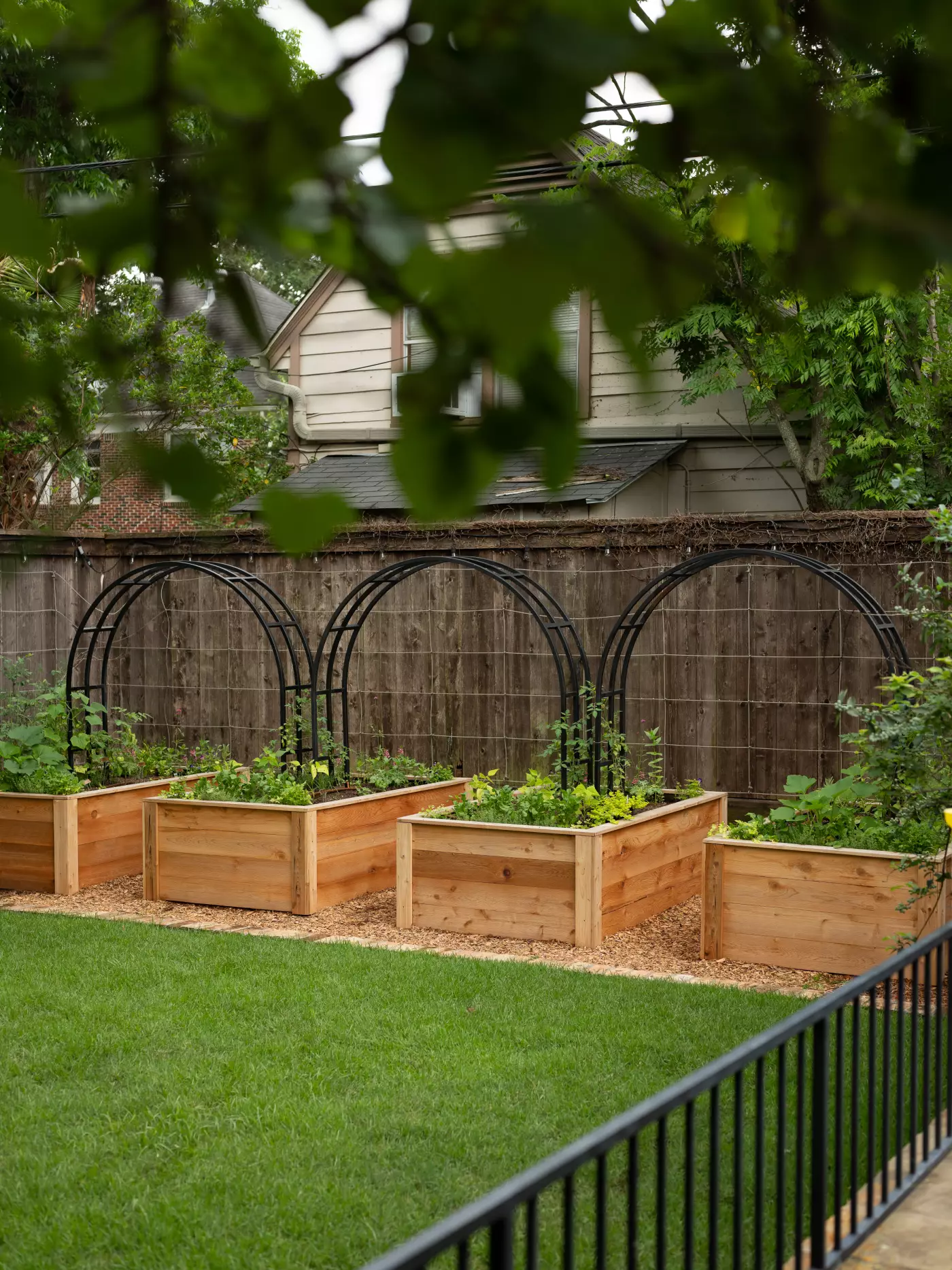
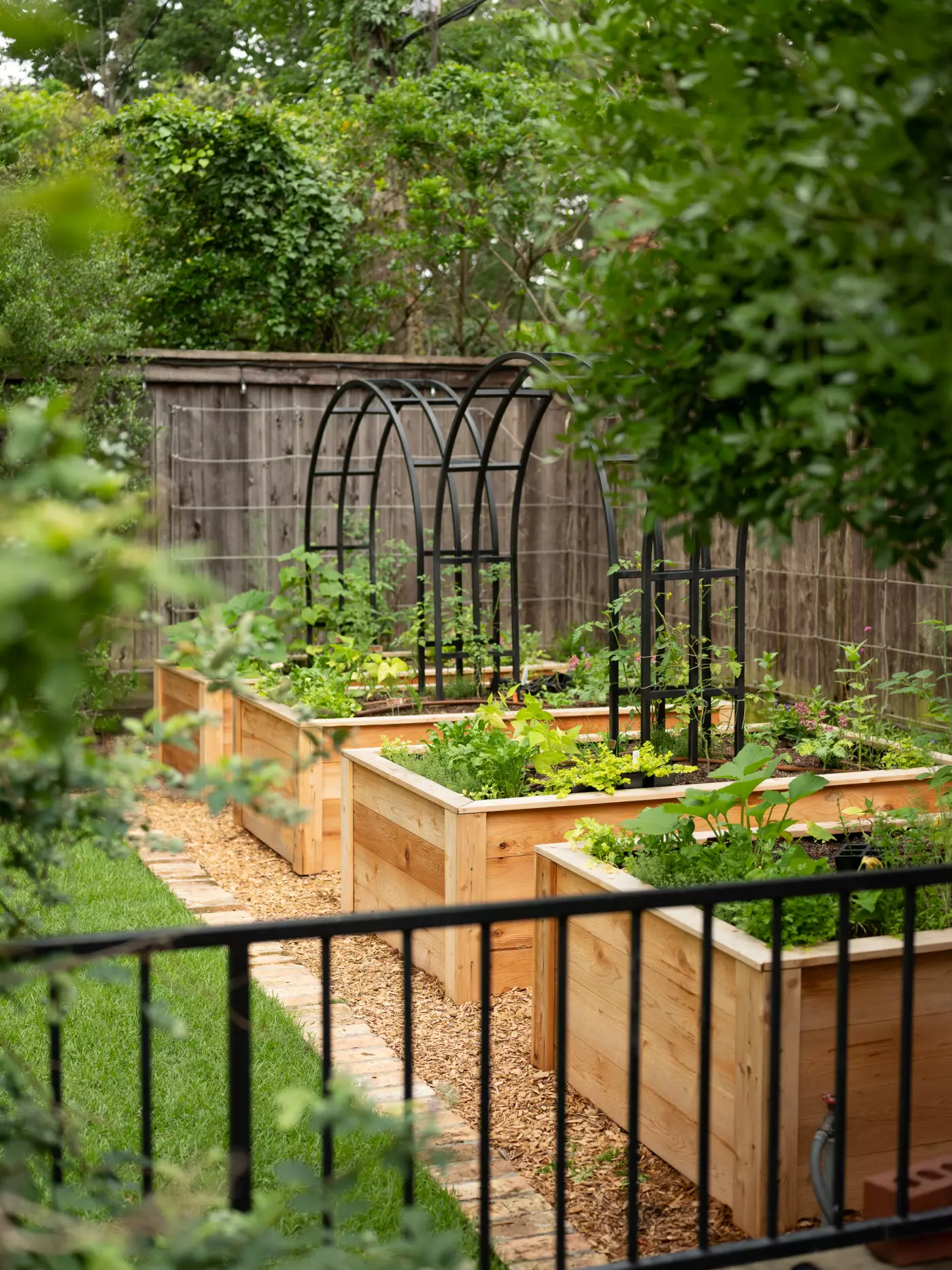
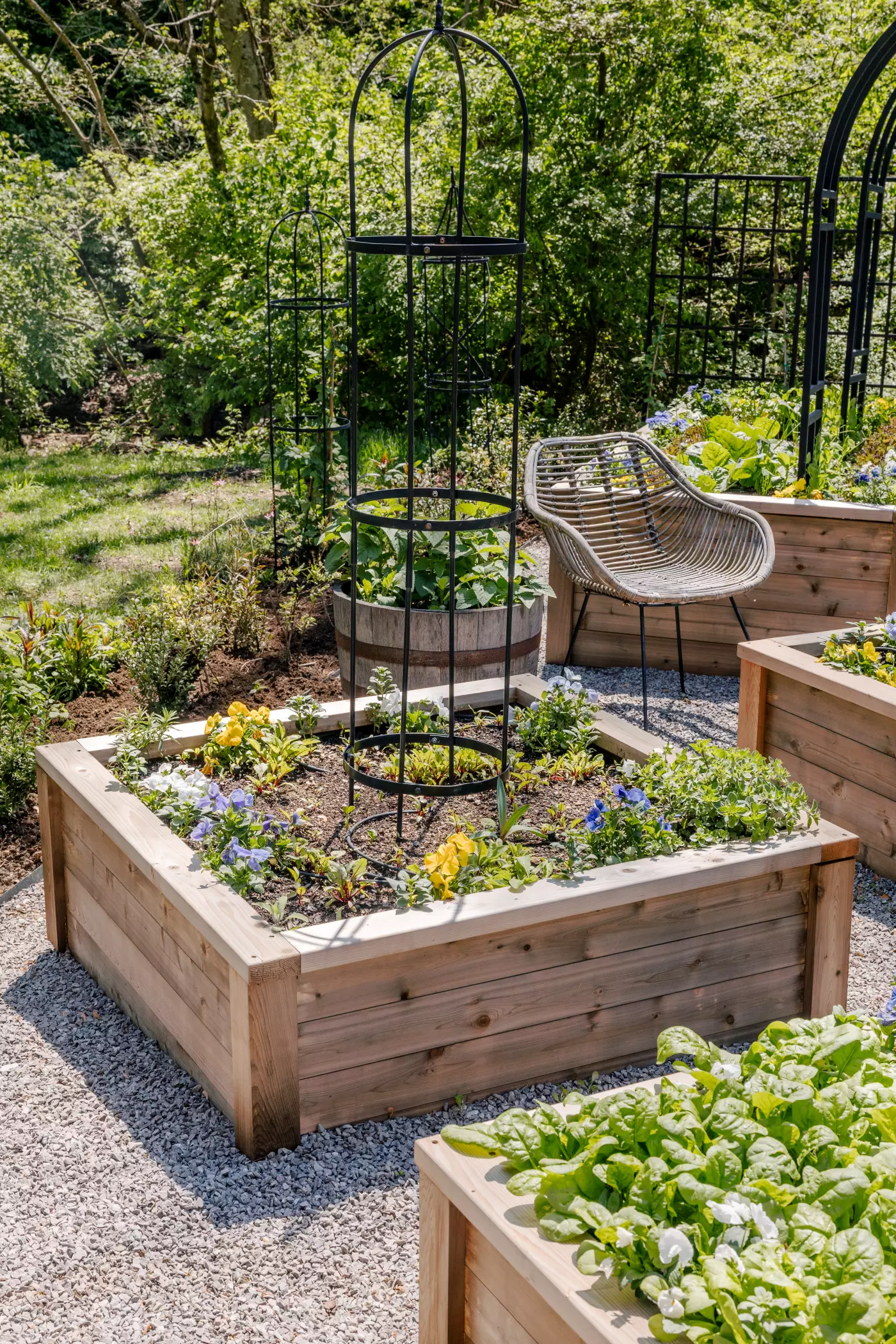
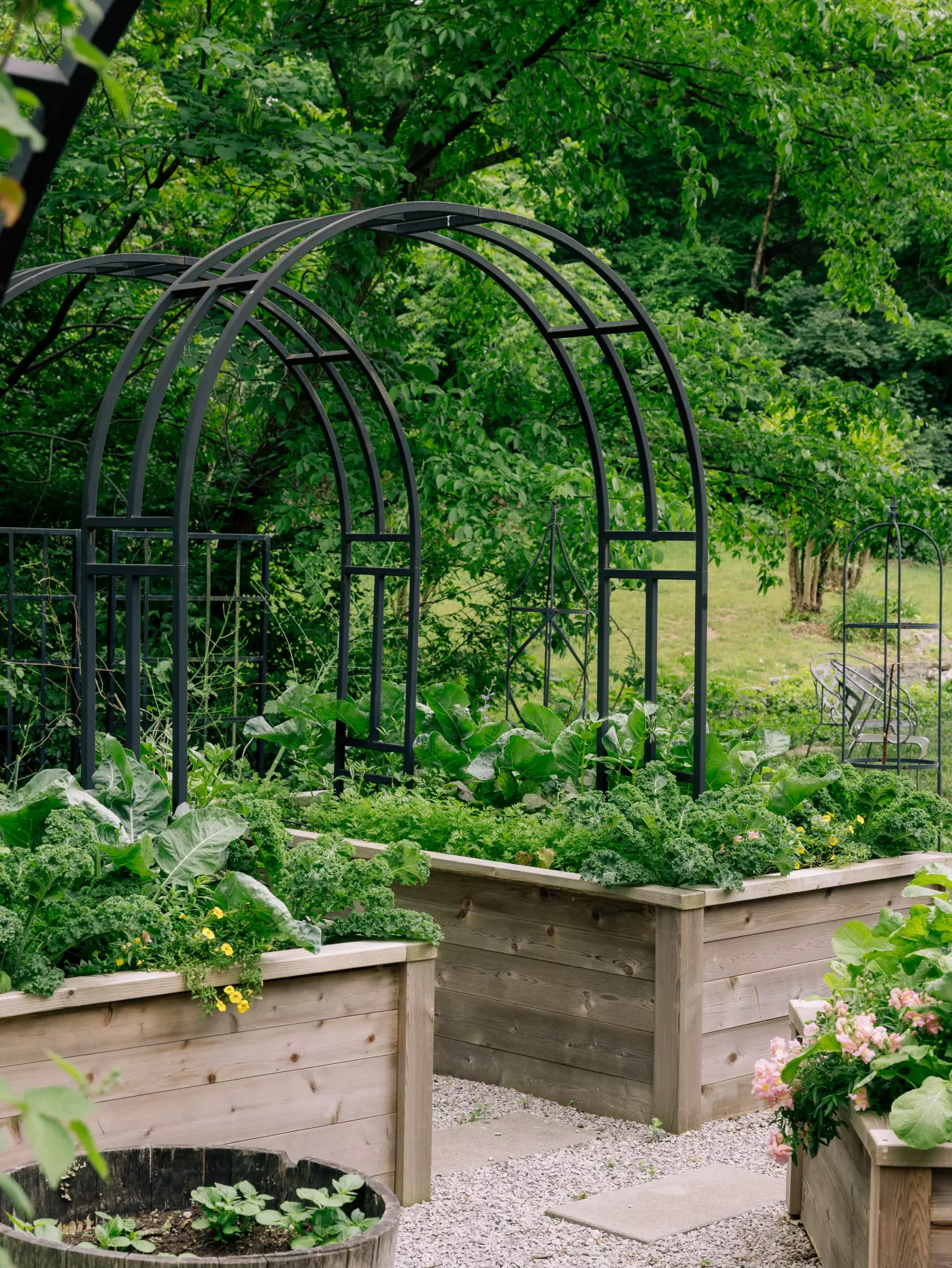
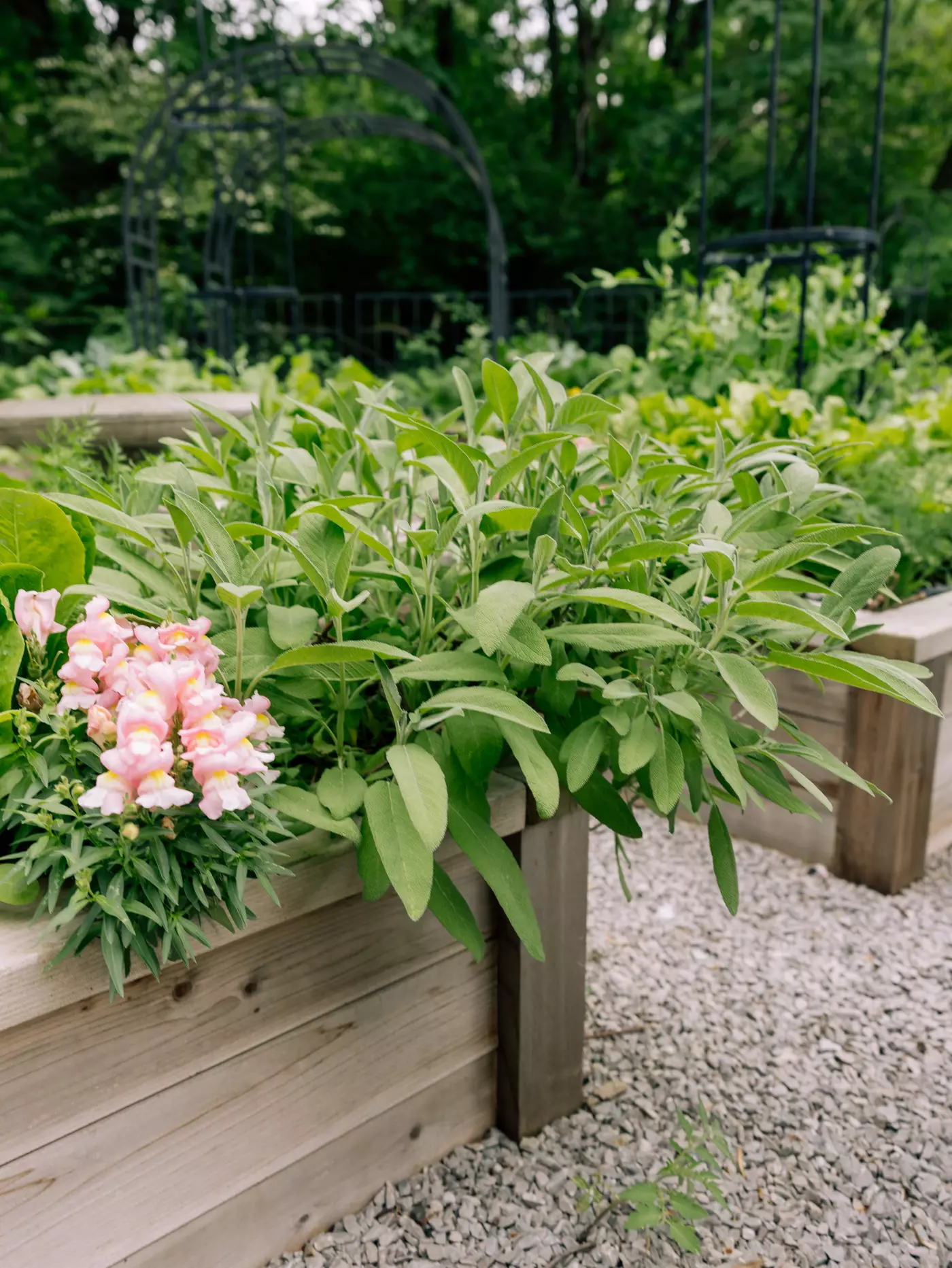
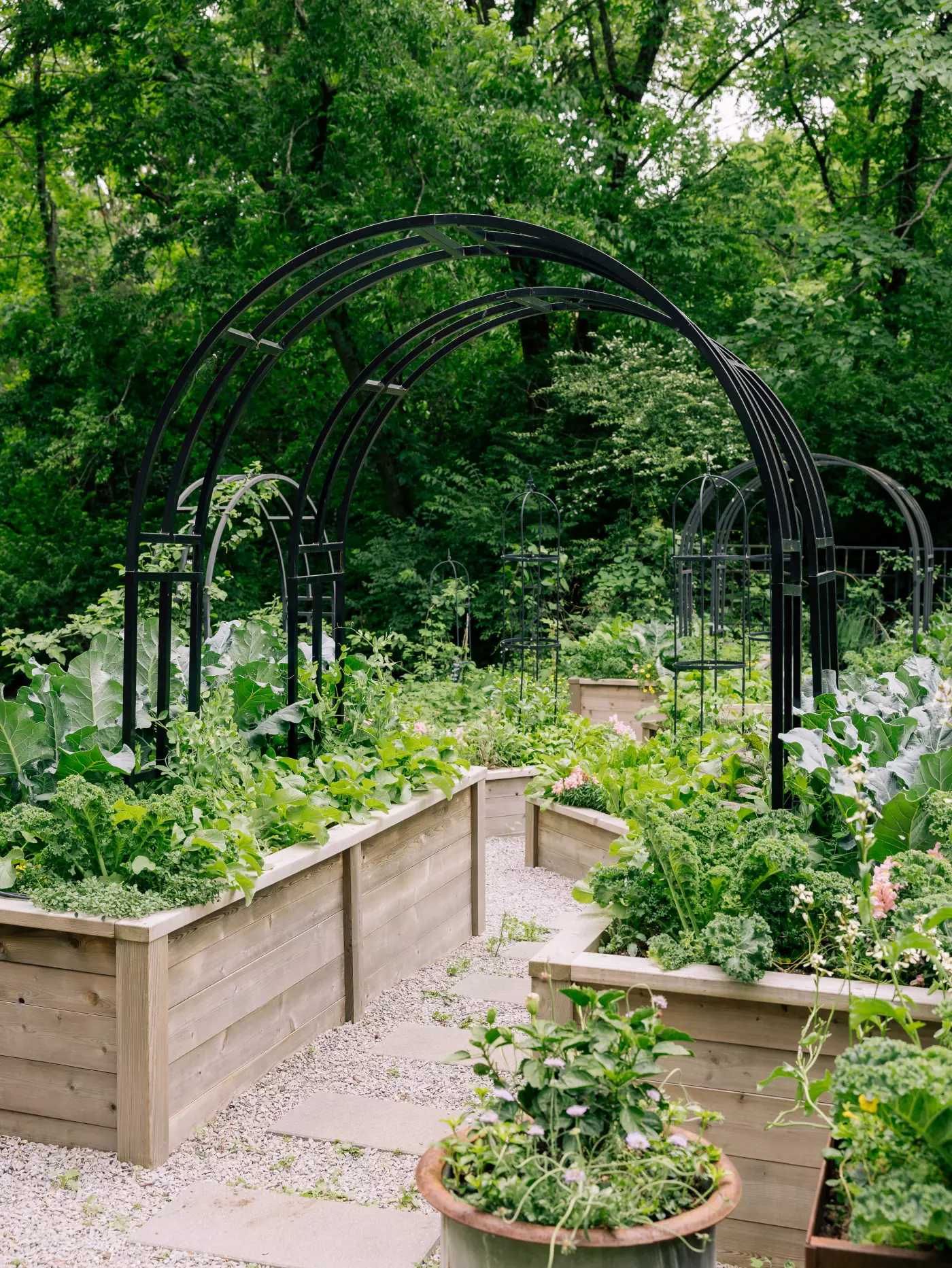
If you've followed my work for any length of time, you know I'm particular about tools and materials. These cedar raised beds are the ones I designed for my own kitchen garden, and they're what I recommend to every gardener who asks me where to start.
What they're made of: Premium, untreated, kiln-dried cedar — handmade in the USA. No cutting, no measuring, no complex tools required. The key/lock assembly system means the bed body goes together without a hand drill. (You'll need one to attach the top trim pieces, but that's the extent of the labor.)
Why cedar, and why kiln-dried: Kiln-dried cedar is more stable than air-dried — it's less prone to warping and cracking as it adjusts to outdoor conditions. And because it's naturally rot-resistant, you don't need to treat it with anything that shouldn't be near your food.
The design: These beds have a classic, clean look — the trimmed top edge is what gives them the finished, intentional appearance that makes a kitchen garden feel designed rather than improvised. They're the same style you see in my own garden, and I'm genuinely proud of how they look.
Best for: Gardeners who want a beautiful, productive kitchen garden that looks as good as it grows. Beginners who want everything figured out for them. Anyone who's tried cheaper options and is ready for something that lasts.
Why Gardenary Cedar Beds are the Best:
- Handmade in the USA
- Untreated cedar
- Food safe
- Rot resistant
- Insect resistant
- Kiln-dried
- No warping
- 1" thick boards
- Key/lock assembly
- No tools needed
- Multiple sizes
- Beautiful design
- Finished trim edges
- Durable and built to last
It's what I use in my own garden! Need I say more?
Love the Look of a Gardenary Garden? Start With the Beds.
Handmade cedar kits that skip the sawing, measuring, and hammering
- A raised bed for every space, with 39 size options
- Three heights to fit your planting needs
- Handmade in the USA from premium, untreated cedar
- Built for long-term durability and productivity

Complete Kitchen Garden Packages
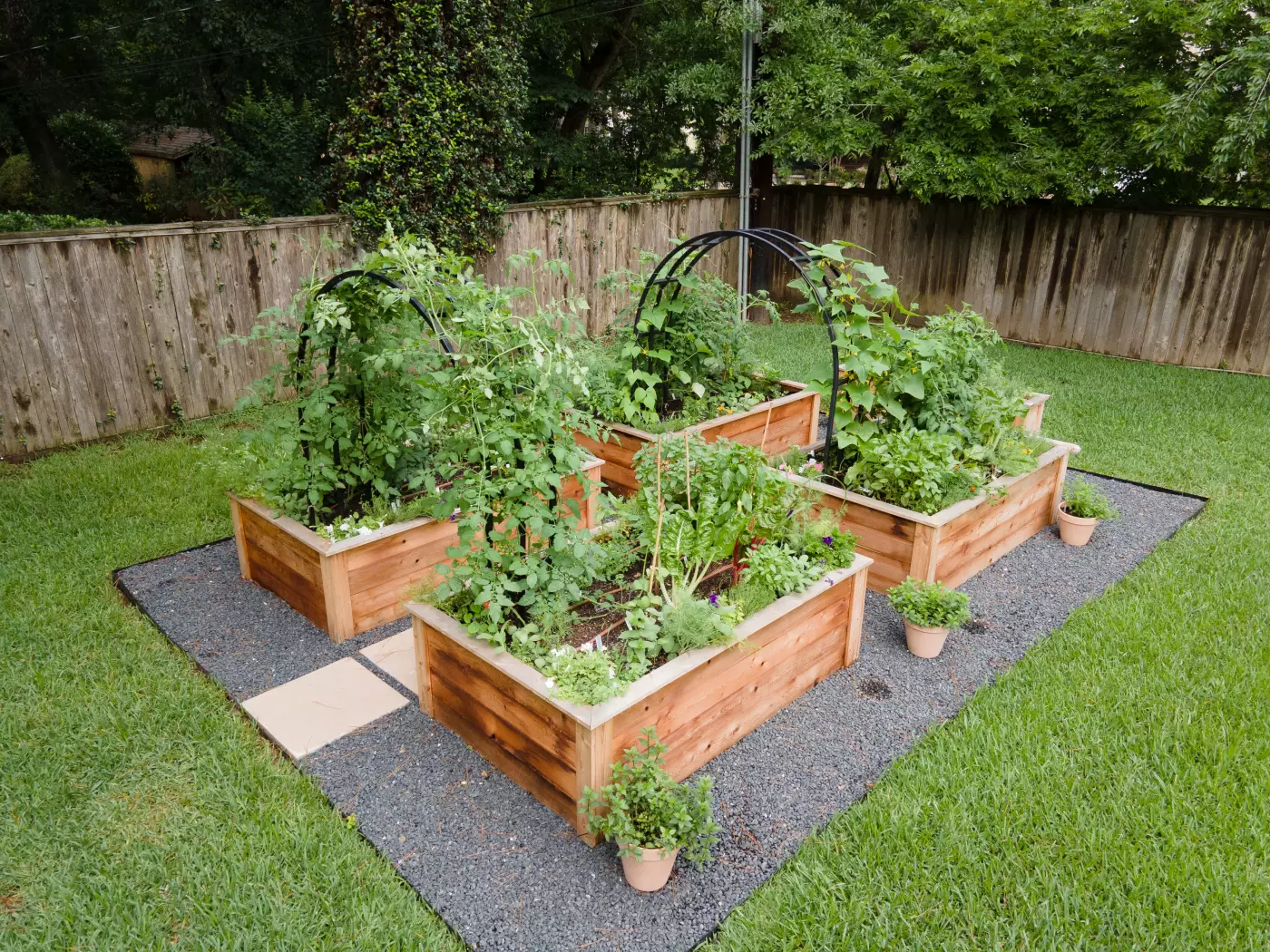
If you're starting from scratch, the Complete Kitchen Garden Packages take the guesswork out of designing your space entirely.
Each package includes raised beds, trellises, and edging — everything you need to build a fully designed and beautiful kitchen garden in one order. Whether you want a compact starter setup or a larger backyard garden, these packages are built around the same Gardenary design principles I teach in my courses: grow more in less space, keep it beautiful, make it something you're proud of.
This is the all-in-one option for the gardener who doesn't want to piece things together one purchase at a time.
What to Look for If You're Comparing Other Options
I want you to make the best choice for your garden, and sometimes that means evaluating multiple options. We understand!
Here's a quick checklist to use when comparing any raised bed online:
- Is the wood untreated and safe for edibles?
- Is it cedar or another rot-resistant species?
- How thick are the boards? (Look for 1" minimum)
- What is the depth? (12" minimum for most vegetables)
- How are the corners joined? (Interlocking or reinforced is better than screws through thin boards)
- Is it made in the USA or a country with reliable quality standards?
- Does the seller offer multiple sizes?
- Does it look like something you'd be proud to have in your yard?
That last one is not a joke. It matters if you like the look of it. People have their gardens for many years, even decades! It's worth investing in something you'll be proud of.

What to Avoid When Shopping for Raised Garden Beds Online
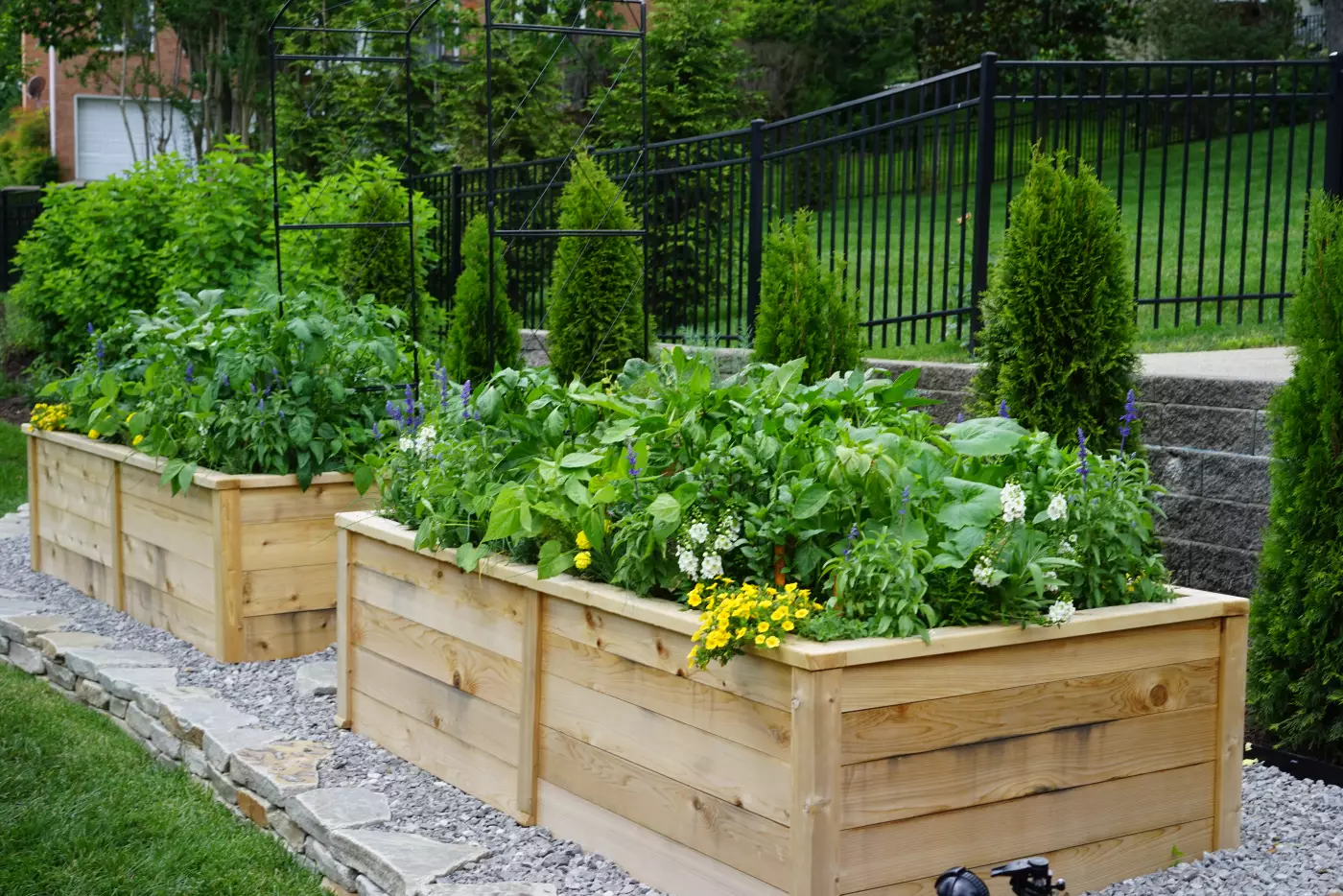
Shopping online is convenient, but it comes with blind spots. Here's what catches gardeners off guard:
Buying on price alone. A $40 raised bed might seem like a win until it's leaning, splitting, or rotting by the end of its second season. The replacement cost — in money, time, and wasted soil — usually exceeds what a quality bed would have cost upfront. Not to mention all your hard work gone to waste.
Ignoring depth. Many beds marketed as "raised garden beds" are only 6 to 8 inches deep or less. That's not enough for most vegetables. Always check the depth before purchasing. You don't want to be limited in what you can grow.
Skipping material research. "Wood" is not a material specification. Know exactly what species and treatment you're getting — especially if you're growing food. This is one of the biggest mistakes I see people make.
Choosing style over structure. Some beds photograph beautifully and fall apart under real growing conditions. Look for product details that describe construction quality, not just appearance.
Forgetting about assembly. Some beds require significant tools, skills, or time to assemble. If you want to start gardening this weekend, make sure the assembly process matches your timeline and abilities.
Not accounting for shipping. Raised bed kits can be heavy. Check shipping costs before you compare final prices.


How to Choose the Right Size Raised Garden Bed
Not sure which size to buy? Here's a simple guide:
4' x 4' — Great starter size. Fits in a small space, is manageable for beginners, and is easy to reach from all four sides. Perfect for herbs, salad greens, or a compact kitchen garden.
4' x 6' — A step up in growing space without a dramatic increase in footprint. Good for gardeners who want more variety in one bed.
4' x 8' — The classic kitchen garden size. Enough room to grow a meaningful mix of vegetables. The standard recommendation for anyone serious about growing their own food.
2' x 6' or 2' x 8' — Narrow beds that work well along fences, walls, or in tight corridors. Great for trellised crops like cucumbers or beans.
On depth:
- 1 foot is workable for herbs and salad greens
- 18 inches handles most vegetables
- 2 feet is ideal for deep-rooted crops and intensive growing, and it significantly reduces how much you have to bend


Join the 2026 Gardening Workshop
FAQ: Best Raised Garden Beds Online
What are the best raised garden beds available online? The best raised garden beds available online are made from untreated, rot-resistant wood — ideally kiln-dried cedar — with solid construction, adequate depth (at least 12 inches for most vegetables), and a design you'll be proud to grow in. Gardenary's cedar raised beds check every one of those boxes and are handmade in the USA.
What is the best material for a raised garden bed? Cedar is the best material for a wooden raised garden bed. It's naturally rot-resistant and insect-resistant without any chemical treatment, making it safe for growing edibles. Kiln-dried cedar is even more stable and long-lasting than standard cedar.
How deep should a raised garden bed be? Most vegetables need at least 10–12 inches of soil depth. For serious kitchen gardening and deep-rooted crops, 18–24 inches is ideal. Beds that are only 6 inches deep will limit what you can grow and how well your plants perform.
Are cedar raised garden beds worth the money? Yes — consistently. Cedar raised beds last significantly longer than pine or composite alternatives, require no chemical treatment to stay rot-resistant, and maintain their appearance over years of growing seasons. The upfront cost is higher than cheap alternatives, but the long-term value is much better.
Where can I buy high-quality raised garden beds online? Gardenary's cedar raised garden beds are available at shop.gardenary.com. They're handmade in the USA from premium untreated cedar, come in a wide range of sizes, and are designed for long-term kitchen garden productivity and beauty.
What should I look for when buying a raised garden bed online? Look for untreated cedar or another rot-resistant wood, board thickness of at least 1 inch, a minimum depth of 12 inches, sturdy corner joinery, and clear material specifications. Avoid beds that don't disclose wood species or treatment status.
How long do cedar raised garden beds last? A well-made cedar raised bed can last 10–20 years or more, depending on climate and care. Cedar's natural oils make it resistant to rot and insects without any treatment — it's one of the most durable choices for an outdoor garden bed.
Do I need tools to assemble a raised garden bed? It depends on the bed. Gardenary's cedar raised beds use a key/lock assembly system that requires no tools for the main bed body — you'll only need a hand drill to attach the top trim pieces. Many other raised beds require more tools and more time.
Can I grow vegetables in a 1-foot-deep raised bed? Yes, but your options are more limited. A 12-inch-deep bed works well for herbs, salad greens, and shallow-rooted crops like lettuce and radishes. For tomatoes, peppers, cucumbers, and most other vegetables, 18–24 inches gives you significantly better results.
Ready to Build Your Kitchen Garden?
The right raised bed is the foundation of everything — your soil, your plants, your harvests, and, honestly, your enjoyment of the whole process. A bed you love makes you want to be out there. And being out there is what makes a kitchen garden actually work.
If you're ready to invest in something that will grow with you for years, I'd love for you to start with what I grow in.
And if you're still figuring out the full picture — what to put in your beds, how to set up your space, how to grow food consistently all season long — that's exactly what we teach inside our flagship course, Kitchen Garden Academy. It walks you through everything step-by-step.
No matter where you are in your gardening journey, your kitchen garden is closer than you think.