
At a Glance
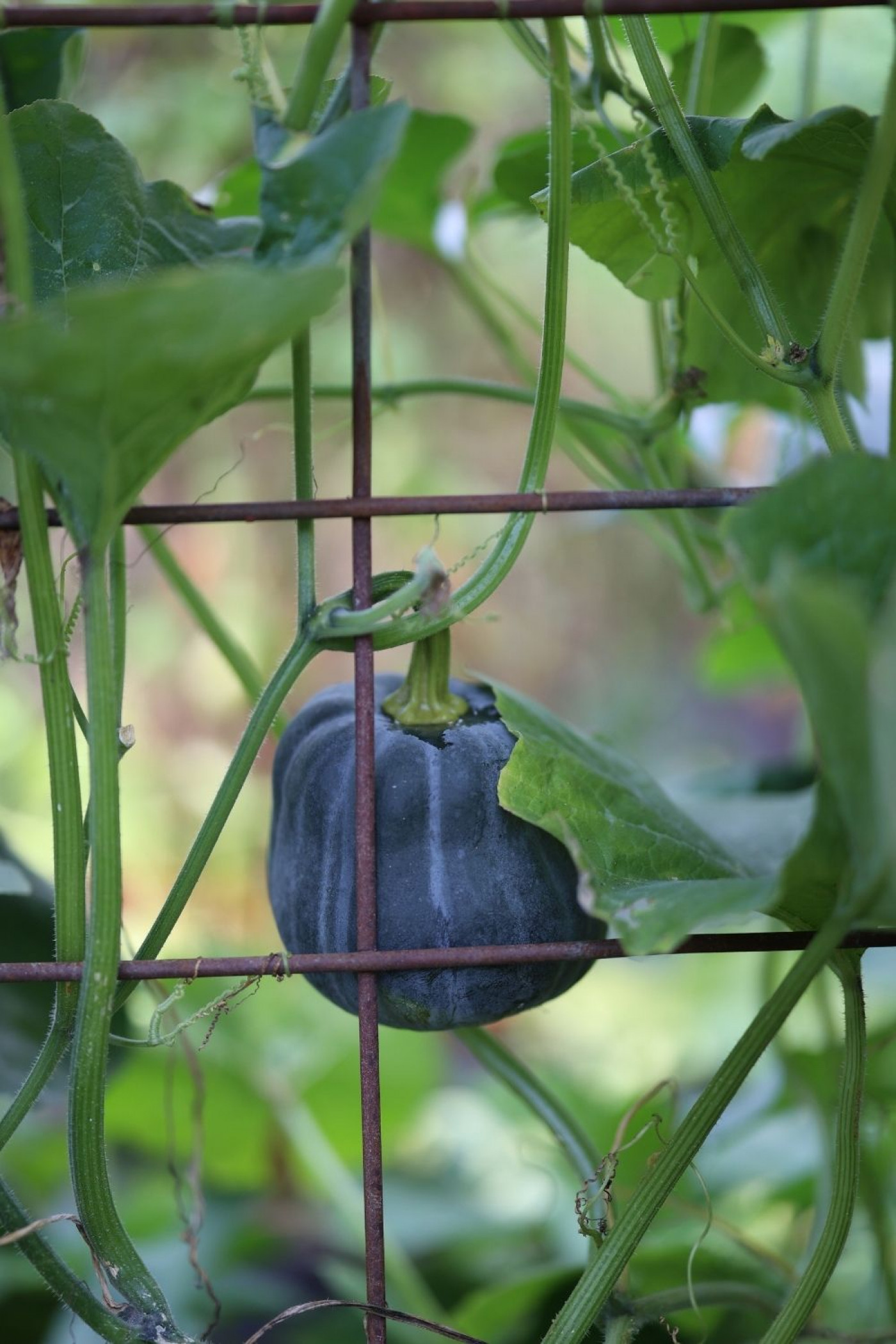
- Yes, you can absolutely trellis pumpkins. Vertical growing saves space, improves airflow, reduces disease, and keeps fruit cleaner and easier to harvest.
- The key to success is choosing the right variety: smaller and mid-size pumpkins (under 25 pounds) are the best candidates for trellis growing.
- Fruit slings are essential for anything over 5 pounds. They cradle the developing pumpkin and take the weight off the vine so it doesn't snap.
Yes! You Can Trellis Pumpkins.
Absolutely, enthusiastically, yes!
Pumpkins can be trellised, and once you try it, growing them on the ground will feel like a distant memory. Pumpkin vines are natural climbers. They produce tendrils that eagerly grab onto structures, and vertical growing unlocks a whole list of benefits that ground-level growing simply can't match.
The short answer: choose the right variety, give the vines a sturdy structure to climb, support the developing fruit with slings, and you'll have a pumpkin harvest that's healthier, cleaner, and more satisfying than anything you've grown sprawling across the ground.
Now for the longer answer — because this is worth doing right.

Why Should You Trellis Pumpkins? The Benefits Are Real.
I'll be honest — the first time someone suggested I trellis my pumpkins, I thought it sounded a little ambitious. Pumpkins are big plants. They sprawl. They take up space. That's just what they do.
Except it doesn't have to be.
Advantages of Growing Pumpkins Vertically:
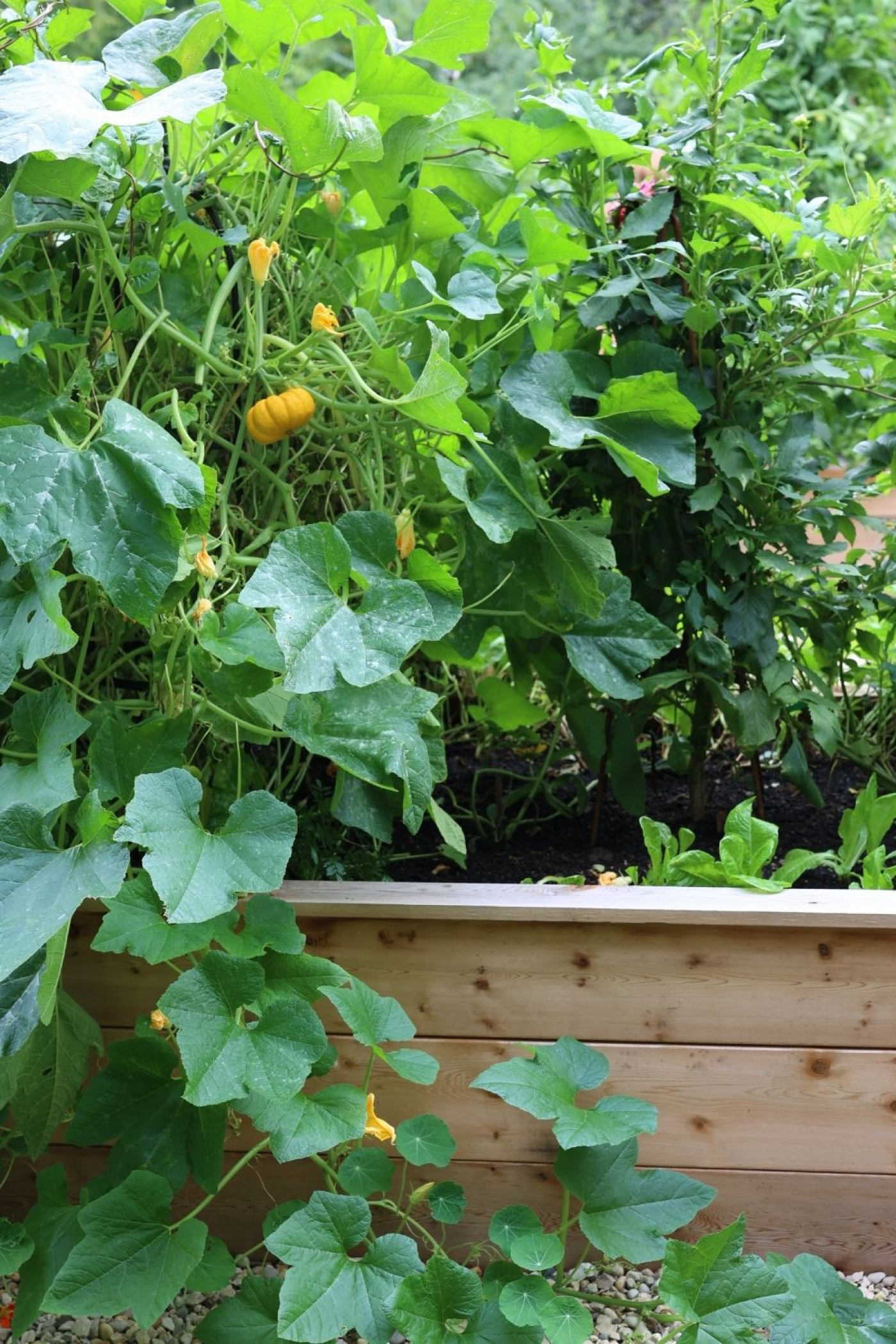
- Space savings — a pumpkin vine on a trellis takes up a fraction of the horizontal garden space compared to one sprawling across the ground. This is especially significant in a raised bed kitchen garden where every square foot counts.
- Better airflow — lifting vines off the ground opens up the canopy, reduces humidity around the leaves, and significantly cuts down on fungal disease like powdery mildew, which pumpkins are notoriously prone to.
- Cleaner fruit — pumpkins hanging vertically don't sit in contact with soil, which means less rot, fewer pest entry points, and better color development on the skin.
- Easier harvesting — you can see every pumpkin developing on the vine without getting on your hands and knees and hunting through a ground-level jungle of leaves.
- Pest reduction — keeping vines and fruit off the ground makes it significantly harder for soil-dwelling pests to find and damage your crop.
- It looks incredible — there is genuinely nothing in the kitchen garden quite as stunning as a trellis covered in pumpkin vines with fruit hanging down through it. If you've never seen it, trust me on this one.
The Most Important Rule: Choose the Right Variety
This is where trellised pumpkin growing succeeds or fails, so let's spend a moment here.
Not all pumpkin varieties are suitable for vertical growing. The weight of the mature fruit is the limiting factor — most trellis structures simply cannot support the weight of large or giant pumpkin varieties, no matter how sturdy they look. A 50-pound pumpkin hanging from a vine is a disaster waiting to happen, and no sling in the world will make that a good idea.
Best Pumpkin Varieties for Trellising
Small varieties (under 5 pounds) — trellis freely, no sling needed:
- Jack Be Little
- Baby Boo
- Hooligan
- Gooligan
- Small Sugar
Mid-size varieties (5 to 25 pounds) — trellis with slings:
- Sugar Pie
- Autumn Gold
- Cinderella (its flattened shape actually handles slings beautifully)
- Winter Luxury
- Jarrahdale
Varieties to keep on the ground:
- Mammoth Gold (40 to 60 pounds)
- Atlantic Giant
- Big Max
- Any variety consistently over 25 pounds
The good news is that the varieties best suited for trellising — small sugar pumpkins, pie pumpkins, and decorative types — are also the most useful and delicious varieties for the kitchen garden. You're not giving anything up by choosing trellis-friendly types.
How to Make a Fruit Sling (And Why You Need One)
Here's the detail that separates a successful trellised pumpkin harvest from a heartbreaking one: the sling.
What's a sling? Imagine a little hammock for your pumpkin that helps support its weight.
For any pumpkin over about 5 pounds, the weight of the developing fruit will eventually become more than the vine stem can safely support on its own. Without a sling, you risk the pumpkin snapping off the vine before it's fully mature. A sling transfers the weight from the vine to the trellis structure itself, keeping everything secure through to harvest.
How to make a pumpkin sling:
- Use soft, slightly stretchy material — old t-shirts, pantyhose, or mesh netting all work well
- Create a cradle by tying the material to the trellis on both sides of the fruit, with the pumpkin resting inside the sling
- Leave enough slack that the pumpkin has room to grow without the sling cutting into the skin
- Check your slings weekly and adjust as the fruit develops — a pumpkin can grow surprisingly fast
Quick Tip: Add slings early, as soon as the fruit is visible and clearly setting. It's much easier to cradle a small pumpkin than to try to support a heavy one that's already straining the vine.

The Best Trellis for Pumpkins — And How to Choose
Not all trellises are created equal when it comes to pumpkins. Because pumpkin vines are vigorous and the fruit gets heavy, you need a structure with real strength and height. Here's how Gardenary's three trellis types each perform for pumpkins:
The Arch Trellis
The arch trellis is the single best structure for growing pumpkins vertically, and it's the one I'd recommend first to any gardener ready to try this.
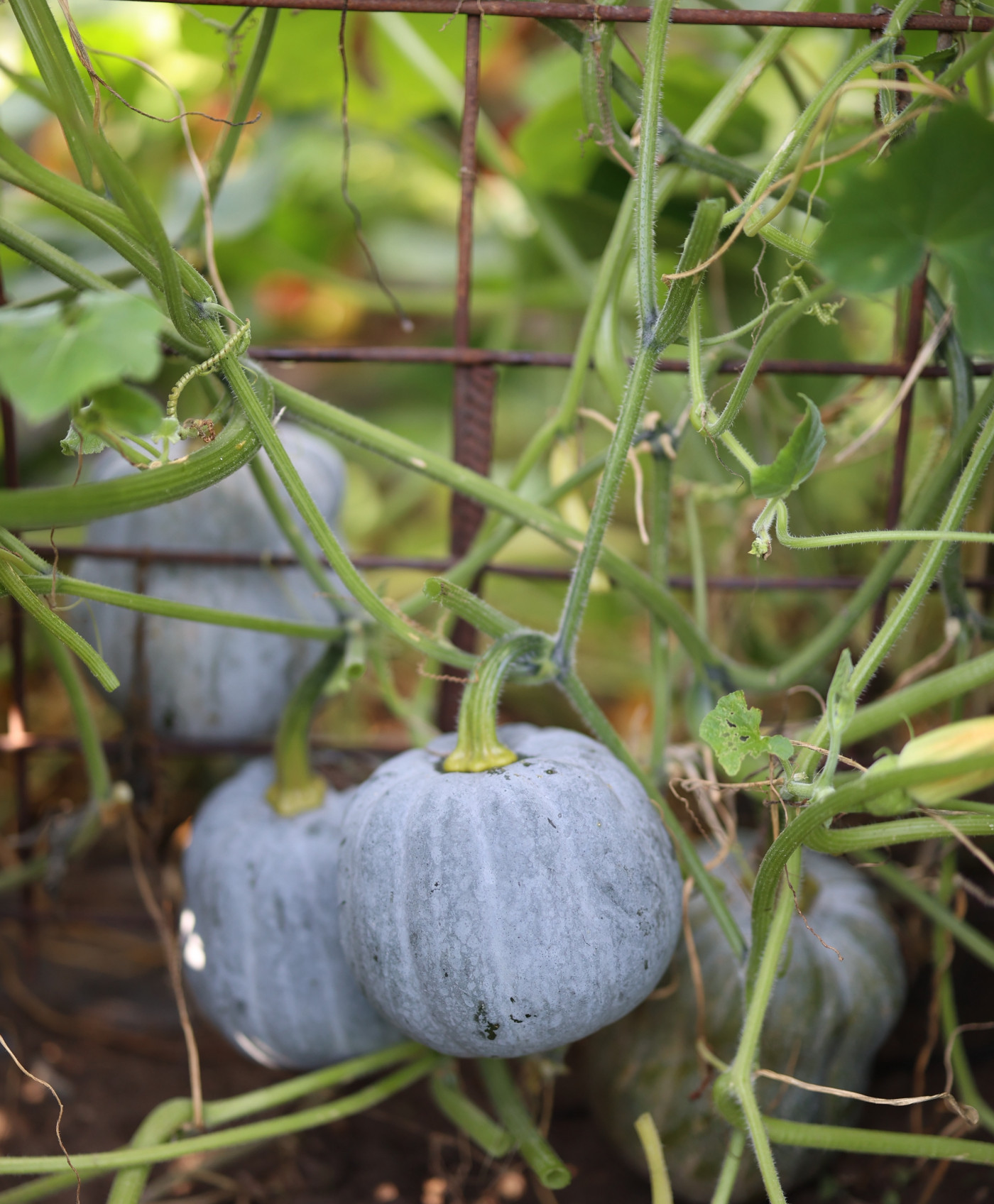
Here's why it works so well: pumpkin vines grow up one side of the arch, travel over the top, and the fruit hangs down through the interior — naturally supported, easy to see, and completely stunning to look at. The arch structure distributes weight across the entire frame rather than concentrating it at a single point, which makes it significantly more stable under the load of developing pumpkins than a flat panel or obelisk.
The Gardenary Nicole Arch Trellis is built from powder-coated black steel — sturdy enough to handle the weight of a full season of vigorous pumpkin growth, and beautiful enough to become the centerpiece of your kitchen garden. Browse it at shop.gardenary.com.
Best for: Mid-size pumpkin varieties with slings, small varieties without. Gardeners who want maximum visual impact alongside maximum function.
The Panel Trellis
A flat panel trellis anchored to the back of a raised bed is an excellent choice for pumpkin growing, particularly if you're working within a more structured kitchen garden layout. Vines climb straight up the panel, fruit hangs against the face of it, and slings attach easily to the panel structure.
The key with a panel trellis for pumpkins is height — choose a panel that's at least 5 to 6 feet tall to give vines real room to climb. Gardenary's panel trellises are built from the same durable powder-coated metal as the arch, and anchor securely into raised bed frames or directly into the ground. Browse at shop.gardenary.com.
Best for: Small and mid-size varieties. Raised bed gardens where the trellis sits at the back of the bed. Gardeners who want a clean, structured look.
The Obelisk Trellis
The obelisk trellis is the most compact of the three options, and it's perfectly suited to smaller, lighter pumpkin varieties that don't need the heavy-duty support of an arch or panel. Think Jack Be Little, Baby Boo, or Hooligan — the decorative mini pumpkins that look stunning hanging from a vertical structure and require no slings at all.
An obelisk placed within a raised bed creates a beautiful focal point and gives small pumpkin vines exactly the structure they need to climb and produce. It's a particularly elegant solution for gardeners who want to grow ornamental pumpkins as part of a larger kitchen garden design. Browse Gardenary obelisk trellises here.
Best for: Small decorative varieties only. Gardeners with limited space who want a single statement structure in a raised bed.
How to Train Pumpkins onto a Trellis
Getting pumpkin vines started on a trellis is simpler than it sounds. Here's the process:
- Plant at the base — sow seeds or place transplants directly at the foot of your trellis, about 12 inches apart. Getting them as close to the structure as possible gives the vines the best chance of finding it early.
- Wait for tendrils — once seedlings produce their first tendrils (small, wiry shoots that reach out looking for something to grab), they're ready to guide onto the trellis.
- Gently weave early growth — for the first few weeks, help the vines by weaving or loosely tying them onto the lower section of the trellis. Use soft garden twine and never tie too tightly.
- Let the tendrils do the work — once established, pumpkin tendrils will grab the trellis and hold on with impressive strength. Your main job shifts to weekly check-ins, redirecting any wayward vines, and adding slings as fruit develops.
- Prune strategically — pumpkin vines produce lateral shoots. Pinching some of these back helps direct the plant's energy toward the main vine and the developing fruit rather than endless leaf production.
One thing I always tell gardeners: be patient in the early weeks. Pumpkins can be slow to establish, and it can feel like nothing is happening for a while. Then suddenly, in the heat of summer, they take off. Give them time and a good drink of water and they'll reward you handsomely.

Join Thousands of Gardeners On the VIP List
Free perks, just for email subscribers:
- 15% Off Your First Order
- Gardening Videos & Articles
- Early Access to Sales
Sign up, check your inbox, then shop with your code.
CLAIM YOUR 15% OFF BELOW
Common Mistakes When Trellising Pumpkins
A few things to watch out for so you don't have to learn them the hard way:
- Choosing a variety that's too large. The most common trellising mistake. Check the expected mature weight of your variety before you plant, not after. Anything regularly over 25 pounds stays on the ground.
- Skipping the slings. Even on a strong trellis, a 10-pound pumpkin will eventually stress and potentially snap the vine without support. Add slings early and check them often.
- Using a trellis that's too short. Pumpkin vines can reach 10 to 20 feet on vigorous varieties. A 4-foot trellis will be overwhelmed. Aim for at least 6 feet of vertical height.
- Not anchoring the trellis well enough. A fully loaded pumpkin trellis is heavy. Make sure whatever structure you're using is properly secured before the vines take over — fixing a leaning trellis in midsummer is not a fun afternoon.
- Overwatering. Trellised pumpkins need consistent moisture, but the raised vines and increased airflow mean soil can dry out faster. Check regularly and water deeply at the base, not overhead.

Frequently Asked Questions About Trellising Pumpkins
Can you trellis pumpkins? Yes. Pumpkins are natural climbers and grow very well on trellises, arches, and panel structures. The key is choosing the right variety — smaller and mid-size pumpkins (under 25 pounds) are ideal candidates, while very large or giant varieties should be grown on the ground where their weight can be supported.
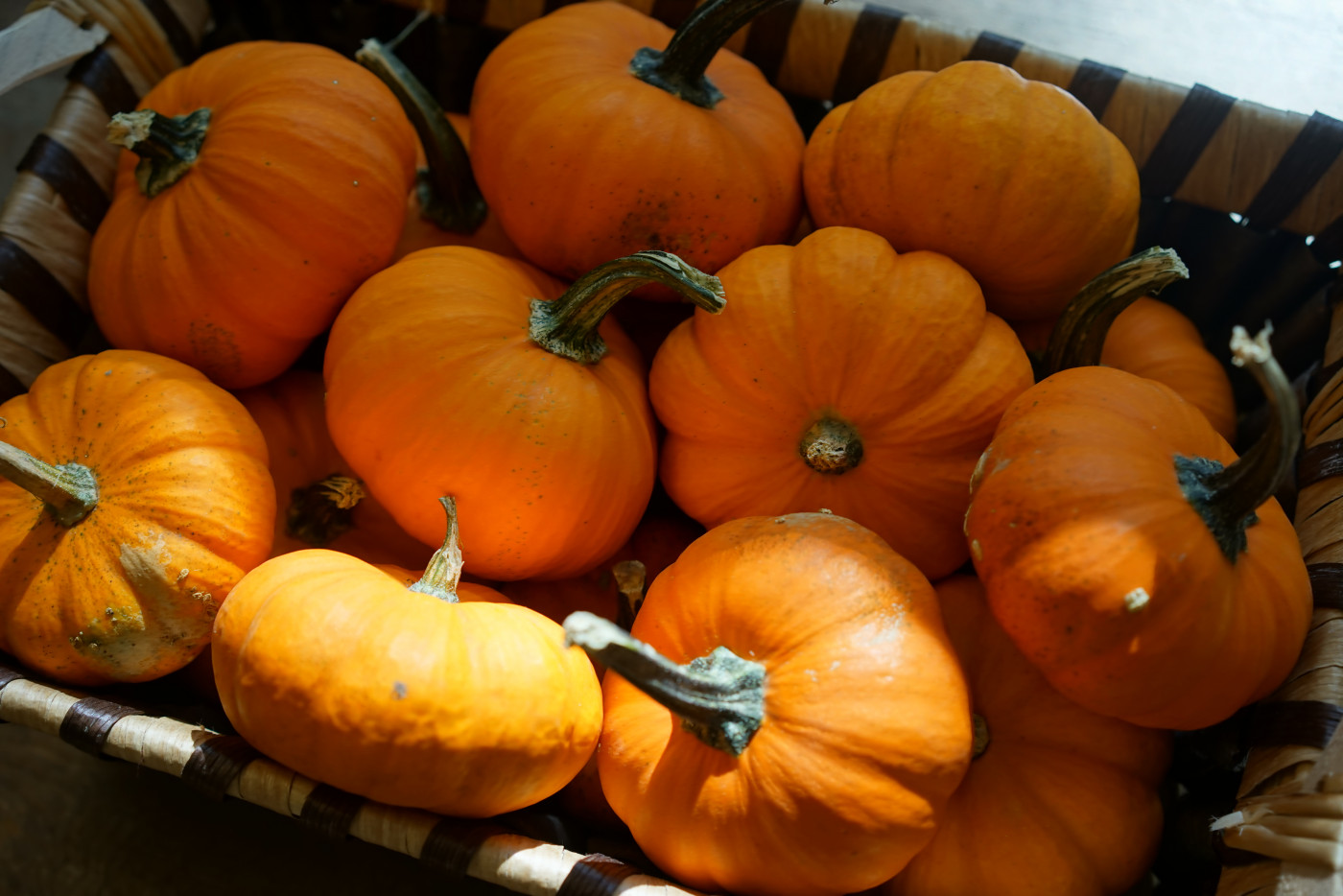
What size pumpkins can be trellised? Pumpkins under 5 pounds can be trellised without any additional support. Varieties between 5 and 25 pounds can be successfully trellised with the use of fruit slings that cradle the developing pumpkin and transfer weight to the trellis structure. Pumpkins consistently over 25 pounds should be grown on the ground.
What is the best trellis for growing pumpkins? An arch trellis is the best overall option for growing pumpkins vertically. It distributes the weight of developing fruit across the entire structure, gives vines maximum climbing room, and creates a stunning visual as pumpkins hang through the interior. Panel trellises work well for raised bed gardens, and obelisks are ideal for small decorative varieties.
How tall should a pumpkin trellis be? At least 6 feet tall, and taller is better for vigorous varieties. Pumpkin vines can reach 10 to 20 feet on mid-size varieties, so giving them real vertical room to climb produces a healthier, more productive plant than one that hits the top of a short trellis and runs out of structure.
Do trellised pumpkins need slings? For any pumpkin that will weigh more than 5 pounds at maturity, yes — slings are essential. A sling made from soft stretchy fabric, old pantyhose, or mesh netting is tied to the trellis and cradles the developing fruit, taking the weight off the vine stem and preventing premature fruit drop.
What are the best pumpkin varieties to grow on a trellis? The best varieties for trellising include Jack Be Little, Baby Boo, Small Sugar, Sugar Pie, Autumn Gold, and Cinderella. These varieties combine manageable mature weights with excellent flavor and versatility — perfect for the kitchen garden.
Can you grow pumpkins on a trellis in a raised bed? Absolutely. Raised beds are actually an excellent environment for trellised pumpkins because you start with rich, well-draining soil and can anchor a panel or arch trellis directly to the raised bed frame for extra stability. Position the trellis at the north end of the bed so it doesn't cast shade over shorter crops.
How do you keep pumpkin vines on a trellis? In the early weeks, gently weave or loosely tie young vines onto the lower section of the trellis using soft garden twine. Once the tendrils take hold, the plant does most of the work on its own. Weekly check-ins to redirect any wayward growth and tighten any loose ties is all the maintenance required.
When should I add slings to trellised pumpkins? Add slings as soon as fruit sets and is clearly visible — ideally when the pumpkin is the size of a tennis ball or smaller. It's much easier to place a sling around a small fruit than to try to support a heavy one that is already straining the vine.
More About Trellises
Sources
- "Can Pumpkins Grow on Trellises" — https://www.gardeningknowhow.com/edible/vegetables/pumpkin/pumpkins-on-a-trellis.htm
- "How to Grow Pumpkins Vertically on a Trellis" — https://gardenofmirth.com/how-to-grow-pumpkins-vertically-on-a-trellis-growing-guide/