At a Glance
- Learn methods to transition your garden, like picking the last of your summer crops, gathering green tomatoes and herbs before frost, and starting to plant cool-season favorites like kale, garlic, and radishes.
- It's important to remove spent plants, rake away debris, and get frost cloths or covers ready to protect tender crops from chilly nights.
- You can prepare for the next season by adding compost to your beds, building a fall compost pile, potting up herbs and peppers to overwinter indoors.


Easy Garden Checklist for October
October feels like my garden’s deep breath. The frenzy of summer—tomatoes ripening faster than I can pick them, cucumbers hiding under big leaves, basil turning into bouquets—slows down. The light is golden and slanted, the air smells like dry leaves, and I notice things I missed during the rush: bees hover a little slower in the cool mornings, and soil holds onto warmth even as nights turn chilly.
It’s also the month when I know I have a choice. I can either let the garden slip into chaos as the season ends, or I can take a little time to tuck it in, clean it up, and set the stage for next year. When I do the latter, I walk into spring feeling grateful I spent October wisely.
So here’s my practical checklist for the month. These straightforward tasks have a little of my own October habits woven in.
My October Garden Checklist
Here’s the list I work through each year:
- Review summer successes and failures with notes and photos.
- Harvest remaining crops before frost, including green tomatoes and herbs.
- Plant cool-season vegetables and garlic.
- Keep frost cloths ready to protect tender plants.
- Remove dead or diseased plants and rake debris.
- Spread compost to enrich the soil before winter.
- Pot up herbs or peppers to grow indoors.
- Plant hardy flowers for late color and pollinators.
- Build a strong compost pile with garden waste and leaves.
- Clean and store garden tools and supplies.
Review and Record Your Summer Garden
Before I grab a single tool, I walk through the beds with a cup of coffee in hand. I snap photos of what’s thriving and what has clearly had its last gasp. These notes have saved me more than once. When I start planning next year, I'll look back and see what worked and what could be improved.
Write down what grew well, what flopped, and what pests gave you the most trouble. I keep a folder on my phone for October notes and photos, and it becomes my seed-ordering guide in January. Learning the details of what grows best in your specific garden is empowering!


Harvest Remaining Summer Crops
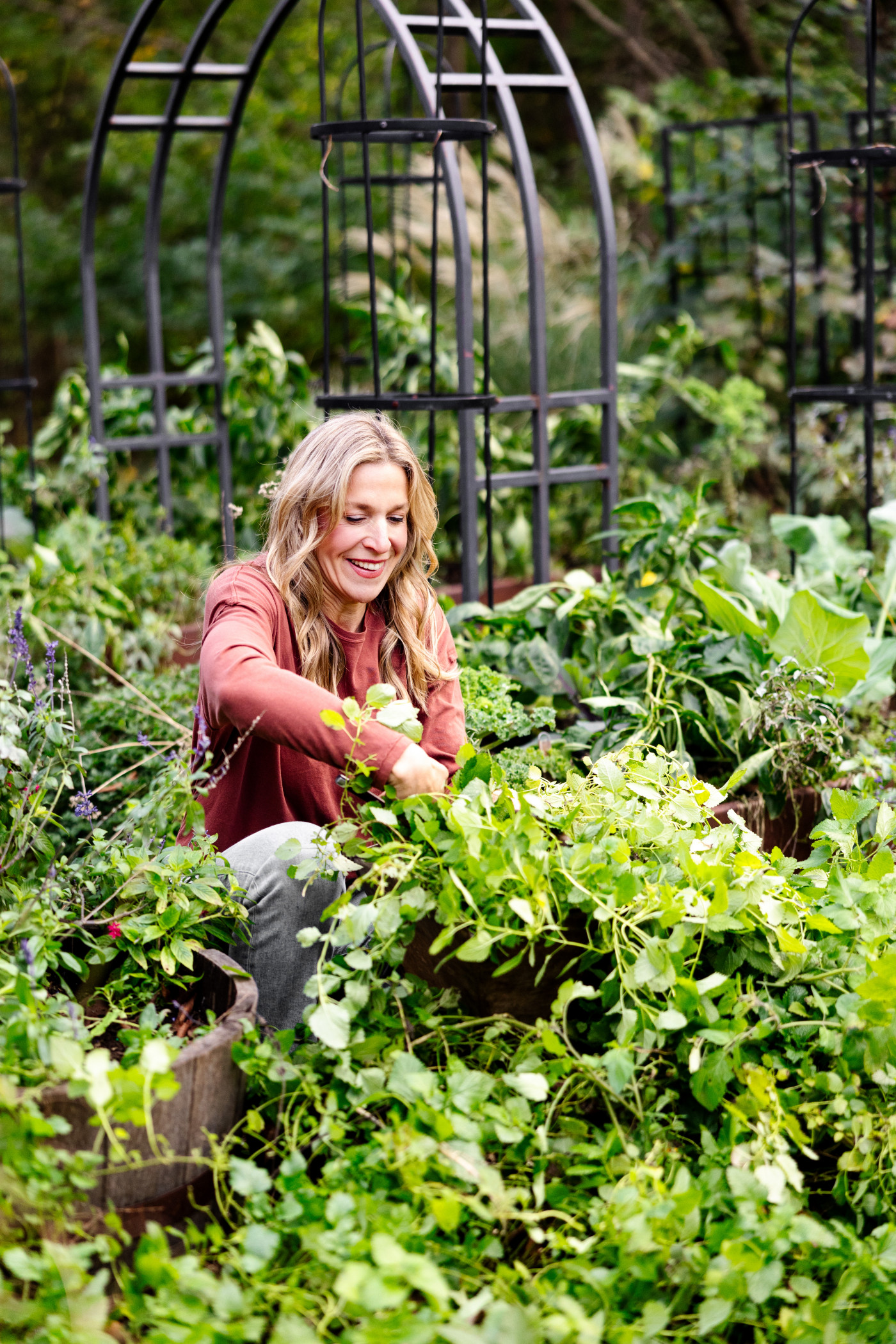
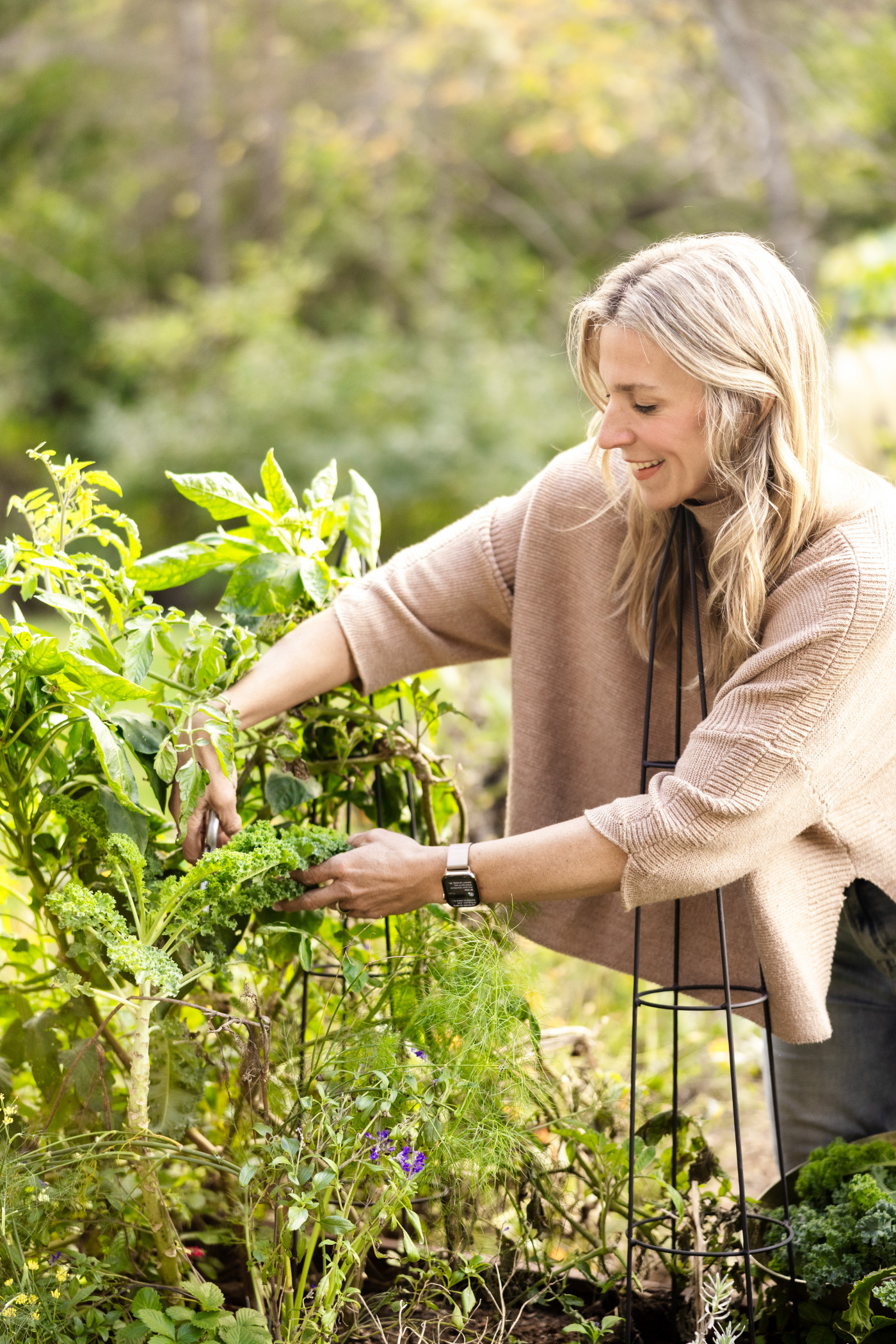
October is the last call for tomatoes, cucumbers, eggplants, and basil. Even if the plants still look halfway alive, cooler nights mean growth slows dramatically. I pull as much as I can before frost steals the last of it.
Green tomatoes are still worth harvesting in October. They can ripen indoors in paper bags or can be turned into chutneys, pickles, or fried slices. Herbs like basil won’t survive frost, so I blitz mine into pesto or dry what I can for winter cooking. I try not to waste much, if I can avoid it! If you can't use everything, at least add it to your compost bin to give nutrients to next season's plants.

Plant Cool-Season Vegetables
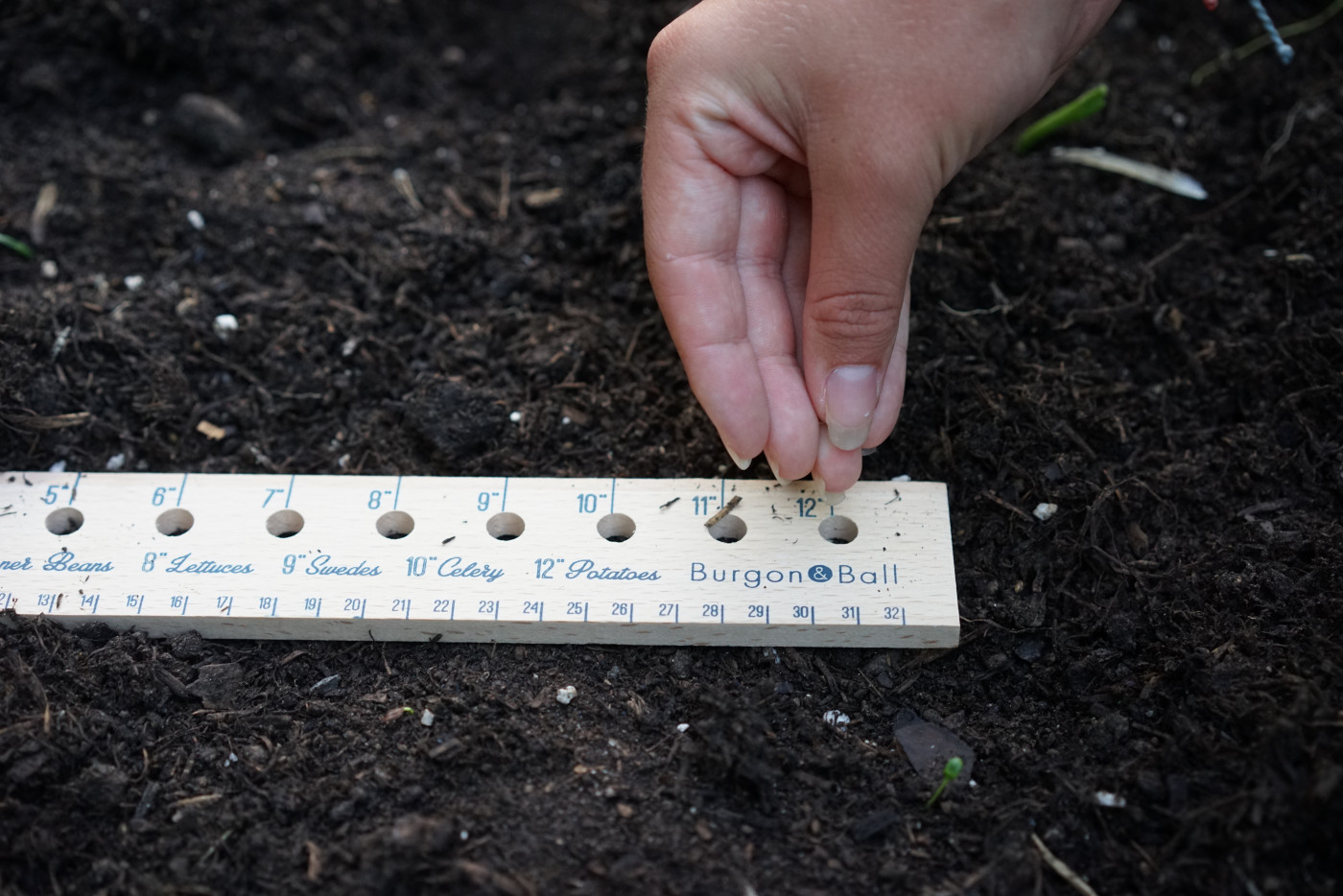
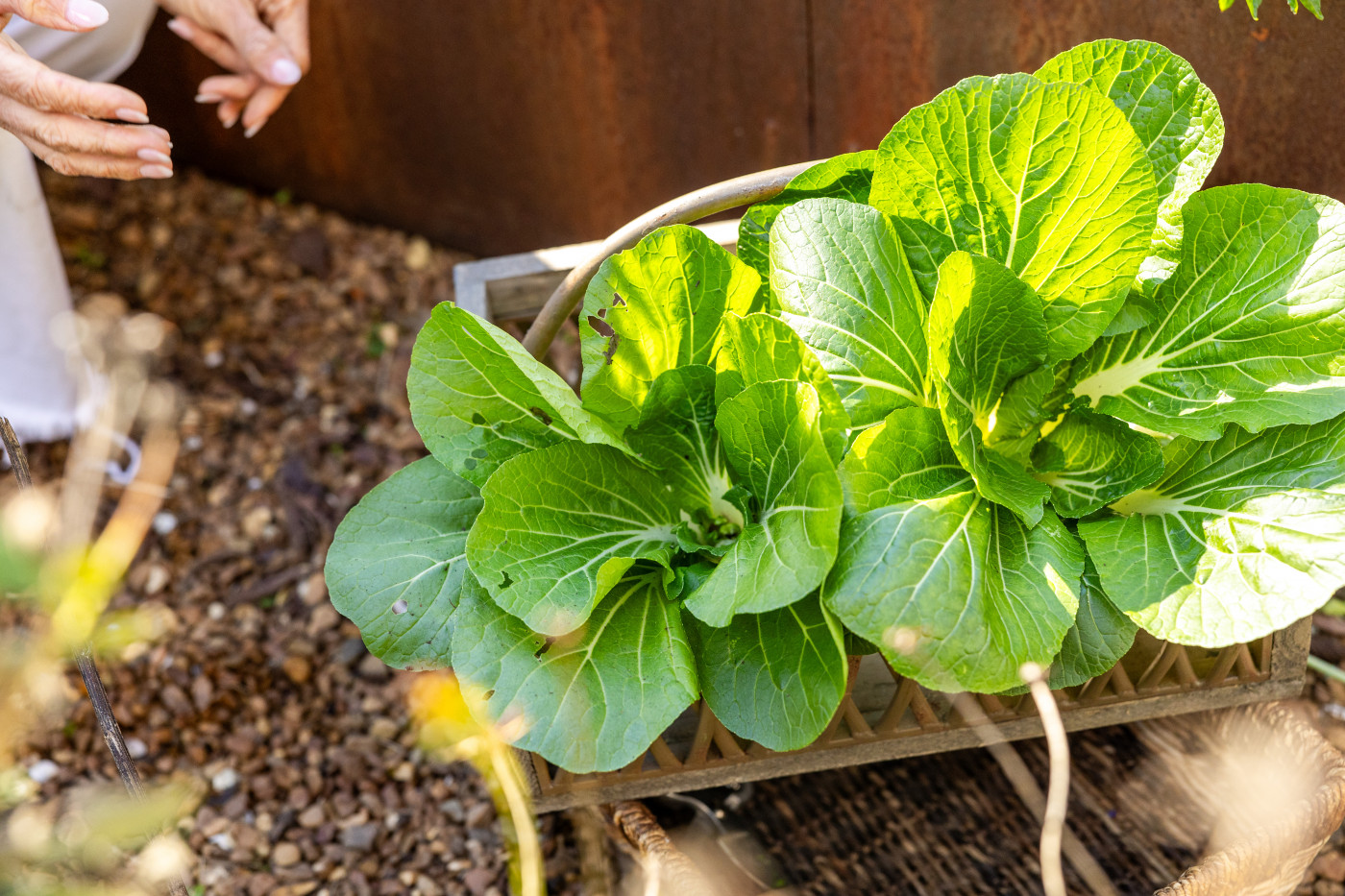
Just because summer crops are fading doesn’t mean the garden is finished. October is ideal for sowing hardy greens like spinach and mustards. They grow well in cool weather and often taste sweeter after a frost.
I also like to plant garlic in October. It ensures they establish roots before winter and come up strong in spring. Some years, I add peas to my trellises, too. They grow impressively fast in cool air and reward me with crisp pods before the ground freezes.

Prepare for Frost Protection
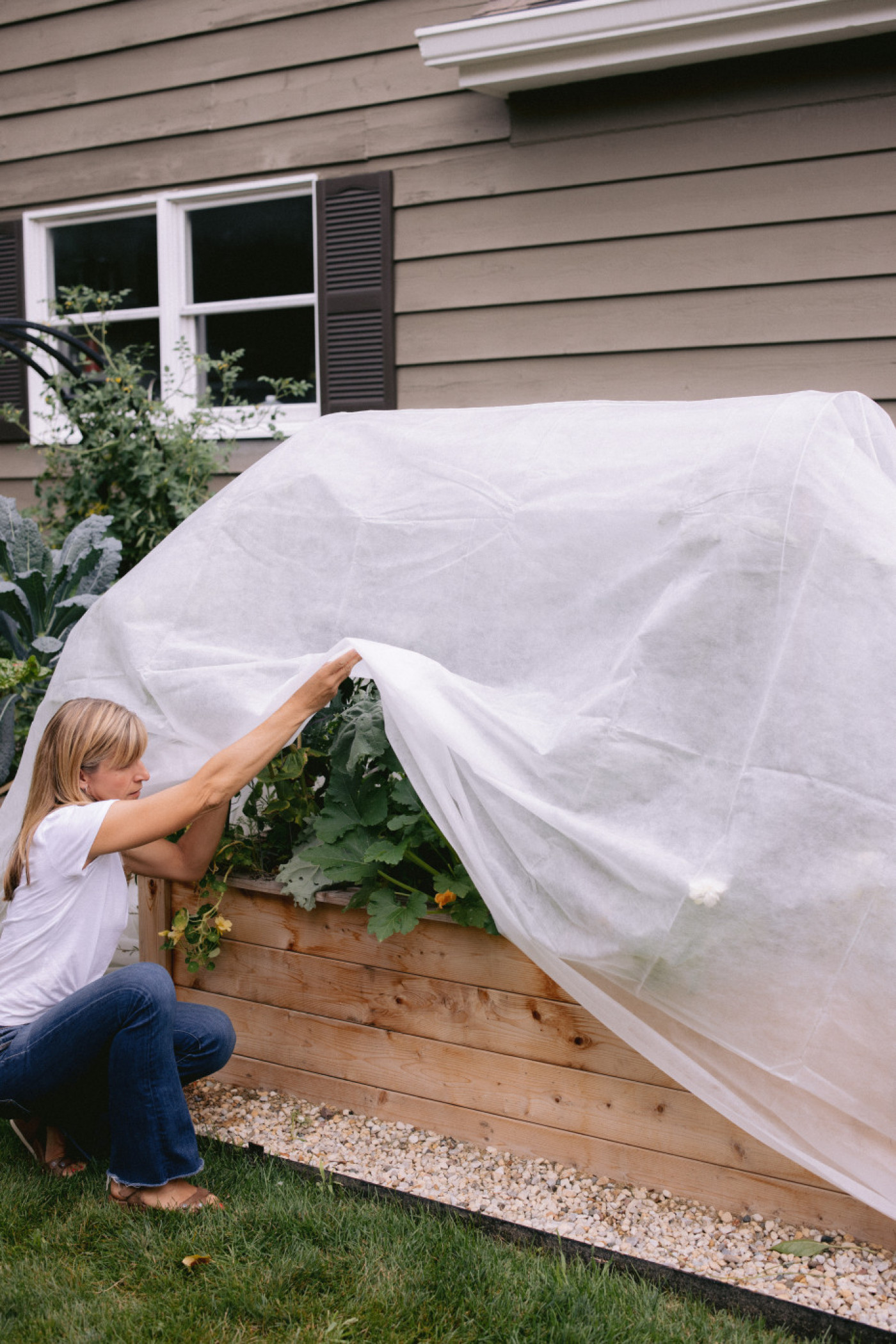
The first frost usually sneaks up on me. One night, the garden looks fine, and the next morning, plants are dead or damaged. Now I keep frost cloths and old sheets folded and ready.
Cold-hardy plants like kale, carrots, and beets don’t mind a chill, but tender crops need protection if you want to stretch the season. Cover plants in the evening before a frost is predicted, then uncover the next morning. This one step often buys me two or three more weeks of harvests. That can add up to a lot of food!
Remove Spent Plants and Debris
October is cleanup season. Spent tomato vines, bean plants, and cucumber stems all come out now. Healthy plant material goes into the compost, while anything diseased gets bagged for the trash.
I also rake around the beds to clear dropped leaves and stems that could harbor pests. A clean soil surface makes a huge difference in spring when insect populations start up again. Sometimes I use a leaf blower to blast away loose debris (just be careful not to blow away any good soil!).

Add Compost and Amend Soil
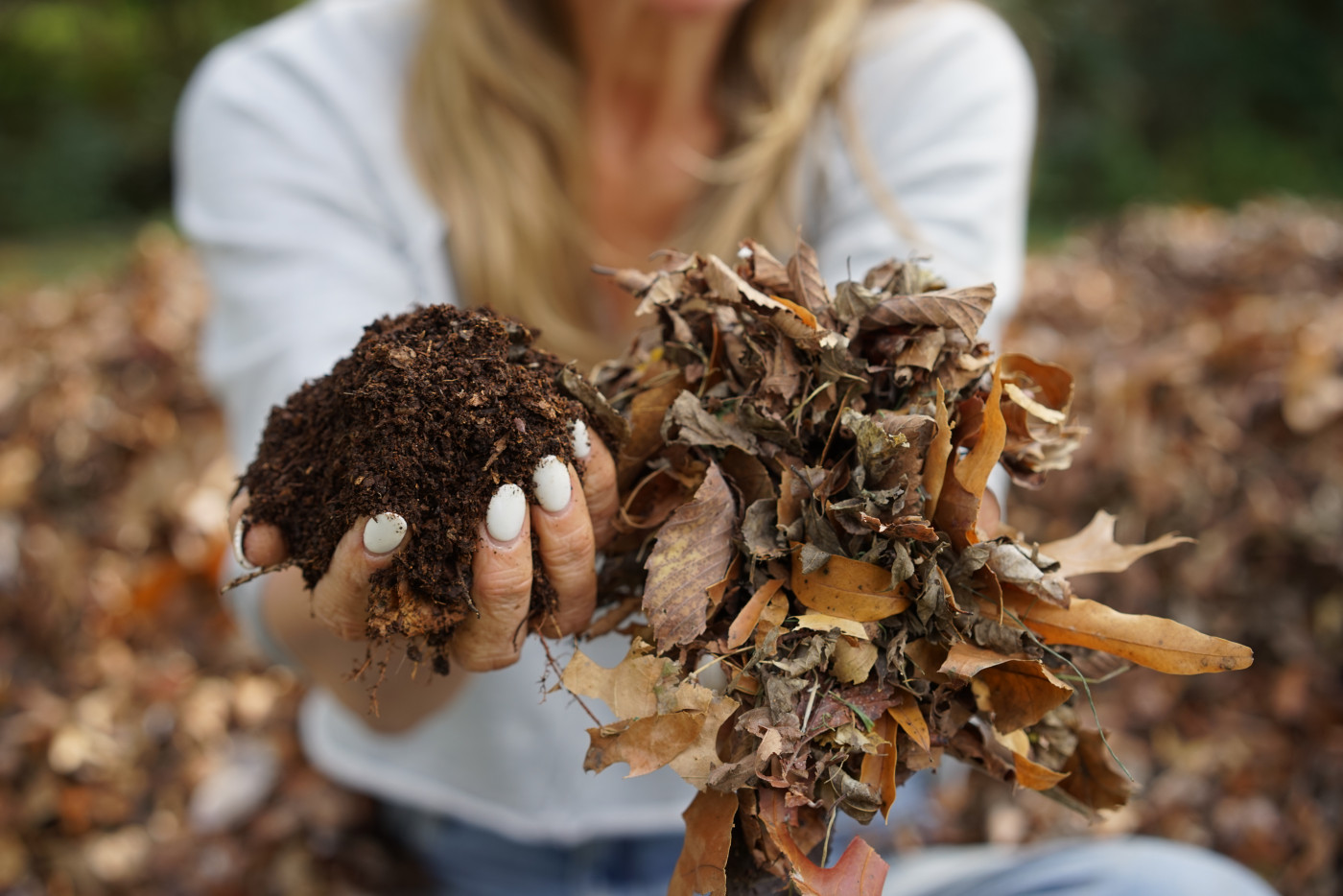
Once beds are cleared, I spread a thick layer of compost or leaf mold. Think of it as tucking the garden in with a blanket. By spring, microbes and worms will have worked the organic matter into the soil, leaving it loose, rich, and ready for planting.
Skipping this step, one year later, left my soil tired and compacted. Now I never end a season without feeding the soil. It’s the best investment for next year’s harvest.
→Learn more about turning leaves into rich compost.

Pot Up Plants to Overwinter Indoors
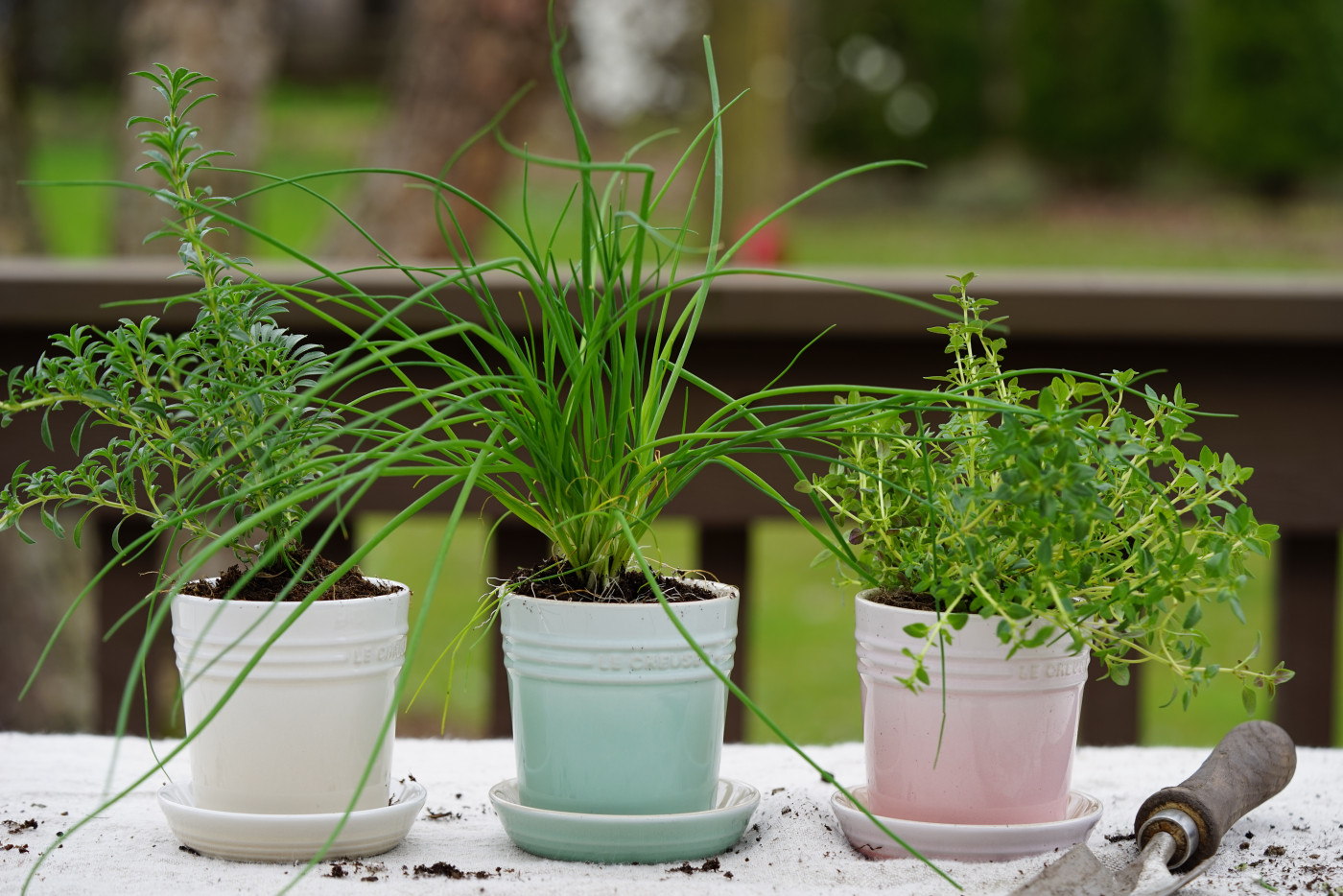
Some plants don’t have to die just because the garden is cooling down. Peppers, parsley, thyme, and chives can transition indoors with a little care.
I dig wide around the roots, prune the tops by about a third, and replant into pots with fresh compost. They live by a sunny window and keep producing in small amounts. It takes some effort, but it can be worth it!

Plant Hardy Flowers for Late Color
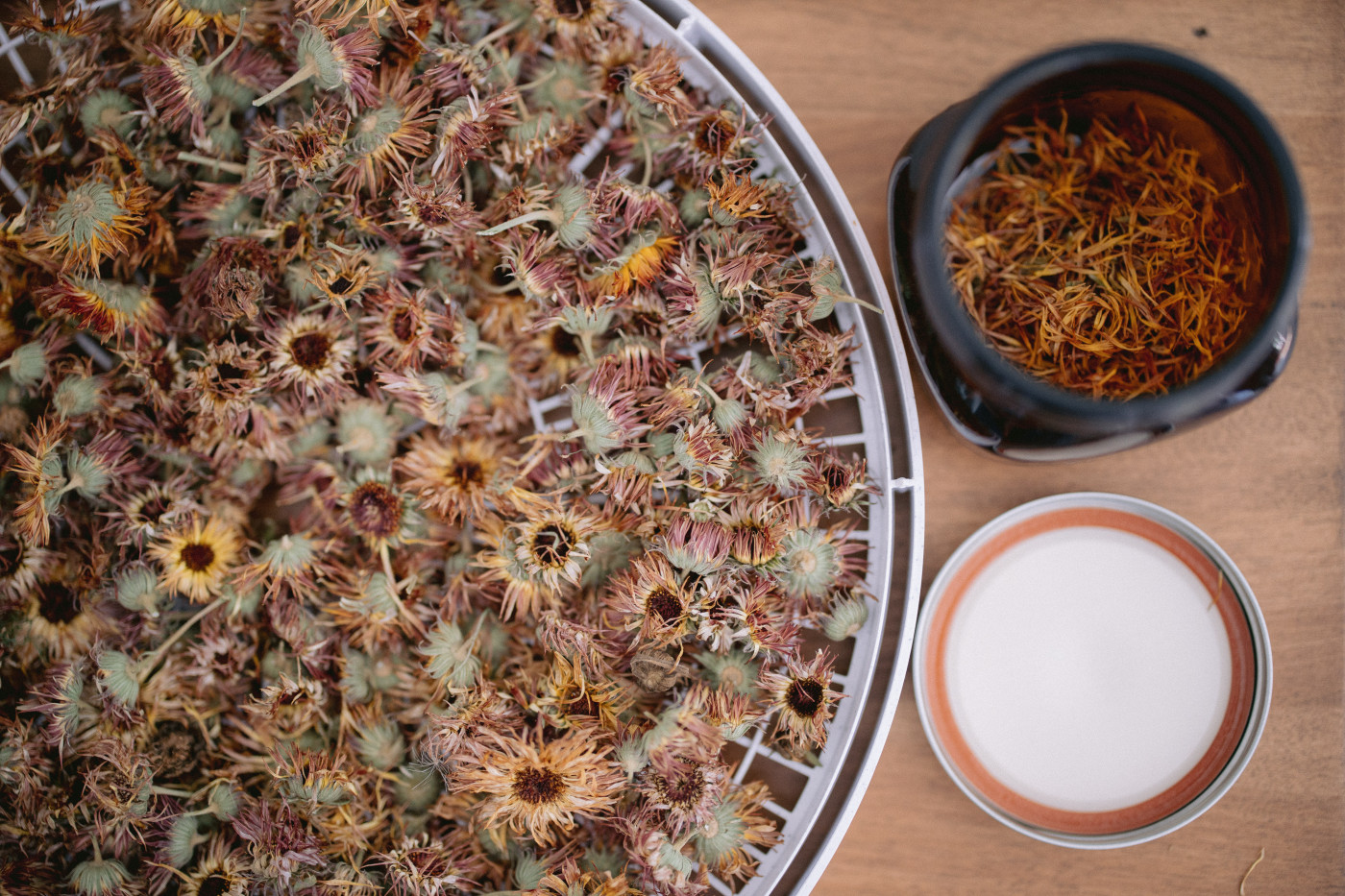
Vegetables aren’t the only plants that belong in October gardens. Flowers like calendula and coneflowers handle cool weather beautifully. They brighten the beds when most summer flowers are finished.
Calendula is one of my favorites. It keeps blooming through light frosts, and you can dry the petals for winter teas. Adding flowers now also supports late pollinators stocking up before winter. They need all that they can get this time of year.

Build and Feed the Compost Pile
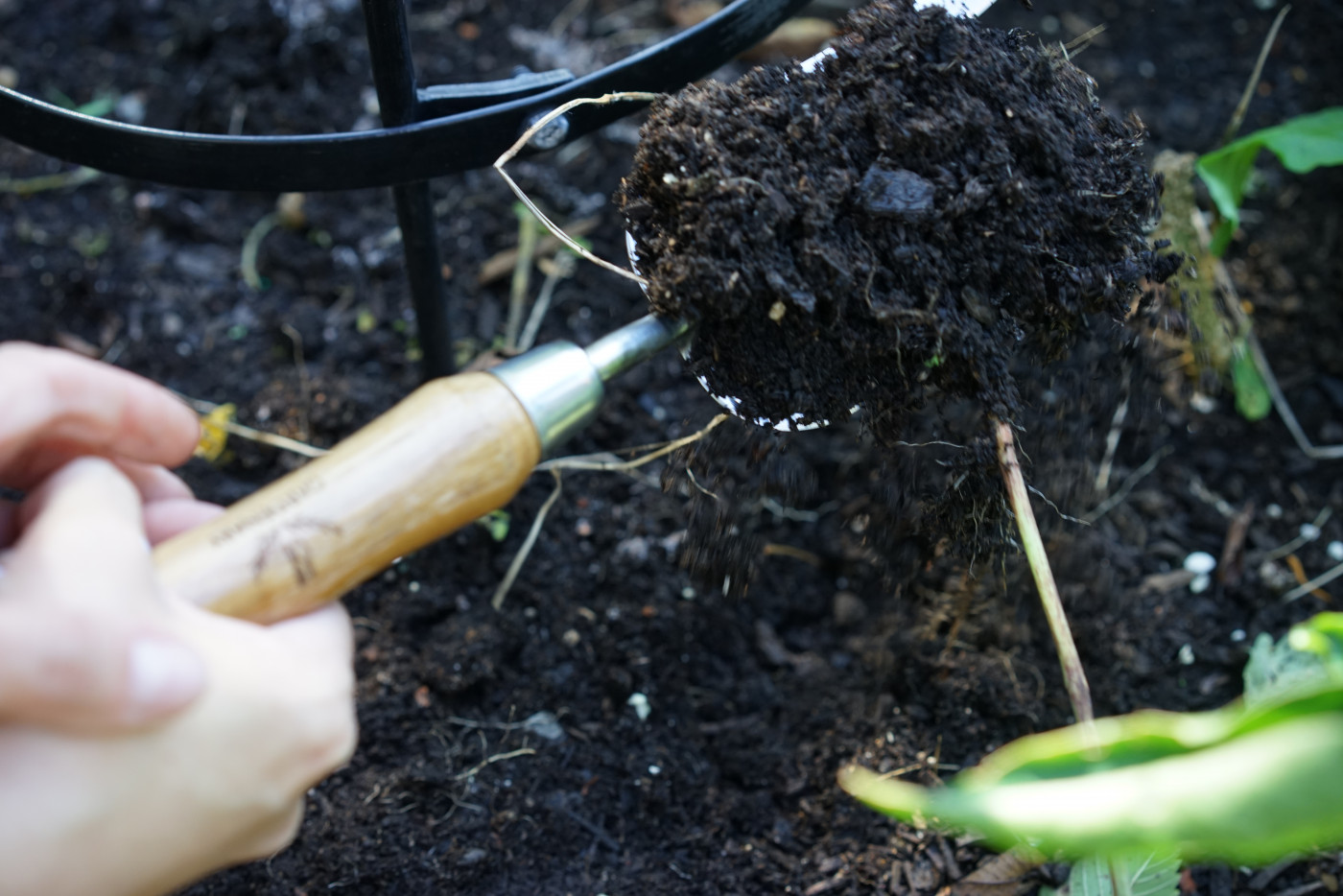
With armloads of pulled plants and buckets of fallen leaves, October practically hands you compost ingredients. I chop large vines into smaller pieces, layer them with leaves, and keep the pile moist but not soggy.
By March, that pile has usually transformed into dark, crumbly compost. Adding it back to the garden closes the loop, and everything the garden gave me in summer comes back to feed it in spring. It's a beautiful cycle that feels incredibly satisfying to watch.
Clean and Store Tools and Supplies
Before the first freeze, I wash and coil hoses, clean and dry trellises, sharpen and oil pruners, stack pots neatly, and sweep out the shed.
These little chores don’t take long but make spring feel like a fresh start. Nothing kills excitement faster than facing rusted tools and tangled hoses when the first warm day arrives. Taking good care of your tools is a great way to help them last for years, which reduces any garden expenses of replacing them.

Doing these tasks each October keeps my garden productive, my soil healthy, and my future self grateful. The pace is slower now, and the work feels more reflective, but it’s every bit as important as spring planting.
So grab a sweater, a rake, and maybe a mug of cider. October is one of the best months to be in the garden.
Click the image below to save this article for later!