
At a Glance
- Learn how to grow lettuce from seed in just 3 to 4 weeks and skip paying $5 a bag at the grocery store
- Discover how one simple seed packet can produce multiple harvests for months in a raised bed
- Follow an easy, organic approach that builds healthy soil, reduces waste, and saves money
Why I Grow Lettuce at Home Instead of Buying
Years ago, I remember standing in the produce aisle, holding one of those clear, plastic containers of spring mix. It was already a little wilted around the edges. The expiration date was only a few days away. And the price tag said $5.49.
For leaves. The cost seemed unjustified.
They would probably sit in the back of my fridge, turning slimy before I used them all.
That was the moment it clicked. I don’t mind paying for good food. But I do mind paying premium prices for something that’s already declining in freshness before I even bring it home.
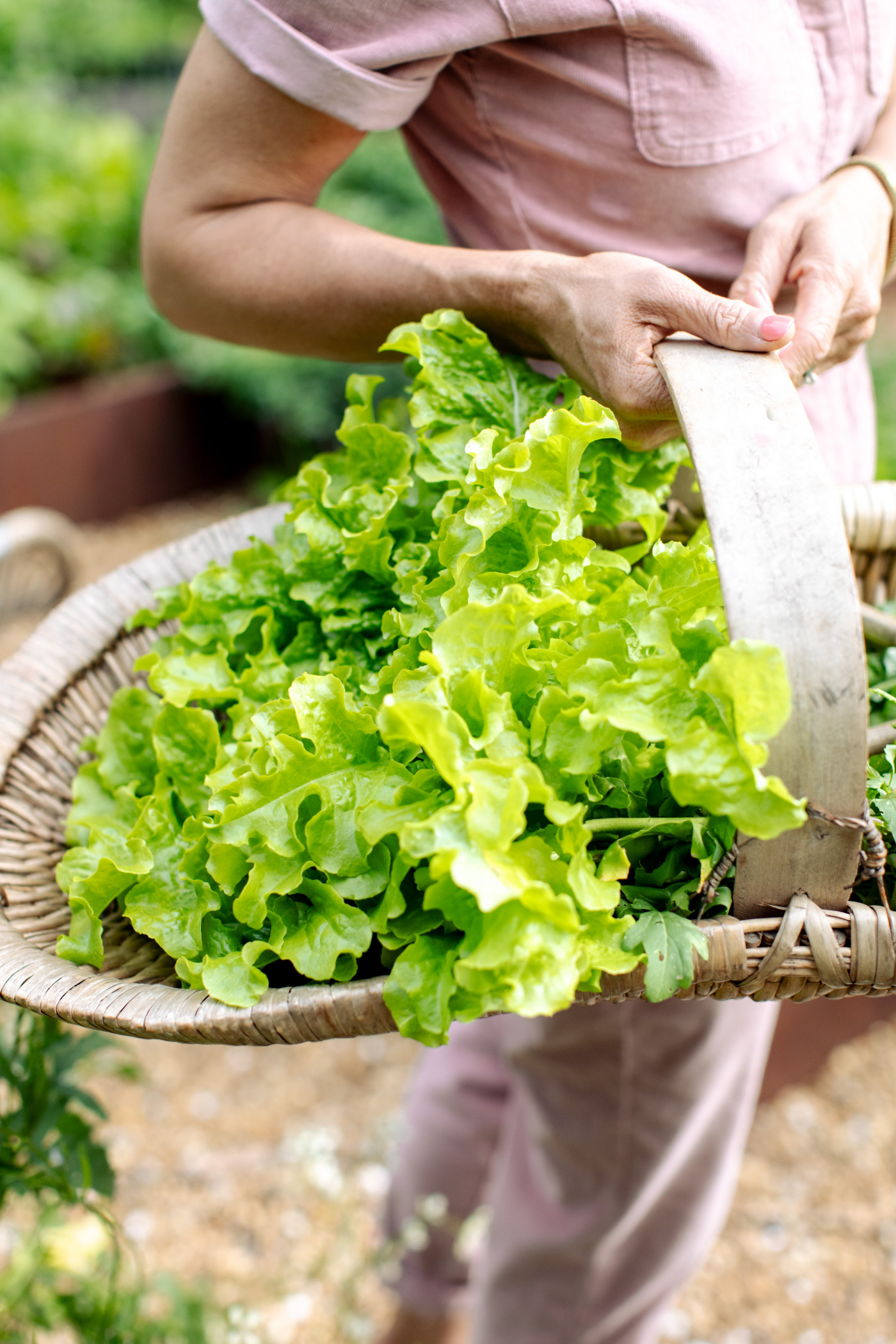
So I stopped buying bagged lettuce. And instead, I started stepping outside with a pair of scissors.
If you’ve ever felt the sting of rising grocery prices, lettuce is one of the easiest places to start taking back control.
Let’s talk about how to grow it the simple, organic way, and why lettuce might be the highest return on investment in your entire garden.

Produce Adds Up
Produce prices have quietly crept up over the last few years. A basic box of spring mix can cost anywhere from $5 to $8 depending on where you shop. And that’s for something that was harvested weeks ago, transported across the country, and packaged in plastic.
Now compare that to a single seed packet of lettuce. For less than the price of one container of greens at the grocery store, you get hundreds of seeds. Each seed becomes a plant. Each plant can give you multiple harvests.
We’re not just talking about saving a couple of dollars.
Grow Lettuce to:
- Cut one of the most frequently purchased grocery items from your cart
- Reduce food waste
- Eliminate plastic packaging
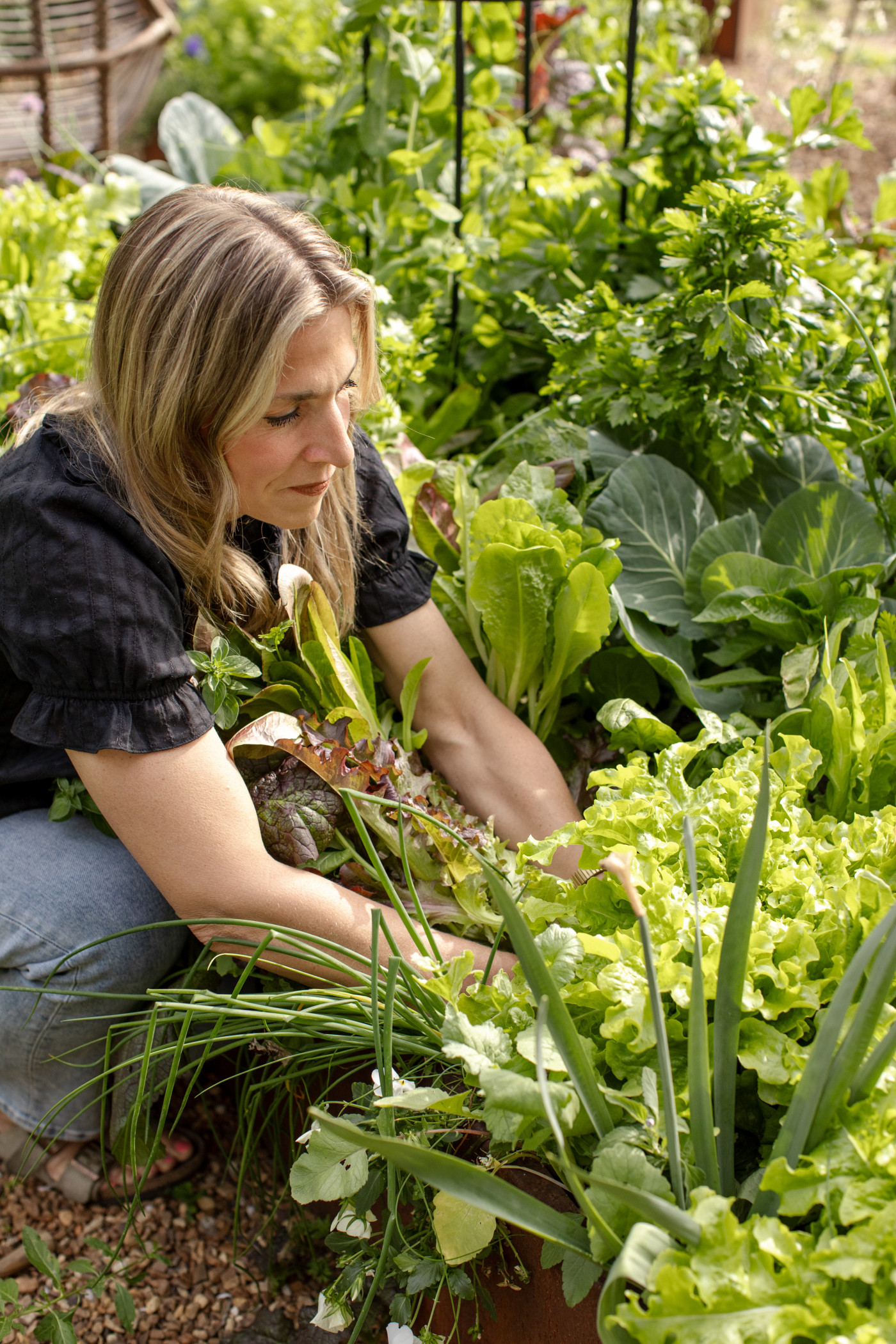
- Harvest exactly what you need, when you need it
Grow Lettuce as a Beginner
You don't need a horticulture degree. You don't need grow lights. You don't need complicated systems.
Lettuce wants to grow.
It thrives in cool weather and matures quickly, usually within 21 to 28 days from seed. That means you can plant it and be eating it within a month. Wow! When you compare that to some other plants, that's incredibly fast.
It’s also incredibly forgiving. The roots are shallow, the plants stay compact, and they don’t demand heavy feeding. When you build healthy soil with compost, you’re already giving lettuce what it needs.
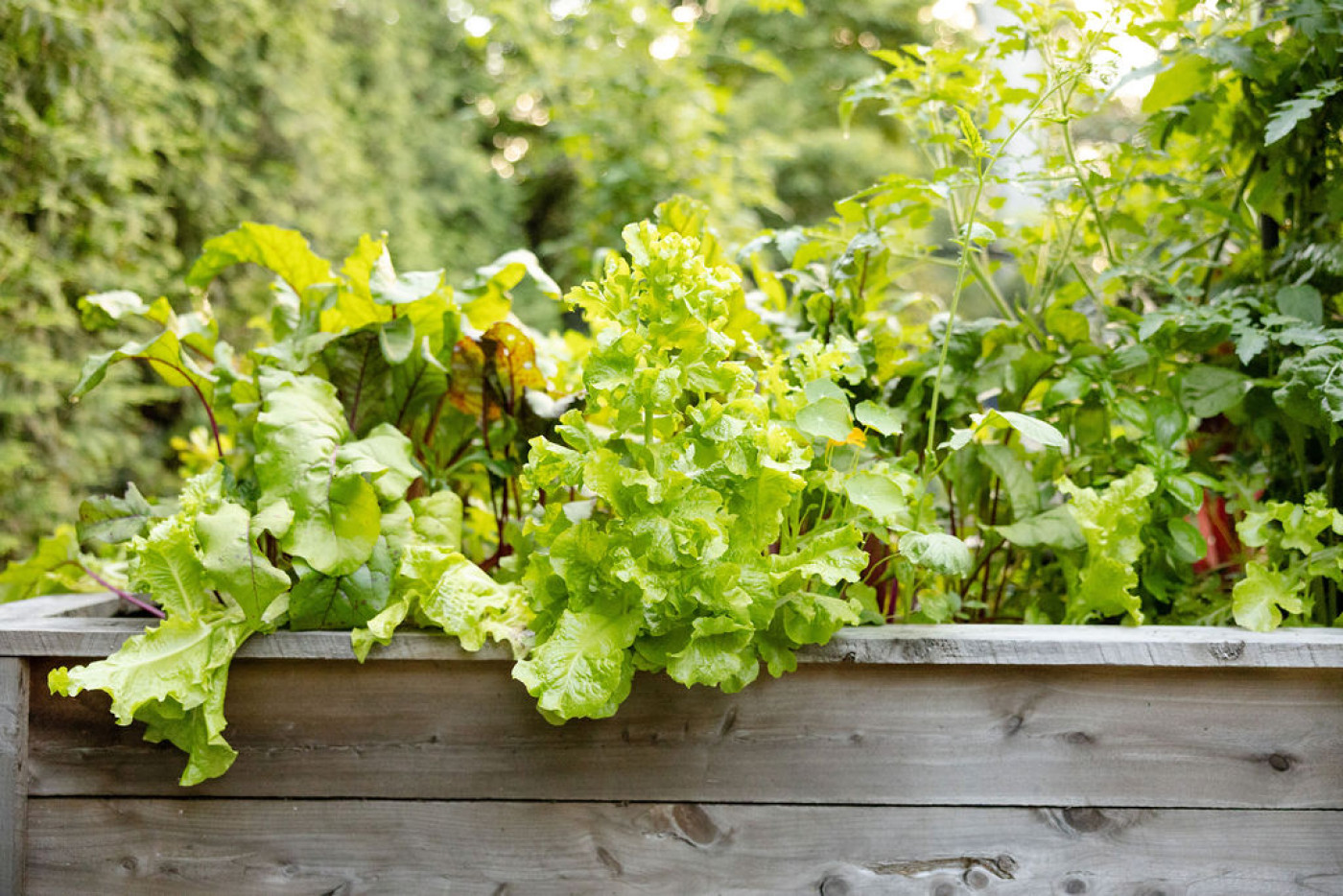
Even better, lettuce grows beautifully in raised beds, containers, or right along the edges of your garden.

Join Thousands of Gardeners On the VIP List
Free perks, just for email subscribers:
- 15% Off Your First Order
- Gardening Videos & Articles
- Early Access to Sales
Sign up, check your inbox, then shop with your code.
CLAIM YOUR 15% OFF BELOW
When to Grow Lettuce
Lettuce is a cool-season crop. It prefers temperatures under 80°F (27°C). Once the heat climbs consistently above that, lettuce starts to bolt, which means it sends up a flower stalk, and the leaves turn bitter.
Here’s the general rhythm:
Cold climates:
Grow from early spring through late spring, then again late summer through fall
Hot climates:
Grow from fall through early spring
Mild climates:
You can often grow lettuce for six months or more out of the year
As soon as your soil can be worked in early spring, you can plant lettuce. In warm regions, as soon as fall temperatures begin to cool, you’re ready to sow.

Preparing Your Raised Bed the Organic Way
Lettuce roots are delicate and shallow, so your soil should be loose and well-draining.
Prepare a Raised Bed for Lettuce:
- Mix 2 to 3 inches (5 to 7 cm) of compost into the top layer
- Remove large clumps or debris
- Create a fine, crumbly surface
Compost is the foundation of healthy soil. It improves drainage, supports beneficial microbes, and helps your plants build natural resilience. There’s no need for synthetic fertilizers. A balanced compost-rich bed is more than enough for leafy greens.
Avoid wood mulch in your raised beds. Compost alone makes the best mulch and soil builder for edible crops.

Direct Sow Your Seeds
Lettuce does not need to be started indoors.
In fact, it prefers being sown directly into the soil. Transplanting can disturb its shallow roots, and there’s simply no need to complicate something this easy.
The seeds are tiny and oblong. They should not be buried deeply. Some varieties even need a bit of light to germinate.
Here’s how to plant:
- Scatter seeds lightly across the soil
- Press them gently into the surface
- Sprinkle a very thin layer of compost over the top
- Water gently
You want good soil contact, but not deep burial. If you’ve planted lettuce before and nothing came up, chances are it was buried too deeply.
Watering and Germination
Here’s the hardest part: consistency.
Lettuce seeds must stay moist during germination. A dried-out seed is a dead seed.
Water lightly each day until you see sprouts, usually within 5 to 7 days. The soil should feel damp, not soaked.
Once seedlings emerge, continue watering consistently. Lettuce leaves are made up of 70 to 90 percent water. Steady moisture keeps them tender and sweet.
Learn about growing lettuce on YouTube.
Spacing for Success
After your seedlings appear, thin them so each plant has about 3 to 4 inches (7 to 10 cm) of space.
A good rule of thumb is nine plants per square foot.
Proper spacing improves airflow, reduces pest pressure, and allows each plant to develop a full rosette of leaves.

The Secret to Endless Harvests
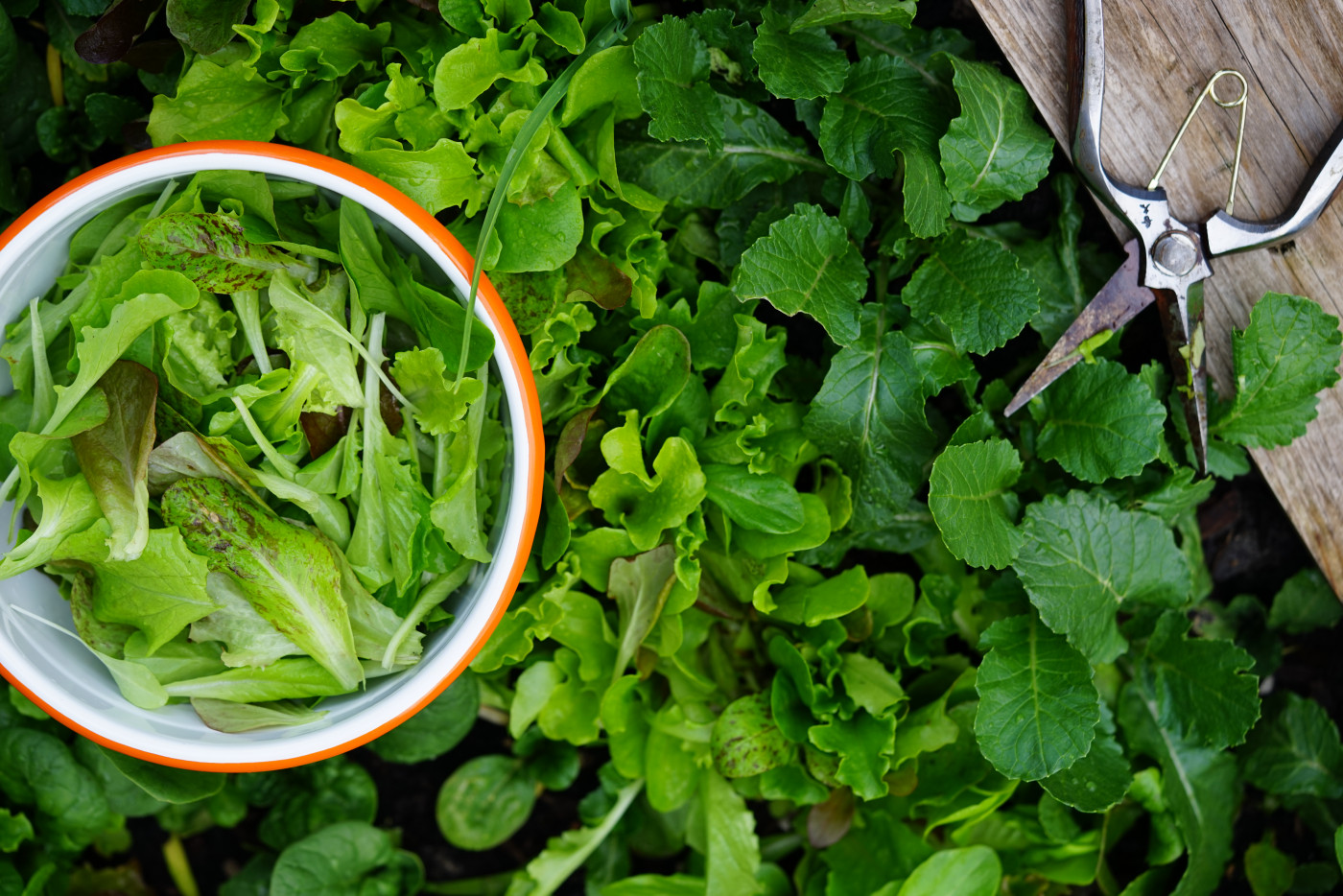
Grow varieties that are “cut and come again.”
That means you don’t harvest the entire plant at once.
Instead:
- Snip outer, lower leaves
- Leave the center intact
- Never remove more than one-third of the plant at a time
By harvesting this way, the plant continues producing new leaves from the center. In one to two weeks, it looks full again.
Each plant can give you two to three harvests. Multiply that by dozens of plants in one bed, and you can see how quickly this outpaces that $5 bag.

Four Big Differences Between Homegrown and Store-Bought
1. Freshness
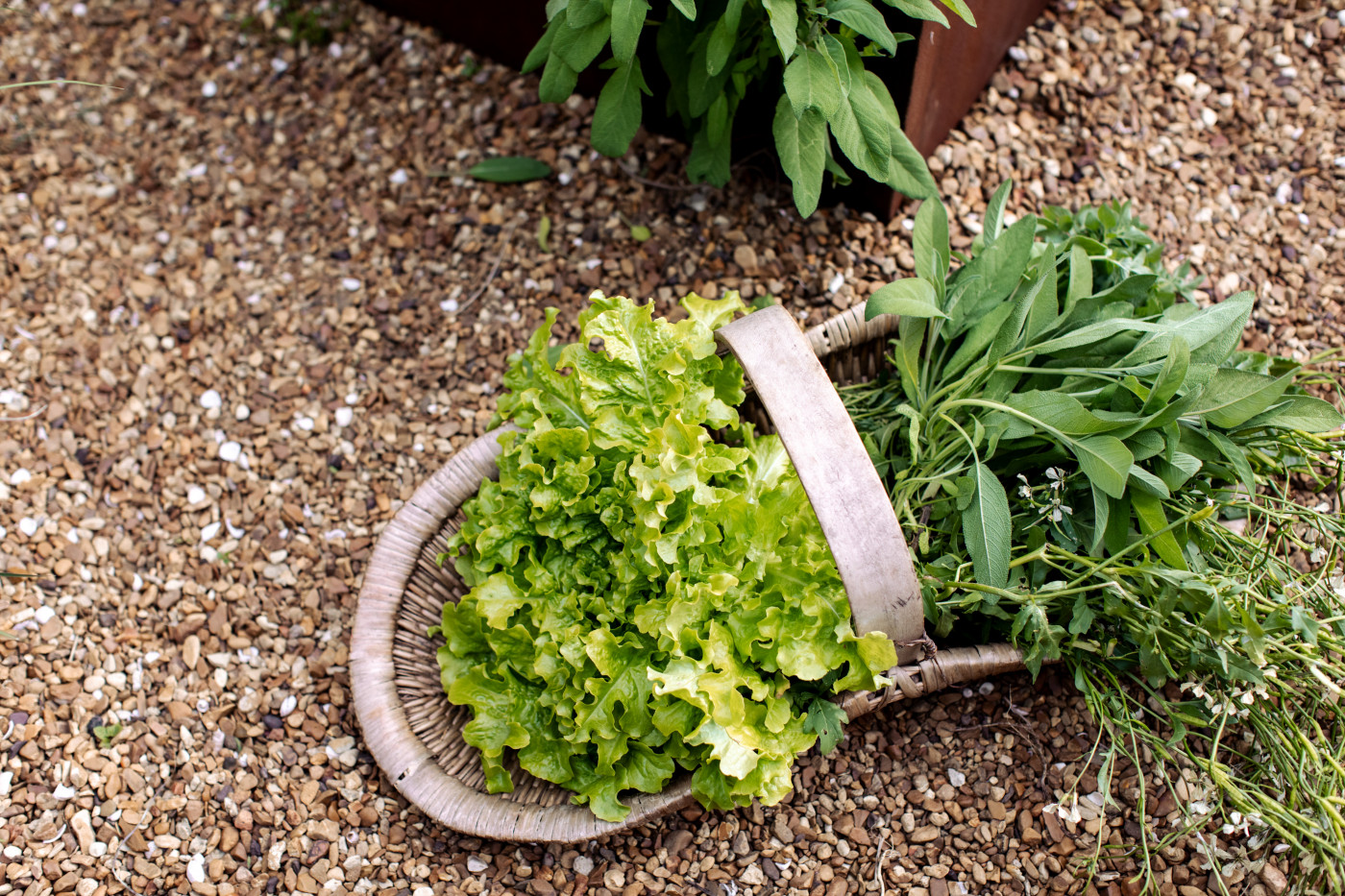
The store-bought lettuce was harvested weeks ago. Yours was cut seconds ago.
Leaves begin losing nutrients the moment they’re harvested. When you grow your own, you’re eating at peak freshness.
2. Flavor
Homegrown lettuce is sweeter, crisper, and more vibrant. When soil health is prioritized with compost and natural amendments, plants develop better flavor.
3. Nutrition
Freshly harvested greens retain more vitamins and antioxidants. Slight pest nibbling is not a problem. In fact, minor leaf damage often signals a plant producing protective compounds, which can increase nutritional value.
4. Waste Reduction
No plastic containers. No fuel transport. No forgotten boxes rotting in the back of your fridge. You harvest exactly what you need, nothing more.
A Word About Pests
If you see a few holes in your lettuce leaves, don’t panic. Pests are totally normal in a healthy garden ecosystem.
First steps:
- Remove damaged leaves
- Clear debris around the plants
- Hand-pick pests
- Spray aphids with a strong stream of water
Use garden mesh at planting time if pressure is heavy. Avoid reaching for sprays immediately. Observation and balance are your best tools.
Learn More About Organic Pest Control
Cooling and Storing Your Harvest
Fresh lettuce can wilt quickly after cutting. Bring it inside right away.
Rinse in cool water, pat dry, and store wrapped in a towel inside a container in the refrigerator.
Better yet, harvest just before you eat. That’s when the flavor and texture truly shine.

Grow Lettuce: The Decision You Won't Regret
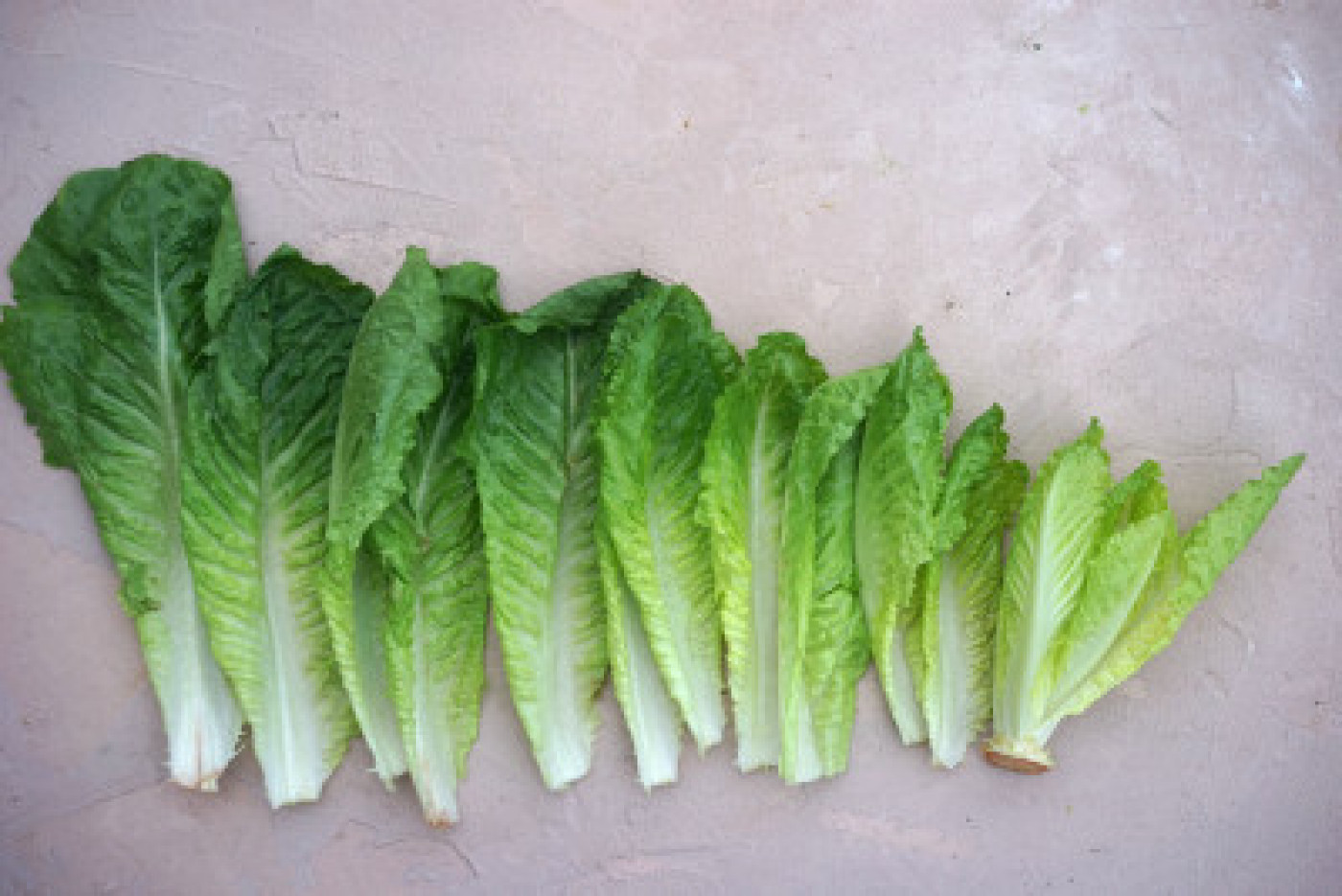
One seed packet can yield hundreds of servings. Most gardeners can grow lettuce for at least six months out of the year. That’s dozens of skipped grocery purchases.
When you grow lettuce instead of paying $5 a bag, you’re not just cutting a line item from your budget. But there are far more advantages than just saving money.
Advantages of Growing Lettuce:
- Save Money
- Step outside each day and reconnect with your garden
- Build healthy soil with compost and natural amendments
- Reduce plastic packaging and food waste
- Increase your family’s fresh vegetable intake
- Create a simple system that feeds you again and again
And once you taste lettuce harvested minutes before dinner, you’ll understand why so many gardeners never go back to store-bought greens. This simple crop can transform the way you shop, cook, and experience your garden.
Join Thousands of Gardeners On the VIP List
Free perks, just for email subscribers:
- 15% Off Your First Order
- Gardening Videos & Articles
- Early Access to Sales
Sign up, check your inbox, then shop with your code.
CLAIM YOUR 15% OFF BELOW