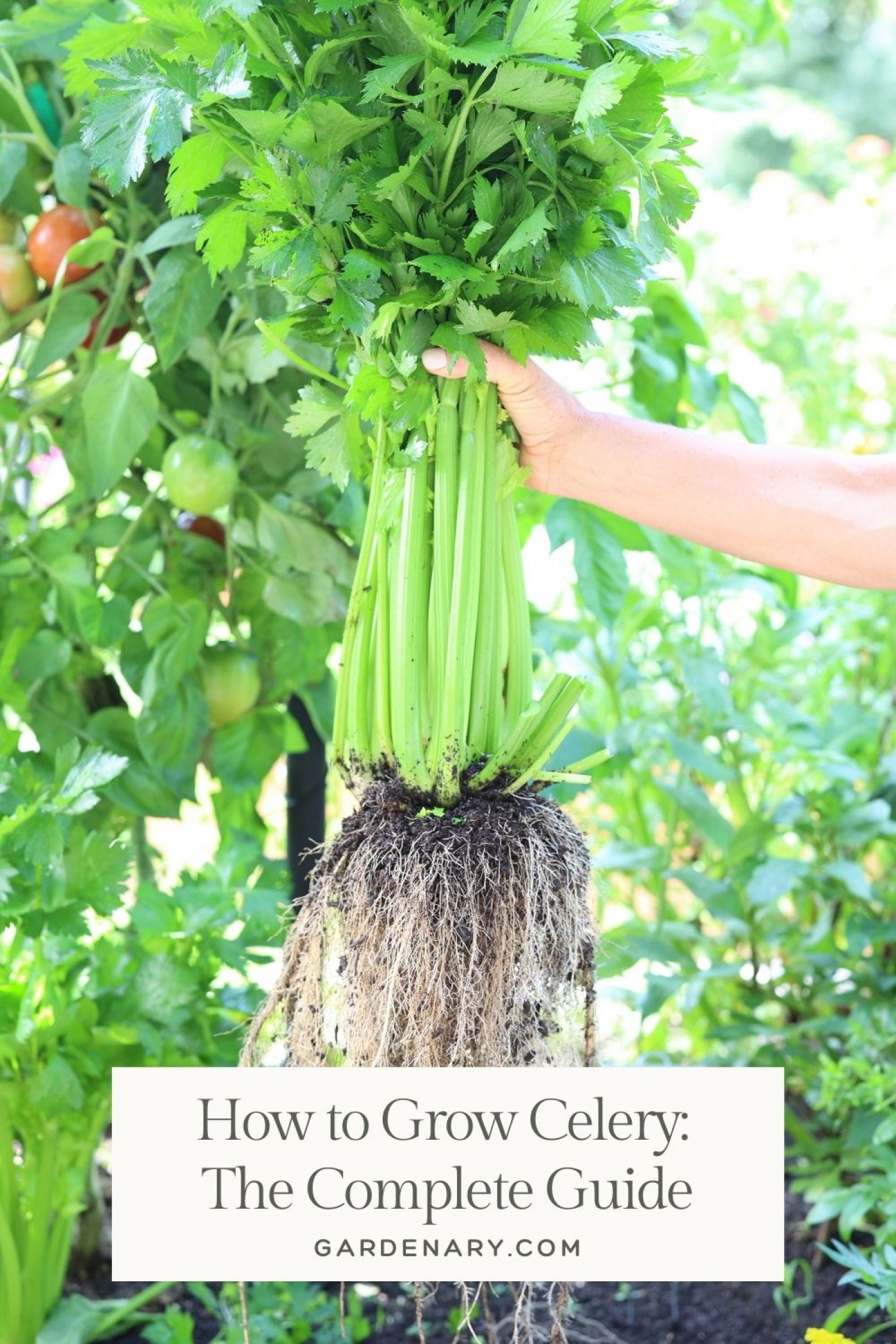
At a Glance
- Learn how to grow celery from seed. This guide walks you through planting, caring for, and harvesting celery so you can grow crisp, flavorful stalks at home with confidence.
- Start early and plan for a long season. Celery is a slow-growing crop that benefits from indoor seed starting in winter and steady care over several months.
- Keep soil rich and consistently moist. Compost-rich soil, regular watering, and mulch are essential for crisp, flavorful stalks.
- Harvest a little at a time. Cut outer stalks as needed and let the plant keep growing for repeated harvests.
Grow Celery from Seed and Let Patience Do the Heavy Lifting
Celery may not be the fastest vegetable in the garden, but it is absolutely worth the time it takes to grow. This is a slow, steady plant that rewards gardeners who plan ahead and start early. From seed to harvest, celery needs a long growing window to develop strong roots and crisp, flavorful stalks, which is why getting an early start makes all the difference. If you approach celery with patience and consistency, you will find it is far more approachable than its reputation suggests and incredibly satisfying to harvest from your own garden.

Celery Plant Benefits: Why Grow Celery?
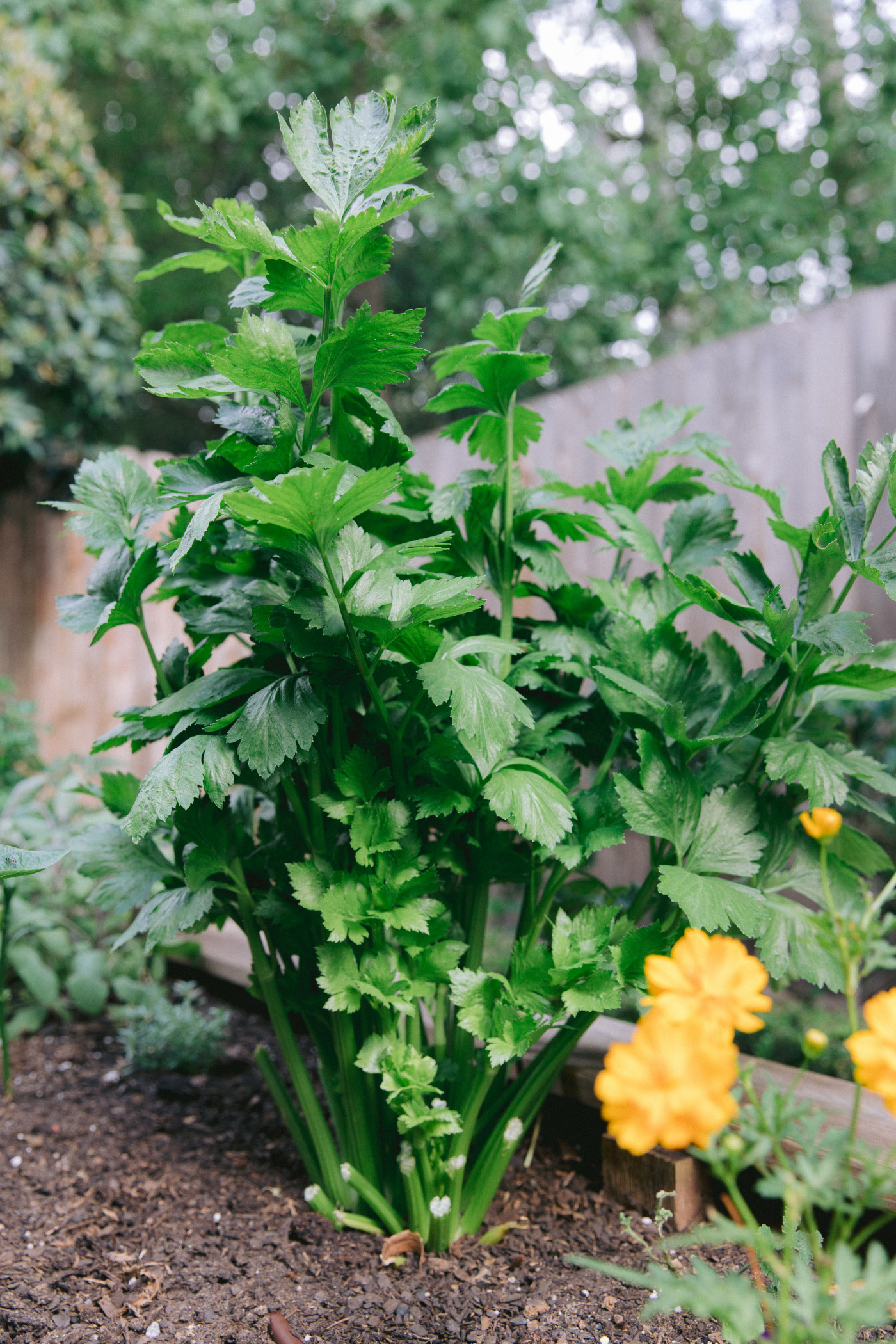
If you use celery even a little, it is worth growing at least once. The quality difference between homegrown and store-bought celery is dramatic. Freshly harvested stalks snap cleaner, taste brighter, and have a fuller, more complex flavor. The leaves, which are often discarded from store-bought celery, are one of the plant’s hidden gifts. They're packed with flavor and can be used like a more intense parsley in soups, stocks, salads, and sautés. Growing your own celery gives you access to the entire plant, not just the stalks.
Celery is also surprisingly productive when harvested properly. Instead of pulling the entire plant, you can cut individual outer stalks and allow the center to keep growing. This cut-and-come-again habit means a single celery plant can provide multiple harvests over an extended period, making it an efficient and generous crop for the kitchen garden.
Celery plant benefits include:
- Produces higher-quality, better-tasting stalks than store-bought celery
- Provides edible leaves that add flavor and nutrition to meals
- Functions as a cut-and-come-again crop for repeated harvests
- Thrives in cool seasons, helping extend the growing year
- Supports soil health when grown in compost-rich beds
- Adds nutrient-dense food to your diet, including fiber and antioxidants
Celery Basics
Celery is a cool-season crop that wants:
- Consistent moisture
- Rich, compost-fed soil
- Mild temperatures
- Time
One useful fact: celery is a biennial. In its second year, it wants to flower and set seed. Most of us grow it as an annual for stalks, but that biennial habit matters for seed saving and for understanding why older plants eventually “decide” to switch gears.

Celery Varieties: What to Grow and Why
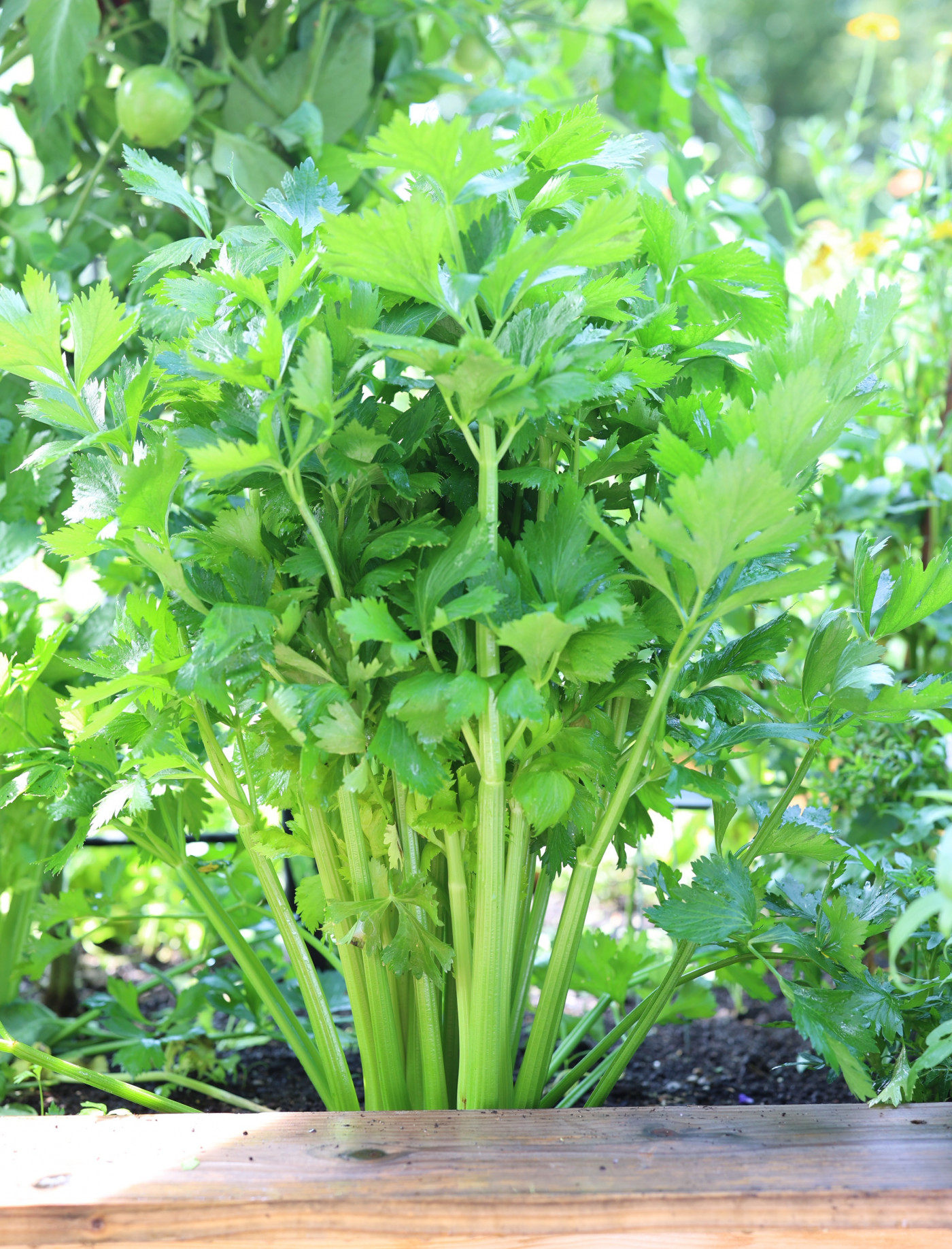
Most gardeners are growing stalk celery (the classic bunching type). When you shop for seed, you will also see celery described as:
- Green/Pascal types: classic celery shape and color, great for general garden growing.
- Self-blanching types: bred to be lighter and milder without as much effort. They can be a little more sensitive, but they are beginner-friendly in flavor.
- Cutting or leaf celery: grown primarily for leaves rather than thick stalks. This is an awesome option if you mostly want celery flavor for soups and stocks.
- Celeriac: celery grown for its root. Delicious, but it is a different crop with different expectations.
If this is your first time, I recommend a reliable stalk celery variety.

Join Thousands of Gardeners On the VIP List
Free perks, just for email subscribers:
- 15% Off Your First Order
- Gardening Videos & Articles
- Early Access to Sales
Sign up, check your inbox, then shop with your code.
CLAIM YOUR 15% OFF BELOW
Celery Growing Season and Planting Timeline
Celery is not a fast crop, and that's part of what makes it such a good teacher. From seed to harvest, celery can take four to five months or more, and much of that time is spent watching a plant that looks like it is barely doing anything at all. This long grow time asks for patience and trust. Celery builds strength slowly, focusing on roots and steady leaf growth before it ever rewards you with thick, crunchy stalks. If you can resist the urge to rush it and instead give it consistent care over time, celery will show you that some of the best harvests are the ones you wait for.
Celery needs a long runway. From the day you sow seeds, you are often looking at 130 to 140 days before the plant is big enough to give you serious harvests. That is why celery seed starting begins so early.
Here is the timeline I use as a general guide:
For a spring planting (common in colder winter climates)
- Start seeds indoors: January to early February
- Transplant outdoors: March to early April (once seedlings are sturdy and hard freezes are less likely)
- Harvest window: late summer into early fall, ideally while temperatures are still mild
For a fall planting (common in warmer climates with mild winters)
- Start seeds indoors: mid to late summer
- Transplant outdoors: late summer to early fall
- Harvest window: late fall into winter
Celery tastes best when it matures in cooler weather. If your summers get hot fast, your goal is usually to get celery well established before the heat ramps up, then keep it consistently watered and shaded at the soil level with mulch.

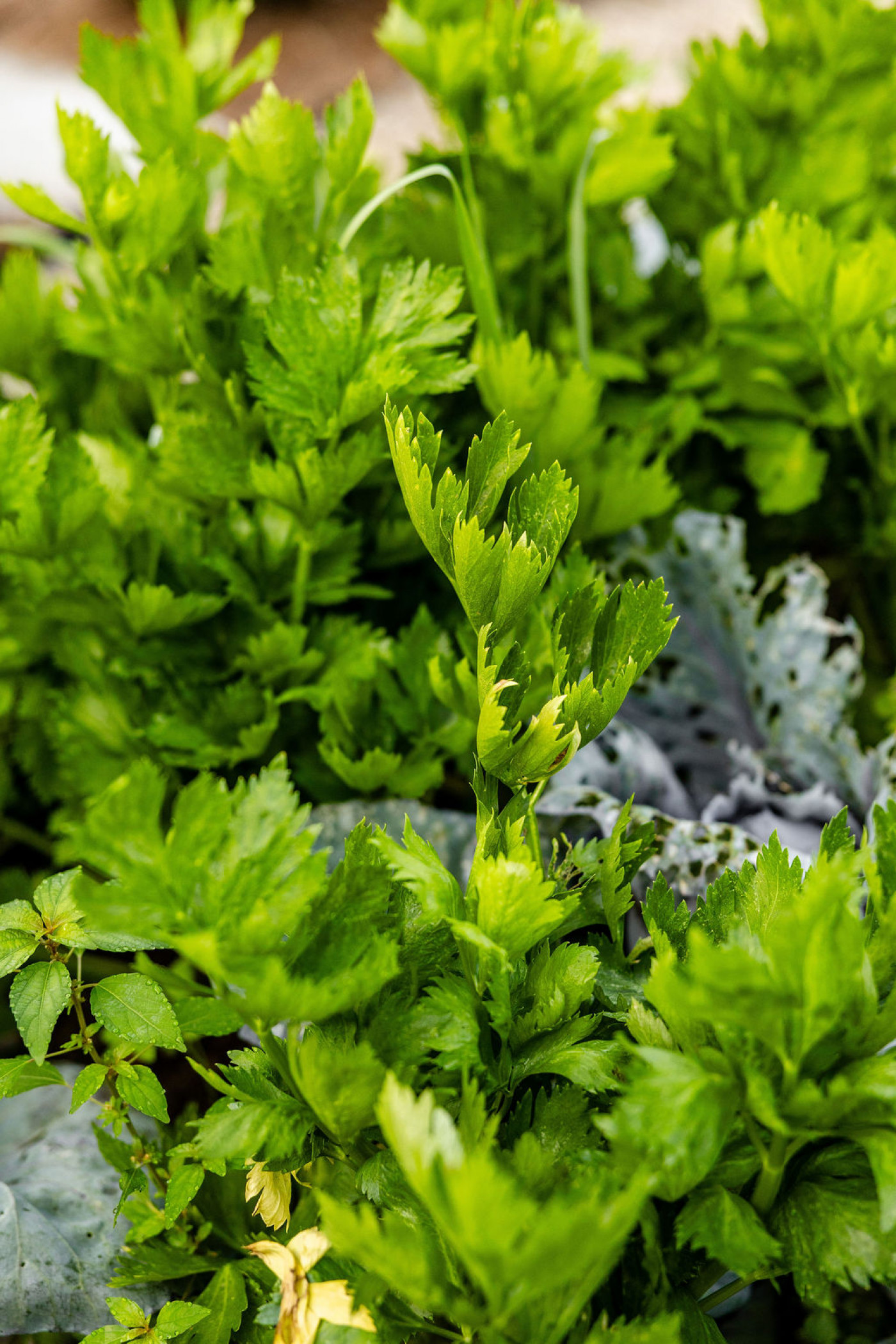
Grow Celery From Seed: How to Start Celery Indoors
Step 1: Set up your seed tray
I use a seed tray or small pots with a quality seed-starting mix. Celery likes even moisture, so a mix that holds water without staying soggy is ideal.
Step 2: Sow shallowly
Celery seeds should be barely covered, or just pressed into the surface and misted. They need light to help germination.
Step 3: Keep warmth and moisture steady
Celery germination can be slow. I keep the surface evenly moist, not drenched. A humidity dome helps. Bottom watering also helps prevent the tiny seeds from washing away.
Step 4: Light is non-negotiable
As soon as seeds sprout, give them strong light. Weak light makes weak seedlings, and celery already takes long enough. I aim for bright grow lights positioned close enough to prevent stretching.
Step 5: Pot up if needed
Celery may need a longer indoor stay than faster crops. If seedlings outgrow their cells, pot them up so they can keep building root strength.
Step 6: Harden off before transplanting
About a week before planting outside, I gradually introduce seedlings to outdoor conditions. A slow transition prevents shock.
How to Transplant Celery into the Garden
Celery seedlings can look unimpressive at transplant time. That's normal. Do not wait for them to look like grocery store celery. You are planting the “promise,” not the finished product.
Transplanting steps:
- Prepare the bed with compost. I like a generous layer worked into the top few inches.
- Water the seedlings first. Hydrated seedlings handle transplant better.
- Plant at the same depth. Celery does not need deep burying like tomatoes.
- Water in deeply. This is where celery starts learning it can trust you.
Where to Grow Celery: Sun, Soil, Space, and Bed Depth
Sun
Celery grows well with full sun to partial sun. In places with hot summers, I actually prefer morning sun and light afternoon shade.
Soil
Celery wants soil that is:
- Rich in organic matter
- Able to hold moisture evenly
- Well-draining, not swampy
This is compost country. If you want to grow celery well, feed the soil first.
Space
Two to four plants per square foot is a good rule of thumb for intensive-style planting.
Bed depth
Celery does not need the deepest bed in the world, but it performs best in a raised bed with enough soil volume to stay evenly moist. If your raised bed is shallow, you can still grow celery, but you will need to be extra consistent with watering.

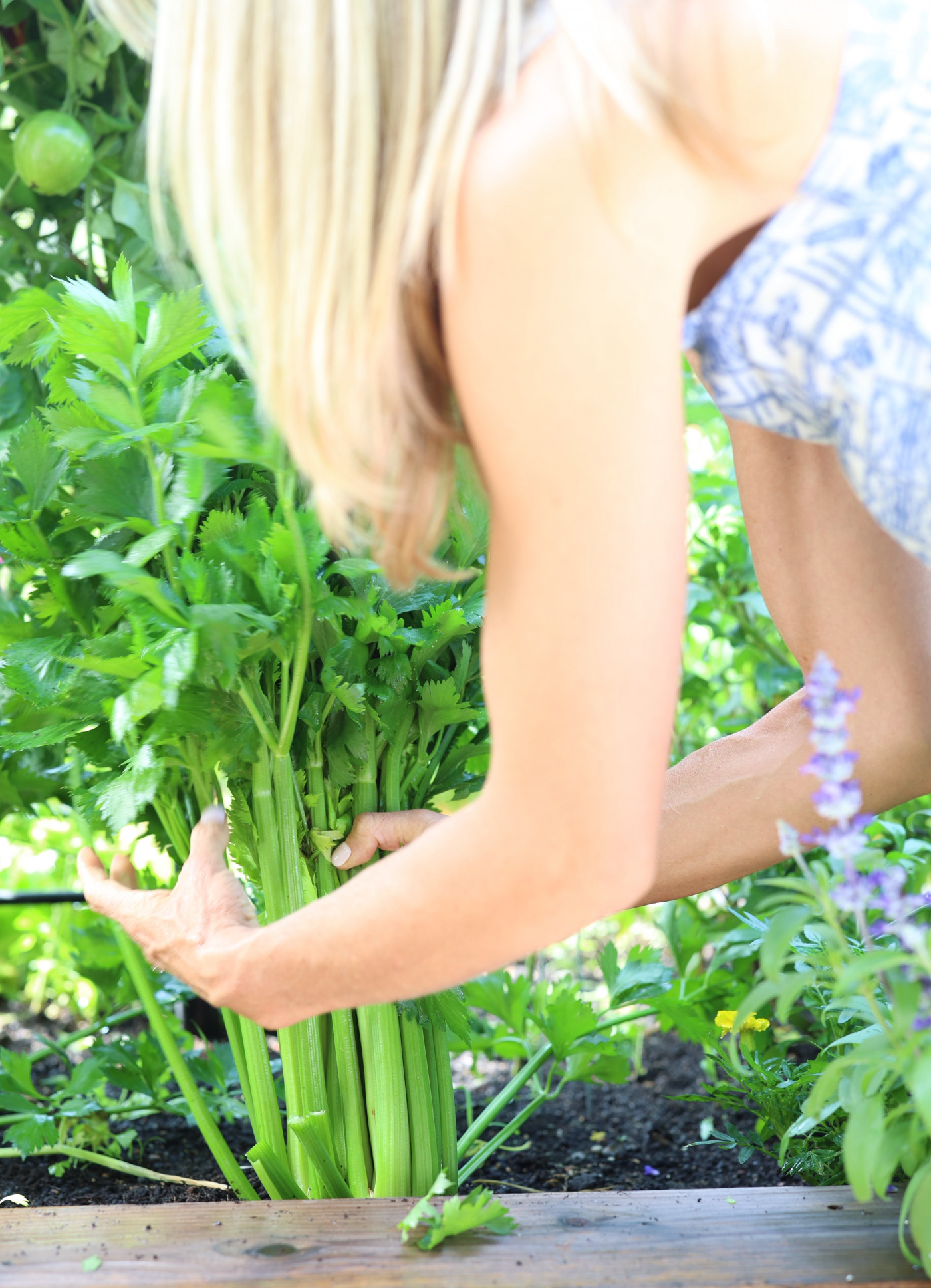
How to Care for Celery as It Grows
Watering
If you only remember one thing, remember this: celery hates drying out.
I aim for soil that stays evenly damp like a wrung-out sponge. In warm weather, this often means frequent watering, especially in raised beds. Mulch makes this dramatically easier.
Signs that celery is getting stressed from inconsistent water:
- Bitter flavor
- Stringy stalks
- Hollow stems
- Slow growth (well... slower than usual)
If your celery stays thin and pale for weeks, it is usually asking for more nutrition and more consistent moisture.
Blanching (Optional)
Blanching means shading the celery stalks so they turn lighter in color and develop a milder, less bitter flavor. Some gardeners choose to blanch celery to mimic the pale stalks you see at the grocery store, while others prefer the deeper green color and stronger taste of unblanched celery. Both are perfectly good. This step comes down to personal preference rather than plant health.
I do not consider blanching required. If you like a stronger celery flavor, you can skip it entirely and still grow excellent celery. However, if you want to try blanching, here is a simple way to do it:
- Wait until the stalks are close to harvest size and growing upright
- Gently gather the stalks together without bending or breaking them
- Loosely wrap the lower portion of the stalks with cardboard, kraft paper, or newspaper
- Secure lightly with twine so air can still circulate
- Leave the wrap in place for about 10 to 14 days before harvesting
The goal is to block light, not trap moisture. Keep watering as usual and remove the wrap at harvest time. Blanched celery will be paler, more tender, and slightly sweeter, while still maintaining a satisfying crunch.

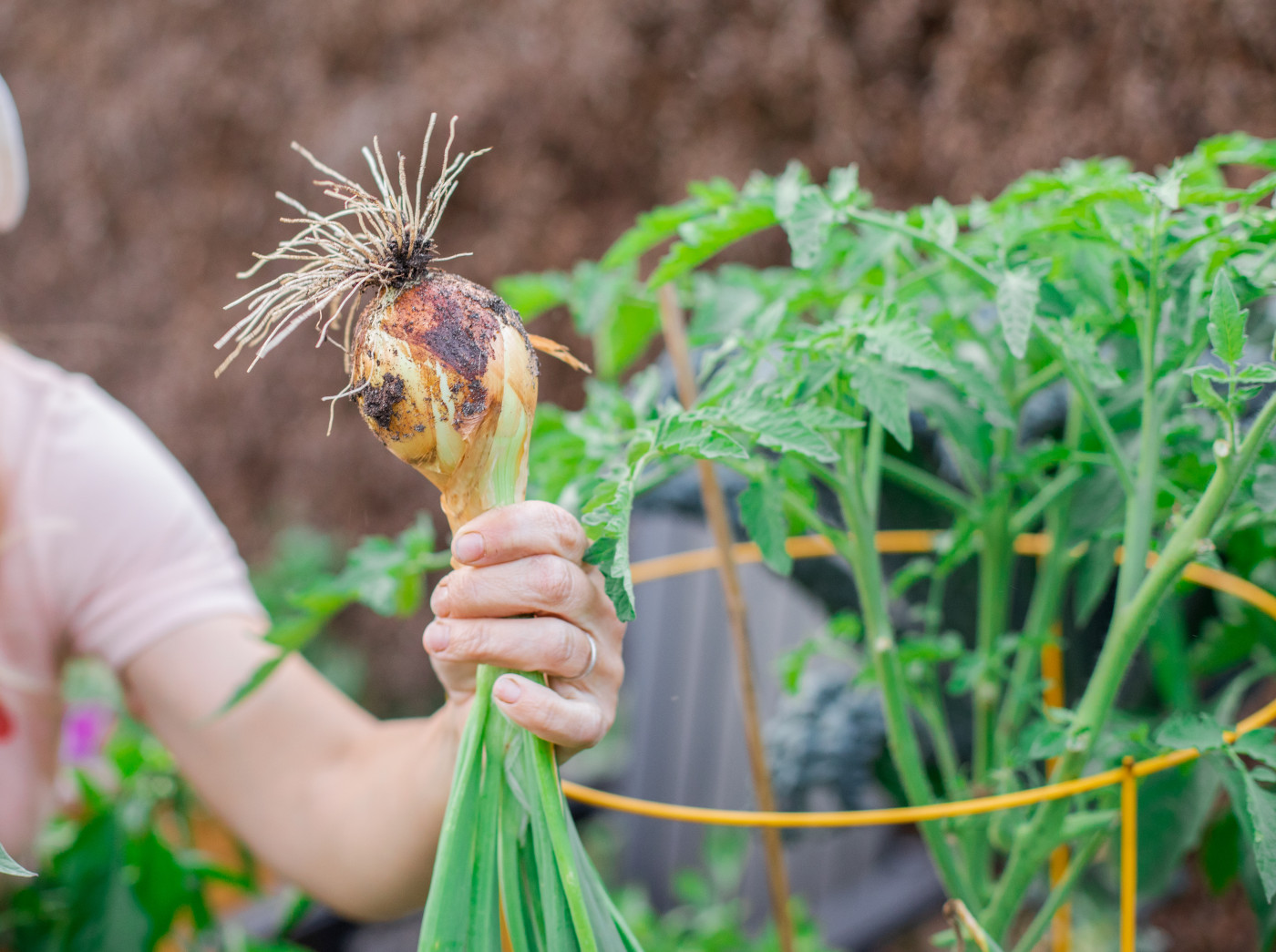
Companion Plants for Celery
Celery pairs well with plants that:
- Do not steal too much water
- Help bring beneficial insects in
- Fit around celery without shading it too hard
I like celery near:
- Onions
- Leeks
- Scallions
- Chamomile
- Dill (for beneficial insects)
- Low flowers that attract pollinators and predatory insects
I avoid placing celery right next to big, thirsty, fast-growing plants that will compete aggressively for moisture.

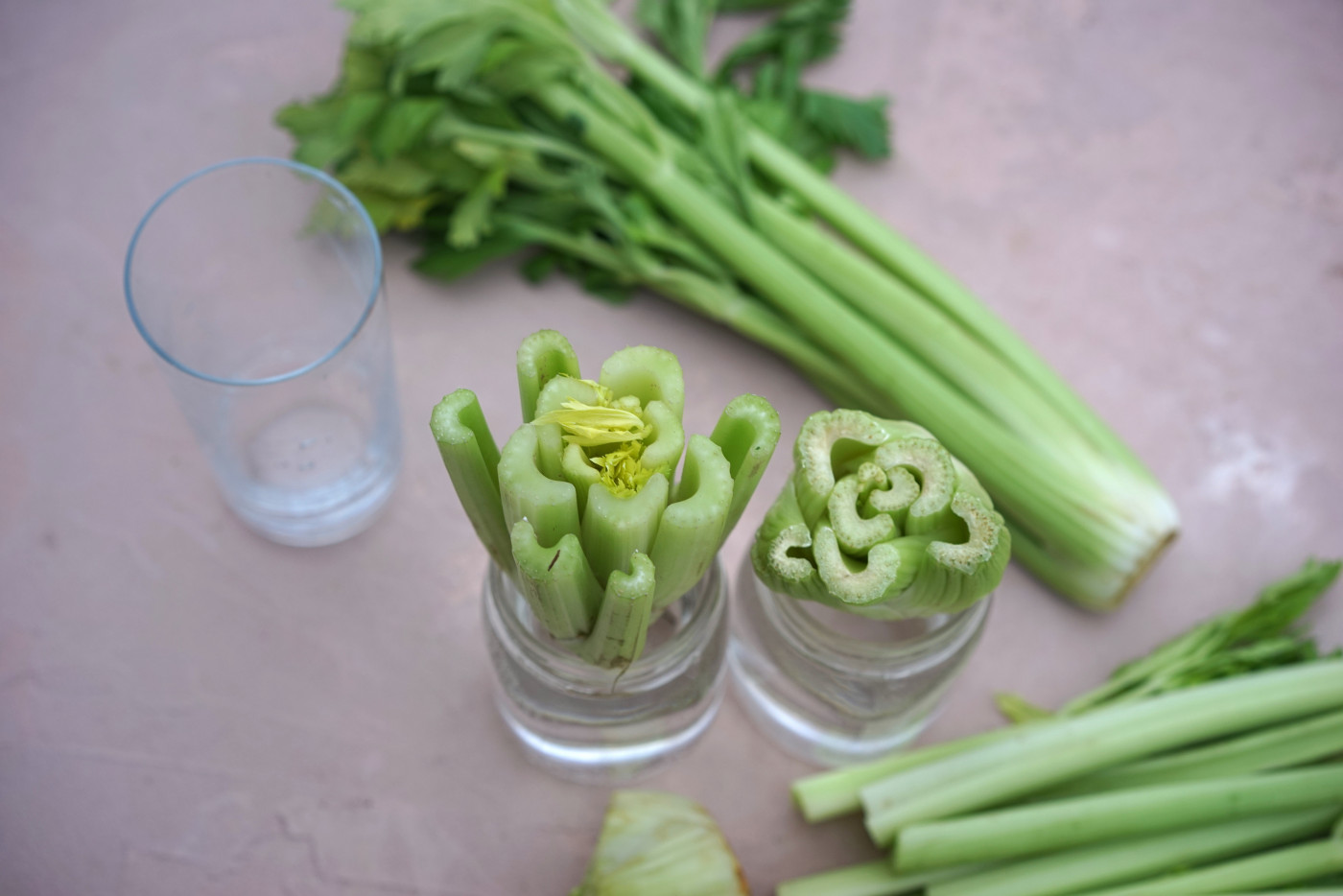
Can You Grow Celery in Water?
Actually, yes! While this method will not replace growing celery in soil for full-size stalks, growing celery in water is a fun and useful option for regrowing celery leaves and small stalks from a plant you have already harvested.
To grow celery in water, start with the base of a healthy celery plant. After harvesting the stalks, leave about 2 to 3 inches of the base intact, making sure the crown (where the stalks connect) is undamaged. Place this base cut-side up in a shallow jar or bowl with just enough water to cover the bottom. The water should touch the base but not submerge the entire crown.
Set the container in a bright location with indirect light. Within a few days, you should see new leaves emerging from the center. Change the water every day or two to keep it fresh and prevent rot. Over the next couple of weeks, the plant will continue sending up leafy growth.
This regrown celery is best used for:
- Harvesting celery leaves for soups, stocks, salads, and sautés
- Producing a few small, tender stalks
- Observing the growth habit of celery up close
If you want to take it a step further, you can transplant the regrown celery into soil once it has established new growth. Just know that celery regrown from water will not typically produce stalks as thick or crisp as a plant grown from seed. Still, it is an excellent way to get extra use from a harvest, reduce waste, and enjoy fresh celery flavor with almost no effort.
Think of growing celery in water as a bonus round. It is not a shortcut to a full crop, but it is a satisfying way to keep the plant going just a little longer.
→Learn more about growing celery in water and how to regrow celery from the store.

Common Pests and Organic Solutions
Celery’s biggest pest problems usually show up as leaf damage and sap-sucking insects.
Aphids
- Blast aphids off with water first
- Follow with insecticidal soap if needed
- Keep plants well-watered because stressed plants attract pests
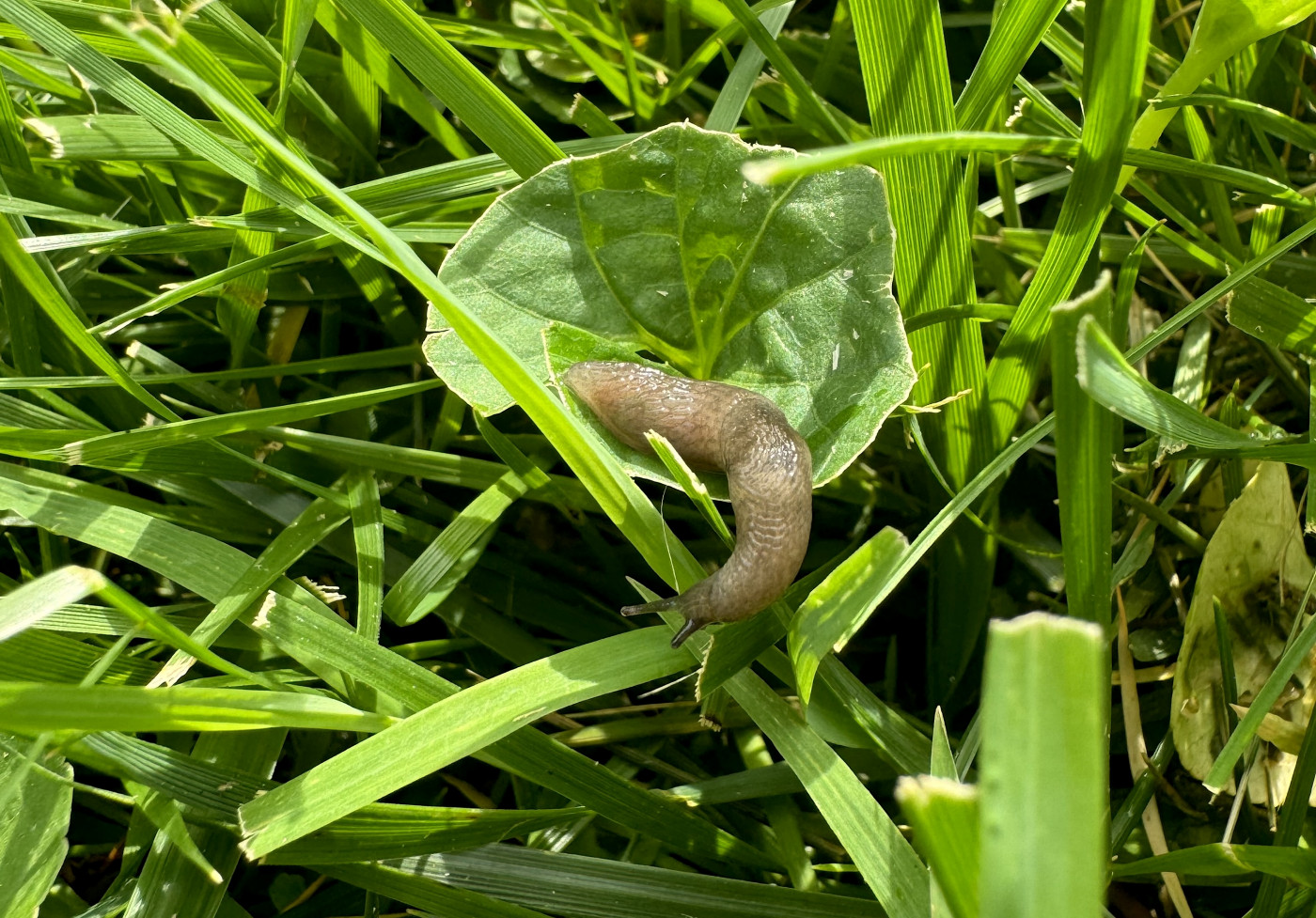
Slugs and snails
- Hand-pick slugs at dusk
- Use iron phosphate bait if pressure is high
- Keep mulch from touching the crown if slugs are living in it
Caterpillars
- Hand-pick when possible
- Use Bt as a targeted option if chewing damage is significant
Common Celery Problems and Fixes
My celery is skinny and taking forever
Normal early on, but if it stalls for weeks:
- Increase fertility (compost top-dress)
- Improve consistency of watering
- Make sure seedlings have enough light indoors next time
Celery tastes bitter
Usually, it is heat or drought stress.
- Water consistently
- Harvest earlier and more often
- Provide light afternoon shade in hot spells
Stalks are stringy
Often from:
- Allowing plants to get too mature before harvesting
- Stress from drought or heat
Plant is bolting (sending up a flower stalk)
This is usually triggered by stress, temperature swings, or the plant aging. Once it bolts, stalk quality declines. Harvest what you can and plan for better timing next season.
Blackheart (dark, damaged centers)
Often tied to calcium uptake issues, which are frequently made worse by inconsistent watering.
- Focus on consistent moisture first
- Avoid over-fertilizing with high nitrogen
- Improve soil organic matter
How to Harvest Celery So It Keeps Growing
This is the part that changes everything for most gardeners.
When can you harvest celery?
Celery takes a long time to become “full-size.” Expect 130 to 140 days from seed to substantial harvests in many cases. However, you do not have to wait for a perfect grocery-store bunch.
After about 4 months, you may have stalks that are 6 inches tall and ready to cut. They are technically immature, but a lot of people love the flavor at this stage. The longer celery sits, the tougher and sometimes stronger it gets, especially if weather warms up.
Do you cut or pull celery?
Cut, if you want ongoing harvests.
Pulling the whole plant, roots and all, ends the party, unless the plant is finishing its life cycle or you are harvesting the entire plant on purpose.
The best way to harvest for repeat production
I treat celery like a big cut-and-come-again herb.
- Harvest one stalk at a time
- Cut the outer, older stalks first
- Leave the center intact so it can keep pushing new growth
- Use a sharp serrated knife or a clean garden knife and cut low at the base
This method keeps the plant productive and prevents you from ending up with a huge pile of celery in your fridge that you cannot use fast enough.
Can you harvest the entire celery plant?
Yes. If you want the whole bunch:
- Wait until the plant is at least a few inches wide
- Brush soil away to find the crown where stalks overlap
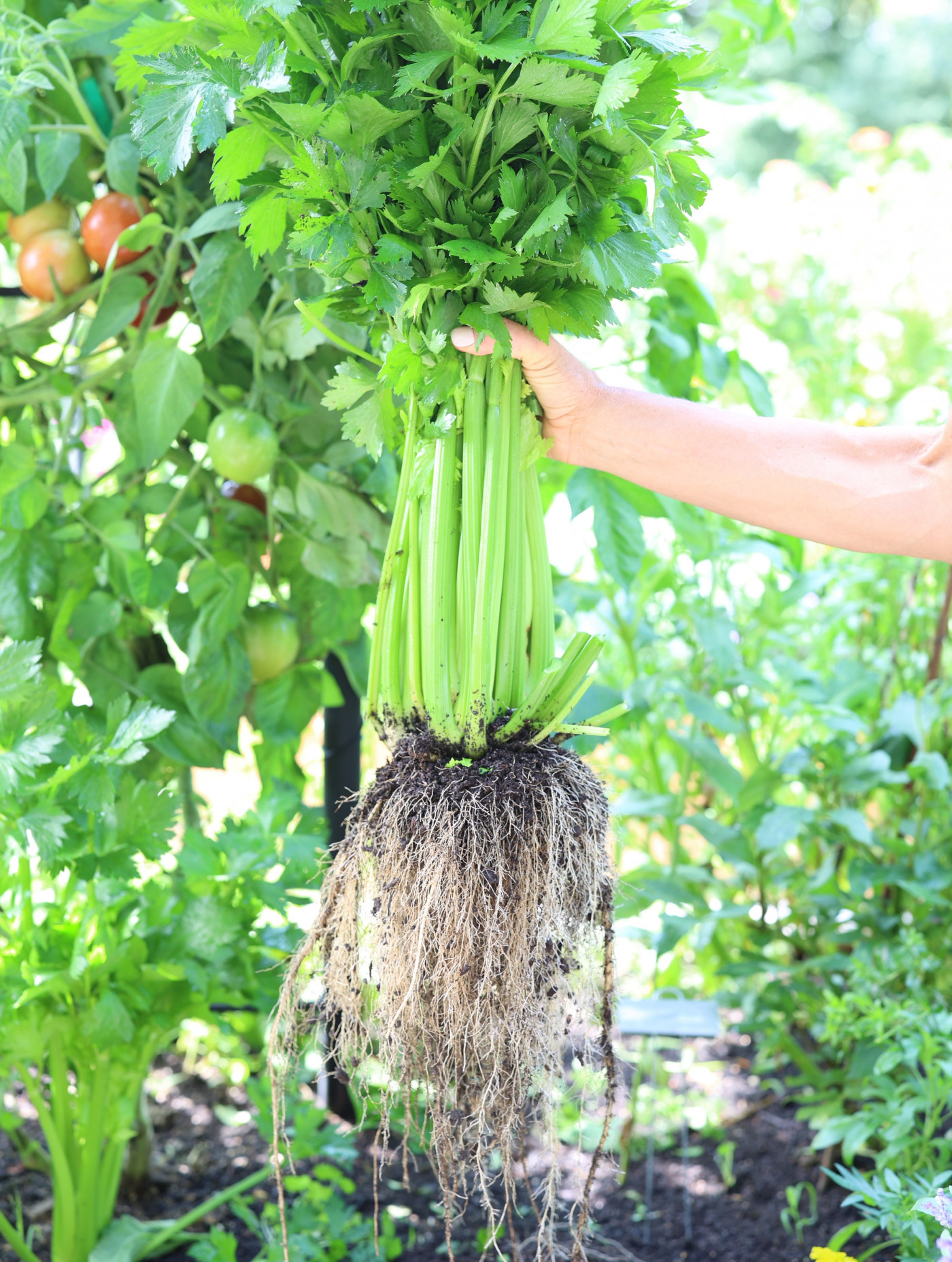
- Cut at or slightly below soil level to separate the crown from the roots
You will not get the same regrowth in the garden if you remove the whole crown, but you can sometimes regrow some shoots from the base in water.
→Learn more about how to harvest celery.
How to Store Celery
I like to remove the outer leaves before storing because the leaves wilt faster than the stalks.
Storing a few stalks
- Cut into shorter pieces
- Stand them in a jar with water
- Cover loosely and refrigerate
- Change the water every couple of days
This keeps celery crisp for a surprisingly long time.
Storing a whole head
- Wrap in a damp paper towel
- Place in a bag in the crisper drawer
- Leave the top slightly unsealed for airflow
Freezing celery
Frozen celery is best for cooking.
- Chop
- Blanch briefly
- Cool, dry, and freeze in labeled bags

How to Use Celery Leaves and Stalks
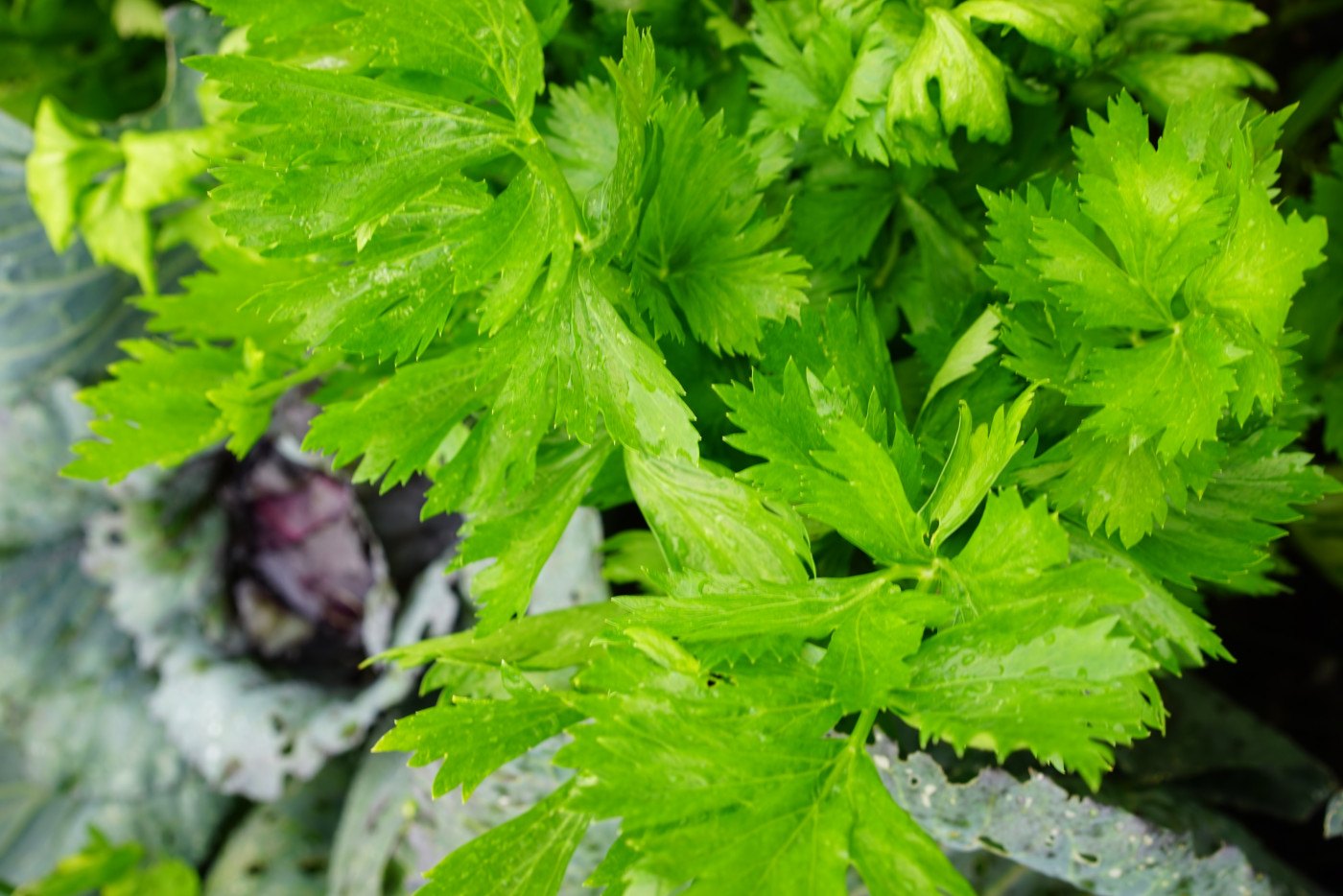
Do not toss the leaves. They are delicious!
- Use leaves like parsley in soups, salads, and stocks
- Tender inner stalks are great raw
- Older outer stalks shine in cooked dishes
One of my favorite simple uses is sautéing celery with garlic and olive oil, then finishing with a splash of something bright like vinegar or lemon.
End of Season Cleanup and Seed Saving Notes
If you want celery seed, you need to keep a plant alive into its second year so it can flower. That is a more advanced project, but it is very doable in climates where it can overwinter with protection. Most gardeners will simply compost the plant at the end of the season and start fresh next year.
Get Growing!
If you can master celery, you will feel like you "leveled up" as a gardener, because you built the skill that matters most: consistency. Grow it once, and you may find it earns a permanent place in your kitchen garden year after year.
Click the image below to save this article for later!