
Join Thousands of Gardeners On the VIP List
Free perks, just for email subscribers:
- 15% Off Your First Order
- Gardening Videos & Articles
- Early Access to Sales
Sign up, check your inbox, then shop with your code.

At a Glance
- Sunflowers are best when direct-sown after your last frost date, once soil temperatures reach at least 50°F.
- Choosing the right variety matters: single-stem types produce one large bloom per plant, while branching types produce multiple stems over a longer season.
- Succession planting every two to three weeks extends your bloom window from early summer all the way to frost.
Big, Bold, and Beautiful
There are very few things in a garden that make people stop and stare the way a sunflower does. Bold, eye-catching, tall, colorful — there's something about a sunflower that feels genuinely joyful.
If you've been curious about growing sunflowers from seed but weren't sure where to start, this is your guide. Everything you need to know from seed to harvest.

Sunflower Basics: What to Know Before You Plant
Before getting into the how, here's a quick orientation on what sunflowers are and what they need:
- Annual plants — most sunflowers complete their full life cycle in one season
- Native to North America — one of the only major crops with US origins, which means they're naturally adapted to a wide range of climates
- Fast growers — most varieties go from seed to bloom in 70 to 100 days
- Sun lovers — they need at least 6 to 8 hours of direct sun per day, no exceptions
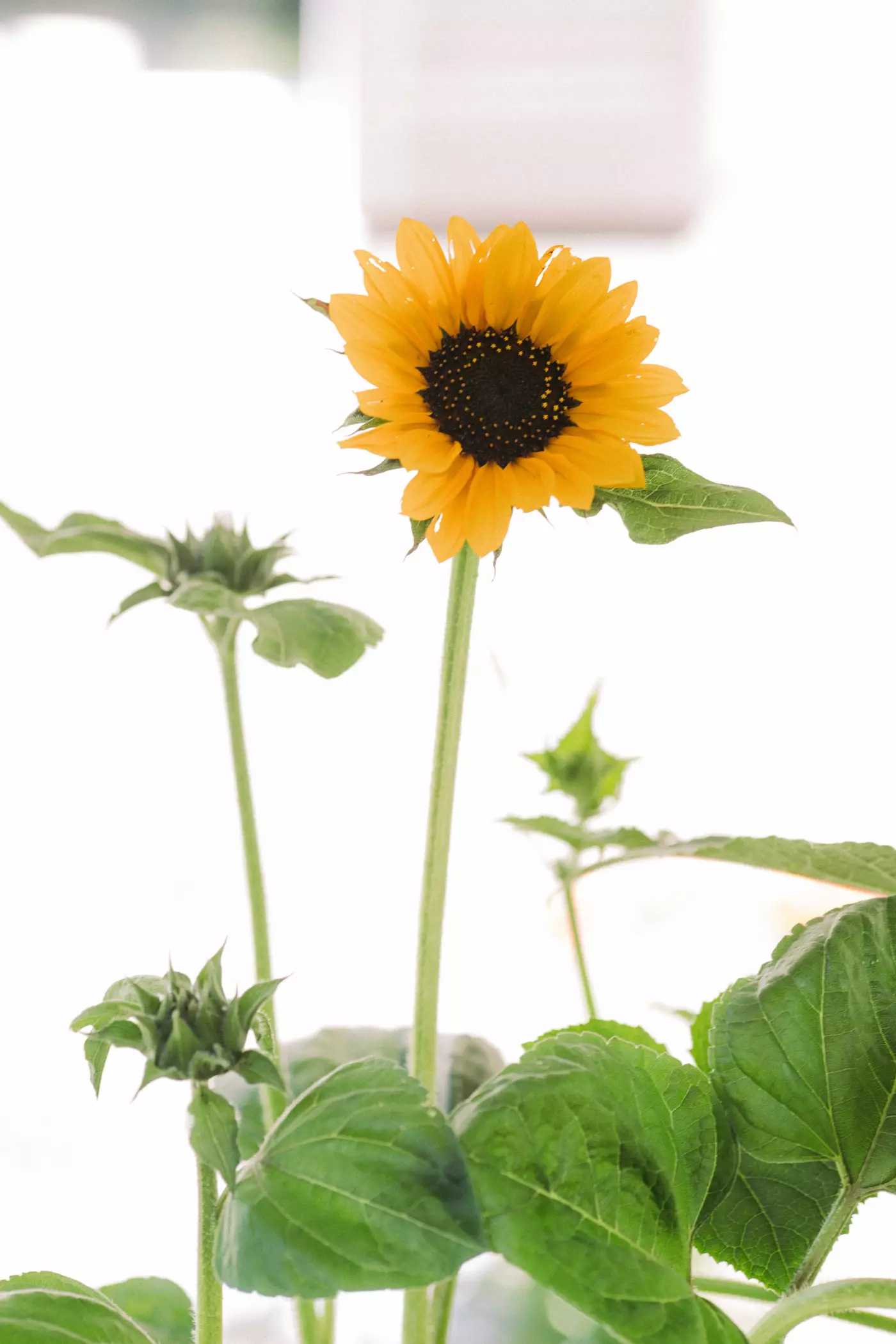
- Heliotropic when young — young sunflower heads track the sun throughout the day to maximize light absorption. Once mature, stems stiffen and most faces settle pointing east, a little detail I find charming. Keep this in mind when choosing your location!
- Pollinator magnets — bees, butterflies, and hummingbirds are all attracted to sunflower blooms, making them one of the best companion plants for a kitchen garden
Sunflower Varieties: Which One Should You Grow?
Sunflower varieties range from knee-high dwarf types perfect for containers to towering giants that top out at 15 feet. Choosing the right variety before you plant shapes everything that comes after.
Single-stem vs Branching Sunflowers
Single-stem varieties:
- Produce one large bloom per plant on a single tall stem
- Once harvested or finished, they don't rebloom
- Best for cut flowers — the stems are long, clean, and elegant
- Require succession planting every 10 to 14 days for continuous blooms
- Popular varieties: Procut series, Sunrich series, Velvet Queen
Branching varieties:
- Send out multiple stems and blooms from a single plant
- Bloom over a longer window — staggered maturity on each stem extends the show
- Best for garden display and pollinator support
- Can be pinched when young to increase stem count and length
- Popular varieties: Autumn Beauty, Lemon Queen, Mammoth

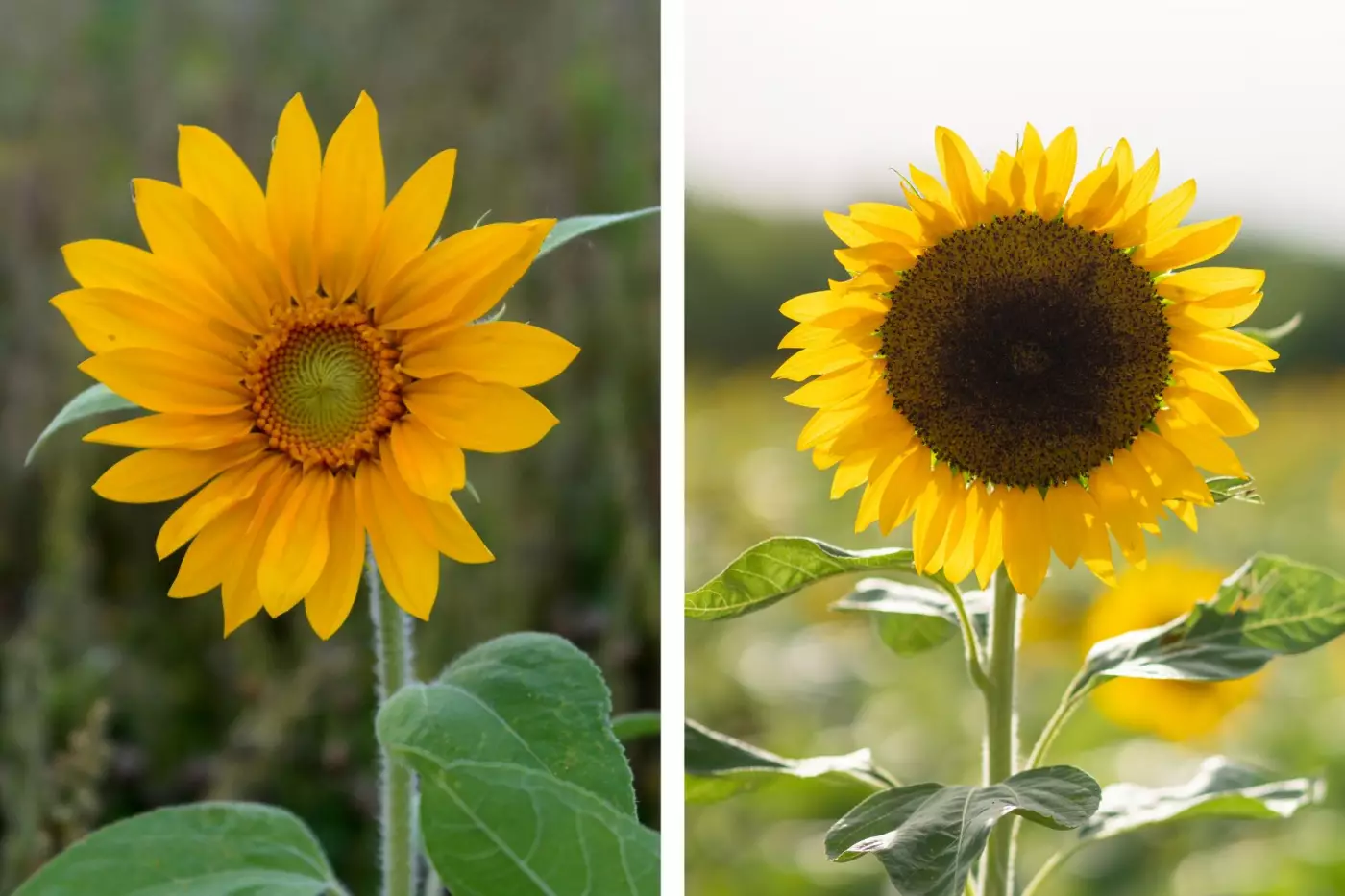
Sunflower Varieties by Size
Dwarf varieties (under 2 feet):
- Perfect for containers, small spaces, and front-of-border planting
- Great for growing with children
- Varieties: Teddy Bear, Sunspot, Little Becka, Pacino Gold
Mid-size varieties (3 to 6 feet):
- The most versatile range for most home gardens
- Good for cutting and garden display
- Varieties: Ring of Fire, Autumn Beauty, Italian White, Soraya
Tall and giant varieties (6 to 15 feet):
- Statement plants — impressive, architectural, and genuinely fun to grow
- Need staking in windy areas
- Varieties: Mammoth Russian, American Giant, Titan, Skyscraper
A Note on Pollen-Free Varieties
If you're growing sunflowers primarily for cut flowers, especially for indoors or for gifting, look for pollen-free varieties. They produce no pollen, which means no yellow dust on your tablecloth and longer vase life. Procut White Nite and Procut Orange are popular choices.

When to Grow Sunflowers from Seed
Sunflowers are warm-season plants with zero tolerance for frost. Getting your timing right is straightforward:
- Soil temperature: at least 50°F for germination — 65 to 70°F is ideal for fast, reliable sprouting
- Timing: direct sow after your last frost date, once the soil has genuinely warmed
- Germination time: 5 to 10 days under good conditions
- Days to bloom: 70 to 100 days, depending on variety
Succession planting
Succession planting is the secret to a long bloom season. Instead of sowing everything at once and having all your sunflowers bloom in one glorious two-week window, stagger your sowings every two to three weeks from your last frost date through midsummer. You'll have blooms from early summer well into fall.
Where to Grow Sunflowers
Sun
This one is non-negotiable. Sunflowers need 6 to 8 hours of direct sun daily for strong stems and full blooms. A spot that gets afternoon shade will produce weak, leaning plants that disappoint.
Soil
Sunflowers are more forgiving about soil than most garden plants, but they perform best in:
- Well-draining soil — they don't like sitting in water
- Slightly acidic to neutral pH (6.0 to 7.0)
- Soil amended with compost for good nutrient availability
- Loose, worked soil that allows their deep root system to establish freely
They're not heavy feeders, but starting with good soil pays dividends in stem strength and bloom size.
Wind Protection
Taller varieties are vulnerable to wind damage, especially as heads get heavy with developing seeds. Plant along a fence, wall, or building that provides a natural windbreak. If you're in an exposed location, stake tall varieties early — before you think you need to.
What NOT to Plant Near Sunflowers
Sunflowers release compounds from their roots, stems, and leaves that can inhibit the growth of nearby plants — a phenomenon called allelopathy. Keep sunflowers away from:
- Potatoes
- Pole beans and bush beans
- Any sun-loving vegetable that might also be shaded by their considerable height
They're generally wonderful neighbors for everything else — especially plants that benefit from pollinator activity.
Start your dream garden. Watch the free class!
How to Grow Sunflowers from Seed: Step by Step
Should You Direct Sow or Start Indoors?
Direct sowing is almost always the right choice for sunflowers. They dislike root disturbance and establish best when sown directly where they'll grow to maturity. Their large seeds germinate quickly and easily in warm soil, which eliminates most of the advantage of starting indoors.
If you want to start indoors — perhaps to get ahead in a very short-season climate — start seeds in biodegradable pots 2 to 4 weeks before your last frost date and transplant carefully, disturbing roots as little as possible.
Direct Sowing Steps
Step 1: Prepare the soil Loosen soil to about 6 to 8 inches deep. Remove debris, break up clumps, and add a 2-inch layer of compost worked into the top few inches. Press the surface relatively flat.
Step 2: Sow seeds at the right depth and spacing
- Plant seeds 1 to 1.5 inches deep
- For dwarf varieties: space seeds 6 inches apart
- For mid-size varieties: space 12 inches apart
- For tall and giant varieties: space 18 to 24 inches apart
- If planting in rows, leave 2 to 3 feet between rows
- Sow 2 seeds per hole to ensure germination, then thin to the strongest seedling
Step 3: Water in well Water gently but thoroughly after sowing. Keep the soil consistently moist — not soggy — until seeds germinate. In dry conditions, check daily and water as needed. A light layer of burlap over the bed can help retain moisture during germination.
Step 4: Protect from birds and squirrels Freshly sown sunflower seeds are a target. Squirrels and birds will dig them up enthusiastically in the days after planting. Scatter a little cayenne pepper around the planting area, or cover with lightweight row cover until seeds have germinated and sprouted above the soil.
Step 5: Thin seedlings Once seedlings reach 6 inches tall, thin to the strongest plant per hole by snipping the weaker seedling at soil level. Don't pull — the roots are already intertwined with their neighbors.

How to Care for Growing Sunflowers
Watering
- While plants are small, water around the roots — about 3 to 4 inches away from the stem
- Once established, water deeply and infrequently — this encourages deep rooting which makes plants sturdier and more drought-tolerant
- Aim for 1 inch of water per week, more in hot weather
- Established sunflowers are fairly drought-tolerant but will produce better blooms with consistent moisture
Fertilizing
Sunflowers don't need heavy fertilizing — too much nitrogen produces lush foliage at the expense of blooms. What works well:
- A light compost amendment at planting time
- A balanced organic fertilizer is applied once when plants reach about a foot tall
- Avoid high-nitrogen fertilizers after plants begin to bud
Staking
Not all sunflowers need staking, but tall and giant varieties in exposed locations do. Here's how to know when to stake:
- Stake any variety over 4 feet in an area with regular wind
- Place stakes when plants are about 12 to 18 inches tall — before they need it, not after they're leaning
- Use soft garden twine tied loosely in a figure-eight between stake and stem
- For a cut flower patch, create a grid of stakes and twine for plants to grow up through
Pinching Branching Varieties
If you're growing branching sunflowers for cut flowers, pinching is a game-changer. When plants are 8 to 12 inches tall, pinch out the central growing tip. This signals the plant to produce multiple lateral stems instead of one central one — resulting in 6 to 10 long-stemmed blooms per plant instead of just one or two.
Do not pinch single-stem varieties. Single-stem sunflowers produce one bloom on one stem — removing the growing tip removes the only flower the plant will ever make.

Common Sunflower Problems and Solutions
Plants are leaning or falling over
- Usually caused by wind or insufficient root depth
- Stake immediately and water deeply to encourage better root anchoring
- Plant closer to a windbreak next time
Thin, weak stems
- Usually a light issue — make sure plants are getting at least 6 to 8 hours of direct sun
- Could also indicate overcrowding — thin to appropriate spacing
Slow or no germination
- Most likely a soil temperature issue — wait until soil reaches at least 50°F
- Check that seeds haven't been disturbed by birds or squirrels
Aphids on stems and leaves
- Blast with a strong stream of water first
- Follow with insecticidal soap if needed
- Keep plants well-watered — stressed plants attract aphids
Powdery mildew on leaves
- Common late in the season and usually cosmetic
- Improve airflow by ensuring proper spacing
- Remove heavily affected leaves promptly
Birds eating the seed heads
- Completely normal and genuinely hard to stop
- Cover developing seed heads with lightweight garden mesh or breathable cloth tied around the stem if you want to save seeds
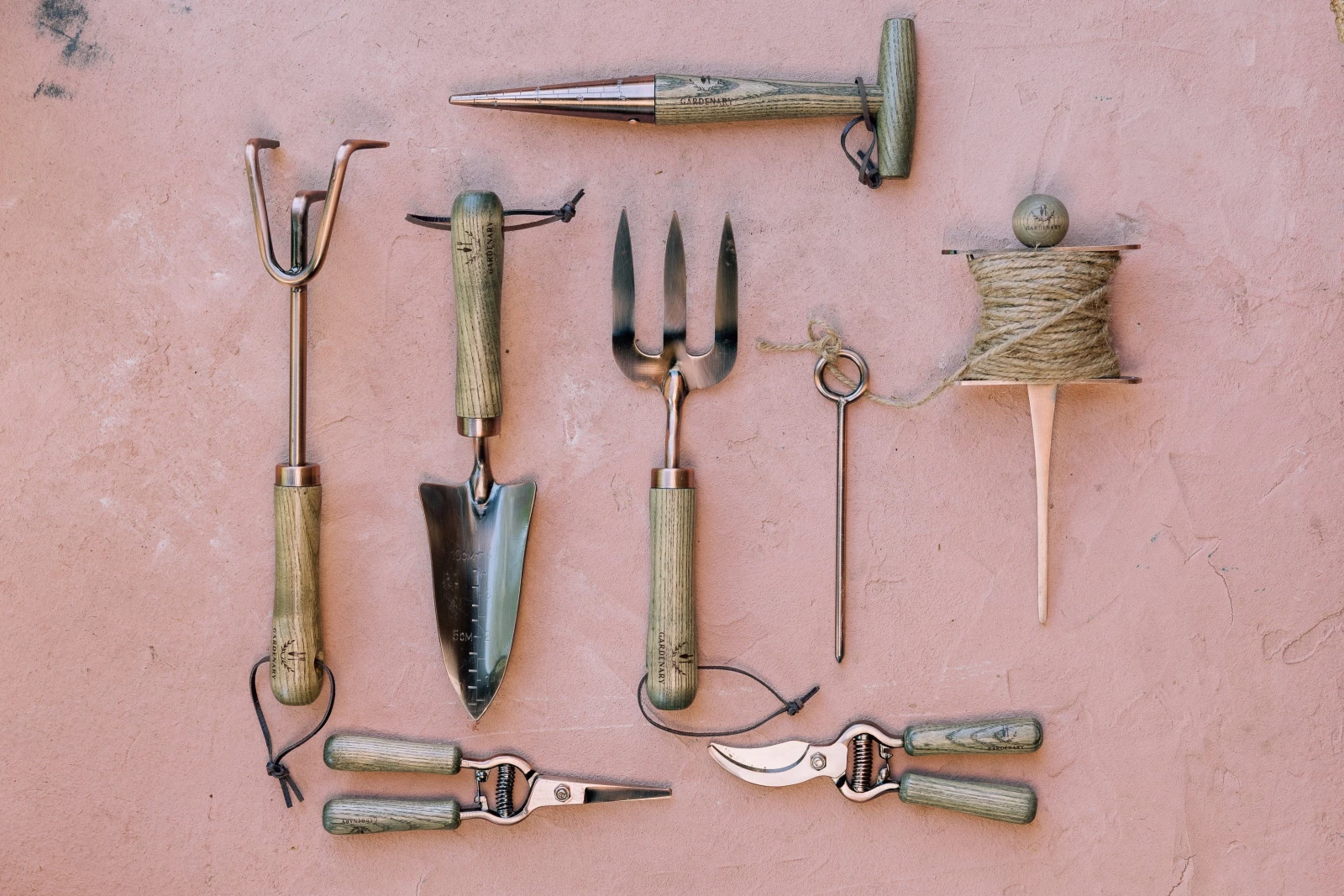
7 Tools, Beautifully Designed
The tool set gardeners actually want, made from carbon steel with an ash wood handle and a warm copper finish.
- Bypass pruner for clean, precise harvest cuts
- Needlenose pruner for detail work in tight spaces
- Transplanting shovel for seedlings and planting holes
- Dibber for perfectly spaced seed sowing
- Cultivator for loosening soil and clearing debris
- Hand fork for weeding and working around established plants
- Row marker & planting line for straight, intentional rows
All in a gift box, ready to use.
How to Harvest Sunflowers
Harvesting as Cut Flowers
For the longest vase life, harvest sunflowers before they fully open:
- Cut when just a few outer petals have lifted away from the face, but the bloom is not yet fully open
- Harvest early in the morning when stems are fully hydrated
- Cut stems at least 18 to 24 inches long at a sharp diagonal
- Strip all foliage except the top two or three leaves
- Place immediately in clean water
- Change water every two days — sunflowers are heavy drinkers
Cut at this stage, sunflowers will open fully over the next day or two and last up to a week in the vase.
Harvesting Seeds
One of the most satisfying things about growing sunflowers is watching the seed heads develop — and then harvesting them.
- Wait until the back of the flower head turns brown and dry
- Seeds will be plump and firm when pressed
- Cut the head with several inches of stem attached
- Hang upside down in a cool, dry location for one to two weeks to finish drying
- Rub the seeds free from the head by pressing with your thumb
- Store in a paper or cloth bag — not plastic, which traps moisture and causes mold
Saved seeds can be planted next season, fed to birds, or roasted for snacking. Save seeds from open-pollinated or heirloom varieties for reliable results — hybrid varieties may not grow true to type.
Frequently Asked Questions About Growing Sunflowers from Seed
Can you grow sunflowers from seed directly in the garden? Yes — and direct sowing is the preferred method. Sunflowers dislike having their roots disturbed, so sowing directly where they'll grow to maturity produces stronger, better-established plants than transplanting. Sow after your last frost date once soil temperatures reach at least 50°F.
How long does it take sunflowers to grow from seed to bloom? Most sunflower varieties bloom 70 to 100 days after sowing, depending on the variety. Dwarf and fast varieties can bloom in as few as 55 to 70 days. Giant varieties may take 90 to 120 days.
Do sunflowers come back every year? Most garden sunflowers are annuals — they complete their full life cycle in one season and don't return from the same plant. However, they can self-seed generously if you leave seed heads intact in fall, and you may find volunteer seedlings popping up the following spring. Perennial sunflower species like Helianthus maximiliani do return year after year but produce smaller blooms.
How deep do you plant sunflower seeds? Plant sunflower seeds 1 to 1.5 inches deep. Deeper than 2 inches and seeds may struggle to push through the soil surface. Shallower than 1 inch and they may dry out before germinating.
Why are my sunflowers not blooming? Insufficient sun is the most common reason. Make sure plants are receiving at least 6 to 8 hours of direct sunlight daily. Excess nitrogen — from over-fertilizing — can also push leafy growth at the expense of flowers. Check spacing too — overcrowded plants compete for light and nutrients and may bloom later or not at all.
Can sunflowers grow in containers? Yes — dwarf varieties grow very well in containers of at least 12 inches in diameter with drainage holes. Larger varieties can be grown in containers but will be smaller than ground-planted specimens. Container sunflowers need more frequent watering and feeding than those in the ground.
When should I harvest sunflower seeds? Harvest when the back of the flower head has turned fully brown and dry, the petals have fallen, and the seeds are plump and firm when pressed. Cut the head with a few inches of stem and hang to dry completely before removing the seeds.
Do sunflowers need a lot of water? Young sunflowers need consistent moisture to establish. Once mature, they're fairly drought-tolerant — but regular watering produces better blooms and stronger stems. Aim for 1 inch of water per week and water deeply rather than frequently to encourage deep root development.
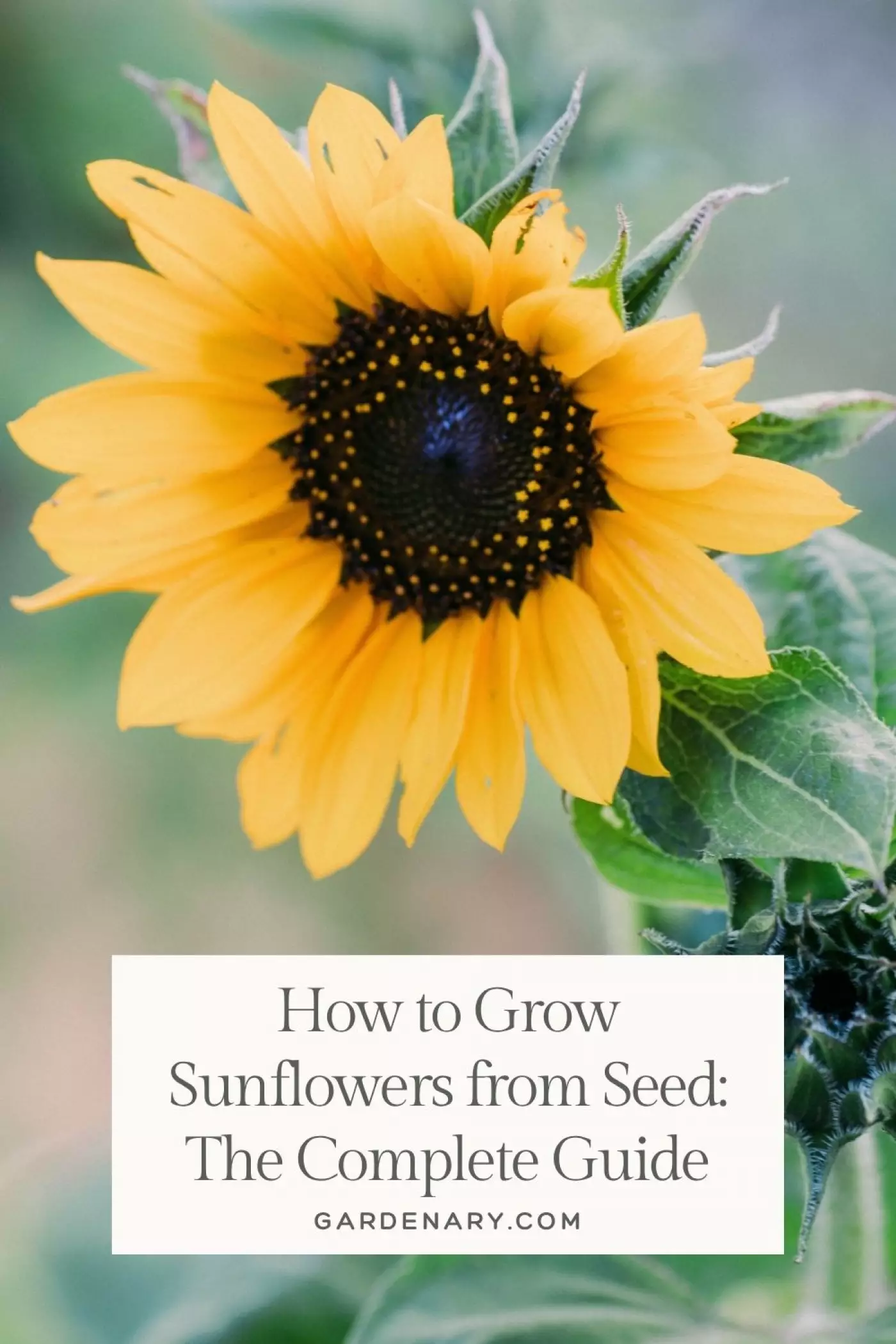
Click the image below to save this article for later!

More on Flowers
Sources
- "How to Grow Sunflowers" — https://www.almanac.com/plant/sunflowers
- "Growing Sunflowers for Beginners" — https://extension.wvu.edu/lawn-gardening-pests/gardening/gardening-101/growing-sunflowers
- "Growing Sunflowers" — https://extension.missouri.edu/publications/ym102