
At a Glance
- Find out how long raised beds last based on their material type: cedar, steel, aluminum, or stone
- Practical prevention and maintenance tips to extend the life of any raised bed
- Smart protection methods that reduce rot, rust, and long-term wear

Join Thousands of Gardeners On the VIP List
Free perks, just for email subscribers:
- 15% Off Your First Order
- Gardening Videos & Articles
- Early Access to Sales
Sign up, check your inbox, then shop with your code.
When I built my first raised garden bed, I honestly didn't think much about how long it would last. I was focused on growing food, not longevity. But after years of gardening, rebuilding beds, consulting with other gardeners, and experimenting with different materials, I learned that raised beds are an investment. And like any good investment, they deserve a little forethought and care.
The good news is this: raised beds can last a very long time! The even better news is that you can dramatically extend their lifespan with a few smart choices and some simple maintenance.
Let’s talk about what really determines how long a raised bed lasts and how to make yours go the distance.

How Long Do Raised Beds Last?
This is one of the most common questions I get, and the honest answer is: it depends.
Raised beds do not all age the same way. The lifespan of a raised bed depends heavily on the material it is made from, how it is installed, and how it is cared for over time.
Some raised beds will last 5 years. Others can last 20, 30, or even longer.
The biggest factors that affect longevity:
- The material used for the bed
- Exposure to moisture and sun
- Soil contact and drainage
- Climate and weather extremes
- Ongoing maintenance and prevention
Wood behaves very differently from metal. Steel behaves differently from aluminum. And untreated materials behave very differently from protected ones.
Once you understand how each material breaks down, you can make better decisions and prevent problems before they start.

How Long Will a Cedar Raised Bed Last?
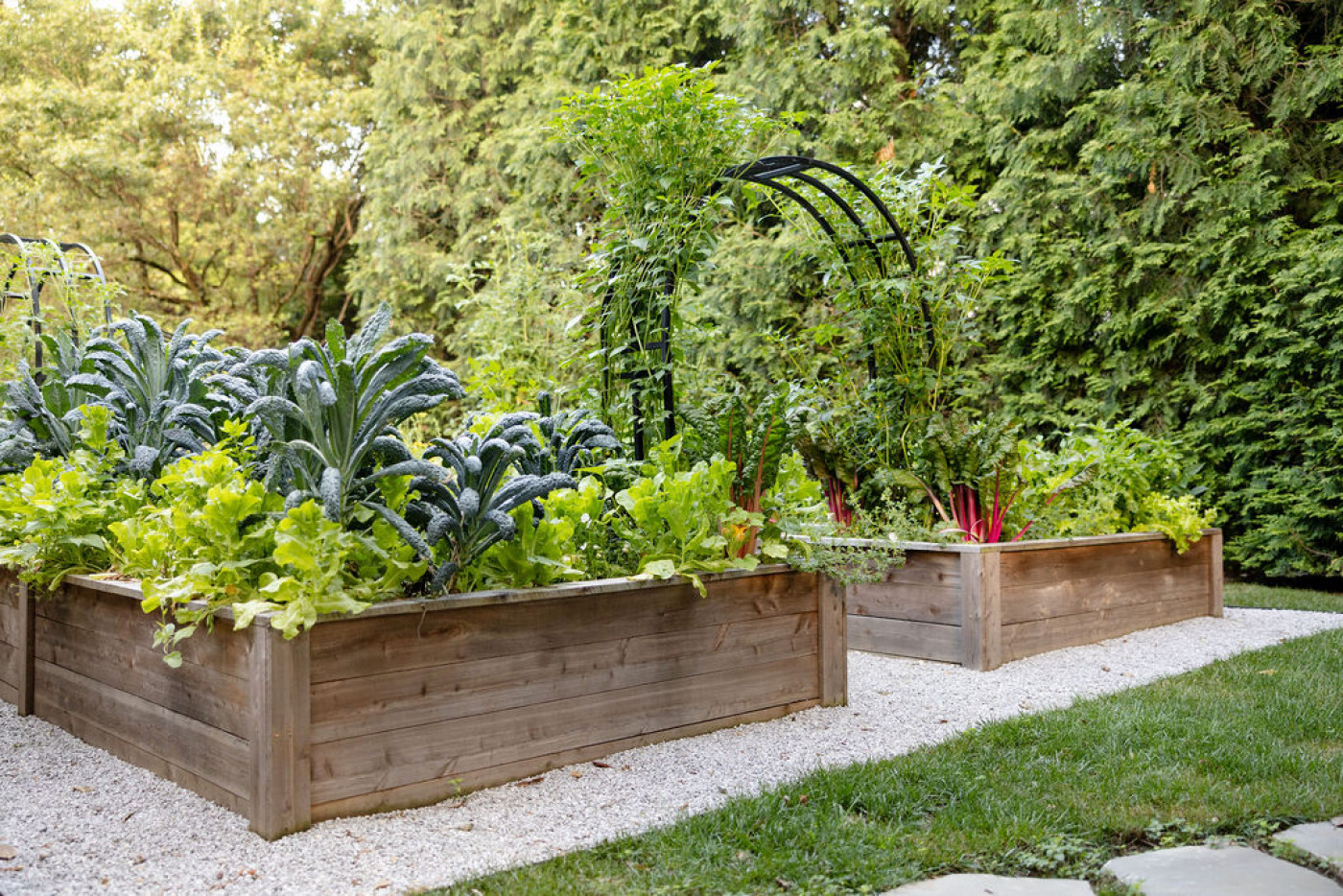
Cedar is one of the most popular materials for raised garden beds, and for good reason. There are so many benefits!
Untreated cedar raised beds typically last 10 to 15 years, sometimes longer in dry climates and sometimes shorter in very wet ones. Cedar naturally resists rot and insects because of the oils in the wood, which makes it one of the best wood choices for gardening.
That said, cedar is still wood. It is constantly exposed to moisture from soil, watering, rain, and humidity. Over time, those conditions will wear it down.
In the past, I have had cedar beds that looked amazing for years, and others that started to show wear much sooner. The difference was not the cedar itself. It was how the beds were installed and maintained.
With the right preparation and protection, cedar beds can easily outlast the average expectation.
Shop Our Cedar Raised Beds
Gardenary's new line of quality cedar garden beds are easy to assemble and will provide years of gardening enjoyment. Choose from numerous different garden sizes to fit your space.
How to Make Cedar Raised Beds Last Longer
If you are using cedar, prevention is everything. What's that old saying? "An ounce of prevention is worth a pound of cure?" It means that taking small steps early to prevent a problem is far better than dealing with a much bigger problem later.
Once wood starts to break down, it can't be reversed.
Avoid Standing Water
One of the biggest mistakes I see is placing a raised bed directly on poorly draining soil. Standing water is the enemy of wood.
I always make sure:
- The bed is level (or as close as possible)
- The base drains well
- There is no pooling water underneath
If needed, I loosen the soil beneath the bed or add a thin layer of gravel under the corners to improve drainage.

Use a Natural Wood Treatment
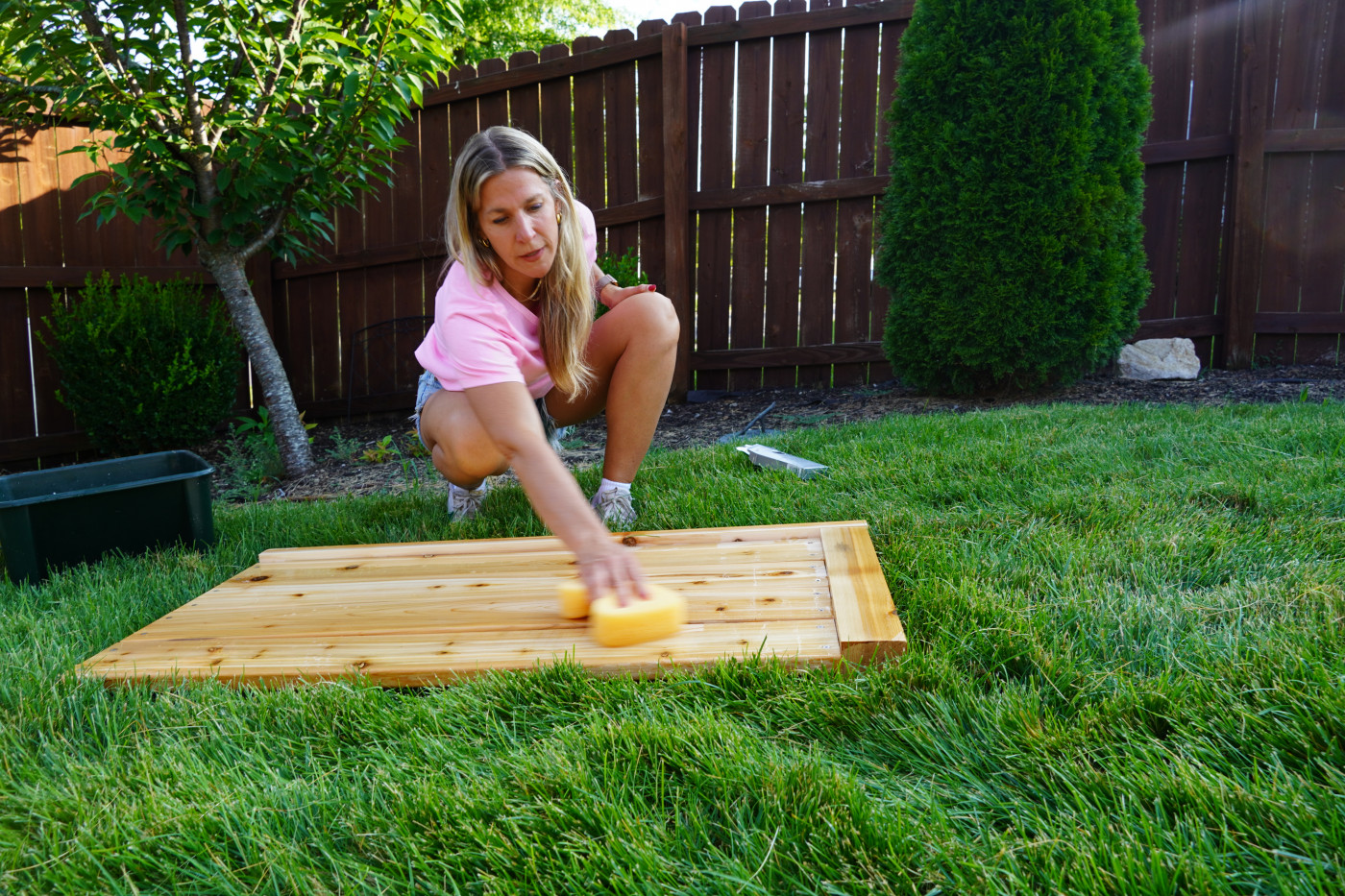
I strongly recommend protecting cedar with a plant-safe wood preservative, especially if you want your bed to last beyond a decade.
One option I suggest is Eco Restore Wood Treatment. It is made from naturally occurring plant and mineral extracts and penetrates deep into the wood fibers rather than sitting on the surface.
What I like about it:
- One application provides long-lasting protection
- It does not peel or fade
- It is safe to use around plants and pets
- It can be applied to both the interior and exterior of the bed
Each 2-ounce packet mixes with water to make 1 gallon and covers about 150 square feet, which goes a long way for raised beds.
Shop Our Favorite Wood Treatment
Made from naturally occurring plant and mineral extracts, this wood preservative penetrates wood fibers to provide protection from sun and water. A single application results in a long-lasting, maintenance-free surface. Will not wear off, peel or fade; treated wood develops a beautiful patina. This plant- and mineral-based formula is based on a special family recipe and has been used for 60 years.
Avoid Plastic Liners Against Wood
This one surprises people.
Lining the inside of a wooden bed with plastic can actually trap moisture against the boards and speed up rot. Instead of protecting the wood, it creates the perfect environment for decay. Avoid barriers that lock moisture in.

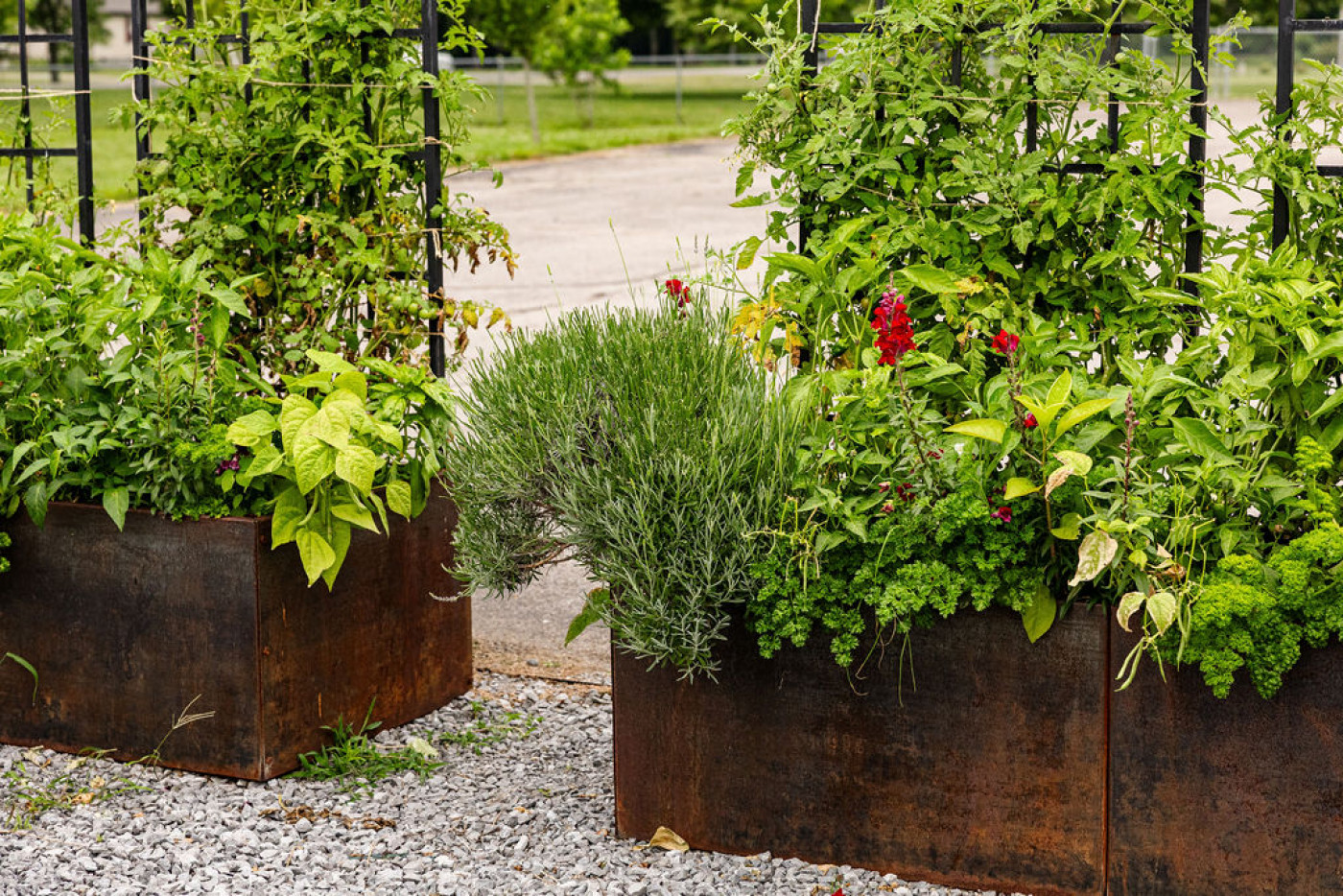
How Long Do Corten Steel Raised Beds Last?
Corten steel raised beds are designed to rust on purpose. That rust is not damage. It's protection.
Once corten steel develops its outer rust layer, that layer seals the metal underneath and prevents further corrosion. Properly made corten steel raised beds can last 30 years or more... and honestly, I think they look pretty cool.
They are incredibly durable and require very little maintenance.
How to Extend the Life of Corten Steel Beds
Corten steel is already low maintenance, but a few habits help ensure maximum longevity:
- Make sure water drains away from the base
- Avoid burying the metal edges deeply in wet soil
- Do not stack mulch or compost against the outside walls
I love corten steel beds because they handle wet conditions far better than wood. Once installed correctly, they mostly take care of themselves.
→Learn more about why we love corten steel raised beds.

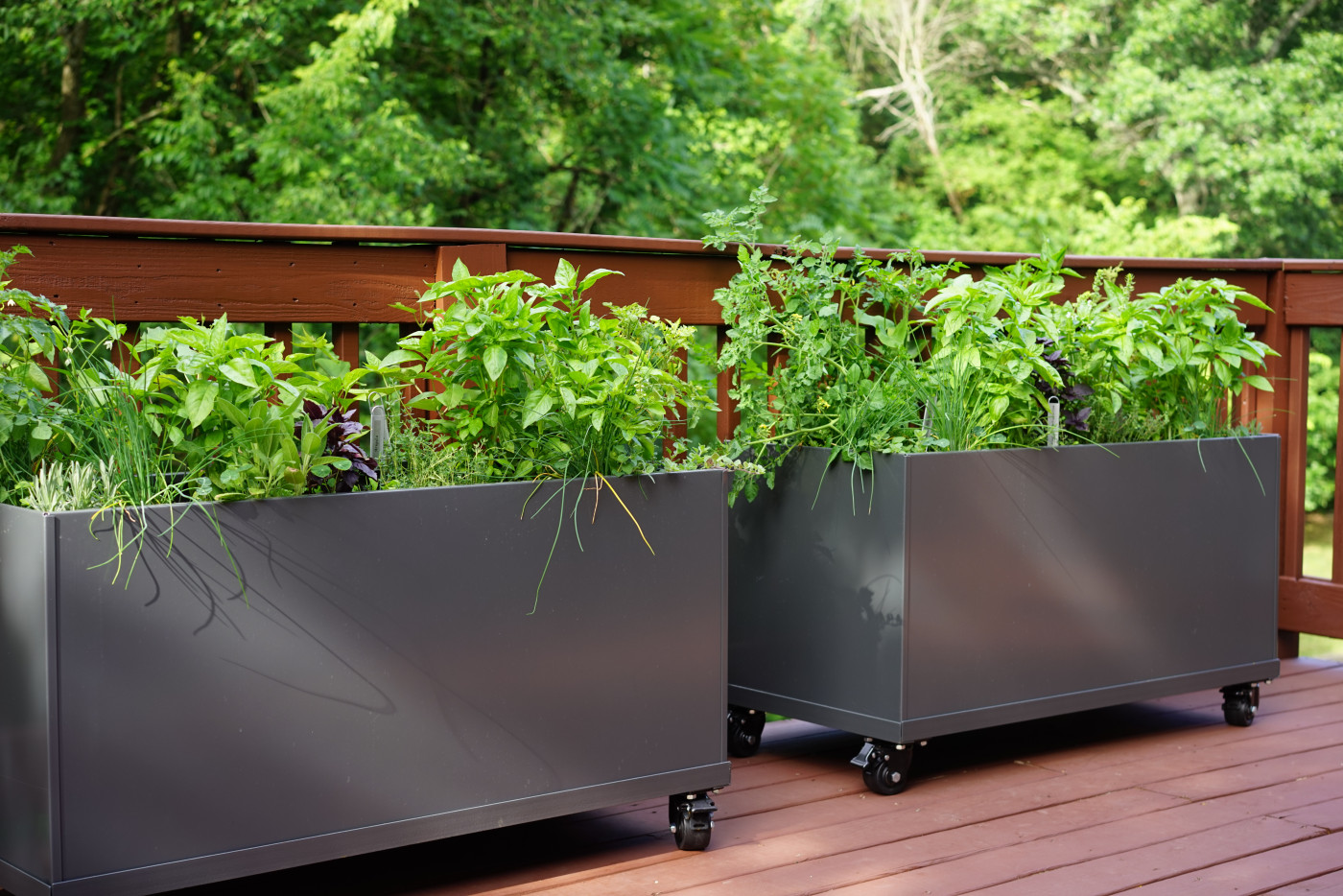
How Long Do Aluminum Raised Beds Last?
Aluminum raised beds are the longevity champions.
Aluminum does not rust, does not rot, and does not break down from moisture. High-quality aluminum raised beds can last 50 years or more.
They are lightweight, durable, and basically maintenance-free.
Caring for Aluminum Raised Beds
There is not much to do here, which is part of the appeal.
To keep aluminum beds in great shape:
- Rinse soil or fertilizer residue off occasionally
- Check fasteners every few seasons
- Make sure the bed stays level as the soil settles
If you want a “set it and forget it” option, aluminum is hard to beat.
I recommend these aluminum raised beds (pictured above) for a modern look and long-term durability.

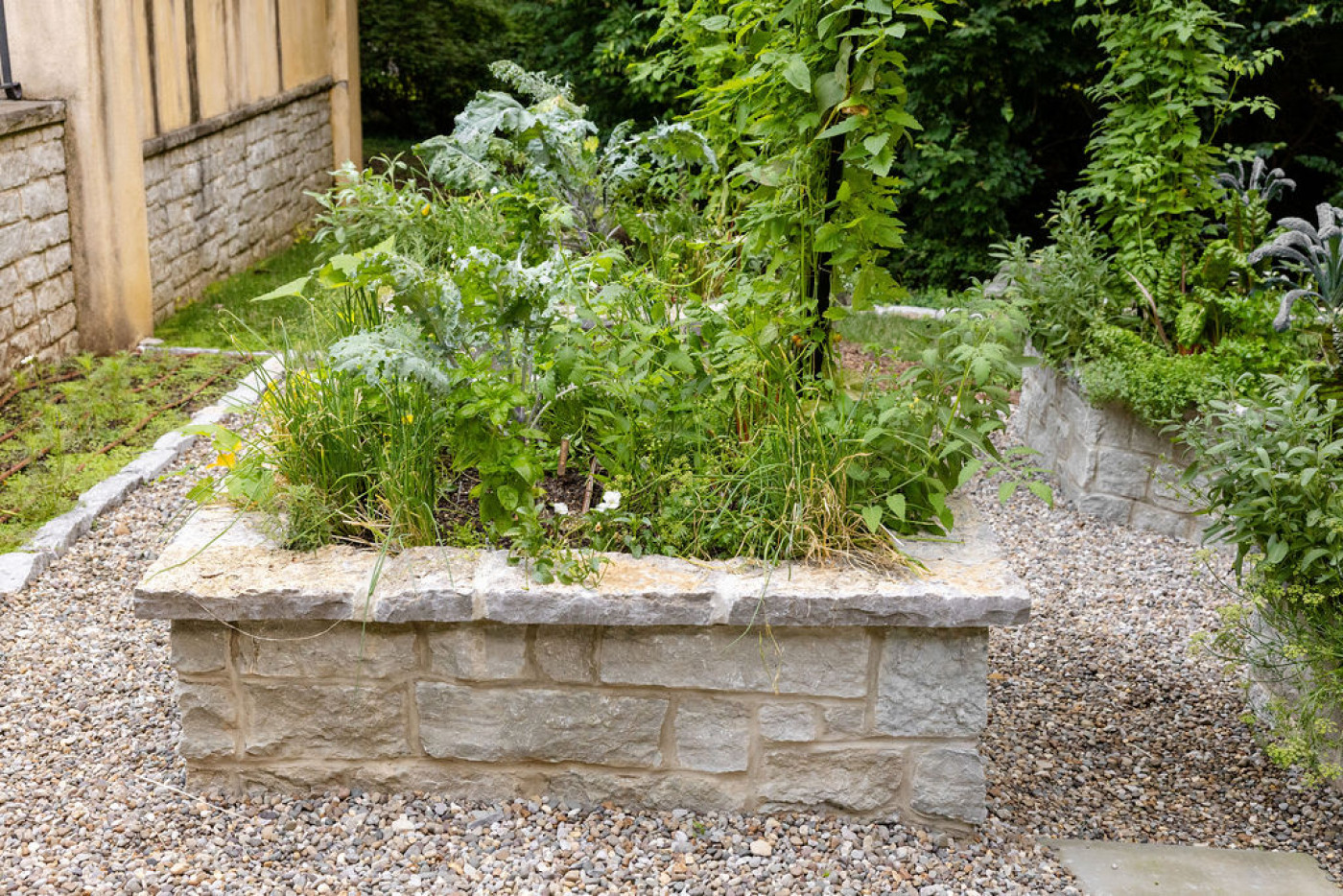
How Long Do Stone Raised Beds Last?
Stone raised beds are in a category all their own when it comes to longevity.
When built correctly, stone beds can last multiple lifetimes. Decades is a conservative estimate. Centuries is not an exaggeration.
There is a reason the Great Pyramids have lasted this long.
Stone does not rot, rust, warp, or break down from sun and water exposure. It is completely unaffected by soil moisture, irrigation, and weather in the way wood and metal are. Once a stone raised bed is built, it becomes a permanent part of the landscape.
What to Know Before Building a Stone Raised Bed
Stone beds do require more effort upfront. They are heavier, more labor-intensive, and often more expensive to install. But that investment is largely paid once, not over and over again through replacement.
A few key considerations:
- Proper base preparation is critical to prevent shifting
- Stones should be stacked or mortared securely and correctly
- Drainage beneath the bed still matters, even with stone
- For many, this process is best left to the professionals, but doing it yourself is possible, too
- It can be expensive up front
They may not be the quickest or cheapest option, but they are long-lasting. When done well, stone raised beds require virtually no maintenance beyond normal gardening care.

Join Thousands of Gardeners On the VIP List
Free perks, just for email subscribers:
- 15% Off Your First Order
- Gardening Videos & Articles
- Early Access to Sales
Sign up, check your inbox, then shop with your code.
Universal Ways to Extend the Life of Any Raised Bed
No matter what material you choose, there are a few practices that make a huge difference.
Improve Drainage Everywhere
Poor drainage shortens the lifespan of every raised bed material.
I always prioritize:
- Loose soil under the bed
- No standing water nearby
- Proper slope away from the structure
Use Compost instead of Wood Mulch
I only use compost as mulch in raised beds.
Compost regulates moisture, protects soil, and improves plant health without holding excessive water against bed walls the way wood mulch can. Healthy soil also means healthier plants, which reduces stress on the entire system.
Avoid Overwatering
Overwatering is not just hard on plants. It's hard on beds.
Consistent, deep watering is better than frequent shallow watering. This protects both your plants and your materials.
Inspect Once Per Season
I make it a habit to walk my garden once each season and check:
- Corner joints
- Boards or panels
- Areas where the soil touches the sides
Look for any signs of damage to see if you can catch problem areas early. Repairing or preventing small issues early prevents big repairs or replacements later.
Don't Learn the Hard Way
Years ago, I built a raised bed in a low spot in my yard because it was convenient. It flooded every time there was heavy rain. I told myself it was fine.
It was not fine.
That bed broke down years before the others. Same wood. Same soil. Same care. The only difference was drainage.
That experience taught me that longevity is not just about material. It is about placement and prevention.
Final Thoughts on Making Raised Beds Last
Raised beds are your long-term garden infrastructure, so take care of them!
When you choose the right material, install it thoughtfully, protect it properly, and maintain it, your raised bed can support years of harvests with minimal effort.
Gardening gets easier when we stop rebuilding the same things over and over and start building systems that last.