
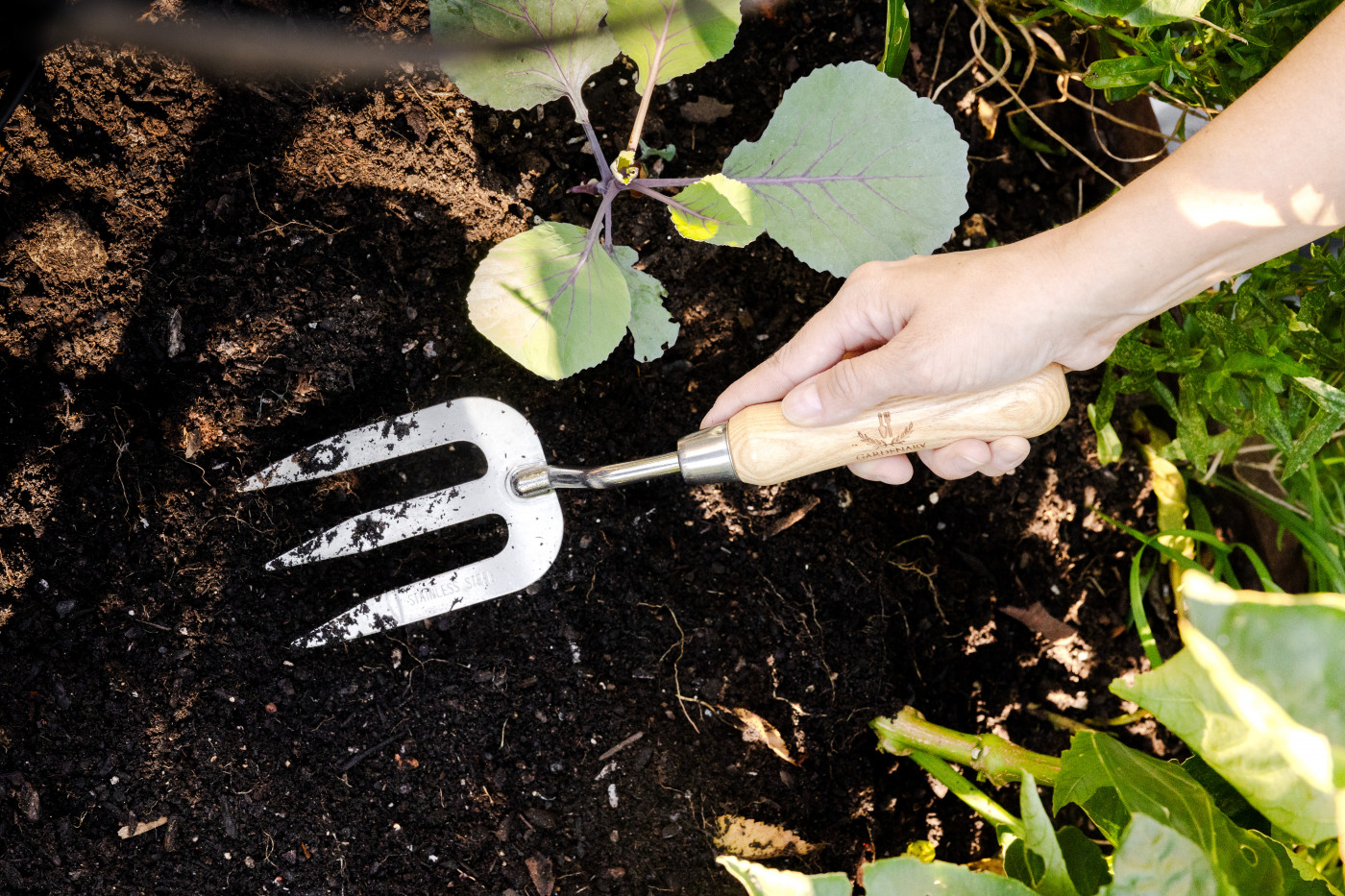
At a Glance
- Tired soil loses nutrients over time—but it’s totally fixable.
- Compost is the single best thing you can add to almost any soil.
- Cover crops, mulch, and organic amendments all help rebuild soil health.
Signs Your Soil Needs Refreshing—And What to Do Next
If you’ve ever looked at a garden bed that just seems… sad, with plants that are weak, soil that’s gone crusty, or veggies that taste like they gave up halfway through growing—I promise you, you’re not alone. Every gardener hits this wall eventually.
Refreshing and replenishing your soil doesn’t have to be complicated or expensive. I’ve been doing this for years, and I want to share everything I’ve learned about bringing tired soil back to life the easy way.
Signs That Your Soil Needs to Be Replenished:
- Plants are stunted or yellowing despite regular watering and sunlight
- Soil feels hard, crusty, or compacted and doesn't absorb water well
- Water pools on the surface or runs off instead of soaking in
- Harvests are smaller or less flavorful than in previous seasons
- Lots of weeds, few worms — a sign the soil biology is out of balance
- Soil looks pale, gray, or lifeless instead of dark and rich

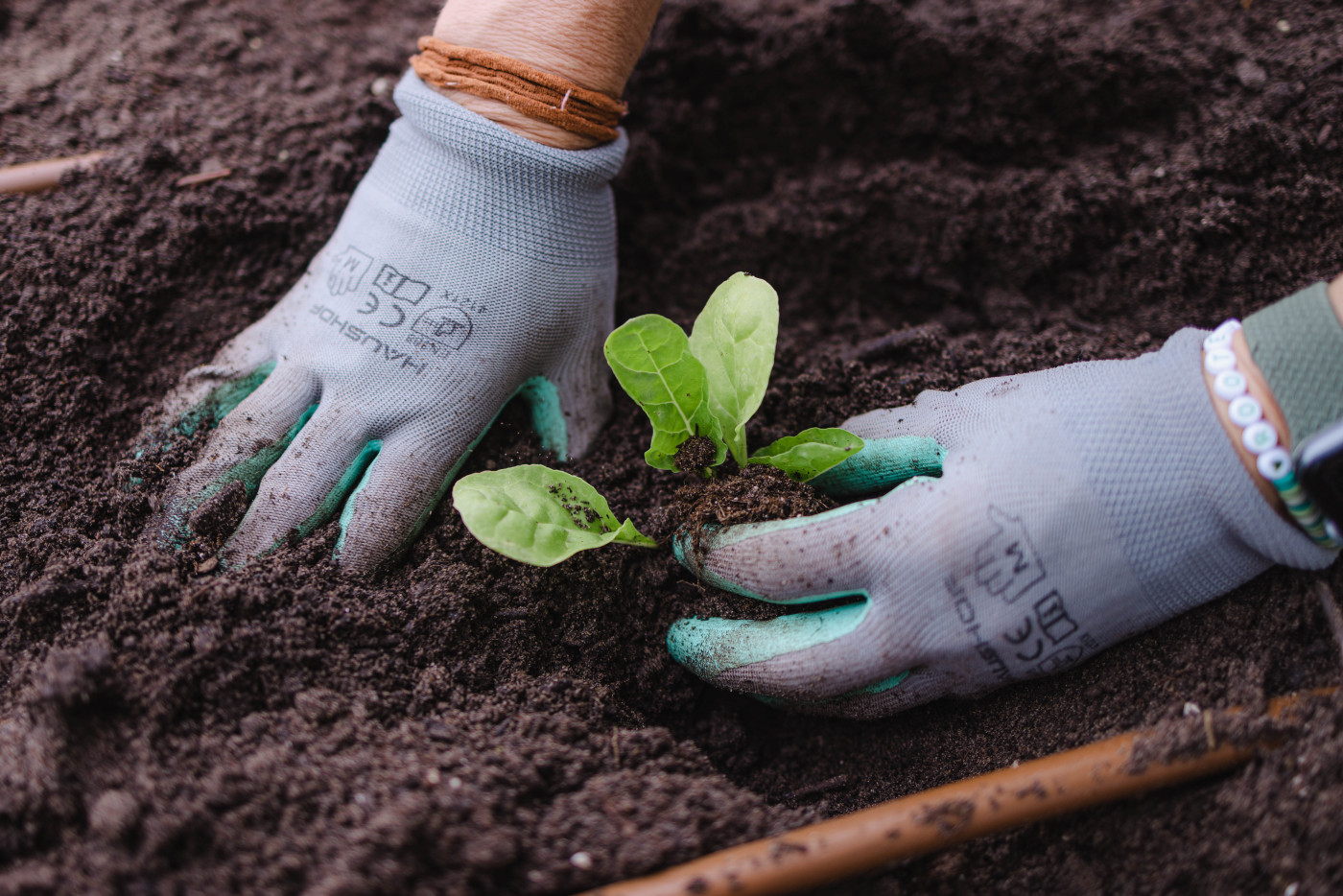
Why Soil Gets Depleted in the First Place
Before we dive into solutions, it helps to understand why soil loses its mojo. Every time a plant grows, it pulls nutrients from the soil. If those nutrients aren’t replaced, the soil gradually becomes less fertile. Watering, rain, and foot traffic can also compact the soil over time, reducing the air pockets that roots and soil organisms need to thrive.
Here’s what typically depletes soil over time:
- Repeated planting without adding organic matter back
- Heavy rains that wash away topsoil and nutrients (called leaching)
- Overuse of synthetic fertilizers, which can acidify the soil and kill beneficial microbes
- Compaction from foot traffic or heavy equipment
- Leaving soil bare and exposed between growing seasons
Knowing the cause makes the solution much clearer. Now let’s talk about how to fix it.

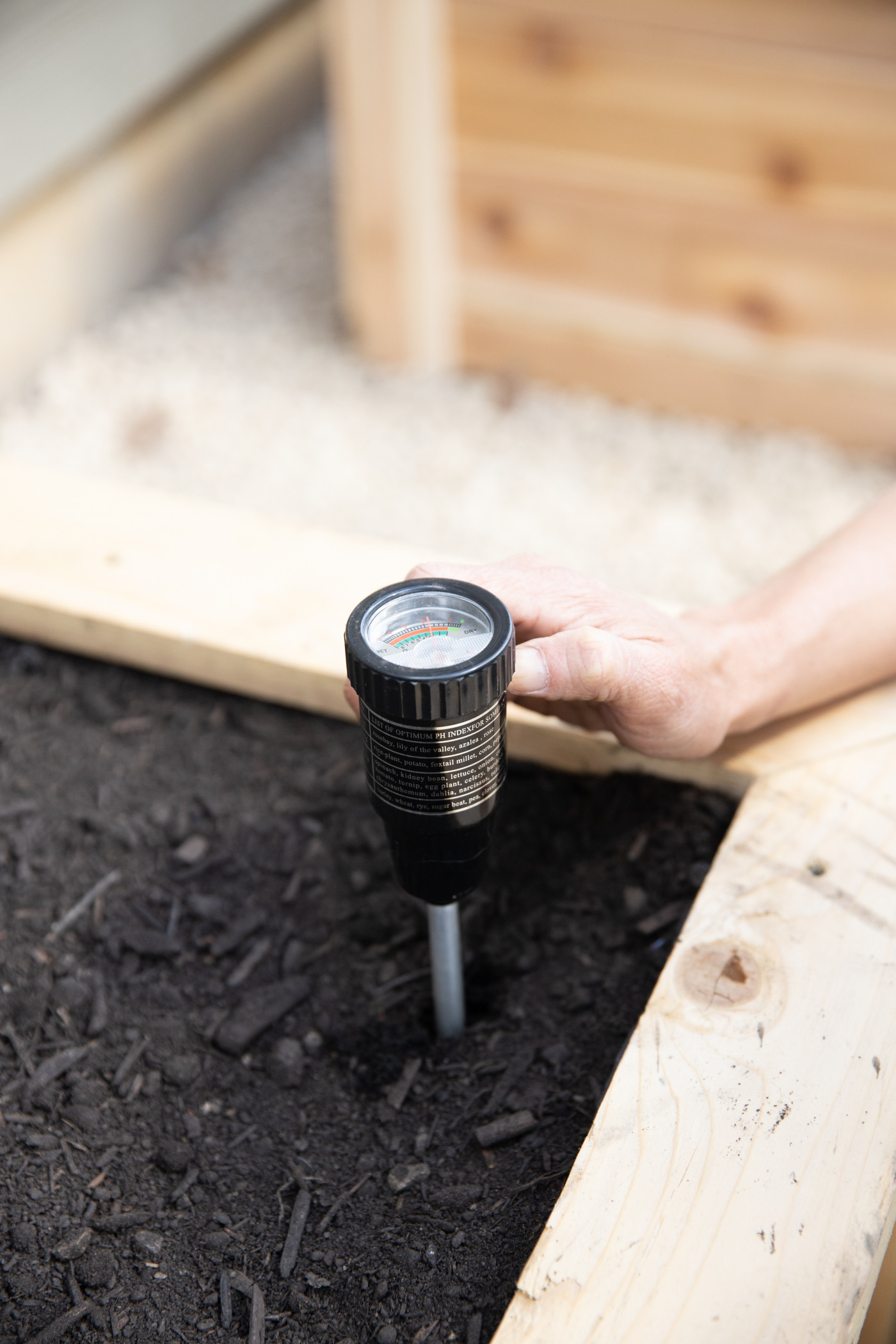
Start with a Soil Test
I can’t stress this enough: before you start throwing amendments at your soil, do a soil test. It takes about ten minutes and saves you from guessing. A basic test will tell you your soil’s pH level and which major nutrients (nitrogen, phosphorus, and potassium) are lacking. You can pick up a kit at any garden center, or send a sample to your local agricultural extension office for a more detailed breakdown.
Most vegetables and flowers do best in soil with a pH between 6.0 and 7.0. If your soil is too acidic, you can raise the pH with lime. If it’s too alkaline, sulfur or acidic organic matter like pine needles can help bring it down. Once you know what you’re working with, you can target your efforts and get faster results.
The Best Ways to Refresh and Replenish Soil
There’s no single magic fix, but there are several methods I use together for the best results. Think of it as giving your soil a full spa treatment.
1. Add Compost—Lots of It
If I had to pick just one thing to put in every garden bed, it would be compost. Finished compost is absolutely loaded with nutrients, beneficial microbes, and organic matter that improve the structure of almost any soil type—whether it’s heavy clay or sandy and loose. I like to work a 2–3 inch layer of compost into the top 6–8 inches of soil at the start of each growing season. You can make your own from kitchen scraps and yard waste, or buy it in bulk from a local nursery.
Even if you only do one thing from this list, adding compost will make a noticeable difference. Your plants will thank you.
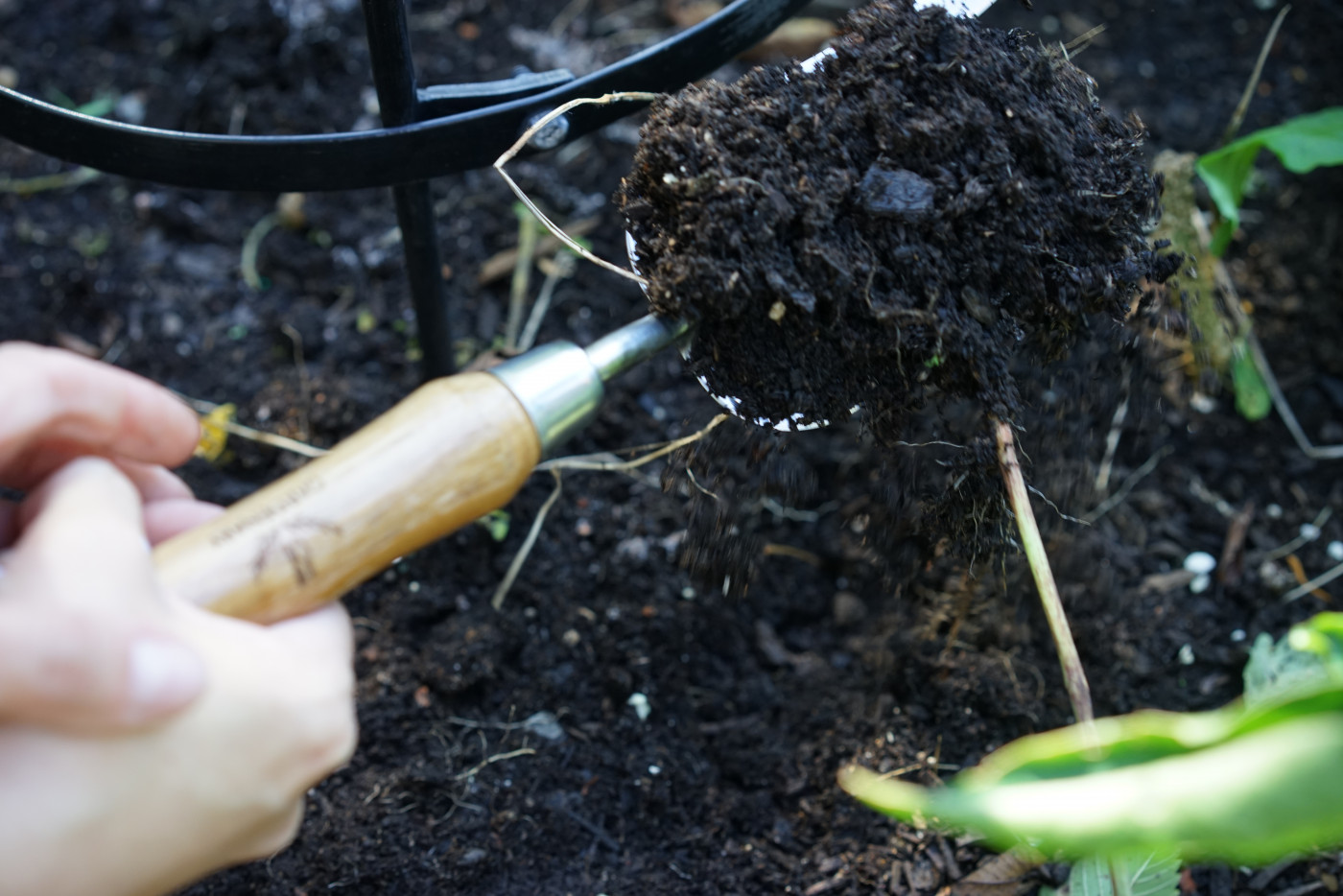
Some gardeners choose to just pour it on top as a new layer, while others choose to use a trowel or rake to mix it deeper into the top layer a bit. Just don't do too much deep tilling... I'll get more into that later.
2. Plant Cover Crops
Cover crops—sometimes called “green manure”—are plants you grow specifically to improve your soil between main growing seasons. Legumes like clover, vetch, and field peas are especially fantastic because they fix nitrogen from the air directly into the soil. Other good choices include buckwheat (great for loosening compacted soil) and winter rye (excellent for preventing erosion and suppressing weeds).
When you’re ready to plant again, simply cut the cover crop down and either compost it or turn it into the top layer of soil. It breaks down quickly and gives your beds a lovely nitrogen boost heading into the new season.
3. Top-Dress with Organic Amendments
Depending on what your soil test reveals, you might also want to add specific organic amendments. Here are some of my favorites and what they’re best for:
- Aged manure (chicken, cow, or horse): Rich in nitrogen; great for heavy feeders like tomatoes and corn. Always use aged or composted manure, never fresh.
- Worm castings: A gentle, all-purpose soil booster that improves both nutrients and texture. I add a handful to every transplant hole.
- Kelp meal or fish emulsion: Excellent trace mineral sources and natural growth stimulants.
- Biochar: A form of charcoal that improves water retention and creates a long-lasting habitat for beneficial microbes.
4. Stop Over-Tilling
This one might surprise you, but one of the best things you can do for your soil is actually to leave it alone more often. Constant tilling destroys the complex network of fungal threads (called mycorrhizae) that help plants absorb nutrients, and it brings weed seeds up to the surface where they can germinate.
Instead of deep digging every season, I’ve switched to a “no-dig” or “no-till” approach where I simply layer compost and organic matter on top and let the worms and microbes do the work of incorporating it. The soil stays fluffy, drainage improves, and I spend way less time hunched over with a shovel. Win-win.

Refreshing Soil in Raised Beds and Containers
If you’re gardening in raised beds or containers, a soil refresh is especially important because the soil is more contained and gets depleted faster than in-ground beds. Each year, I top off my raised beds with a couple of inches of fresh compost and mix in a slow-release organic fertilizer. For containers, I typically replace about one-third of the potting mix each season and add fresh worm castings.
One thing I’ve learned the hard way: don’t just keep adding to containers indefinitely without removing old soil. It can compact and become hydrophobic (that’s when water just runs right off the surface instead of soaking in). Refreshing the mix keeps things light and airy.
How Long Does It Take to See Results?
Honestly, it depends on how depleted your soil was to start. In my experience, you’ll notice some improvement within one growing season if you add compost and mulch. But real, deep soil health—where the biology is thriving and the structure is genuinely spongy and rich—takes a few years of consistent care.
Don’t let that discourage you, though. Even in the first season, plants grown in amended soil tend to be more vigorous, more disease-resistant, and more productive. Each year you invest in your soil, the returns get better.
Final Thoughts
Learning how to refresh and replenish soil is genuinely one of the most impactful skills you can develop as a gardener. Healthy soil is the foundation for everything else—water retention, nutrient availability, pest and disease resistance, and the vitality of every plant you grow.
Start small if you need to. Test your soil, add some compost, throw down a layer of mulch, and resist the urge to till everything up in the spring. You’ll be amazed at what a difference it makes. Your garden is trying to thrive—sometimes it just needs a little help from you to get there.