How to Grow Tomato Plants from Seeds Indoors The Right Way
Learning how to grow tomato plants from seeds is one of the best things you can do to set your garden season up for success -- but most gardeners make the same mistakes right at the start.
The first year I tried growing tomatoes from seed, I did what most gardeners do. I grabbed a packet from the store, sprinkled seeds into a tray, set them on a sunny windowsill, and waited. They sprouted. I celebrated.
Then they stretched. And stretched. And fell over. By the time I transplanted them outside, they were pale and struggling. Unfortunately, after a few days outside, they didn't make it.
I learned the importance of helping tomatoes grow strong before putting them in the ground. When you start tomatoes the right way indoors, you help them build thick stems, deep roots, and natural resilience.
Let’s walk through how to grow tomato plants from seeds like a pro.

At a Glance
- Growing tomato plants from seeds indoors starts with one simple formula -- count back 6 to 8 weeks from your last frost date, and that is your planting window.
- This guide covers everything you need to grow tomato plants from seeds, from choosing quality varieties to building thick stems under grow lights.
- Follow these steps and your seedlings will be stronger, more resilient, and ready to produce a bigger harvest than anything you could buy from a nursery.
Why Grow Tomato Plants from Seeds Indoors?
Tomatoes are warm-season plants. They thrive in heat, sunlight, and rich, living soil. But in most climates, the outdoor growing season isn’t long enough for tomatoes to mature from seed if you wait to sow them outside.
Benefits of starting tomatoes indoors:
- Earlier harvests
- Larger plants by transplant time
- More control over growing conditions
- Stronger root systems before facing outdoor stress
Done properly, indoor tomato seed starting sets the tone for your entire season.
Timing Matters: Use Your Frost Date
Tomatoes cannot tolerate frost. Even a light frost can damage or kill young plants. That means your entire timing strategy should revolve around your average last spring frost date.
If you don’t know yours, use our frost date calculator. It removes the guesswork and gives you a reliable starting point based on your zip code.
Simple Formula
Last Frost Date minus 6 to 8 Weeks = Start Tomato Seeds Indoors
That’s it.
For example, if your last frost date is April 15, count back 6 to 8 weeks. That means you would start your tomato seeds indoors between February 18 and March 4. Then plan to transplant outside after April 15, once nighttime temperatures stay consistently above 50°F (10°C). Waiting for warm nights is just as important as avoiding frost. Tomatoes stall in cold soil, and patience at this stage protects your plants and sets them up for stronger growth.
Find Your Frost Dates
*Based on historical climate data from NOAA, only zip codes from United States are supported.

Supplies You Need for Indoor Tomato Seed Starting
You do not need fancy equipment. You do need consistency and good light.
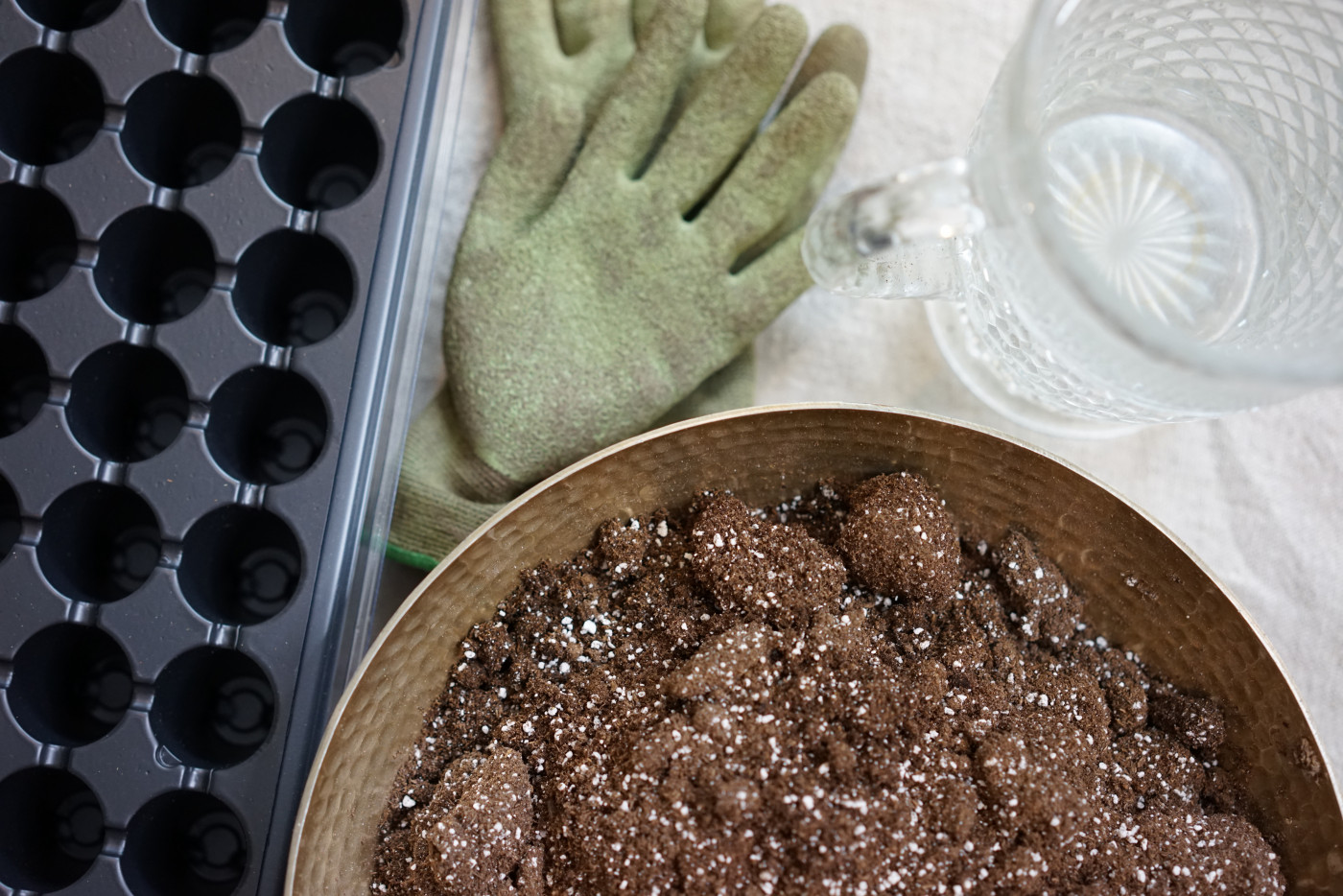
Indoor Seed Starting Supplies:
- Quality tomato seeds
- Seed trays or small containers with drainage
- Compost-rich seed starting mix
- Grow lights
- Heat mat, optional but helpful
- Spray bottle or a gentle watering can
- Small fan for airflow
The most important items are quality seeds, strong light, and good soil. Avoid synthetic fertilizers at this stage. Young plants do not need heavy feeding. They need stable moisture, warmth, and good light. Simple.

How to Choose Quality Tomato Seeds
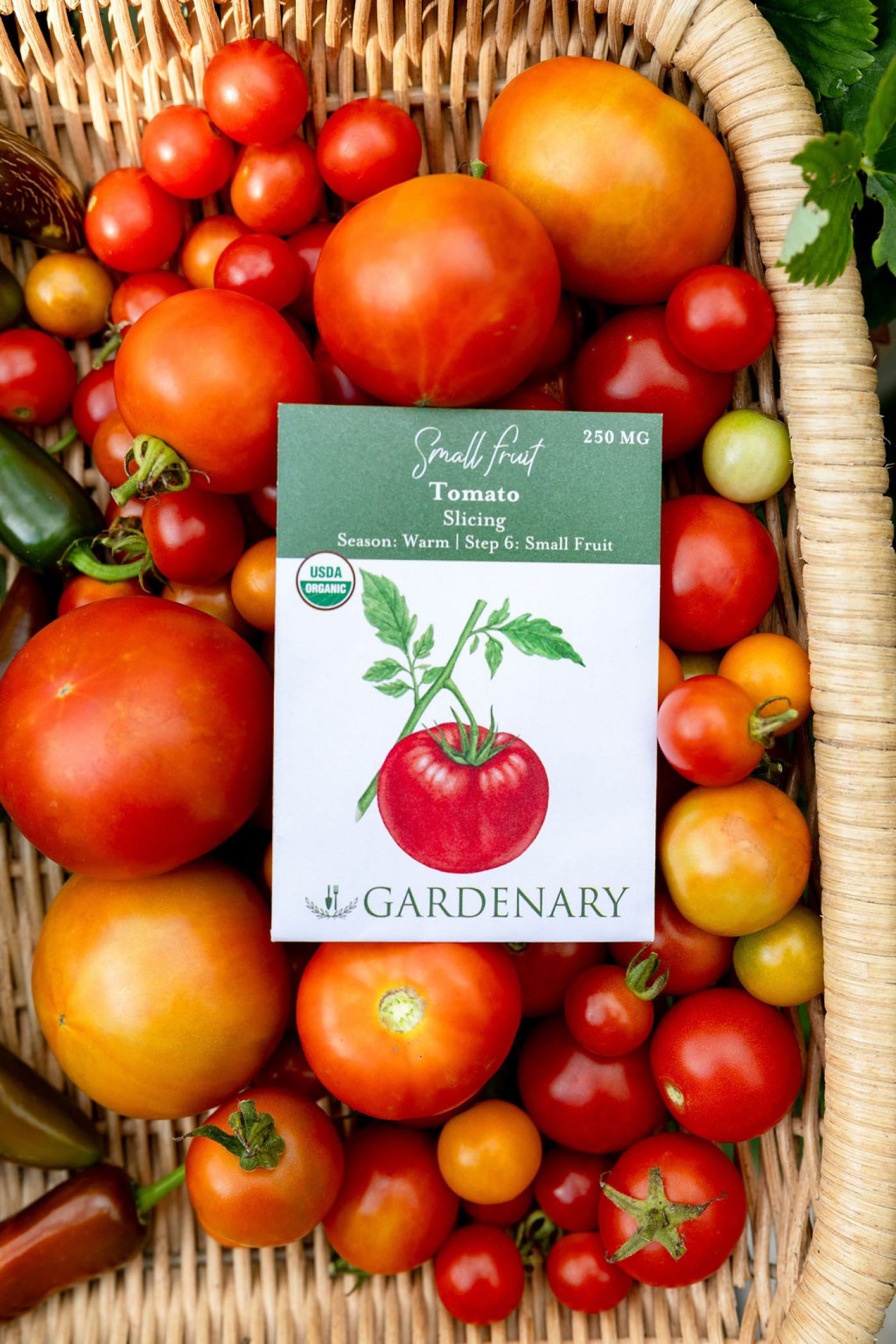
If you want to grow tomatoes like a pro, start with genetics. Strong seedlings come from strong seed. When selecting tomato varieties, look for seeds that are non-GMO, open-pollinated or heirloom, and known for reliable germination. A good seed source should clearly describe flavor, growth habit, and ideal garden use so you can match the variety to your space and goals.
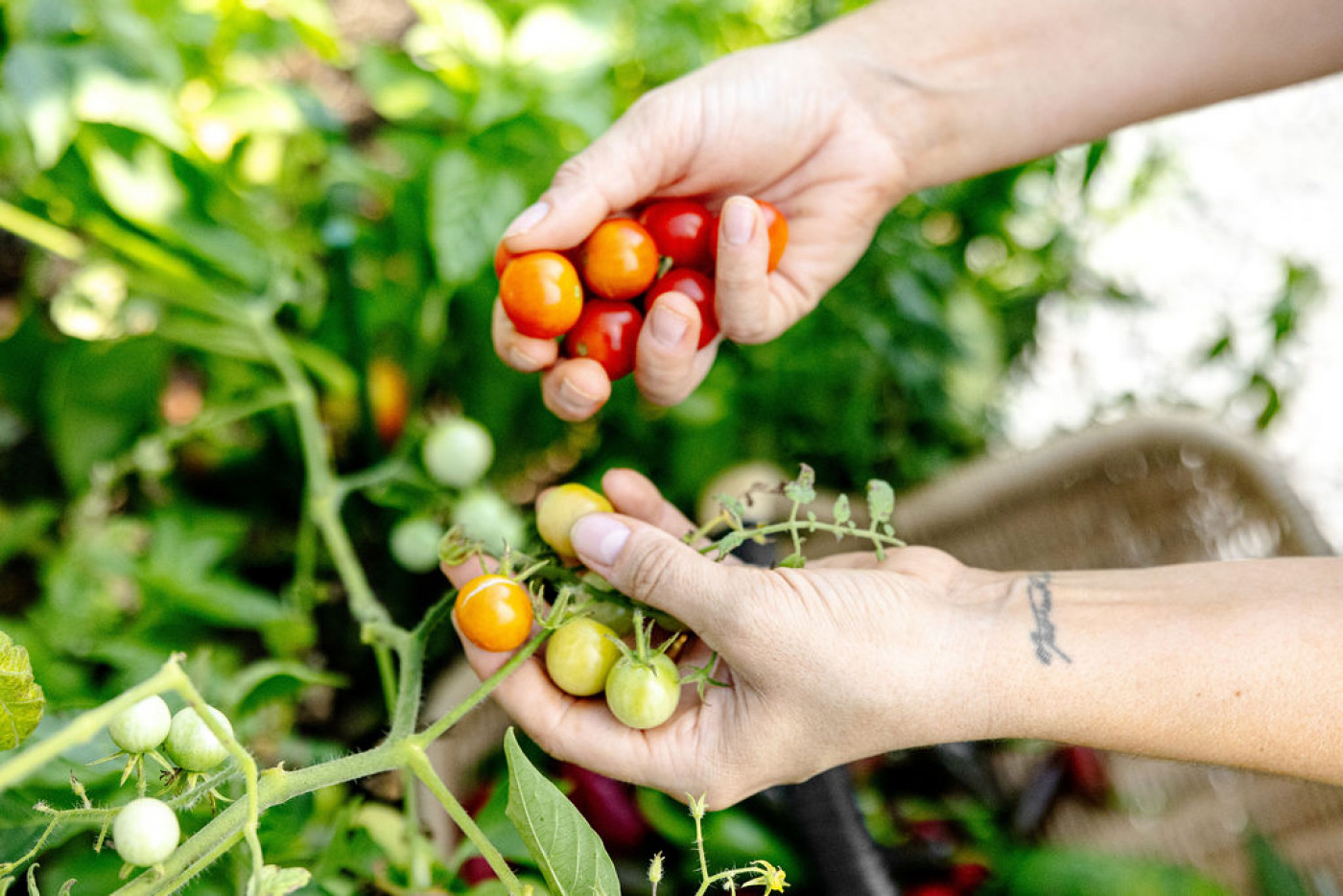
We’ve curated our seed collection with those standards in mind, focusing on varieties that perform well in raised beds and home gardens. The lineup includes both large slicing tomatoes and smaller cherry types, offering diversity in color, flavor, and harvest timing. Choosing a mix of sizes allows you to enjoy steady harvests throughout the warm season instead of one big flush all at once.


Step by Step: How to Grow Tomato Plants from Seeds
Let’s keep this simple and effective.
Step 1: Prepare Your Containers
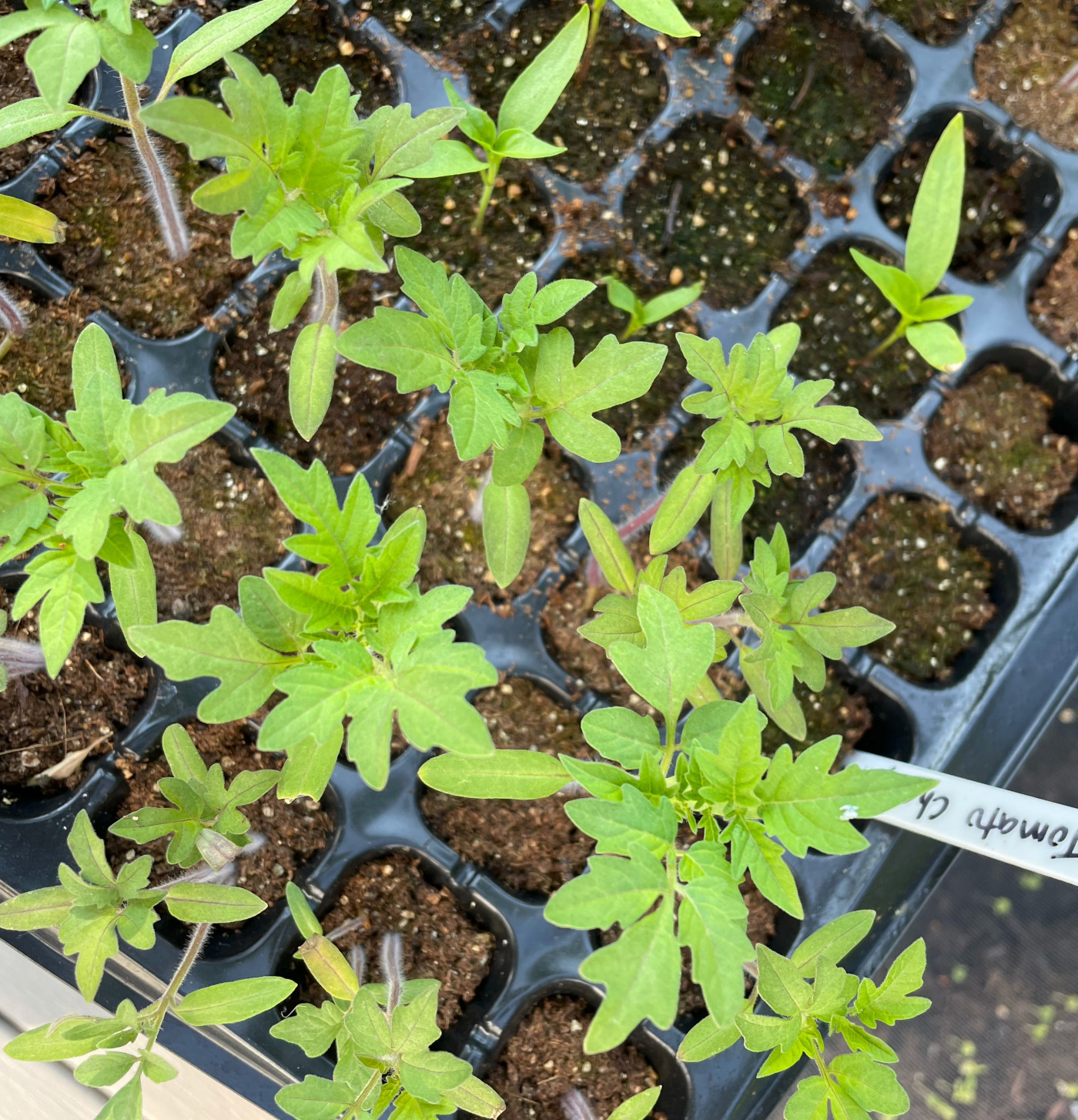
Fill seed trays or small pots with compost-rich seed starting mix. Lightly press the soil down so it’s firm but not compacted.
Water the soil before planting so it’s evenly moist.
Step 2: Plant the Seeds
Plant tomato seeds 1/4 inch (0.6 cm) deep.
Cover lightly with soil and gently press down to ensure good seed-to-soil contact.
Label everything. You will not remember which variety is which.
Step 3: Provide Warmth for Germination
Tomatoes germinate best between 70°F (21°C) and 80°F (27°C).
A heat mat speeds up germination, but a warm room works too.
Seeds typically sprout in 5 to 10 days.
Step 4: Give Strong Light Immediately
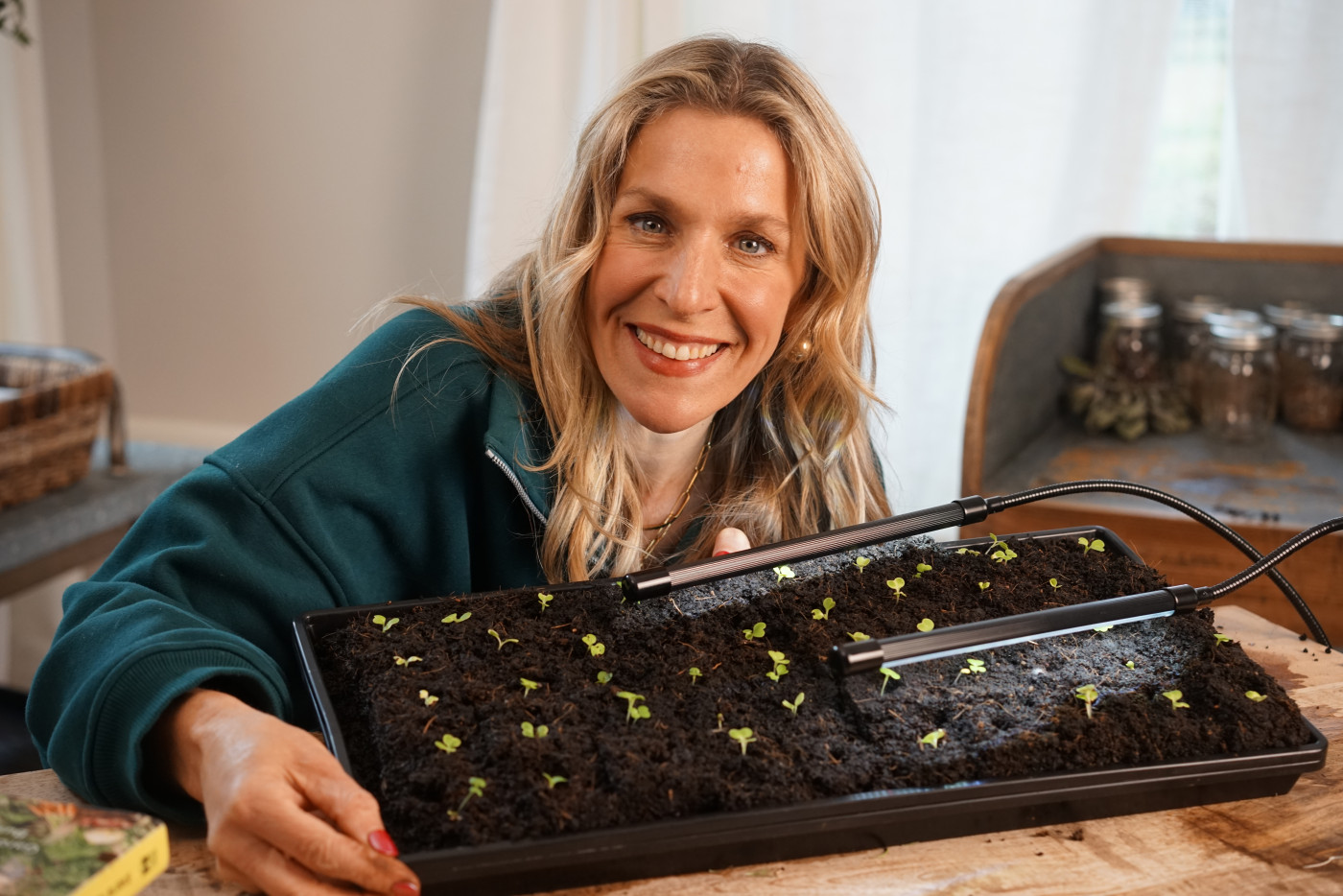
As soon as seedlings emerge, place them under grow lights.
Lights should sit 2 to 3 inches (5 to 7 cm) above the tops of the plants.
Keep lights on for 12 to 14 hours per day.
A windowsill is almost never enough light. This is where most seedlings become leggy.
Step 5: Water Properly
Keep soil consistently moist but never soggy.
Water from the bottom when possible to encourage deep roots.
Overwatering leads to weak stems and fungal issues.
Step 6: Add Airflow
Use a small fan on low to create gentle airflow.
This mimics outdoor conditions and strengthens stems.
Step 7: Pot Up if Needed
If seedlings outgrow their containers before transplant time, move them into larger pots.
When potting up, bury part of the stem. Tomatoes can form roots along buried stems, creating stronger root systems.

Hardening Off Before Transplanting
One to two weeks before planting outside, begin hardening off your young tomato plants.
This means gradually introducing seedlings to outdoor conditions.
Hardening Off Process:
- Start with 1 hour of outdoor exposure in shade
- Increase time daily
- Gradually introduce the sun
- After 1 to 2 weeks of exposure, transplant
This step prevents transplant shock and strengthens plant immunity.
Gardenary's Planting Method
Unlock my secret to getting 3X the harvest from your raised beds, making the most of every gardening season, and turning your fresh produce into delicious meals!
Transplanting into the Garden
Tomato Transplanting Tips:
- Frost danger has passed
- Night temperatures stay above 50°F (10°C)
- Soil temperatures are at least 60°F (16°C)
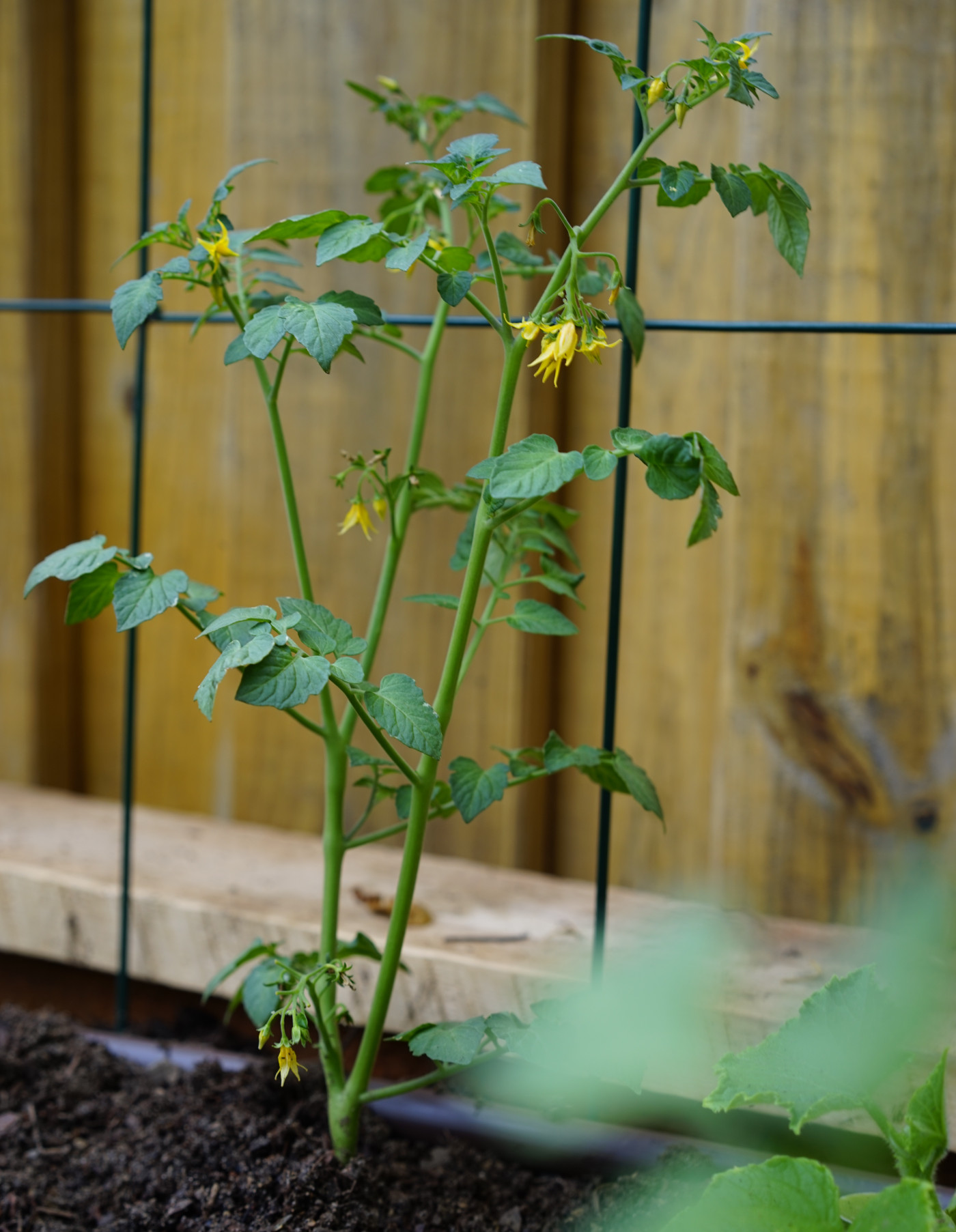
- Dig a deep hole
- Remove the lower leaves
- Bury 2/3 of the stem
- Backfill with compost-rich soil
Tomatoes thrive in beds amended with 2 to 3 inches (5 to 7 cm) of compost worked into the top layer. Avoid synthetic fertilizers. Compost, worm castings, fish bone meal, and kelp meal provide natural, steady nutrition.

Common Indoor Tomato Seed Starting Mistakes
Even experienced gardeners slip up every now and then. Staying educated about common mistakes can help you avoid them.
Seed Starting Mistakes:
- Starting too early
- Not enough light
- Overwatering
- Skipping hardening off
- Transplanting into cold soil
Each of these weakens plants before the season even begins.
Growing like a pro is really about timing, patience, and consistency.

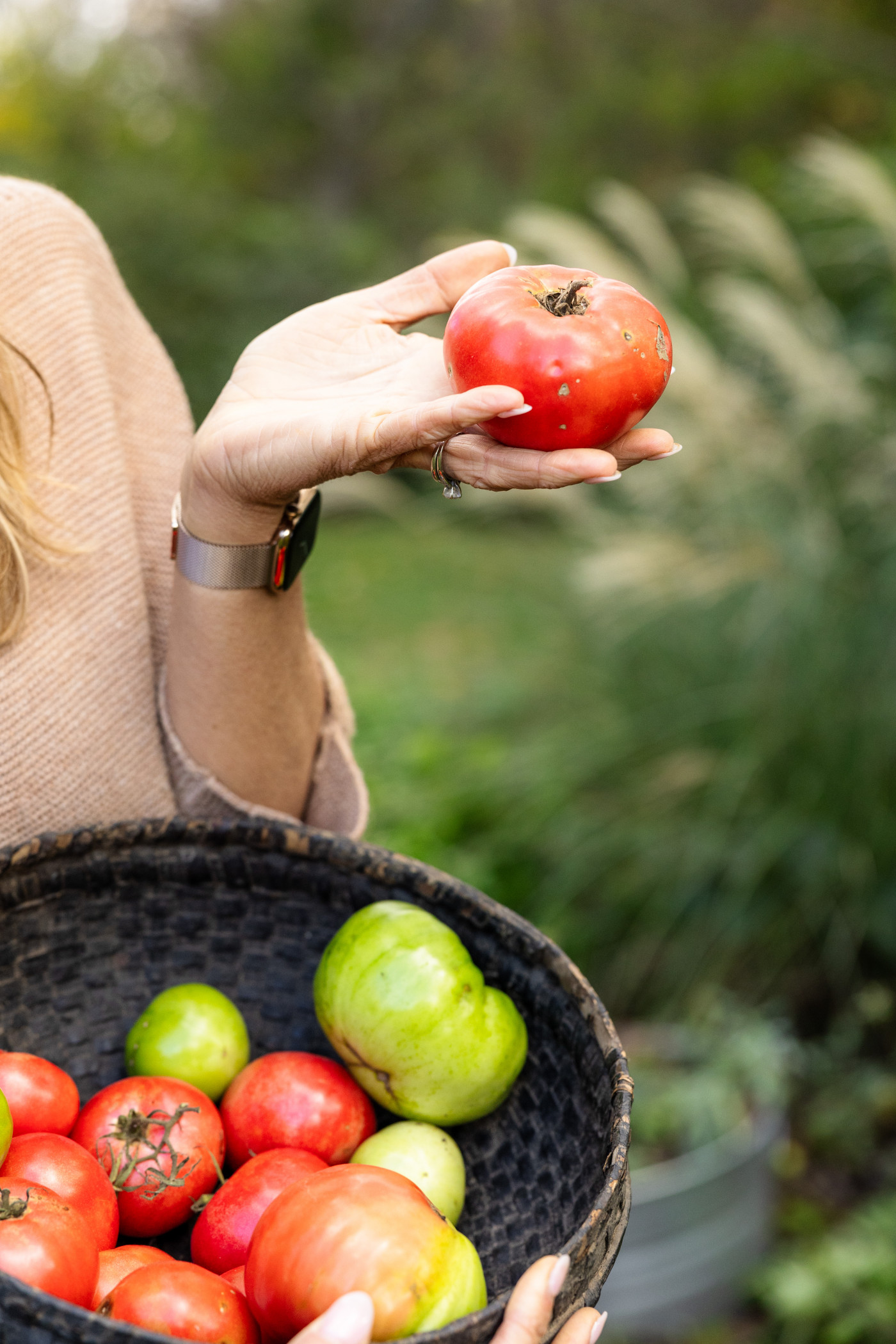
Why Growing Tomato Plants from Seeds Sets Up a Bigger Harvest
When you truly dial in indoor tomato seed starting, the rest of the season feels different. Your plants establish faster, flower earlier, handle heat and pressure with more resilience, and keep producing long after weaker plants would have slowed down. Instead of spending June trying to “fix” leggy growth or stalled plants, you’re tying up vigorous vines and watching clusters of fruit ripen in the sun.
Those first few weeks indoors may seem small, but they shape everything that follows. This is where stems thicken, roots deepen, and confidence grows right alongside your seedlings. Follow the frost date formula. Give them strong light. Choose quality seed. Build healthy soil from the very beginning. Follow these tips, and you'll be eating delicious tomatoes, salsas, and sauces all season long.
Tomato FAQs
Frequently Asked Questions: How to Grow Tomato Plants from Seeds
How long does it take to grow tomato plants from seeds?
Growing tomato plants from seeds indoors typically takes 6 to 8 weeks before they are ready to transplant outside. From transplant to first harvest, expect another 60 to 80 days depending on the variety you are growing.
How deep should you plant tomato seeds?
When growing tomato plants from seeds, plant each seed 1/4 inch deep in moist, compost-rich seed starting mix. Press the soil down gently to make sure the seed has good contact with the soil.
Do you need grow lights to grow tomato plants from seeds?
Yes, grow lights are strongly recommended. A sunny windowsill is almost never enough. When growing tomato plants from seeds indoors, lights should sit 2 to 3 inches above the seedlings and run for 12 to 14 hours per day to prevent leggy, weak growth.
What is the best soil for growing tomato plants from seeds?
Use a compost-rich seed starting mix when growing tomato plants from seeds. Avoid heavy garden soil or synthetic fertilizers at this stage. Young seedlings need stable moisture and good drainage more than they need heavy feeding.
When should you start growing tomato plants from seeds indoors?
Count back 6 to 8 weeks from your average last frost date. That window is your ideal time to start growing tomato plants from seeds indoors so they are strong and ready to transplant once outdoor temperatures are consistently warm.
Can you grow tomato plants from seeds without a heat mat?
Yes, though a heat mat speeds things up. Tomato seeds germinate best between 70 and 80 degrees Fahrenheit. If your home stays consistently warm, a heat mat is helpful but not essential when growing tomato plants from seeds.
Pro Tips for Growing Tomato Plants from Seeds
Start with the right timing. Count back 6 to 8 weeks from your last frost date, and that is your seed starting window. Starting too early is one of the most common mistakes gardeners make when growing tomato plants from seeds.
Use a heat mat for faster germination. Tomato seeds germinate best at soil temperatures between 70 and 80 degrees Fahrenheit. A heat mat speeds up the process, but a consistently warm room works too.
Move seedlings off the heat mat the moment they sprout. As soon as you see green, get them under strong light immediately. Every hour under low light at this stage leads to weak, leggy growth.
Pinch off any flower buds that form indoors. If your seedlings start forming flowers before they are in the ground, pinch them off. Your plant needs all its energy focused on root and stem development first.
Editor's Picks
Sources
Tips for Growing Better Tomatoes From Seed - A Way to Garden