Join Thousands of Gardeners On the VIP List
Free perks, just for email subscribers:
- 15% Off Your First Order
- Gardening Videos & Articles
- Early Access to Sales
Sign up, check your inbox, then shop with your code.

At a Glance
- A DIY raised bed can cost less upfront, but tools, time, mistakes, and durability all affect the true price
- Raised bed kits often cost more initially, but offer convenience, structural reliability, and long-term value
- The cheapest option depends on how you define cost: money today, or performance over time
Build or Buy? Raised Bed Costs Explained
If you're planning a kitchen garden, one of the first big decisions you’ll face is whether to build your own raised bed from scratch or purchase an easy-to-assemble kit. At first glance, building it yourself seems like the more affordable option. A few boards, some screws, and an afternoon of work. Done, right?
Well, not exactly. That depends on your level of experience and planning skills.
The real answer to whether it’s cheaper to build or buy a raised bed depends on what you count as “cost.”
Are we only talking about the price of lumber? Or are we including tools, time, effort, durability, soil safety, and long-term replacement?
Before deciding, you will want to consider all of the variables.
Let’s walk through the trade-offs so you can make a decision that supports not just your budget but also your gardening goals.

What It Costs to Build a Raised Bed
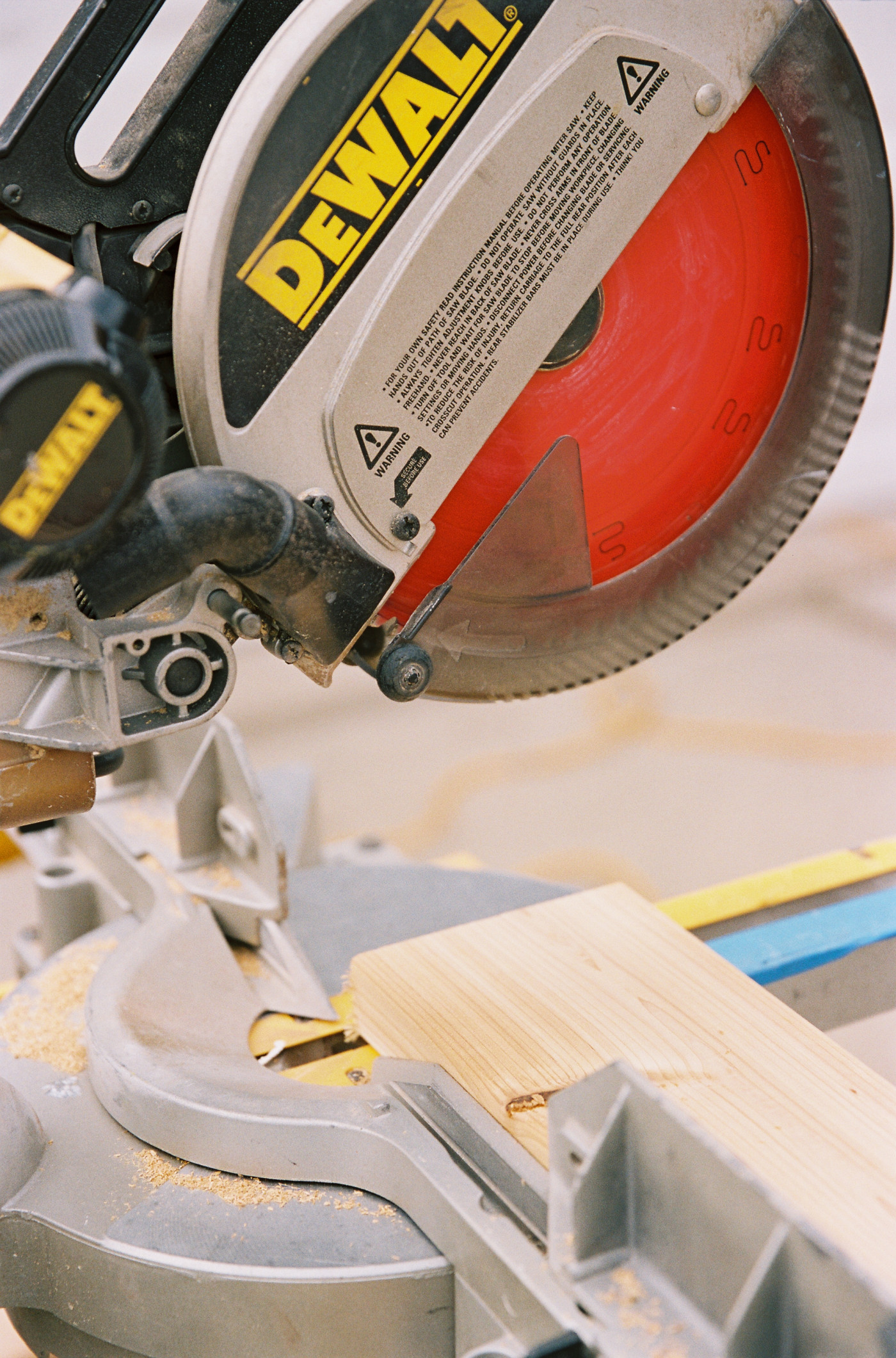
The most common DIY raised bed is a 4 foot by 8 foot rectangle made from wood, typically cedar or pine. Here’s what goes into that build.
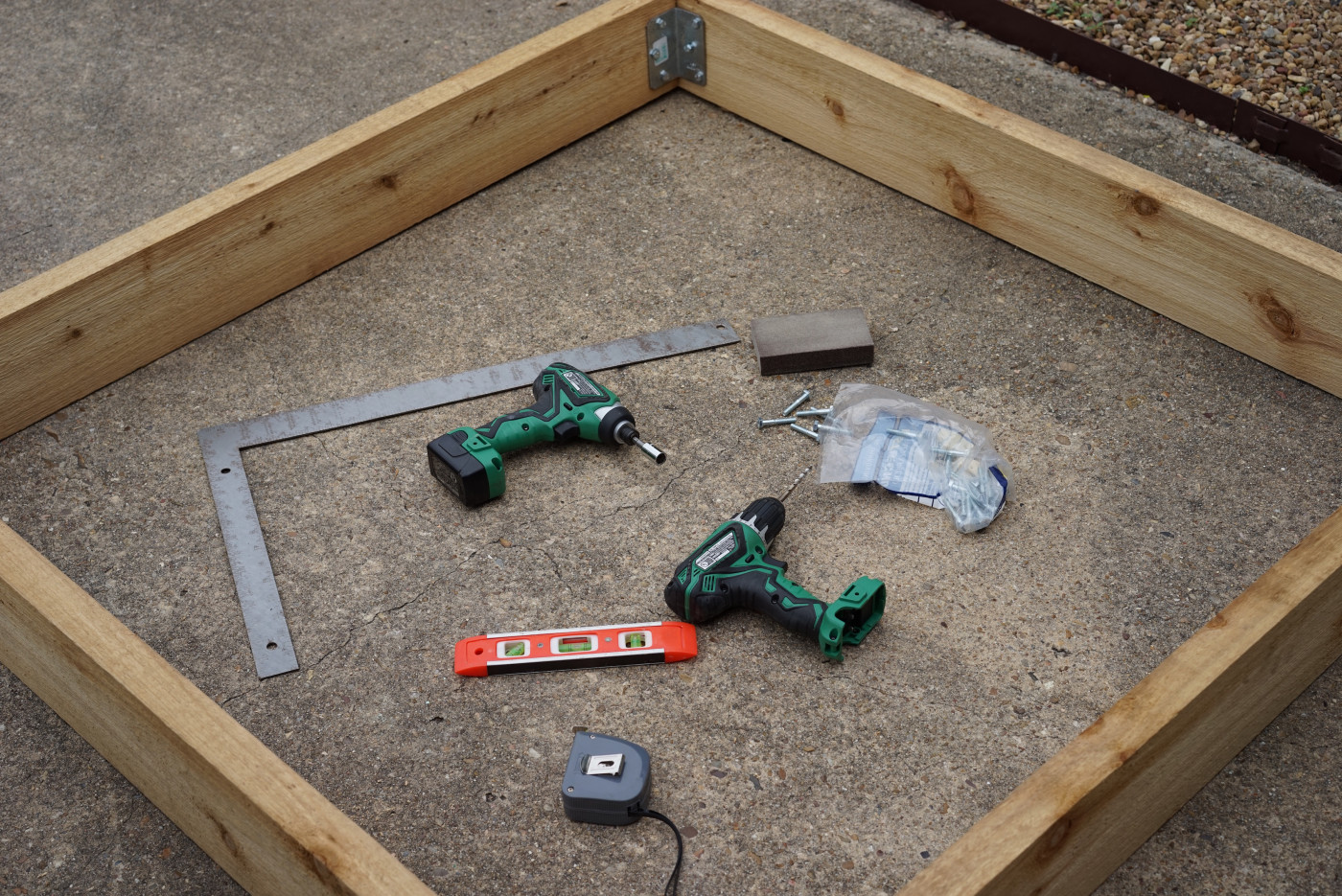
DIY Raised Bed Materials to Purchase:
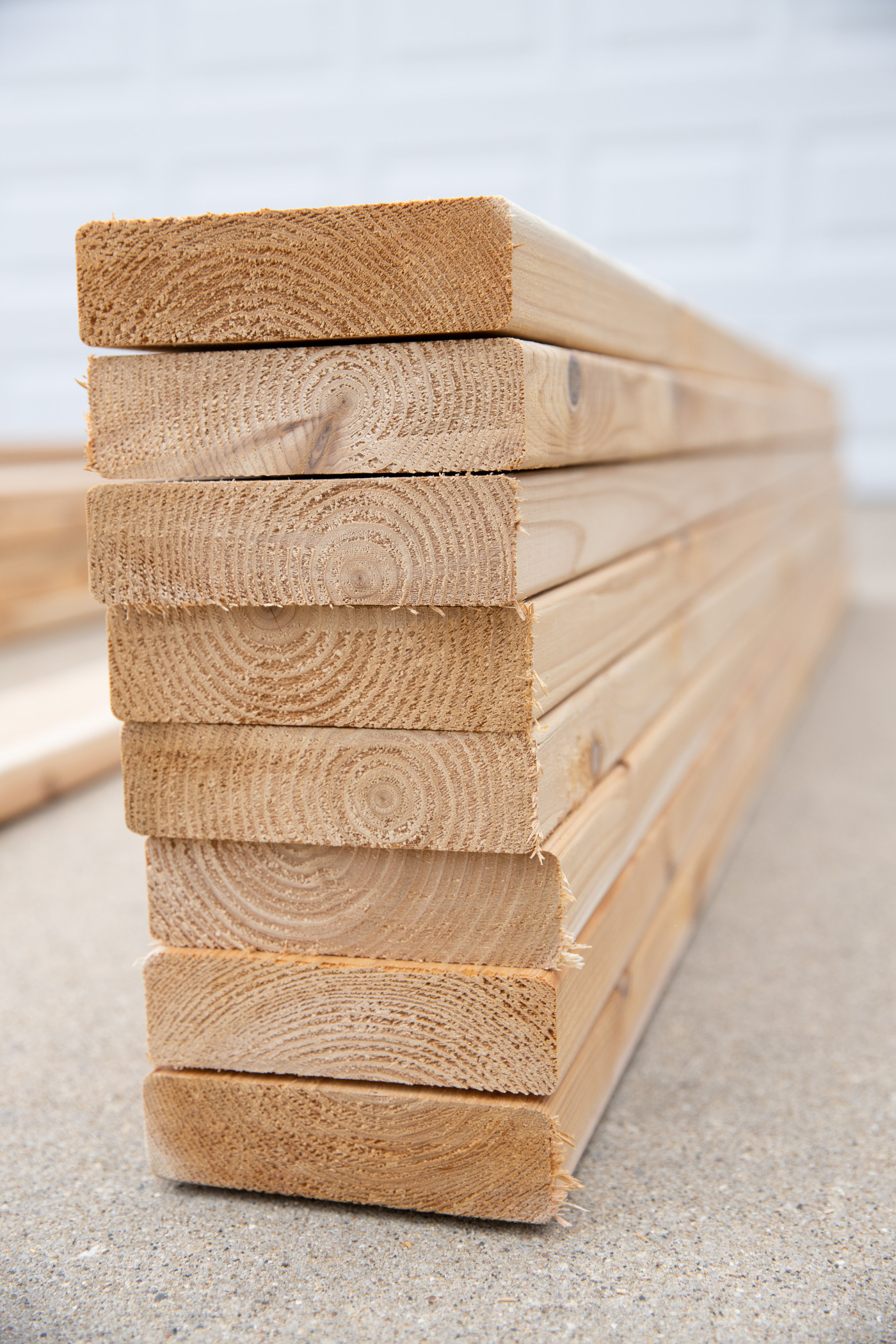
- Untreated lumber
- Exterior-grade screws or lag bolts
- Corner posts or brackets
- Tools such as a saw and drill
- Sanding or finishing supplies
Material Costs
Prices vary widely depending on region and lumber market fluctuations. Cedar, which is naturally rot-resistant and preferred for food gardens, can range from $6 to $15 per linear foot for 2x6 boards. A standard 4 foot by 8 foot bed that is 11 to 12 inches tall typically requires multiple boards per side.
In many areas, material costs alone can range between $100 and $300 per bed.
If you choose untreated pine to save money, you may reduce upfront cost, but pine tends to break down faster in contact with moist soil. That can lead to replacement costs within a few seasons, which may not be worth the tradeoff.
Tool Costs
If you already own tools, this may not factor in. If you don’t, buying tools can add up quickly. A quality drill, circular saw, clamps, and measuring tools can add $100 to $300 or more.
Tool ownership shifts the math significantly.
Total DIY Expense Range:
- Wood and hardware without tools: $100 to $300
- Power tools, wood, and hardware: $200 to $600

What It Costs to Buy a Raised Bed Kit
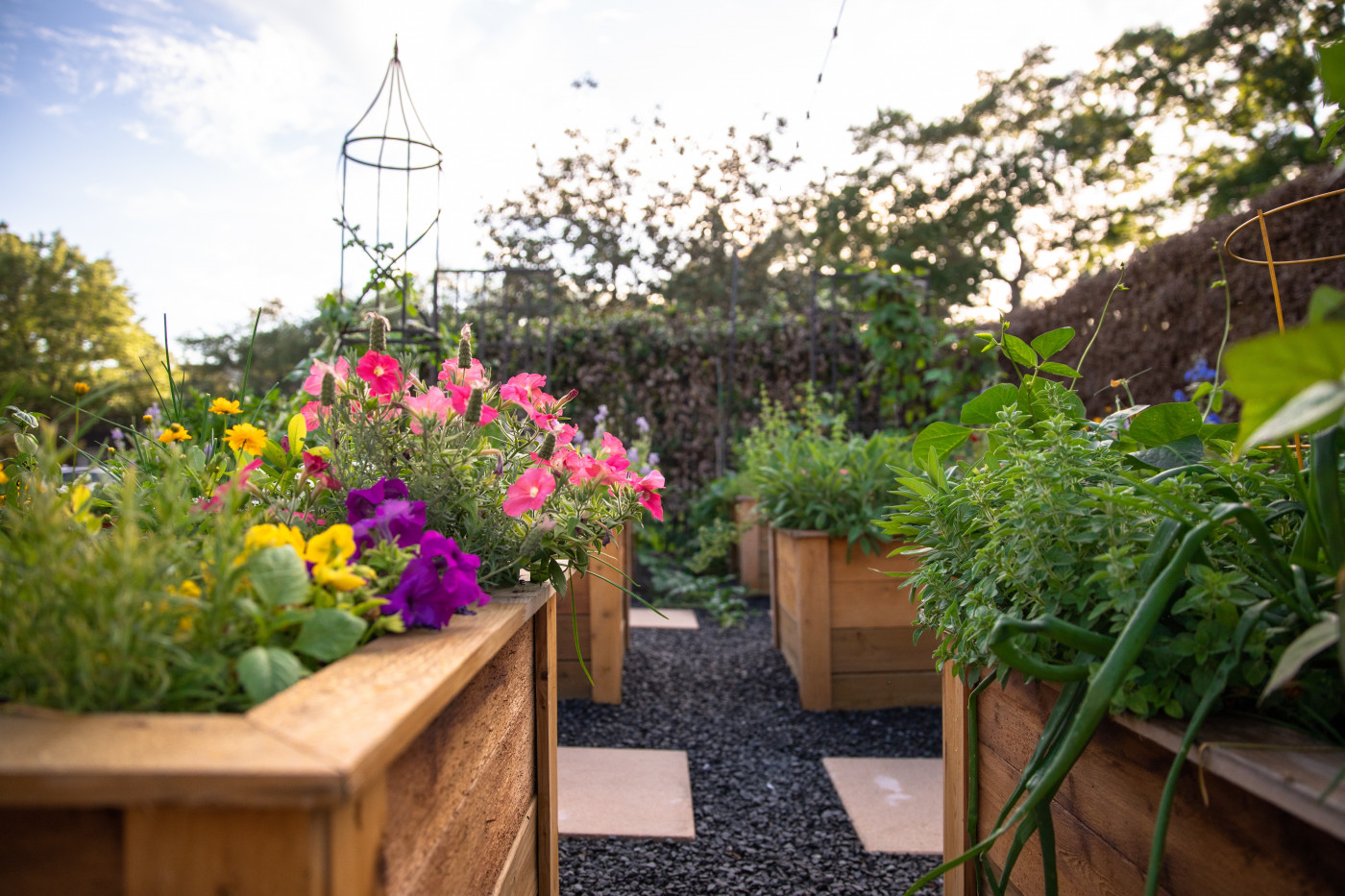
Raised bed kits range in price based on size, material, and brand.
A comparable 4-foot by 8-foot raised bed kit often ranges from $200 to $1,000 depending on material quality, design, and shipping costs.
At face value, that may seem more expensive than a DIY build, but cost comparisons need context. There is a hidden cost to DIY that you will need to consider.
Planning to build? Download our free ebook!

Learn How to Plan and Build Beautiful Raised Beds
Follow a simple process to build a raised bed that makes construction straightforward — even if you’re not “handy.”
The Hidden Costs of DIY
This is where the conversation gets more nuanced.
1. Time
Time is the most overlooked expense. Even experienced builders can spend several hours on a single bed. If you are building multiple beds, that commitment multiplies. And if you're gardening in a climate with a short cool-season window, every weekend spent building is a weekend not spent planting.
Building a raised bed takes time and effort:
- Measuring
- Cutting lumber
- Drilling pilot holes
- Assembling corners
- Leveling the ground
- Correcting mistakes & learning
- Possible multiple trips to the hardware store
2. Mistakes and Waste
Woodworking mistakes are common, especially for beginners. Even small errors can require replacement boards.
Potential unexpected costs:
- Boards cut too short
- Misaligned corners
- Warped lumber
- Split wood from improper fastening
3. Structural Durability
Not all DIY beds are built with long-term structural reinforcement. A raised bed holds hundreds of pounds of soil. That pressure increases dramatically after heavy rain. Commercial kits are typically engineered to handle that load.
Without proper bracing and build quality:
- Long boards can bow outward from soil pressure
- Corners can loosen over time
- Hardware can rust
- Boards can shift
4. Material Quality
Saving money often means choosing cheaper lumber. This can impact both longevity and appearance.
Lower-grade boards may contain:
- Knots that weaken the structure
- Warping
- Cracking
- Inconsistent thickness
5. Soil Safety
For food gardening, untreated materials are essential.
Pressure-treated lumber is generally not recommended for edible crops due to chemical preservatives. While modern treatments are safer than older formulas, many gardeners prefer to avoid any risk.
Choosing safe, untreated lumber narrows your material options and often increases cost.
Planning to buy? Check out our easy raised bed kits!
Long-Term Replacement Costs
This is where the “cheaper” conversation shifts.
If a DIY pine bed needs replacement in 3 to 4 years, while a higher-quality bed lasts 10 years or longer, the long-term cost per year may actually favor the more durable option.
Long-term Considerations:
- Initial cost
- Expected lifespan
- Replacement labor
- Soil disturbance during rebuild
Rebuilding a bed is not just a financial expense. It disrupts soil life, compost layers, and established root systems. From an organic gardening perspective, minimizing disturbance supports long-term soil health.

Design and Aesthetic Considerations
Raised beds are visible features in your yard.
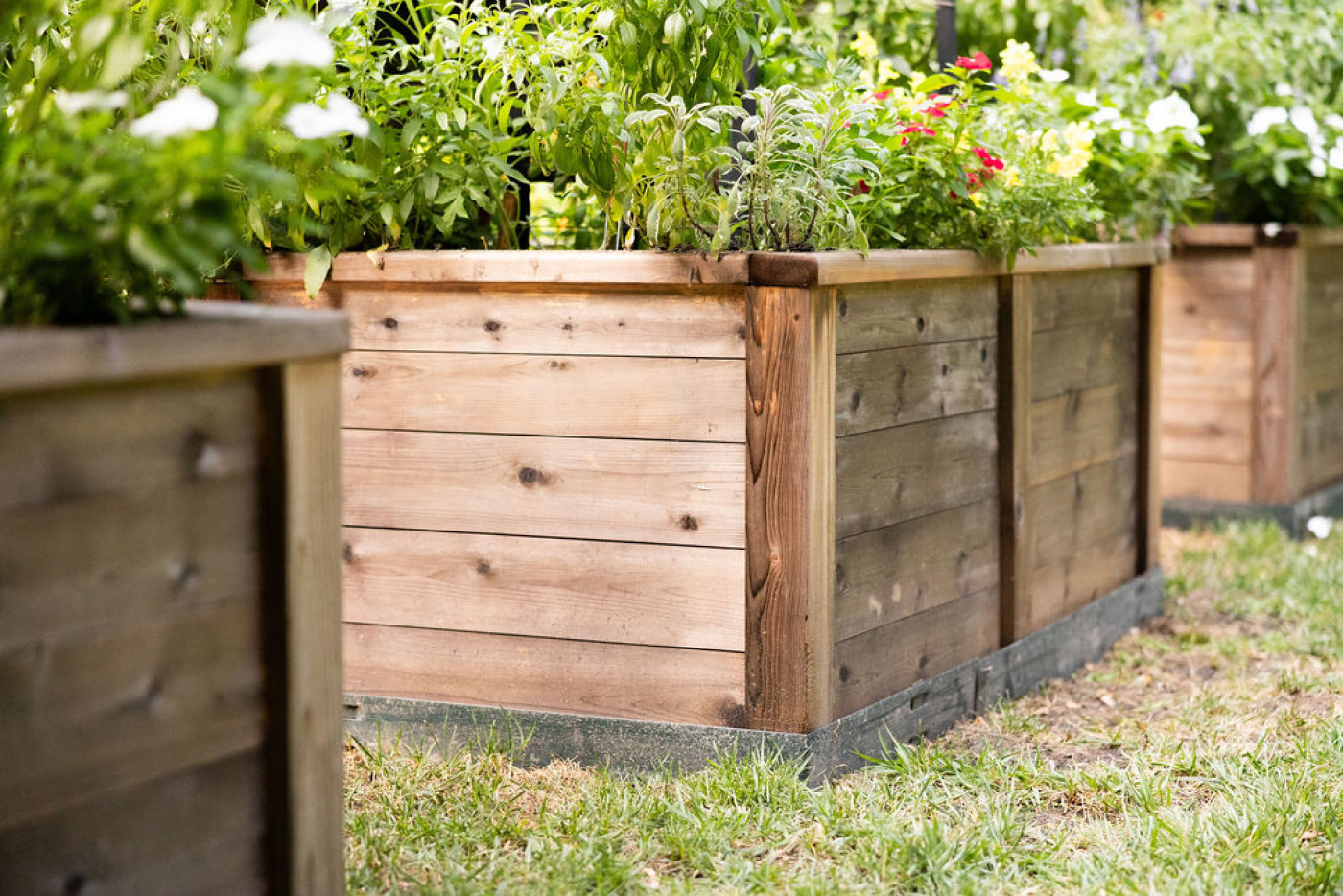
DIY builds can be beautiful, especially if you enjoy carpentry and precision. But uneven cuts, mismatched boards, or structural bowing can affect the overall look. For gardeners placing beds close to their home, this can matter.
Raised Bed Kit Benefits:
- Clean lines
- Consistent height
- Uniform corners
- Trim (high-end quality)
- Cohesive appearance

If You Want Ease of Assembly, Buy
Most modern raised bed kits are designed for simple assembly. Many require no cutting and minimal tools. Some can be assembled in under an hour.
This convenience is not trivial.
When spring arrives, planting windows can be tight. Being able to assemble and fill a bed quickly allows you to focus on soil building and sowing seeds.
In an organic system, compost layering and soil preparation take time. Simplifying the structure phase frees you to invest energy where it matters most.
If You Want More Customization, Build
DIY absolutely wins in one area: complete customization.
Customizable Elements
- Unusual shapes
- Extra-tall beds
- Built-in seating
- Integrated trellises
Building your own may be the most flexible solution.
Some kits offer modular options, but custom woodworking allows full control, although it will most likely require more experience to get a good result.
Comparing the "Costs": It's Not Just Numbers
Here’s a simplified comparison:
DIY Pine Bed
- Lower upfront lumber cost
- Shorter lifespan
- Time-intensive
- Tool-dependent
- Higher chance of repair
DIY Cedar Bed
- Moderate to high upfront cost
- Longer lifespan
- Time-intensive
- Requires tools
- Customizable
Raised Bed Kit
- Saves time and effort
- Moderate to high upfront cost depending on quality
- Engineered durability
- Quick and easy assembly
- Minimal tool requirement
- Consistent design
- Aesthetic beauty
- High-quality materials
- Longer Lasting
In many cases, the difference between a cedar DIY build and a quality kit is smaller than people expect.
When Building Makes Sense
DIY may be the better choice if:
- You already own tools
- You enjoy construction projects and have some experience
- You want custom dimensions
- You have access to affordable, high-quality lumber
- You are not in a rush to plant
For some gardeners, the building process is part of the joy.
When Buying Makes Sense
A raised bed kit may make more sense if:
- You want the stress-free option
- You value time and efficiency
- You don't have much experience building, and you don't have much interest
- You are building multiple beds
- You want predictable durability
- You prefer engineered structural stability
- You want to plant quickly
- You want a beautiful bed with a "finished" look
It reduces variables and simplifies the setup phase.

So Is It Cheaper to Build or Buy a Raised Bed?
If you are looking strictly at lumber receipts, building can cost less, especially if you already own tools and choose lower-cost materials.
BUT... if you factor in time, effort, durability, structural engineering, and long-term replacement, buying a well-designed raised bed kit often provides comparable or stronger value.
The key is defining what “cheaper” means to you.
Is it the lowest upfront price?
Or is it the lowest cost over time?
Or is it the smoothest and most stress-free path to planting your first seeds?
Understanding the tradeoffs allows you to make a confident decision, not just a reactive one.
There is no universally correct choice. There is only the choice that aligns with your priorities.