
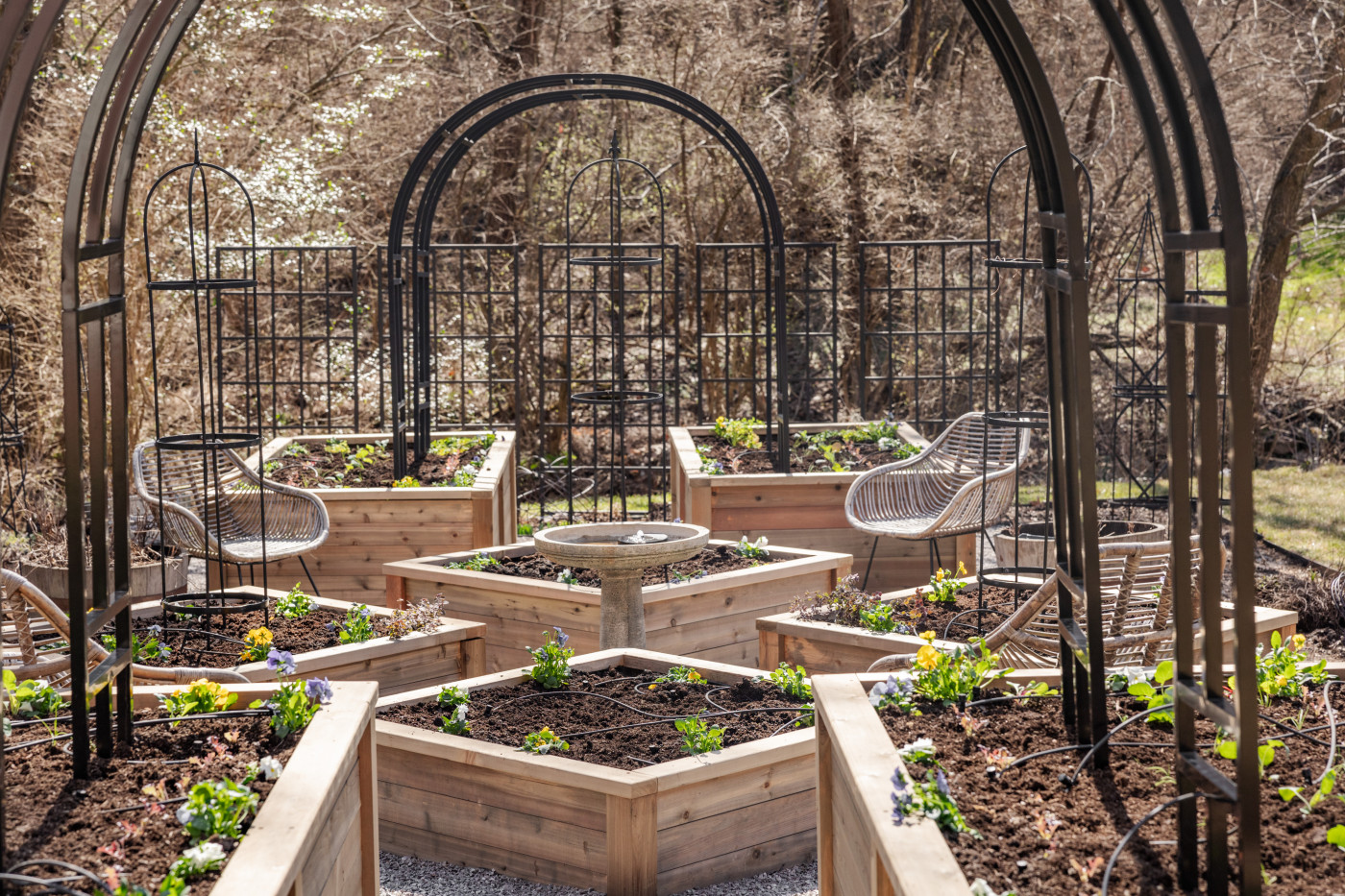
When it comes to starting a garden, most new gardeners assume the biggest mistake lies in the soil, the pests, or maybe even a lack of time. But after working with thousands of gardeners over the last decade, I can tell you with confidence that the most common and costly mistake is this: rushing the setup.
I’ve seen it happen time and time again—and yes, I made this mistake myself when I first started gardening. It’s tempting to dive in headfirst the moment inspiration hits. The sun is shining, you have a free weekend, and the gardening aisle at the store is calling your name. You grab a cart, load up on seeds and soil, and start digging before you’ve even fully thought through your plan.
That’s exactly what I did years ago when my dream of gardening finally pushed me into action. Inspired after visiting my mom’s new garden, I came home brimming with motivation. My husband and I borrowed a tiller, picked up a bunch of seeds, and planted everything in the first available spot. We covered it with straw, patted ourselves on the back, and waited for the magic.
Let’s just say the results were underwhelming. A few potatoes, a handful of beans, and a lot of frustration. What we had created wasn’t a thriving garden, it was a rushed project.
At a Glance
- Rushing the setup is the #1 mistake new gardeners make. Slowing down to answer three key questions—why, where, and how much—sets the foundation for a successful, sustainable garden.
- Planning and doing the “worst first” leads to lasting success. With the right mindset, materials, and placement, your garden becomes a beautiful, productive, and enjoyable space for years to come.

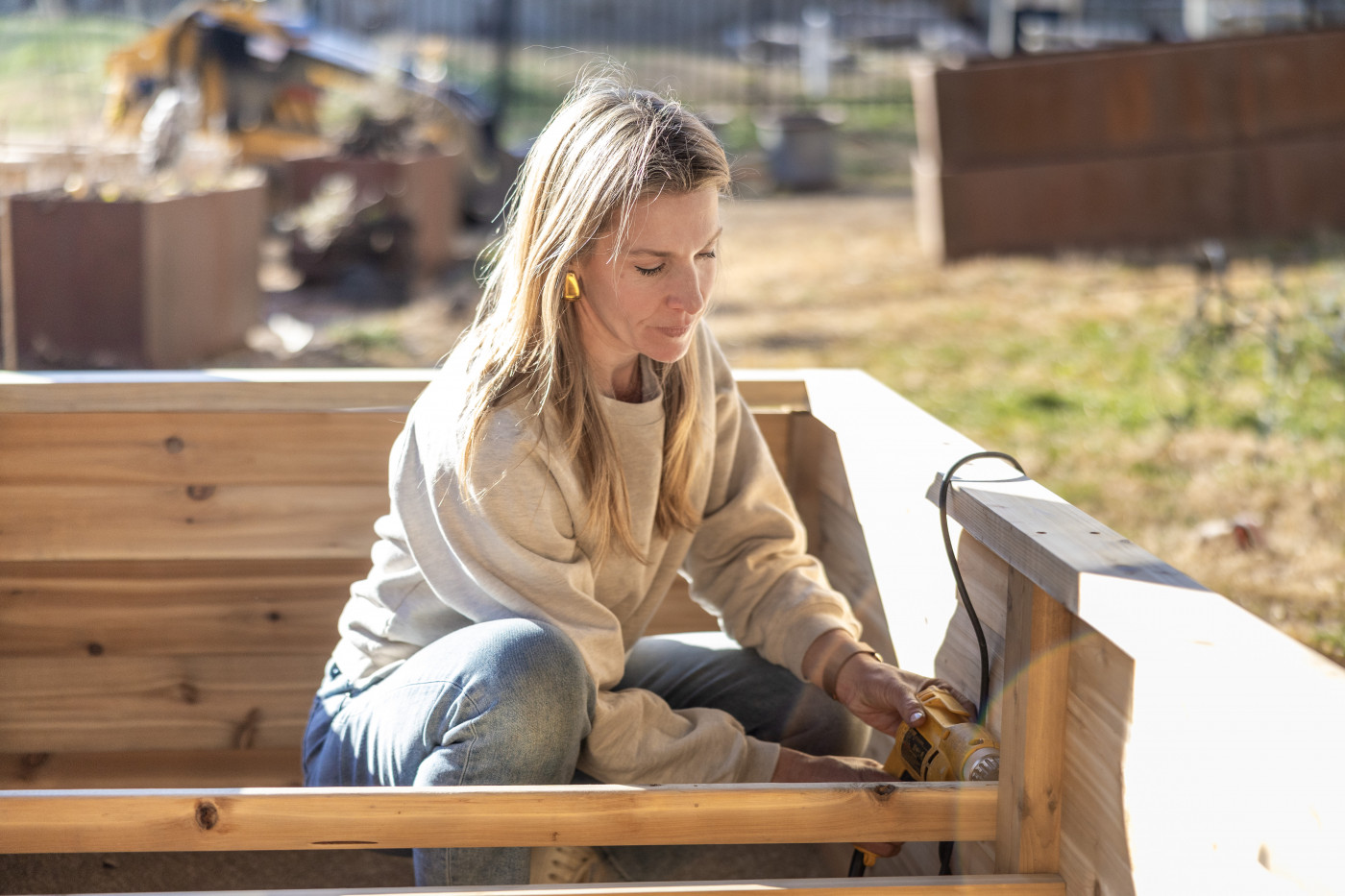
The Big Mistake: Rushing the Setup
The desire to garden is wonderful, but the rush to “get it done” often leads to disappointment. Gardens aren’t built in a weekend. The best ones are built with intention, and that begins by asking yourself three key questions before you even touch the soil.

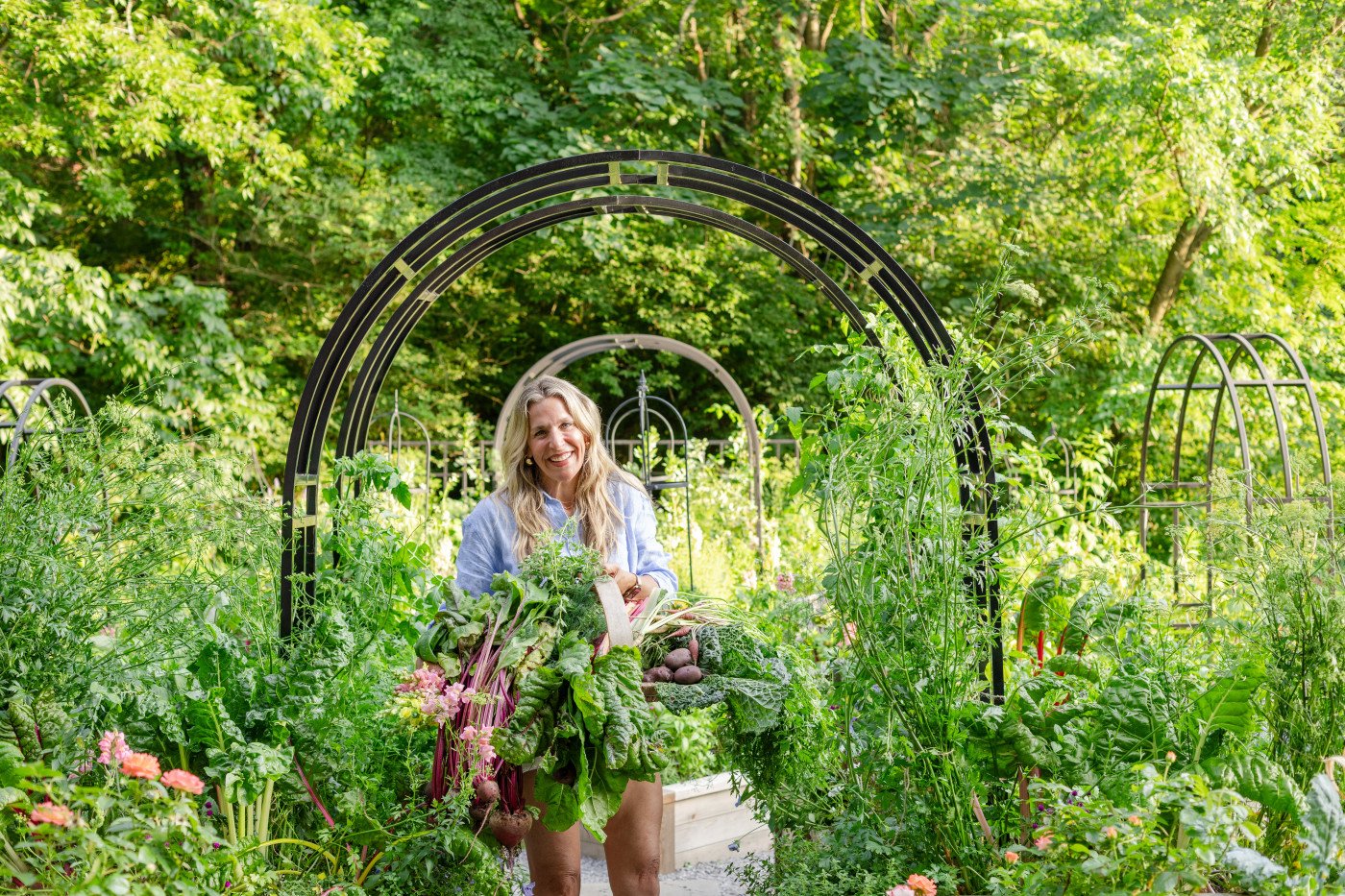
1. Why do you want to garden?
Your reason for gardening is your foundation. It informs every decision from what you grow to how your space is designed. Here are a few common reasons people are drawn to gardening, and how each one shapes your approach:
- Productivity: You want fresh, flavorful food from your own yard.
If productivity is your goal, then your garden setup needs to be focused on efficiency, sun exposure, and plant selection that delivers high yields. Think Gardenary Planting Method (more on that below), succession planting, and soil health that supports continuous harvests. When your garden is designed for production, it becomes your personal grocery store. The Gardenary method focuses on filling every square inch of your garden, not just every square foot, to maximize your growing space and turn even the smallest beds into abundance.
→Learn how to plant the Gardenary way.
- Beauty: You crave a stunning outdoor space that takes your breath away.
Beauty is a wonderful reason to garden. It’s not just about flowers, but about form, color, and texture that feed your soul. A beautiful garden includes structure, seasonal interest, and plants that invite you to linger and enjoy. Think symmetry, borders, and a space that complements your home and lifestyle.
→Get inspired with our Top 10 Favorite Kitchen Garden Designs.
- Sustainability: You want to support the earth, wildlife, and a balanced ecosystem.
Gardening for sustainability means thinking beyond your harvest to the impact your garden has on the planet. It’s about organic methods, pollinator-friendly plants, composting, and using resources wisely. When you garden sustainably, you become a caretaker of your corner of the earth.
→Find the easiest plants to attract bees, butterflies, and other helpful pollinators.
- Gathering: You dream of hosting dinners, teas, and wine nights in a beautiful garden setting.
If your garden is meant to be a space for gathering, then it needs to be accessible, inviting, and designed with people in mind. Think garden paths, seating areas, lighting, and layout that encourages relaxation and connection. A garden like this becomes an extension of your home.
→Whip up something delicious with these simple recipes made from your garden harvest.
- Education: You want to reconnect with nature or teach your kids where food comes from.
Gardening for education brings curiosity and wonder to your space. It’s a place for hands-on learning about how things grow, how seasons change, and how food makes its way to the plate. Whether for yourself, your kids, or your community, an educational garden is full of aha moments.
→See how to build a garden that teaches and inspires.
When you get clear on your “why,” every step that follows becomes easier and more purposeful.

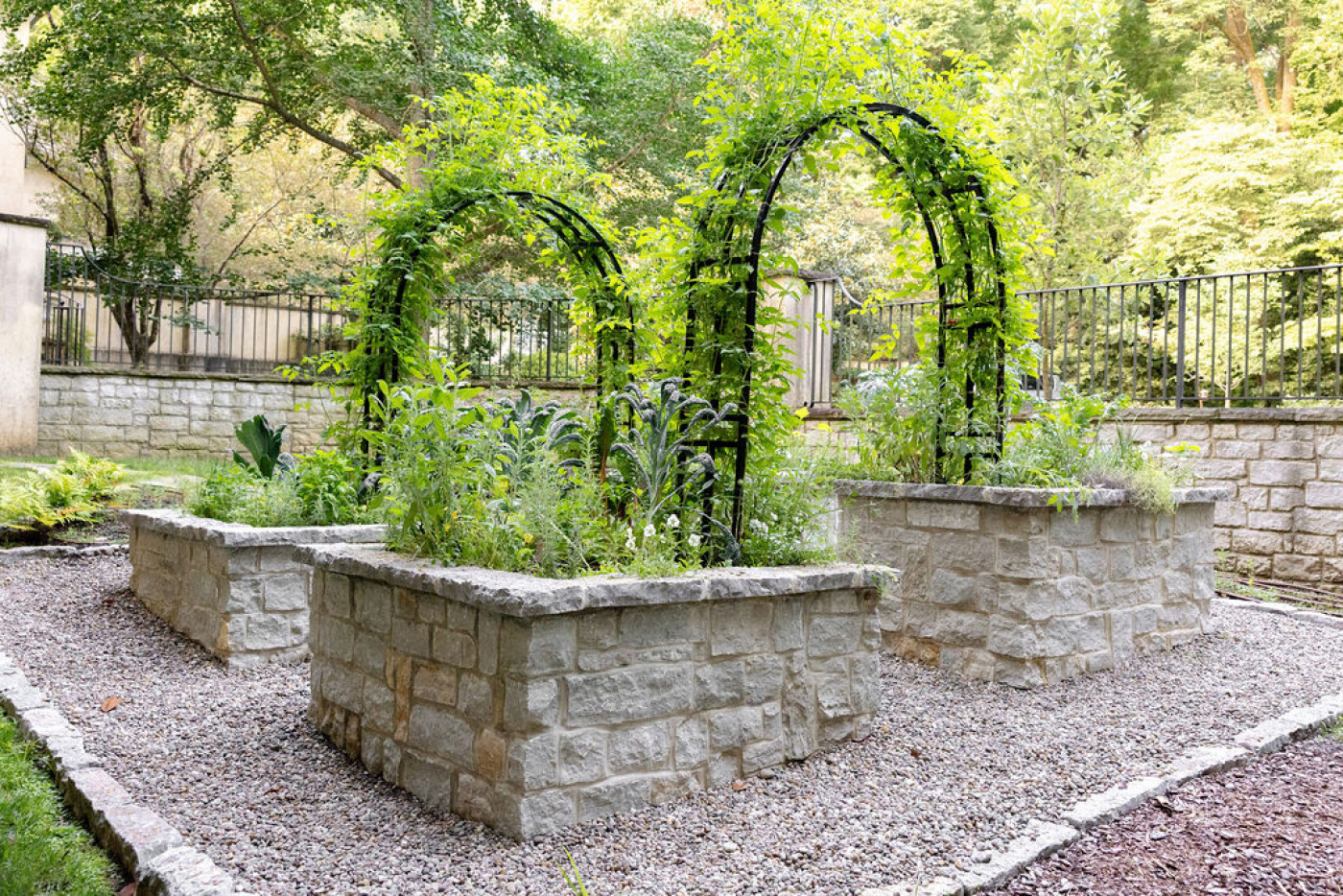
2. Where should the garden go?
Choosing the right location is often an afterthought, but it can make or break your garden's success. You might be tempted to place your garden in the first empty space you find, but not every part of your yard is created equal.
Sunlight is key. Most plants need at least six to eight hours of direct sun each day. You’ll also want to consider access: how easily can you get to your garden? Is it near water? Will it be protected from wildlife?
Before choosing a spot, take time to map the sun, observe how the light moves through your yard, and think through how you’ll move through the space. A thoughtful location leads to a thriving garden. Read our full guide to selecting the ideal garden location right here.

3. How much can you invest?
Budgeting for your garden doesn’t just mean money: it includes time, energy, and maintenance too. And here’s a hard truth I’ve learned over and over: going cheap often costs more in the long run.
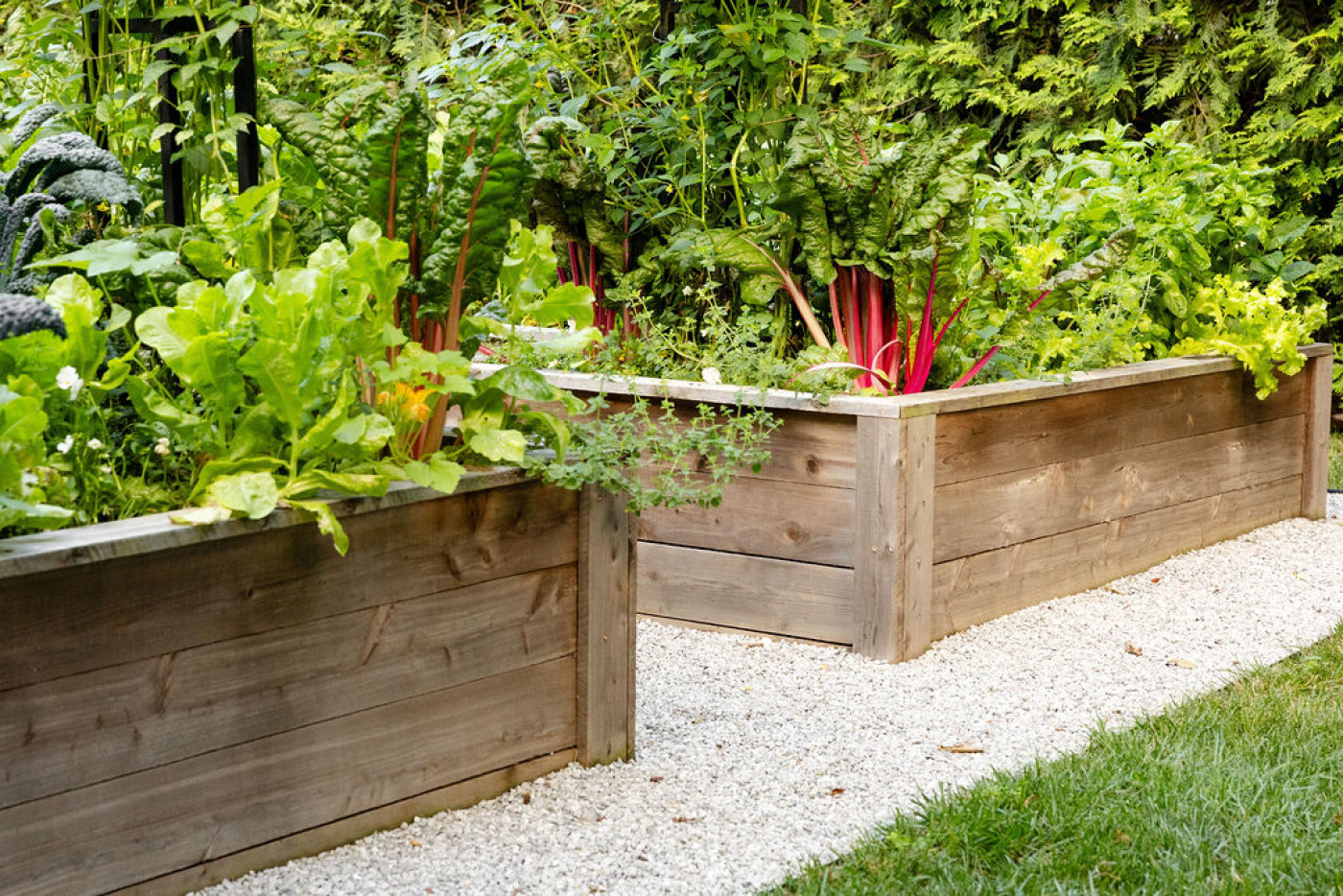
Give yourself the best garden you can afford (Read our guide to How to Choose a Raised Garden Bed Material). That doesn’t mean it needs to be extravagant—it just needs to be well made. Durable materials, good soil, and a thoughtful setup will save you from frustration and extra expenses down the road.
Ask yourself:
- How much can I spend to install this garden?
- How much time do I have to build it?
- How much time will I realistically spend maintaining it each week?
Answering these questions will help you avoid overspending, burnout, or ending up with a space you can’t manage.

My Mantra: Do the Worst First
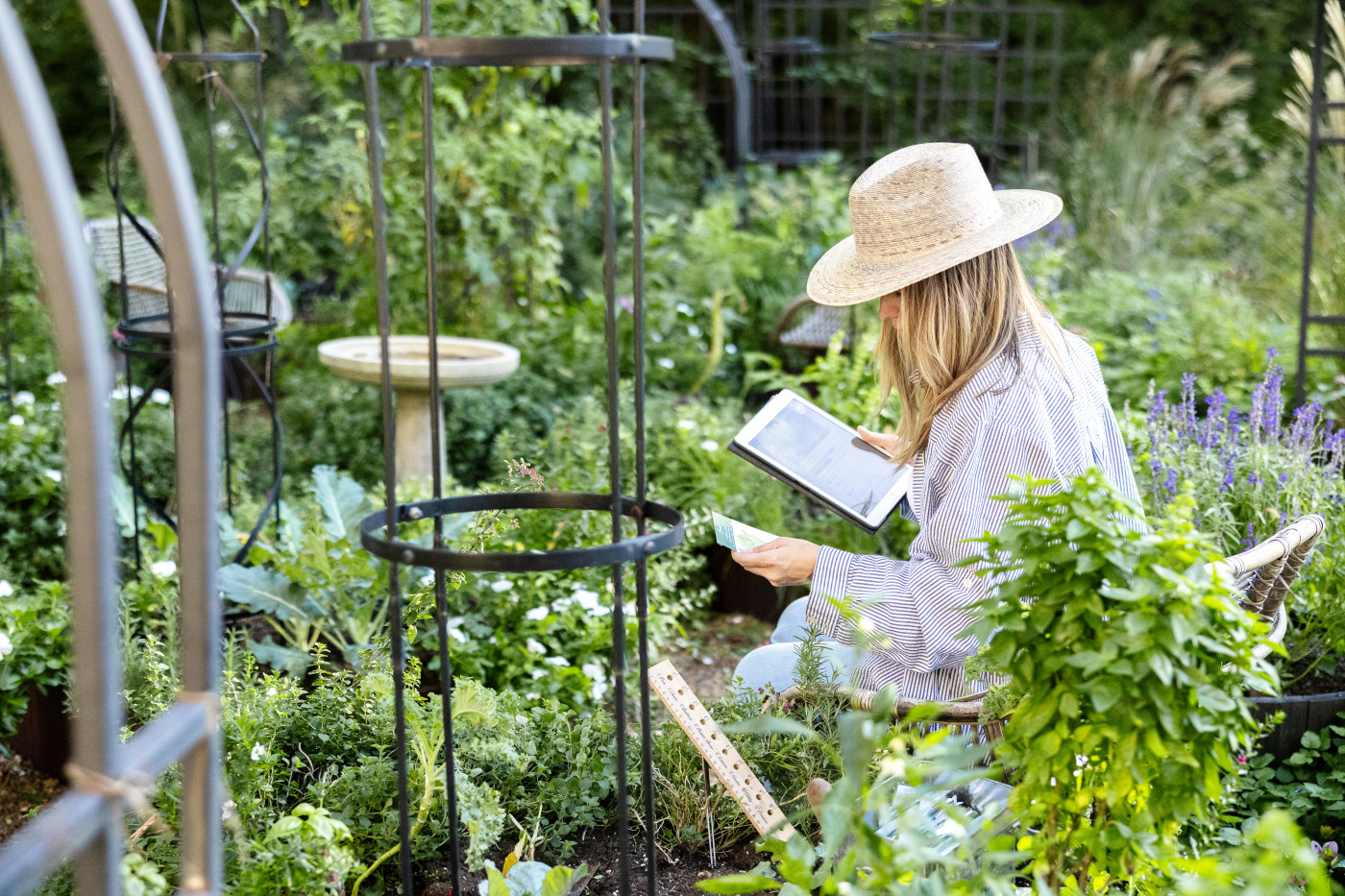
At Gardenary, we follow a method we call “Do the Worst First.” It’s all about flipping the traditional gardening timeline. Instead of jumping in and fixing mistakes later, we slow down, plan with intention, and take care of the hard stuff up front.
Is it as exciting as planting seeds right away? Maybe not. But it saves time, money, and energy in the long run. More importantly, it sets you up for a garden that brings joy season after season.
So if you’re dreaming of a garden, take a breath. Pause. Think through your why, your where, and your how much. Because a garden built with purpose and patience will always outperform one built in a rush.