
At a Glance
- Region-by-region lists of the best native plants for pollinators in the United States
- Low-maintenance, nursery-available native flowers that support bees, butterflies, hummingbirds, and beneficial insects
- Organic planting guidance to build a thriving backyard ecosystem
Why I Use Native Plants to Attract Pollinators
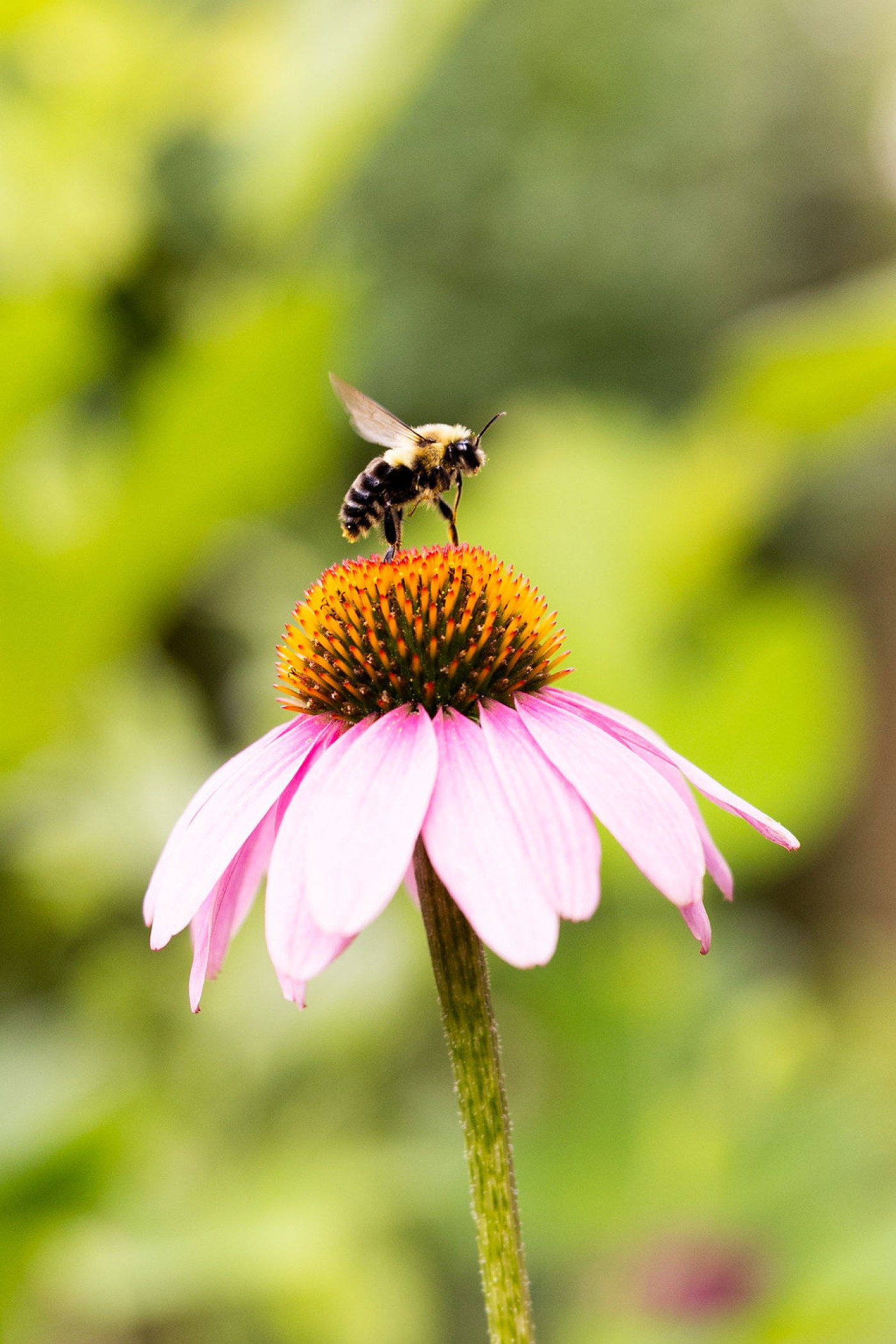
Pollinators are some of my very favorite visitors in the garden. When I see bees moving from bloom to bloom, butterflies drifting through the beds, or a hummingbird hovering near a bright flower, I know the ecosystem is healthy and working the way it’s supposed to.
These tiny creatures are doing big work. Bees, butterflies, hummingbirds, moths, beetles, and even certain flies help move pollen from flower to flower so plants can produce fruit and seed. No pollinators means no tomatoes and no berries. A productive garden depends on them.
When I plant with pollinators in mind, I’m thinking about supporting a whole range of beneficial life:
Common pollinators we want to welcome:
- Native bees, including solitary bees and bumblebees
- Honeybees
- Monarch butterflies and other butterfly species
- Moths
- Hummingbirds
- Beneficial insects like hoverflies and parasitic wasps
The best way to support all of them is simple.
Plant native.
Native plants evolved alongside the local insects in your region. They offer the right nectar, the right pollen, and in many cases, the exact host foliage bugs need to survive.
And the beautiful thing is that once they’re established in compost-rich soil, most native plants are incredibly resilient. They don’t need synthetic fertilizers. They don’t need chemical sprays. They’re built for your climate.
Below, you’ll find a region-by-region guide to native plants in the United States, with a strong focus on flowers that bees and butterflies love.
Southeastern United States

Native Plant Gardens in the Southeast
The Southeast is lush, green, and full of life. With long growing seasons, warm summers, and plenty of humidity, this region gives us the opportunity to build pollinator gardens that bloom for months on end. If you plant wisely, you can have something flowering from early spring all the way through late fall.
When I plan native plant gardens in the Southeast, I focus on layering. I mix strong summer bloomers with moisture-loving natives and long-lasting fall flowers. The goal is steady nectar, steady pollen, and a steady invitation to bees, butterflies, and hummingbirds. Once established in compost-rich soil, many Southeastern natives thrive with very little intervention. Having low-maintenance plants is one of the best benefits of creating a native plant garden.
Native flowers here are generous bloomers and pollinator magnets. Plant a mix of early, mid, and late bloomers, and you’ll see constant activity.
Southeast
Southeastern States:
- Alabama
- Arkansas
- Florida
- Georgia
- Louisiana
- Mississippi
- North Carolina
- South Carolina
- Tennessee
- Virginia
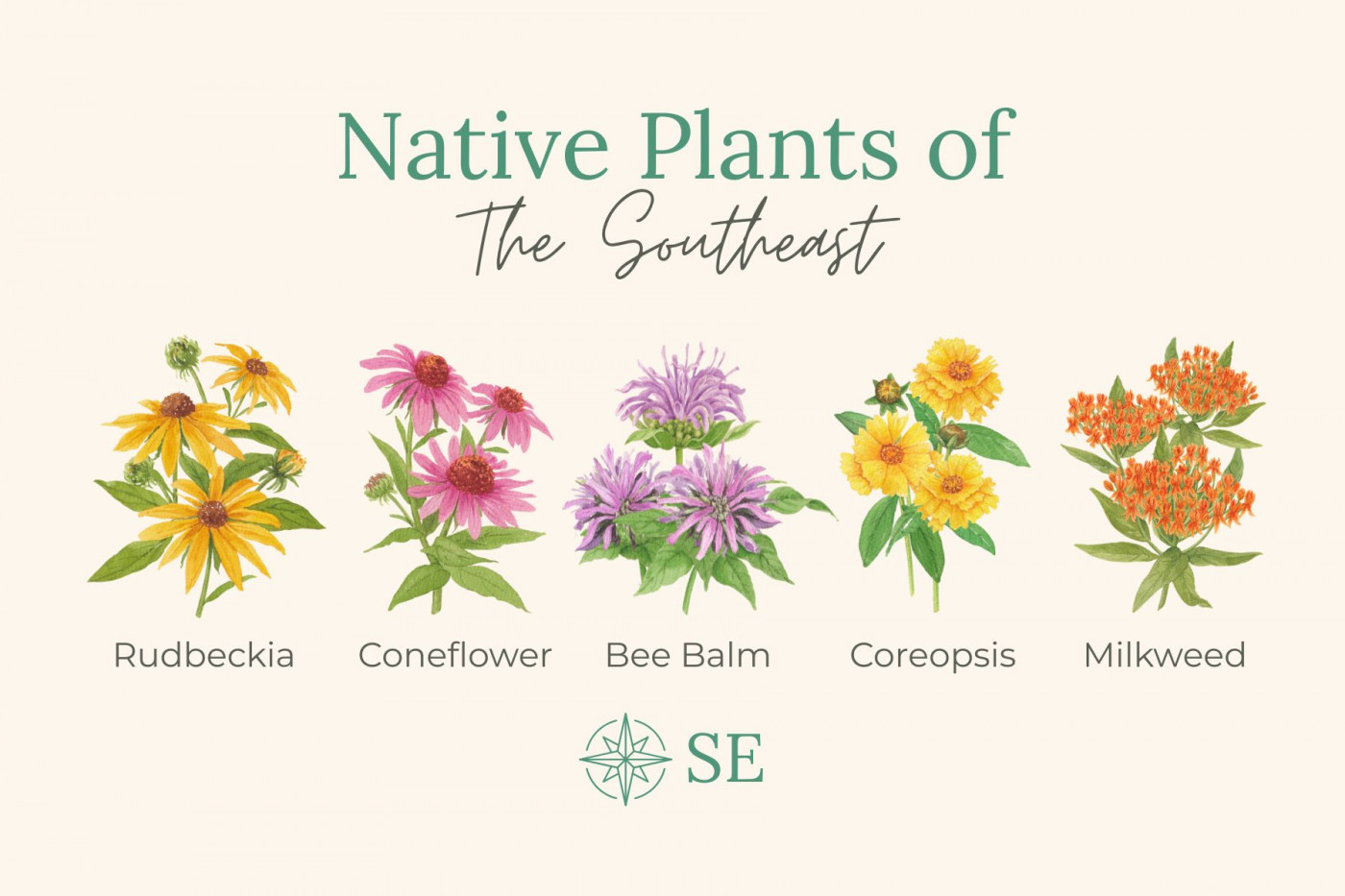
Native Flowers for Pollinators – Southeast
- Milkweed / Butterfly Weed
- Swamp Milkweed
- Common Milkweed
- Rudbeckia / Black Eyed Susan
- Orange Coneflower
- Purple Coneflower
- Bee Balm / Wild Bergamot
- Scarlet Bee Balm
- Blazing Star
- Blue Mistflower
- Coreopsis / Tickseed
- Goldenrod
- New England Aster
- Joe Pye Weed
- Ironweed
- Cardinal Flower
Grasses
- Little Bluestem
- Switchgrass
- Pink Muhly Grass
Shrubs
- Oakleaf Hydrangea
- American Beautyberry
- Virginia Sweetspire
- Buttonbush
Trees
- Eastern Redbud
- Serviceberry
- River Birch
Northeastern United States

Native Plant Gardens in the Northeast
The Northeast brings cold winters, bright springs, warm summers, and colorful falls, creating a natural cycle that native plants understand deeply. These species evolved with freeze-thaw patterns, woodland edges, and meadow clearings. They know how to rest, and they know how to bloom.
When growing native plants for pollinators in the Northeast, I think about timing and succession. Early woodland flowers feed emerging bees. Summer perennials bring in butterflies. Fall asters and goldenrods provide one last buffet before winter sets in. With the right mix, your garden becomes part of the seasonal flow.
I try to incorporate a wide variety of sizes and colors into these gardens for maximum pollinator potential.
Northeast
Northeastern States:
- Connecticut
- Delaware
- Maine
- Maryland
- Massachusetts
- New Hampshire
- New Jersey
- New York
- Pennsylvania
- Rhode Island
- Vermont
The Northeast offers woodland edges, meadow pockets, and cool winters that many natives love.
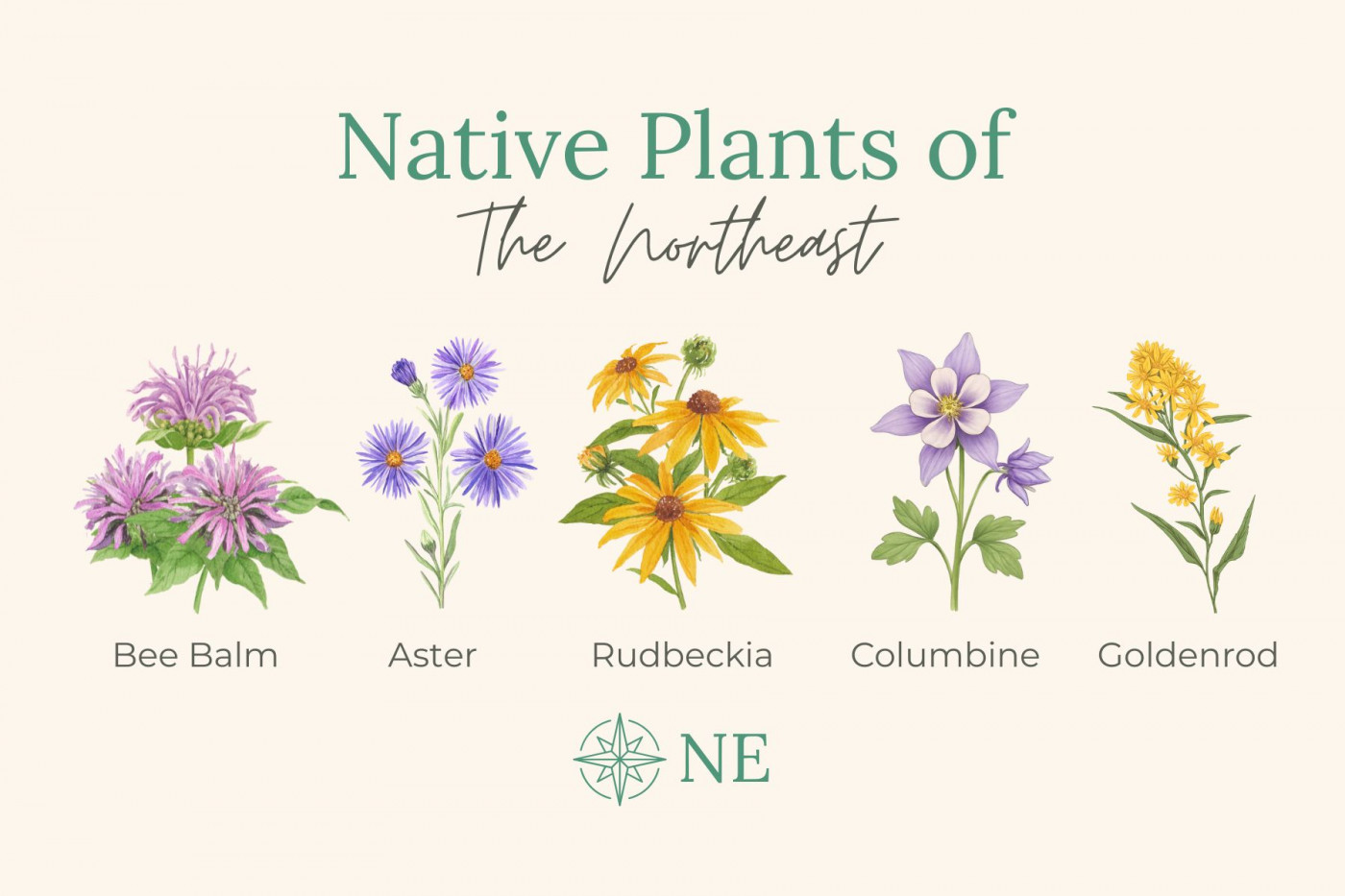
Native Flowers for Pollinators – Northeast
- Milkweed/ Butterfly Weed
- Swamp Milkweed
- Common Milkweed
- Rudbeckia/ Black Eyed Susan
- Brown Eyed Susan
- Purple Coneflower
- Columbine
- Bee Balm
- New England Aster
- Sky Blue Aster
- Goldenrod
- Culver’s Root
- Joe Pye Weed
- Mountain Mint
These plants provide nectar from spring through fall and host caterpillars that feed birds.
Grasses
- Little Bluestem
- Switchgrass
- Pennsylvania Sedge
Shrubs
- Ninebark
- Winterberry
- Spicebush
Trees
- Serviceberry
- Eastern Redbud
- Sugar Maple
Midwestern United States

Native Plant Gardens in the Midwest
The Midwest is prairie country, and prairie plants are some of the toughest, most resilient natives you can grow. They evolved in full sun, strong wind, periods of drought, and deep, rich soils. Their roots run deep, often several feet underground, which means once they’re established, they’re incredibly stable.
When I plant for pollinators in the Midwest, I lean into that prairie strength. Tall spires, bold coneflowers, and late-season bloomers create structure and movement. These plants don’t need pampering. They're resilient. They need sun, compost to get started, and space to stretch. Over time, they build a garden that feels alive and self-sustaining.
Native plants in the Midwest are workhorses. Once rooted, they thrive, and pollinators won't be able to resist a well-stocked garden with these varieties.
Midwest
Midwestern States:
- Illinois
- Indiana
- Iowa
- Kansas
- Michigan
- Minnesota
- Missouri
- Nebraska
- North Dakota
- Ohio
- South Dakota
- Wisconsin
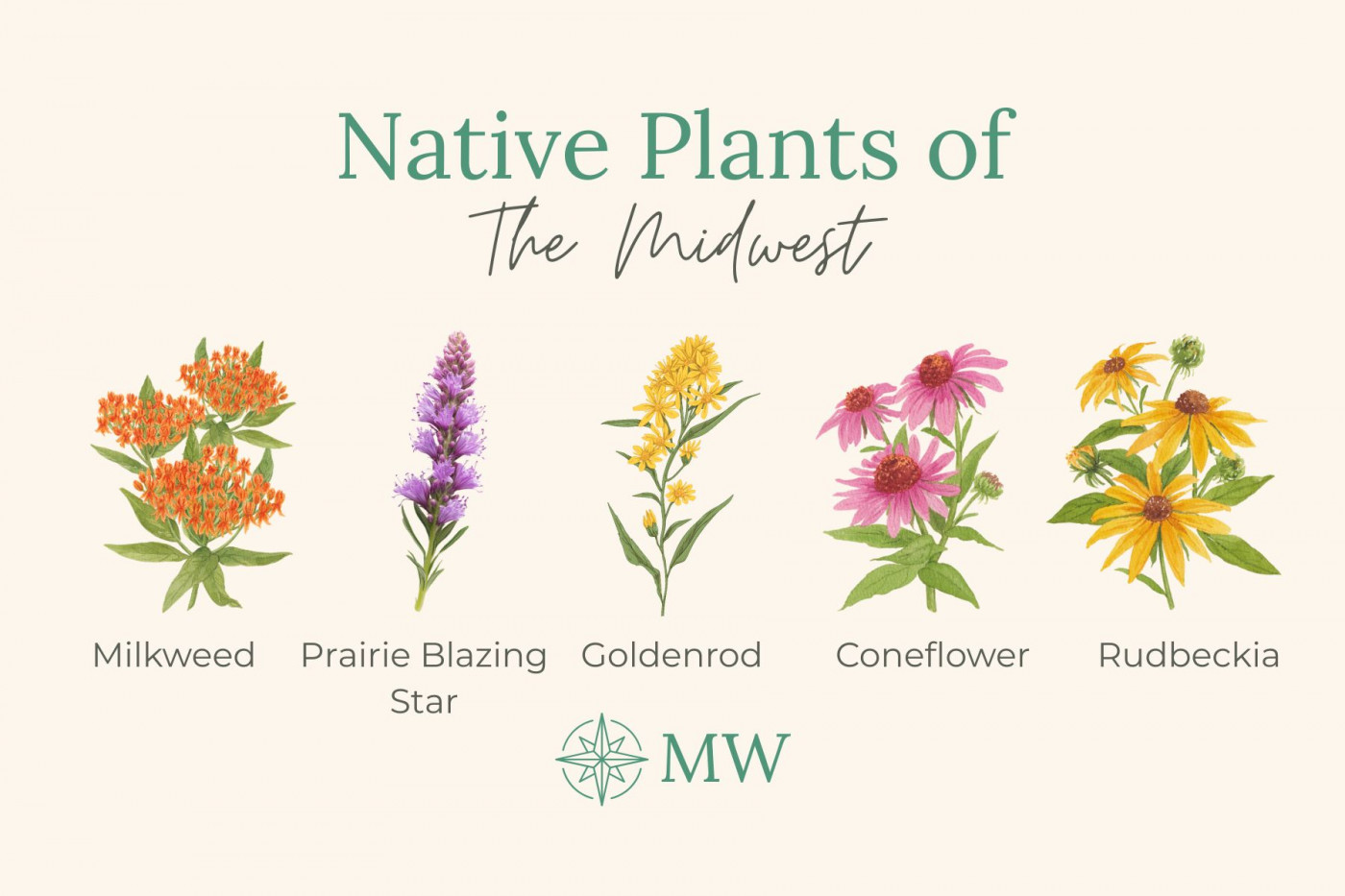
Native Flowers for Pollinators – Midwest
- Milkweed/ Butterfly Weed
- Common Milkweed
- Prairie Milkweed
- Purple Coneflower
- Pale Purple Coneflower
- Rudbeckia / Black Eyed Susan
- Sweet Coneflower
- Gray-headed Coneflower
- Prairie Blazing Star
- Rough Blazing Star
- Wild Bergamot
- Prairie Clover
- Goldenrod
- Aromatic Aster
- Prairie Smoke
- Shooting Star
- Compass Plant
- Prairie Dock
- Ironweed
Grasses
- Big Bluestem
- Little Bluestem
- Prairie Dropseed
Shrubs
- Ninebark
- Leadplant
- American Hazelnut
Trees
- Bur Oak
- Hackberry
- Serviceberry
Southwestern United States

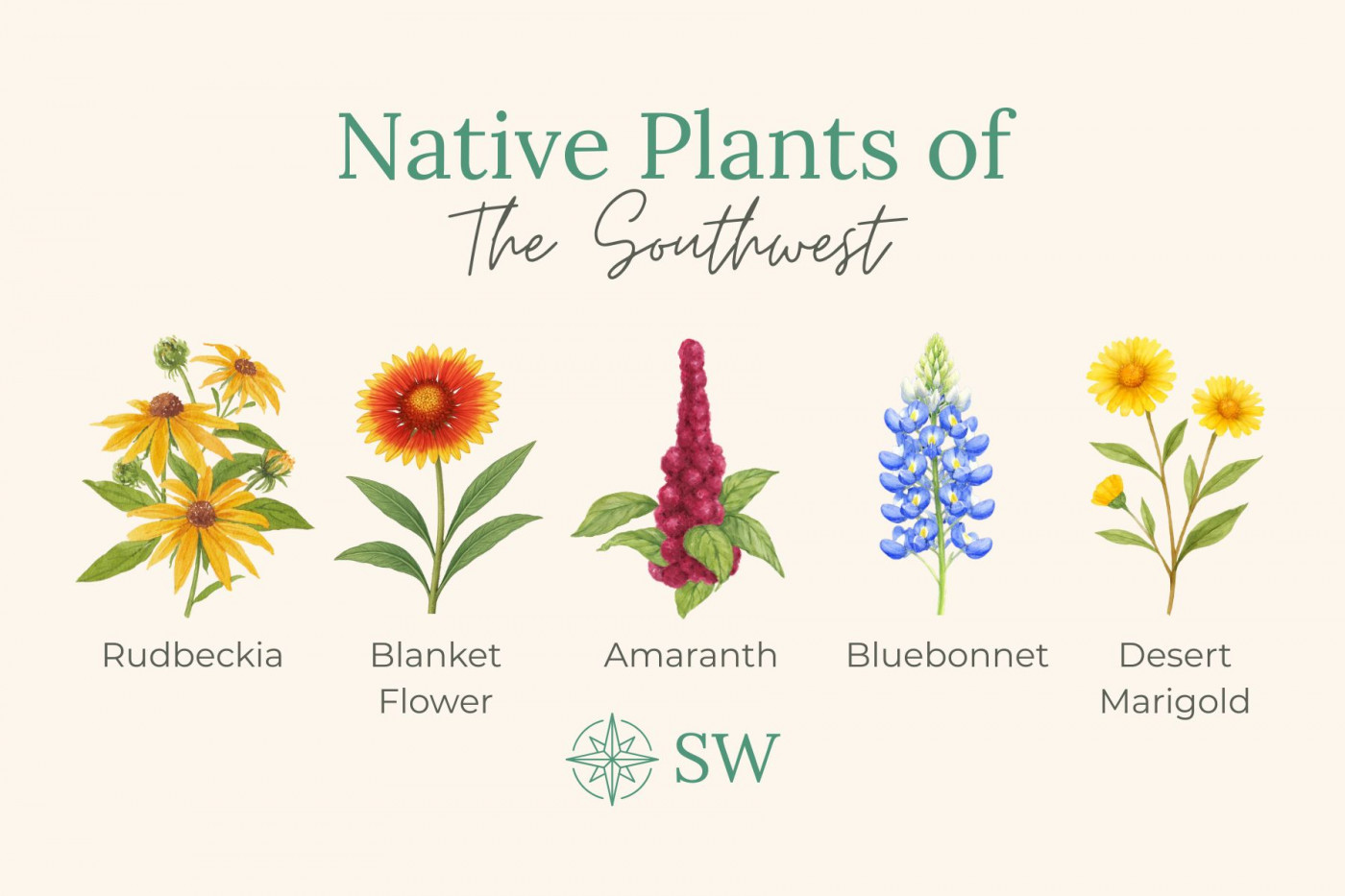
Native Plant Gardens in the Southwest
The sun is intense in the Southwest. Rain can be scarce. Soil is often lean. And yet, the native flowers here are vibrant, bold, and surprisingly delicate-looking.
In this region, I focus on choosing plants that truly belong in the heat. Deep roots, silvery foliage, and drought tolerance are part of their design. Compost helps improve soil structure at planting, but overfeeding isn’t necessary.
When I’m planning a Southwest native garden, I think carefully about placement before I ever put a plant in the ground. I look at where the afternoon sun hits hardest, where water naturally flows during monsoon rains, and where I can group plants with similar water needs together. Thoughtful planning in this climate creates a garden that feels grounded and in sync with its environment.
Once established, many Southwestern natives thrive with minimal water and become magnets for native bees and hummingbirds.
Southwest
Southwestern States:
- Arizona
- New Mexico
- Oklahoma
- Texas
Native Flowers for Pollinators – Southwest
- Milkweed / Butterfly Weed
- Antelope Horns
- Green Milkweed
- Texas Coneflower
- Mexican Hat
- Blanket flower / Indian Blanket / Firewheel
- Desert Marigold
- Blackfoot Daisy
- Globe Mallow
- Chocolate Flower
- Prairie Verbena
- Four-Nerve Daisy
- Mealy Blue Sage
- Autumn Sage
- Scarlet Penstemon
- Bluebonnet
- Red Amaranth
Grasses
- Blue Grama
- Sideoats Grama
Shrubs
- Texas Mountain Laurel
- Fairy Duster
Trees
- Desert Willow
- Honey Mesquite
Western United States

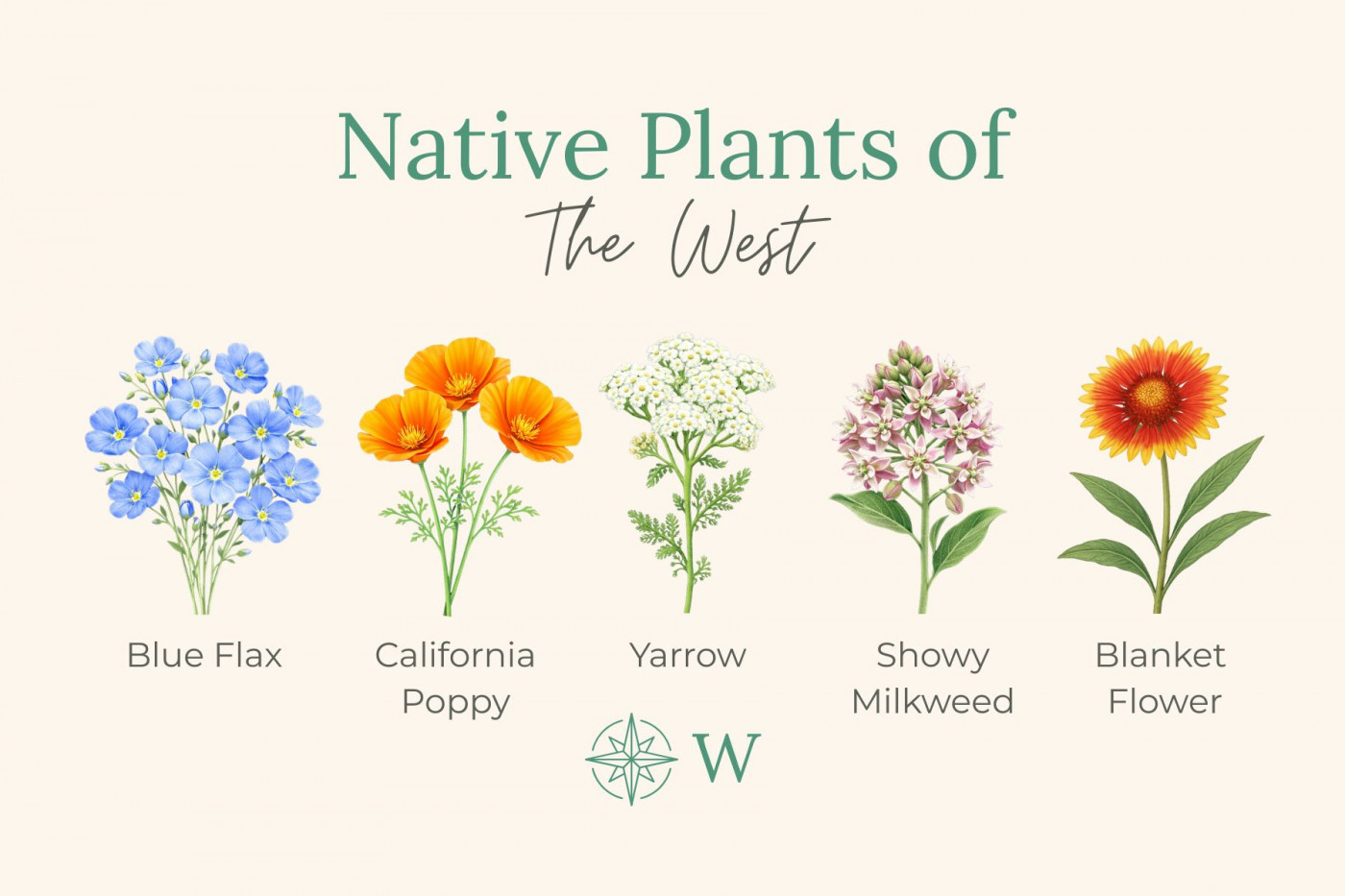
Native Plant Gardens in the West
The West is diverse. Coastal climates, mountain elevations, dry inland valleys, and Mediterranean-style regions all shape what grows well here. Many Western natives are adapted to wet winters and dry summers, which means drainage and watering patterns matter.
When I plant native pollinator plants in the West, I think about matching each plant to its microclimate. I look for species that are adapted to seasonal drought and avoid overwatering once they’re established. With the right placement, these plants create a rich and complex habitat that supports pollinators while feeling completely natural to the landscape.
West
Western States:
- California
- Colorado
- Idaho
- Montana
- Nevada
- Oregon
- Utah
- Washington
- Wyoming
Native Flowers for Pollinators – West
- Showy Milkweed
- Narrowleaf Milkweed
- California Poppy
- Western Yarrow
- Blanket Flower
- Douglas Iris
- California Fuchsia
- Clarkia, also called Farewell to Spring
- Blue Flax
- Sulphur Buckwheat
- Oregon Sunshine
- Scarlet Monkeyflower
- Western Columbine
Grasses
- Deer Grass
- Blue Grama
Shrubs
- Manzanita
- California Lilac
Trees
- Western Redbud
- Oregon White Oak
- Coast Live Oak
The Native Plant Video Course That Changes Everything
Learn from garden expert Nicole Burke in this self-paced video course, walking you step by step through choosing, planting, and maintaining native plants—so you can grow a gorgeous garden with less work and more impact.

Native Plants for Pollinators: Bringing It All Together
As you’ve probably noticed, there’s a lot of beautiful overlap from region to region. While each area has its own unique climate and character, many native pollinator plants appear again and again across the country.
Some of the most common crossover native plants for pollinators in the United States include:
- Butterfly Weed / Milkweed
- Black Eyed Susan / Rudbeckia
- Coneflowers
- Bee Balm / Wild Bergamot
- Goldenrod
- Little Bluestem
- Switchgrass
- Serviceberry
If you’re just getting started, you could build an entire pollinator garden around these plants alone and see incredible results.
There's something fulfilling and natural about choosing plants that belong and allowing a balanced ecosystem to take shape. Start small. Add a few native flowers this season. Pay attention. The bees will find them. The butterflies will follow. And over time, your garden will become a favorite for tiny life.
As a gardener, you'll appreciate the movement and sounds of a living, healthy garden. It means you created a safe place for living creatures to find food, and they'll help your garden in return.