
At a Glance
- January is the best time to start slow-growing and long-season seeds, so plants are ready when outdoor conditions improve
- Using your last frost date helps you decide exactly which seeds to start now and which ones can wait
- Learn planting options for early, mid, and late frost regions
Starting Seeds in January Sets Up Your Garden Momentum
January always feels like a quiet month in the garden, but it is secretly one of the most powerful. When I start the right seeds now, the whole year feels easier. When I skip it, I end up playing catch-up in spring, and I never quite get the momentum back.
This is why I treat January like “planning meets planting” season. The trick is to base your seed list on your last frost date. Once you know that date, you can time your seedlings so they are strong, ready, and not stuck indoors too long.


Join Thousands of Gardeners On the VIP List
Free perks, just for email subscribers:
- 15% Off Your First Order
- Gardening Videos & Articles
- Early Access to Sales
Sign up, check your inbox, then shop with your code.
CLAIM YOUR 15% OFF BELOW
Start With Your Last Frost Date
Your last frost date is the point in late winter or spring when your garden is usually done with freezing nights. It is the anchor point for your entire seasonal planting plan.
Once you know it, think of yourself in one of three general groups:
- Early last frost (before the end of February)
- Mid last frost (March through April)
- Late last frost (May through June)
Find Your Last Frost Date
*Based on historical climate data from NOAA, only zip codes from United States are supported.

What I Start in January (Based on Frost Timing)
Early Last Frost
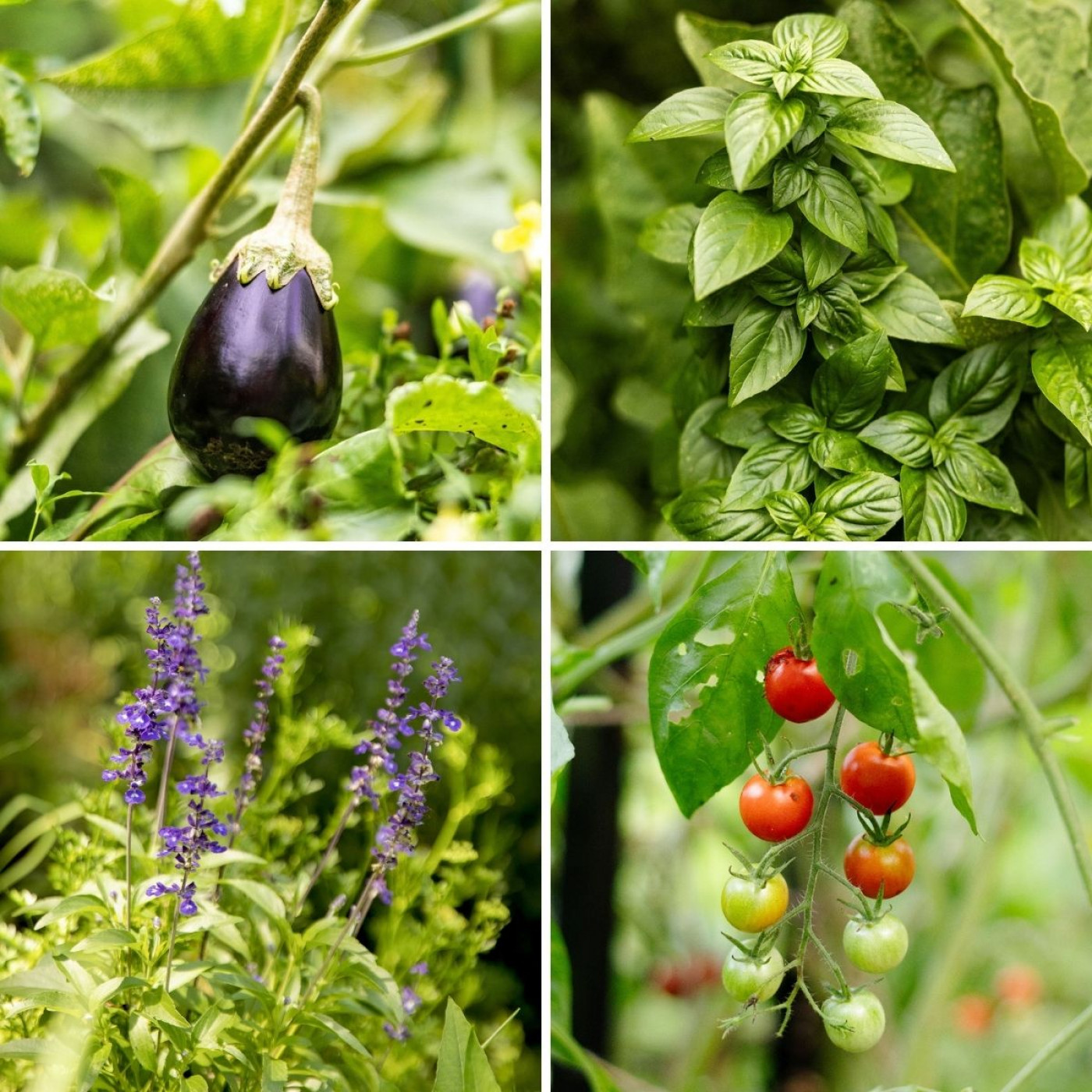
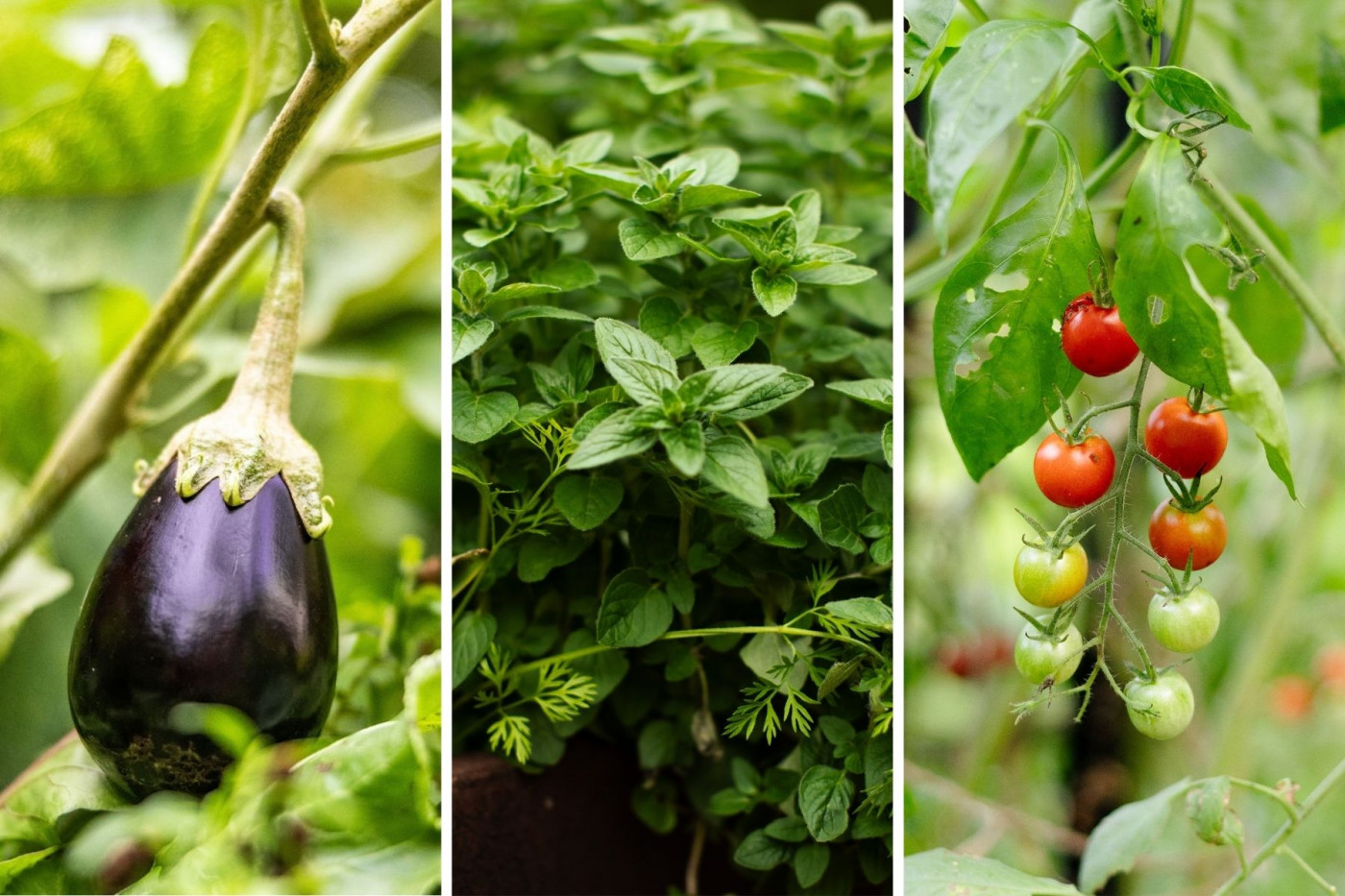
If your last frost is on the early side, before the end of February, then January is the moment to start the seeds that need a long runway. In climates like mine, things warm up fast, which means you want your warm-season plants established early so they can start producing before summer heat kicks in.
Here is what I start in January:
Basil is one of those plants I never regret starting early. It is also a “morale booster” plant. Seeing basil seedlings pop up when everything outside looks dormant gives me instant hope.
Eggplant takes its time. Start seeds indoors with warmth and bright light so plants are sturdy by transplant time.
Tomatoes do best when they get an early, strong start. Starting seeds now helps you avoid tiny plants when it is already time to plant.
Peppers are often the slowest to germinate and grow. If you want peppers that actually produce well, starting early makes a huge difference.
If you want watermelon, cantaloupe, pumpkins, or gourds, an early start can help these plants get established before intense heat arrives later. (These are the kinds of crops that make you feel like your garden is doing something magical.)

Mid Last Frost
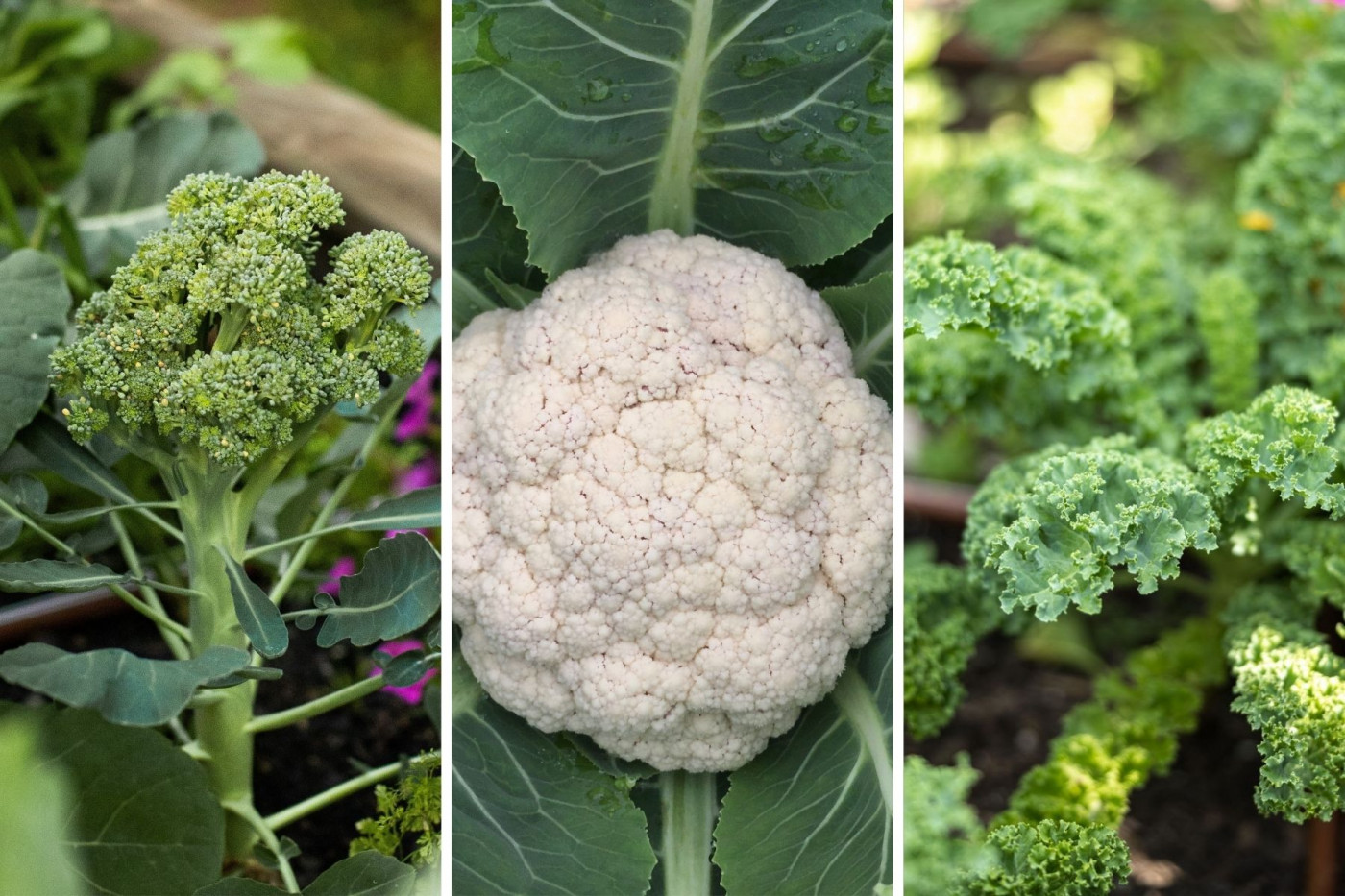
January is still a big seed month for you, but your focus shifts. This is the time to start cool season crops indoors so they are ready to go out while the weather is still mild.
Here are the best January starts for a mid last frost:
Broccoli is a perfect candidate for January seed starting because it thrives in cool weather but needs time to size up before heading out to the garden. Starting it early indoors allows you to transplant strong seedlings as soon as conditions are right, leading to dense, flavorful heads in early spring.
Cabbage (including Napa cabbage)
Cabbage grows best when it matures in cool temperatures, and starting seeds in January helps you avoid heat-stressed plants later. Napa cabbage, in particular, benefits from an early start so it can form tender, crisp heads before warm weather arrives.
Cauliflower can be finicky, but January seed starting sets it up for success. Giving it extra time indoors helps plants develop evenly so they can produce full, tight heads while the weather is still mild.
Kale is cold-tolerant, but starting it early means you get harvestable leaves much sooner. January seedlings are ready to go outside early in the season, giving you weeks of tender greens before summer crops take center stage.
Swiss chard grows steadily and benefits from an early indoor start, especially if you want larger, more established plants at transplant time. Starting in January gives you beautiful, productive plants that can handle fluctuating spring temperatures with ease.
This is one of my favorite gardening “cheats.” When these crops are seeded early, you get a beautiful spring harvest before warm-weather plants take over, and it makes the whole garden feel like it is ahead of schedule.

Late Last Frost
If you are in a colder climate with a late last frost, January can feel like the longest month ever. Starting seeds indoors gives you something living and green to care for, which honestly helps me not feel like winter will last forever.
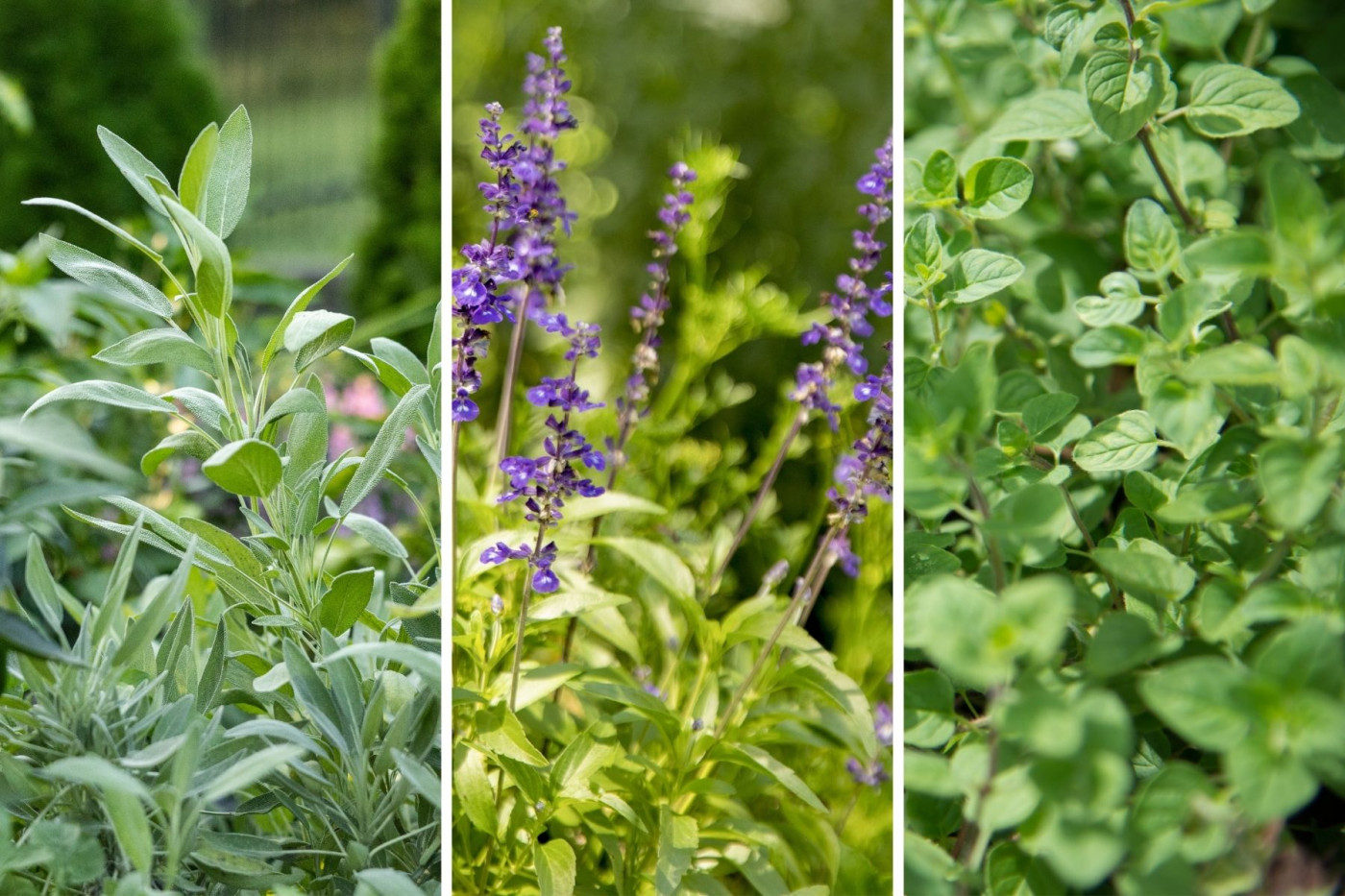
In January, I focus on perennial herbs. They are slow to start from seed, and they are often expensive to buy as plants.
Lavender is a powerhouse plant for building a healthier garden ecosystem, but it is slow to get established from seed. January is the perfect time to start lavender indoors so plants have plenty of time to develop before being planted outside later in the season.
Sage starts reliably from seed and benefits from an early indoor start. Planting it in January gives you sturdy transplants that provide natural pest protection and consistent harvests once the garden is growing.
Oregano takes its time at the beginning, which makes January an ideal month to start it indoors. Giving oregano a long head start means you will have a productive plant that can be harvested generously without ever needing to buy it from the store again.
Thyme is slow and steady, and starting it in January helps it establish strong roots before transplanting. An early start rewards you with a resilient, beautiful plant that adds flavor to meals and structure to the garden all season long.
A Quick Note About Seed Starting Stress
If indoor seed starting feels like a lot, you are not alone. It can sound complicated, but it gets easier every time you do it. I always remind myself that the goal is not perfection. The goal is to get a head start on the plants that truly benefit from it.
You can also keep it simple by choosing just a few crops this first year. Even starting two trays of seeds in January can make a noticeable difference in spring.
Wrapping Up January Seed Starting
A few well-timed seed starts can save weeks of stress later and make spring feel organized instead of rushed. I always remind myself that this month is about gaining momentum, not perfection. Even starting one or two trays of seeds is enough to move the garden forward. Those early seedlings quietly do the work for you as winter draws to a close, making the transition into spring smoother and more productive.