
Join Thousands of Gardeners On the VIP List
Free perks, just for email subscribers:
- 15% Off Your First Order
- Gardening Videos & Articles
- Early Access to Sales
Sign up, check your inbox, then shop with your code.

At a Glance
- Discover the best organic methods for planting, growing, and caring for coreopsis from seed to full bloom.
- Explore popular coreopsis varieties, creative uses, and harvesting.
- Troubleshoot common coreopsis problems and get answers to the most frequently asked planting questions.
Coreopsis Planting 101: Everything You Need to Know to Grow, Tend, & Harvest
If there's one flower that has earned a permanent spot in my garden, it's coreopsis. I stumbled onto it almost by accident — I was overwhelmed at a local nursery, grabbed a flat of what I thought were "those cheerful yellow things," and the rest is history. My garden has never looked back, and honestly, neither have I.
If you're thinking about coreopsis planting, you're in for a treat. These sunny, resilient, pollinator-loving beauties are one of the most rewarding plants you can grow.
This comprehensive guide covers everything from seed depth to harvest, organic care methods, the best varieties, troubleshooting tips, and much more. Grab your gardening gloves. Let's dig in.
What Is Coreopsis? A Quick Introduction Before You Plant
Coreopsis (pronounced cor-ee-OP-sis) is a flowering plant in the daisy family, Asteraceae. Native primarily to North America, it goes by the charming common name "tickseed," which is a nod to the shape of its seeds that some say resemble ticks. (I know, not the most glamorous backstory for such a gorgeous flower, but stay with me.)
There are over 75 species, ranging from annuals to perennials, and they come in shades of yellow, orange, pink, red, white, and bi-color blends.
Coreopsis is beloved by gardeners for several reasons:
- Long bloom season — many varieties bloom from late spring all the way through fall
- Drought tolerance — once established, it handles dry spells like a champ
- Pollinator magnet — bees, butterflies, and beneficial insects absolutely love it
- Low maintenance — ideal for busy gardeners who want beauty without constant fuss
- Deer resistant — hallelujah for those of us who've watched entire gardens disappear overnight
Interesting Facts About Coreopsis You Probably Didn't Know
Before we get into the nuts and bolts of coreopsis planting, I think it's worth appreciating just how fascinating this plant really is.
- Coreopsis has been used historically as a natural dye plant. The flowers can produce a range of golden to rust tones on natural fibers, making it a favorite among natural dye enthusiasts.
- Research has shown that coreopsis extracts may have antioxidant and anti-inflammatory properties, and the plant has a long history of use in traditional herbal practices.
- Coreopsis flowers are edible and can be used as a colorful garnish in salads and cocktails — more on that in the harvesting section.

Types of Coreopsis: Exploring the Most Popular Species and Varieties
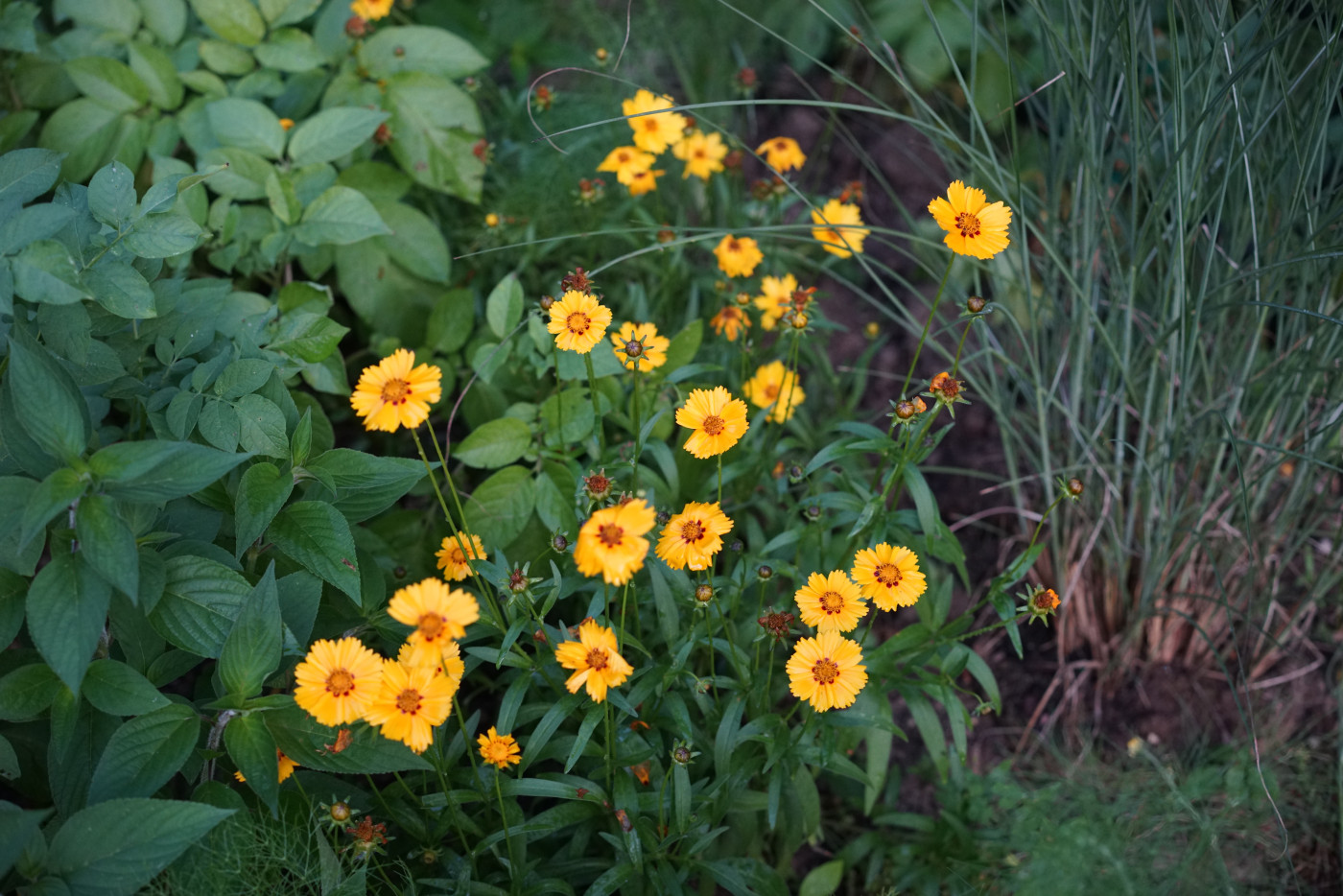
One of the things I love most about coreopsis is that it's not a one-trick pony. The variety is genuinely impressive, and choosing the right type can make a big difference depending on your climate, aesthetic goals, and garden style.
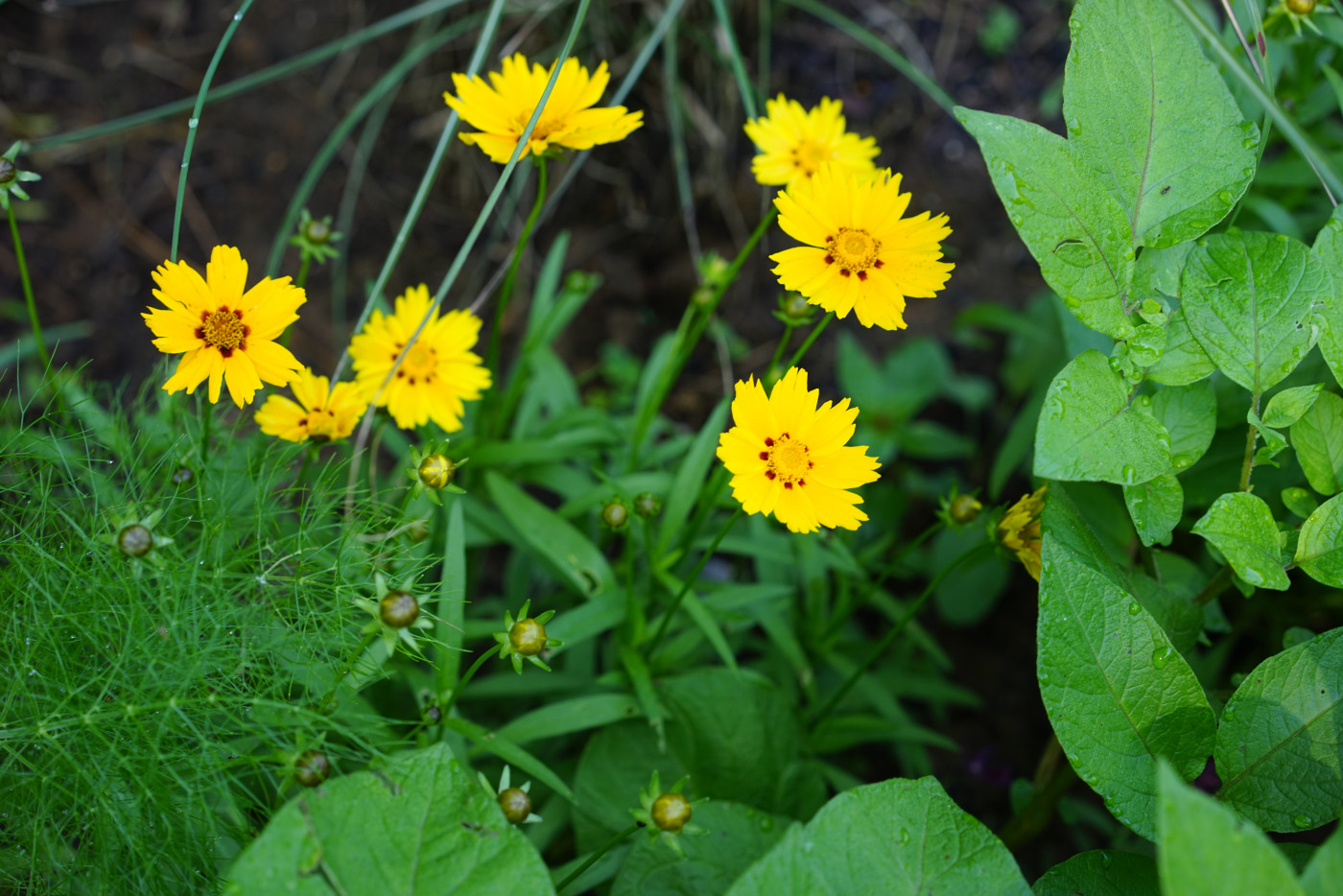
Large-Flowered Coreopsis
This is probably the most common species you'll find at garden centers. It produces large, vivid yellow blooms and tends to be a short-lived perennial (sometimes grown as an annual). Varieties like 'Early Sunrise' and 'Sunray' are prolific bloomers and make excellent cut flowers.
Plains Coreopsis
This annual species is the one traditionally used for natural dyeing. It features stunning bi-color blooms, typically yellow with a deep burgundy or mahogany center, and self-seeds prolifically. If you let it go to seed, it will come back year after year with very little effort from you.
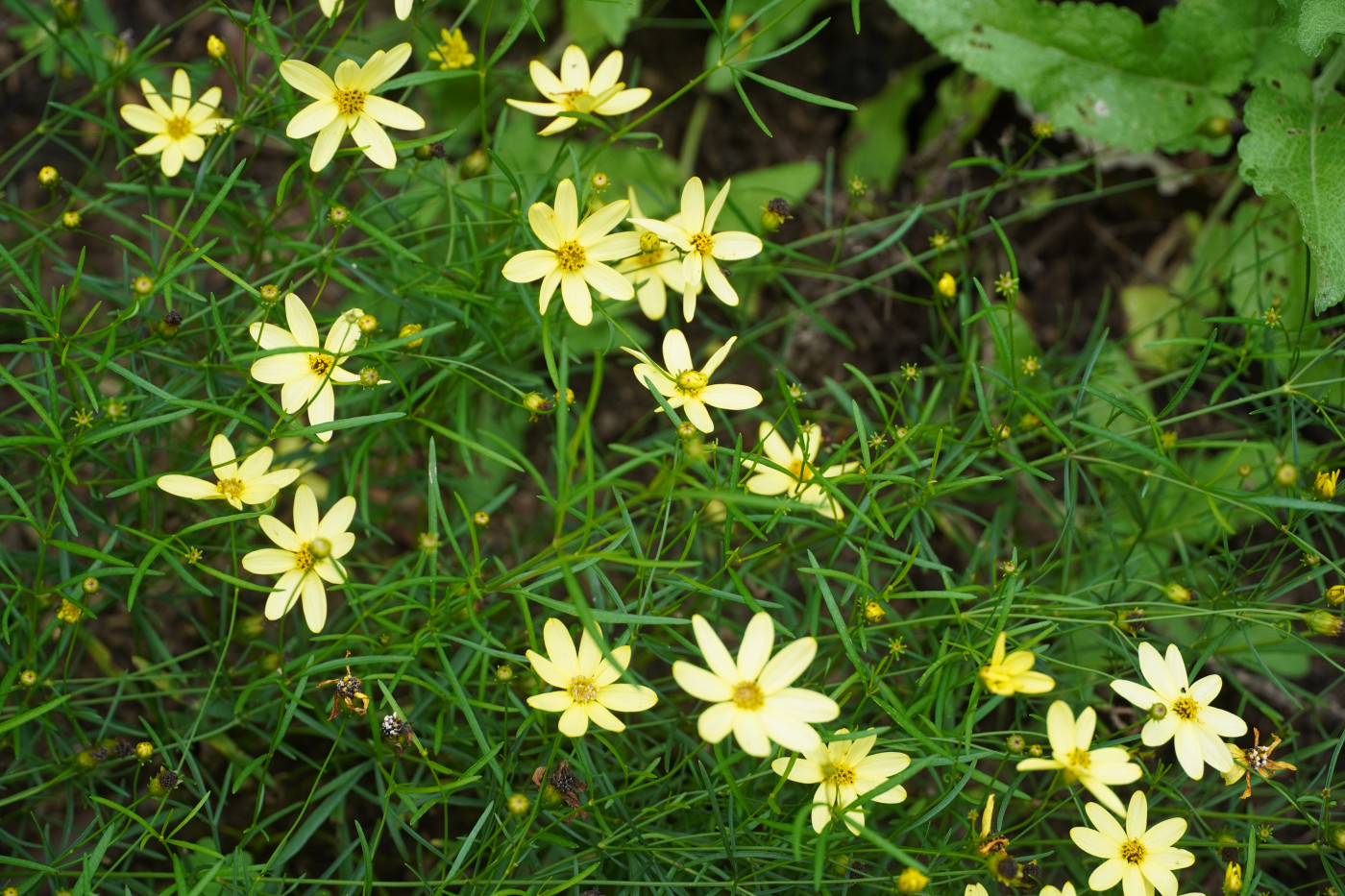
Threadleaf Coreopsis
With finely textured, feathery foliage and cheerful star-shaped blooms, threadleaf coreopsis is a perennial powerhouse. Varieties like 'Moonbeam' (soft yellow) and 'Zagreb' (golden yellow) are staples in cottage gardens and perennial borders.
Pink Coreopsis
Pink coreopsis produces delicate pink blooms (as the name suggests) with a yellow center. It prefers slightly moister soils and spreads gently to fill in gaps.
Coreopsis 'Mercury Rising'
A stunning variety with deep wine-red to purple blooms — a real showstopper.
Coreopsis 'Uptick' Series
A relatively newer series developed for longer bloom time and better heat performance. Available in gold, cream, yellow, and bi-color blends, the Uptick series is a great choice if you want extended color without much deadheading.
Coreopsis Planting Basics: Depth, Temperature, Soil, and Timing
Alright, now we get into the details of growing coreopsis. Whether you're direct sowing seeds, starting indoors, or planting transplants, here's what you need to know about the fundamentals of coreopsis planting.
Seed Depth
When direct-sowing, press seeds gently into the soil and barely cover them, if at all. They need light! A dusting of soil no more than 1/8 inch deep is ideal. If you bury them too deep, germination rates will suffer noticeably.
Soil Temperature for Germination
Coreopsis seeds germinate best when soil temperatures are consistently between 60°F and 70°F (15°C–21°C). If you're starting seeds indoors, a seedling heat mat can really help. Germination typically takes 7–21 days, depending on conditions and variety.
Best Time to Plant Coreopsis
- Direct sowing outdoors: In most climates, sow seeds after the last frost date in spring when the soil has warmed. In mild climates (Zones 7–10), you can also sow in fall for winter-into-spring blooms.
- Starting indoors: Begin seeds 6–8 weeks before your last expected frost date for earlier blooms.
- Transplanting seedlings: Wait until nighttime temperatures are reliably above 50°F.
Sunlight Requirements
Coreopsis is a full sun plant, period. It wants at least 6–8 hours of direct sunlight per day. I've tried squeezing it into a partially shaded spot — it sulks, blooms poorly, and gets leggy. Give it the sun it craves, and it will reward you extravagantly.
Soil Preferences
Coreopsis prefers lean, well-draining soil. Rich, heavily amended soil can cause excessive leafy growth at the expense of flowers. Sandy or average garden soil suits it just fine — just make sure drainage is good, because soggy roots are coreopsis's nemesis.
Spacing
- Small varieties: 12 inches apart
- Larger varieties: 18–24 inches apart
Good airflow between plants helps reduce disease pressure, which we'll get into more in the troubleshooting section.

Organic Coreopsis Planting Methods: Starting Strong Without Chemicals
You know I'm a firm believer in organic gardening, and the good news is that coreopsis is one of the easiest plants to grow without synthetic fertilizers or pesticides. Here's how I do it.
Soil Preparation the Organic Way
Before planting, I like to work in a 2–3 inch layer of finished compost into the planting area. This improves drainage in clay soils, adds water retention in sandy soils, and provides a gentle, slow-release nutrient boost — without overwhelming the plant with nitrogen. Skip the synthetic fertilizers entirely; they tend to produce lush green foliage with fewer blooms.
If your soil is especially poor or compacted, consider adding:
- Aged compost (homemade is best)
- Coarse sand to improve drainage
- A light application of worm castings for microbial activity
Organic Seed Starting Mix
If starting seeds indoors, use a high-quality, organic seed-starting mix rather than regular garden soil. A light, well-draining soil gives seedlings the best possible start.
Watering During Establishment
New transplants and seedlings need consistent moisture to establish. I water deeply 2–3 times per week during the first 3–4 weeks, then taper off as roots establish. Using a soaker hose or drip irrigation keeps water at the root zone and off the foliage — a good habit for disease prevention.
Growing & Tending Coreopsis Organically: Care Through the Season
Once your coreopsis is established, the maintenance level drops dramatically. But there are a few key practices that keep plants looking their best all season long.
Watering
Established coreopsis is wonderfully drought-tolerant. I water mine deeply about once a week during dry spells, and in cooler or rainy weather, I often don't water at all. The golden rule: let the soil dry out between waterings. Consistent overwatering is one of the fastest ways to kill coreopsis.
Fertilizing Organically
In my experience, coreopsis does not need much feeding. An application of balanced organic fertilizer or compost tea once in early spring is typically sufficient. If your soil is already reasonably healthy, you may not need to fertilize at all. Again — avoid high-nitrogen fertilizers, which push green growth over flowers.
Deadheading for Continuous Blooms
Deadheading is the single most impactful thing you can do to extend coreopsis bloom time. Removing spent flowers (deadheading) signals the plant to keep producing buds rather than redirect energy toward seed production. I do a quick sweep through my coreopsis patch every 3–5 days during peak bloom season.
Cutting Back Mid-Season
If your coreopsis starts to look tired or leggy in midsummer, which sometimes happens in hot climates, give it a hard cutback to about 4–6 inches above the ground. Within a few weeks, fresh growth emerges and a beautiful second flush of blooms follows. I call this the "tough love trim" and it never fails.

Harvesting Coreopsis: Seeds, Cut Flowers & More
One of the most underrated aspects of coreopsis is how useful it is beyond just being pretty in the garden.
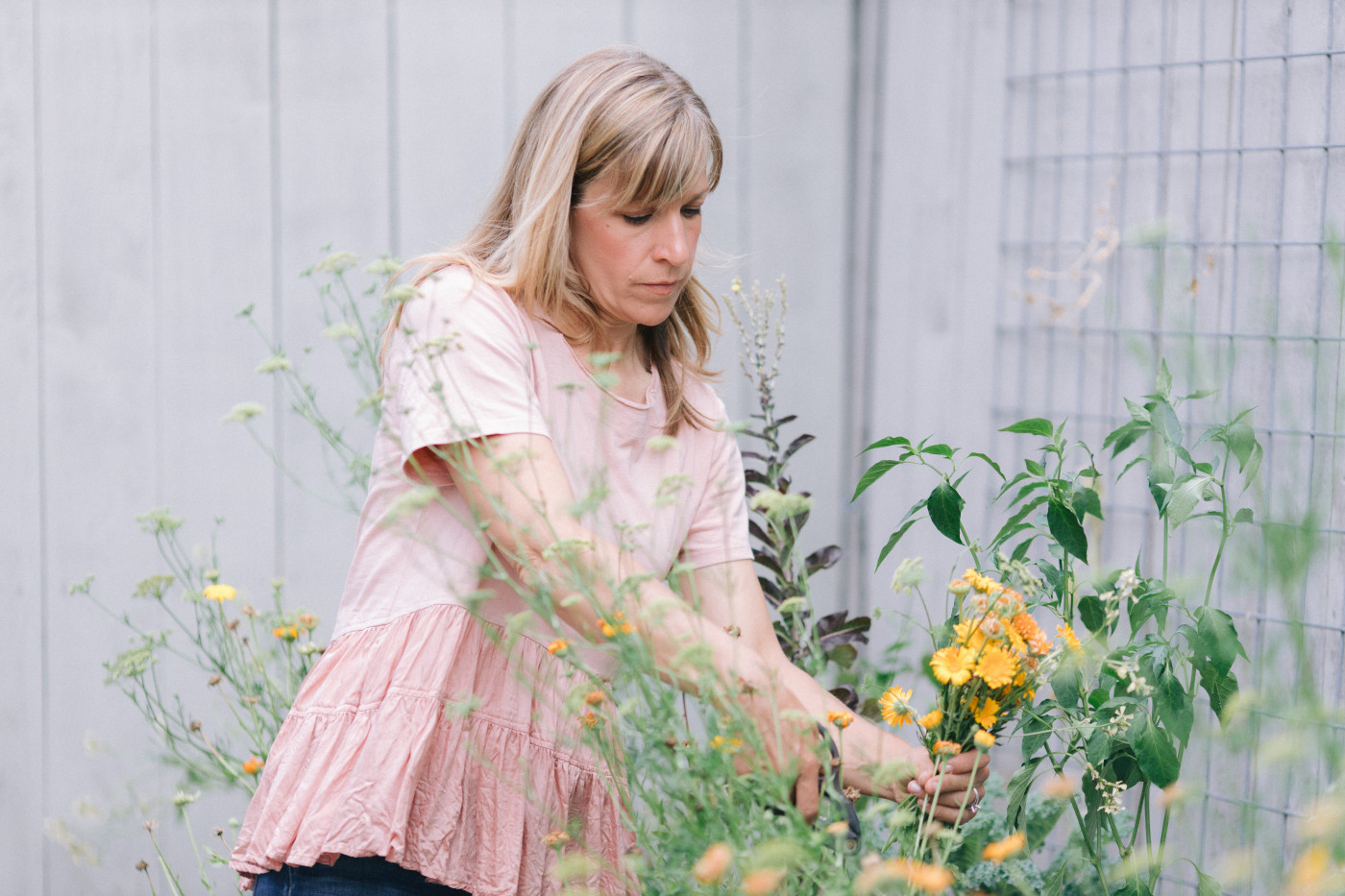
Harvesting as Cut Flowers
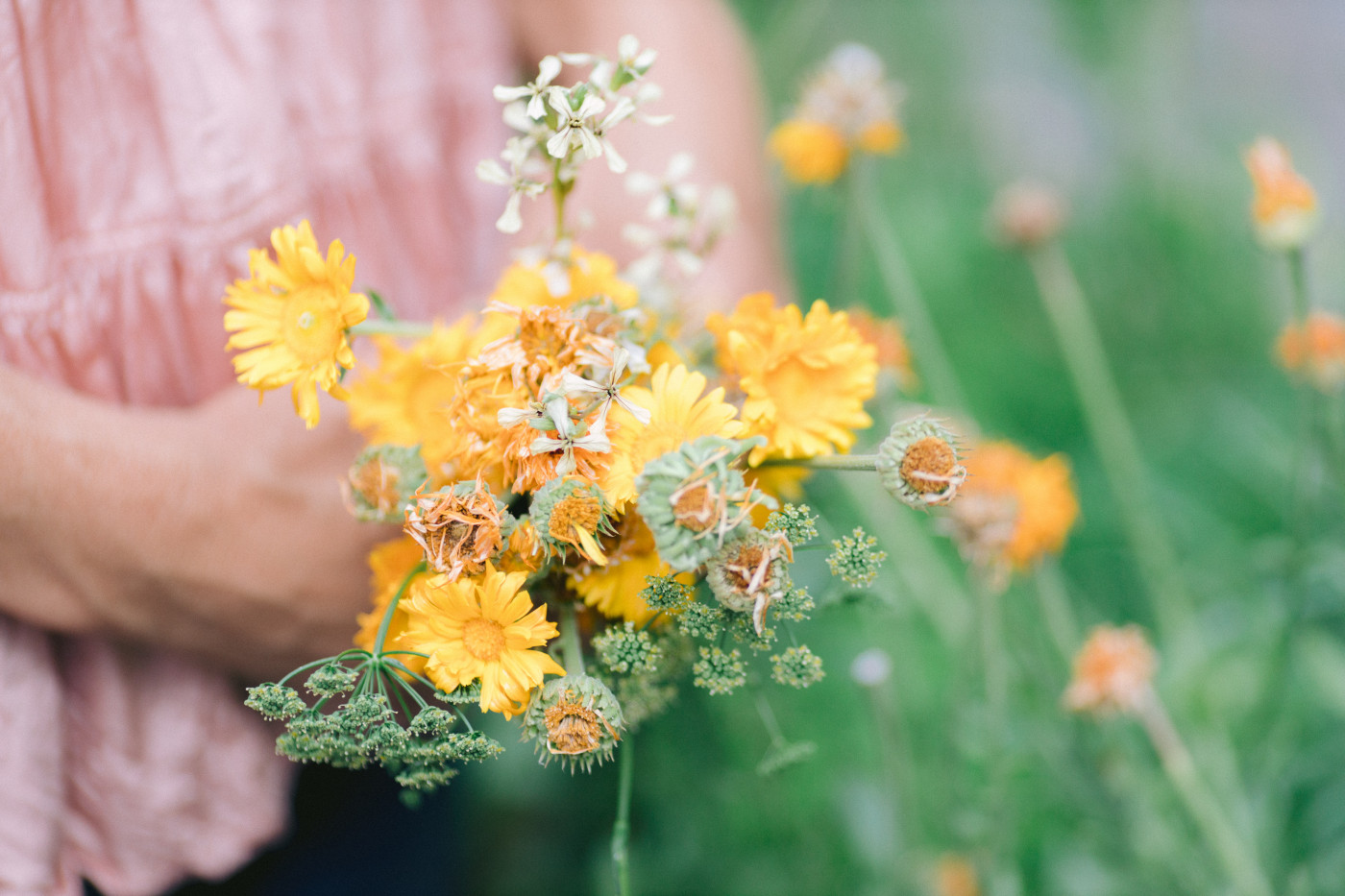
Coreopsis makes a wonderful cut flower. For the longest vase life, harvest stems in the morning when they're fully turgid, selecting blooms that are just beginning to open. Strip the lower leaves, place immediately into cool water, and change the water every two days. Expect 5–7 days of vase life, sometimes longer.
Harvesting Seeds
If you want to save seeds for next year (or for sharing with friends — which I do every fall), wait until the flower heads are fully dry and brown on the plant. Snip the entire seed head into a paper bag and allow it to dry further indoors for 1–2 weeks. Then crush the heads gently to release seeds, and store in a cool, dry place in a labeled envelope. Coreopsis seeds remain viable for 2–3 years when stored properly.
Harvesting for Natural Dye
If you're interested in the natural dyeing tradition, harvest Plains Coreopsis flowers in full bloom for the most vivid color results. Fresh or dried flowers can be used. Simmer the flowers in water to create a dye bath, then add mordanted fiber for colors ranging from bright gold to deep burnt orange. It's a genuinely magical process.
Using Coreopsis Flowers as a Culinary Garnish
Yes, coreopsis flowers are edible! The petals have a mildly tangy, slightly bitter flavor and add a stunning pop of color to:
- Green salads
- Cocktails and mocktails
- Dessert plates and cakes
- Herb butter
Just make sure any flowers you plan to eat were grown without pesticides or synthetic chemicals.
Best Ways to Use Coreopsis in Your Garden and Beyond
Coreopsis is one of the most versatile plants I grow. Here are some of my favorite ways to put it to use:
- Pollinator gardens or "butterfly gardens": Plant in drifts alongside native grasses, black-eyed Susans, and echinacea for a buzzing, wildlife-friendly haven.
- Cut flower gardens: Mix with zinnias, rudbeckia, and cosmos for cheerful summer bouquets.
- Cottage garden borders: The airy texture of threadleaf coreopsis is perfect for softening the edges of mixed perennial borders.
- Naturalized meadow plantings: This flower is excellent for broadcasting in a wildflower meadow mix. It self-seeds readily and adds brilliant color.
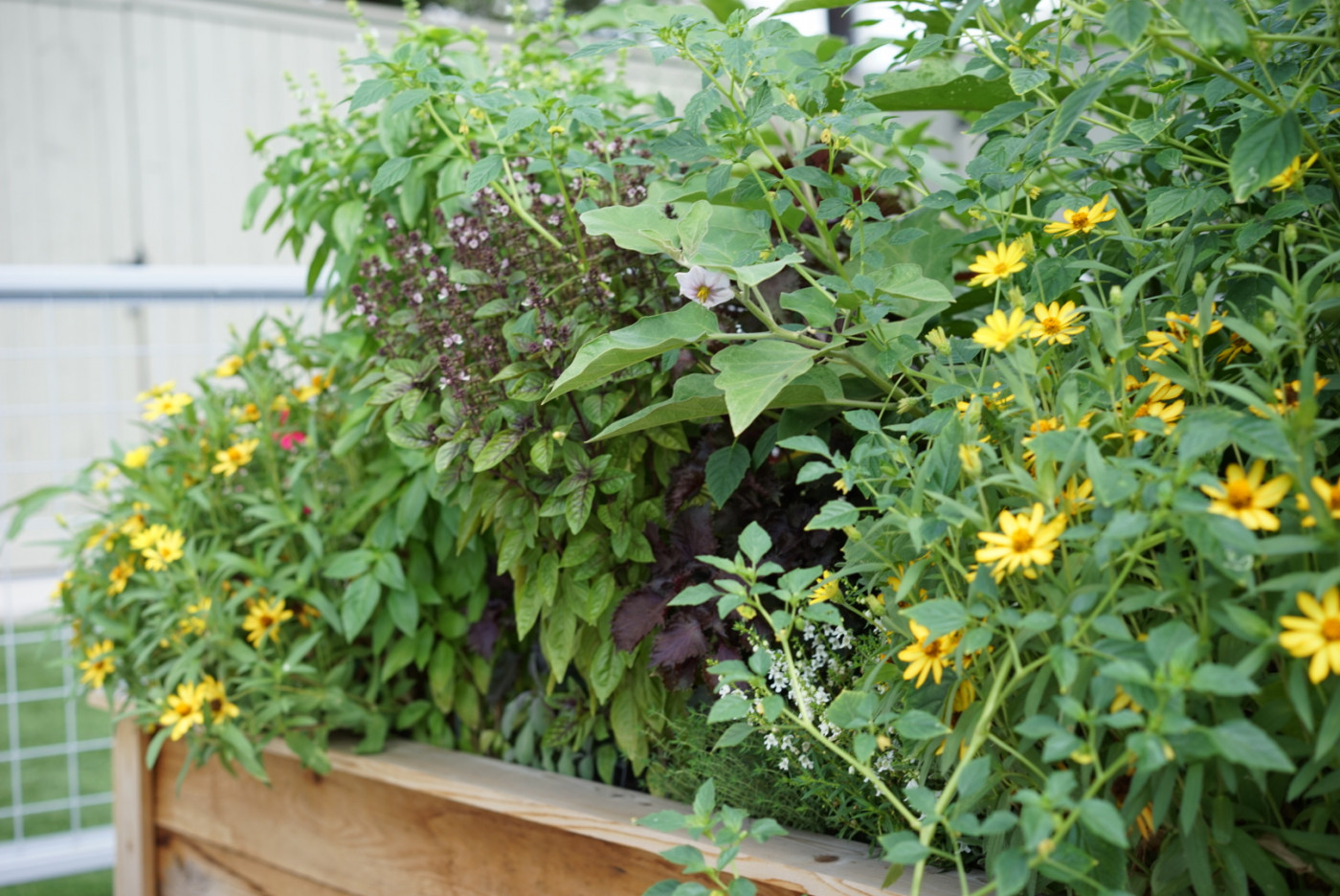
- Container gardening: Compact varieties work beautifully in containers on sunny patios and decks.
- Erosion control: The fibrous root systems of perennial coreopsis varieties help stabilize slopes and hillsides.
- Natural dye garden: Plant a dedicated patch of Plains Coreopsis alongside other dye plants like indigo and madder for a functional, beautiful dye garden.

Troubleshooting Coreopsis: Common Problems and Organic Solutions
Even a tough plant like coreopsis can run into trouble occasionally. Here are the most common issues I've encountered and how I handle them organically.
Powdery Mildew
Symptoms: White, powdery coating on leaves, usually appearing in late summer. Check out my article on how to treat powdery mildew for more help.
Cause: Poor air circulation, high humidity, or overcrowding.
Organic fix: Improve spacing, increase airflow, and spray affected plants with a solution of 1 tablespoon baking soda + 1 teaspoon neem oil + 1 quart water. Remove and dispose of heavily affected foliage.
Root Rot
Symptoms: Wilting despite adequate water, yellowing leaves, mushy crown.
Cause: Overwatering or poorly draining soil.
Organic fix: Improve drainage before replanting. There's unfortunately no saving a severely rotted plant. Prevention is everything here. Let the soil dry out between waterings.
Aphids
Symptoms: Clusters of small soft-bodied insects on new growth, sticky residue on leaves.
Organic fix: Blast off with a strong stream of water, or apply insecticidal soap spray. Attracting beneficial insects (ladybugs, lacewings) with companion planting also helps keep aphid populations in check. Here are some more tips on how to get rid of aphids.
Legginess / Poor Blooming
Symptoms: Tall, floppy plants with sparse flowers.
Cause: Too much shade, over-fertilization (especially nitrogen), or need for cutback.
Fix: Relocate to a sunnier spot, reduce fertilizing, and cut the plant back hard to encourage fresh, compact growth.
Crown Rot / Stem Rot
Symptoms: Blackened, mushy base of stems at soil level.
Cause: Wet, poorly drained soil combined with warm temperatures.
Fix: Improve drainage, avoid mulching right up against the crown, and water at the base rather than overhead.
Short-Lived Perennial Die-Off
Some coreopsis varieties are short-lived perennials and may die out after 2–3 years. This is normal, not a failure on your part. Simply divide healthy clumps every 2–3 years, or allow plants to self-seed for natural regeneration.
Stop Spraying. Start Gardening Smarter.
Organic Pest Control Made Simple
No harsh sprays. No endless guessing. Just a thriving, abundant garden that practically protects itself. With the Organic Pest Control Method, you’ll learn Nicole Burke's exact steps to grow naturally and confidently, season after season.
Frequently Asked Questions About Coreopsis Planting
Q: Is coreopsis annual or perennial? It depends on the species! Coreopsis tinctoria is an annual, while C. verticillata, C. grandiflora, and several others are perennials. Many perennial species behave as short-lived perennials in colder climates.
Q: When should I plant coreopsis seeds? Direct sow outdoors after your last frost date in spring, or 6–8 weeks before last frost if starting indoors. In warmer zones, fall planting is also an option.
Q: How long does it take coreopsis to bloom from seed? Most varieties will bloom in their first year from seed, typically within 10–14 weeks of germination under good conditions.
Q: Does coreopsis spread? Yes, in the best possible way! Perennial varieties spread slowly through rhizomes, and annual varieties self-seed readily. Neither is invasive, so both are easy to manage. It won't take over your entire garden.
Q: Is coreopsis deer-resistant? Generally yes. While no plant is deer-proof if a deer is hungry enough, coreopsis is considered strongly deer-resistant and is rarely bothered by browsing.
Q: Can I grow coreopsis in containers? Absolutely! Choose compact varieties, use a well-draining potting mix, and place in full sun. Container-grown coreopsis may need slightly more frequent watering than in-ground plants.
Q: Can I grow coreopsis from cuttings? Perennial species can be propagated by stem cuttings taken in early summer or by division in spring or fall. Dividing every 2–3 years also reinvigorates older clumps.
Q: Is coreopsis toxic to pets? Coreopsis is generally considered non-toxic to dogs and cats, making it a pet-safe choice for your garden. Always verify with your veterinarian for specific concerns.

Final Thoughts on Coreopsis Planting: Why I'll Never Stop Growing It
Coreopsis asks for very little: a sunny spot, decent drainage, and the occasional trim. In return, it gives you months of color, a garden full of butterflies and bees, beautiful cut flowers, and, if you're feeling adventurous, gorgeous natural dyes and edible garnishes.
If you're starting from seed this spring, picking up a few transplants at your local nursery, or dividing a clump from a generous gardening neighbor, I hope this coreopsis planting guide gives you everything you need to grow it with success. It's worth it. Your garden (and the bees) are waiting.