The Short Version: Bush beans are one of the fastest and most rewarding warm-season crops you can grow in a raised bed. They go from seed to harvest in 55 to 65 days, need no trellis, and are the perfect crop to fill the space left behind when cool-season lettuce comes out in late spring.
Grow Your Own Bush Beans
Bush beans are an excellent, fast-growing crop to fill those empty spaces in your raised beds and be ready to harvest in the next 55 to 65 days. While pole beans are also great, they take a bit longer to grow and require some type of support (thus their name).
Bush beans are more compact and stay low, making them perfect companions for cucumbers that need to vine up your trellises or plants like peppers that will grow tall.
To plant your own bush beans, all you need are a pair of pruners, some dry beans, and a jar of water!
Step 1: Clear Out Your Cool-Season Crops
Use pruners to cut the lettuce plants right at their base, rather than pulling out the whole root, to avoid disturbing the soil or another plant. Out with the old, in with the new!
This is also a great time to clean up your garden a bit, especially underneath your trellises, to ensure your warm season plants, like your cucumbers or peppers or tomatoes, have plenty of airflow and sunlight. Clear out dead leaves and other debris from your raised beds—those are just welcome mats for pests like caterpillars and moths. One challenge of intensive planting is staying on top of the garden to encourage maximum production of the delicious things you want to eat.
You could also take this opportunity to add some extra compost and even some mycorrhizae, which will help speed up germination and aid your bush beans in pulling nutrients from the soil to grow faster and bigger.


Step 2: Soak Your Bean Seeds Overnight
Beans have a protective seed coating that protects them from germinating too soon. We can jump-start their growth by soaking them in a jar of water for about 10 to 12 hours.
Step 3: Plant Your Bean Seeds
If you have a dibber for this step, that’s great! If not, you can just use your fingers to push each bean into the soil. Plant bush beans four to six inches apart, or about one every hand length.
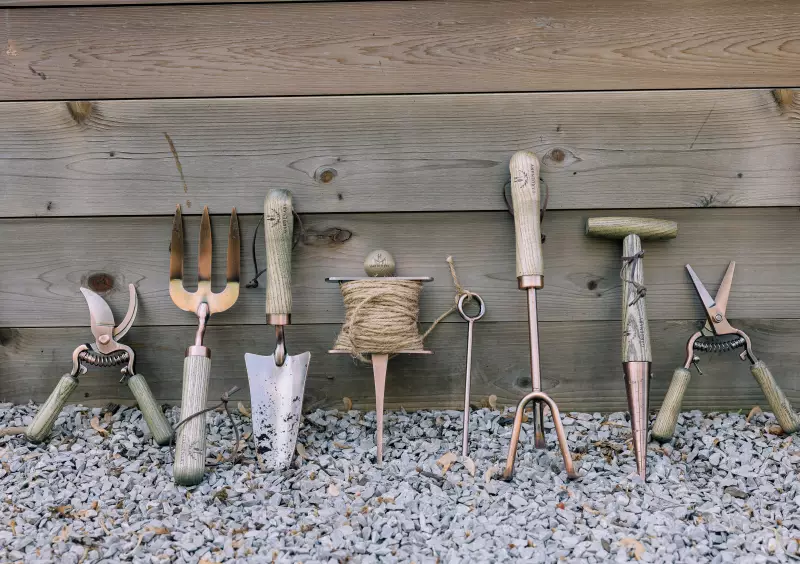
7-Piece Copper Plated Garden Tool Set
Tend your garden like a pro with our all-in-one tool package, thoughtfully curated for every kind of gardener. This essential set equips you with high-quality, durable tools to dig, plant, prune, and grow—season after season.
Bush Bean Care Tips
Bush beans are low-maintenance once they're in the ground.
Here's what to focus on:
Watering:
- Water deeply at the base of the plant — never overhead, as wet leaves invite disease
- Aim for about 1 inch of water per week
- Keep soil consistently moist during flowering and pod formation — this is when water matters most
Fertilizing:
- Beans fix their own nitrogen from the air, so they need less nitrogen than most crops
- Add a layer of compost around the base of plants once they're established
- Avoid high-nitrogen fertilizers — they encourage leaf growth at the expense of pods
Support:
- Bush beans don't need a trellis, but they do benefit from being planted near sturdier plants that can help shelter them in wind
- If plants start to flop, a single garden stake per plant keeps them tidy
Pest watch:
- Check the undersides of leaves regularly for Mexican bean beetles and aphids
- Remove affected leaves immediately and add fresh compost to support recovery
Learn How to Plan and Build Beautiful Raised Beds
Follow a simple process to build a raised bed that makes construction straightforward — even if you’re not “handy.”
Keep Reading
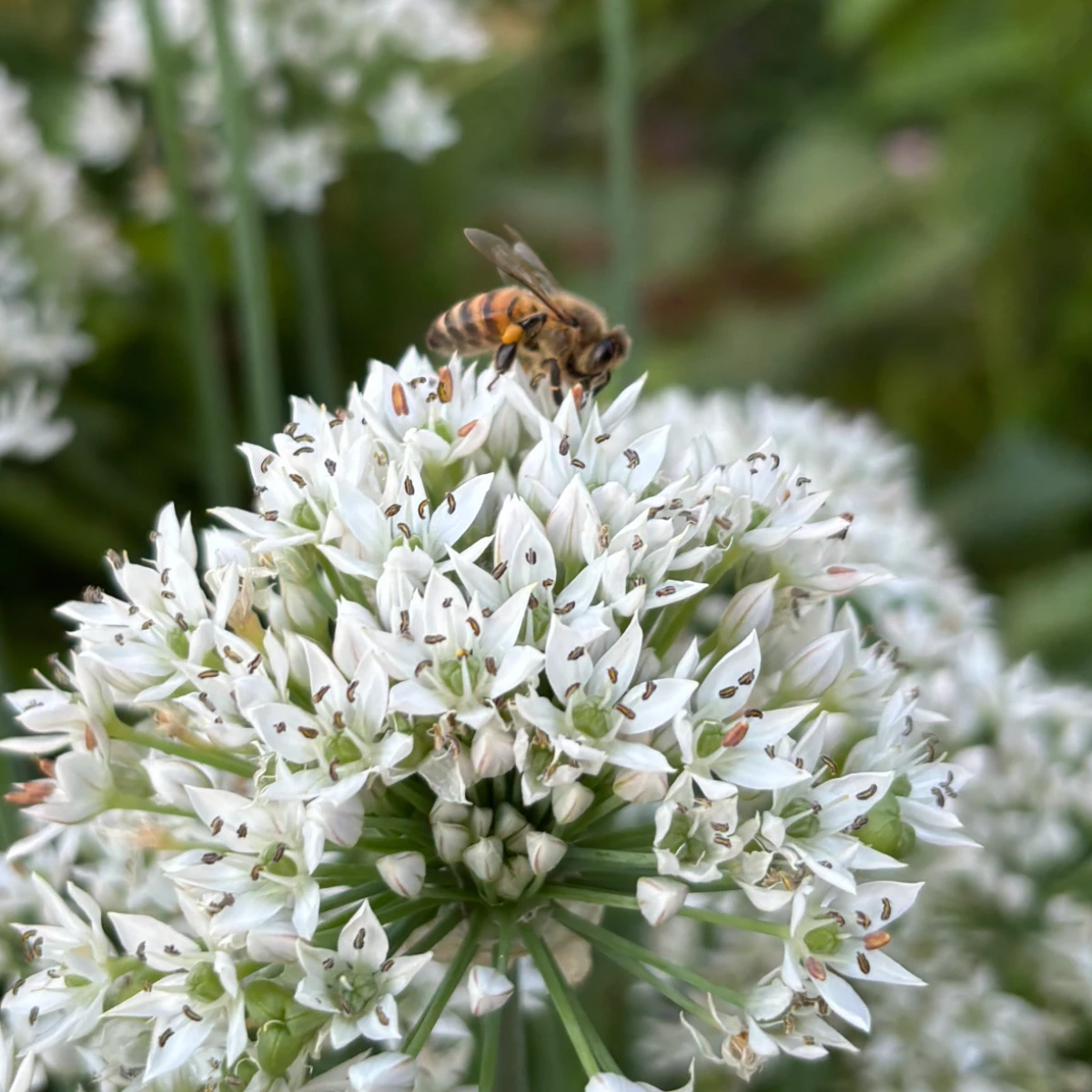
Why You Want More Bugs in Your Garden, Not Less
How to Grow Garlic Plants: 3 Easy Steps to Plant Garlic

The Online Course That Turned This Garden Lover Into a Profitable Garden Consultant
What I Rip Out of My Garden Every September (and What I Leave)
The Best Plant Combinations for the Fall Garden