
At a Glance
- Trellising is the practice of supporting plants vertically to improve growth, airflow, and harvest.
- Using trellises saves space, reduces disease pressure, and makes harvesting easier.
- Trellising works for vegetables, fruits, and flowers and can be adapted to almost any garden style.
Trellises Help Plants Grow the Way They’re Designed To
I think of trellising as helping plants grow the way they naturally want to grow. Certain plants are climbers by design. When we support them vertically, everything about the garden gets easier.
In nature, climbing plants latch onto trees, shrubs, and other plants. In a garden, we replace those natural supports with intentional structures that keep plants healthy and manageable.
Trellising is one of those gardening terms that sounds more complicated than it actually is. At its core, trellising simply means giving plants a structure to grow on instead of letting them sprawl across the ground.
If you have ever tied up tomatoes, trained cucumbers up a panel, or watched beans climb a string, you have already used trellising. It's not fancy or fussy. It's practical, flexible, and one of the easiest ways to improve how your garden functions.


Types of Trellises You Can Use
There is no single “right” trellis. The best trellis is the one that fits your space, your plants, and your gardening style.
Panel Trellises
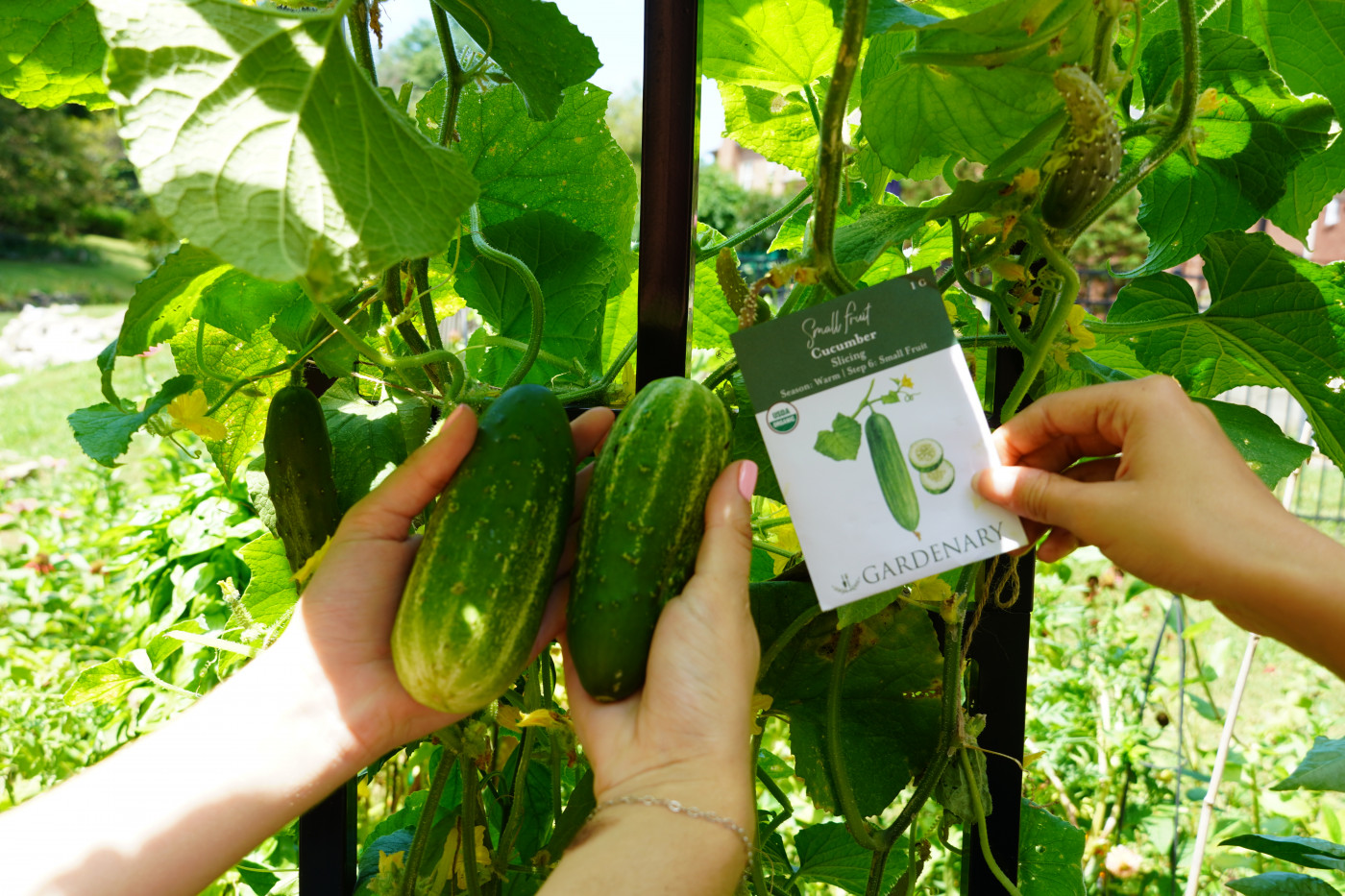
Panel trellises are perfect for cucumbers, beans, peas, and smaller vining plants. They are simple, sturdy, and easy to install. These are great options if your garden sits against a wall or fence. You can also use these strategically to create a little bit of privacy from neighbors.
Arch Trellises
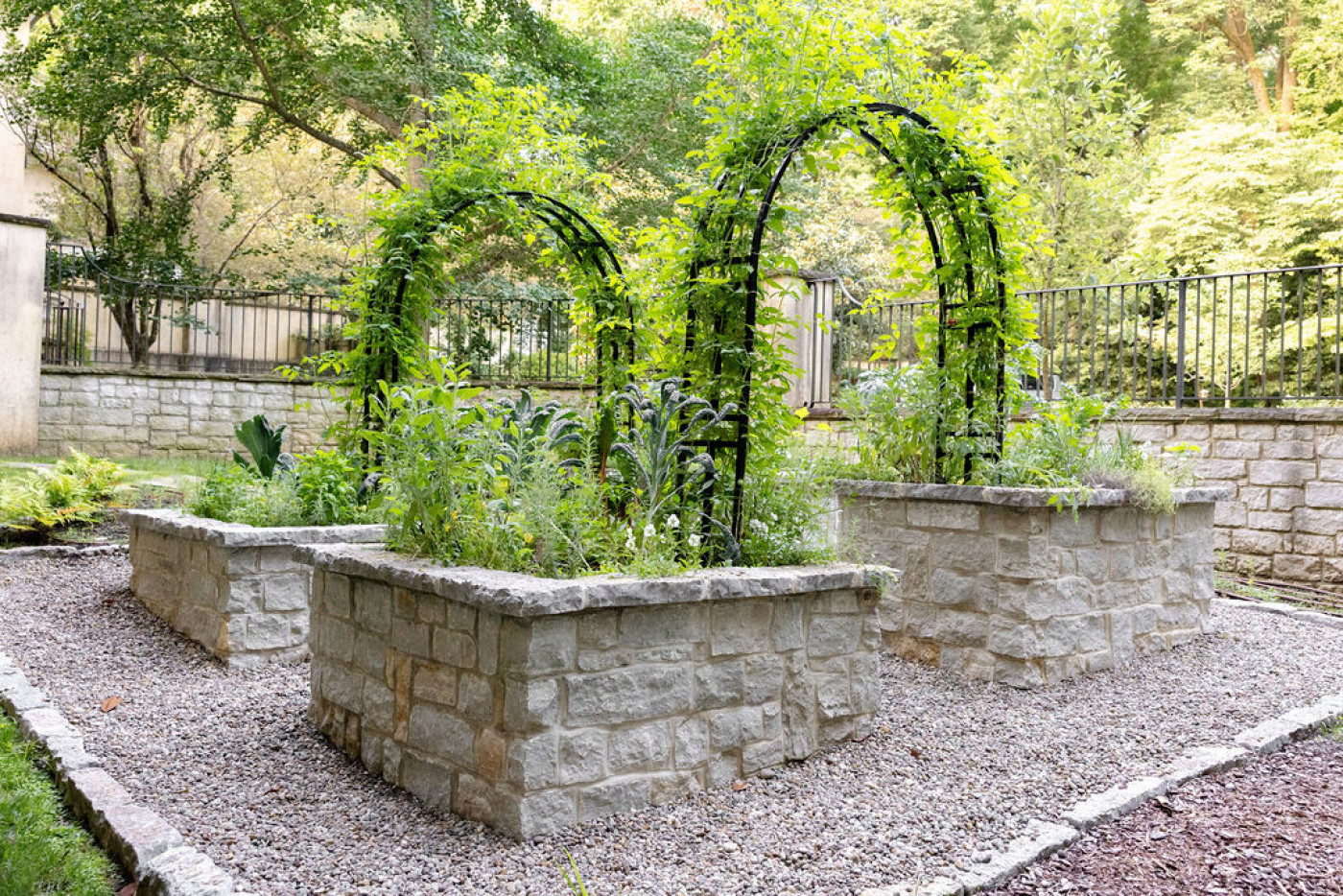
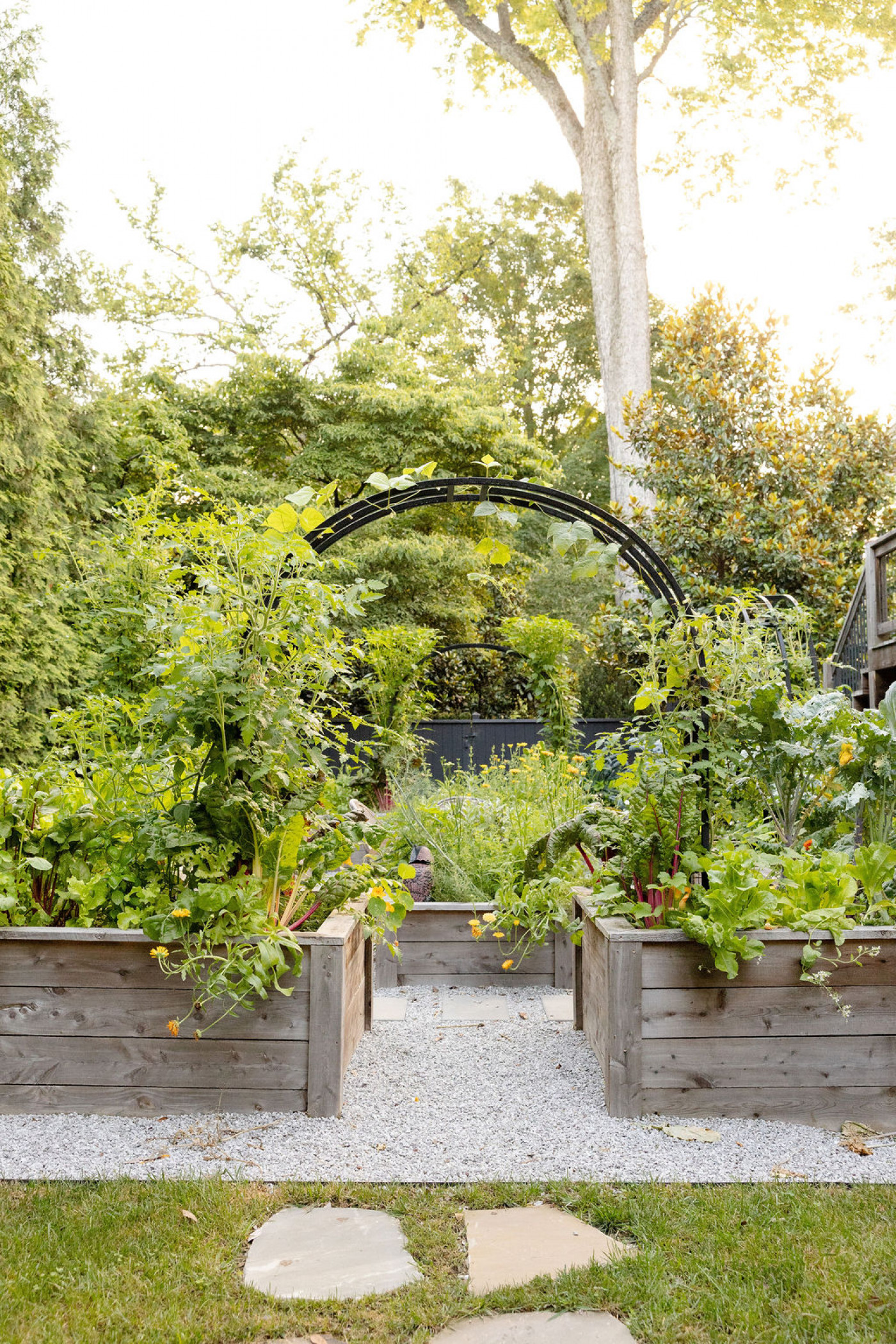
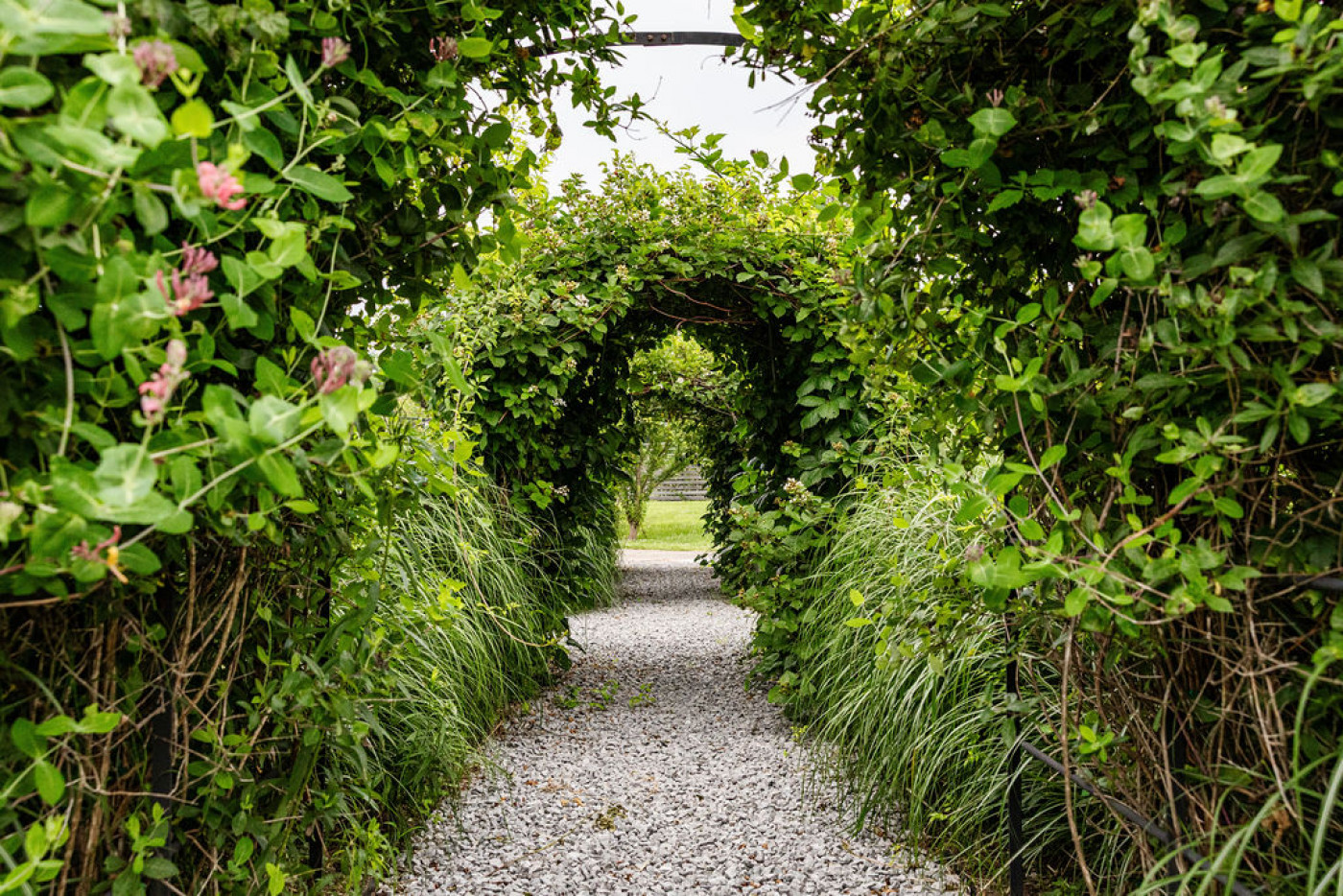
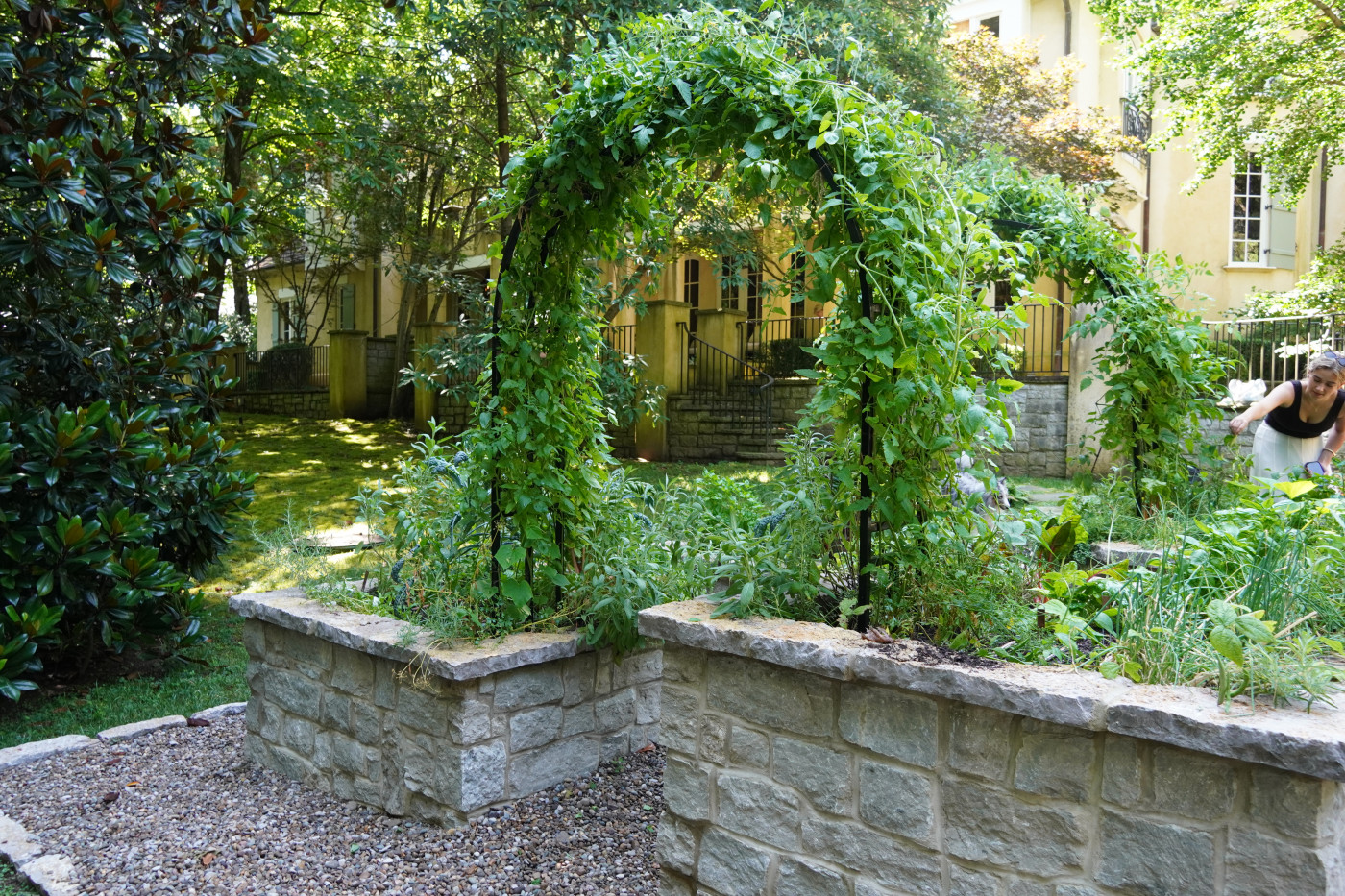
Arches are my absolute FAVORITE type of trellis! They create an interactive element in your garden as a walkway or focal point while supporting heavier crops like squash, melons, and tomatoes. They're functional and beautiful.
Obelisks and Tuteurs
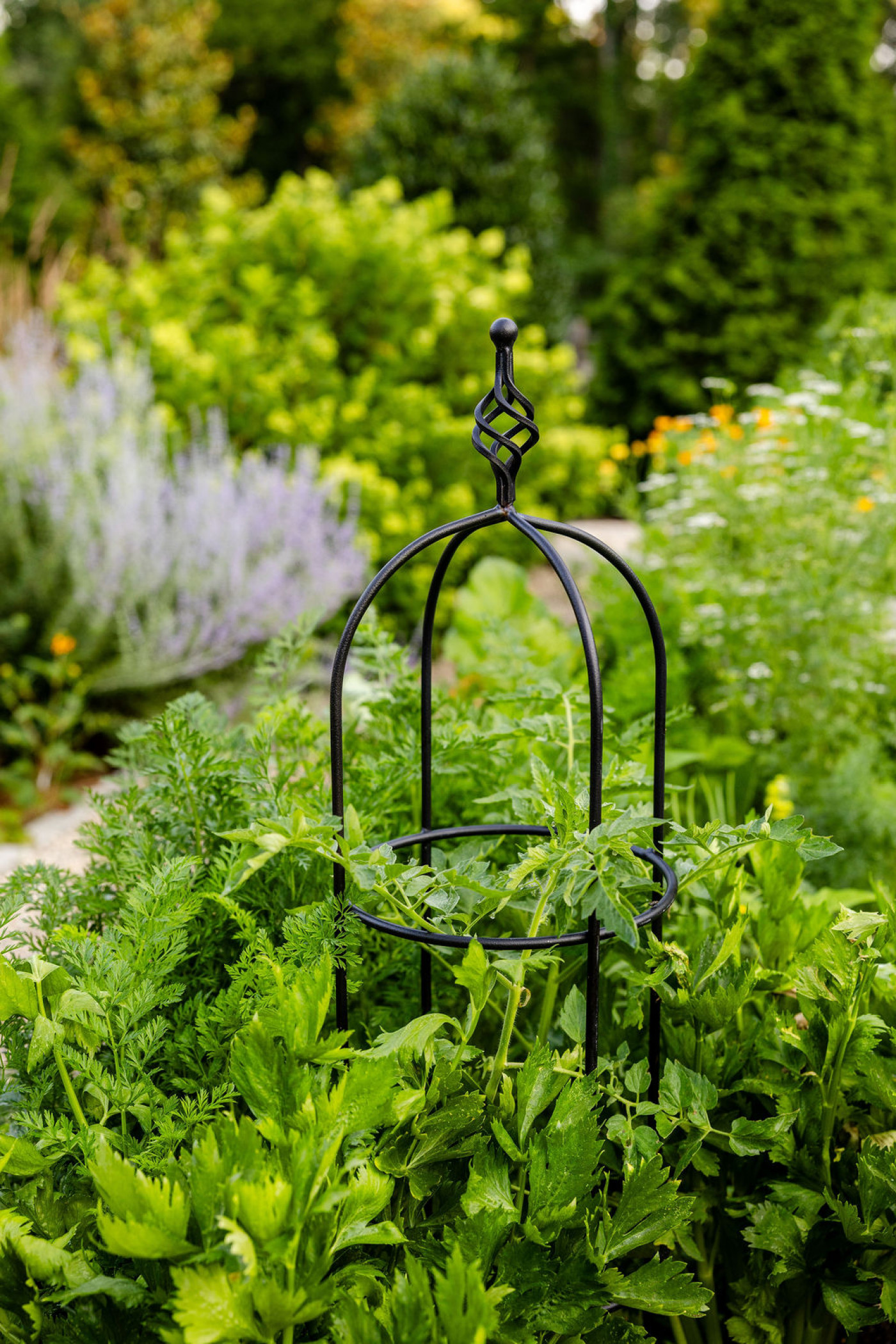
Obelisks give a garden a very classic look. These vertical, sculptural trellises work well for flowers, herbs, and lighter vines. They add height without overwhelming a bed. They're also very versatile and can go into almost any garden layout.
String and Net Trellising
Simple string systems are affordable and flexible. Some gardeners simply attach nets to a fence for a simple solution.
A-Frame Trellises
A-frame trellises are shaped like an upside-down V, providing strong support on both sides for vining plants while remaining stable in wind and heavy growth.

What Are the Benefits of Trellising?
Trellising is not just about saving space, although that is a major benefit. It also affects plant health, productivity, and even how enjoyable your garden is to work in.
Better Airflow and Fewer Diseases
When plants sprawl on the ground, leaves overlap, moisture gets trapped, and airflow is limited. This creates ideal conditions for fungal diseases and rot.
By trellising plants vertically:
- Leaves dry faster after rain or watering
- Air can move freely through the plant
- Disease pressure drops significantly
I have seen powdery mildew and leaf spot problems nearly disappear simply by getting plants off the soil.
Grow More in Less Space
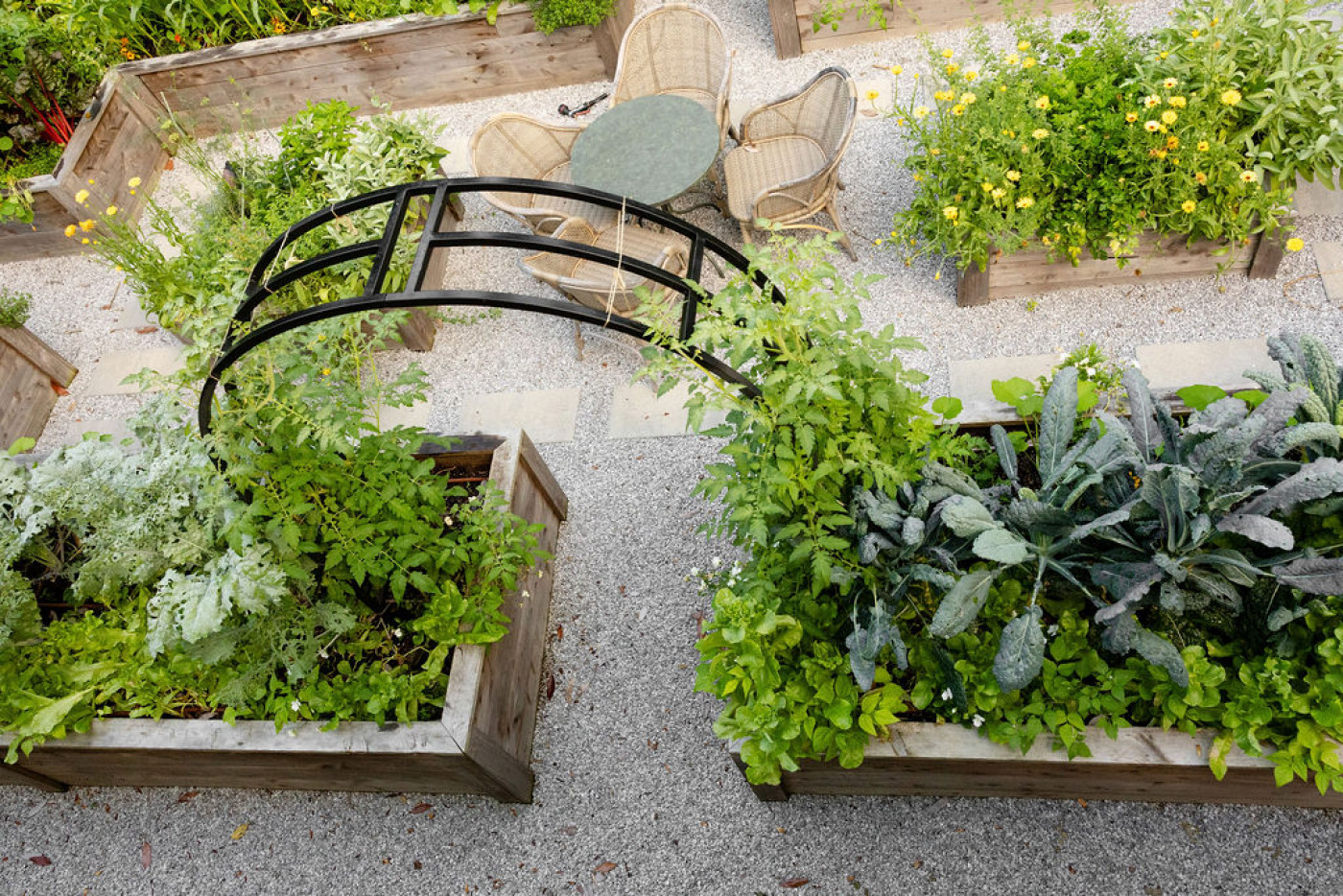
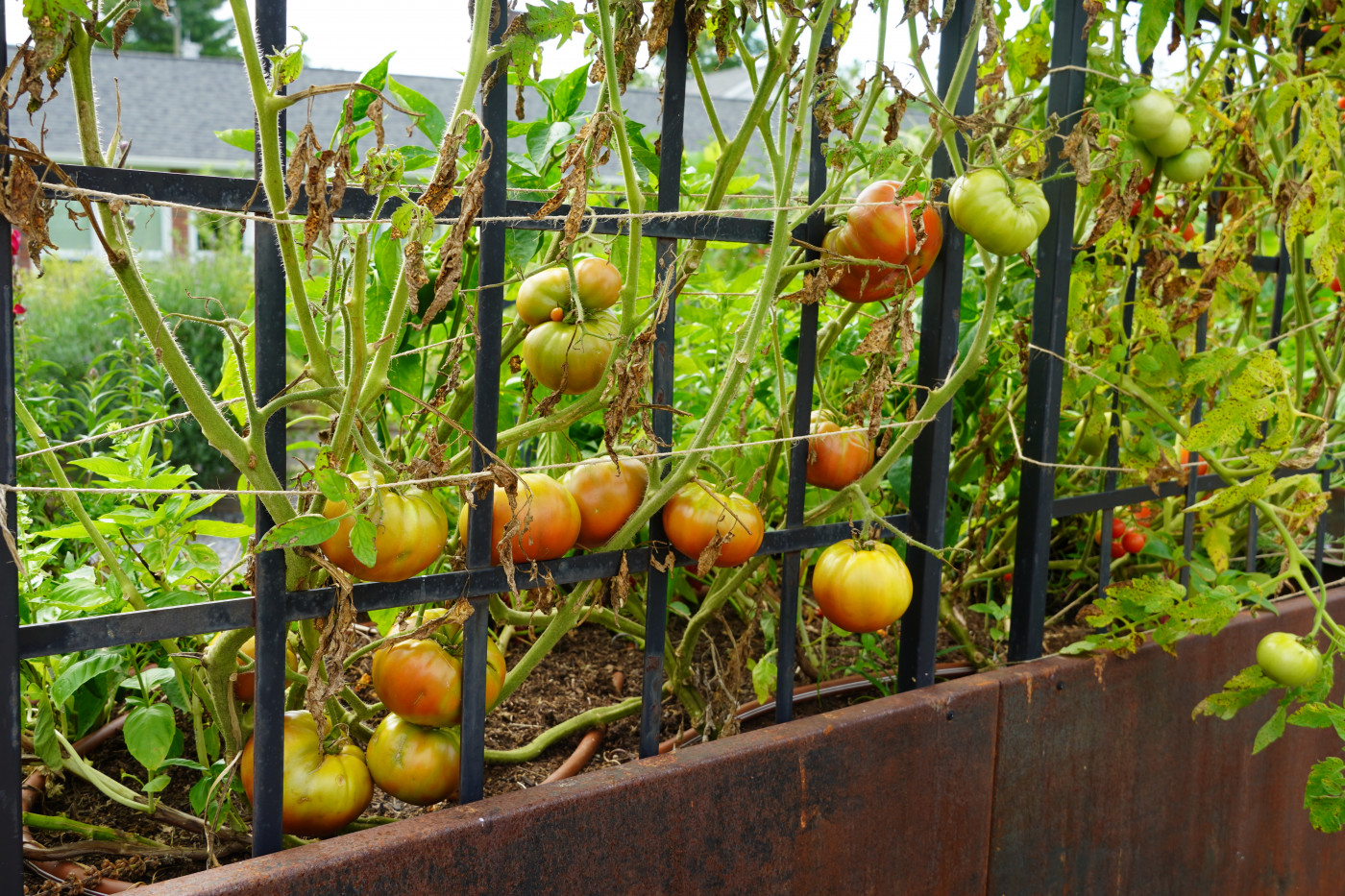
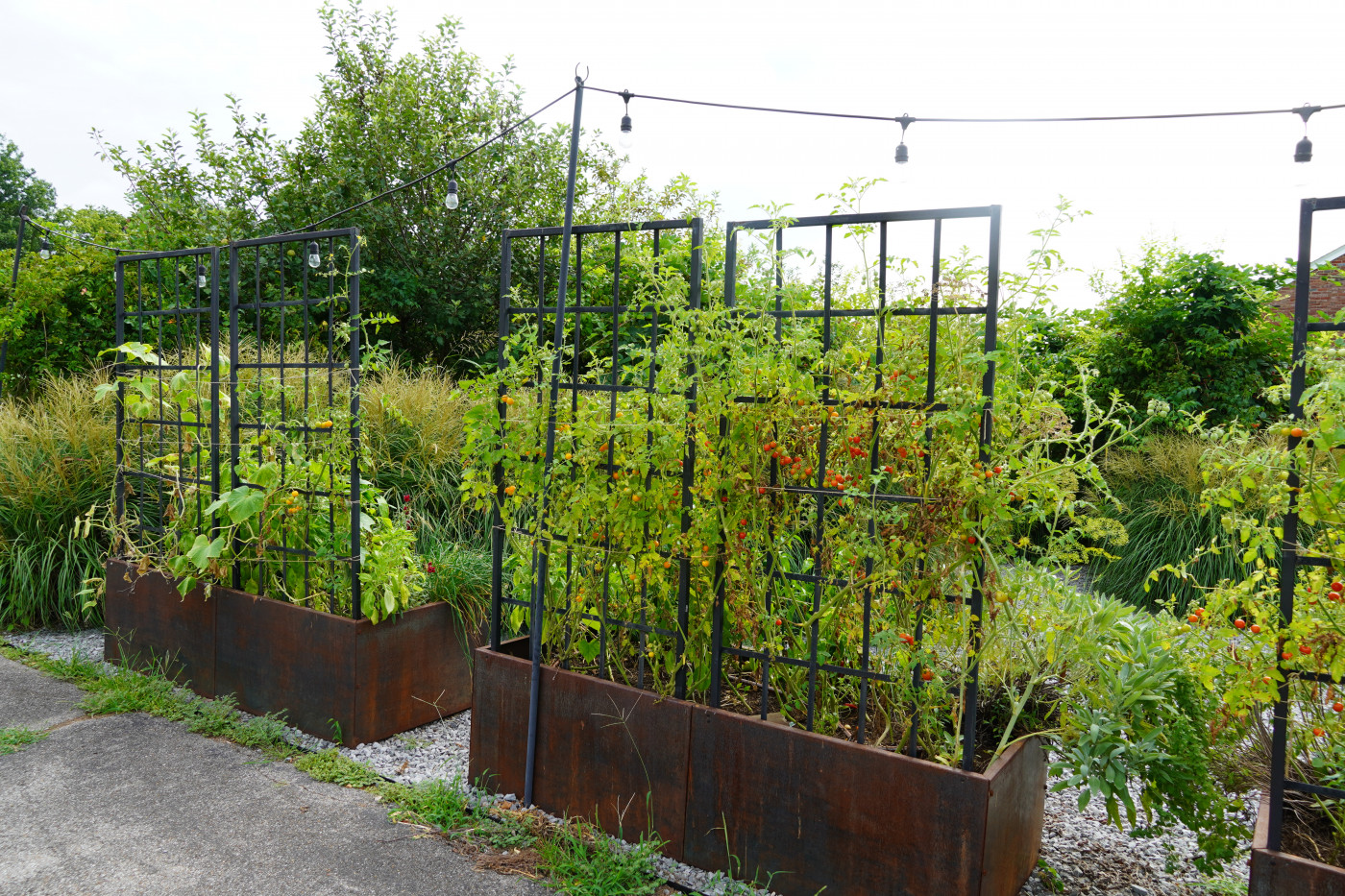
Trellising and raised beds are a natural match because they solve two problems at once: soil quality and space. Raised beds already give you better drainage and healthier soil, and when you add trellises, you unlock the vertical space above the bed as well. Instead of plants spreading outward and competing for room, they grow upward, which keeps beds tidy and organized while allowing you to fit more plants into the same footprint.
I almost always plan trellises at the same time I plan my bed layouts. When I know where vertical growth will happen, it becomes much easier to space everything else correctly. The garden feels less crowded, plants get what they need, and I end up harvesting more from the same amount of space.

Cleaner, Healthier Harvests
Fruit resting on soil is more likely to rot, attract pests, or get damaged. Trellised plants keep fruits lifted, clean, and easier to monitor. Harvesting becomes faster, cleaner, and more enjoyable when you can see what is ready at a glance.
This matters especially for:

Easier Maintenance and Harvesting
One of my favorite benefits of trellising is how much easier it makes daily garden tasks. I spend less time crawling around the garden and more time actually enjoying it.
For many tasks involving a trellis, I can stand or slightly bend while tending to my plants.
When plants grow vertically:
- Pruning is simpler
- Harvesting is faster
- Pests are easier to spot
- Beds stay more organized

Which Plants Love a Trellis?
Not every plant needs a trellis, but many thrive with one. Some plants require support, while others simply perform better when trained upward. Even plants that are not true climbers can often be trained upward with gentle guidance.
Common Plants That Love Trellising
Flowers That Benefit from Trellises
- Sweet peas
- Nasturtiums
- Morning glories
- Climbing roses
- Black-eyed Susan vine

Does Trellising Increase Yield?
In many cases, yes. This happens because plants experience less stress. They receive better airflow, more even light, and fewer disease issues. All of that energy goes into growth instead of recovery.
Trellised plants often produce:
- More usable fruit
- Larger, healthier harvests
- Longer production windows
My Personal Approach to Trellising
I used to think trellising was optional or decorative. Over time, I realized it's foundational.
Now, when I plan a garden, I ask:
- Which plants will grow vertically?
- What support will they need?
- How can I make that support both functional and beautiful?
Trellising has changed how my garden looks and how it performs. It brings order to growth without limiting it, and it makes the garden feel intentional instead of chaotic.

Final Thoughts
Trellising is one of the simplest ways to grow healthier plants, harvest more food, and create a garden that feels easier to manage.
Once you understand what trellising is and why it matters, it becomes less of an add-on and more of a natural part of how you garden.
Try adding a trellis or two to your garden setup this year to increase the range of plants you can grow, and also add a touch of beauty and style!
Plan, Learn, and Grow — Every Season, Simplified
Turn every season into a harvest. These beautiful planners teach you step-by-step how to grow your own food—no green thumb required.