
Eat Seasonally to Change the World for the Better
Eating seasonally is the first step you can take to change the world for the better. Eating seasonally simply means eating what's naturally growing in your local area's current season.
Essentially, eating seasonally means eating greens in early spring, tomatoes in warmer weather, watermelons at the height of summer and root crops and squash in the fall and early winter.
Eat Seasonally
The way to eat seasonally is to primarily eat foods that grow in the season you’re currently living in.
Most of us don't eat seasonally and this is why: the grocery store. In the grocery store, it seems that everything is always in season. The grocery store has fooled us into believing there really isn't such a thing as a season when it comes to our food.
here's why you're not doing this
The grocery store. The grocery store shelves look pretty much the same every day, 365 days of the year. Our current system in North America makes it so that every store is filled with pretty much every kind of food we want to eat every day of the year. The grocery shelves have been fooling us.
LEARN YOUR SEASONS
To start eating seasonally, we have to first learn what the actual seasons are in our area, and then we need to figure out what things grow in each of those seasons.
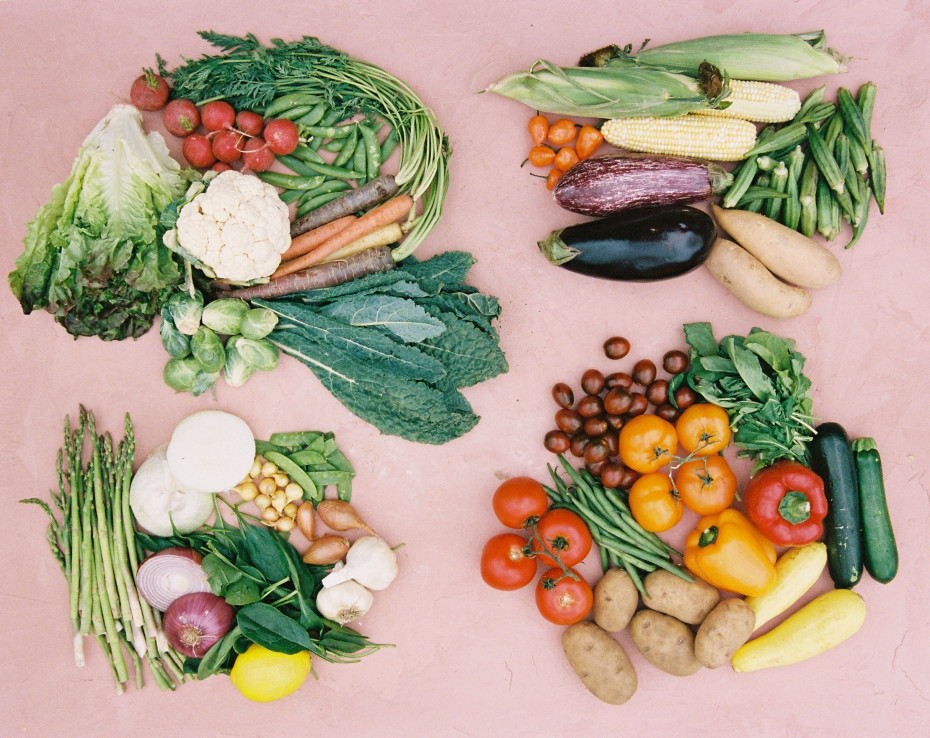
For the coldest season, eating seasonally would mean eating lots of root vegetables and hardy greens that might be growing in a greenhouse like broccoli, cauliflower, kale, and spinach.
In the cool season, you can eat greens, root crops, peas, and eventually strawberries.
In the warmer season, you'll eat tomatoes, peppers, squash, zucchini, and beans.
And in the hottest time of the year, you can be eating melons, basil, eggplant, okra, and peaches.

here's what happens when you eat seasonally
one
You'll eat more quantity of a single food but less variety in any given season. When strawberry season rolls around, you’re going to eat those strawberries in every way imaginable. You end up filling up on the very best things available in that season, and by the time they're no longer in season, you're kind of done with them because you’ve had your fill.
two
You give your body more of what it needs when it needs it. It's like nature knows us or something. Watermelons grow in summer when we need water, citrus grows in the colder seasons when we need more Vitamin C. When you eat the foods in season, you'll literally see a difference in your overall health.
three
You'll spend less money. When supply is less than demand, the price goes down and vice versa. So, when you're trying to buy things that aren't in season, there's much less supply than demand, so you pay more.
When you eat seasonally, you literally fill up on the good stuff. Then when those things aren't in season any more, you're okay with it because you've had your fill.
Shop Locally to Change the World for the Better
Shop Locally
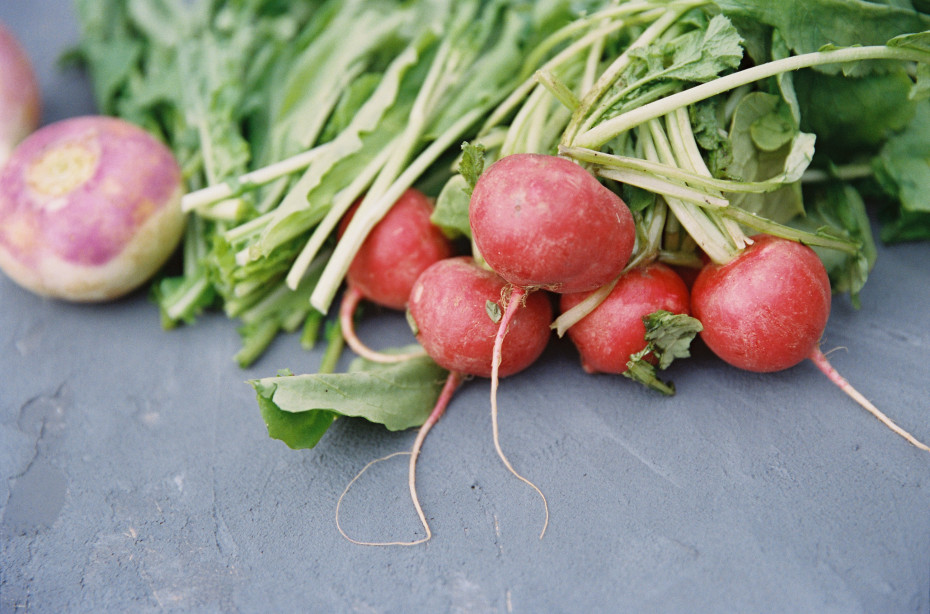
When shopping locally, you prioritize spending money on foods that are grown as close to your home as possible. Prioritize your spending on foods that are grown as close to your home as possible.

here's why you're not doing this
Grocery stores and our current food system makes this extremely difficult. Most of the grocery stores that are near you are likely bringing food in from really large farms. We've created a food system that prioritizes farmers that grow in bulk and sell in bulk, so grocery stores in general like to do deals with farmers that are growing loads and loads of certain varieties of foods, and they buy larger quantities from them at a cheaper price. When this happens, most likely the growers are not nearby.
When you head to the store, it's often not evident who grew your food, so you'll more than likely buy loads of produce and have no idea how far your food traveled to get inside your cart.
how to shop locally
ONE: SHOP AT THE FARMER'S MARKET
The first (and best) way to shop locally is to shop at local farmer's markets. When you shop at a farmer's market, almost all of your money is going to go straight into the hands of your local growers. Depending on where you live, there will be different options for you. Once you find a farmers market near you, you’ll want to prioritize getting there as much as you can.
TWO: SIGN UP FOR A CSA
I do know that with a busy schedule it can be hard to set aside time each week to make a trip to your farmer's market. This is where CSAs come in. CSA stands for Community Supported Agriculture. It’s sort of like Hello Fresh or some of those other food subscription services, but it’s even better! Services like Hello Fresh are great because they do help people to eat healthier. The problem is that they’re likely shipping the produce from all over the world. A CSA is better because you will be getting produce that was grown near you.
Head to this link to learn more about CSAs and to find one in your area.
THREE: CHECK THE GROCERY TAGS
So we are doing our best at getting to the farmer's markets and we’ve signed up for a CSA. But we all know there will be times when you need to hit the grocery store. What then?
First, check the tags. Pick the produce with tags that mark locations as close to you as possible.
No tags? Talk to the employees at the store. Ask them where that food came from. Ask if they stock any produce from nearby farms. Every time you ask the question, you are letting your local grocery stores know that you value local produce. When they start to hear this over and over again, they'll be more likely to prioritize it.
What Happens When You Shop Locally
Your good food will taste better, your food will be less expensive, and the money you spend on your food will go right back into your community, providing resources for some of the hardest workers in your area.
what happens when you shop locally
one: Your Food Is Going to Taste Good
When your food has a shorter shelf life and fewer travel days, and hits your plate as soon as possible, the good food you should be eating is actually going to taste good too.
two: You'll Spend Less
By shopping locally, you're spending less money on things of less value like packaging and trucking, and ALL of your funds will be going to the farmer and grower who've worked hard to make your food great.
three: You're Helping Your Economy
Every time you spend money locally, you ensure that your food money is helping your local community and the heroes that work so hard inside your town and city. You're investing in your own property, your schools, all the aspects of your local area.

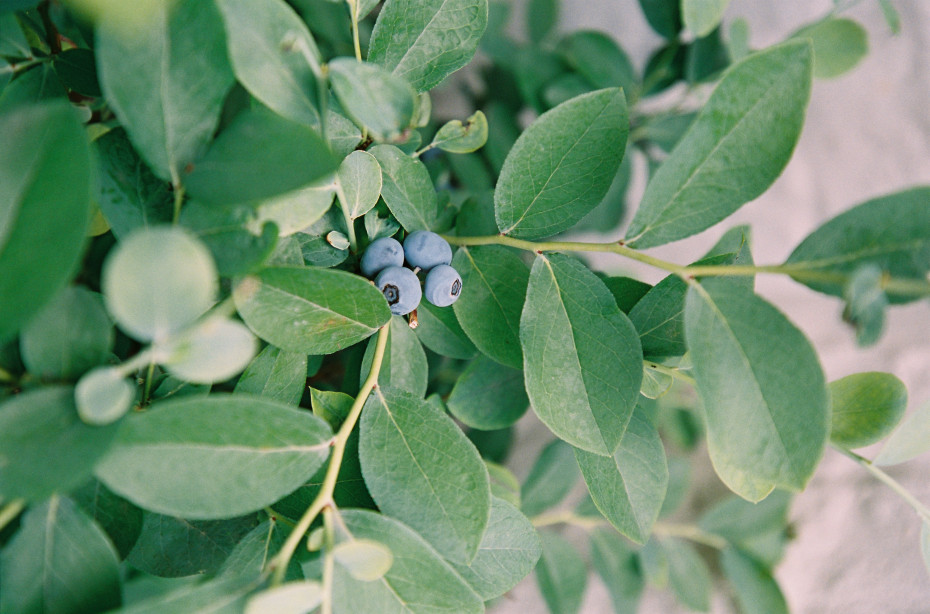
I strongly believe that every single farmer needs to be supported, but I do believe that a system where each farmer is supported by her own local community, we'll each have stronger and healthier economies and a stronger and healthier planet.
Grow Naturally to Change the World for the Better
Grow Naturally
Start to grow a little of your own food right in your very own space. You can start simply by just grow something, and do it naturally.
here's why you're not doing this:
one
You believe in the idea of a green thumb--that people are either born with a natural ability to garden or they're just not. You've heard of this, right? But the green thumb idea is a myth. Human history tells us this: we've been gardening to keep ourselves alive for thousands of years--it's human nature for us to grow naturally. Green thumbs aren't magic, they're developed with practice and training. Gardening is for everyone, you included.
two
There's little access to methodical instruction and education on how we can all do this at home. Most of us can make it through years of grade school, college, and even graduate school and never learn a single thing about how to grow a little of our own food naturally at home.
three
You're part of a system where the focus in the gardening industry is on products, not people. When you head to the store, there's racks and racks of things you can buy in regards to gardening but very few people there ready to help you understand how to use those things or what those products even do. Worse still, these products are mostly made of synthetic materials and promise miraculous results that are literally supernatural--no pests, no disease, but... explosive growth!
In the garden section of the store, there's rows and rows of synthetically made products that are supposed to help us do something that nature does. Kind of ironic, right?
STEP ONE: TAKE THE GREEN THUMB QUIZ
You heard me say that I believe that the green thumb is a myth, but I also believe that we can all develop our green thumb. I've developed this quiz to help you figure out where you currently are in your growing, and how I'm going to teach you to bring your green thumb to the next level.
STEP TWO: START WITH LEAVES
If you've never grown before or if you just want to see some success, I encourage you to start with the leaves. Herbs and greens are simply the easiest things that you can grow naturally. They're the first to come up from the soil, and they're the ones that you can cut from the most often. So anytime I meet a client or a friend who's ready to start trying their hand at gardening, I always recommend they start with the herbs and greens. You should do the same.
STEP THREE: START SMALL
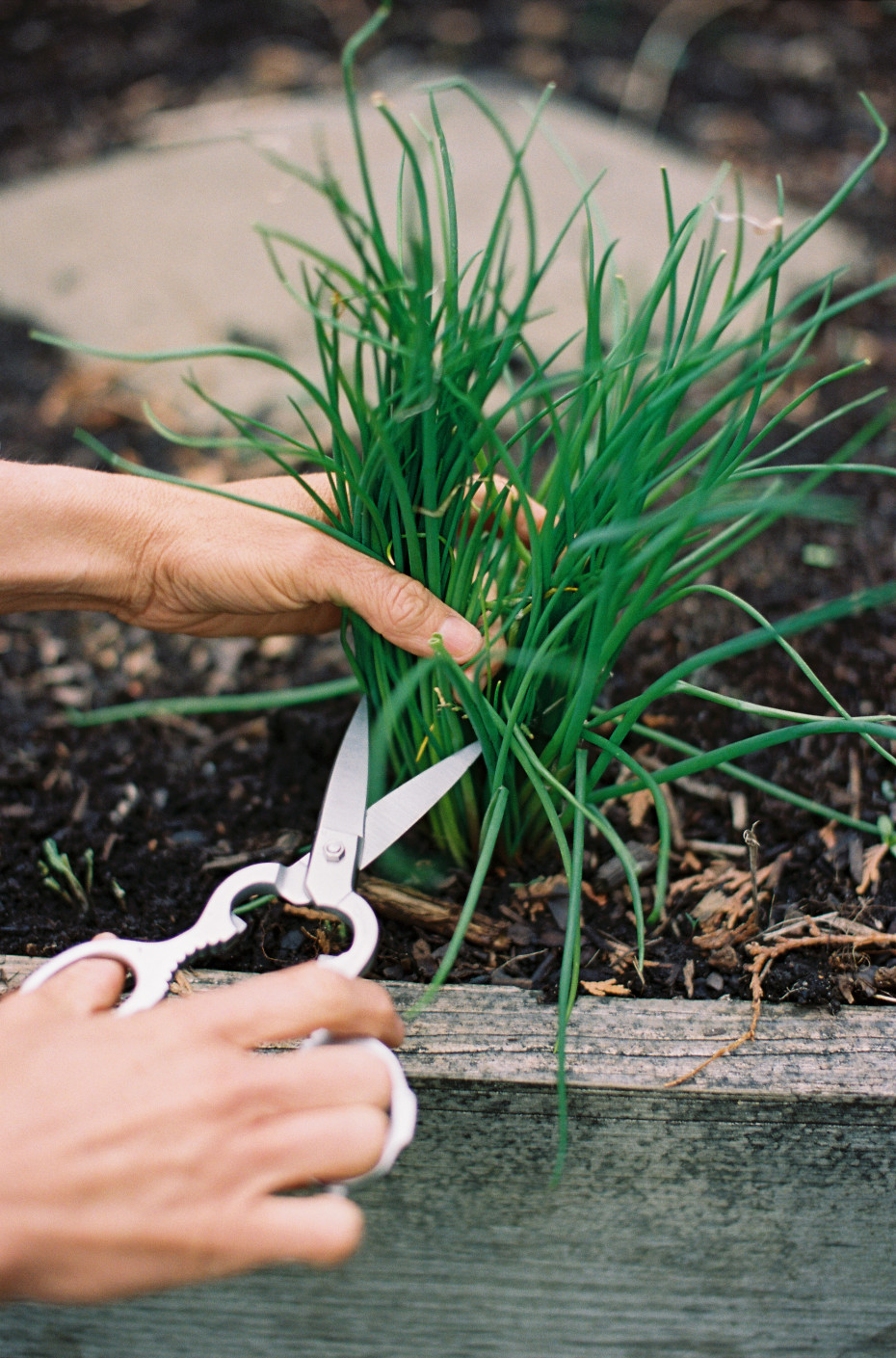
Next, I want to encourage you to start small. You don't have to go big or go home with gardening. In fact, I often encourage people to start with just one simple pot. The simplest thing to start with is just a pot of chives. It's pretty hard to kill chives, and chives are a fun thing to add to almost any dish.

what happens when you grow naturally
First, you’re going to feel soooo good. Every time you see the leaves sprout, the fruit form, or you eat a little something you've tended to yourself, you're going to feel seriously accomplished.
And get ready: You won't be able to see food the same again. Once you start seeing food come out of the garden, you won't be able to unsee it, and you won't want to. It's so amazing to see a seed turn into food that you cut and literally feed your family with. This is the first step to waking up to the wonder of food.
Another thing that will happen when you start to grow naturally is you'll get to eat the healthiest and best tasting food possible. The nutrients in the vegetables and fruits that our bodies need are most available to our bodies the minute after they’re harvested. The foods that are shipped across the country or even across the globe are the least nutrient-rich food we can put in our bodies when it comes to raw fruits and vegetables. But when you just harvest and then stick that food directly into your mouth, you're giving your body the thing it craves.
Finally, you'll be inspired to do more of the first two things: eat seasonally and shop locally. As you start to grow yourself, you'll know what's in season because you're seeing it in your garden. And you'll want to shop locally because those just-harvested carrots are seriously addictive--you're going to want more of that good stuff.

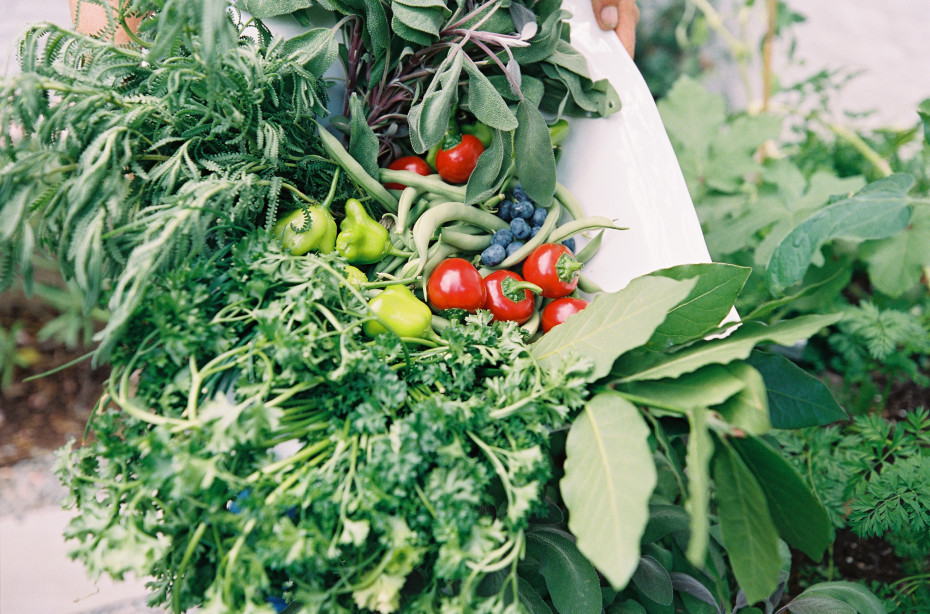
Once you start seeing food come out of the garden, you won't be able to unsee it and you won't want to.
THESE THREE THINGS CAN CHANGE EVERYTHING
So, are you starting to see how all three things could literally change you this year? Can you see how these three things could change your community and even change the planet?
(Do I sound like I'm trying to save the world or something?)
Now don’t worry. I’m not going to leave you hanging here. Throughout this entire podcast and here inside the Gardenary community, I'm going to share with you the tools you need to make all of these three things happen in your life.
Be sure to tune in every Wednesday for stories and conversations around the food we eat, and how that food can change our lives.
Listen to the Full Episode
This is just the summary. Come hear the full episode, subscribe, and leave a review so more people can do these three great things alongside you. I'd be so so thankful!