
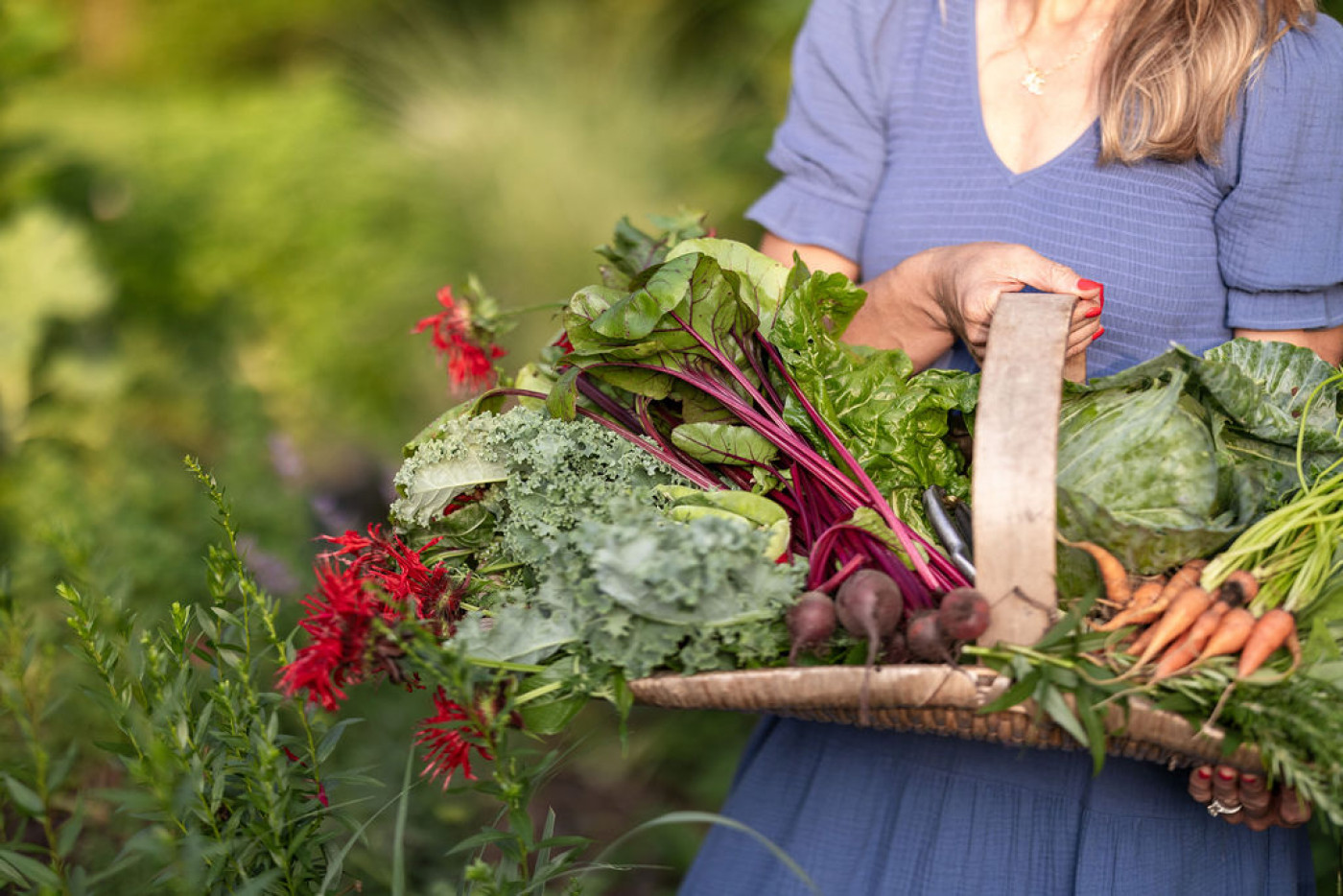
At a Glance
- Learn why planting seeds directly in the garden is the easiest way to grow healthy plants
- Discover crops that offer ongoing, cut-and-come-again harvests instead of one big rush
- Find out which low-maintenance plants make gardening feel simple and enjoyable
3 Steps That Made Gardening Easy for Me
If you think gardening is hard or overly complicated, I want to gently challenge that idea. I used to believe it too, until I realized something important: most of us were taught gardening in the hardest way possible.
Once I stopped following complicated methods and started making intentional choices about what I grew and how I grew it, gardening became simple, predictable, and actually fun. Choosing the right plants is half the battle.
These are the three steps that completely changed the way I garden and made it feel easy instead of overwhelming.
Step 1: Only Grow Plants That Are Direct Seeded
This is the most important rule if you want gardening to feel easy.
I only grow plants that can be planted directly from seed into the soil of my garden. No seed trays. No grow lights. No heat mats. No moving plants in and out of the house.
Starting seeds indoors is hands-down the hardest way to garden. It works, but it requires equipment, daily attention, pest monitoring, disease prevention, and a whole hardening-off process before plants ever reach the garden. Even then, the plants experience stress when they are transplanted.
Buying plants from the garden center is not much easier. It is expensive, and you have no idea how those plants were grown or how stressed they might already be. And let’s be honest, we have all left plants sitting on the porch for “just one more day.”
The easiest option by far is direct seeding.
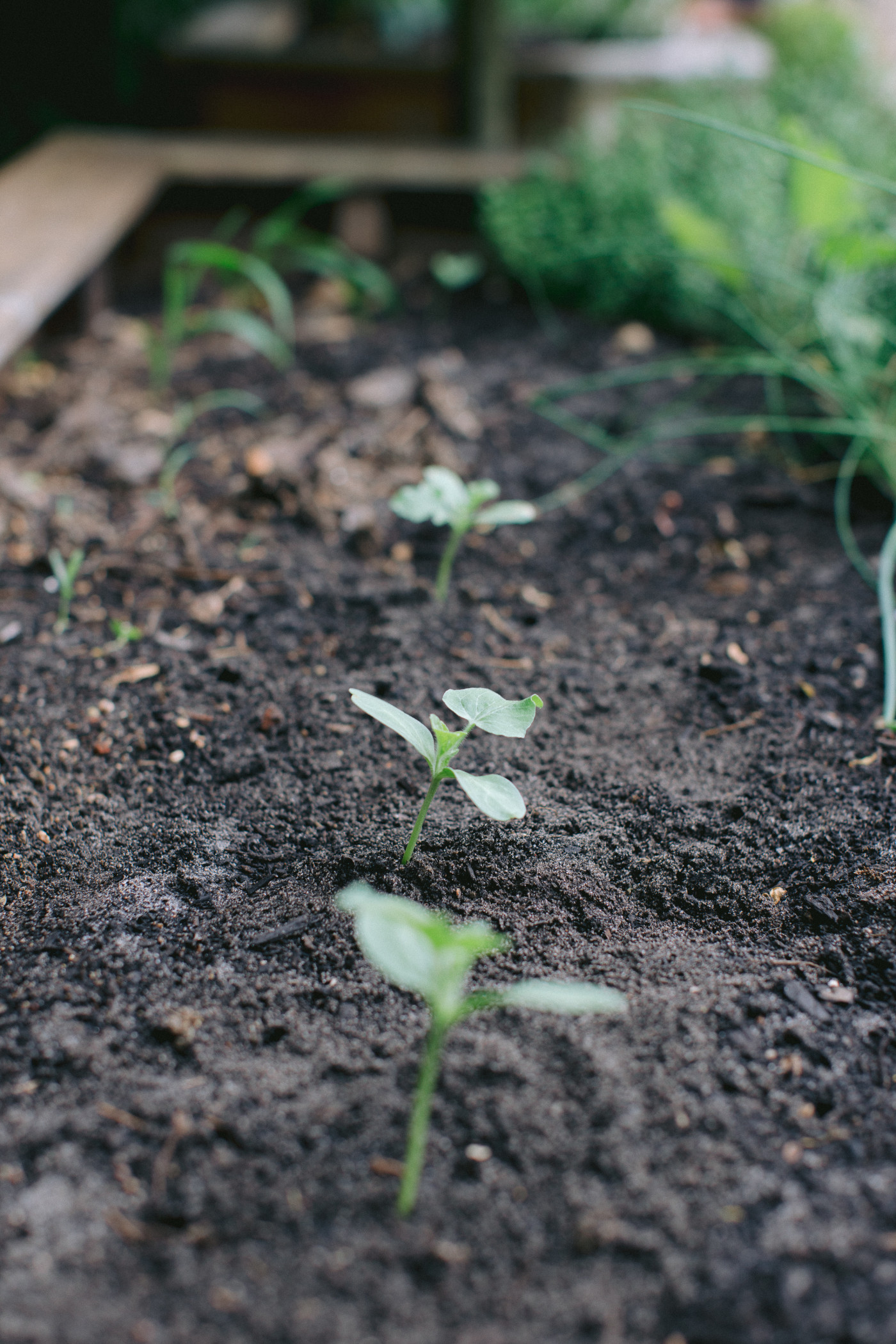
When I plant seeds directly in the garden, the plant never has to be moved. It grows where it is meant to live. There is no transplant shock, no slowing down, and no extra equipment needed.
Some of my favorite direct-seeded plants include:
I plant the seed at the right time for the season, keep the soil consistently moist, and within 5 to 10 days, I see sprouts. No lights, no trays, no stress.
Seed packets cost less than a single nursery plant and often contain dozens of seeds. Plus, plants that start and stay in the same soil tend to be healthier and more productive.
Plants like to stay planted. Every time we move them, we add stress. Direct seeding removes that stress entirely.


Join Thousands of Gardeners On the VIP List
Free perks, just for email subscribers:
- 15% Off Your First Order
- Gardening Videos & Articles
- Early Access to Sales
Sign up, check your inbox, then shop with your code.
CLAIM YOUR 15% OFF BELOW

Step 2: Grow Plants That Give Ongoing Harvests
Another thing that used to make gardening feel overwhelming was the idea of harvesting everything at once.
Traditional gardening often looks like this: plant everything at the same time, wait a long time, then harvest massive amounts all at once, and rush to preserve them before they spoil.
That does not work for my life.
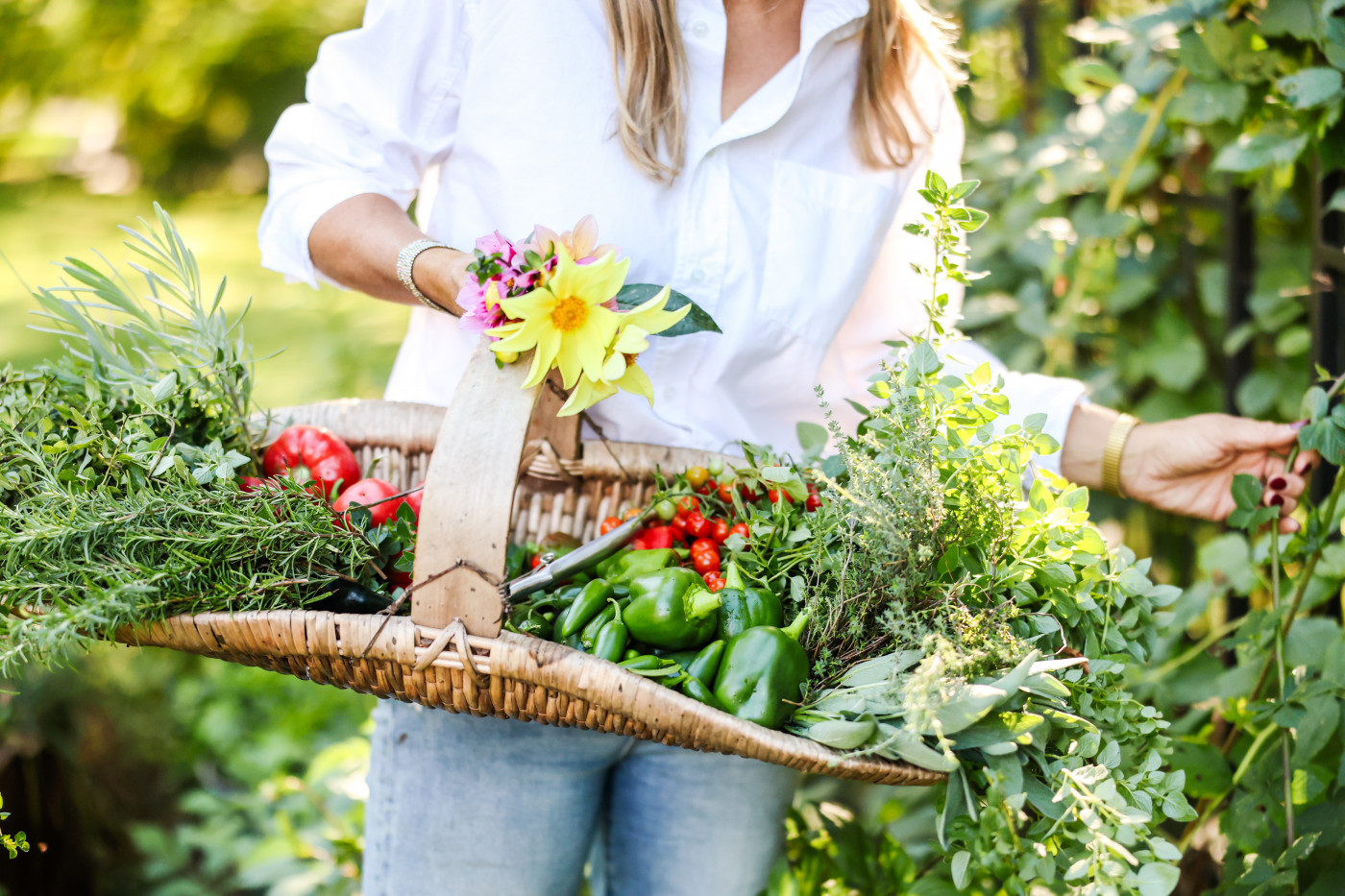
Instead, I focus on plants that give me small, steady harvests over a long period of time. I want to walk into my garden and grab what I need for dinner, not come home with piles of produce that turn into another chore.
I grow cut-and-come-again plants and crops that can be planted in succession.
Some of my favorites include:
With spinach, I can harvest a little every day or two. One small patch can feed multiple meals over several weeks. I add it to omelets, salads, and smoothies without ever needing to preserve it.
Cucumbers are another favorite. I can pick one or two almost daily and use them right away. There is no rush, no overwhelm, and no waste.
Even flowers can follow this pattern. Every time I cut a zinnia, the plant responds by branching and producing even more blooms. Instead of cutting everything at once, I get fresh flowers every few days.
This approach keeps gardening integrated into daily life instead of turning harvest time into a stressful event.

Step 3: Focus on Low-Maintenance Plants
The final step to making gardening easy is choosing plants that don't need constant attention.
I call these “easy peasy” plants.
These are plants that thrive with very little input once they are planted. Ideally, they only need watering, harvesting, and an occasional check-in.
Many gardeners focus on plants that require frequent pruning, trellising, feeding, pest management, and troubleshooting. Those plants can be fun to grow, but they are not easy.
If your goal is ease, focus on leaves and roots.
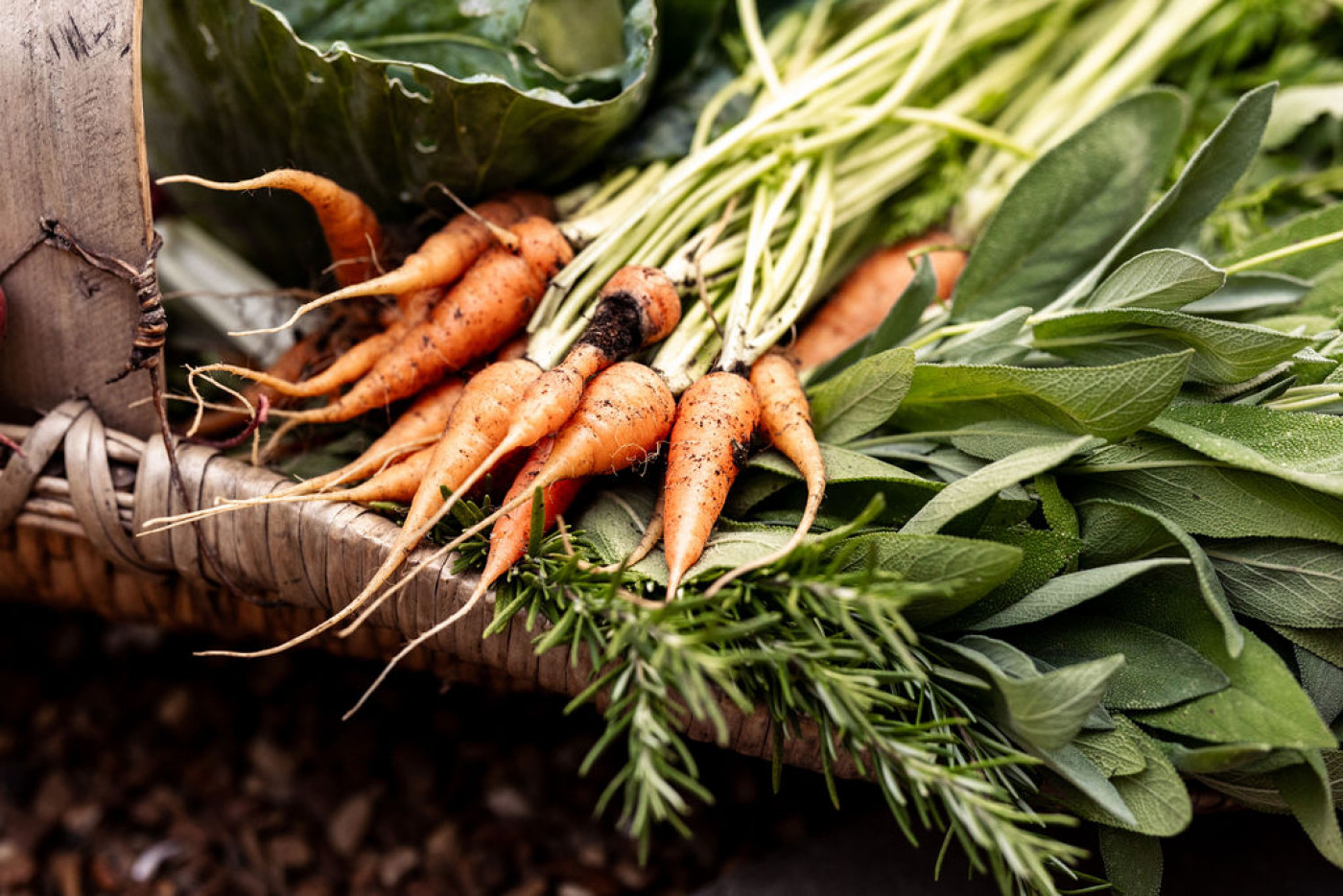
Leaf crops are the easiest plants to grow in a kitchen garden. Root crops come next. They naturally require less intervention.
Some of my go-to low-maintenance plants include:
Arugula might be the easiest plant on the planet. I plant the seeds, space them well, keep them watered, and then my only job is harvesting. Cut and come again. Over and over.
Radishes and carrots are just as simple. Plant the seeds, space them properly, keep the soil moist, and wait.
Radishes are ready in about 40 days. Carrots are ready in about 65 to 70 days. No pruning. No trellising. No complicated care routines.
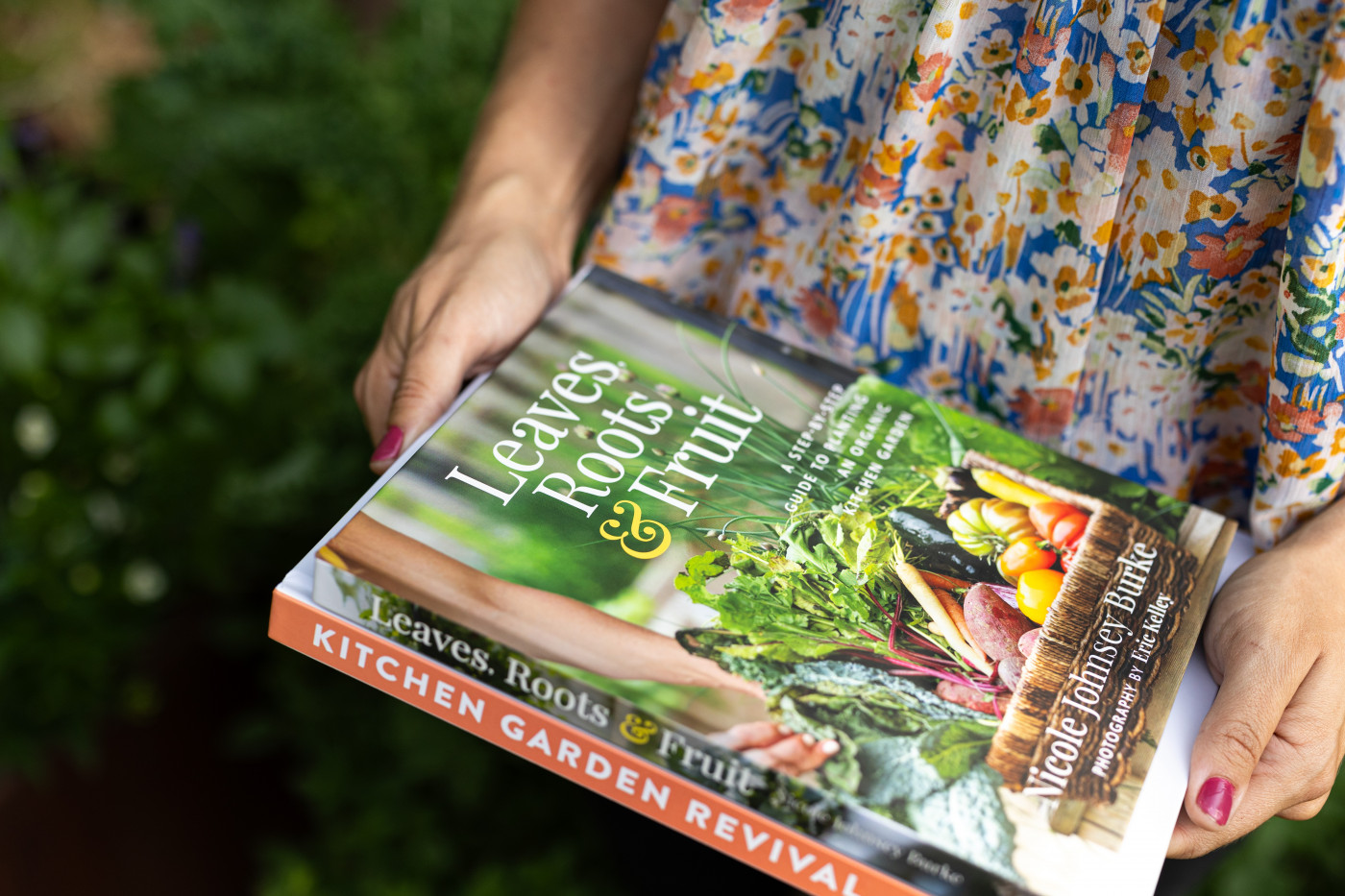
When I follow my leaves, roots, and fruit method, it becomes very clear why these plants are so easy. Leaves are the least demanding, roots are slightly more work, and fruiting plants require the most attention.
So when I want gardening to feel effortless, I load my garden with leaves and roots.

Gardening Really Can Be Easy
Gardening doesn't have to be complicated to be successful.
When I grow plants that are direct seeded, offer ongoing harvests, and require very little maintenance, the garden works with me instead of demanding more from me.
If you have ever felt like gardening was too hard or too time-consuming, it is not you. It is the method.
Simplify what you grow, and gardening becomes something you look forward to instead of something you avoid. And once you experience that kind of ease, it is hard to imagine doing it any other way.