At a Glance
- Learn whether garden seeds really expire or just lose vigor over time
- See common seed viability timelines for popular vegetable crops
- Discover simple clues to tell if your seeds are still worth planting
Can Seeds Go Bad?
If you've ever opened a drawer, box, or forgotten garden tote and found a stack of old seed packets, you aren't alone. I cannot count how many times I have done this. Some packets are neatly labeled. Others are half-open, sun-faded, or missing their dates entirely. Every time it happens, I wonder if the seeds are worth planting.
Can seeds go bad?
The short answer is yes, seeds can go bad. But the longer and much more helpful answer is that seeds do not usually expire overnight. Instead, they slowly lose vigor over time, and many seeds remain usable far longer than people expect.
Understanding how seeds age, what shortens their lifespan, and how to tell whether they are still viable can save you money, reduce waste, and help you garden with more confidence.
In this article, I will walk you through how seed viability works, common timelines for vegetable seeds, the biggest clues that seeds are no longer good, and a personal story from my own garden that completely changed how I think about old seeds.

What Makes Seeds Expire?
Seeds don't expire in the same way food does. They don't suddenly turn dangerous or unusable on a specific date. Instead, seeds gradually lose their ability to germinate.
Every seed contains a tiny living plant inside, along with stored energy to help it sprout. Over time, that energy breaks down. The seed may still look perfectly fine, but its internal reserves are weaker. When planted, it might sprout slowly, unevenly, or not at all.
This is why seed packets list a “packed for” or “sell by” date rather than a hard expiration date. Those dates are mostly about guaranteeing a certain germination rate, not about whether the seed is completely dead.
What Makes Seeds Go Bad Faster?
Several factors can dramatically shorten the life of seeds.
- Heat
- Moisture
- Light
- Air exposure
Seeds last the longest when they are stored in cool, dark, dry conditions. A hot garage, humid shed, or sunny windowsill can shave years off a seed’s lifespan. Even opening and resealing packets repeatedly allows moisture and air inside, which slowly degrades the seed.
This is why seed storage matters just as much as the seed type itself.

Join Thousands of Gardeners On the VIP List
Free perks, just for email subscribers:
- 15% Off Your First Order
- Gardening Videos & Articles
- Early Access to Sales
Sign up, check your inbox, then shop with your code.
CLAIM YOUR 15% OFF BELOW
How Long Do Vegetable Seeds Last?
Different seeds have very different lifespans. Some are surprisingly long-lived, while others decline quickly and really need to be planted fresh.
Below are general timelines based on typical home storage. These assume cool, dry, dark conditions. Poor storage can shorten these timelines significantly.
Short Lifespan Seeds (1 to 2 Years)
These seeds lose viability quickly and are often the first to disappoint gardeners.
If these seeds are more than two years old, I usually do a germination test before planting, or I replace them entirely.
Medium Lifespan Seeds (2 to 4 Years)
These are fairly forgiving but still benefit from fresher planting.
With good storage, these seeds often still sprout after three or four years, but germination rates may be lower.
Long Lifespan Seeds (4 to 6+ Years)
These seeds are hardy and often surprise people with how long they remain viable.
I have personally planted tomato and bean seeds that were five years old and still had excellent germination.
Herb Seed Timelines
Herbs vary widely.
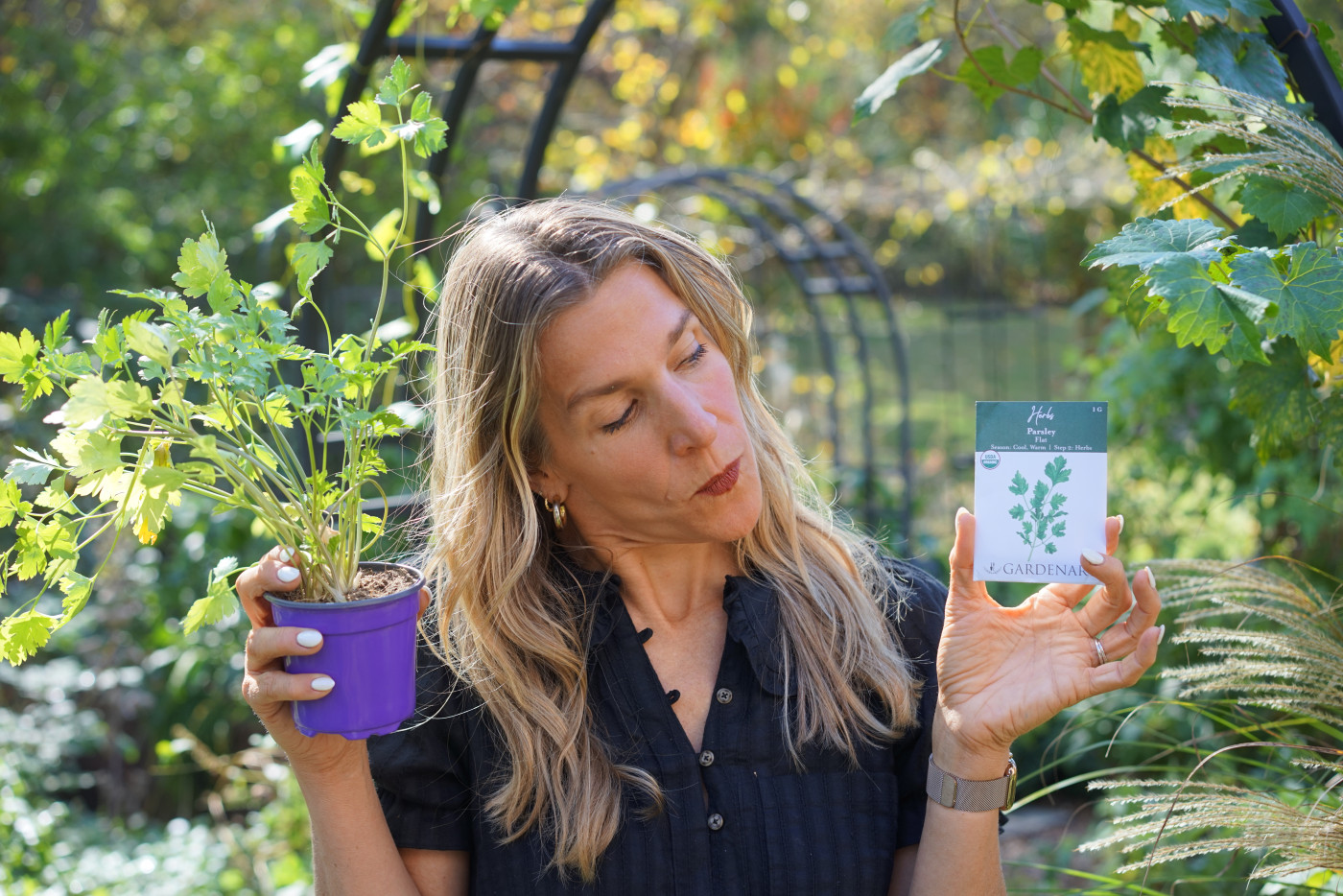
Parsley is especially notorious for losing viability quickly and germinating slowly, even when fresh.
Clues Your Seeds May Have Gone Bad
Sometimes seeds tell you they are done before you ever put them in the soil. Other times, the clues show up after planting.
Here are the most common signs I look for.
Visual and Physical Clues
Seeds that look obviously damaged are unlikely to perform well.
- Mold or fuzzy growth inside the packet
- Seeds that are cracked, shriveled, or crushed
- Discoloration that was not originally part of the seed’s appearance
- A musty or sour smell
If I see mold or smell mildew, I do not plant those seeds.
Poor or Uneven Germination
This is the most common clue.
- Only a few seeds sprout
- Sprouts appear very slowly
- Seedlings emerge weak and thin
- Germination happens over a long, uneven window
Old seeds often still germinate, but they lack the energy to push strong growth early on. In an organic garden, strong early growth is important for natural pest resistance and overall plant health.
Failed Germination Test
When I'm unsure, I do a simple germination test before planting an entire bed.
How to Do a Simple Germination Test
- Place 5 to 10 seeds on a damp paper towel
- Fold the towel and place it in a plastic bag or container
- Keep it warm and check daily
- Count how many seeds sprout within the normal germination window
If fewer than half sprout, I either plant much more densely to compensate or replace the seeds.

A Personal Seed Story From My Garden
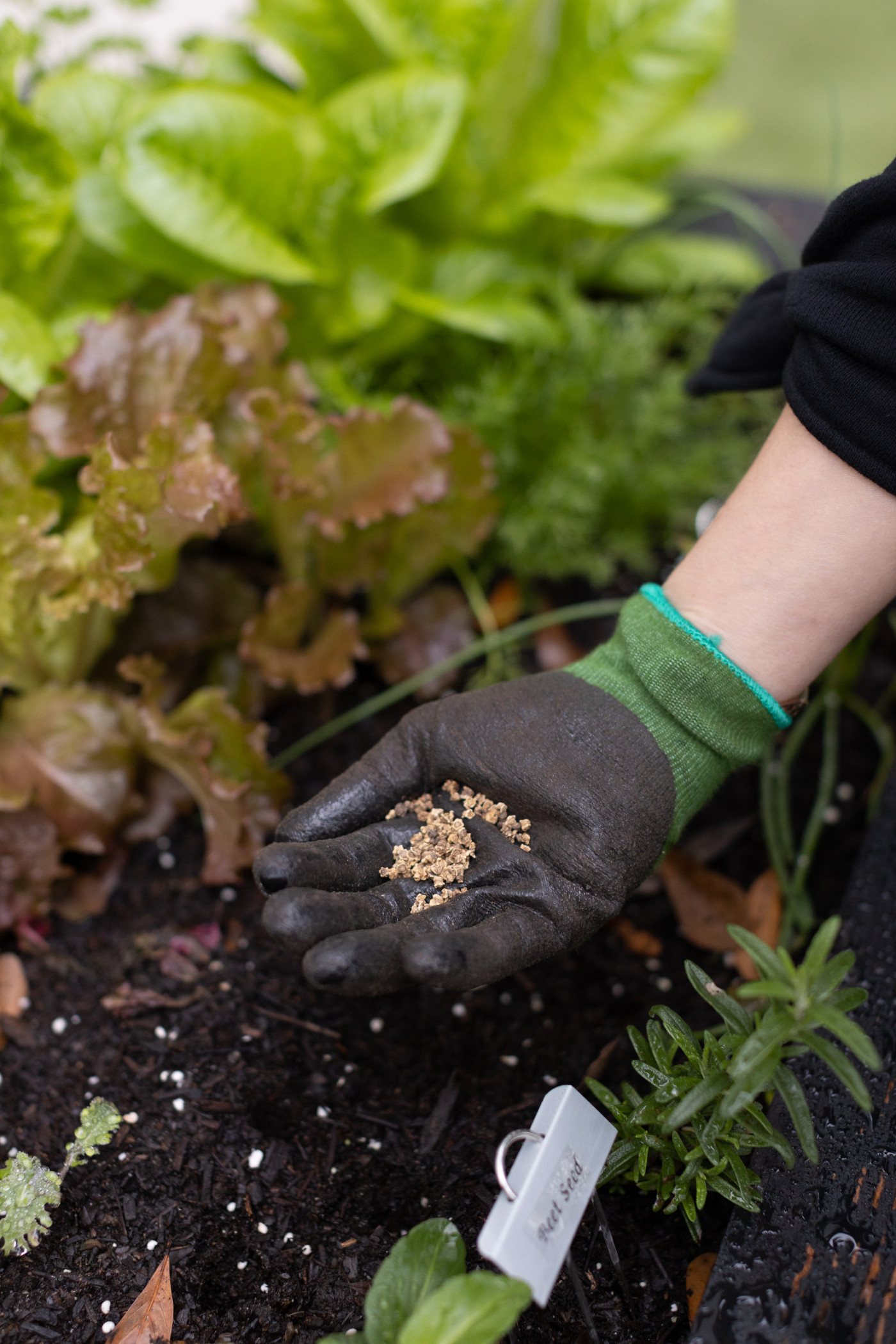
A few years ago, I was cleaning out a cabinet in my garden shed and found a stack of tomato seed packets I had completely forgotten about. Some were four years old. A couple were even older.
My first instinct was to toss them. Everything online seemed to suggest fresh seeds were always better. But something stopped me. These were varieties I loved, and I didn't want to waste them needlessly.
I decided to do a little experiment.
I planted the old seeds alongside brand-new packets of the same varieties. Same soil, same compost, same watering. I labeled everything carefully.
The results surprised me.
The fresh seeds sprouted faster, yes. But some of the older seeds still germinated, and once they were established, the plants looked nearly identical. The real difference was at the very beginning.
That experiment taught me an important lesson. Old seeds are not useless. They're just less predictable.

Should You Plant Old Seeds Anyway?
Sometimes, yes. Sometimes, no.
Here is how I decide.
When I Plant Old Seeds
- When the seeds are from long-lived crops like tomatoes or beans
- When I have enough seeds to plant extra and thin them later
- When the variety is rare or hard to find
- When I'm experimenting or planting a low-stakes bed
I simply sow a little more densely and watch closely.
When I Replace Seeds
- Short-lived seeds older than two years
- Seeds stored in heat or humidity
- When planting timing is critical, and I need reliable germination
- When starting seeds indoors with limited space
In those cases, fresh seeds remove a lot of frustration.
How to Store Seeds So They Last Longer
Good storage can double or triple a seed’s usable life.
These days, I keep my seeds in airtight containers in a cool, dark location inside the house. Moisture is the enemy, so I make sure everything stays dry and temperature-controlled.
Seed Storage Tips
- Use airtight containers
- Store seeds indoors, not in a shed or garage
- Keep them away from heat sources
- Label packets clearly with the year
Seeds are living things. Treat them gently, and they will reward you.
Seeds, Patience, and the Bigger Garden Picture
Instead of seeing an expired date as a failure, I see it as an invitation to experiment, observe, and learn. Sometimes the seeds surprise me. Sometimes they don't. Either way, the garden teaches me something.
So yes, seeds can go bad. But many of them are far more resilient than we give them credit for (you just might need to plant extra).
So, next time when you find an old seed packet, don't panic. Test it. Observe it. You might be surprised by what still wants to grow.
Click the image below to save this article for later!