

Join Thousands of Gardeners On the VIP List
Free perks, just for email subscribers:
- 15% Off Your First Order
- Gardening Videos & Articles
- Early Access to Sales
Sign up, check your inbox, then shop with your code.
CLAIM YOUR 15% OFF BELOW
At a Glance
- Learn why leafy greens and roots are the fastest vegetables to grow from seed
- Discover four vegetables you can harvest in as little as 18 to 60 days
- Use the leaves, roots, and fruit framework to get faster wins in your garden
Why Some Vegetables Take Forever—and Others Don’t
Do you ever feel like gardening requires an unreasonable amount of patience? You plant seeds, water faithfully, wait…and wait…and wait some more. Then three or four months later, you’re standing in the garden wondering why you don’t have much to show for all that effort.
Here’s the good news. Not all vegetables are slow. Some are incredibly fast, shockingly productive, and honestly perfect for real life. You can plant them by seed today and start harvesting in as little as three to four weeks.
That realization completely changed how I garden.
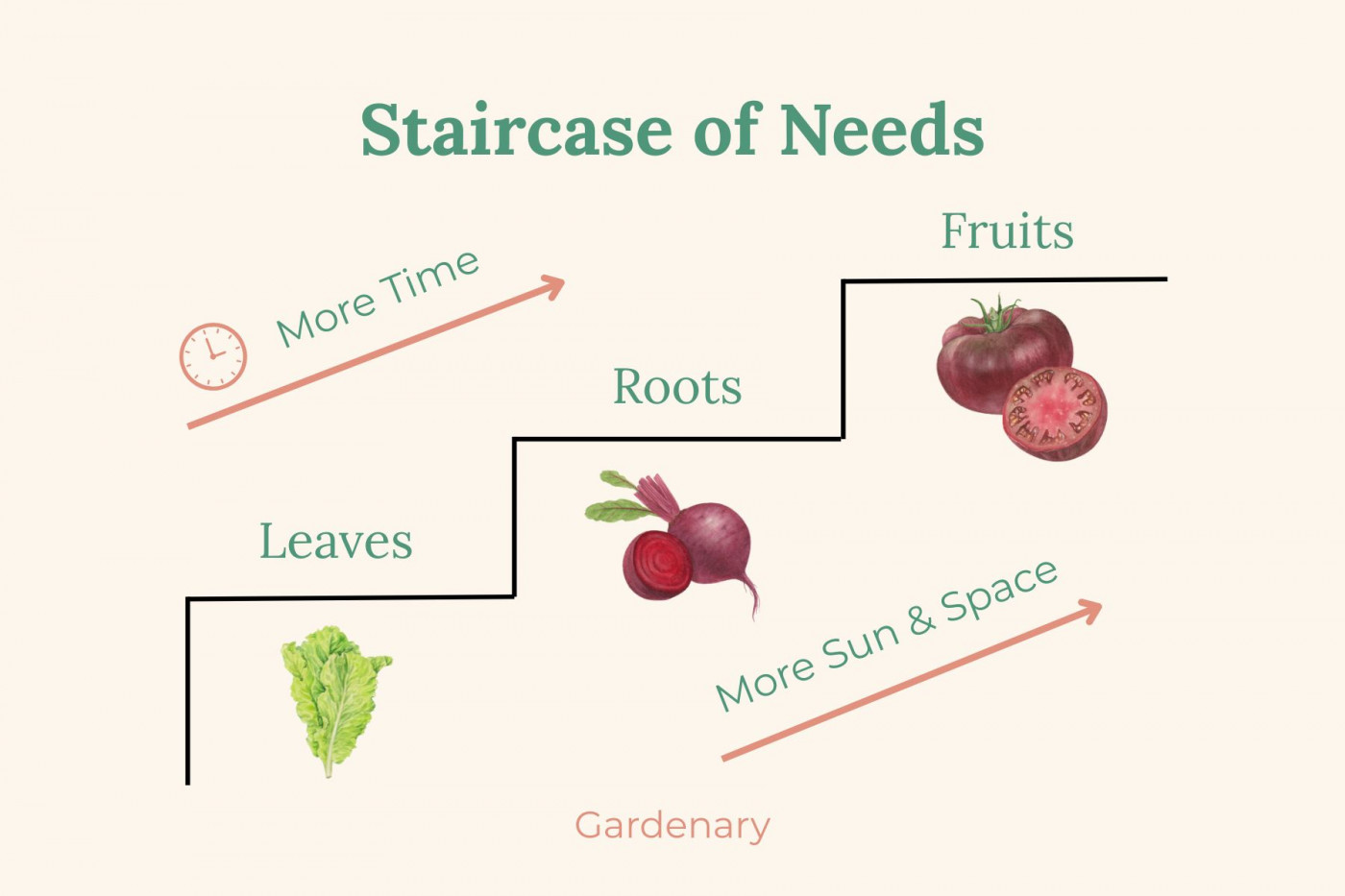
A few years ago, when I was researching and writing my book Leaves, Roots & Fruit, I noticed a clear pattern across every plant in the vegetable garden. Some plants are just easier. They need less space, less time, and less sunlight. Others slowly climb a staircase of increasing needs.
That’s how the leaves, roots, and fruit framework was born.

The Leaves, Roots, and Fruit Staircase
Every vegetable falls somewhere on a spectrum.
At the bottom of the stairs are leafy crops. These plants have the smallest roots, the fewest demands, and the fastest payoff. You’re harvesting leaves, not waiting for flowers or fruit to form.
In the middle are root crops. They need a little more time and space, but they’re still relatively quick and forgiving.
At the top are fruiting plants like tomatoes, peppers, zucchini, and peas. These are incredible crops, but they require the most sunlight, the most space, and the longest wait.
If your goal is speed, confidence, and fast results, the answer is simple. Start at the bottom of the stairs.
That’s where the fastest-growing vegetables live.

Arugula: The Fastest Harvest in the Garden
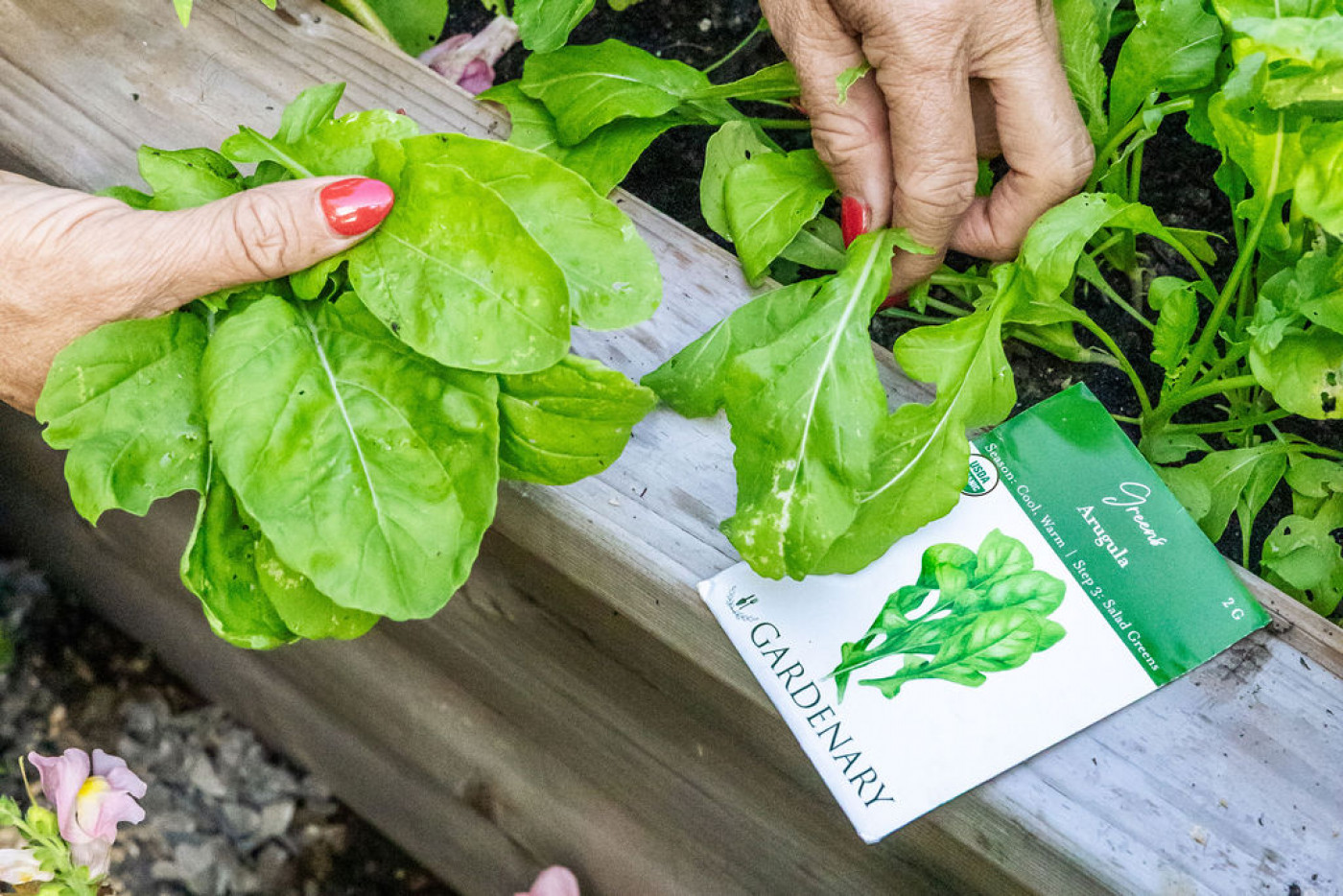
If I had to crown one plant as the fastest vegetable you can grow, it would be arugula.
Arugula is a leafy green in the brassica family, but it behaves very differently than kale, broccoli, or cabbage. It’s tiny, quick, and wildly productive. When you plant arugula seeds, they often germinate in just two to three days. That alone feels like magic.
Even better, you can usually take your first harvest around 18 to 21 days after planting.
Arugula is a true cut-and-come-again crop. You harvest the leaves, the plant regrows, and you repeat the process over and over. The roots are incredibly small, which means you can grow arugula in raised beds, shallow containers, or even small pots.
Arugula Needs:
- Consistent watering
- Compost-rich soil
- Regular harvesting
That’s it. No complicated care, no waiting months for payoff. It’s one of the highest return-on-investment plants in the entire garden.

Spring Mix Lettuce: The Confidence Builder
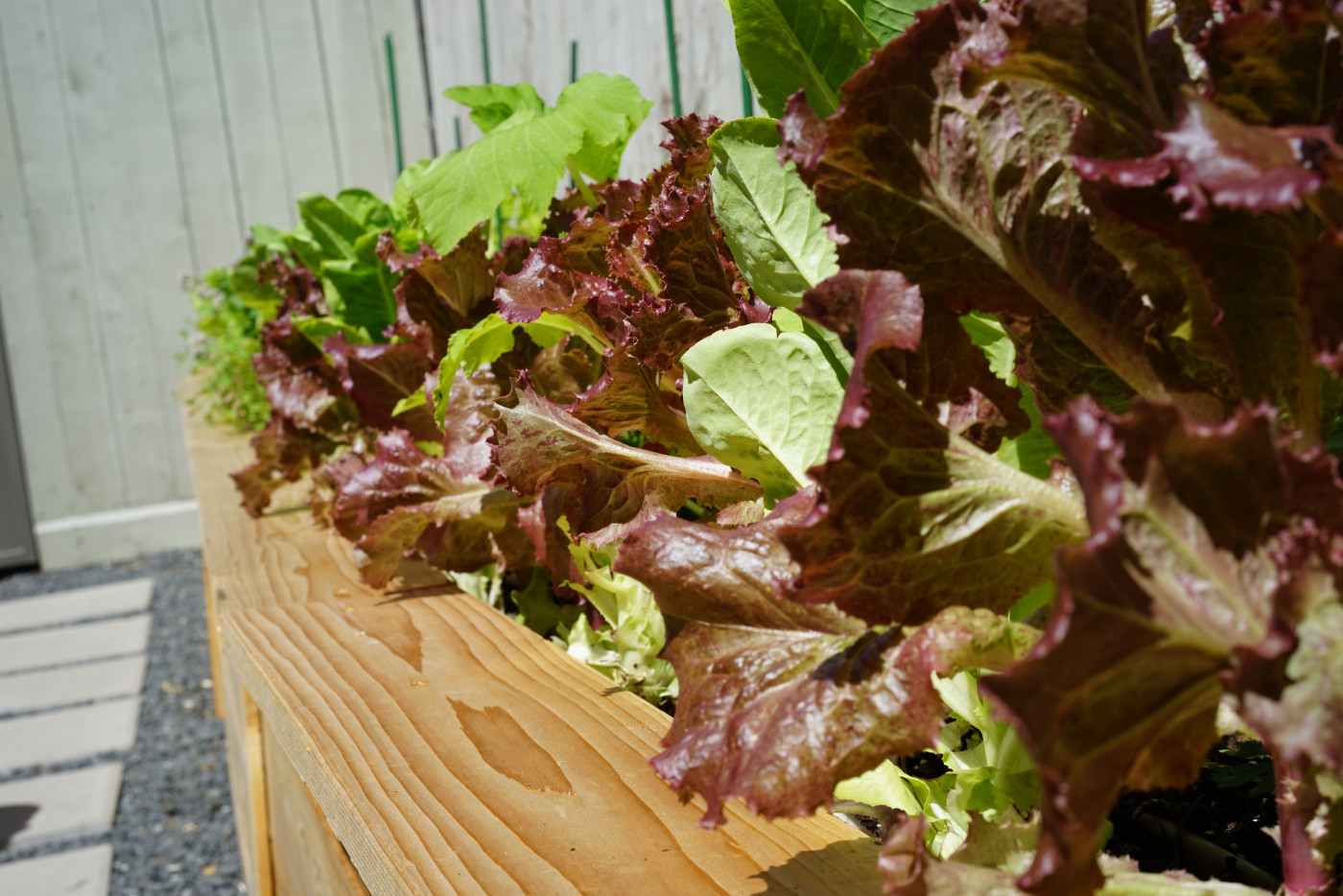
Spring mix lettuce is the plant that turned me into a confident gardener.
This mix includes several types of lettuces growing together, often oak leaf, red leaf, and frilly varieties. You plant the seeds directly in the soil, and within five to six days, you’ll see a carpet of green emerging.
Spring mix grows just a few days slower than arugula, with harvests typically ready in about 21 to 27 days.
Like arugula, spring mix is also cut-and-come-again. You don’t need to wait for full heads to form. You harvest the outer leaves, leave the growing point intact, and the plant keeps producing.
Why Spring Mix is Fast Growing
- Shallow roots
- Low nutrient demands
- Minimal space required
- Multiple harvests from one planting
This is an ideal crop if you want variety, beauty, and fast success all in one bed.
Spring Mix Needs
- Shallow, compost-rich soil with consistent moisture
- Partial to full sun, especially in cool-season weather
- Regular harvesting to encourage continuous regrowth

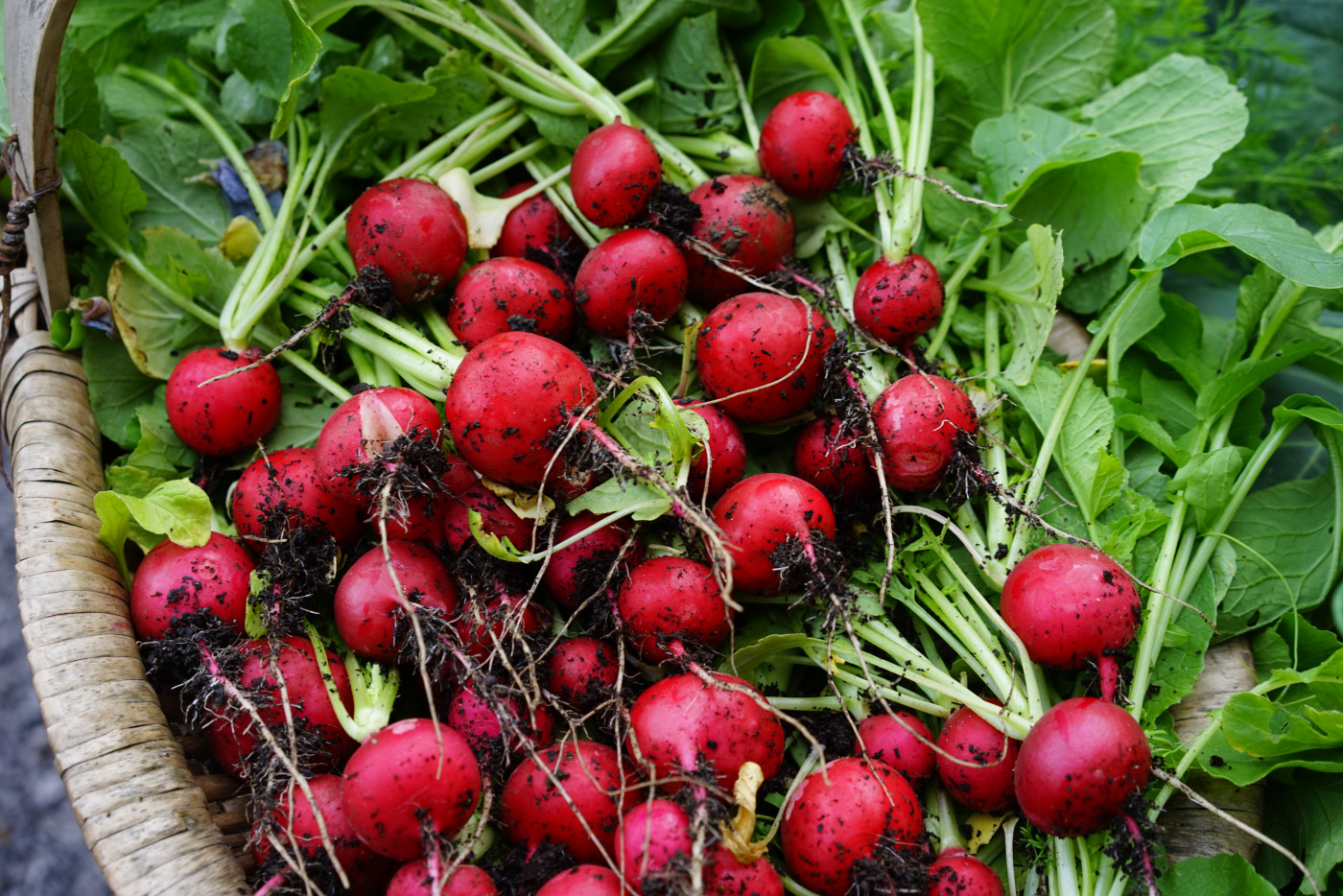
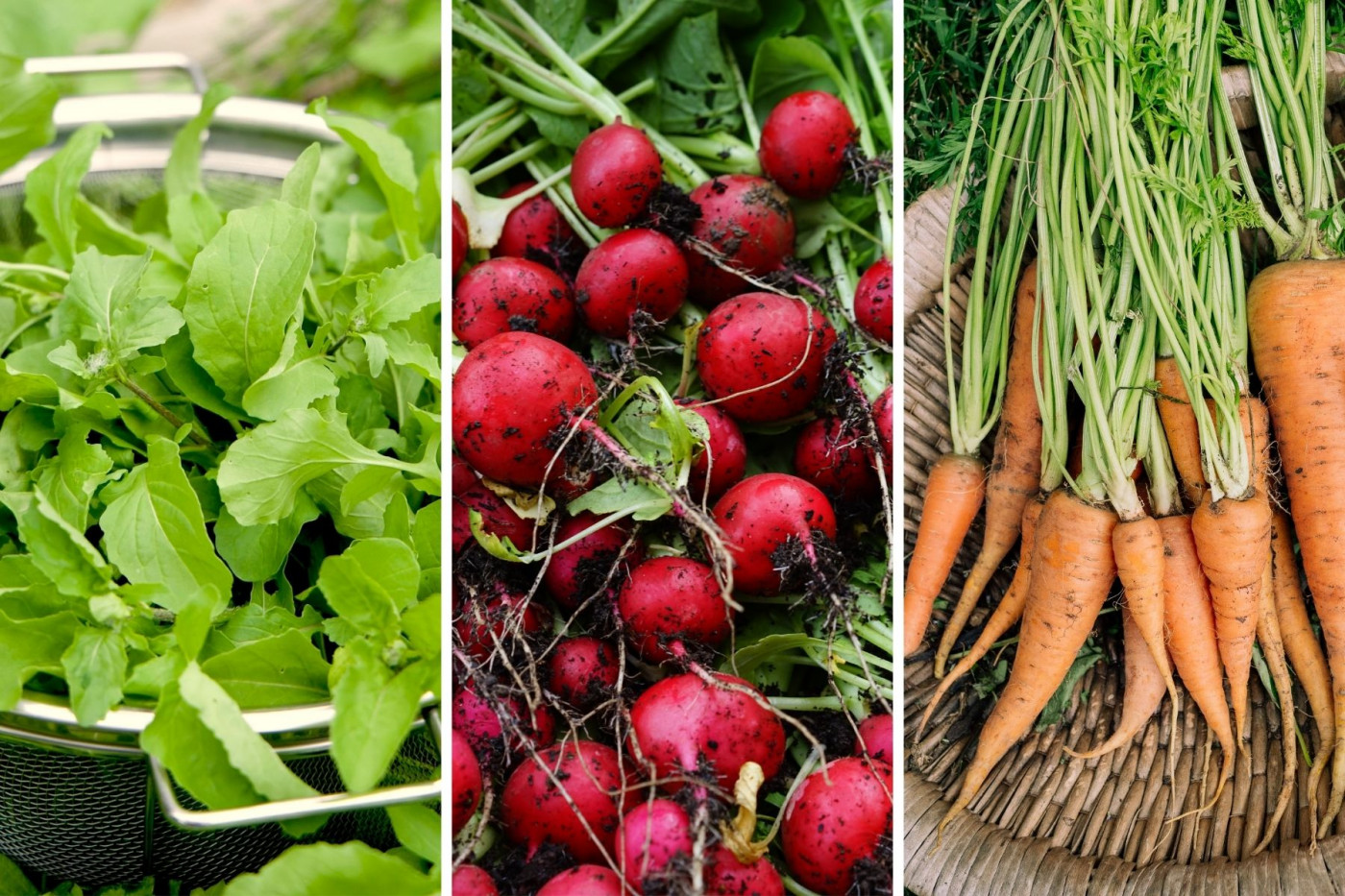
Radishes: The Speedy Root Crop
Once you move from leaves into roots, radishes are the fastest option by far.
Radishes are also in the brassica family, which is why their leaves look similar to arugula when they first emerge. The difference is that radishes give you two harvests in one plant.
You can harvest the greens for salads or sautés, and then pull the roots from the soil about 25 to 30 days after planting.
Radish Needs
- Seeds to be spaced properly
- Soil to stay evenly moist
- Soil to be loose and compost-rich
They don’t like competition, so spacing matters more here than with leafy greens. Get that right, and you’ll be pulling radishes before the month is over.

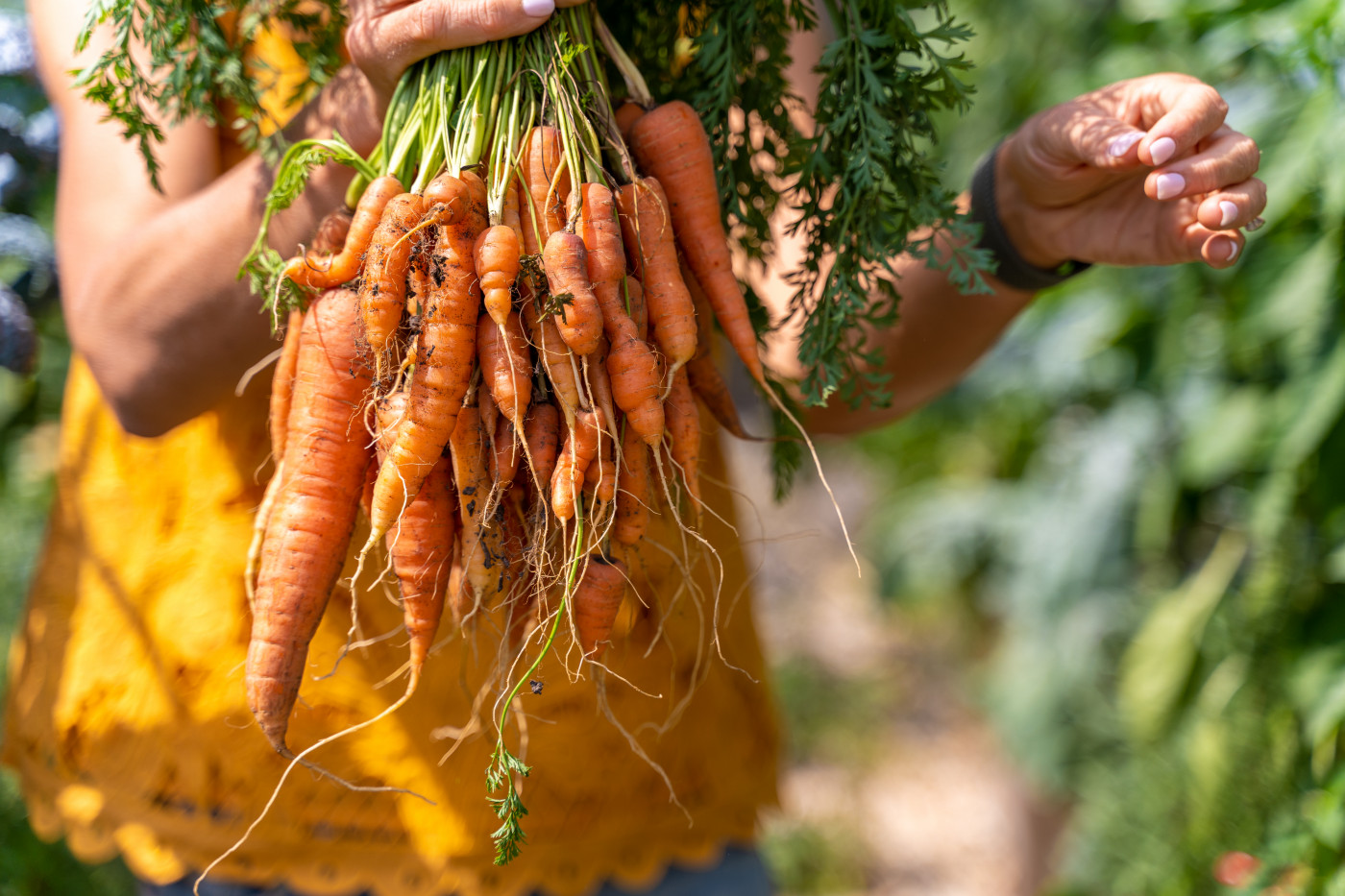
Carrots: Still Fast, Just a Little Slower
Carrots aren’t quite as fast as leafy greens or radishes, but they still deliver a relatively quick reward.
Carrots are part of the Apiaceae family, along with parsley, cilantro, and dill. They need a bit more room, about three fingers wide between plants, and they take longer to size up underground.
Most carrots are ready to harvest around 60 days after planting.
The bonus is that carrots give you usable greens while the roots are still forming. Carrot tops can be turned into pestos, sauces, and sautés, giving you even more value from one planting.
Carrot Needs
- Keep soil consistently moist
- Avoid compacted soil
- Thin seedlings early
Carrots reward patience, but not the months-long patience required by fruiting crops.
Why Leaves and Roots Keep You Gardening
One of the biggest mistakes new gardeners make is starting with the hardest plants. Tomatoes, peppers, zucchini, and peas are exciting, but they also demand time, space, and attention.
When life gets busy, those long waits can be discouraging, and there is more room for error.
That’s why I personally focus on leaves and roots when I want momentum in the garden. Fast harvests complete the reward loop in your brain. You plant, you harvest, you eat, and suddenly, gardening feels worth the effort again.
From 18 days to 60 days, you can build a garden packed with nutrition, variety, and real meals, without waiting an entire season.