
At a Glance
- February is a planting month everywhere, but what you plant depends on your weather, not your zone
- This guide breaks February planting into warm, mild, and cold weather types
- You’ll know exactly what to plant outdoors or start indoors based on where winter is in your area

Join Thousands of Gardeners On the VIP List
Free perks, just for email subscribers:
- 15% Off Your First Order
- Gardening Videos & Articles
- Early Access to Sales
Sign up, check your inbox, then shop with your code.
CLAIM YOUR 15% OFF BELOW
What's Your February Weather Type?
February often feels like a waiting month, especially if it’s cold outside. But after gardening in hot, mild, and cold climates over the years, I’ve learned that February planting sets the tone for the entire season.
No matter where you live, there is always something you can and should be planting this month. The key is not gardening by zone, but by weather and season. Once you know which type of February you’re experiencing, the decisions become simple.
To make this easy, I break gardeners into three weather types based on their last frost date:
- Warm weather – last frost happens in February or earlier
- Mild weather – last frost happens in March or April
- Cold weather – last frost happens in May or June
If you don’t know your last frost date, that’s okay. You can easily find it below!
Find Your Last Frost Date
*Based on historical climate data from NOAA, only zip codes from United States are supported.
What Vegetables to Plant in February in Mild Weather
If your last frost date is still a month or two away, February puts you right in the heart of the cool season. This is prime time for crops that enjoy cold soil and light frost.
These vegetables are planted directly in the garden as soon as the soil is workable.
Best February Plantings for Mild Weather
Carrot seeds can go straight into the soil once you can work it a few inches (7 to 10 cm) deep. Scatter seeds lightly, keep the soil evenly moist, and let them take their time. They’ll be ready before warm weather arrives.
This is one of the easiest crops you’ll ever grow. Scatter seeds directly on the soil surface, give them a little space, and you’ll be harvesting tender leaves in just over a month.
Peas love cool weather. Soak seeds overnight, plant them along a trellis, and let them climb. February planting means fresh peas by mid-spring.
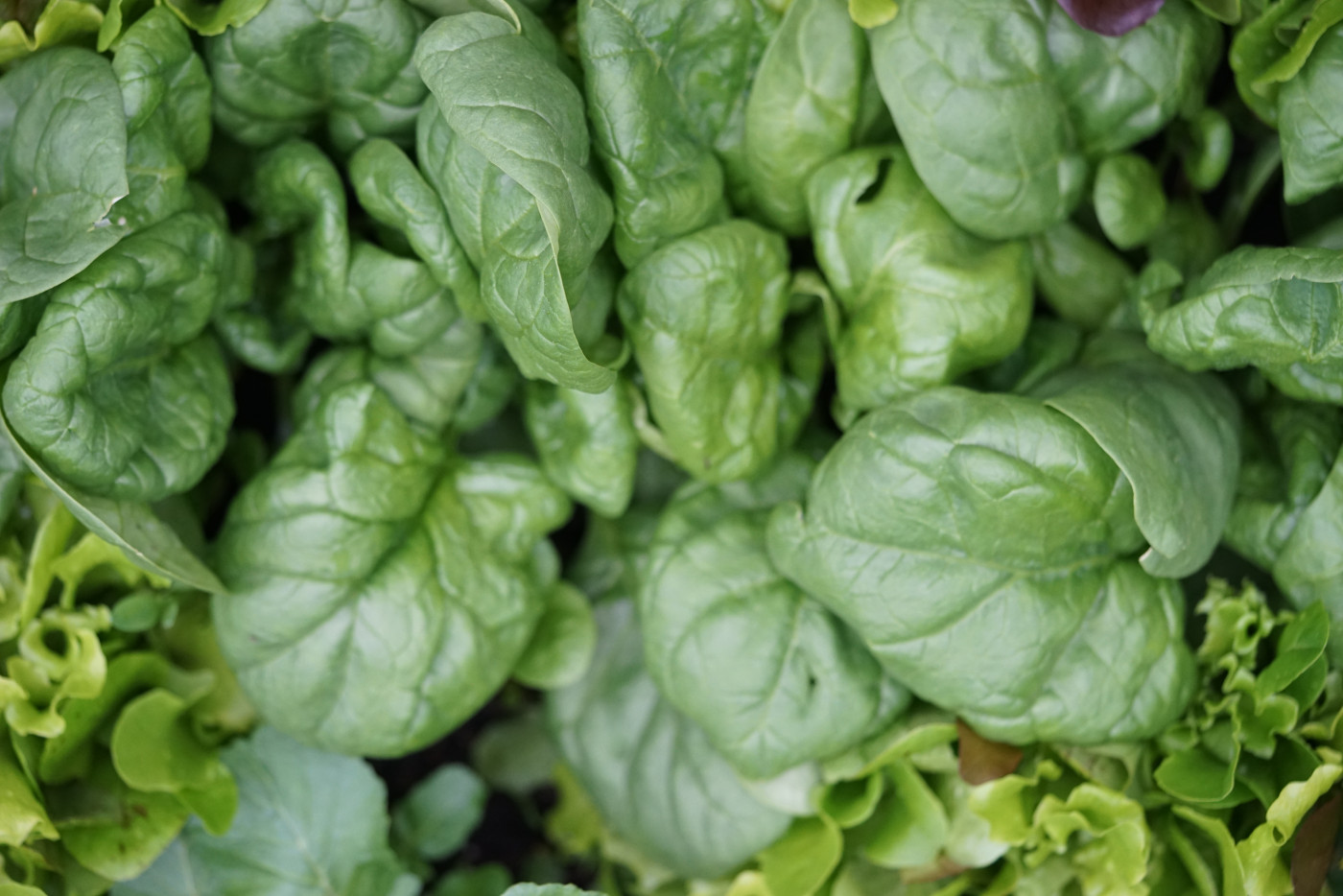
Spinach thrives in cold conditions and doesn’t mind frost or even light ice. It’s slow to sprout, so patience is important, but the flavor is unbeatable.
Beets are cold-tolerant and incredibly nutritious. Plant seeds now for both beet roots and edible greens in late spring.
If cold snaps are still coming, cover beds with frost cloth. These seeds are tough and will hold in cold soil until temperatures rise into the mid-40s°F (7 to 10°C).

What Vegetables to Plant in February in Warm Weather
If your last frost date is in February or already behind you, this is when your garden really takes off. Honestly, you're the lucky ones because you can start growing the good stuff right away!
The key here is waiting until frost risk is fully gone, then planting quickly.
Once that frost date passes, these crops can go straight into the garden.
Best February Plantings for Warm Weather
Direct seed along a trellis and train them upward. Early planting means harvesting before extreme heat slows production.
These go into the garden as transplants, not seeds. If you didn’t start them indoors earlier, buy organic starts from a trusted source and plant immediately after frost risk ends.
One of the most beginner-friendly vegetables. Direct seed into warm soil and expect heavy harvests in about two months.
This fast-growing green handles cool weather and warming temperatures beautifully. I love planting it beneath taller crops so it benefits from partial shade later.
Whether you trellis it or let it sprawl, zucchini grows fast. February planting leads to early, abundant harvests.
While not a vegetable, marigolds belong in February gardens in warm climates. They support pollinators and add beauty while vegetables grow.
Early planting is especially important in warm regions because summer heat can shut down production if crops go in too late.

What Vegetables to Start Indoors in February in Cold Weather
If winter is still firmly in place and frost won’t leave until late spring, February is your seed-starting month. You’re not behind. You’re preparing.
These crops grow slowly and benefit from a head start indoors.
Best February Seeds to Start Indoors
Slow to germinate but incredibly useful. Parsley supports beneficial insects and is one of the most versatile herbs in the kitchen.
A long-lasting, productive green with stunning color. Starting indoors saves money and gives you stronger plants.
Napa cabbage and other varieties do well when started early and transplanted as soon as soil conditions allow.
You only need a handful of plants to supply leaves for months. Start indoors now for long-term harvests.
Even if you don’t plan to harvest bulbs, onions help deter pests when planted among greens. February is the time to start them.
These seedlings can move into the garden once the soil can be worked and frost risk is reduced in early spring.

Why I Garden by Season, Not Zone
After gardening in places with wildly different climates, I stopped relying on zones and started paying attention to seasonal conditions instead.
Once you know whether you’re in a cold, cool, or warm season, planting decisions become automatic. You stop guessing and start following the rhythm of your garden.
February is not about doing everything. It’s about doing the right things for your weather, so plants are ready when conditions shift.
Join Thousands of Gardeners On the VIP List
Free perks, just for email subscribers:
- 15% Off Your First Order
- Gardening Videos & Articles
- Early Access to Sales
Sign up, check your inbox, then shop with your code.
CLAIM YOUR 15% OFF BELOW
Plant for the Season You're In
No matter your weather, February has a role in your garden. Some gardeners will be harvesting in not too long. Others are just beginning. All of it counts.
The gardeners who succeed long-term are the ones who plant with the season they’re in, not the season they wish they had.
Wherever you live, there's usually something wonderful you can grow.