
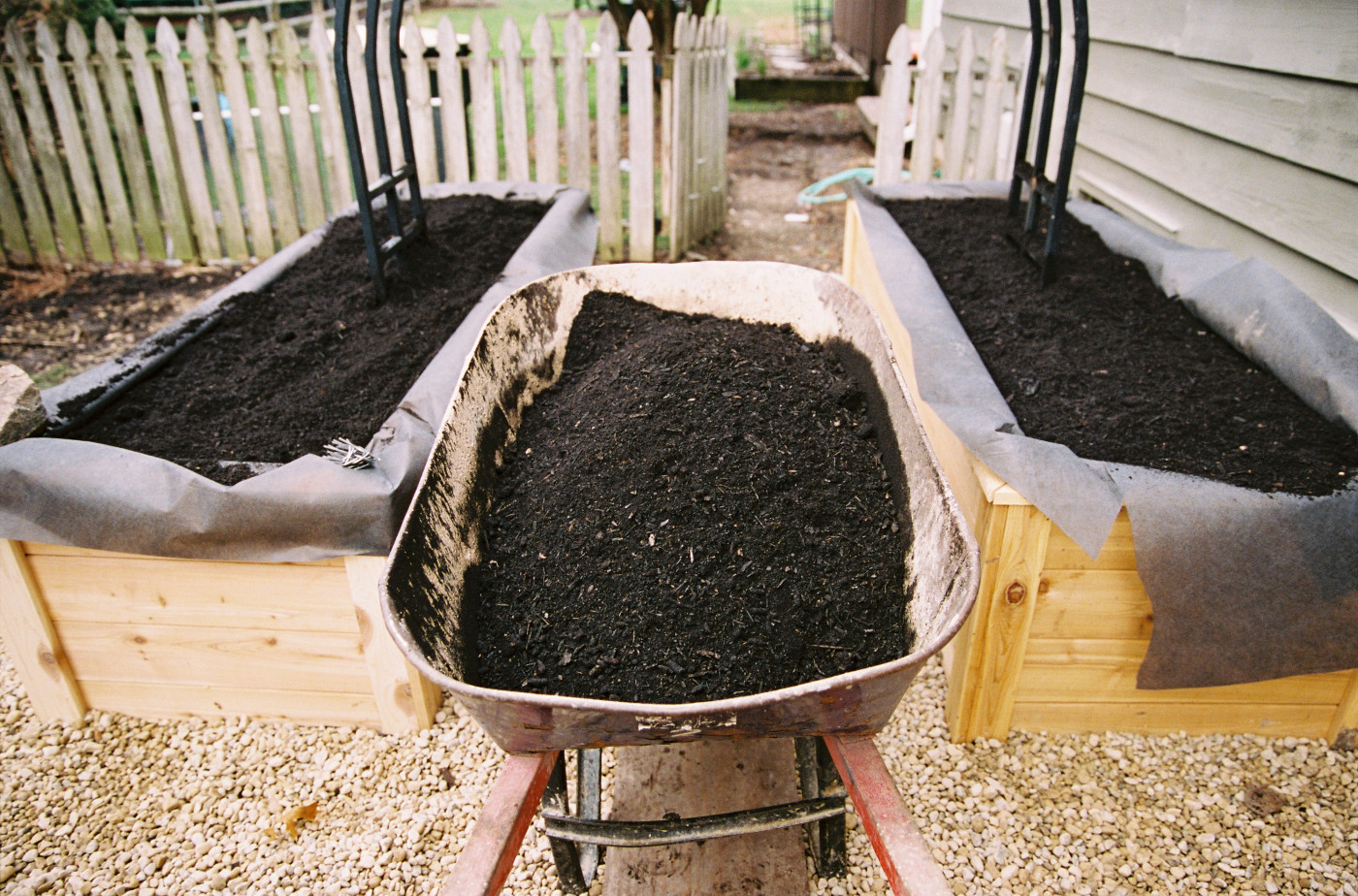
At a Glance
- Use free or low-cost organic materials to fill the bottom of raised beds and save money
- Build living soil layers that feed plants over time, not just one season
- Avoid shortcuts that cause drainage, nutrient, or pest problems later

Join Thousands of Gardeners On the VIP List
Free perks, just for email subscribers:
- 15% Off Your First Order
- Gardening Videos & Articles
- Early Access to Sales
Sign up, check your inbox, then shop with your code.
CLAIM YOUR 15% OFF BELOW
Why Filling a Raised Garden Bed Gets Expensive Fast
If you've ever priced bags of soil, you already know the sticker shock is real when buying multiple bags. Filling a single 4 ft x 8 ft raised bed that is 12 inches (30 cm) deep can take more than 20 large bags of soil. That adds up quickly, especially if you're building multiple beds and creating a complete garden layout.
The good news is you don't need to fill the entire bed with store-bought soil. You can create a budget-friendly soil base that's built in layers, and those layers can be cheap or even free!
I'm going to teach you my best tips for how to fill a raised garden bed for cheap.

The Goal of Filling a Raised Garden Bed
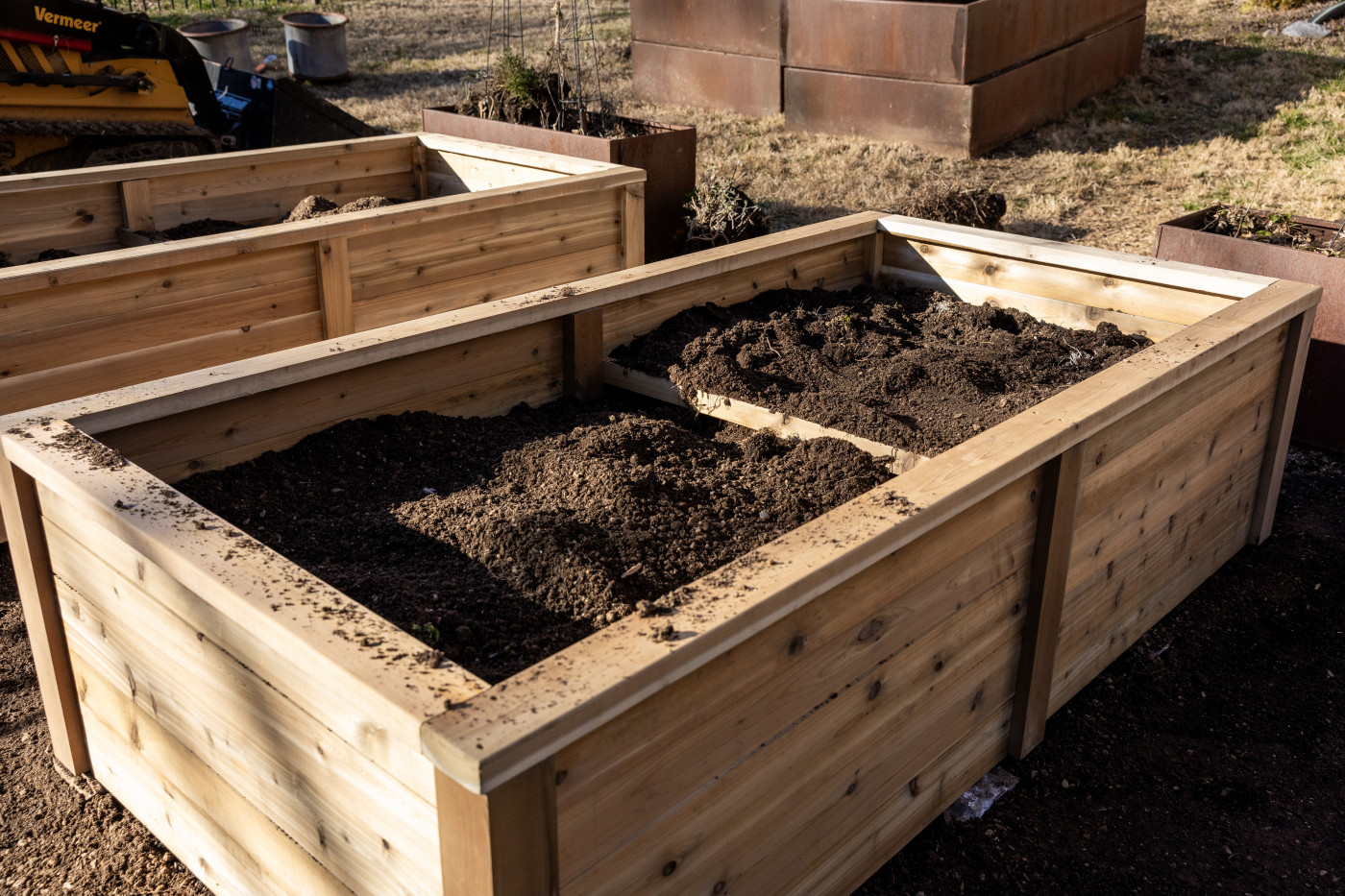
Before we talk about materials, it helps to understand the goal.
You're not just filling space. You're building a living system.
Choose materials that will:
- Drain well without drying out
- Feed plants slowly over time (organic)
- Support microbes, worms, and fungi
Cheap filling methods work when they support those goals.

What NOT to Use When Filling a Raised Garden Bed
Saving money is great, but some materials can cause problems later.
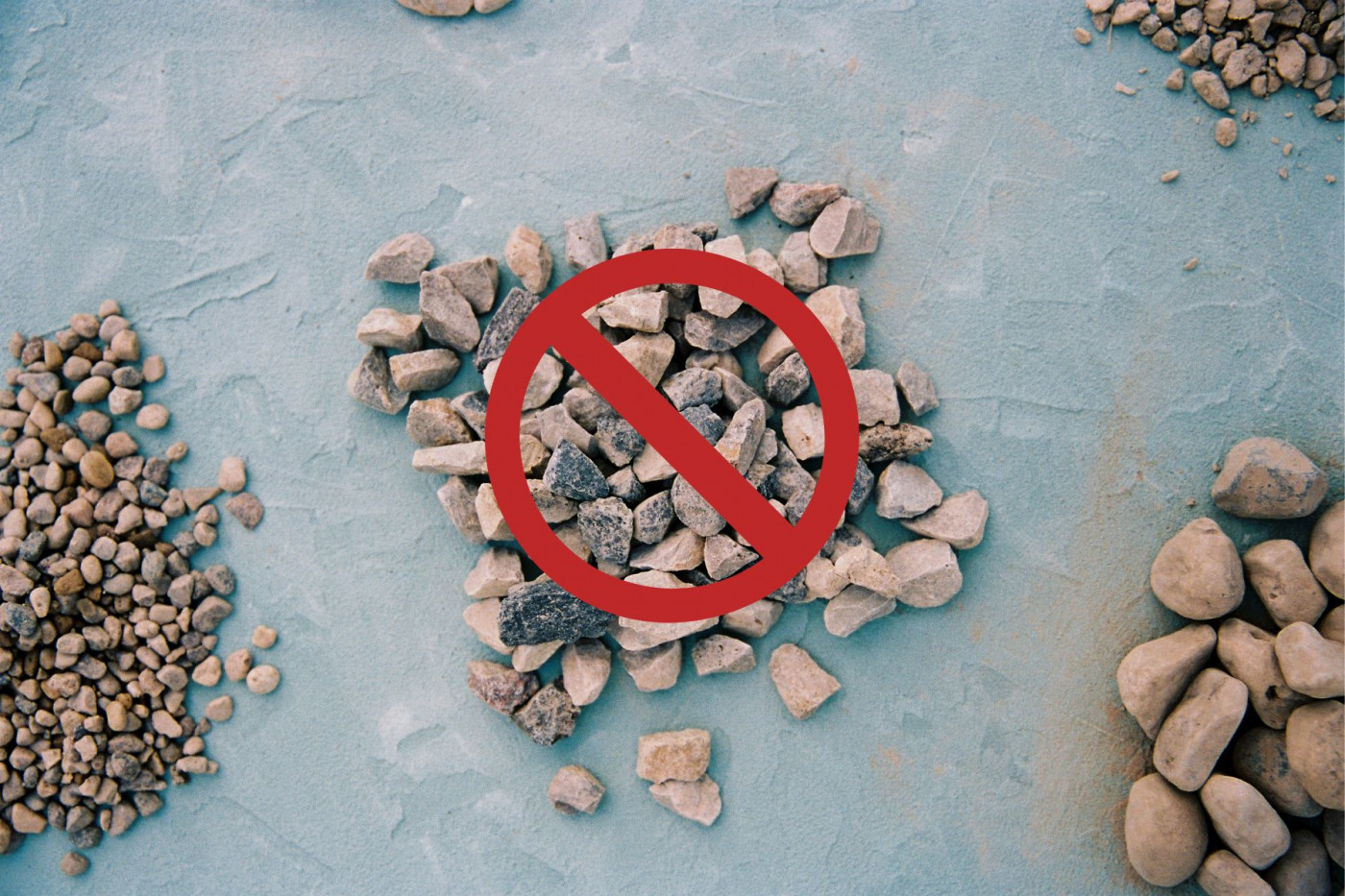
Avoid these materials entirely:
- Gravel or rocks at the bottom
- Landscape fabric between layers
- Synthetic fillers like foam or plastic
- Perlite or vermiculite
- Treated wood scraps
Rocks and gravel actually make drainage worse in raised beds because water does not move easily from fine soil into large, coarse materials. When soil sits on top of rocks, water slows down and collects at that boundary instead of draining through, creating soggy soil right where plant roots live. This trapped moisture reduces oxygen, stresses roots, and can lead to rot, even though it looks like the bed should be draining better.
Fabric creates hard soil layers that roots struggle to cross. Synthetic fillers do nothing for soil life.
Overall, it's best to stick to only organic materials when filling a raised bed for cheap.

The Cheapest Way to Fill a Raised Garden Bed Using Layers
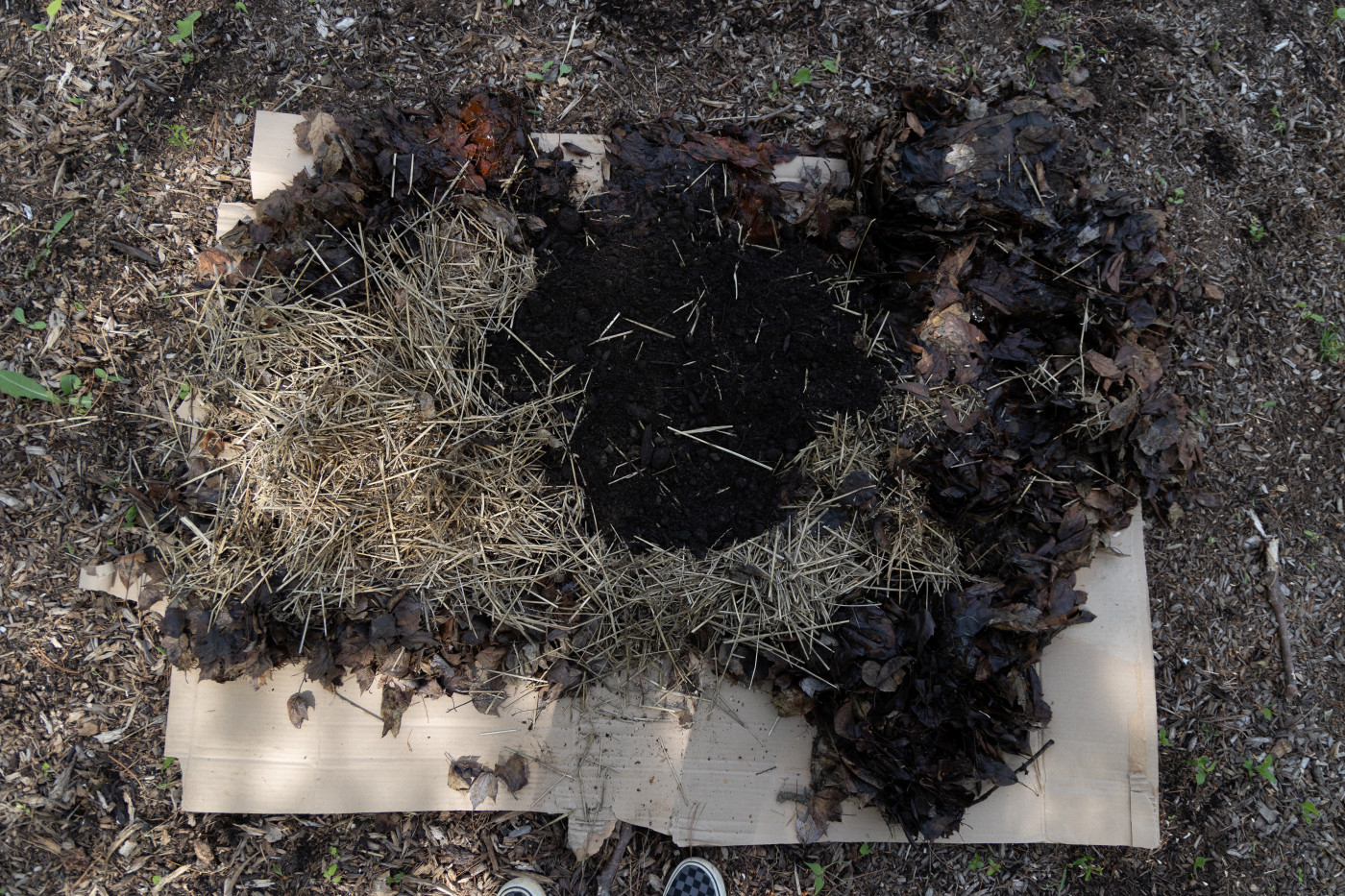
Layering is the secret. You use bulkier, free materials at the bottom to fill space and reserve your best compost for the top, where roots actually grow. As the materials age, they will become an important source of nutrients to support your bed.
Bottom layer: bulky organic filler
This layer fills space and breaks down slowly.
Bottom layer components:
- Fallen branches and sticks
- Untreated wood scraps
- Dried leaves
- Pine needles
- Old straw or hay
Fill the bottom 4 to 8 inches (10 to 20 cm) of the bed. This material will decompose over time and act like a sponge, holding moisture while improving soil structure.
This is one of the biggest money savers because it replaces a large volume of purchased soil.
Middle layer: partially broken-down organic matter
This layer feeds microbes and speeds decomposition.
Middle layer components:
- Half-finished compost
- Garden clean-up debris
- Old potting soil from containers
- Grass clippings mixed with leaves
For the middle layer, add 3 to 5 inches (8 to 13 cm) of material.
Top layer: my signature 103 soil mix
This is the most important layer by far because this is the layer that determines your plant's health.
I always use my signature 103 soil mix. This layer is not just soil. It is a carefully balanced blend designed to give plants structure, airflow, moisture balance, and long-term nutrition without relying on synthetic fertilizers or constant feeding. Skimping here almost always leads to problems later, like weak growth, poor yields, drainage issues, or soil that dries out too fast.
The 103 works because it mimics a natural sandy loam soil, combining different particle sizes and organic matter so roots can anchor securely, breathe easily, and access nutrients steadily. When this top layer is right, plants largely take care of themselves.
Think of the 103 like an equation:
1 part topsoil + 1 part coarse sand + 1 part compost + a small boost of manure or worm castings = great garden soil
Top layer components:
- Topsoil provides structure so roots can anchor and plants stay upright
- Coarse sand creates air pockets and drainage, so roots do not sit in water
- Finished compost supplies nutrients, organic matter, and moisture retention
- Worm castings or composted manure add microbial life and extra fertility
Aim for at least 6 inches (15 cm) of this mix at the top of your raised bed. This is the zone where seeds germinate, roots expand, and soil life thrives.

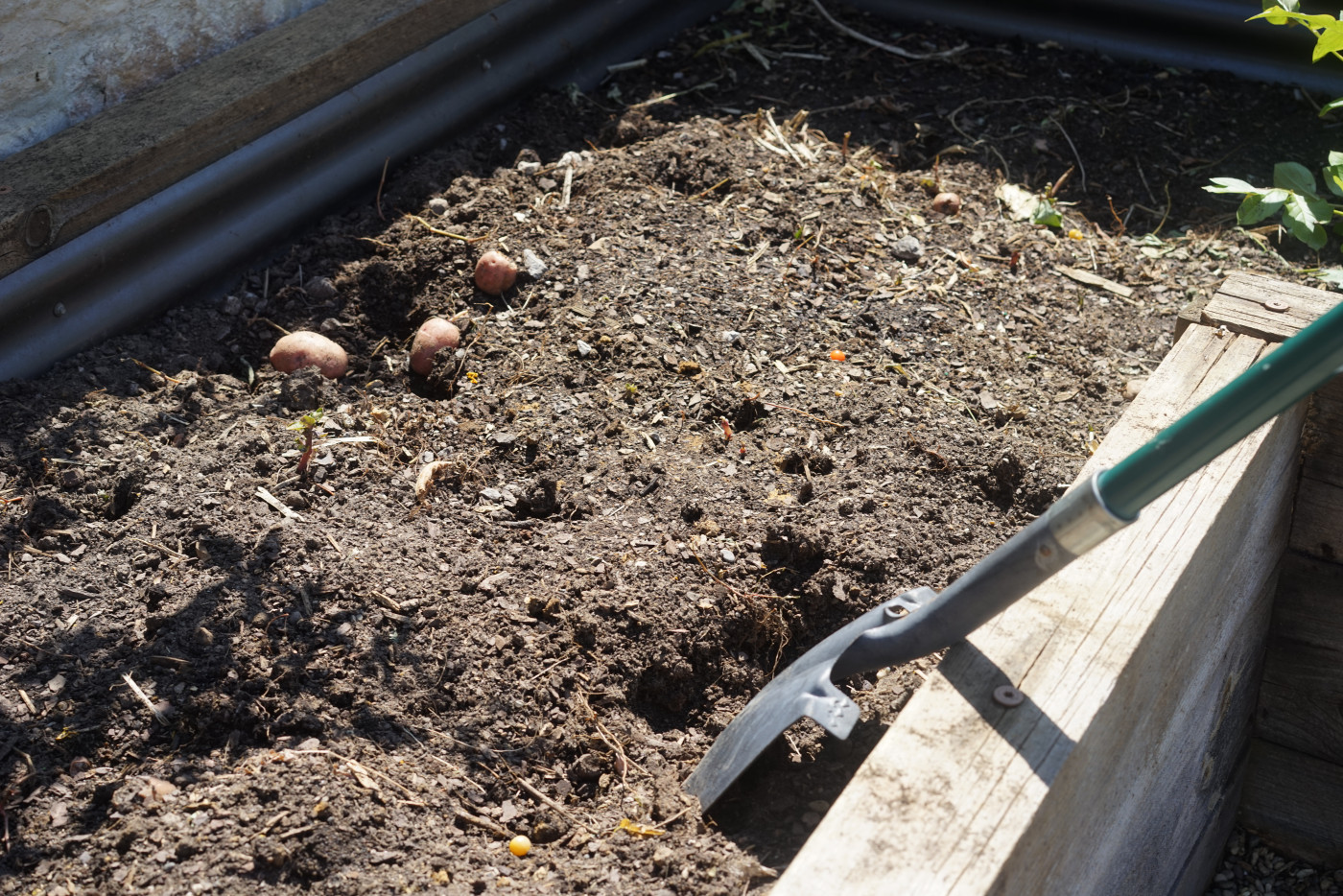
Cheap Compost Ideas
Compost doesn't have to be fancy.
Budget-friendly sources include:
- Local municipal compost programs
- Bulk compost from landscape suppliers
- Homemade compost from the kitchen
- Leaf mold made from fallen leaves
Oftentimes, it's not that hard to find family, friends, or coworkers who might be willing to donate organic materials from their homes, if you need it.
I often mix sources. Diversity actually helps soil life.

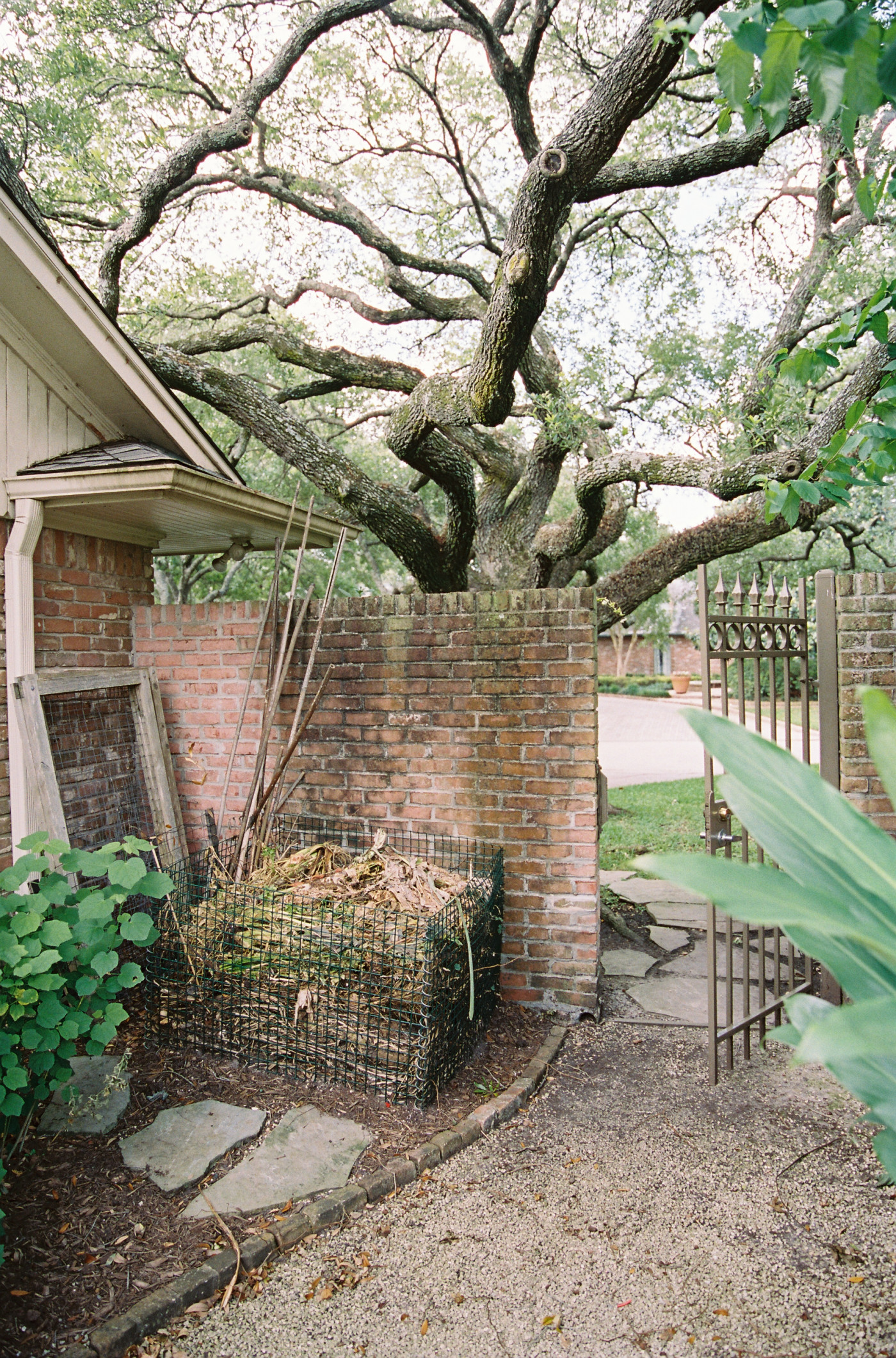
How to Fill a Raised Garden Bed Over Time to Save Money
If filling an entire raised bed all at once feels overwhelming financially, you do not have to do it that way. One of the biggest advantages of raised beds is that they can be built gradually, and in many cases, that slow approach actually leads to better soil in the long run.
Instead of thinking of your raised bed as a one-time project, think of it as something you build up to and improve season by season.
Here’s a budget-friendly approach I recommend.
- Fill the bottom layers first with bulky organic material
Start by adding sticks, branches, leaves, straw, or garden clean-up debris to the bottom of the bed. These materials take up space, cost little to nothing, and slowly break down into organic matter over time.
- Add your best soil selectively & only where you plan to plant this season
You do not need perfect soil across the entire bed immediately. Focus on filling just a few planting zones with high-quality compost or your 103 mix. The rest of the bed can continue decomposing underneath while you grow food on top.
- Let decomposition do some of the work for you
As organic materials break down, they settle, shrink, and transform into richer soil. This natural process reduces the total amount of compost and soil you will need to buy in the future.
- Top off gradually instead of all at once
Each season, add a few inches of compost to the surface. This replaces nutrients plants use, builds soil depth slowly, and keeps your bed productive without a big upfront expense.
- Use garden waste as future soil
Spent plants, trimmed leaves, and healthy garden debris can go right back into the bed to become part of next season’s soil. This closes the loop and keeps you from constantly buying new inputs.
Raised beds are not meant to be “finished.” They are living systems that mature over time. As organic matter settles and soil life increases, your beds will hold moisture better, drain more evenly, and require fewer inputs each year. What starts as a money-saving strategy quickly becomes a long-term soil-building habit that pays you back with healthier plants and better harvests.

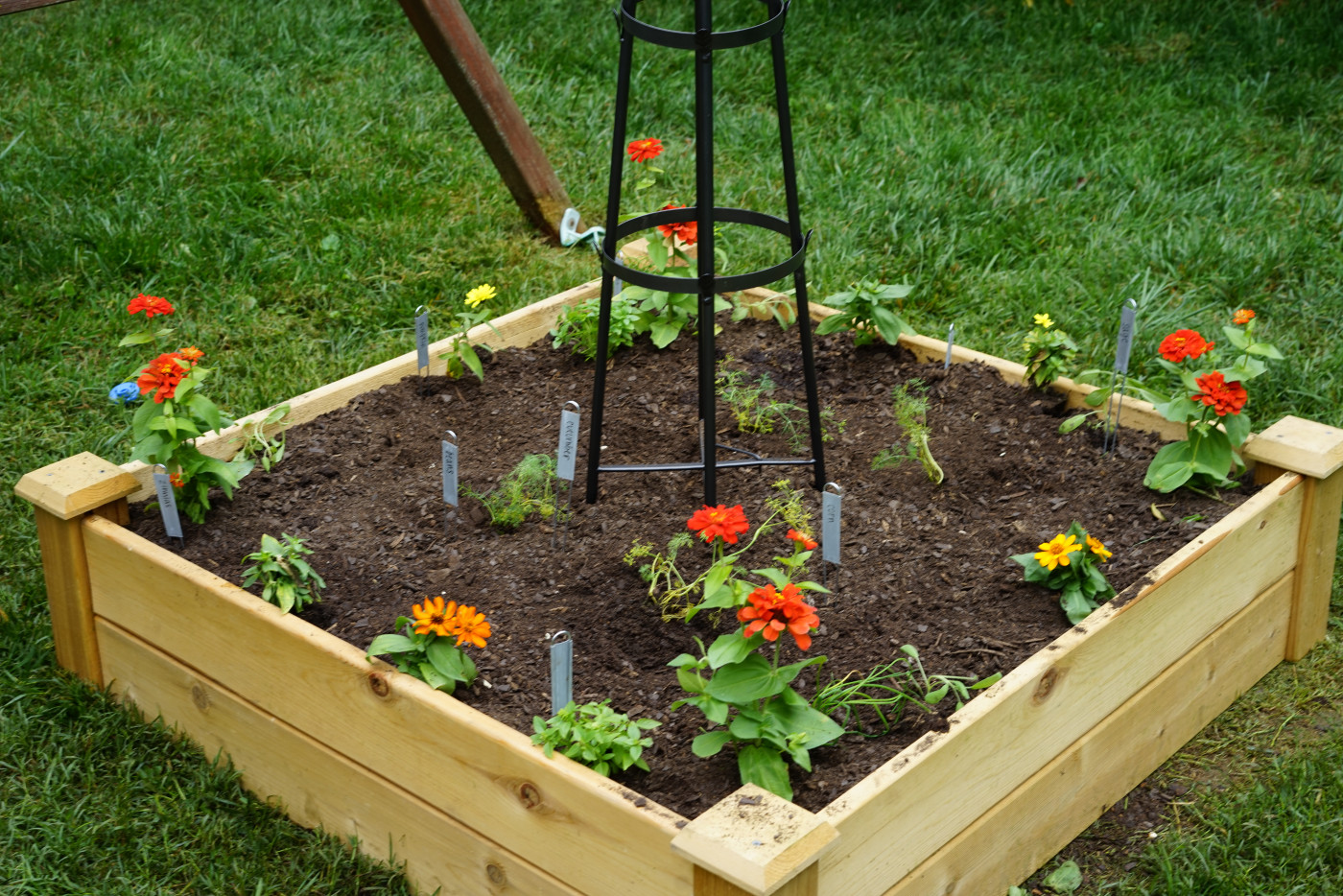
Keep it Short
If you're just starting out, choose a raised bed that is shorter in height or a smaller overall size. Shallower or more compact beds require significantly less soil to fill, which keeps upfront costs low while still producing great harvests.
You can always add height, expand, or build additional beds later once your soil system is established and your budget allows.
You can find an affordable, 1-foot-tall raised bed kit here.
Final Thoughts on Filling a Raised Bed for Cheap
You don't need a big budget to grow a productive, beautiful raised bed garden. What you really need is organic matter, patience, and a mindset that works with nature instead of trying to force quick results.
When a raised bed is filled strategically, it becomes a living system. Over time, the soil improves, plants grow stronger, and the garden begins to take care of itself season after season.
The most successful gardens are built by using what you already have, adding quality materials where they matter most, and allowing the soil to evolve naturally over time.
More About Raised Beds
Join Thousands of Gardeners On the VIP List
Free perks, just for email subscribers:
- 15% Off Your First Order
- Gardening Videos & Articles
- Early Access to Sales
Sign up, check your inbox, then shop with your code.
CLAIM YOUR 15% OFF BELOW