At a Glance
- Most vegetables only need one seed per hole when planted correctly
- Planting extra seeds often creates competition and weaker plants
- Healthy soil and consistent moisture matter more than seed quantity

Join Thousands of Gardeners On the VIP List
Free perks, just for email subscribers:
- 15% Off Your First Order
- Gardening Videos & Articles
- Early Access to Sales
Sign up, check your inbox, then shop with your code.
CLAIM YOUR 15% OFF BELOW
Why Gardeners Ask This Question in the First Place
I used to plant three, four, sometimes five seeds in every hole. It felt safer. Like I was hedging my bets against failure. And every season, I wondered why my seedlings looked crowded, leggy, and stressed before they even had a chance to grow.
If you’ve ever hovered over a raised bed with a seed packet in one hand and doubt in the other, this question isn’t really about seeds. It’s about trust. Trusting the soil, the season, and the process of growth itself.
Once I understood what was actually happening underground, everything about planting seeds changed for me.

How Many Seeds Per Hole? The Short Answer
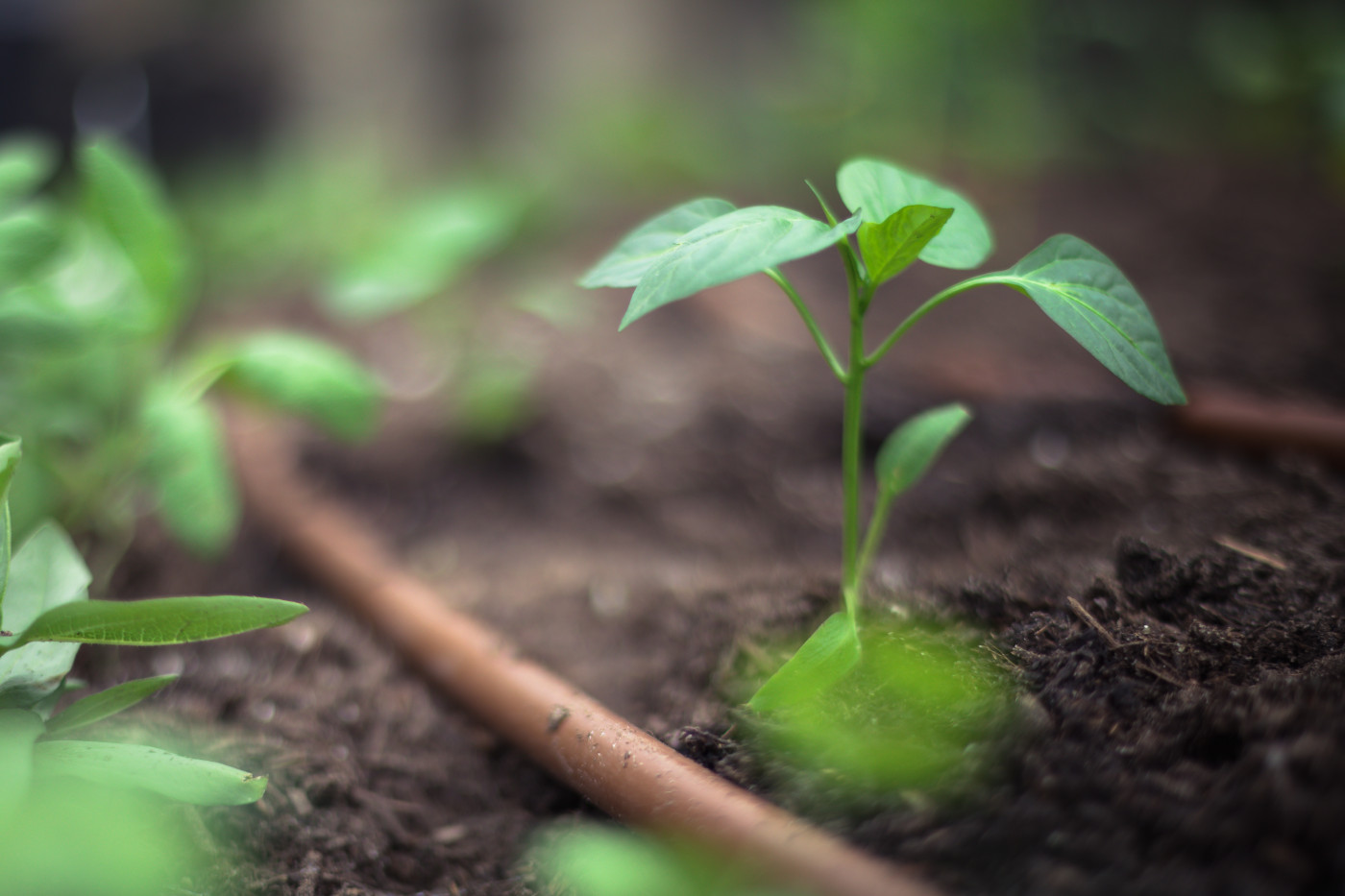
For most vegetables, the answer is one seed per hole.
The surprising part isn’t that one seed is enough. It’s that planting more often works against the outcome you want.
Why Planting Too Many Seeds Can Backfire
Planting multiple seeds in one hole feels like abundance, but plants experience it as stress.
Seedlings Compete for:
- Light
- Water
- Nutrients
- Root space
What looks like success above the soil is actually conflict below it. Roots tangle. Growth slows. Stems stretch thin. The plant spends its early energy surviving instead of thriving.
Then comes thinning, which often feels wasteful and can disturb the roots of the seedling you’re trying to keep. In a compost-rich garden, this extra step is usually unnecessary.

When Planting More Than One Seed Makes Sense
If you’re thinking, surely there must be exceptions, you’re right. Gardening is rarely all or nothing.
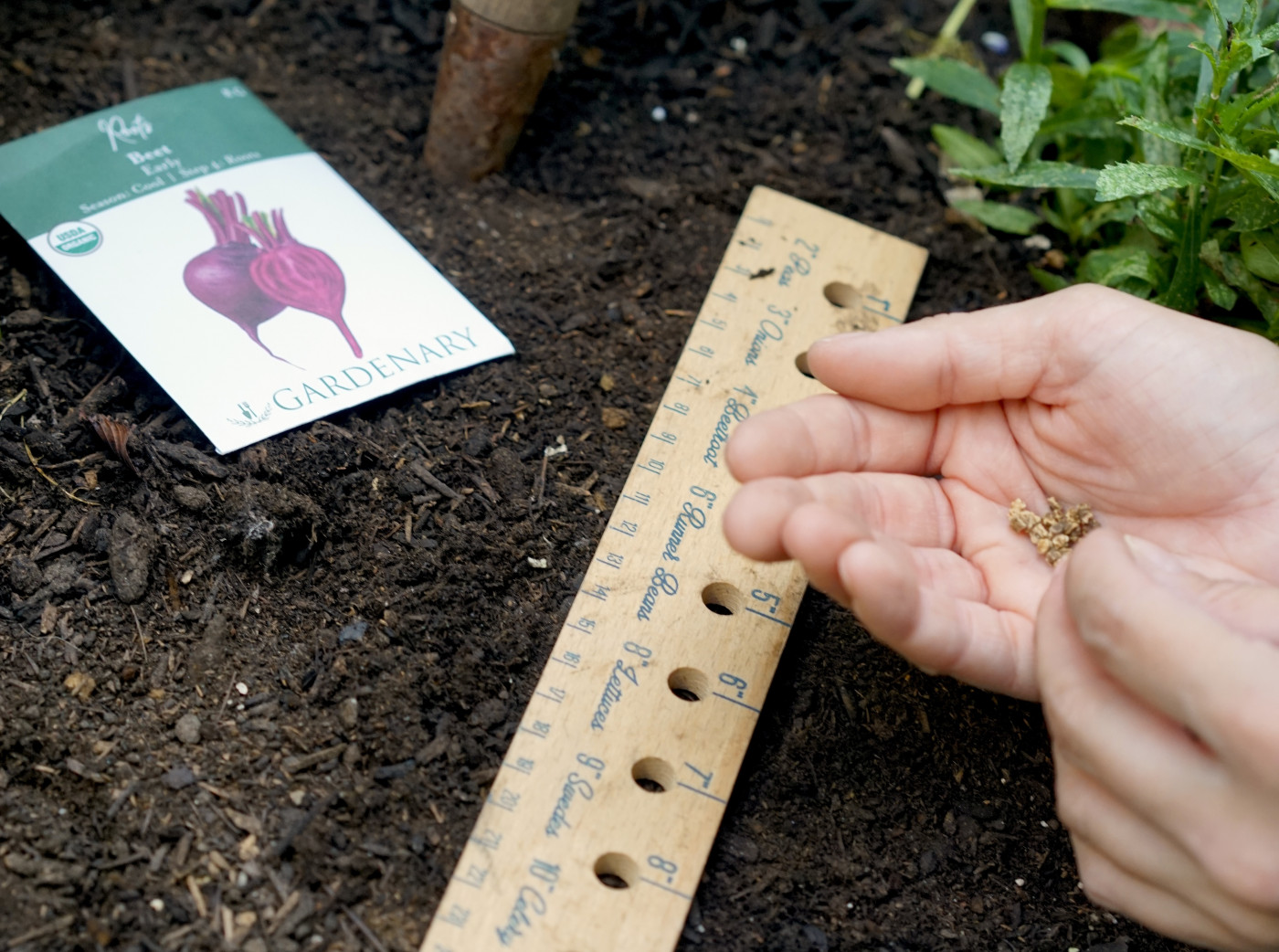
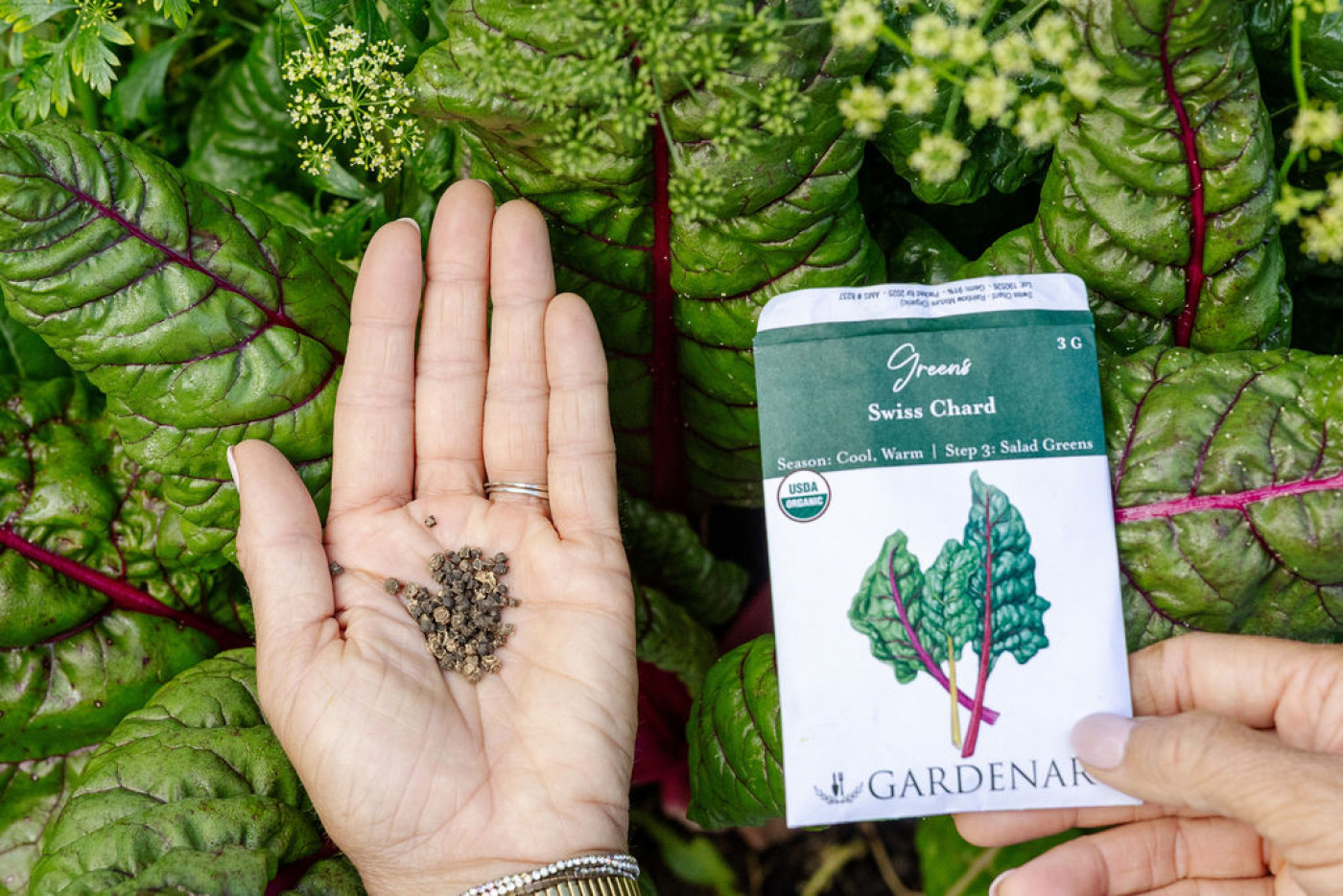
Some crops benefit from planting two seeds per hole because their germination rates can be uneven or slow.
Two-Seed Crops:
- Beets
- Swiss chard
- Parsley
- Cilantro
- Leeks
- Onions grown from seed
In these cases, I plant two seeds and wait. If both sprout, I snip the weaker one at the soil line rather than pulling it. This protects the roots of the plant that stays and keeps the soil undisturbed.
Two-Seed Crops

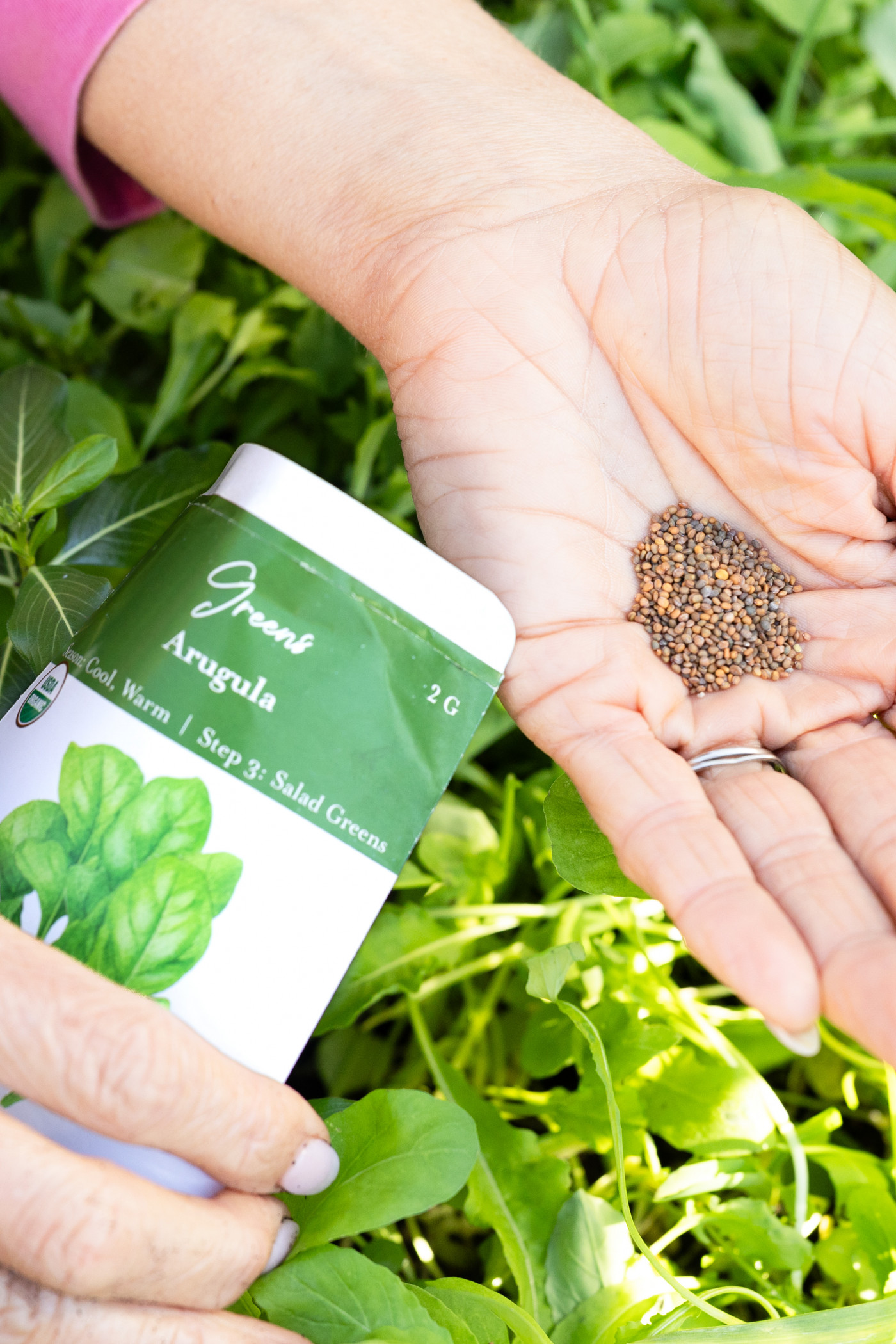
Seed Size Is a Clue
One of the easiest ways to decide how many seeds per hole to plant is to simply look at the seed itself. Seed size offers a quiet but reliable hint about germination confidence, planting precision, and how much margin for error you actually have.
Larger seeds tend to store more energy, which means they’re better equipped to push through soil, tolerate small inconsistencies in moisture, and establish roots quickly once they sprout. Smaller seeds are more delicate. They rely heavily on surface moisture and careful handling, which makes spacing more challenging and overplanting more tempting.
Understanding this difference helps take the guesswork out of planting. Instead of defaulting to “more just in case,” you can let the seed size guide your approach.
Large Seeds (One at a time)
With large seeds, I’m almost always comfortable planting one seed per hole. When planted at the proper depth in compost-rich soil, these seeds germinate reliably and grow with confidence.
Examples include:
Tiny Seeds (A few at a time)
Tiny seeds are a different experience entirely. Because they’re so small, placing them individually can be tricky, and they’re more sensitive to drying out during germination. Rather than stressing about perfect spacing, I treat these more loosely and less precisely. I often plant a few seeds at a time or gently scatter them over an area, and then thin them out later.
Examples include:
Why Seeds Sometimes Fail to Germinate
When seeds don’t sprout, it’s easy to assume the problem was the number of seeds planted. In reality, germination failures are almost always about conditions, not quantity.
A seed’s job is simple. It needs the right environment to wake up. When that environment is unstable, even multiple seeds in the same hole won’t solve the issue.
The most common reasons seeds fail to germinate include:
- Soil drying out during the critical germination window
- Inconsistent watering that interrupts early root development
- Seeds planted too deeply or left too exposed
- Planting outside the appropriate season for that crop
- Old seeds or seeds that were stored improperly
Adding extra seeds to a hole doesn’t improve moisture consistency or correct timing. If anything, it masks the real issue until several seeds sprout at once and begin competing.
A Better Question Than “How Many Seeds?”
Instead of asking how many seeds per hole, I encourage gardeners to ask:
- Is my soil rich with finished compost?
- Am I planting in the correct season?
- Am I keeping the soil evenly moist during germination?
When those basics are in place, the seed count becomes much less stressful.
It might seem unbelievable, but one seed is often enough when the system is working. And when it isn’t, adding more seeds rarely fixes the real problem.
Click the image below to save this article for later!