
At a Glance
- The most common mistakes people make when making a raised bed (and how to avoid them)
- How location, soil, structure, and timing determine long-term success
- Smart setup decisions that save money, time, and frustration
What to Know Before Making a Raised Bed
Making a raised bed feels exciting. You picture overflowing tomatoes, crisp lettuce, and armfuls of flowers.
But here’s the hard truth...
Most raised bed mistakes are made before the first seed ever goes into the soil.
I’ve seen it repeatedly. People invest in beautiful lumber, build the perfect frame, fill it with something labeled “garden soil,” plant enthusiastically, and then spend the entire season wondering why their plants look stressed or underwhelming.
If you’re about to start making a raised bed, pause for just a moment. A few thoughtful decisions now will determine whether your garden feels energizing or exhausting for years to come.
Let’s talk about what actually matters.

Join Thousands of Gardeners On the VIP List
Free perks, just for email subscribers:
- 15% Off Your First Order
- Gardening Videos & Articles
- Early Access to Sales
Sign up, check your inbox, then shop with your code.
CLAIM YOUR 15% OFF BELOW
Location is King
Deciding where to install your garden is one of the most important decisions you will face when making a raised bed. You can build the most beautiful raised bed in the world, but if it's placed in the wrong location, it will struggle season after season, and trust me... it's not easy to move a raised bed once it's in place.
Yes, vegetables need sunlight. Most require at least 6 to 8 hours of direct sun daily. But sunlight is only part of the equation.
Location Determines:
- Sun & Shade
- Drainage
- Accessibility
- Water access
- Airflow
Locations to Avoid:
- A low area that collects water
- A spot far from your water hose
- An area boxed in by fences or shrubs that block airflow
Poor drainage leads to root rot. Limited airflow encourages fungal pressure. A bed that is inconvenient to reach will quietly be neglected.
Before making a raised bed, observe the space. Watch how water moves after a rain. Notice where shadows fall in the afternoon. Stand there and imagine yourself watering, harvesting, and checking for pests.
Location truly is foundational.

The Soil You Choose Matters More Than the Bed Itself
The biggest mistake people run into when making a raised bed is treating soil like filler.
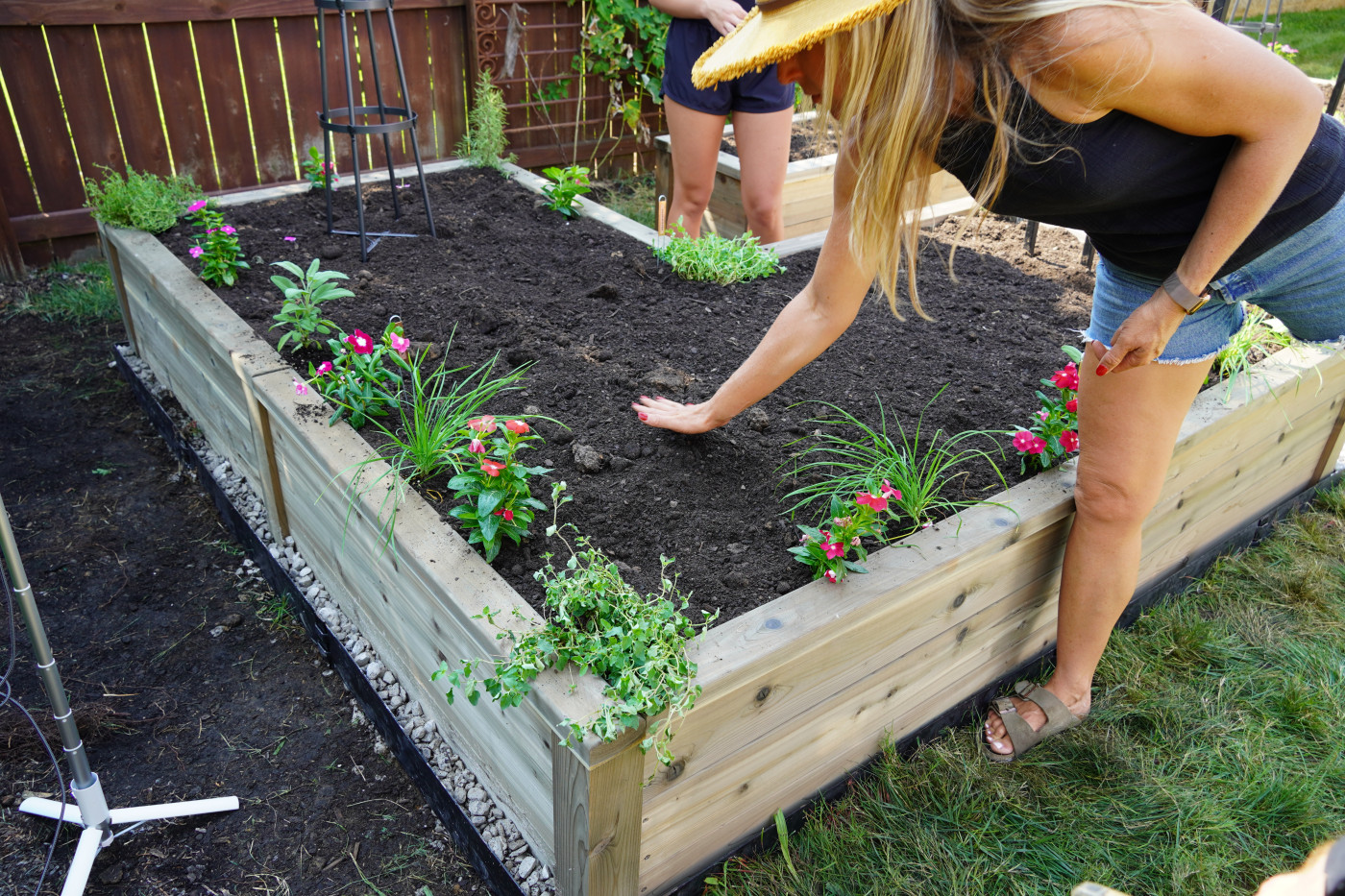
The raised bed is the container, but the soil is the ecosystem.
Your plants will live their entire lives in whatever you put inside that frame. If the soil lacks structure, nutrients, or biological life, no amount of sunlight or watering will compensate for it. Strong soil supports root development, nutrient cycling, moisture balance, and natural pest resilience.
Avoid filling your raised bed with:
- Topsoil from a random source
- Heavy clay soil from your yard
- Bagged blends loaded with peat moss and synthetic additives
Recommended Raised Bed Soil Blend:
- Topsoil - creates a stable base that supports strong root development and keeps plants firmly grounded
- Coarse sand - improves airflow and drainage, preventing roots from becoming waterlogged
- Fully matured compost - delivers nutrients, boosts organic matter, and helps soil hold consistent moisture
- Worm castings or well-aged manure - enriches the soil with beneficial microbes and additional natural fertility
Compost is not just an ingredient. It is the engine of your garden. It feeds soil microbes, improves structure, holds moisture, and supports plant immunity.
If you get this step right, you solve half of your future problems before they begin.

The Right Materials Will Make or Break Your Raised Bed
A raised bed can hold thousands of pounds of soil once filled, especially after a heavy rain. That weight pushes outward constantly. If the frame isn’t built with the right materials and hardware, boards start to bow, corners separate, and the bed can start leaning within a season or two.
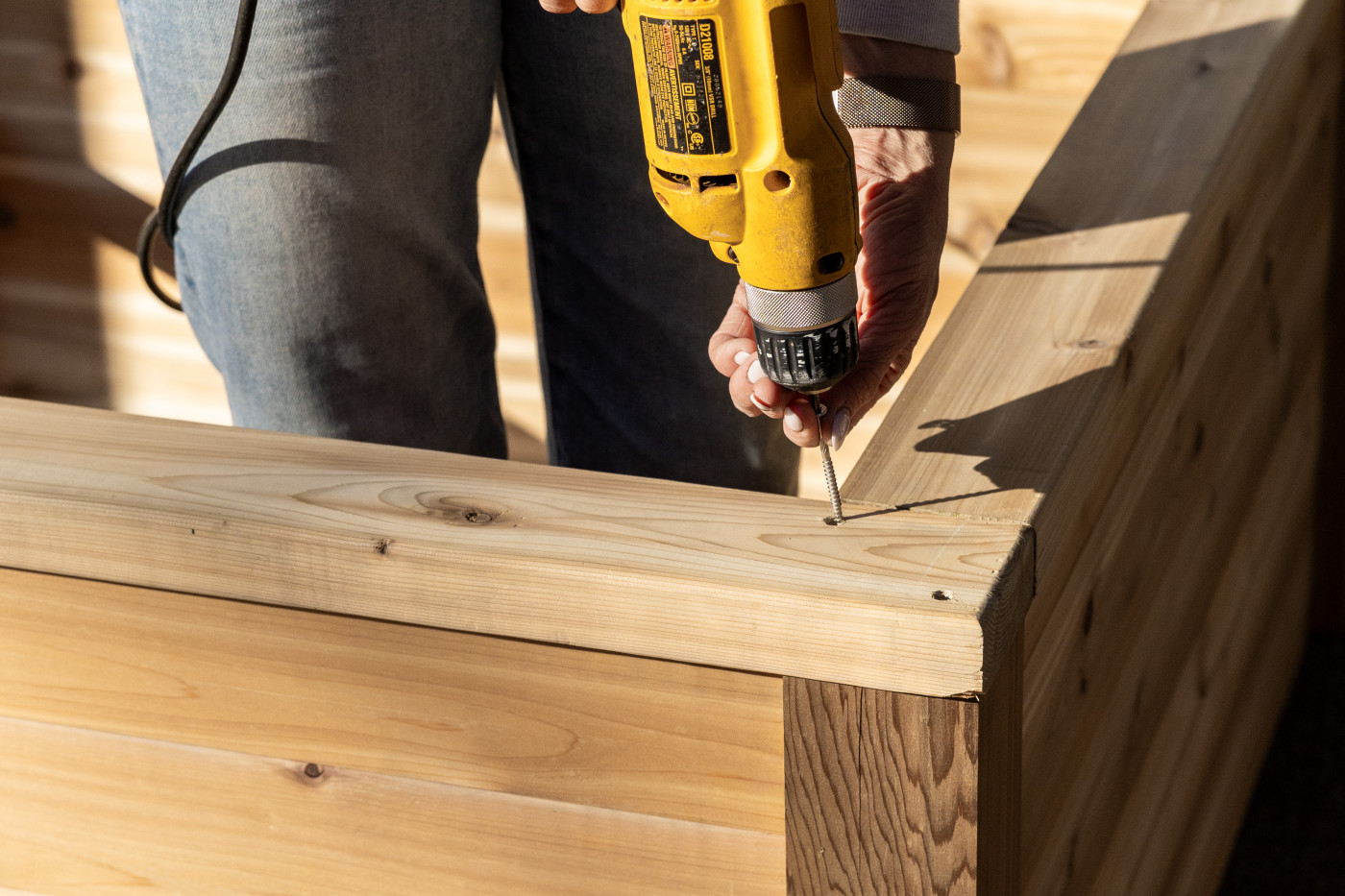
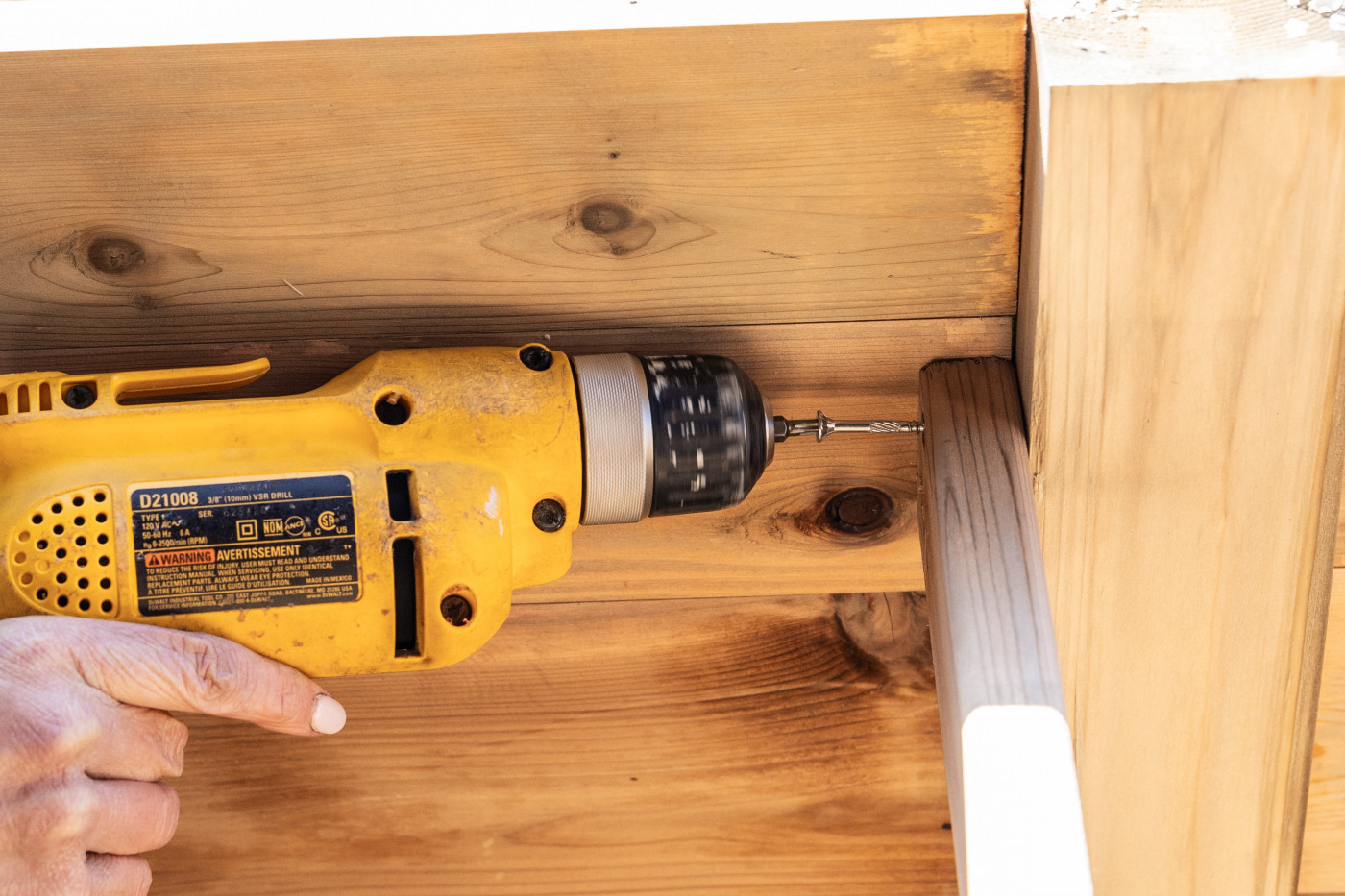
Many structural problems come down to underestimating the tools and supplies needed for a sturdy build. Grabbing basic screws and a drill might seem sufficient, but soil pressure, moisture, and seasonal expansion put serious stress on the frame over time.
Common structural and hardware mistakes:
- Using boards that are too thin → Soil pressure causes bowing over time
- Skipping corner reinforcement → Screws alone may loosen under weight
- Building beds longer than 6–8 feet (1.8–2.4 m) without center bracing → The middle will eventually push outward
- Using weak wood screws instead of exterior-grade deck screws
- Failing to pre-drill holes → Cedar can split during assembly
- Not checking for it to be level before filling
- Skipping stakes or anchoring in loose soil
For longer beds, install a center brace connecting the two long sides. This small addition dramatically increases structural lifespan. Metal corner brackets also add strength and reduce long-term loosening.
Build it as if it needs to hold saturated soil after a storm, because it will. A raised bed should feel solid and secure before you ever add soil. The stronger the foundation, the longer your garden will thrive.

Bigger Is Not Always Better
Many beginners assume that the larger the bed, the greater the harvest.
But oversized beds create unnecessary challenges.
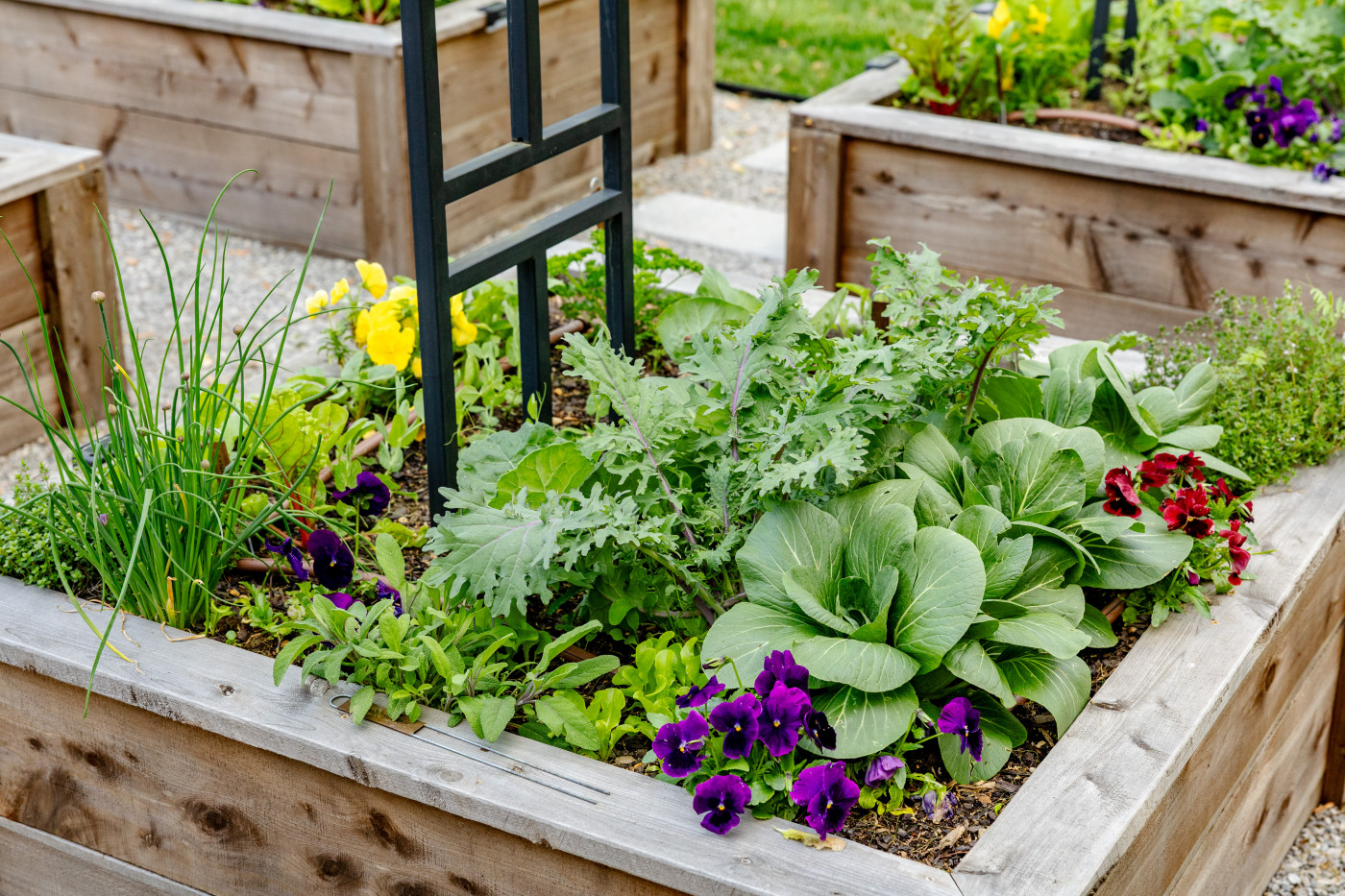
A raised bed should typically be no wider than 4 feet, so you can comfortably reach across without stepping into the soil. Stepping into the bed compacts the soil, which restricts root growth and reduces overall plant health.
The Downside of Oversized Beds:
- It becomes harder to manage consistently
- Feels overwhelming during planting and harvesting
- Requires more time to maintain
- Costs significantly more to fill with high-quality soil
Soil is not cheap, especially when you are investing in compost-rich blends. A large bed requires a large volume of soil, which can quickly multiply your startup cost.
Start manageable. One well-designed, well-tended bed will outperform three oversized, under-maintained ones every time.
You are building a system, not a showpiece.
Learn More About Garden Measurements

Install it Once, Install it Right: Don't Skip the Groundwork
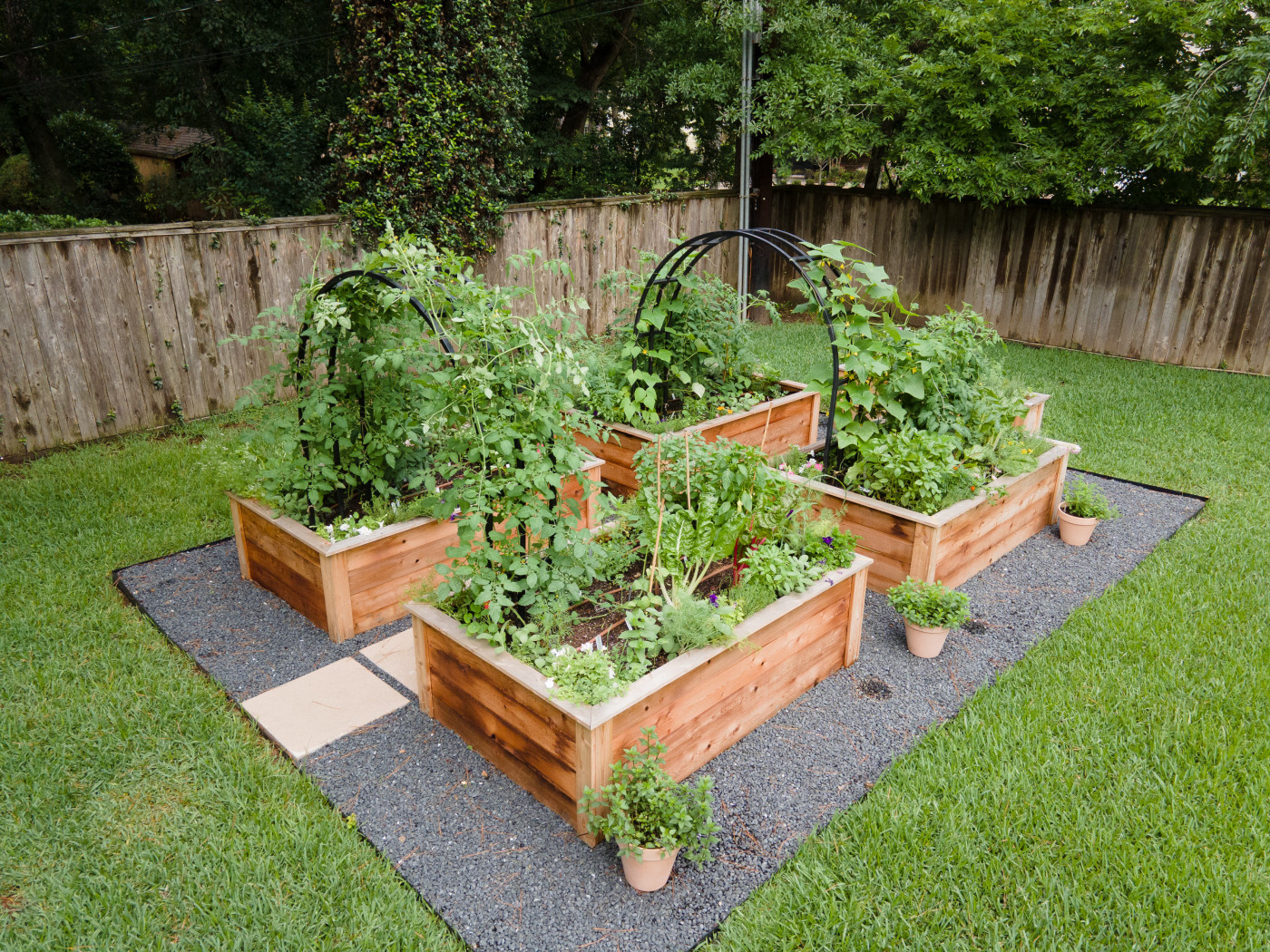
Another common mistake when making a raised bed is setting the frame directly over thick grass or compacted soil without preparation.
Raised beds are not isolated boxes. Roots will eventually explore the soil below, especially for larger crops like tomatoes.
Do this before placing your frame:
- Remove thick sod if possible
- Loosen the soil underneath 6 to 8 inches deep
- Add compost to the base layer
This encourages deep rooting and improves drainage. It also prevents water from pooling at the interface between native soil and your new soil blend.
A little preparation underneath creates stronger plants above.

Don't Forget to Level Your Raised Bed
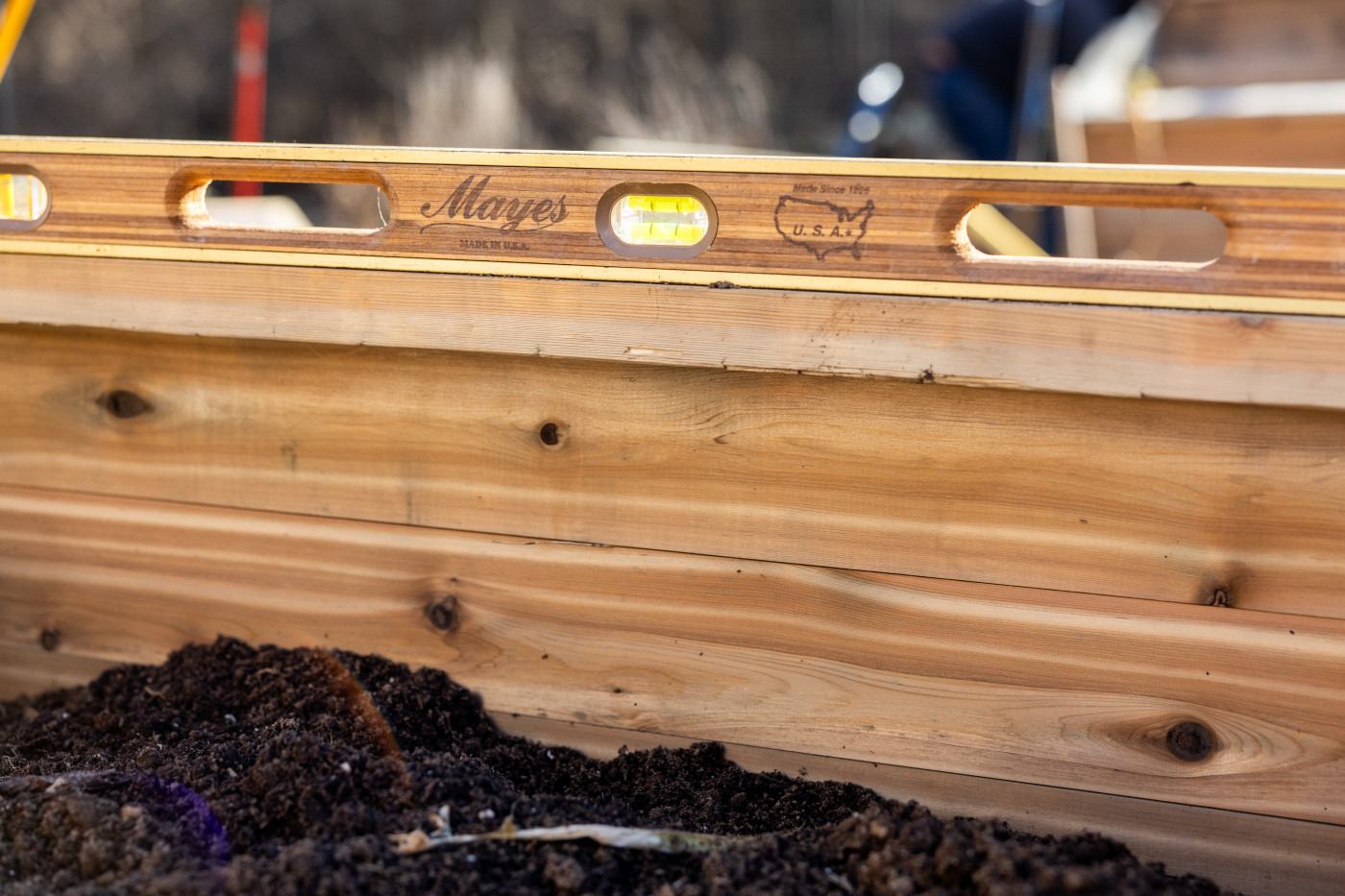
One of the most overlooked errors when making a raised bed is not leveling the ground before installation.
Level your raised bed to prevent:
- Uneven water distribution
- Soil settling to one side
- Root growth issues
- Long-term structural stress
Before placing your frame, clear the area, check with a level, and adjust the soil underneath until the bed sits evenly. Leveling takes extra time at the beginning, but it prevents years of frustration.

Plan Before You Plant
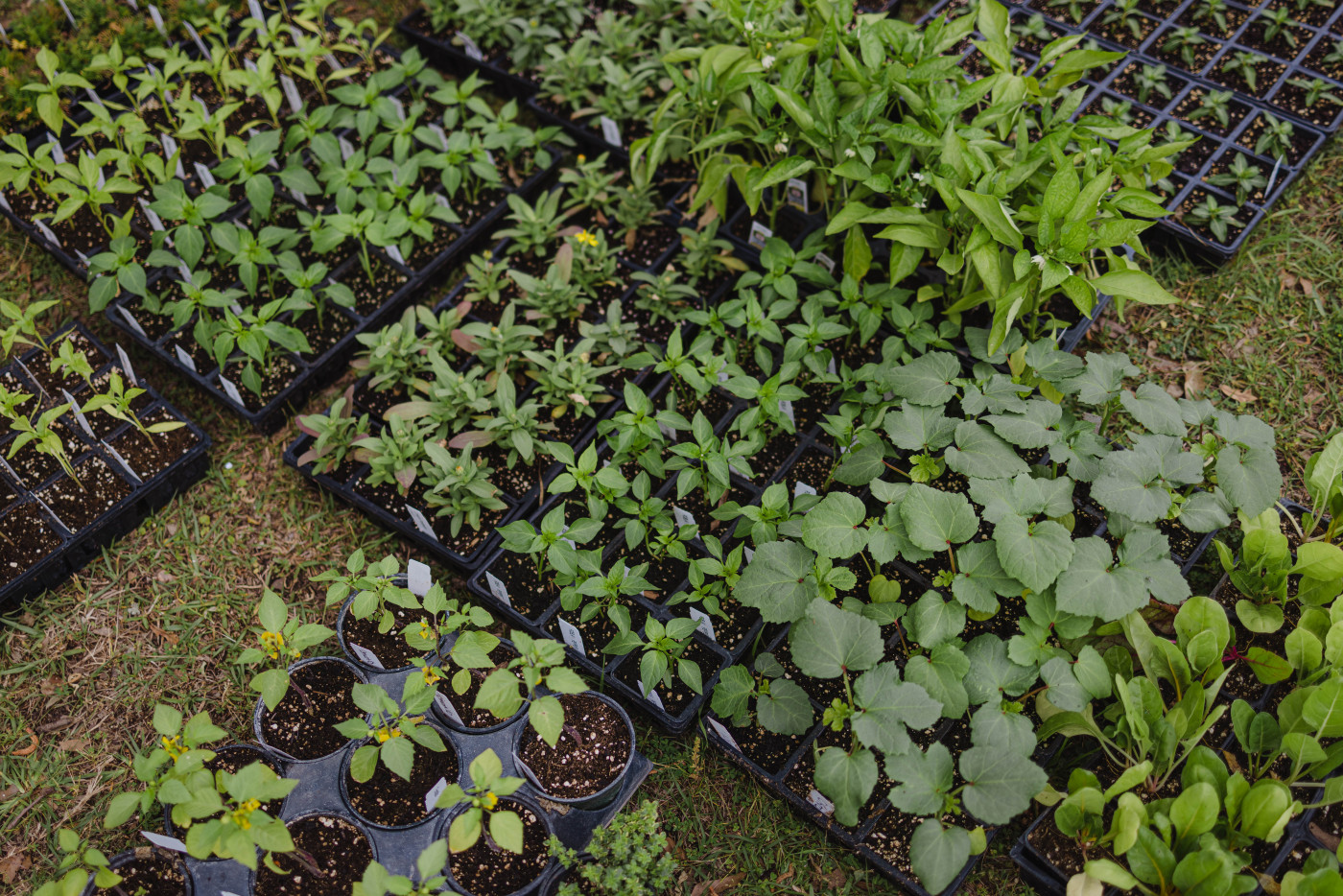
Another common mistake new gardeners make is planting without a clear plan.
When crops go into the ground at the wrong time of year, they struggle, stall, or fail completely. Cool-season crops planted in warm weather bolt prematurely. Warm-season crops planted too early sit in cold soil and never thrive. What feels like bad luck is often just poor timing.
Raised beds fill up quickly, and once they’re planted, it’s difficult to fix mistakes without pulling everything out and starting over. Planting without a plan often leads to overcrowding, underperforming plants, and wasted weeks of effort.
Before planting, ask yourself:
- What season am I in, cool season or warm season?
- What grows successfully in my region right now?
- How much space does each plant actually require to mature?
Planting at the wrong time doesn’t just slow you down. It costs you money, momentum, and confidence. A thoughtful plan protects your investment and sets the tone for a productive season instead of a frustrating one.
Learn More About Seasonal Planning
Before Making a Raised Bed, Remember This
The frame matters. The soil matters. The location matters. The timing matters.
When you slow down and make thoughtful decisions about where to place your bed, how to build it, what to fill it with, and when to plant, you’re not just building a box. You’re building a system designed to support life.
Most raised bed frustration comes from skipping steps in the beginning. Most raised bed success comes from doing the groundwork right the first time.
So before you pick up a drill or buy a bag of soil, pause and review these tips. It will save you frustration, time, and money in the long run — and set you up for a raised bed that thrives season after season.
Join Thousands of Gardeners On the VIP List
Free perks, just for email subscribers:
- 15% Off Your First Order
- Gardening Videos & Articles
- Early Access to Sales
Sign up, check your inbox, then shop with your code.
CLAIM YOUR 15% OFF BELOW