
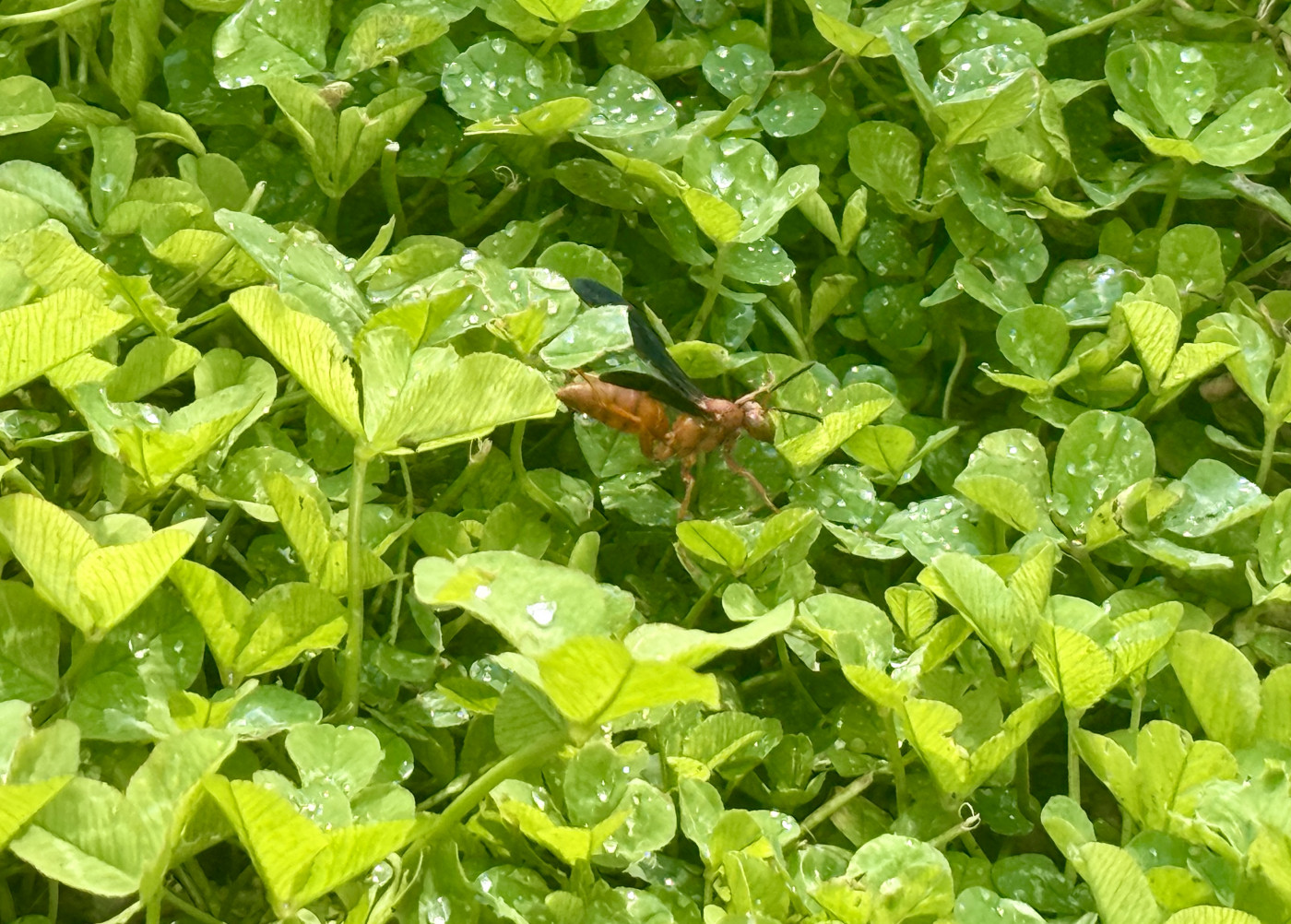
At a Glance
- Yes, wasps do pollinate — they're not as efficient as bees, but they visit flowers and transfer pollen, making them a legitimate part of a healthy garden ecosystem.
- Wasps are also powerful natural pest controllers, feeding on aphids, caterpillars, and other garden pests that would otherwise damage your crops.
- When wasps become too much to coexist with comfortably, there are gentle, organic methods to discourage them without disrupting the broader garden ecosystem.
The Uninvited Garden Guest That Might Be Earning Its Keep
Wasps are one of those garden visitors that most of us have a complicated relationship with. They show up uninvited, hover a little too close while you're trying to harvest your tomatoes, and carry a reputation that makes even the calmest gardener a little twitchy.
But here's what I've come to understand after years of gardening: wasps are not the villains of the backyard. They're actually doing quite a bit of good out there — and once you understand what they're up to, it becomes a lot easier to share the garden with them...except when they get a little too intense.
So, should you leave wasps alone or take control of the situation?
That decision is up to you. We're going to discuss all the pros and cons of coexisting with wasps.
Yes, Wasps Do Pollinate — Here's How
Wasps are pollinators. Not the most efficient ones — that title still belongs to bees — but they visit flowers, pick up pollen, and transfer it as they feed on nectar. Their smoother bodies don't hold pollen as well as a bee's fuzzy coat, so it happens somewhat by accident. But it happens, and it matters.
What often goes unnoticed is how helpful wasps are specifically for self-pollinating crops. Many kitchen garden vegetables pollinate themselves, but their flowers still need to be physically "tripped", meaning a visiting insect needs to land on the flower and trigger that contact. When a wasp lands on a tomato or bean flower, that visit directly improves your yield. Quiet, unglamorous work, but reliable.
Wasps help pollinate:
- Tomatoes
- Beans
- Peppers
- Garlic, onions, and chives
- Carrots, parsley, and cilantro
- Cucumbers
- Squash
- Fennel and dill
- Fruit tree blossoms
- Figs — certain varieties are pollinated almost exclusively by wasps
- Flowers: marigolds, zinnias, and native wildflowers planted around the garden
So while wasps aren't replacing your bees anytime soon, they're doing real work in your kitchen garden — especially on the crops you care about most.

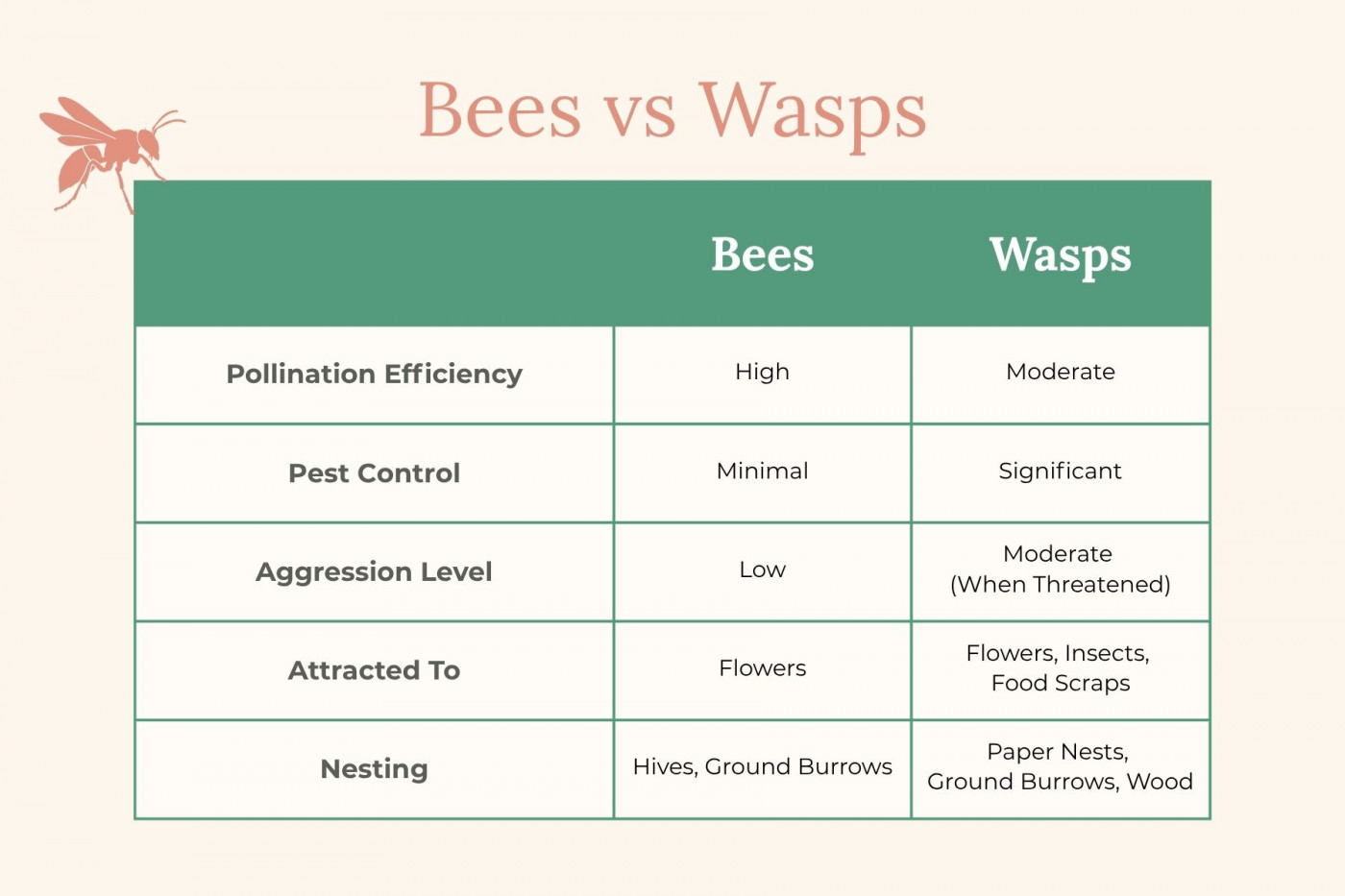
Bees vs. Wasps in the Garden: What's the Difference?
This is one of the questions I get most often, and it's worth taking a moment to clear up — because bees and wasps are genuinely different creatures with different roles, different temperaments, and different relationships with your garden.
How to Tell Them Apart
- Body shape: Bees are rounder and fuzzier. Wasps are slender, smooth, and have that distinctive narrow waist.
- Color: Both can be yellow and black, but wasps tend to have brighter, more vivid markings. Bees often look a little more muted and fuzzy.
- Behavior: Bees are generally calm and focused. They're there for the flowers and not particularly interested in you. Wasps are more curious, more opportunistic, and more likely to investigate your lunch.
- Diet: Bees feed on pollen and nectar. Wasps are omnivores — they eat nectar, but they also hunt insects and will scavenge protein sources, which is why they show up at your picnic.
Start your dream garden. Watch the free class!
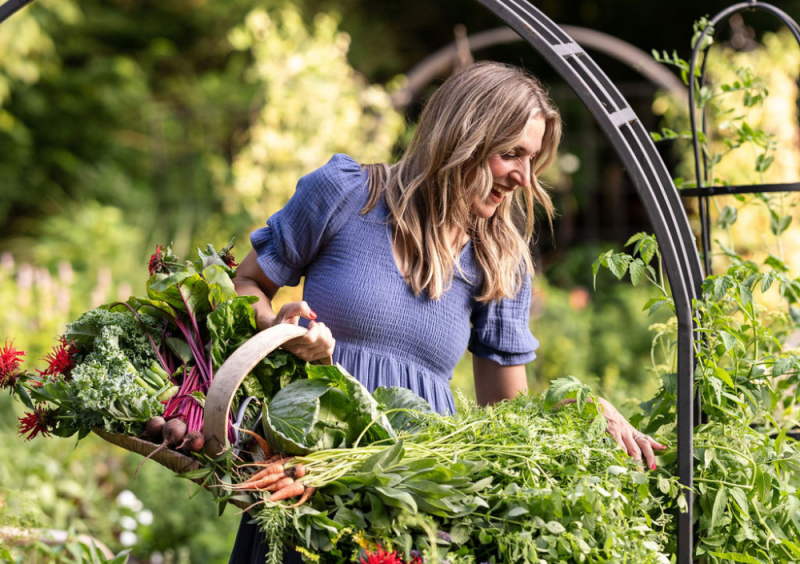
The Real Benefits of Wasps in Your Backyard Garden
Before we talk about managing wasps, it's worth spending a moment on why you might actually want them around. Because the honest truth is that wasps earn their place in a healthy garden ecosystem.
- Natural pest control: Wasps are predatory insects that hunt and feed on aphids, caterpillars, whiteflies, beetles, and other soft-bodied pests. A wasp nest near your garden is essentially a free pest management service running all season long.
- Pollination support: As we covered, wasps do contribute to pollination — particularly for plants that bees visit less frequently.
- Decomposition: Wasps help break down dead insects and organic matter, contributing to the nutrient cycle in your garden soil.
- Population balance: Wasps prey on many of the insects that would otherwise multiply unchecked and decimate your crops. They're a natural check in the food web.
I've genuinely made peace with wasps in my garden because of these benefits. I know that if I give them space and don't swat at them, they are almost certainly not going to bother me. But I also want to be completely honest here — I relate to the anxiety that comes with too many wasps in the garden. When there are several of them buzzing around my raised beds while I'm trying to harvest, or building a nest too close to where I'm regularly working, the peace I've made with them goes right out the window. That's when it's time to manage the situation thoughtfully.

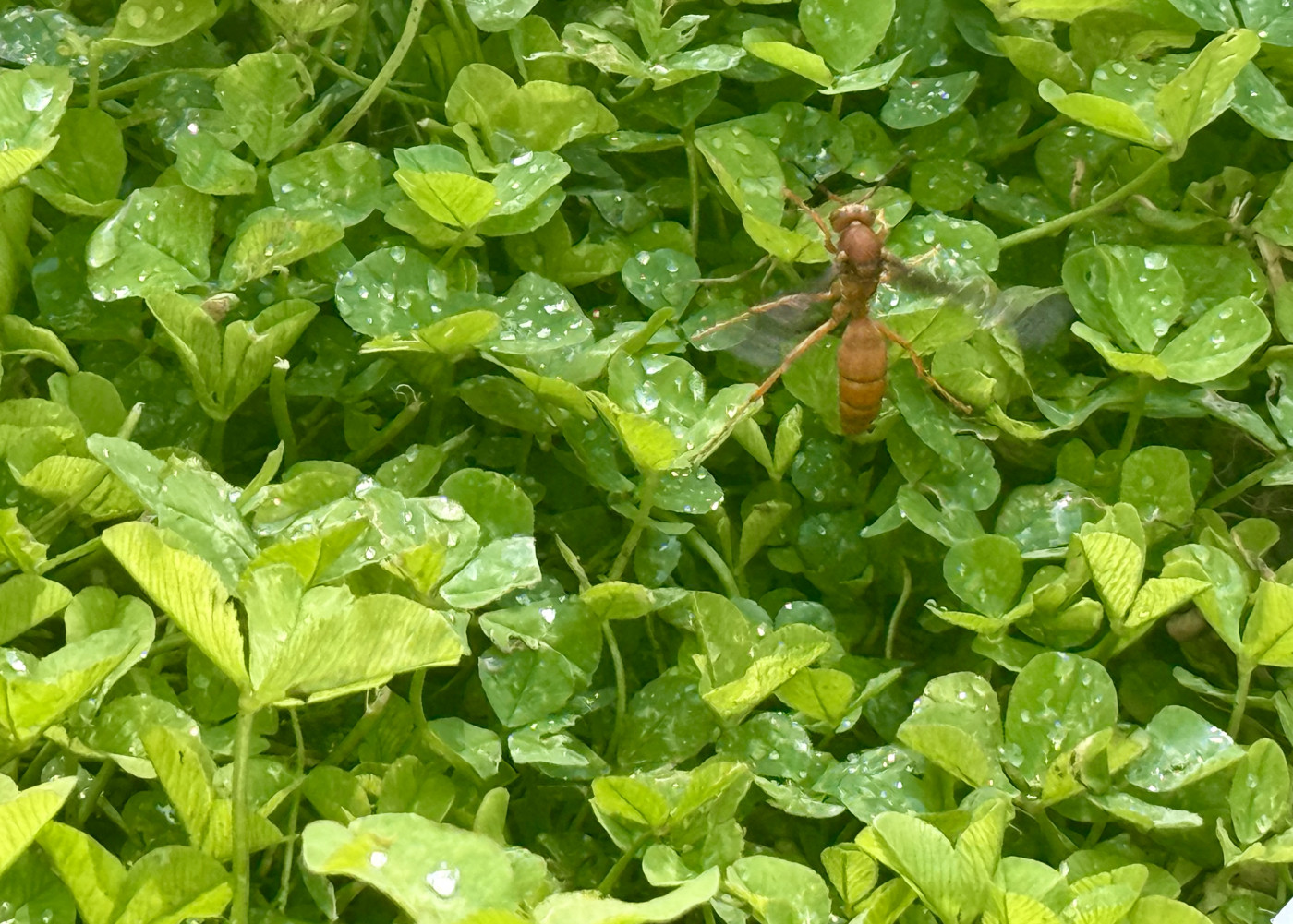
How to Manage Wasps Organically When They Become Too Much
I want to say again that I genuinely understand the anxiety of too many wasps in the garden. Knowing they're beneficial doesn't make it any less stressful when they're building a nest three feet from where you harvest every morning. There's a point at which coexistence has reasonable limits, and that's okay.
Here are the organic methods I trust to manage wasp pressure without harming the broader garden ecosystem:
Prevention First
- Remove food sources: Keep fallen fruit picked up, cover compost bins, and don't leave protein-rich food scraps anywhere near the garden.
- Seal potential nesting sites: Check garden structures, fences, and the undersides of raised bed frames for early nest activity in spring. Early intervention is far easier than dealing with an established nest.
- Choose cedar structures: As mentioned, cedar is naturally less appealing to wood-chewing wasps than untreated or weathered timber.
- Plant wasp-deterring herbs: Spearmint, thyme, eucalyptus, and wormwood are all reported to be unappealing to wasps and can be planted near gathering areas.
Gentle Deterrents
- Fake wasp nests: Wasps are territorial and won't build near an existing colony. Hanging a decoy nest near the garden can discourage new nest building nearby.
- Essential oil sprays: Diluted clove, lemongrass, or peppermint oil sprayed around gathering areas can deter wasps without harming beneficial insects. Reapply after rain.
- Peppermint planted strategically: Live peppermint near seating areas or garden entrances adds a natural deterrent right where you need it most.
If a Nest Must Go
- Address it at night: Wasps are inactive after dark and far less defensive. If a nest needs to be removed, evening is the safest time to do it.
- Use soapy water: A solution of dish soap and water poured directly into a ground nest suffocates the colony without introducing chemical pesticides into your garden soil.
- Call a professional: For large established nests, especially near high-traffic areas, there's no shame in calling someone who does this for a living.

Plants Wasps Hate — and How to Use Them in Your Raised Bed Garden
Instead of fighting wasps, outsmart them. The right plants create a natural scent barrier that makes your garden far less inviting — and most of these are plants you'd want to grow anyway.
Wasps navigate largely by scent. Strong aromatic compounds overwhelm their sensory systems and disrupt their ability to locate nesting sites and food sources. These plants produce scents that wasps genuinely dislike, and they're excellent additions to any raised bed kitchen garden.
The Best Wasp-Deterring Plants for Your Raised Bed
- Spearmint and peppermint — among the most effective wasp-repelling plants you can grow. High menthol concentration makes peppermint especially powerful. Grow both in containers rather than directly in soil — mint will absolutely take over if given the chance.
- Thyme — Thyme is a low-maintenance, drought-tolerant, and its aromatic oils intensify when touched. The more you harvest it, the harder it works as a deterrent.
- Basil — Basil is a culinary staple and wasp deterrent in one. Important caveat: pinch off any flower buds as they appear. Flowering basil can actually attract wasps rather than repel them.
- Wormwood (Artemisia) — one of the most powerful natural wasp repellents available. Its astringent scent is unpleasant to wasps, and the compound absinthe it contains is toxic to insects. Beautiful silvery-green foliage, but keep it away from children and pets.
- Marigolds — Marigolds are a companion planting staple for good reason. Their spicy scent deters wasps alongside aphids and whiteflies. Plant them along the border of your raised beds for maximum effect.
- Lemon balm — Lemon balm is a bright citrus scent that wasps find deeply unappealing. Easy to grow, lovely in tea, and best kept in a container like mint.
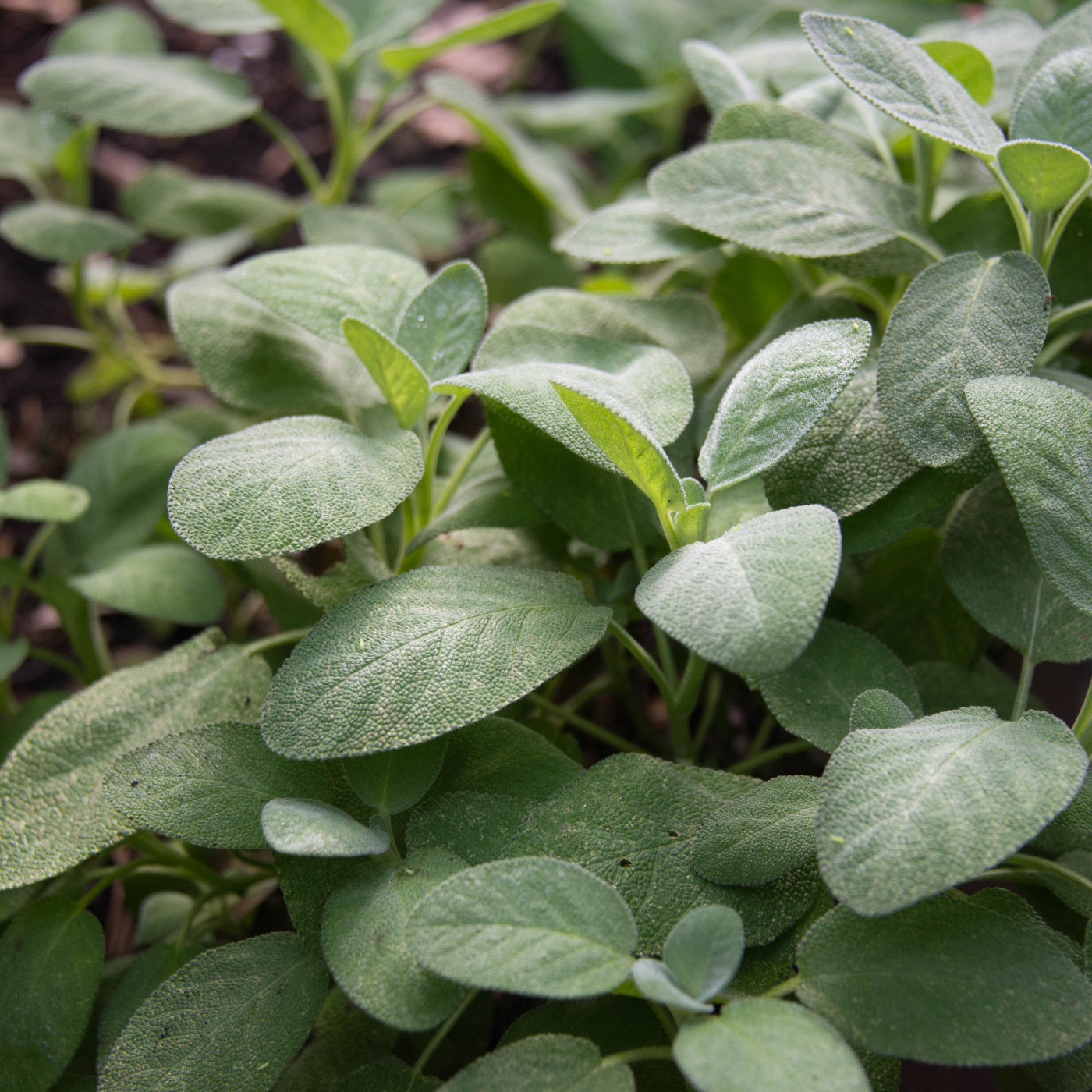
- Sage — Sage, with its strong herbal scent, masks the pheromones that attract wasps. It's perennial, so it keeps working season after season with almost no effort.
- Geraniums — especially scented leaf varieties. Pleasant to humans, off-putting to wasps. Work beautifully in containers near garden entrances or seating areas.
How to Place Them for Best Results
- Border your raised beds with marigolds and thyme along the outer edges to create a fragrant perimeter.
- Place mint and lemon balm in pots near garden entrances or wherever you spend the most time working — and move them wherever you need them most.
- Grow basil and sage between crops inside the raised bed — they fill space beautifully and add deterrence right in the middle of your growing space.
- Plant wormwood at the garden perimeter rather than inside beds — it can have allelopathic effects on nearby plants if placed too close.
None of these are a guaranteed force field. But combined with cedar raised beds, good garden hygiene, and the other management strategies in this article, they become a meaningful part of a layered, organic approach to keeping wasps at a comfortable distance.
Take the Guesswork Out of Garden Pests Entirely
Wasps are just one of the many creatures that show up in the garden and make you wonder — friend or threat? Is this good or bad? Should I do something about this?
That question gets exhausting fast. And it's exactly why I created the Organic Pest Control Course — an on-demand video course that gives you a calm, strategic, and genuinely effective approach to garden pest management, without panic, without harsh sprays, and without spending every season guessing.
Here's what's included:
- 28 video lessons on organic pest control — the full system I use in my own garden
- 8 video lessons on building a pest-proof garden from the ground up
- Pest Guide Ebook covering the most common garden pests and exactly what to do about them
- Specialty guides for deer, burrowing pests, rabbits, climbing pests, and domestic pests
- Organic Pest Control Planting Plans so you can design pest resistance right into your garden layout
- Organic Pest Spray Recipes — the ones I actually use
- Organic Pest Control Helper AI — get answers to pest questions specific to your garden, anytime
- A complete Growing Guide to keep your plants strong and naturally resistant all season
A healthy, thriving garden that practically protects itself is not a fantasy. It's a system. And I'll teach you the whole thing.
Stop Spraying. Start Gardening Smarter.
Organic Pest Control Made Simple
No harsh sprays. No endless guessing. Just a thriving, abundant garden that practically protects itself. With the Organic Pest Control Method, you’ll learn Nicole Burke's exact steps to grow naturally and confidently, season after season.

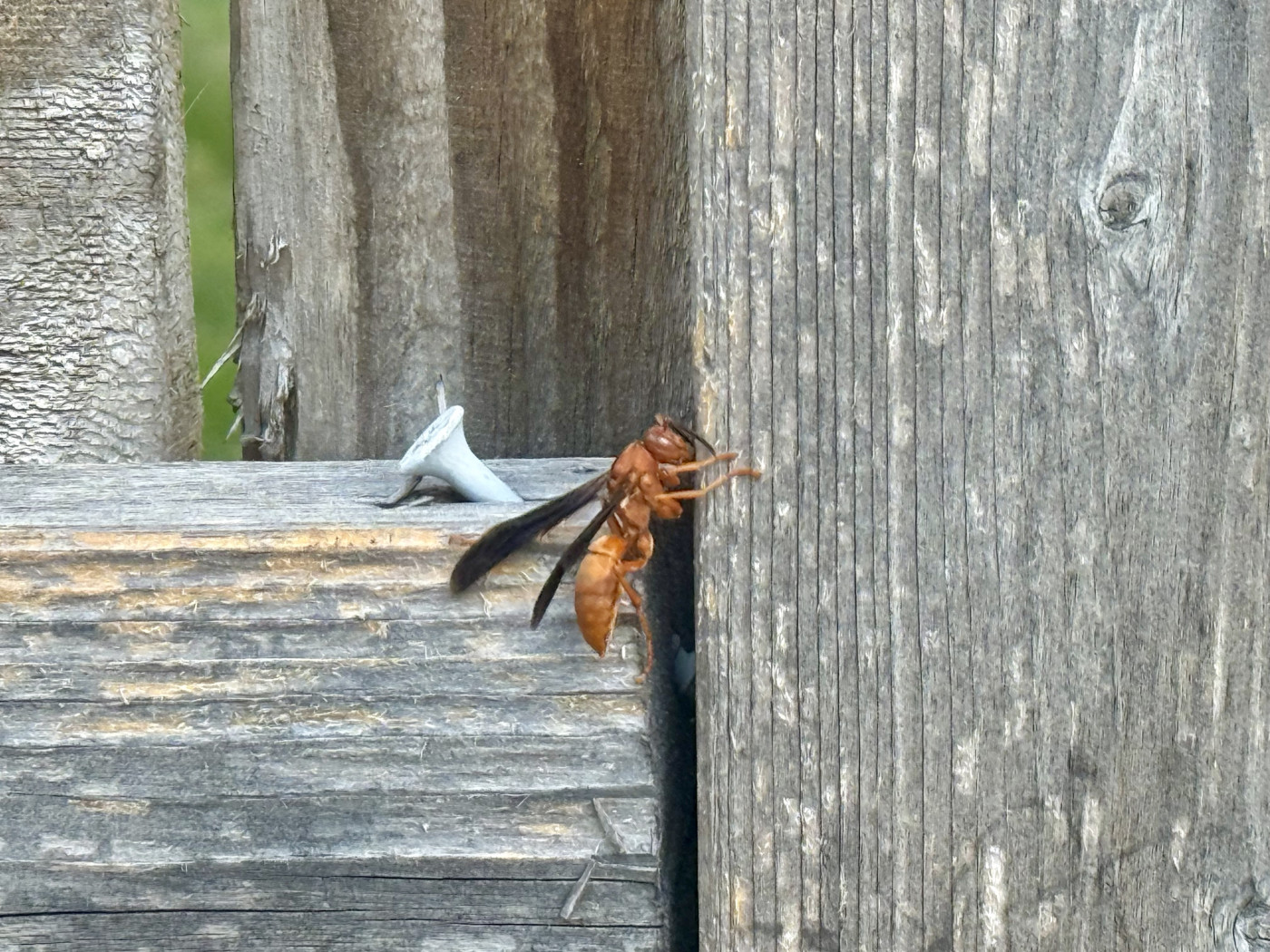
Why Are Wasps Attracted to Wood — and What Does That Mean for Your Raised Beds?
If you've noticed wasps hovering around your wooden fence, deck, or garden structures, you're not imagining things. There's a real reason for it.
Paper wasps and yellow jackets build their nests from wood fiber. They chew weathered, untreated wood, mix it with saliva, and create the papery material their nests are made from. Older, softer, more weathered wood is especially attractive because it's easier to chew and process.
This is why you'll often find wasps working their way along wooden fences, old garden beds, and untreated timber structures — they're essentially gathering building materials.
Does Cedar Deter Wasps?
Here's where it gets interesting for raised bed gardeners. Cedar contains natural oils — including thujaplicin — that act as a natural insect repellent. These oils give cedar its distinctive scent and are part of what makes it naturally rot-resistant. They also make cedar significantly less appealing to wood-chewing insects, including wasps looking for nest-building material.
This doesn't mean wasps will never land on a cedar raised bed, but cedar is genuinely less attractive to them than weathered pine, untreated lumber, or older wood structures. It's one more reason that cedar raised beds are a smart long-term investment for the garden — and a quiet, natural layer of pest deterrence built right into the material.
Gardenary's raised beds are built from natural cedar specifically because of its durability, beauty, and pest-resistant properties. Browse the full collection at shop.gardenary.com.
Shop Our Cedar Raised Beds
Gardenary's new line of quality cedar garden beds are easy to assemble and will provide years of gardening enjoyment. Choose from numerous different garden sizes to fit your space.
Frequently Asked Questions About Wasps in the Garden
Do wasps pollinate as well as bees? No — bees are significantly more efficient pollinators than wasps. Bees have fuzzy bodies designed to carry pollen, and they intentionally collect it to feed their young. Wasps have smooth bodies that don't hold pollen as well, and they visit flowers primarily for nectar rather than pollen.
Are wasps beneficial in the garden? Yes, genuinely. Wasps are predatory insects that feed on aphids, caterpillars, whiteflies, and other soft-bodied garden pests. A colony of wasps near your garden provides significant natural pest control all season long. They also contribute to pollination and decomposition. The challenge is managing them when they become too numerous or nest too close to high-traffic areas.
Why are wasps attracted to my wooden fence or raised beds? Paper wasps and yellow jackets collect wood fiber from weathered, soft wood to build their paper nests. Older, untreated, or weathered wood is especially attractive because it's easier to chew and process. Cedar is naturally less appealing to wood-chewing insects because of the natural oils it contains, making cedar garden structures a smarter choice for gardeners who want to reduce wasp attraction.
Does cedar wood repel wasps? Cedar contains natural oils, including thujaplicin, that act as a mild insect repellent. While cedar won't eliminate wasp activity entirely, it is significantly less attractive to nest-building wasps than untreated pine, weathered lumber, or older wood structures. It's one of several reasons cedar is the preferred material for quality raised bed construction.
What plants do wasps pollinate? Wasps most commonly pollinate plants in the carrot and parsley family — fennel, dill, cilantro, parsley, and Queen Anne's lace. They also visit fruit tree blossoms, goldenrod, native wildflowers, and some vegetable flowers including cucumbers and squash. Certain fig varieties and orchid species are pollinated almost exclusively by wasps.
How do I keep wasps away from my garden organically? The most effective organic strategies include removing food sources like fallen fruit, using fake nest decoys to deter nest building, applying diluted essential oils like peppermint or clove around gathering areas, planting deterrent herbs like spearmint and thyme, and choosing cedar structures over untreated wood. For established nests, soapy water poured directly into a ground nest is an effective chemical-free removal method.
Should I kill wasps in my garden? In most cases, no. Wasps provide significant pest control and some pollination benefit, and killing them disrupts the natural balance that keeps your garden ecosystem healthy. The better approach is to manage their presence — removing food sources, deterring nest building in problem areas, and addressing individual nests only when they pose a genuine safety concern. The goal is coexistence, not elimination.
More About Insects
Sources
- "Wasps: Beneficial Insects and Pollinators" — https://extension.psu.edu/programs/master-gardener/counties/monroe/news/wasps-beneficial-insects-and-pollinators
- "Wasps Are a Gardener's Friend" — https://extension.umn.edu/yard-and-garden-news/wasps-are-gardeners-friend
- "Reconsidering Wasps" — https://www.nwf.org/Magazines/National-Wildlife/2022/Aug-Sep/Gardening/Wasps
- "Cedar Wood Natural Insect Repellent Properties" — https://blog.entomologist.net/which-insects-are-repelled-by-cedar.html