Nicole's Quick Take: The secret to never running out of cilantro is almost embarrassingly simple: let it bolt. When you let your cilantro go to seed, go to seed you create an opportunity to have a permanent supply in your garden.
At a Glance
- Bolting isn't a mistake. It's cilantro doing exactly what it's supposed to do: flowering and setting seed.
- Once cilantro flowers, its blooms feed bees and butterflies, which also helps nearby tomatoes set more fruit.
- Every flower turns into several seed pods, so a handful of plants can hand you a thousand seeds or more to harvest, gift, or replant.
By Nicole Johnsey Burke: Founder of Gardenary and Author of Kitchen Garden Revival
Garden Hack: Endless Cilantro
I used to watch my cilantro bolt and assume I'd failed. I'd pull it out and start over, only for the same thing to happen a few weeks later. Then I learned the truth: bolting isn't the end of your cilantro, it's the beginning of an endless supply. Stop pulling it. Let it flower, let it seed, and you'll never run out of cilantro again.

Bolting Is Cilantro Doing Its Job, Not Failing at It
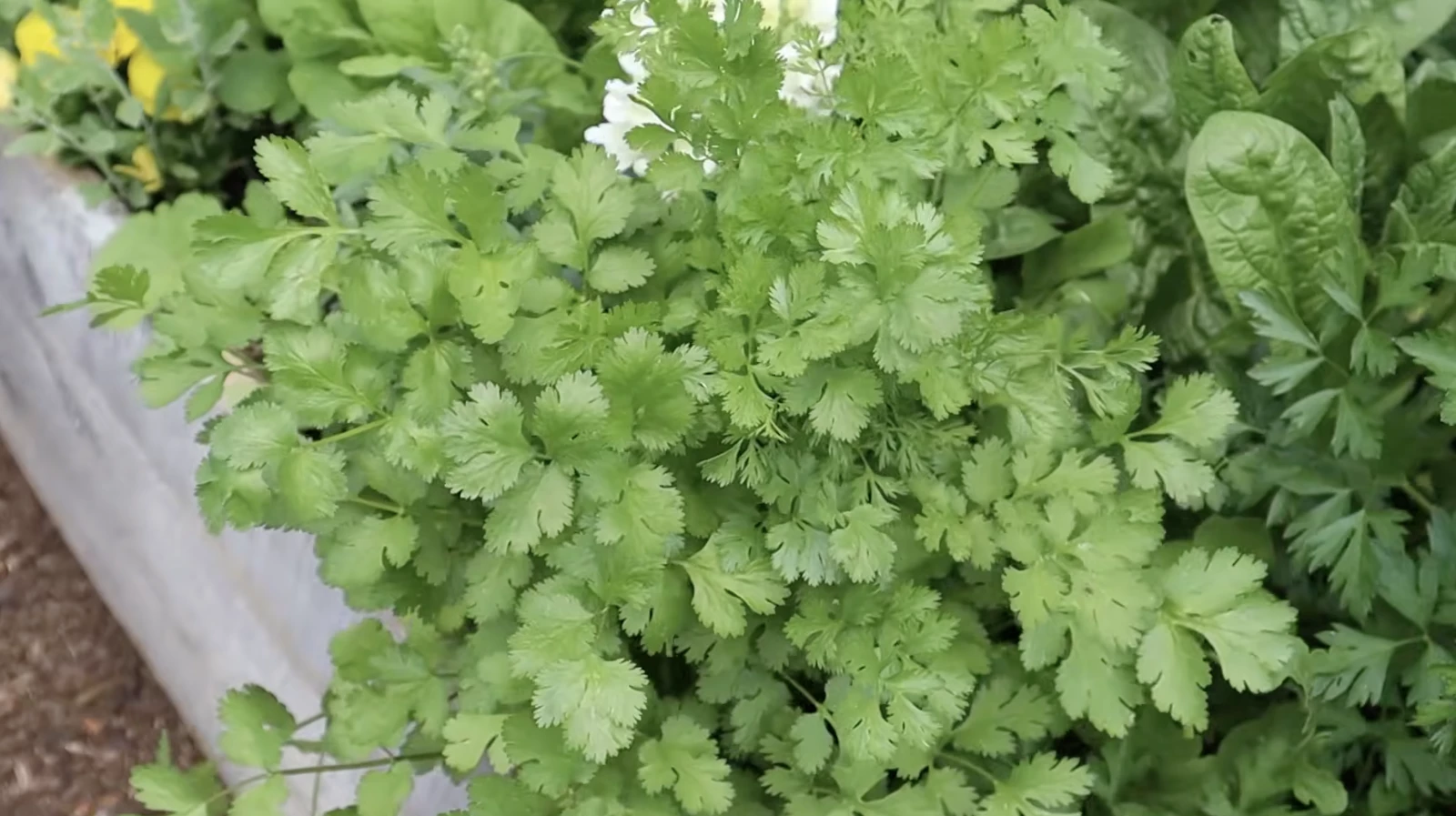
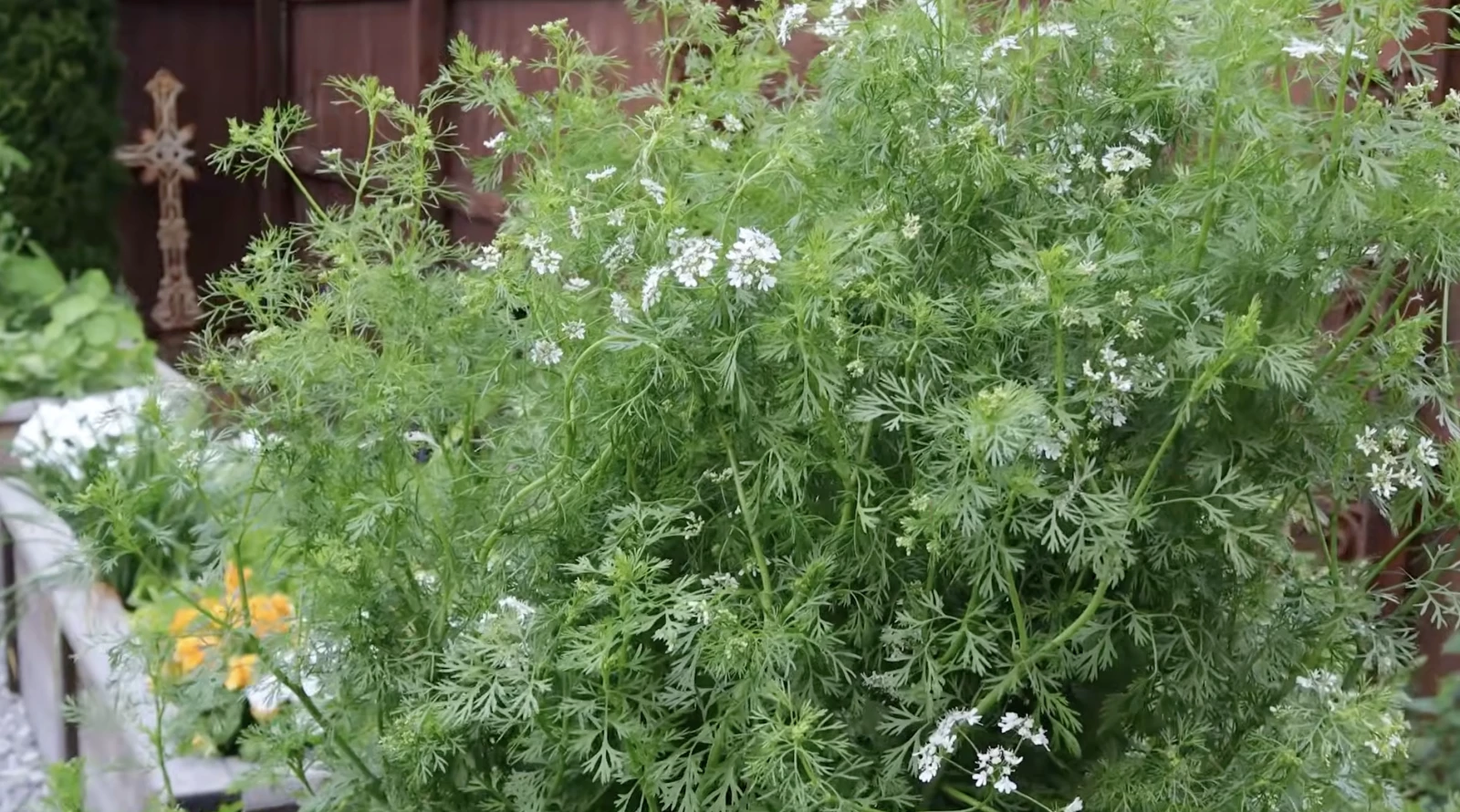
Cilantro is a cool-season herb in the Apiaceae family, along with carrots, dill, and parsley. It grows best when temperatures stay below 65 degrees, and once the weather warms, around 50 to 60 days after planting, it sends itself a signal to bolt. The leaves turn feathery and tiny white flowers appear. That's not a sign of a struggling plant. It's cilantro moving into the next, more valuable stage of its life.

What Happens Once You Let It Flower
Instead of pulling a bolted plant, let it run its full course:
- Flowering. Around day 50 to 60, tiny white blooms open in loose clusters called umbels.
- Pollination. Ladybugs, bees, and butterflies show up for the flowers, and if your cilantro is growing near tomatoes, those same pollinators help the tomato blossoms set fruit.
- Seed pods. Each flower turns into four or five tiny seed pods.
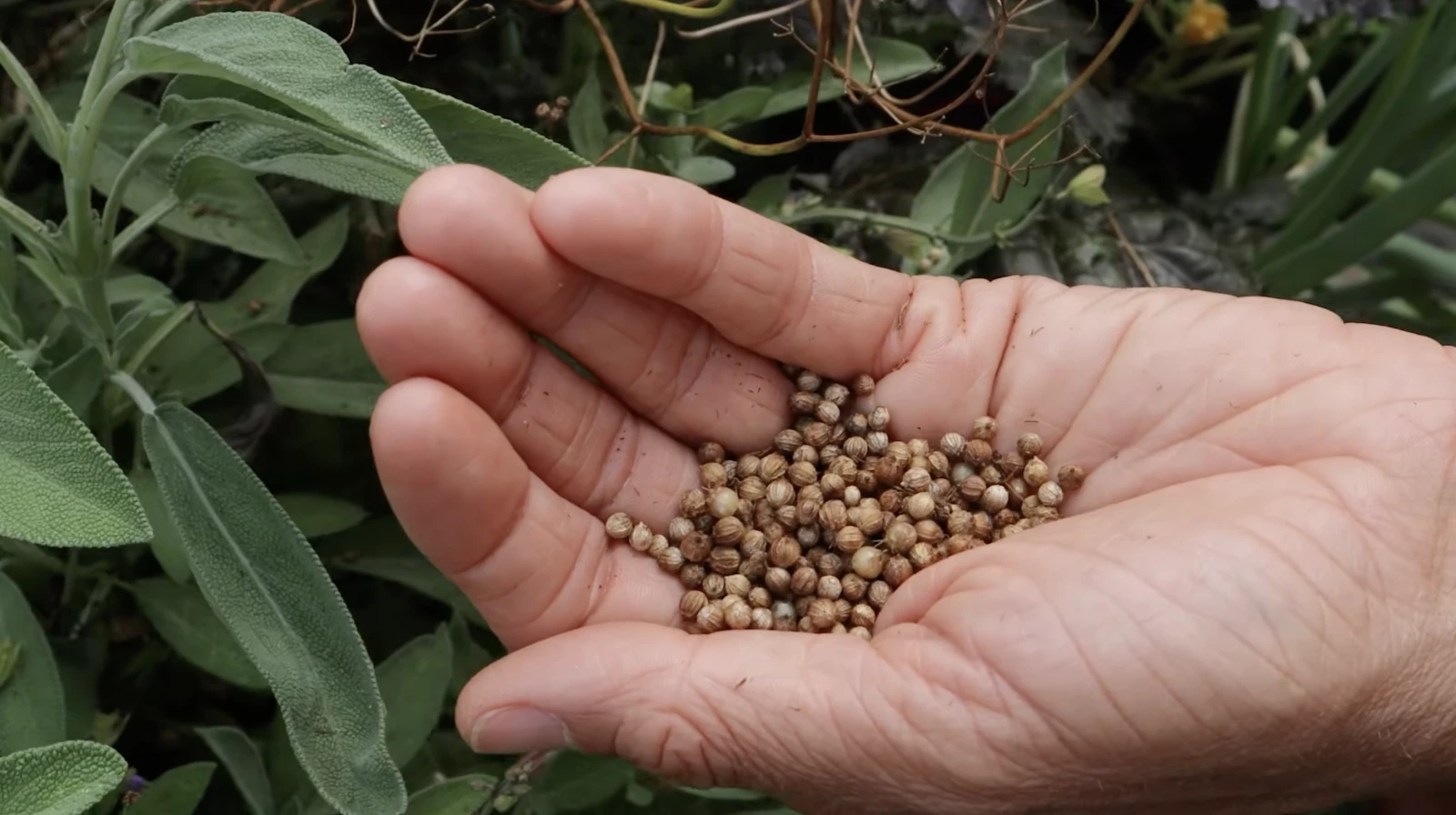
- Coriander. The pods dry on the plant and turn into the seeds you know as coriander.
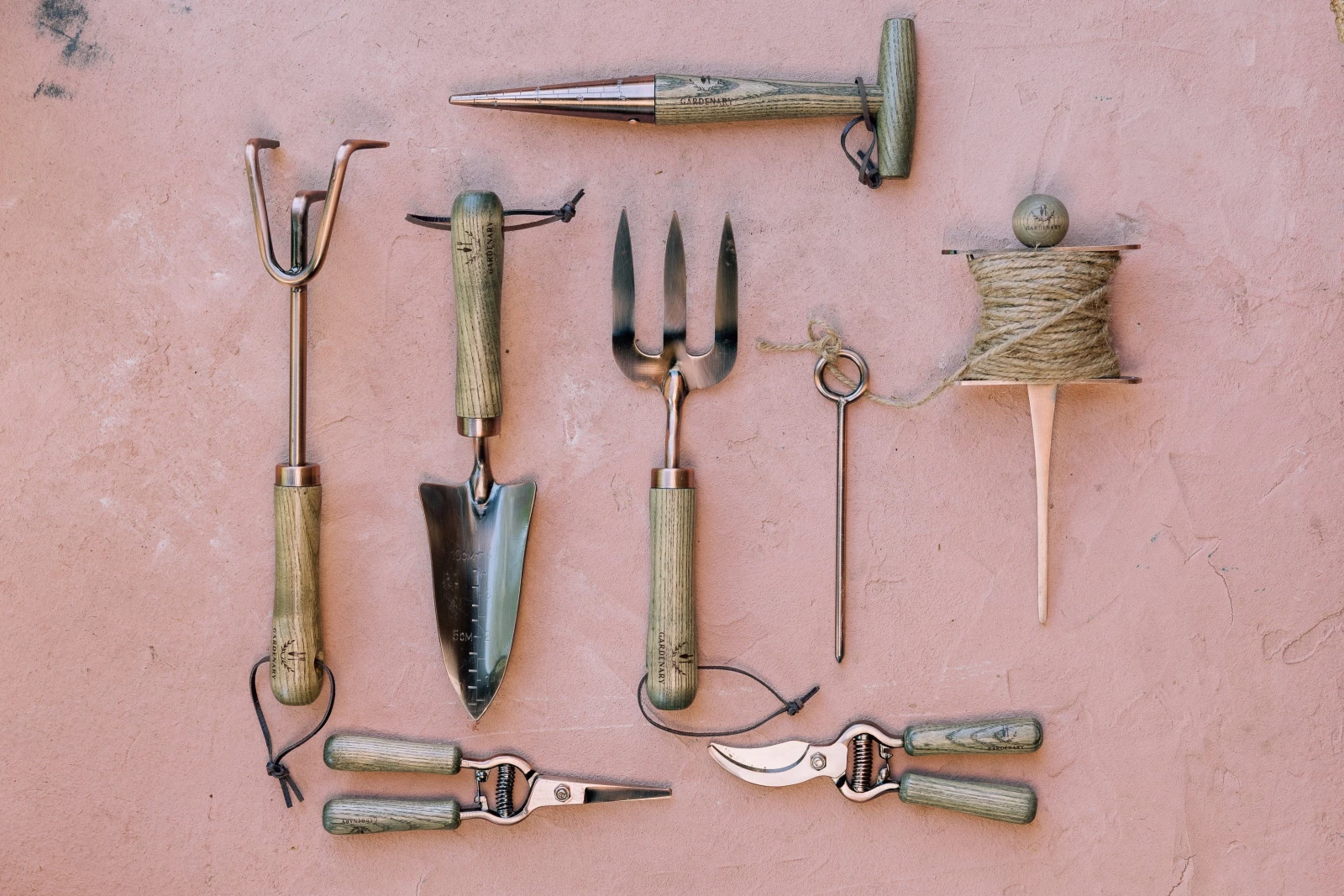
7 Tools, Beautifully Designed
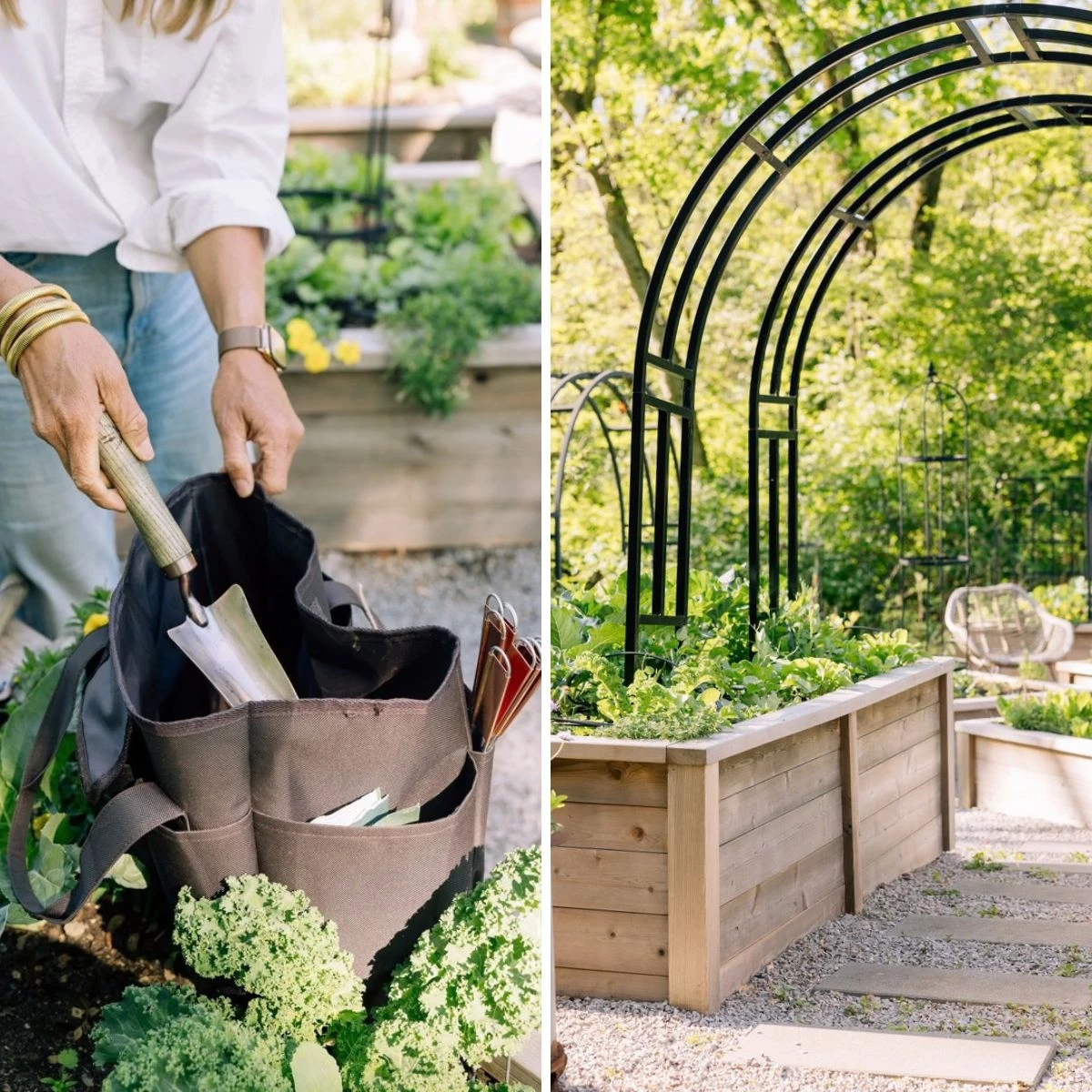
The tool set gardeners actually want, made from carbon steel with an ash wood handle and a warm copper finish.
- Bypass pruner for clean, precise harvest cuts
- Needlenose pruner for detail work in tight spaces
- Transplanting shovel for seedlings and planting holes
- Dibber for perfectly spaced seed sowing
- Cultivator for loosening soil and clearing debris
- Hand fork for weeding and working around established plants
- Row marker & planting line for straight, intentional rows
All in a gift box, ready to use.

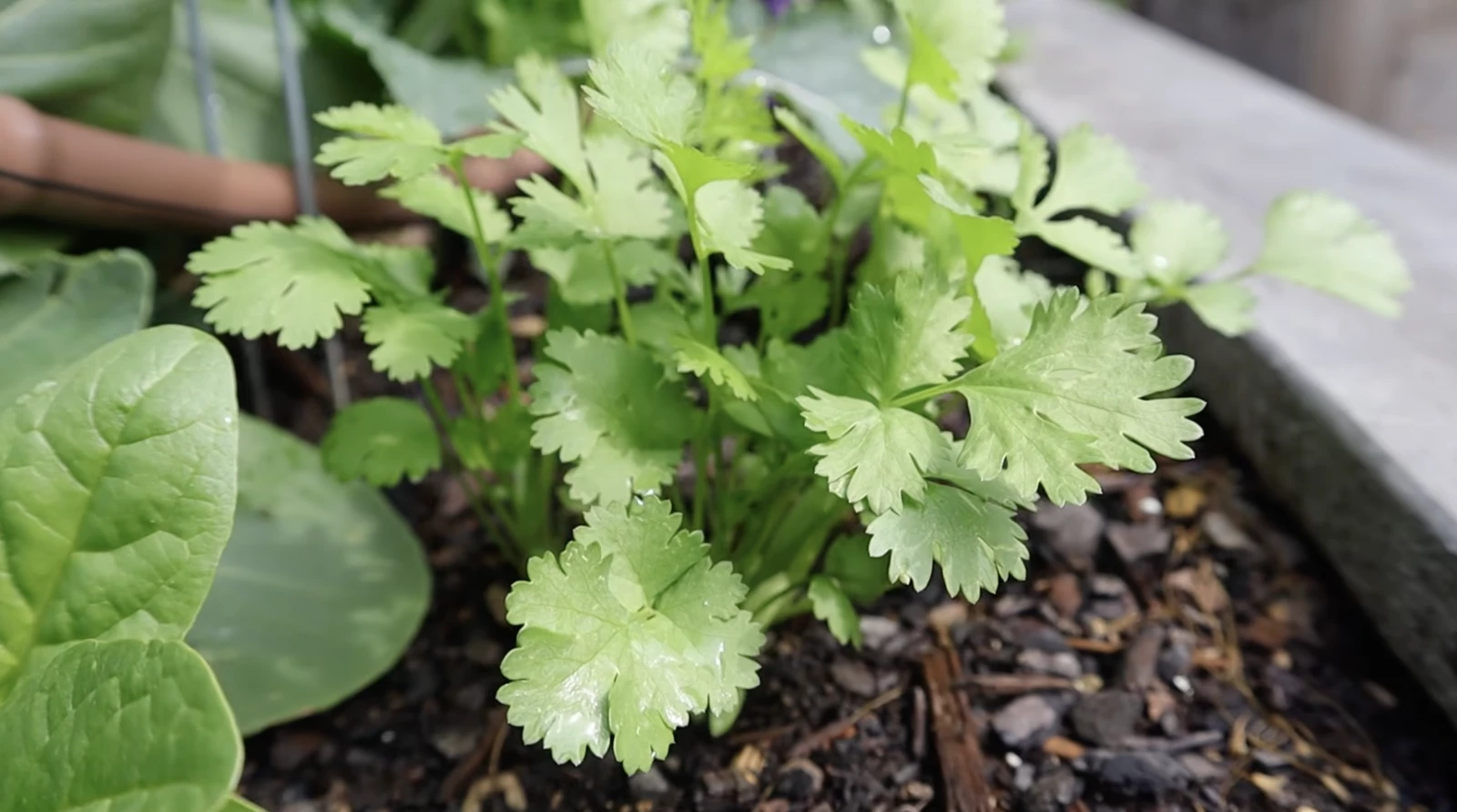
One Packet, Thousands of Seeds
This is the part that changes everything. A cluster of just six or seven cilantro plants can leave you with a thousand seeds or more, all from a single packet. Once the pods have dried and turned light brown, cut the stems, hang them somewhere warm and airy, and let the seeds finish drying before you store them.
What to do with cilantro seeds:
- Cook with them. Fresh coriander seed works whole or ground in soups, curries, and baked goods.
- Gift them. Little jars of seed make an easy, thoughtful gift for neighbors and friends.
- Replant them. Sow some in early fall and save the rest for next spring.
For every single seed you plant, you get hundreds back. That's how you end up with cilantro for life instead of one packet a year.
Give Cilantro the Space It Needs
Letting cilantro complete its full cycle takes a little patience and a little space. A raised bed makes growing cilantro simple.
Cilantro deserves a good spot to grow in, just like anything else in your garden. A healthy, well-cared-for plant is what gives you that big, generous flush of flowers and seed.
A Gardenary cedar raised bed gives cilantro quality soil and a solid space to grow from the start, so it's set up to make it all the way through its full cycle, from seed to harvest to flower to seed again.
Shop Our Cedar Raised Beds
Gardenary's new line of quality cedar garden beds are easy to assemble and will provide years of gardening enjoyment. Choose from numerous different garden sizes to fit your space.

Common Mistakes That Cut Your Cilantro Supply Short
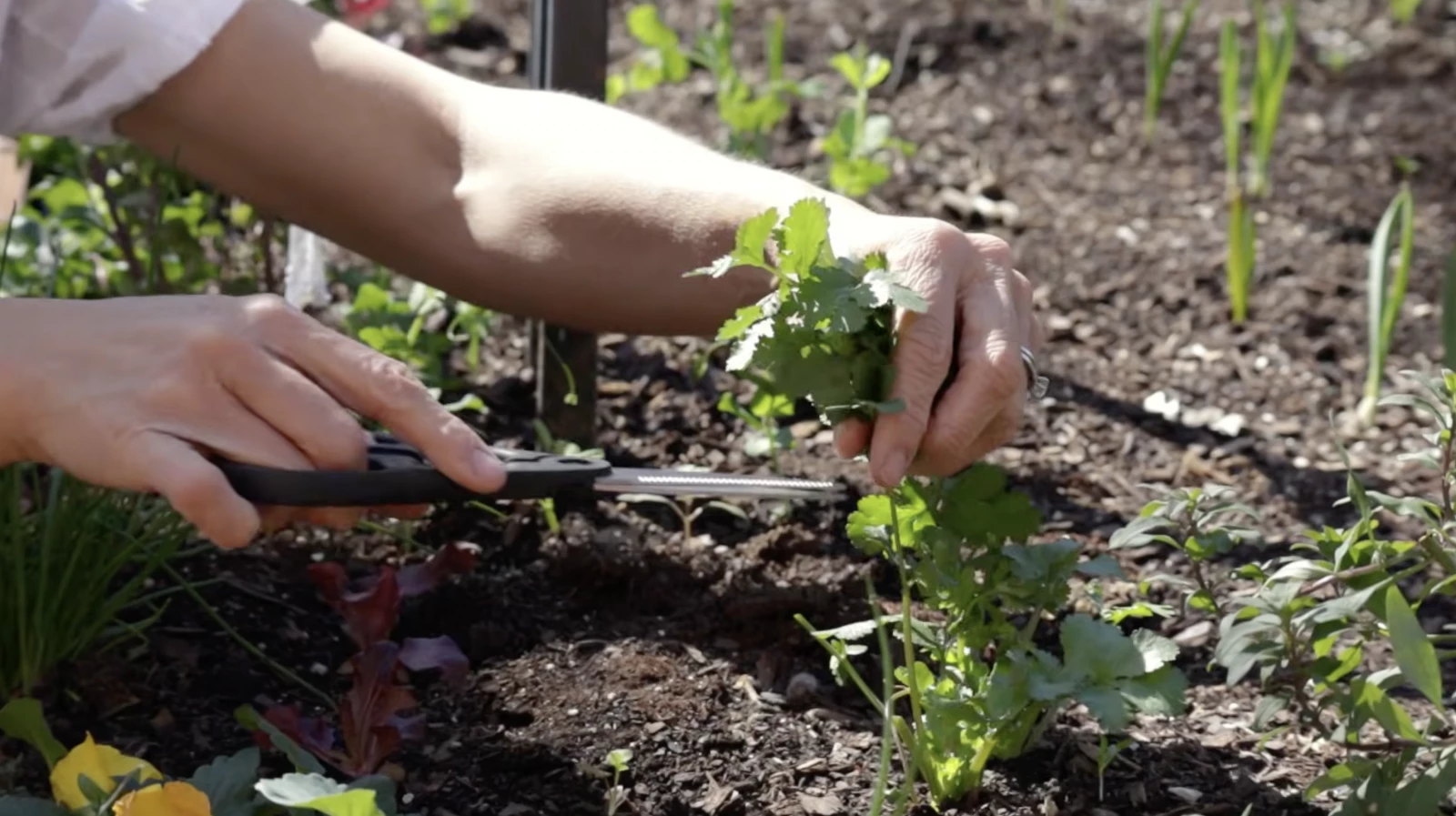
- Pulling bolted plants right away. You're removing next season's seed supply along with a food source for pollinators.
- Deadheading the flowers. Snipping blooms to tidy the bed also removes the seed pods before they can form.
- Harvesting seed too early. Wait until pods dry and turn light brown, or the seeds won't be viable to replant.
- Storing seed somewhere warm or humid. Keep saved seed in a cool, dry, airtight container so it stays good until planting time.
You've got this. The next time your cilantro bolts, resist the urge to pull it. Let it do what it's meant to do, and it will keep feeding you and your garden for seasons to come.
Learn More About Cilantro on YouTube

Join Thousands of Gardeners On the VIP List
Free perks, just for email subscribers:
- 15% Off Your First Order
- Gardening Videos & Articles
- Early Access to Sales
Sign up, check your inbox, then shop with your code.
Frequently Asked Questions About Cilantro
Should I pull my cilantro once it bolts?
No. Let it finish flowering and setting seed so you can harvest coriander and save seed for future plantings.
What do cilantro flowers do for the rest of my garden?
They attract bees, butterflies, and other pollinators, which can also improve fruit set on nearby tomatoes.
How many seeds does one cilantro plant produce?
Each flower produces four or five seed pods, so a small group of plants can yield a thousand seeds or more.
Are cilantro seeds the same as coriander?
Yes. Cilantro refers to the leaves, and coriander refers to the same plant's mature, dried seeds.
How do I store cilantro seeds so I can replant them?
Let the pods dry fully on the plant, then store the seeds in a cool, dry, airtight container until your next fall or spring planting.
Where can I buy a raised bed for growing cilantro?
Gardenary's cedar raised beds are handmade in the USA from untreated, kiln-dried cedar with a simple key and lock assembly, giving cilantro and your other cool-season crops the room to complete a full growing cycle alongside your summer garden.
Keep Reading
10 Reasons You Should Never Use Miracle-Gro in Your Garden
The Best Herbs to Grow in Shade

Are Your Radishes Ready to Harvest? Look for These 3 Signs
What to Plant in October: Vegetables for Every Climate

This Garden Consultant Started From Scratch, Now She's Featured in Martha Stewart