
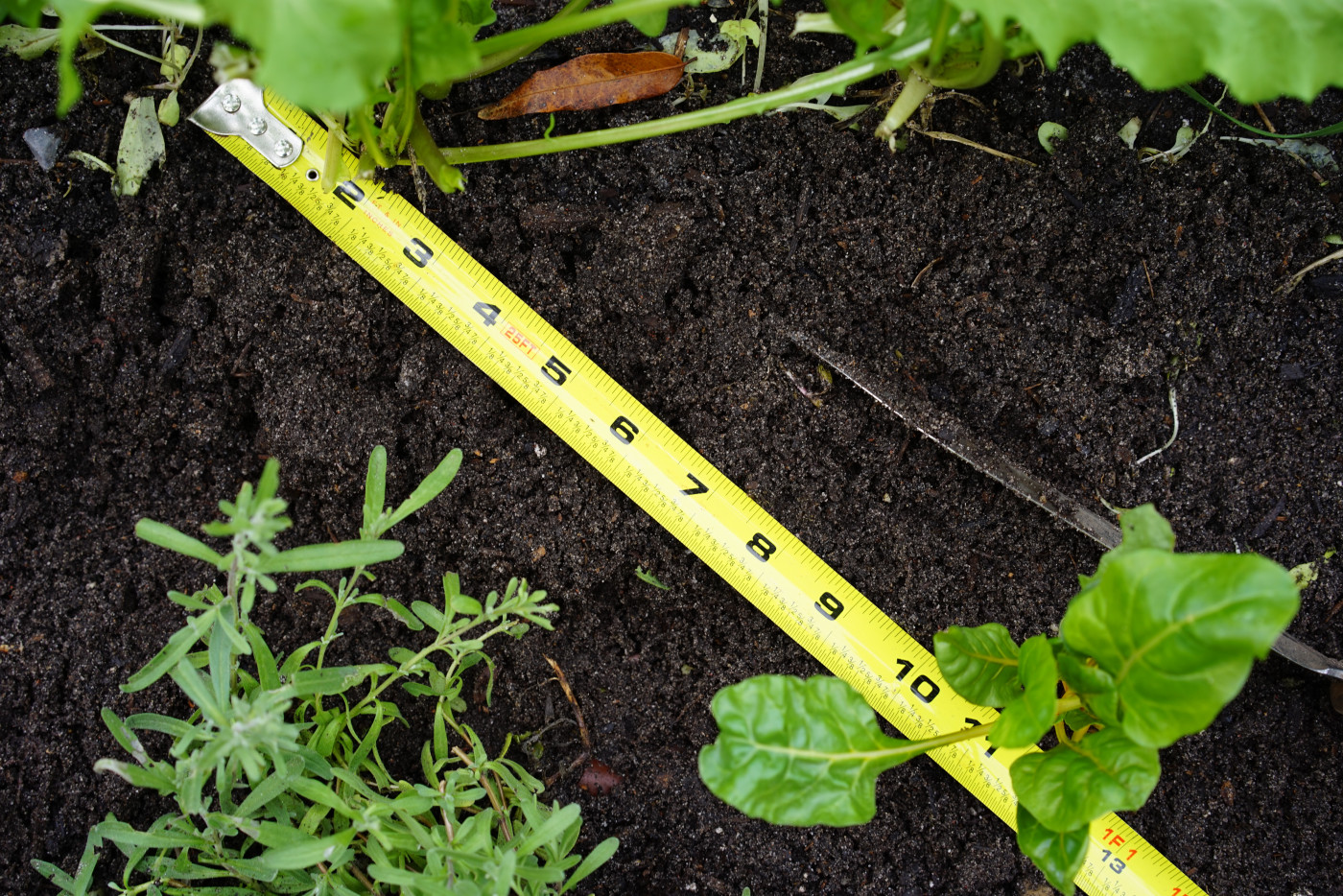
At a Glance
- Learn the exact raised bed, pathway, and trellis measurements that make gardens easier to maintain.
- Discover how bed width and height affect comfort, productivity, and plant health.
- Use simple spacing rules to design a garden that's accessible for you and your wheelbarrow.
Raised Bed Measurements: Know Before You Start
If you’re planning to start a new garden this year, pause for just a moment.
Before you build, buy, or dig, there are a few key measurements that will determine whether your garden feels comfortable.
After helping gardeners go from grass to thriving raised bed gardens for years, I've learned the best ways to plan an efficient garden. Getting the dimensions right for your specific body and space is essential, and I'm going to tell you exactly what you need to know.
These guidelines will help you design a garden that is productive, accessible, and enjoyable to maintain season after season.

Join Thousands of Gardeners On the VIP List
Free perks, just for email subscribers:
- 15% Off Your First Order
- Gardening Videos & Articles
- Early Access to Sales
Sign up, check your inbox, then shop with your code.
CLAIM YOUR 15% OFF BELOW
Why Raised Bed Measurements Matter
Raised beds are the foundation of an easy garden. They improve drainage, make soil building simpler, and create clear boundaries for planting. But raised beds only work well when their dimensions match the human body and the plants growing inside them.
When beds are too wide, you can’t reach the center. When they’re too shallow, plants struggle. When pathways are cramped, the garden becomes frustrating instead of fun.
Let’s break down the measurements that matter most.

Raised Bed Width: Start With Your Arm Reach
The most common mistake gardeners make is building beds that are too wide.
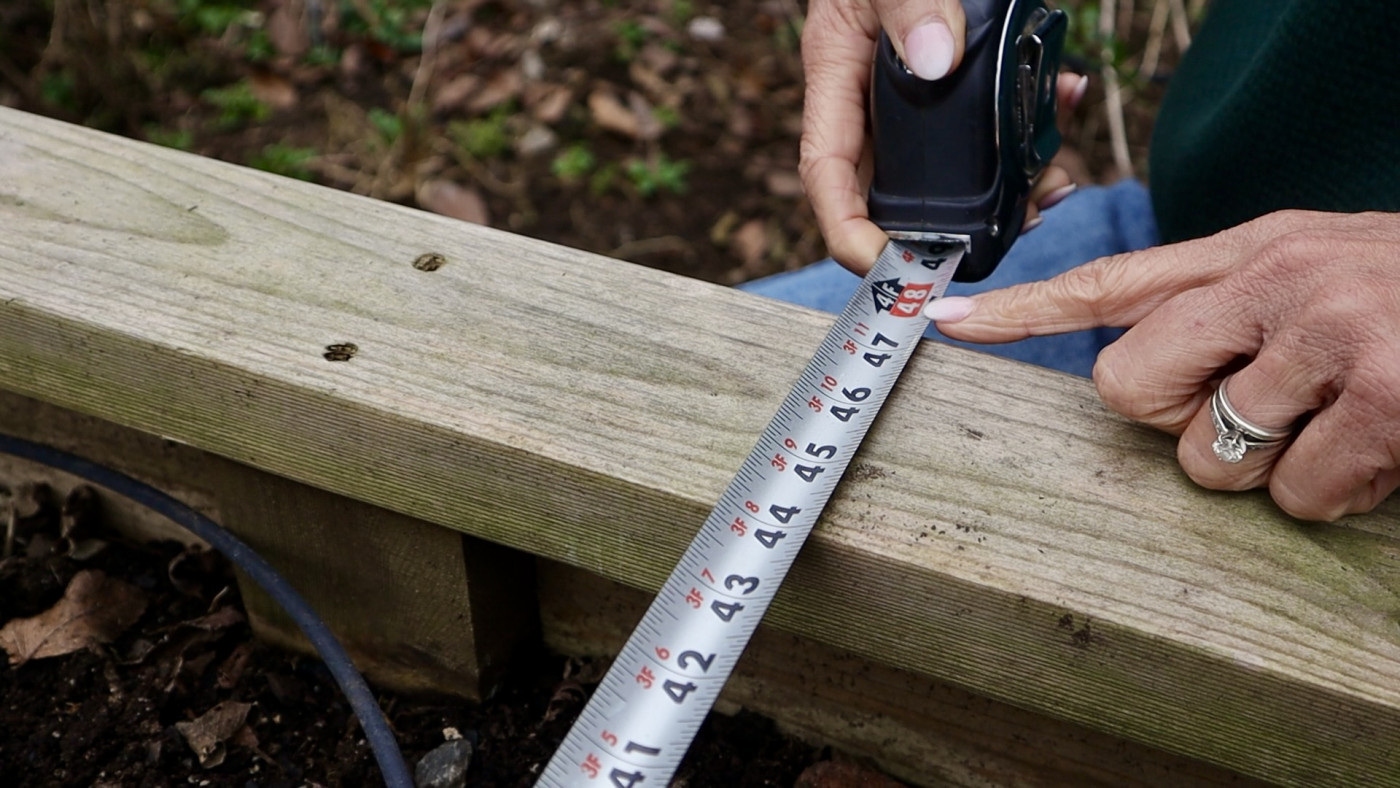
A simple rule solves this problem. Measure the length of your arm from the shoulder to the fingertips. For most adults, this is about 2 feet (61 cm). That reach determines how far into a bed you can comfortably work.
Best Raised Bed Width:
- 4 feet (122 cm) - if the bed is accessible from both sides
- 2 feet (61 cm) - if the bed sits against a wall, fence, or structure
- 5 feet (152 cm) - only if tall trellises run down the center
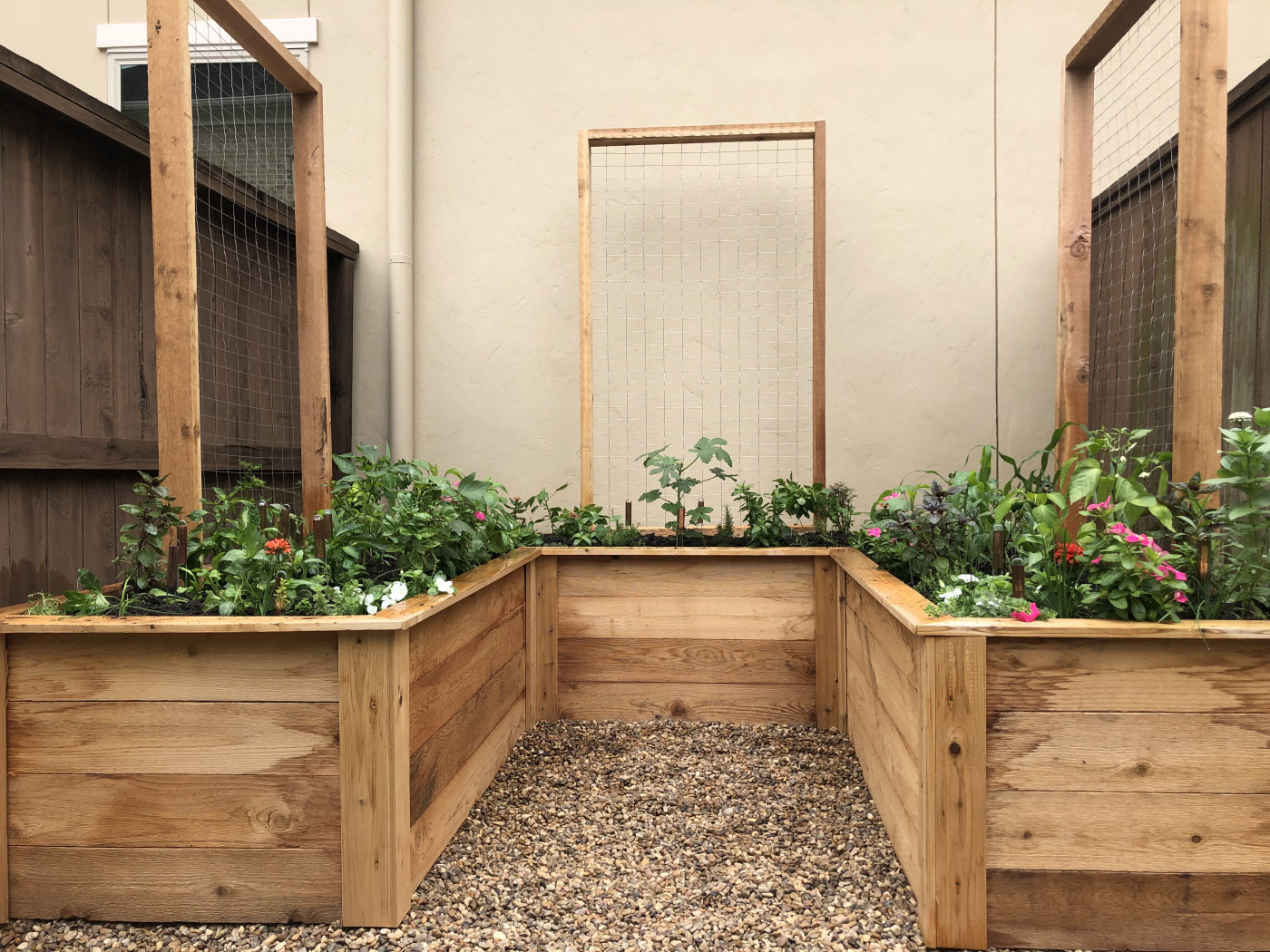
A 4-foot-wide bed allows you to reach the center from either side without stepping into the soil. Narrow beds placed against a structure must stay closer to 2 feet wide so the entire surface remains accessible.
Wider beds can work, but only when vertical growing structures are centered and need extra space. Make sure you can still reach your trellis in the middle!

Raised Bed Height: Match the Bed to the Crop
Raised bed height affects both plant health and gardener comfort. The ideal height depends on what you plan to grow.
Best Raised Bed Height for:
Leaf Crops
Leafy greens like lettuce, spinach, and arugula have shallow root systems. These plants grow well in beds that are 6 inches (15 cm) tall. This depth provides enough fresh soil while keeping the bed lightweight and easy to build.
Root Crops
Vegetables like carrots, beets, and radishes need more room underground. A bed height of 12 inches (30 cm) gives roots enough depth to grow straight and strong.
Fruiting Crops
Tomatoes, squash, and peppers develop larger, spreading root systems. These plants perform best in beds that are 18 inches (46 cm) tall, allowing roots to anchor deeply and support heavy growth above ground.
Comfort Height
Beds that are 24 inches (61 cm) tall are not necessary for plant health, but they are incredibly comfortable. Taller beds reduce bending, allow you to sit on the edge while planting, and make gardening easier on your back and knees.
Many gardeners choose a mix of heights to balance comfort, aesthetics, and crop needs.

Pathway Width: Can You Fit Your Wheelbarrow?
Pathways are often an afterthought, but they play a huge role in how a garden feels.
When determining the size of my path, I usually see if it can pass "the wheelbarrow test". Simply put... can my wheelbarrow fit through so I can bring in soil and supplies?
Best Pathway Width:
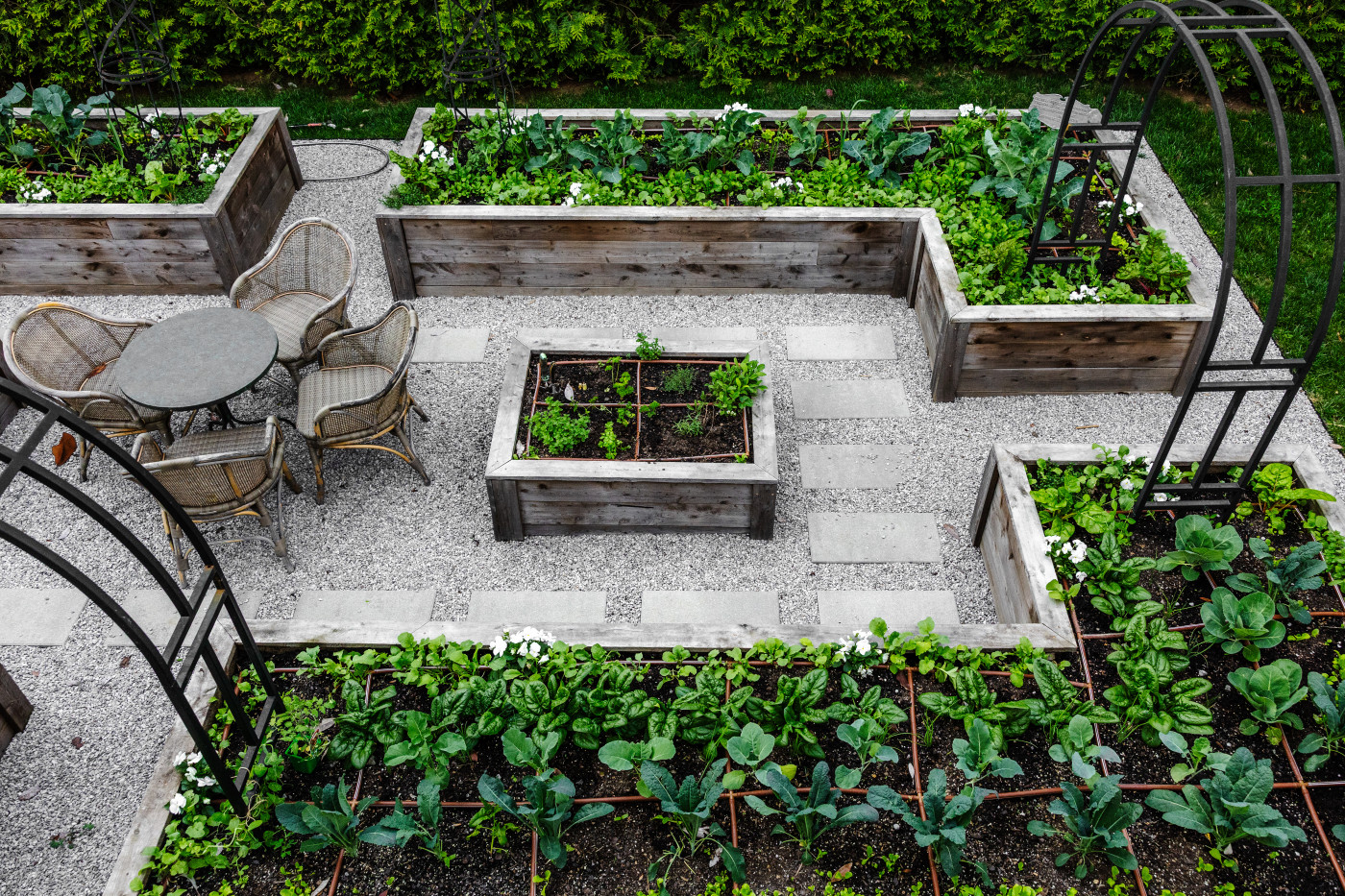
- 3 feet (91 cm) - allows most wheelbarrows to pass through easily and gives enough room for two people to work side by side. It's more fun with a buddy!
- 2 feet (61 cm) - the bare minimum. Anything less gets cramped quickly.
Anything narrower than that quickly feels cramped and limits how you move through the garden. I love a garden that feels spacious and unrestrained.

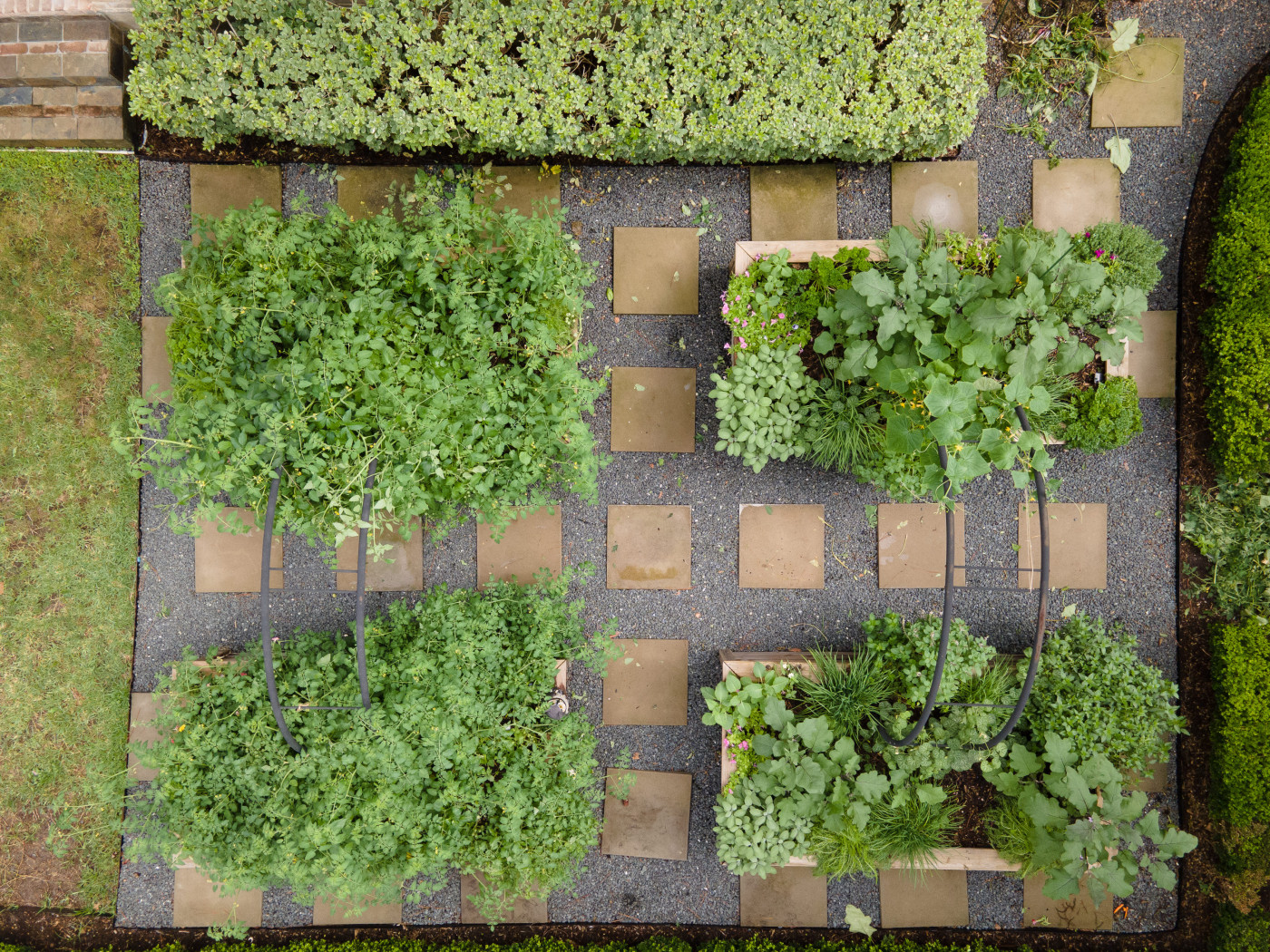
Stepping Stones: Small Addition, Big Difference
If you use gravel under and around your beds, stepping stones make the garden more comfortable and accessible. You don’t need a continuous stone path. A few well-placed stones improve footing, keep shoes clean, and make barefoot gardening much more enjoyable.
Best Stepping Stone Spacing:
- 1 foot (30 cm) apart - This spacing matches a natural walking stride and prevents awkward reaching or crowding.

Vertical Gardening: Measure Up, Not Out
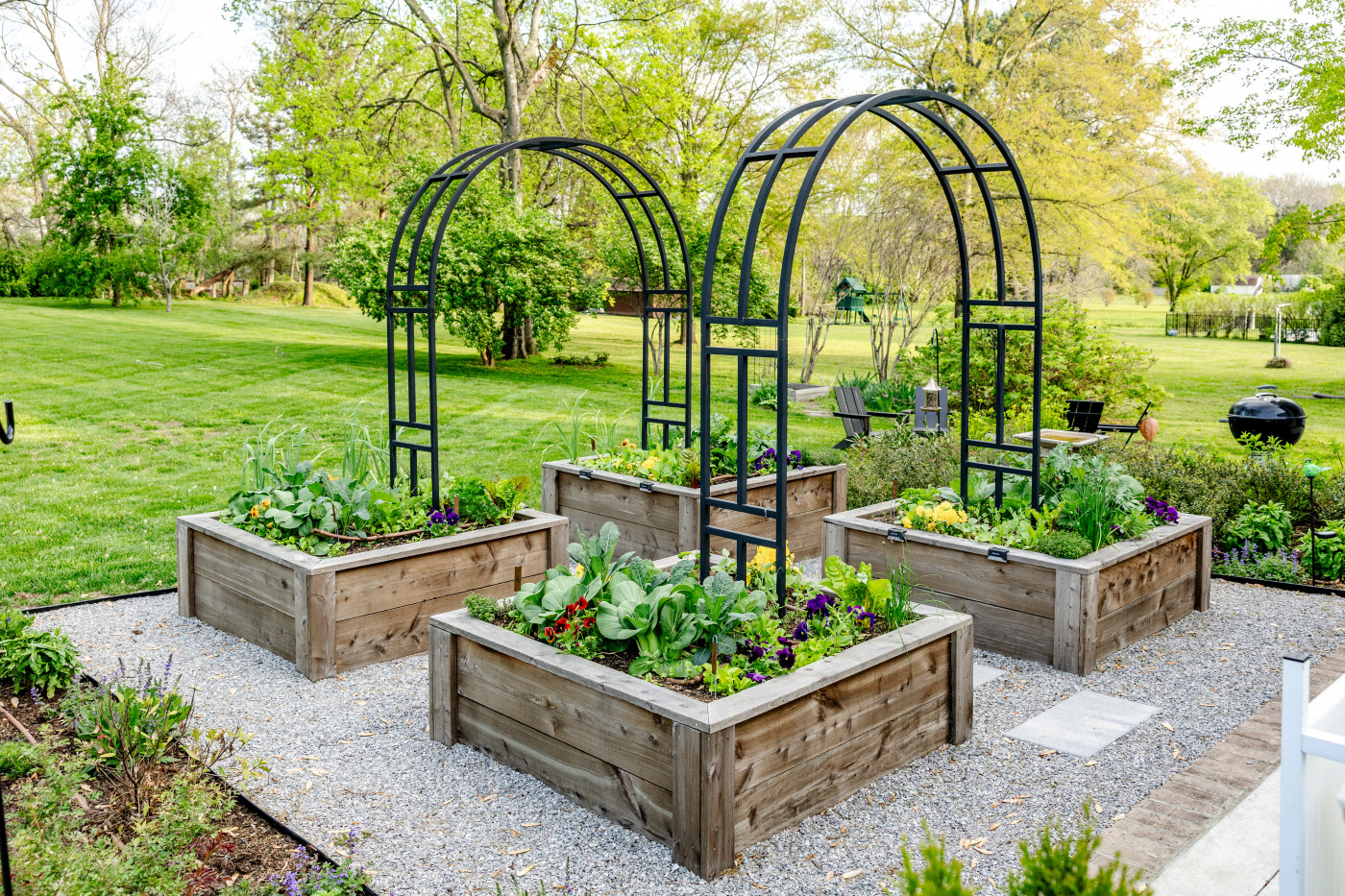
Trellises allow you to grow significantly more food without increasing garden size. The key is choosing the right style and size.
Panel trellises
Panel trellises work best along the back of narrow beds. For them to be useful, they should be at least 2 feet (61 cm) wide and 6 feet (183 cm) tall. Shorter trellises limit plant growth and quickly become wasted space.
Arch trellises
Arch trellises connect two beds and create a vertical tunnel of growing space. The opening should be at least 4 feet (122 cm) wide to accommodate pathways, with 6 feet (183 cm) of height so plants have room to climb, and gardeners can walk underneath comfortably.
Obelisk-style trellises
Freestanding structures like obelisk trellises sit in the center of wider beds. The ideal width is 12 inches (30 cm) or less, so they don’t steal valuable planting space. Height matters here, too. 6 feet tall allows vining plants to reach their full potential.
Join Thousands of Gardeners On the VIP List
Free perks, just for email subscribers:
- 15% Off Your First Order
- Gardening Videos & Articles
- Early Access to Sales
Sign up, check your inbox, then shop with your code.
CLAIM YOUR 15% OFF BELOW
Proper Raised Bed Dimensions Make Gardening Easier
When your garden is sized correctly, everything becomes simpler. You can reach every plant, move comfortably through the space, and give roots the room they need to thrive. Maintenance feels lighter, harvests improve, and the garden becomes a place you want to spend time.
Good garden design is not about squeezing in as much as possible. It’s about creating balance between plants, space, and the people caring for them.
Ready to Take the Next Step?
Once these measurements are in place, starting a garden becomes far less overwhelming. With the structure handled, you can focus on timing, planting, and building healthy soil.
From here, the next step is learning a clear, step-by-step process to bring it all together so your garden grows with ease from the very beginning. Don't worry! We've got you. We have plenty of resources to help you get started.