
Join Thousands of Gardeners On the VIP List
Free perks, just for email subscribers:
- 15% Off Your First Order
- Gardening Videos & Articles
- Early Access to Sales
Sign up, check your inbox, then shop with your code.
At a Glance
- Many of the most powerful medicinal plants in the world are also common kitchen garden herbs.
- Plants have been used for centuries across cultures for everything from digestive relief to wound healing, and modern research is increasingly backing up these methods.
- Growing medicinal plants at home gives you access to fresh, organic, natural plant medicine right outside your door, and most of them are genuinely easy to grow.

The Most Powerful Medicinal Plants You Can Grow at Home
*A quick note before we dig in: I'm a gardener, not a doctor. I say that with full affection for both professions. Nothing in this article is medical advice. Please talk to your healthcare provider before using any plant medicinally. Think of this as a conversation between friends about plants, not a prescription pad.
That being said... when you're not feeling well, whether it's a headache that won't quit, or just that general run-down feeling that creeps in when life gets busy — there's something comforting about knowing your garden might have something to offer. Not a complete replacement for actual medical care, but a little something to help.
A cup of tea or a salve made from herbs or flowers you planted creates a connection between the garden and the body, which is one of the things I find most beautiful about growing your own herbs.
You might already be growing some of these amazing plants!
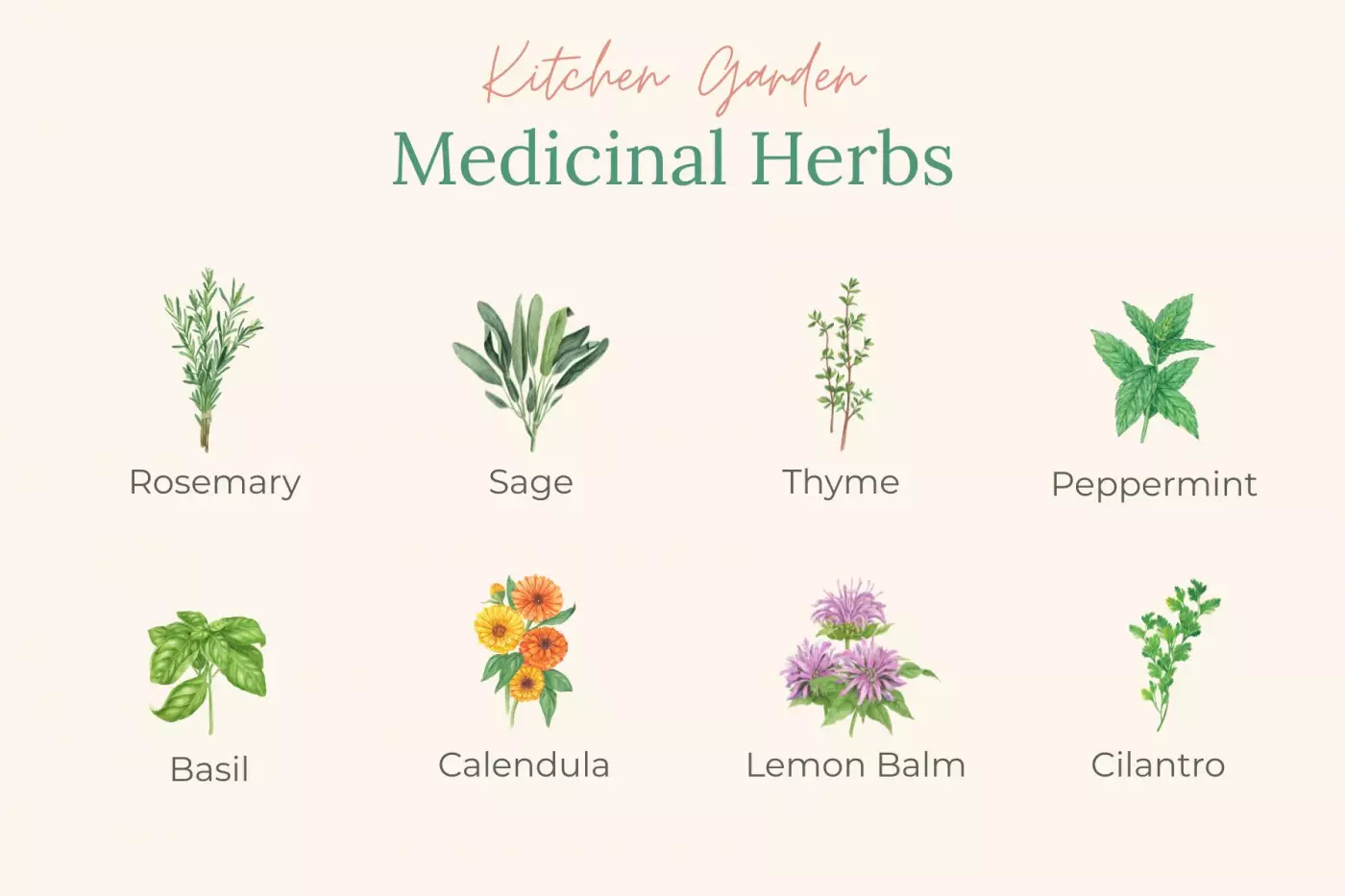
Medicinal Herbs:
- Mint
- Calendula
- Thyme
- Rosemary
- Basil
- Sage
- Lemon Balm
- Cilantro

1. Mint
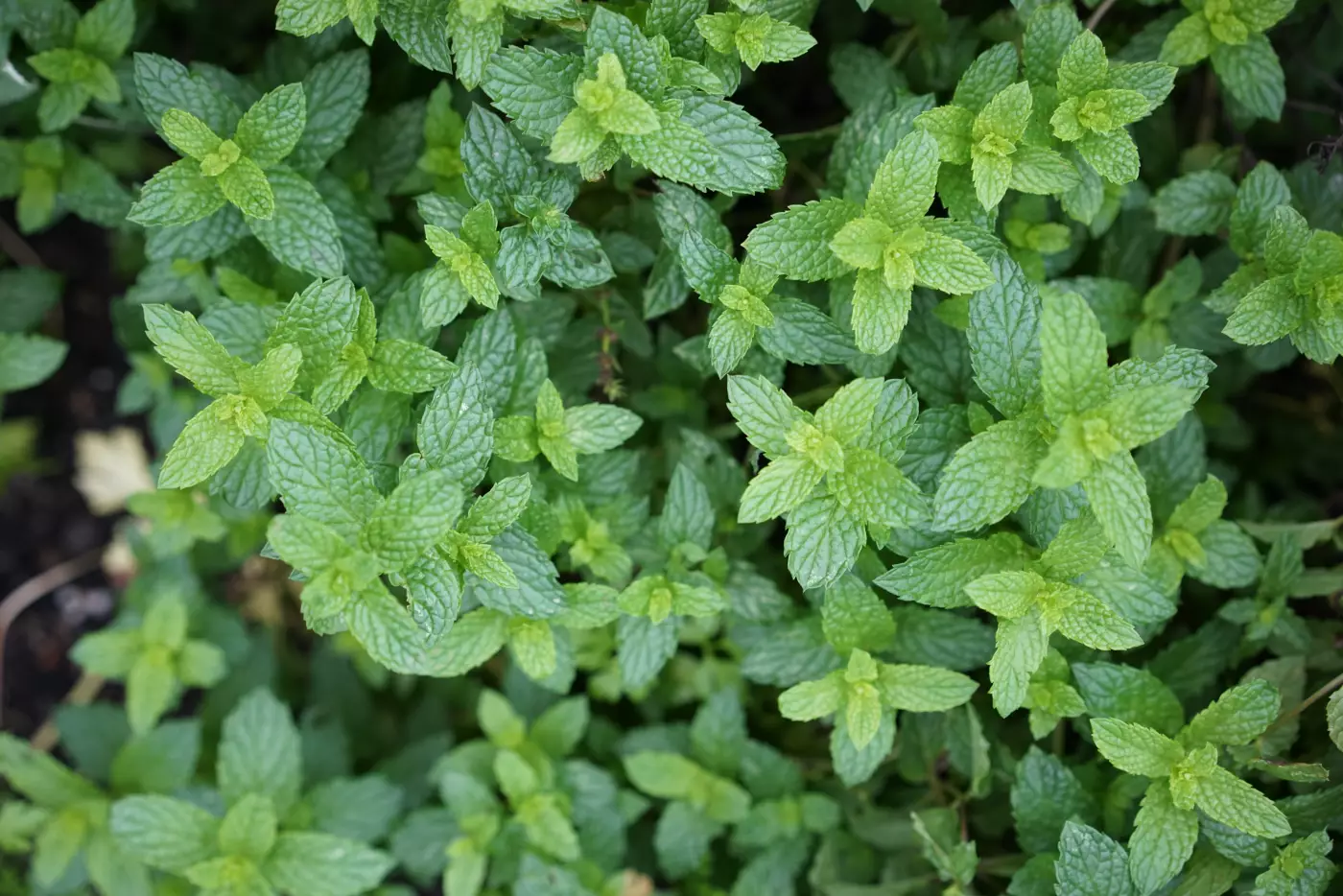
If I had to choose one plant to grow for its medicinal value above all others, mint would be a serious contender. It has one of the longest histories in herbal medicine of any plant on earth, and the modern research is genuinely impressive. The good news is you have options — peppermint and spearmint are close cousins with overlapping but distinct benefits, so it's worth knowing which one you're reaching for and why.
What peppermint helps with:
- Digestive discomfort — nausea, bloating, and irritable bowel syndrome. A clinical study found that 75% of IBS patients using peppermint oil showed significant symptom reduction compared to just 38% in the placebo group
- Tension headaches — topical application of peppermint oil has been shown to reduce headache intensity comparably to acetaminophen in some studies
- Respiratory congestion — the menthol in peppermint opens airways and eases breathing
- Energy and alertness — even the scent of peppermint has been shown to improve mood and alertness
What spearmint helps with:
- Memory and cognitive function — a randomized controlled study found that spearmint extract improved working memory in adults with age-associated memory impairment, with participants seeing a 15% increase in working memory quality
- Digestive comfort — spearmint is gentler on the stomach than peppermint, making it a better choice for anyone prone to acid reflux
- Hormonal balance — early research suggests spearmint may support hormonal health, particularly in women
How to grow it: Peppermint is enthusiastic, which is a polite way of saying it will take over your entire garden if you plant it directly in the soil. Grow mint in a container, such as a pot, and it's perfectly well-behaved. It prefers partial shade and consistent moisture. Harvest regularly to keep it producing fresh leaves all season.

2. Calendula
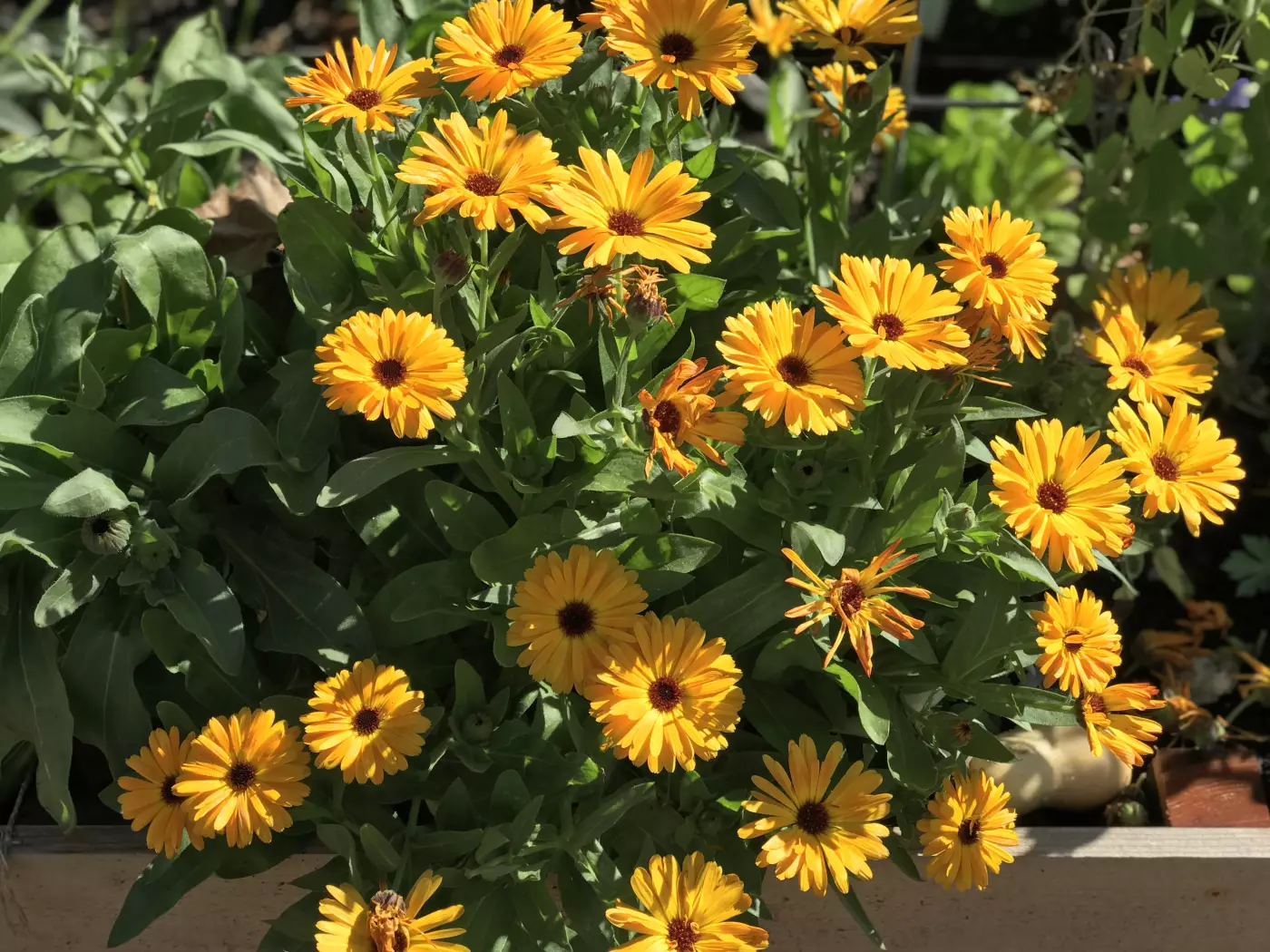
Calendula can be useful for when someone has a skin irritation, a minor cut, or a scrape. It has been used medicinally for centuries, and research confirms its anti-inflammatory, antiseptic, and antioxidant properties. It's also one of the most beautiful things you can grow in a raised bed — which means it's earning its place on multiple fronts.
What it helps with:
- Wound healing and skin irritation — calendula has documented antimicrobial and anti-inflammatory compounds that support skin healing when applied topically
- Digestive issues — internally, it has been used to address gastritis and digestive inflammation
- Immune support — its antioxidant compounds support overall immune function
How to grow it: Direct sow calendula seeds in early spring as soon as the soil is workable. It loves cool weather and will bloom from spring well into fall with regular deadheading. Plant it along the border of raised beds where it does double duty as a companion plant and a medicine cabinet staple.

3. Thyme
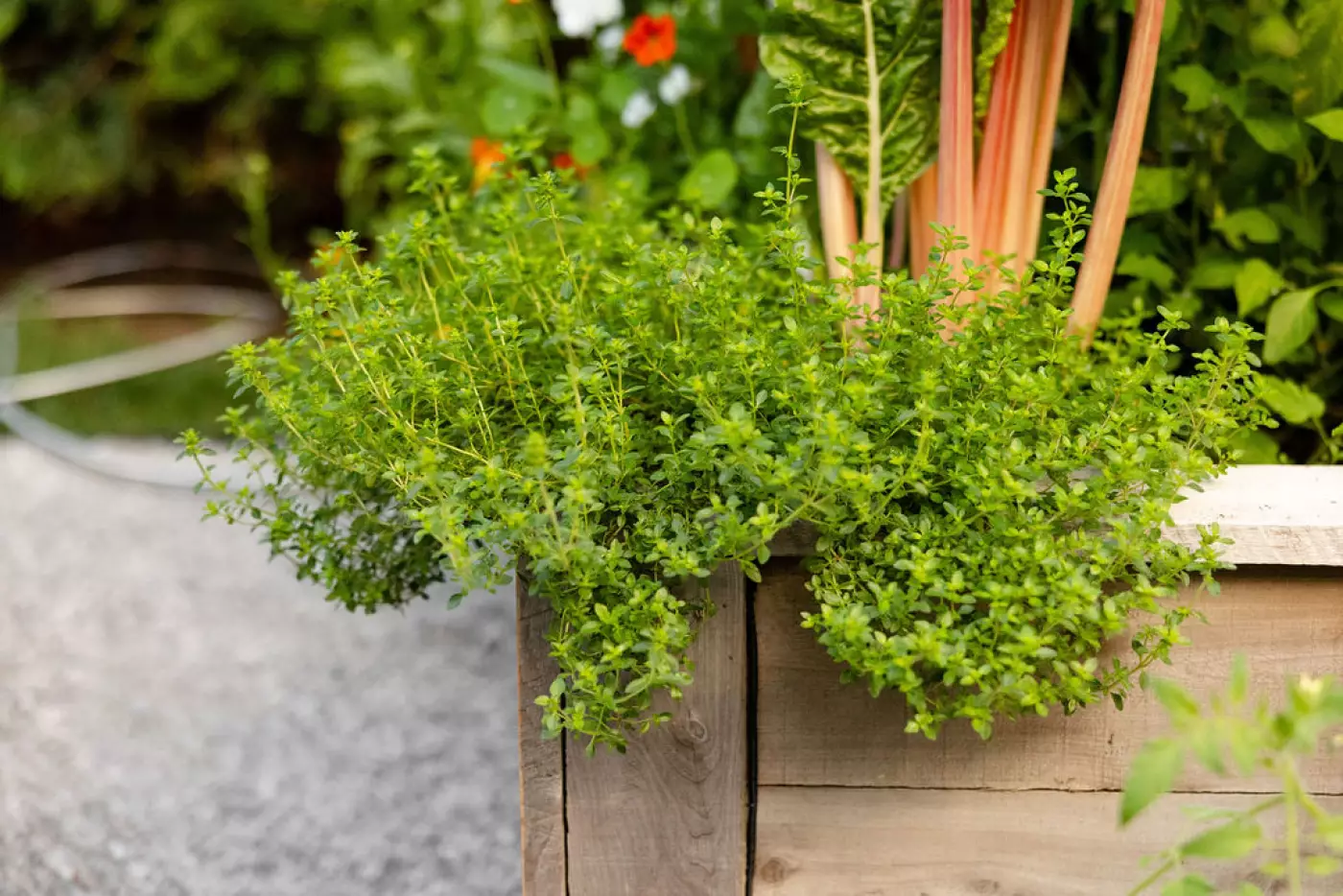
Thyme is one of those herbs that earns its spot in the kitchen garden ten times over — as a culinary herb, as a companion plant, and as a genuinely potent medicinal plant. The active compound in thyme, thymol, is so powerful that it's used in commercial antiseptic products.
What it helps with:
- Respiratory infections — thyme has documented antiviral, antibacterial, and antimicrobial properties, making it a traditional remedy for coughs, bronchitis, and upper respiratory infections
- Immune support — thyme is rich in vitamins C and A, iron, and antioxidant compounds that support immune function through the cold and flu season
- Digestive discomfort — thyme's carminative properties help relieve bloating and gas
How to grow it: Thyme thrives in full sun and well-draining soil. It's drought-tolerant once established, which makes it one of the lowest-maintenance herbs in the garden. It's perennial in most growing zones — plant it once, and it comes back every spring, getting more productive over time.

4. Rosemary
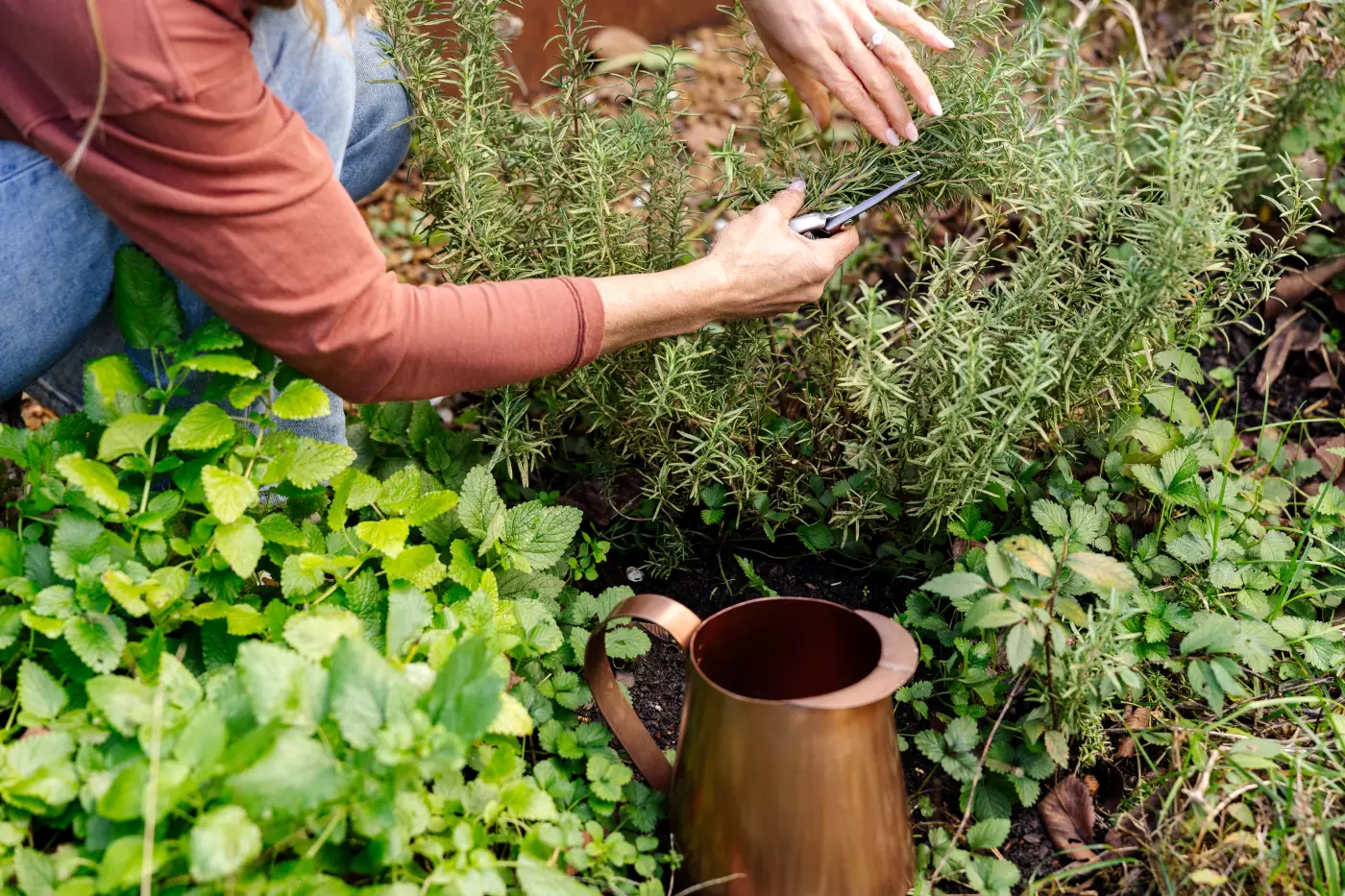
Rosemary has been used medicinally since at least 5000 BCE — there is literally written evidence carved into ancient stone tablets. And the research keeps catching up with what ancient herbalists already knew. It's one of the most studied herbs in modern plant medicine, with documented effects on memory, mood, inflammation, and circulation.
What it helps with:
- Memory and cognitive function — rosemary contains compounds that inhibit the breakdown of acetylcholine, a neurotransmitter important for memory. Even inhaling rosemary essential oil has been shown to improve memory performance in some studies
- Inflammation — a comprehensive 2020 review in Frontiers of Pharmacology documented rosemary's effectiveness against inflammatory conditions including asthma, arthritis, and allergic rhinitis
- Muscle pain — traditional use of rosemary for muscle pain relief is well documented and supported by its anti-inflammatory compounds
- Circulation — rosemary has been used historically to improve circulation and is sometimes used in hair growth treatments for this reason
How to grow it: Rosemary is a Mediterranean herb that loves full sun and dry, well-draining soil. It's perennial in zones 7 and above and can be brought indoors in colder climates. Once established, it's remarkably drought-tolerant — another low-maintenance garden staple that pays back far more than it asks.

5. Basil
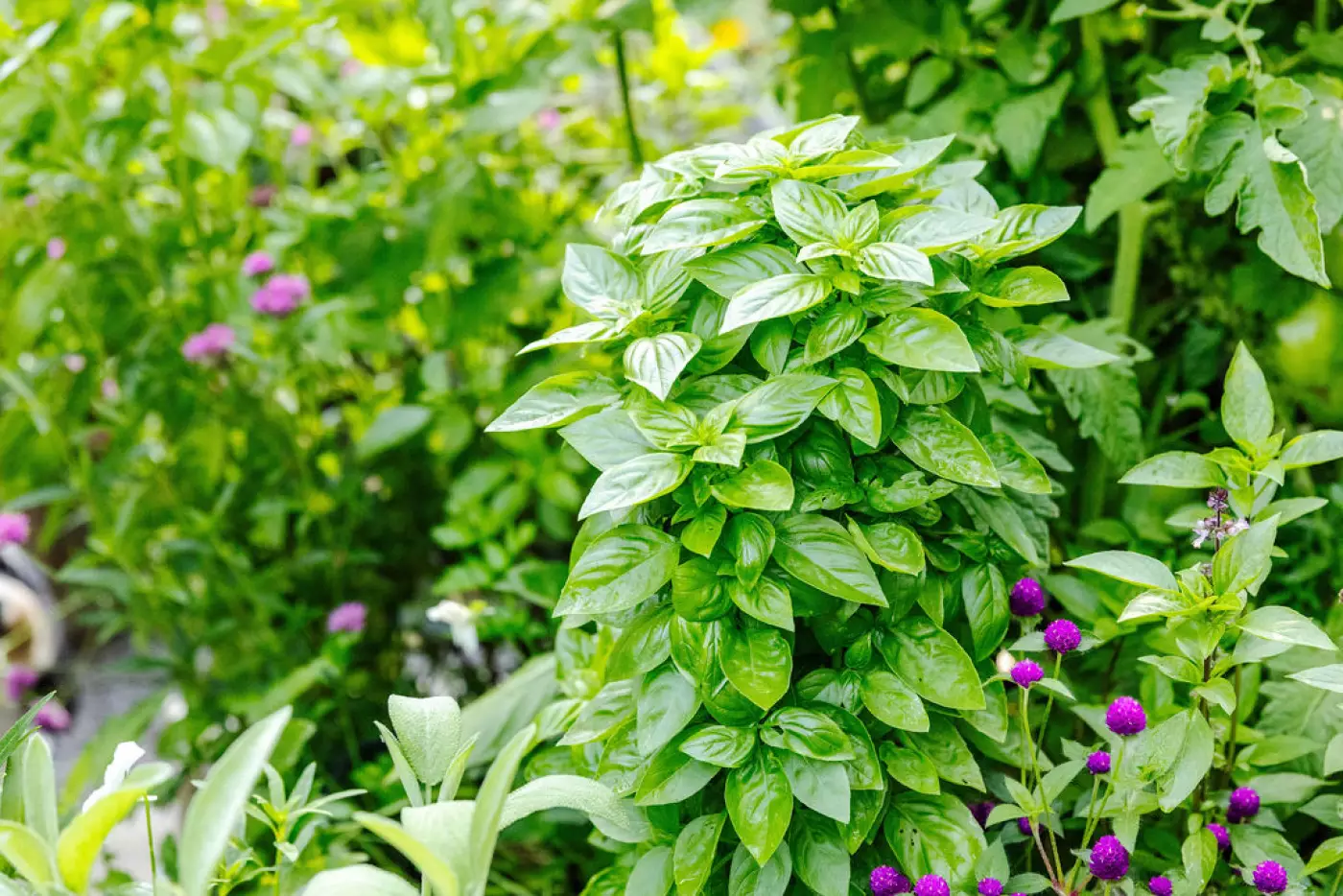
Most people think of basil as the pasta herb, and it is, but it's also much more than that. Basil contains a compound called eugenol that has documented anti-inflammatory properties, and it has adaptogenic qualities that support the body's stress response. A recent 2026 literature review published in the journal called Nutrients found that basil — alongside rosemary, thyme, oregano, and mint — demonstrated significant anti-inflammatory effects at normal culinary doses.
What it helps with:
- Inflammation — eugenol and other volatile oils in basil have documented anti-inflammatory activity
- Digestive comfort — basil has been used traditionally to soothe indigestion and bloating
- Stress and anxiety — basil has adaptogenic properties that help the body respond to stress, and one study found that basil syrup improved anxiety symptoms in people being treated for depression
- Gut health — basil supports beneficial gut bacteria, with positive effects on blood sugar and cholesterol
How to grow it: Basil is a warm-season annual that loves heat and full sun. Start it indoors 4 to 6 weeks before your last frost date and transplant after all danger of frost has passed. Pinch off any flower buds to keep the plant producing fresh leaves — once it flowers the leaves become more bitter and the plant begins to decline.

6. Sage
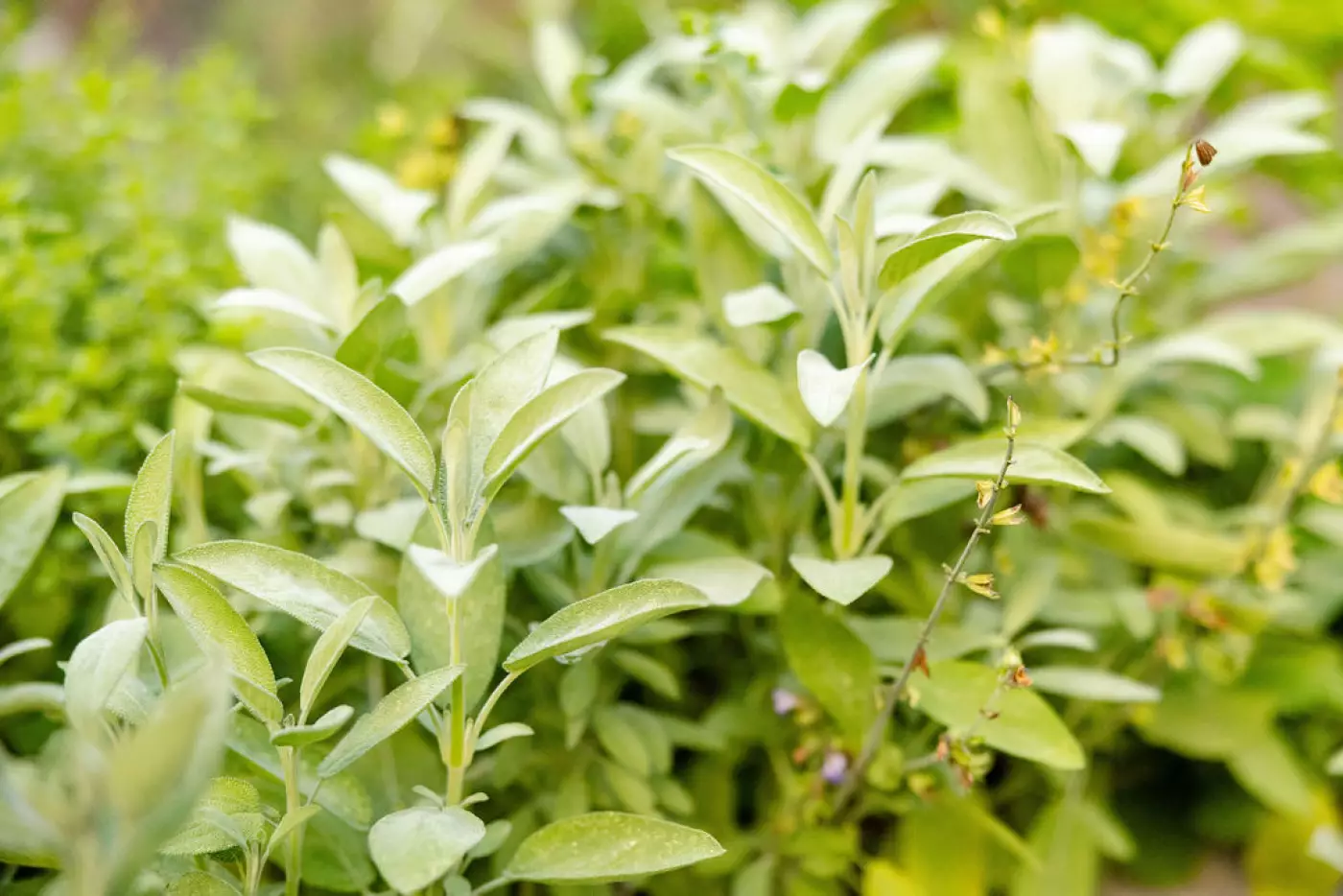
Sage has a long history in traditional medicine across cultures — its Latin name, Salvia, literally comes from the word for "to heal." Modern research has found evidence for sage's effects on memory, menopause symptoms, inflammation, and antimicrobial activity. It also happens to be one of the most beautiful perennial herbs you can grow, with soft gray-green leaves and purple flower spikes that look gorgeous along a raised bed border.
What it helps with:
- Memory and cognitive function — sage contains compounds that inhibit acetylcholinesterase similarly to rosemary, supporting memory and cognitive clarity
- Menopause symptoms — sage has been studied specifically for its ability to reduce hot flashes and night sweats, with some clinical trials showing meaningful symptom reduction
- Sore throats and mouth inflammation — sage is strongly antimicrobial and has been used as a gargle for sore throats and mouth sores for centuries
- Inflammation — like its herb family cousins, sage contains anti-inflammatory compounds that support overall health
How to grow it: Sage is a perennial in most growing zones, thriving in full sun and well-draining soil. It comes back every spring and gets more productive with age. Harvest the outer leaves regularly to keep the plant bushy and productive throughout the season.

7. Lemon Balm
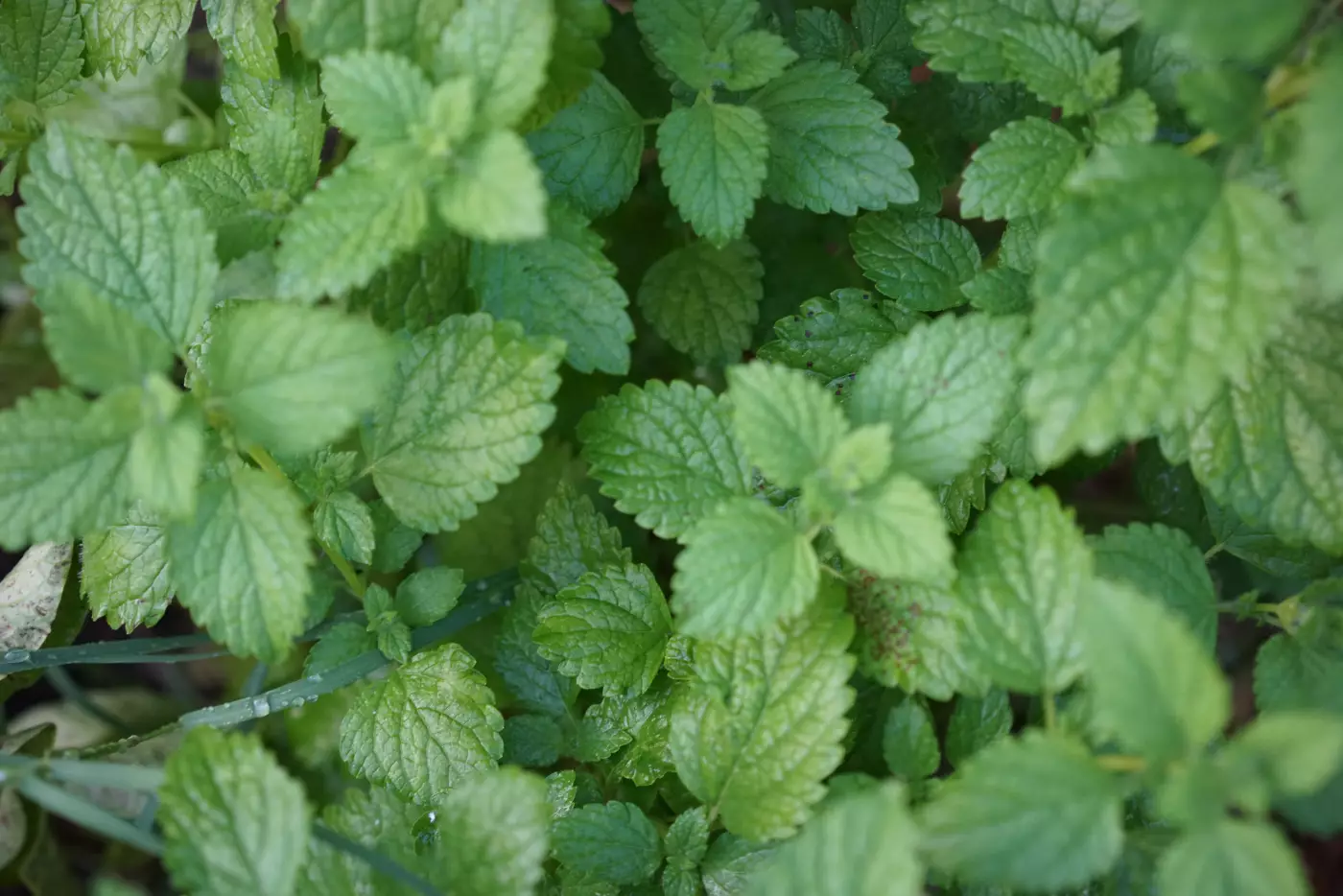
Lemon balm is the herb I didn't discover until a few years into gardening, and now I wonder how I ever lived without it. It's in the mint family — so it spreads enthusiastically and is best grown in a container — and it has a beautiful, fresh lemon scent that makes it an absolute joy to work with. Its medicinal properties are focused primarily on the nervous system and are backed by solid research.
What it helps with:
- Stress and anxiety — lemon balm contains rosmarinic acid, which has documented anti-anxiety effects. Multiple studies have shown it reduces stress and improves mood
- Sleep — lemon balm combined with valerian root has been shown to improve sleep quality in several clinical trials
- Cold sores — lemon balm has strong antiviral properties and has been studied specifically for reducing the duration and severity of cold sores caused by the herpes simplex virus
- Digestive discomfort — it has a long history of use for soothing an upset stomach and relieving bloating
How to grow it: Lemon balm grows easily in partial shade to full sun and prefers consistent moisture. Like mint, grow it in a container to prevent it from spreading beyond its welcome. It's perennial in most zones and one of the first herbs to emerge in spring.

8. Cilantro
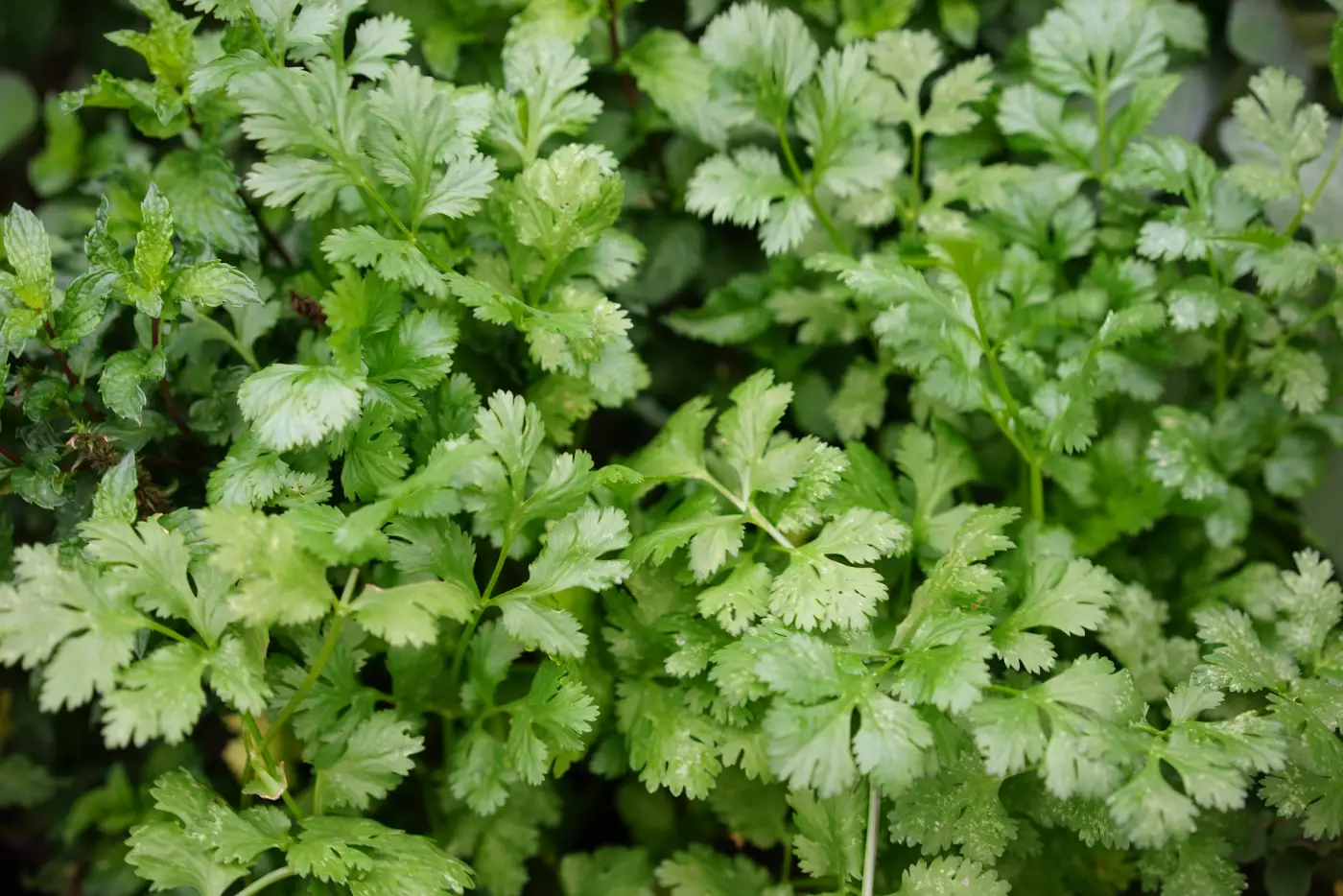
Cilantro tends to divide people — you either love it or you genuinely cannot understand why anyone would put it in food. But regardless of where you fall in that debate, cilantro's medicinal properties are worth knowing about. It has a long history in traditional medicine across Asia, Latin America, and the Middle East, and modern research is beginning to support several of its traditional uses.
What it helps with:
- Digestive health — cilantro has been used across cultures to relieve bloating, nausea, and digestive discomfort. A 2021 review found growing evidence for cilantro's gastrointestinal benefits
- Cardiovascular health — the same review found evidence for potential cardioprotective effects from plant compounds in cilantro, though more research is needed
- Antimicrobial activity — cilantro essential oil has demonstrated antimicrobial properties against several common bacteria in laboratory studies
- Blood sugar — some early research suggests cilantro may support healthy blood sugar regulation
How to grow it: Cilantro is a cool-season herb that bolts quickly in heat. Sow it directly in the garden in early spring and again in fall. Succession sow every two to three weeks for a continuous supply. Let some plants go to seed — those coriander seeds are medicinal in their own right and can be saved for next season.

How to Use Medicinal Plants from Your Garden
Growing them is step one. Here's how to actually use what you grow:
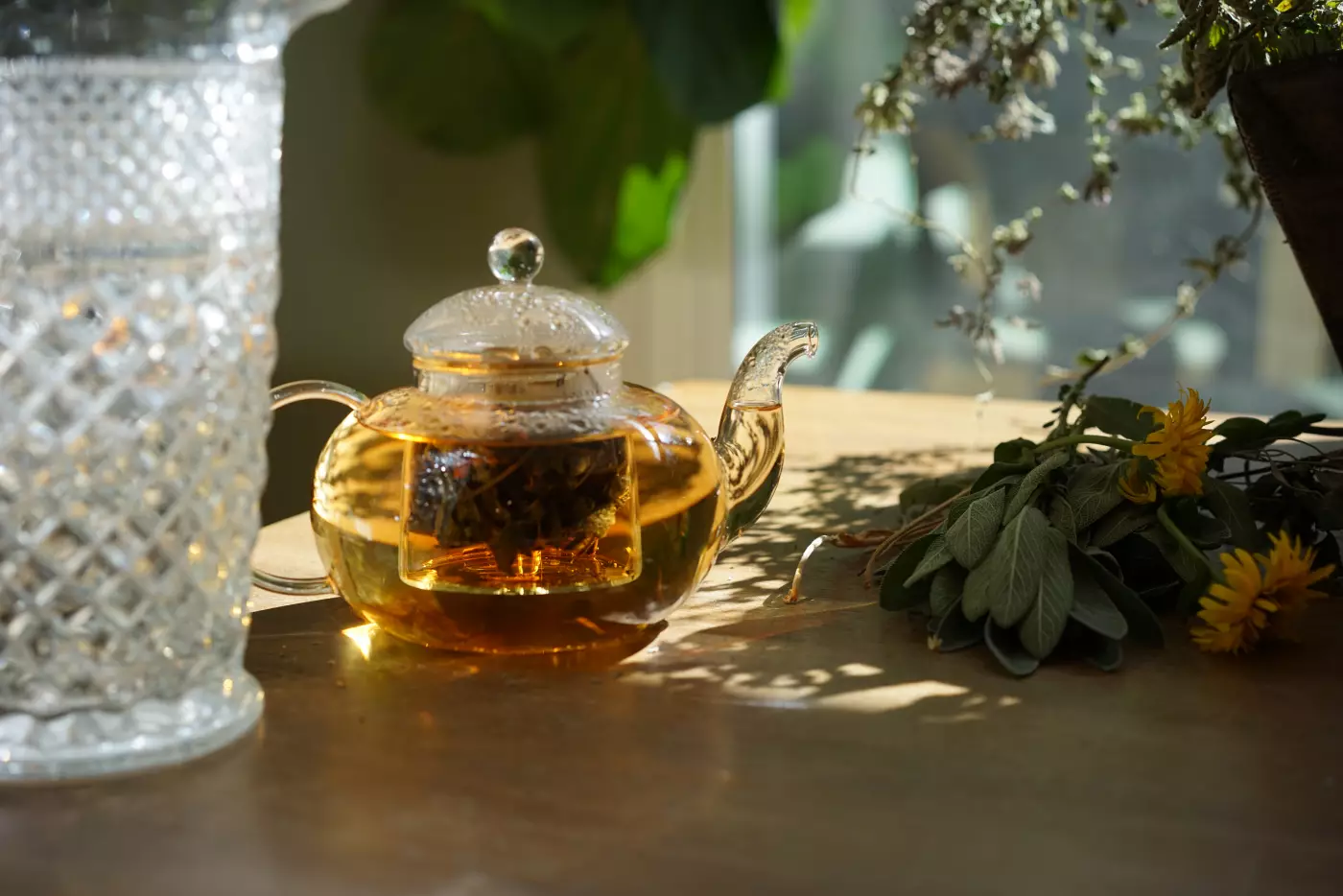
- Fresh herb tea: Steep a small handful of fresh leaves in boiling water for 5 to 10 minutes. Cover while steeping to trap volatile oils. Strain and drink. This works beautifully for peppermint, lemon balm, chamomile, and thyme.
- Dried herb tea: Dry herbs by hanging small bundles upside down in a warm, airy spot for one to two weeks. Store in a glass jar away from light and heat. Use one teaspoon of dried herb per cup of boiling water.
- Topical infused oil: Fill a clean jar loosely with dried herb (calendula especially). Cover completely with a carrier oil like olive or jojoba oil. Seal and let sit in a warm sunny window for four to six weeks, shaking daily. Strain and use topically.
- Simple steam inhalation: Add fresh thyme or rosemary to a bowl of just-boiled water. Drape a towel over your head and breathe in the steam for several minutes. Excellent for respiratory congestion.
A Few Important Cautions
Plants are powerful — and that's exactly why a little care is worth taking:
- Peppermint should be used cautiously by anyone with acid reflux — it can relax the esophageal sphincter and worsen symptoms
- Rosemary in large medicinal doses is not recommended during pregnancy
- Sage in large amounts may affect hormone levels — use culinary amounts freely, but discuss larger doses with your doctor
- Lemon balm may inhibit thyroid function when used regularly in large amounts — if you have hypothyroidism, talk to your doctor first
- Always start with small amounts when trying any plant medicinally for the first time
Frequently Asked Questions About Medicinal Plants You Can Grow at Home
What is the most powerful medicinal plant you can grow at home? That depends on what you're looking to support. For digestive health and respiratory issues, peppermint and thyme are among the most well-researched. For skin healing and wound care, calendula is exceptional. For memory and cognitive support, rosemary and sage both have strong evidence behind them. Most kitchen gardeners find that growing a combination of these covers a wide range of everyday health needs.
What medicinal herbs are easiest to grow at home? Peppermint, lemon balm, thyme, rosemary, sage, and calendula are all among the easiest medicinal plants to grow at home. All six thrive in raised beds or containers with minimal care. Thyme and rosemary are particularly forgiving — they're drought tolerant, sun-loving, and largely pest-free.
Can I grow medicinal plants indoors? Yes — peppermint, lemon balm, basil, and cilantro all grow well indoors given enough light. A south-facing window or a grow light setup works well for most culinary and medicinal herbs indoors.
What medicinal plants can I grow in a raised bed? Raised beds are ideal for growing medicinal plants because they offer excellent drainage, good soil quality from the start, and easy access for harvesting. Calendula, thyme, sage, rosemary, basil, and cilantro all thrive in raised beds and make beautiful, productive companions to kitchen garden vegetables.
How do I make herbal tea from garden plants? Steep a small handful of fresh herb leaves in just-boiled water for 5 to 10 minutes with the cup covered. Strain and drink. For dried herbs, use about one teaspoon per cup. Peppermint, lemon balm, chamomile, and thyme make particularly good teas — both medicinally useful and genuinely delicious.
More About Health
Sources
- "9 Simple Herbal Remedies from Your Garden" — https://www.healthline.com/health/herbal-remedies-from-your-garden
- "Therapeutic Effects of Rosemary and Its Active Constituents on Nervous System Disorders" — https://www.ncbi.nlm.nih.gov/pmc/articles/PMC7491497/
- "Top 10 Medicinal Plants" — https://www.botanicgardens.org/blog/top-10-medicinal-plants
- "Medicinal Plants — University of Florida Gardening Solutions" — https://gardeningsolutions.ifas.ufl.edu/plants/edibles/medicinal-plants/