At a Glance
- Growing cilantro plants successfully comes down to timing — this cool-season herb thrives in spring and fall but will bolt quickly in summer heat.
- This guide covers everything you need to know about how to grow cilantro plants, from sowing seeds directly in the garden to harvesting and storing your leaves.
- With the right setup, each cilantro plant will reward you with weeks of fresh harvests, and eventually hundreds of coriander seeds to save for next season.
How to Grow Cilantro Plants (Without the Frustration)
Learning how to grow cilantro plants has a reputation for being difficult, and honestly, that reputation isn't totally undeserved. But here's the thing: cilantro isn't actually that difficult to grow. It just has one secret that most gardeners don't know.
Cilantro is an annual herb that's prone to bolting, or going to seed, which means the plant is nearing the end of its life cycle. At that point, it loses that lemony, peppery flavor that so many of us love.
The key to keeping your cilantro plants alive as long as possible is timing, and once you understand that, everything else falls into place. This guide will show you exactly how.


How to Grow Cilantro Plants: Planting & Growing Guide
When to Plant Cilantro
This may surprise you, but cilantro doesn't like to grow in the middle of the summer. Cilantro is a member of the Apiaceae plant family, which includes carrots, celery, dill, fennel, and parsley, and these guys love cooler weather. You can start growing them when there's still a chance of frost and even snow in your area.
To get the timing right with your cilantro, begin sowing cilantro seeds as soon as your soil is workable in the spring, let's say around 60 days before your last frost date. Cilantro actually germinates really well in cool soil. I let some plants drop seeds last year, and in February, I had cilantro popping up all over my garden when the nighttime temps were still in the 30s and it was rarely above 50°F during the day.
Stop sowing cilantro seeds once your temps warm up. In warm weather, cilantro will bolt, meaning it's getting ready for seed production. The leaves will change shape and taste totally different. Wait until you're about 60 days out from your first frost date in the fall (once the temps are below 80°F) before you start planting cilantro again.
If you live in a warmer climate and barely have frost or snow, your best time to grow cilantro will be during your winter months.
Now you know how to keep your cilantro plants happy for much longer! If you're still not sure exactly when to plant your cilantro, download our free Garden Calendar. You give us your frost dates, and we'll tell you when to plant cool-season plants like cilantro and dill.


Start your dream garden. Watch the free class!
Where to Grow Cilantro
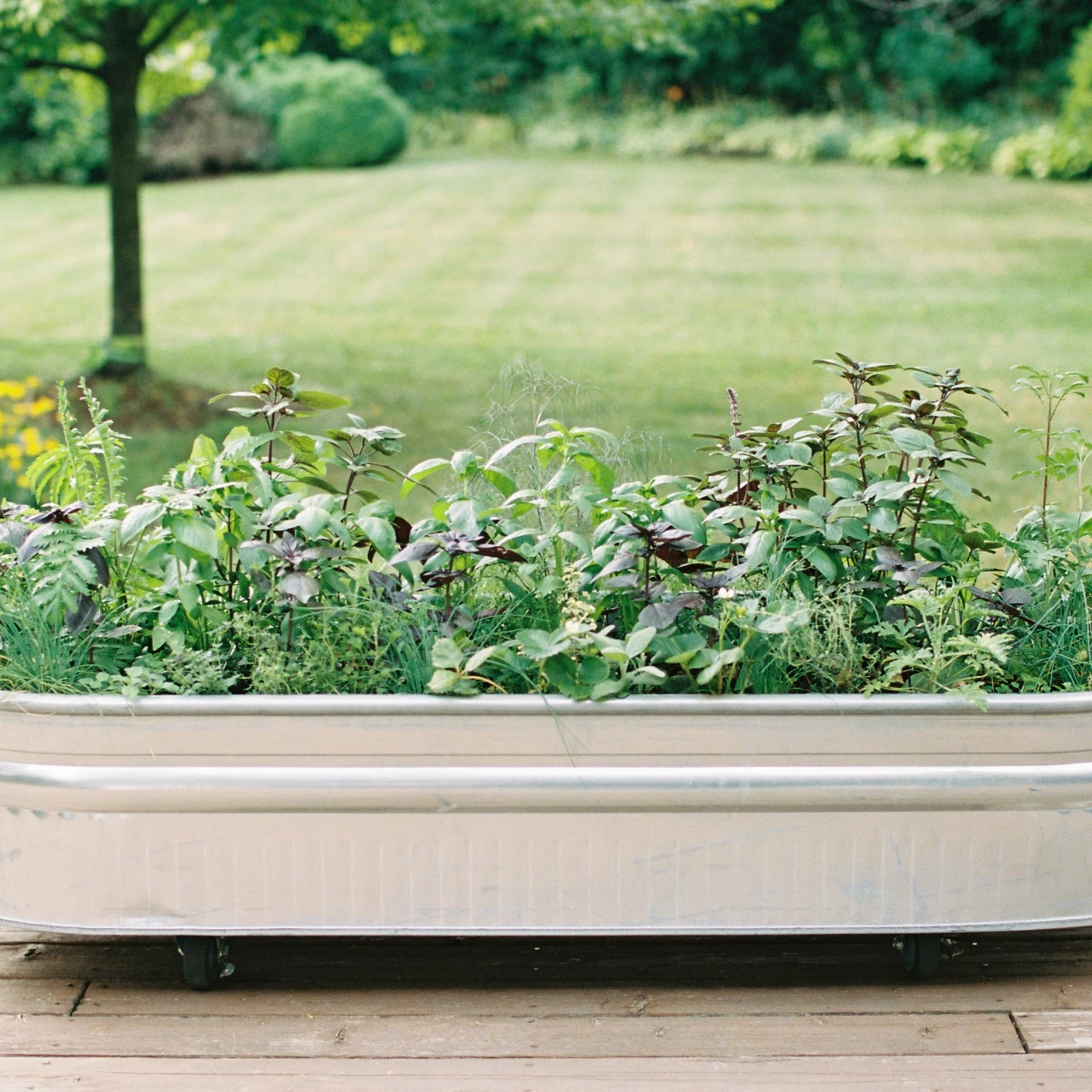
You can grow cilantro plants in a raised bed, in a container, or in the ground.
Cilantro plants actually have a little taproot that looks a bit like a carrot or parsnip. Keep this taproot in mind when you're choosing a pot or container, and pick something at least 12" deep. Make sure there's at least one drainage hole in the bottom of the container. Fill the container with well-draining soil rich in organic matter.
Cilantro plants only need 4 to 6 hours of sunlight a day to grow, so it's a great herb to plant in lower-light spots. You can even buy yourself more time with your cilantro plants in warmer weather by giving these plants some afternoon shade. If I know my temps will be warming up soon, I like to plant taller things around my cilantro so that they'll provide some shade and keep the soil a little cooler.


How to Grow Cilantro from Seed
Cilantro is a great candidate for direct seeding in the garden. The seeds are large and super easy to handle, for one. Then there's the fact that plants in the Apiaceae family don't like being moved around or disrupted. Cilantro plants grown from seed right in the garden will outlast and outperform plants that were bought from the store or started indoors and then transplanted.
It's super easy to direct sow cilantro seeds. Just follow these steps.
Cilantro Planting Steps
- Start by adding a fresh layer of compost to the surface of the planting area. This compost will guarantee your herbs have all the nutrients they need to produce plenty of leaves for you to harvest and enjoy.
- Use a dibber to make planting holes that are 1/2 inch deep and spaced about 6 inches apart.
- Once you've placed all your seeds, cover them with soil.
- Give your seeds a good watering in. Make sure to keep the soil moist while you're waiting on seeds to germinate. Water is what tells the cilantro seed it's time to wake up from its dormancy and begin growing. Cilantro seeds typically sprout in about 10 to 15 days.
- Come back in about 3 to 4 weeks and sow more seeds as long as your temps are still nice and cool. That way, you'll have a more continuous supply of fresh cilantro.


If you really want to start cilantro plants by seed indoors, use biodegradable pots instead of seed starting trays so that you can plant the pot in the garden and minimize root disturbance. Start seeds about 6 to 8 weeks before transplanting them outdoors. Make sure to harden your cilantro seedlings off before moving them to the garden.
How to Take Care of Your Cilantro Plants
Once your seeds have sprouted, continue regularly watering. Herbs like cilantro require about one inch of water per week.
If you notice some seedlings pop up a little too close together, thin them out. The goal is to make sure each plant has room to develop healthy leaves and get good air flow. (Toss the seedlings you thinned onto your soup or salad.)
Cilantro plants are not typically affected by pests or disease, which is a huge bonus. You can prevent potential issues by pruning damaged or discolored leaves, plus the outer and lower leaves, often.
I typically don't fertilize my herbs. I add a layer of compost before planting, and then add more compost and a little addition of earthworm castings around the base of the plant after about a month or two. I've found that herbs like cilantro grow really well when set up with soil full of nutrients in the first place. If you think your plant needs extra nutrients, add an organic fertilizer high in nitrogen when watering or spray some liquid fertilizer on the leaves.


How to Harvest & Enjoy Cilantro
Cilantro takes about 45 to 60 days to grow from seed before its soft stems are strong enough to harvest. It should, at this point, have 5 to 10 main stems.
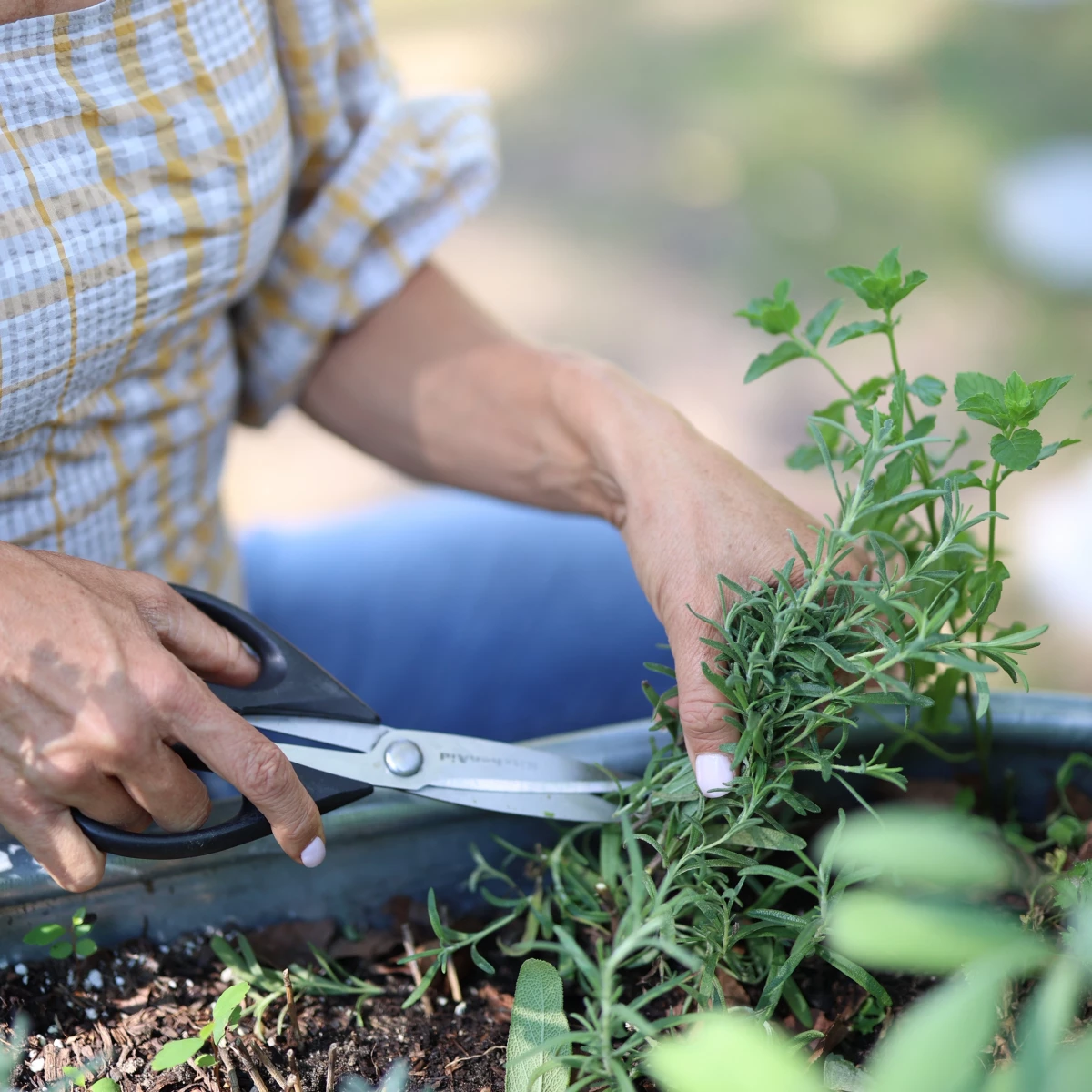
Cilantro is a cut-and-come-again plant, which means you can harvest some leaves now and then return in another week to harvest more. Use a clean pair of pruners or scissors to harvest. Start with the lower leaves from the outside of the plant, cutting at the base to include the stem (instead of just cutting the leaves). This stimulates more growth from the center of the plant.
Never harvest more than a third of the plant at a time. Harvest weekly (or every other week after a big harvest) to encourage your cilantro plant to keep producing.


Cilantro wilts quickly, so place the stems in some fresh water as soon as you harvest them and bring them inside. You can keep them in the fridge like this for a couple of days. Cilantro doesn't dry well, so I recommend preserving the leaves in oil in the freezer or freezing the leaves whole if you want to store your leaves longterm.
Grow at least one, if not two, cilantro plants per person in your family to enjoy enough fresh harvests of leaves and store more leaves in the freezer to last all winter. This is how you ditch those grocery store herbs for good!
Cilantro is perfect in tacos, salads, omelettes, soups, casseroles, and so much more. I love to make parsley and cilantro chimichurri with my garden-fresh harvests.

What to Do When Your Cilantro Is Flowering
When cilantro bolts, or starts flowering, that's pretty much the end of your tasty leaf harvests. The flowers are edible (they have a faint cilantro taste), but I like to leave them in the garden so I can get something even better (more on that in a bit).
You can slow down the bolting process by cutting the thick center stalk so that the plant might produce a couple more side shoots, but it's really just a matter of time before the plant sends up more flower stalks. (Follow these tips to prevent your cilantro from bolting for as long as possible.)
You can pull the bolting plants and grow something more suited to your warmer temps, like basil, or you can leave the plants in your garden and let them go completely to seed.
There are two great reasons to let the plants do their thing. One, pollinators like bees and ladybugs adore those dainty white cilantro flowers. And two, each cilantro plant will produce hundreds of seeds, which you can save and create your own lifetime supply. You'll never have to buy cilantro seeds again.
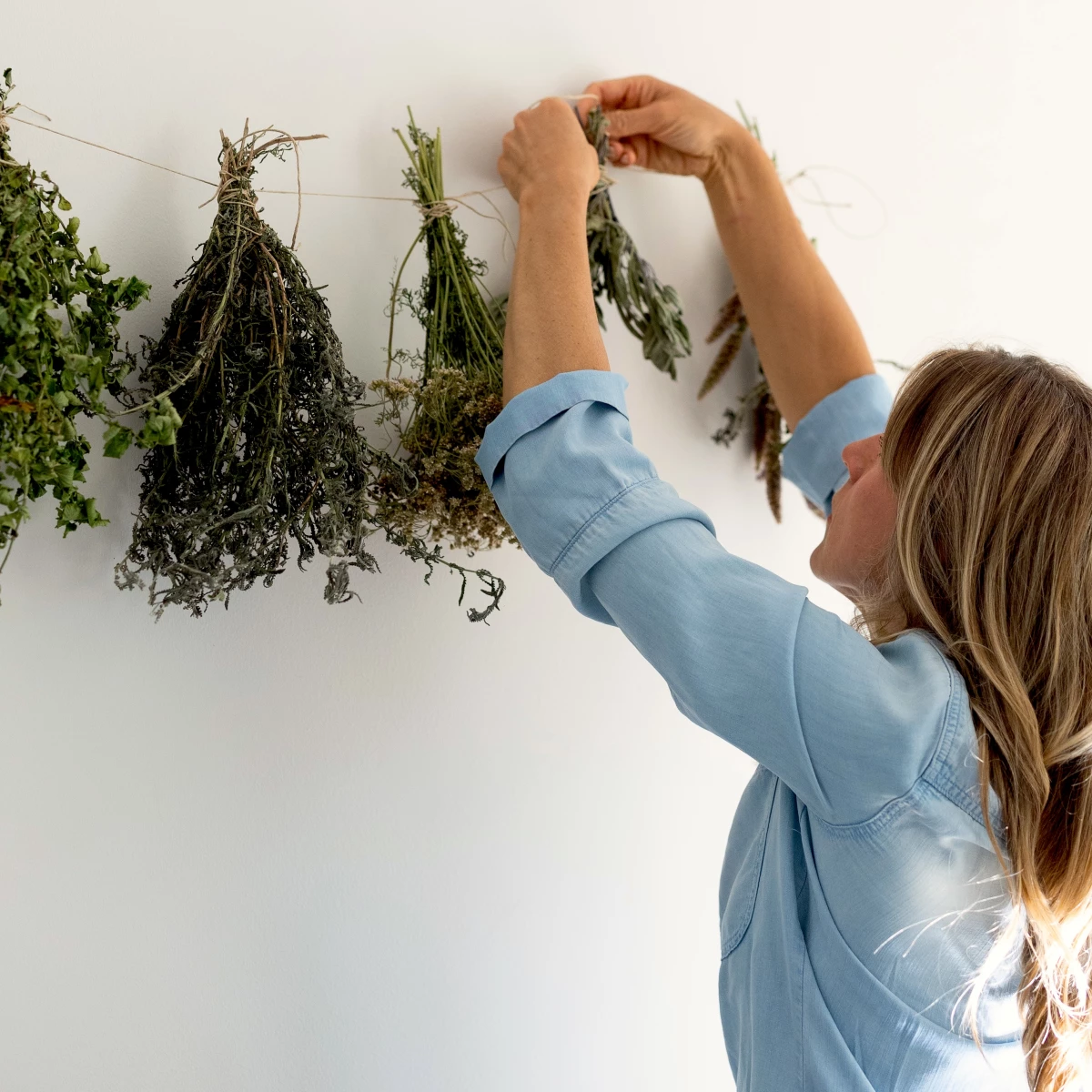
To save your own cilantro seeds, wait for the plant to produce little green pods. These pods will eventually turn brown, and that's when it's time to cut the stems at the base. Bring the stems inside, tie them together with some twine, and hang them upside to dry. After a week or two, use your fingers to rub the brown seeds free from the stems. Put them in a jar or seed package and store them in a cool, dry place.
Now you've got cilantro seeds for next year. You even have enough to share with friends and family and neighbors! What's really cool is that, over time, you can end up with cilantro plants that are better adapted to your garden if you save seeds every year.


Cilantro FAQs
Frequently Asked Questions About Cilantro Plants
Does cilantro regrow after cutting?
Yes! Cilantro is a cut-and-come-again plant, which means you can harvest leaves and the plant will continue producing new growth. The key is to never cut more than a third of the plant at a time and to harvest regularly to encourage your cilantro plants to keep producing.
How long does it take to grow cilantro plants?
Cilantro plants are ready to harvest in about 45 to 60 days from seed. Growing cilantro plants in cool soil speeds up germination, so getting your timing right at the start will have you harvesting fresh leaves faster.
How do you keep cilantro plants from bolting?
The best way to keep cilantro plants from bolting is to grow them in cool weather and give them some afternoon shade as temperatures rise. Planting in spring and fall, rather than the heat of summer, will keep your cilantro plants producing flavorful leaves for much longer.
Can you grow cilantro plants indoors?
Yes, you can grow cilantro plants indoors as long as they get 4 to 6 hours of bright light each day. A sunny windowsill or grow light works well. Keep in mind that indoor cilantro plants may bolt faster if temperatures are too warm.
How much sun do cilantro plants need?
Cilantro plants need 4 to 6 hours of sunlight per day to thrive. Unlike many herbs, cilantro actually prefers a little afternoon shade, especially in warmer months, which helps slow down bolting and keeps your plants producing longer.
Are cilantro and coriander the same thing?
A rose by any other name... Yes, cilantro and coriander come from the same plant. In the US, cilantro refers to the fresh leaves and stems, while coriander refers to the dried seeds. Growing cilantro plants gives you access to both, making it one of the most versatile herbs in the kitchen garden.
Do coffee grounds help cilantro grow?
Coffee grounds can benefit cilantro plants by adding organic matter and a slight acidity to the soil. Use them sparingly as part of your compost rather than applying them directly, as too much can affect drainage and potentially harm your cilantro plants.
How many times can cilantro be harvested?
You can harvest cilantro plants every one to two weeks throughout the growing season as long as the plant has not bolted. Starting from the outer leaves and cutting at the base each time encourages the most continuous regrowth from your cilantro plants.


Time to Grow Some Cilantro!
Whether you love the distinct flavor or can't stand it, cilantro is an herb well-worth having in your garden space. I'd grow cilantro for its benefits to our pollinators alone (and the beauty of those delicate while flowers).
Happy herb growing!
Get the complete Herb Garden Guide
Learn More About Growing Herbs