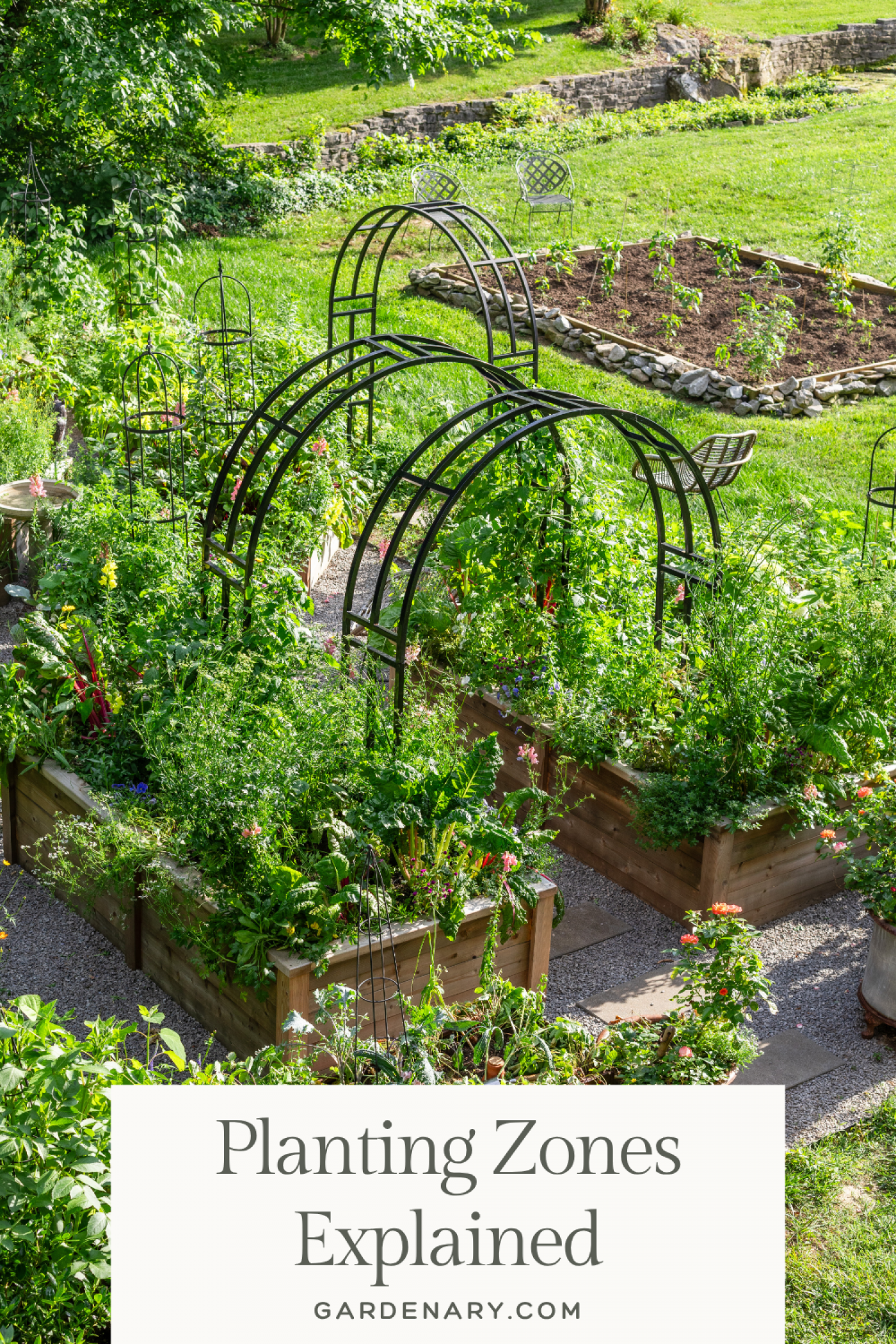
This might upset a few gardeners, but here’s the truth: planting zones don’t really matter.
I know, that sounds like heresy in the gardening world. But after 15 years of growing gardens in three wildly different climates—from the heat of Houston, Texas, to the chill of Chicago, Illinois, and now the rolling hills of Nashville, Tennessee—I can say with confidence that I’ve never needed to look at a planting zone map to know what to plant.
Instead, I use a simple two-question system that tells me exactly what I can grow, every month of the year, without once glancing at a rainbow-striped USDA map. And today, I’m going to teach you that system too.
At a Glance
- Planting zones only show the coldest annual temperature—they help with trees and shrubs, but not annual vegetable gardens.
- To plan your garden year-round, track your monthly high temperatures and frost chances, then match crops to cold, cool, warm, or hot seasons.

What Planting Zones Actually Mean
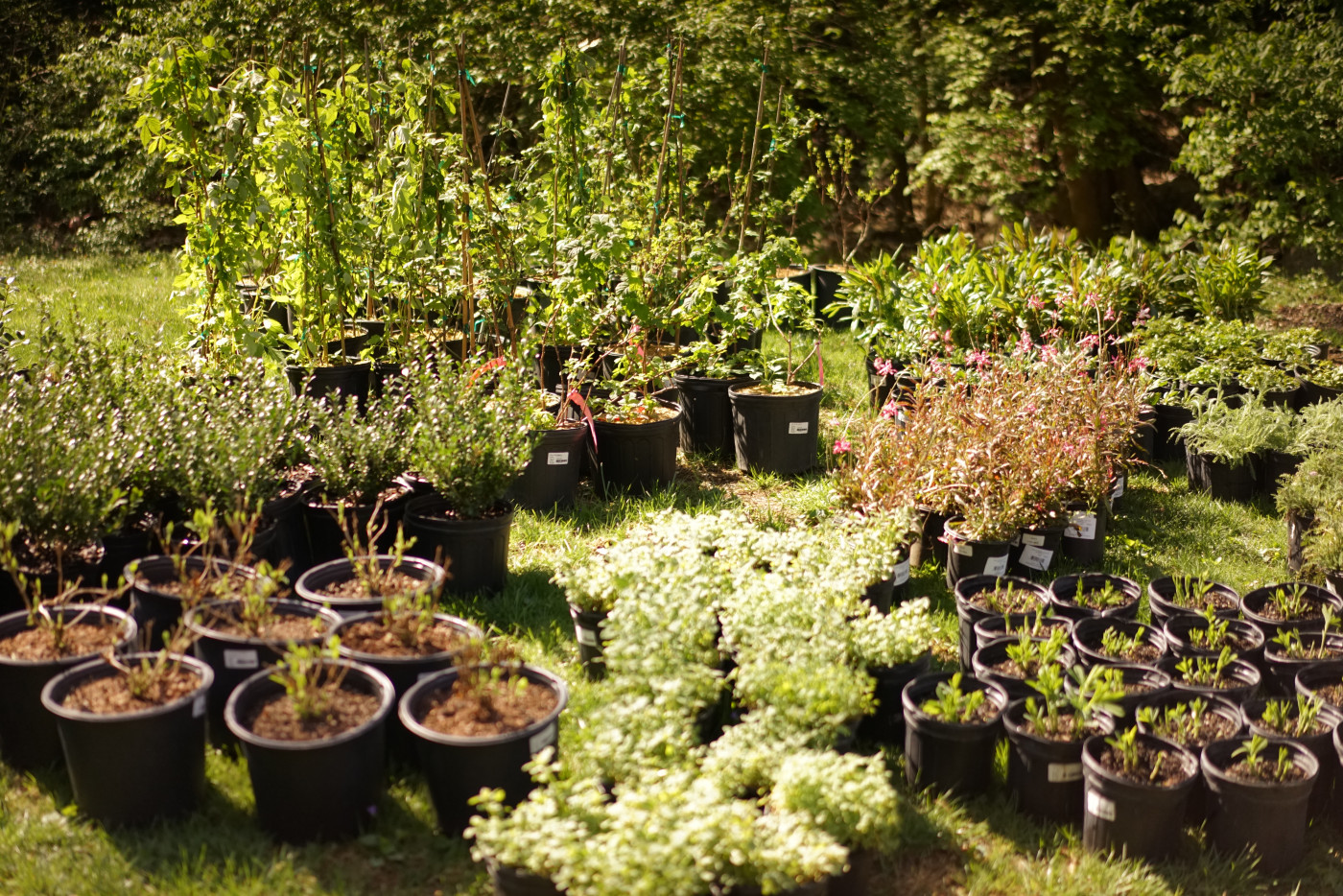
If you’ve ever flipped over a seed packet or searched “what planting zone am I in?” online, you’ve probably seen the USDA Plant Hardiness Zone Map. It was first developed in the 1920s and officially adopted by the USDA around the 1960s.
Here’s the part most people miss:
Planting zones are based only on the average minimum temperature—the coldest it gets in a given region each year.
That’s it.
So if you live in Zone 4, your winters are much colder than Zone 9. This information is helpful when planting perennials, shrubs, and trees that stay in your landscape for years. It tells you whether a plant can survive your coldest winter night.
But for your annual vegetable garden, where plants live for just one growing season, those numbers don’t tell you much at all.

Why Zones Don’t Matter for Your Vegetable Garden
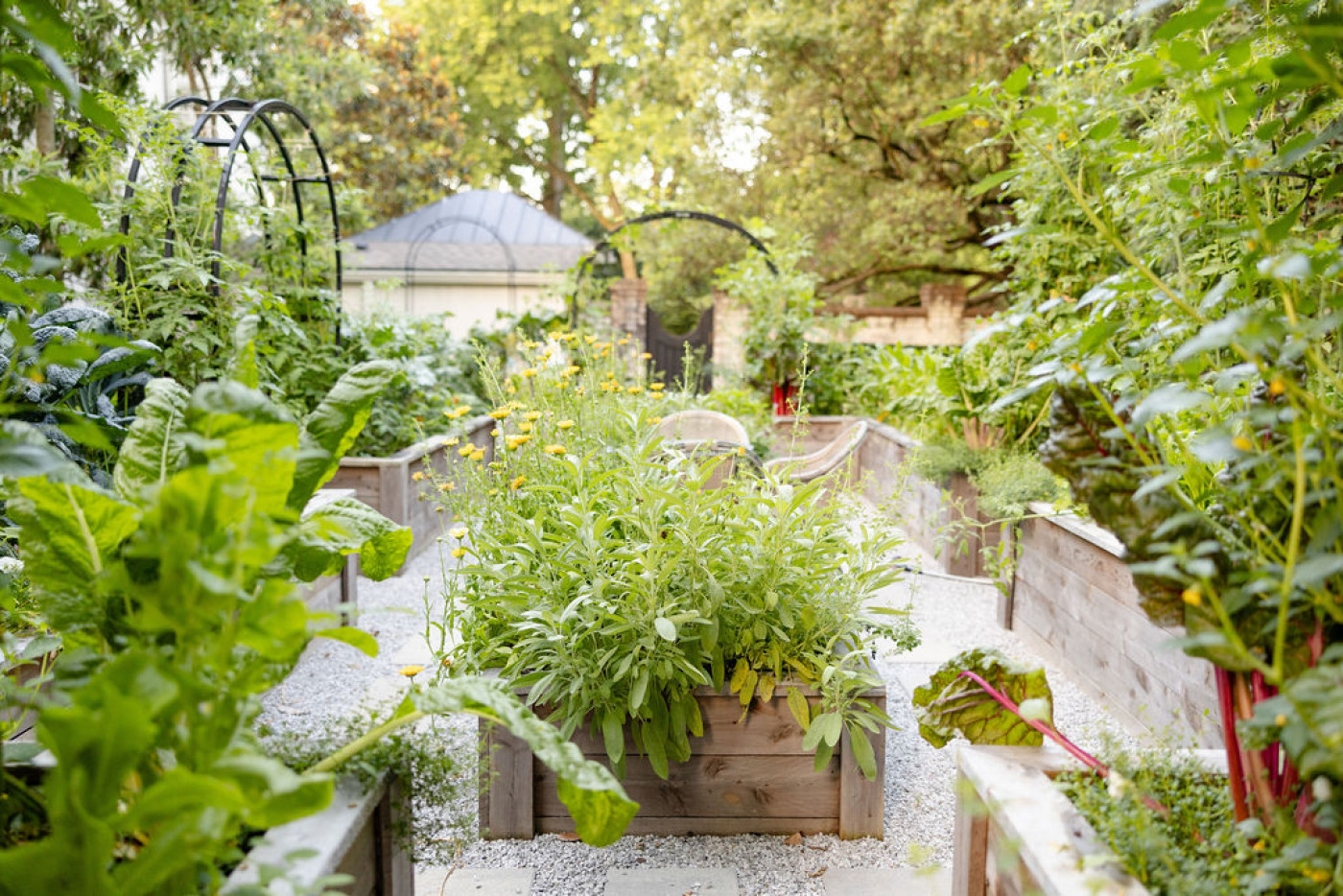
Your tomatoes, lettuce, cucumbers, carrots, and basil don’t care about the coldest temperature of the year. They care about the daily highs and whether or not there’s frost.
So instead of memorizing your USDA zone number, I want you to ask yourself two simple questions:
- What’s the average high temperature for each month of the year in my area?
- Is there a chance of frost this month—yes or no?
You can find your average monthly highs with a quick Google search: “average high temperature [your city].” Write them down for every month, January through December.
Then, for each month, mark whether frost is possible. You’ll probably find that some months always have frost, some never do, and some are in between.
How to Plan Your Garden Month by Month
Now that you know planting zones don’t matter for your vegetable garden, let’s make that knowledge useful.
I’m going to teach you how to plan your garden for every single month of the year—no matter where you live.
Once you understand your high temperatures and frost patterns, you’ll start to see your gardening year as a natural rhythm of four seasons: cold, cool, warm, and hot.
Instead of wondering what to plant in February or July, you’ll know exactly which plants thrive in your conditions each month. This is the secret to keeping your garden full, productive, and beautiful year-round.
Let’s start by figuring out those temperatures.

Step One: Know Your Highs
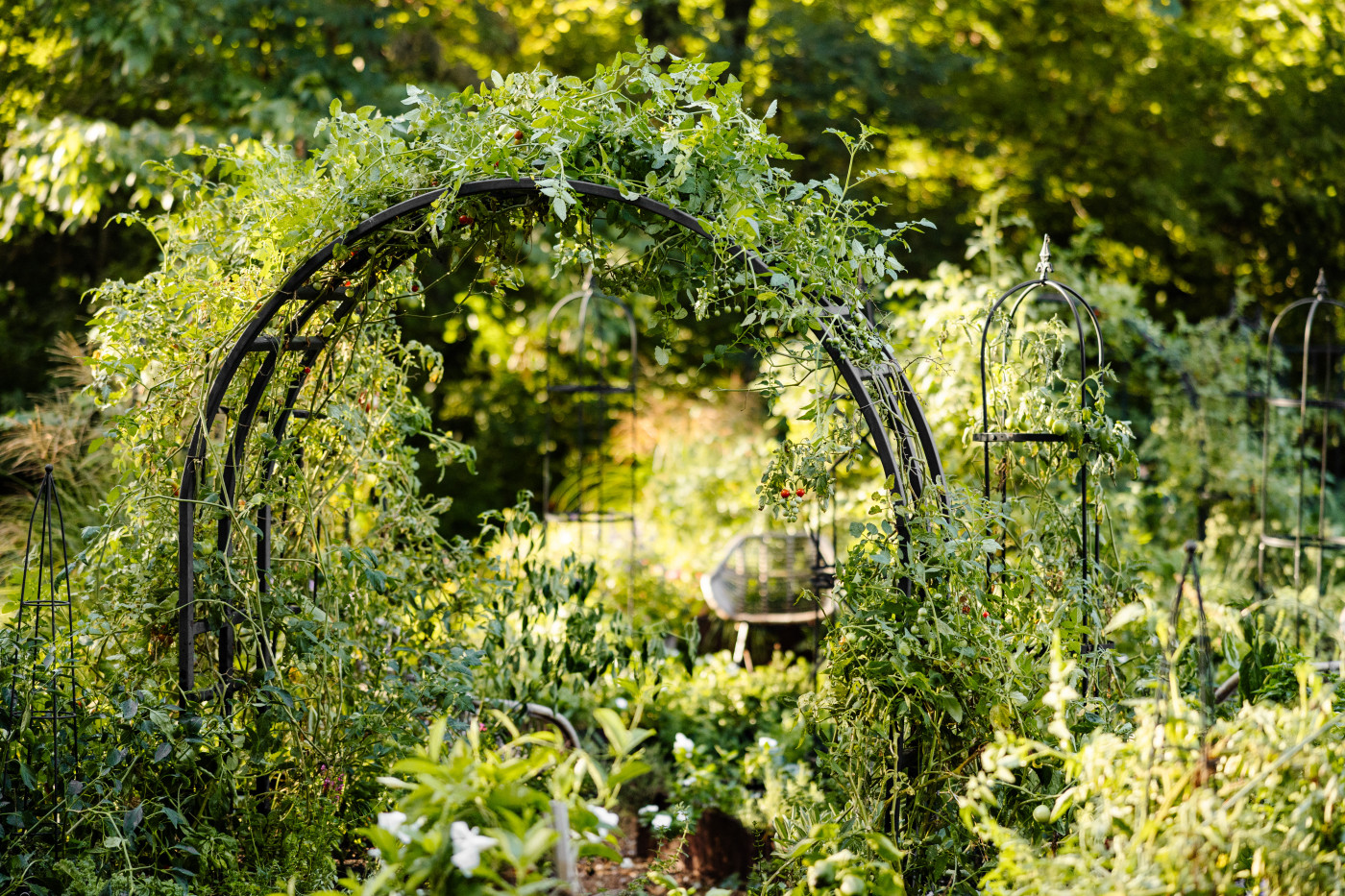
Every annual plant has a preferred temperature range where it thrives—and a temperature that’s too hot or too cold for it to grow. Once it gets too warm, plants like lettuce and spinach “bolt,” or go to seed. On the flip side, crops like basil or tomatoes stop growing when it’s too cool.
Knowing your average high temperatures helps you match your crops to their ideal growing season.

Step Two: Know Your Frost
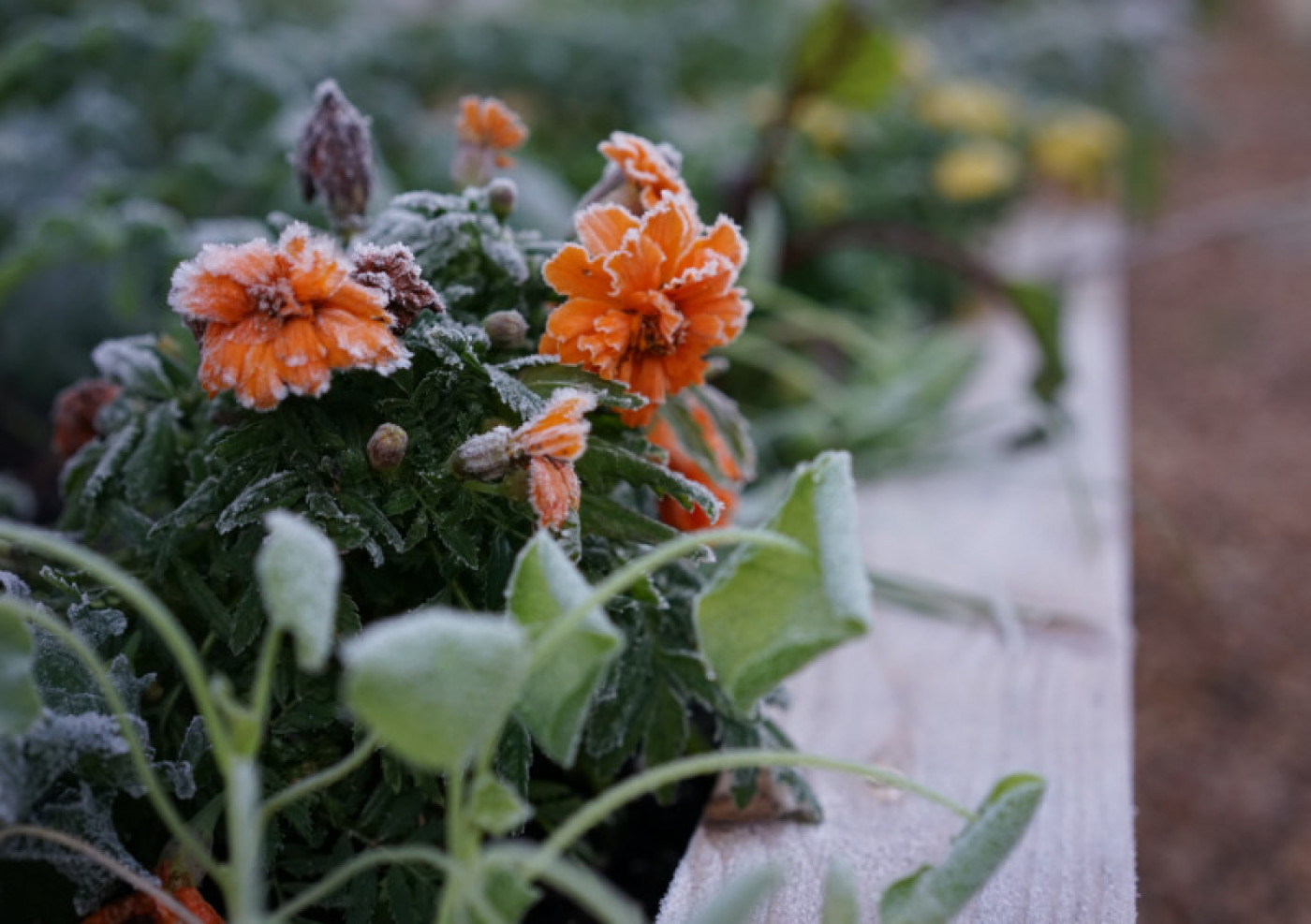
Next, note whether frost is possible during each month.
For example, in my Nashville garden:
- September: no chance of frost
- October: possible, but unlikely
- November–March: likely or yes
- April–August: no chance of frost
That gives me about five months each year when frost might happen—and seven months when it definitely won’t.
Your local frost dates will be different, but once you note them, you’ll have a clear picture of when your frost-free growing season begins and ends.
Check your local first and last frost dates with our Frost Calculator below.
*Based on historical climate data from NOAA, only zip codes from United States are supported.

Step Three: Label Your Seasons
Once you know your highs and frost chances, you can label each month as cold, cool, warm, or hot.
Here’s how we do it at Gardenary:
- Cold Season: Highs below 30°F
- Cool Season: Highs between 45°F and 65°F and a chance of frost
- Warm Season: Highs between 65°F and 85°F with no chance of frost
- Hot Season: Highs above 85°F
When you label each month, you’ll see the natural rhythm of your planting seasons. And suddenly, you’ll have a clear picture of when to grow each crop—no USDA zone map required.
Want a little help organizing it all?
Grab one of our Gardenary Seasonal Planners to make this step even easier. Each planner walks you through your monthly highs, frost dates, and ideal planting windows, so you can see your full gardening year at a glance. It’s the perfect companion for mapping out your cold, cool, warm, and hot seasons—no guesswork required!

Step Four: Match Your Plants to the Season
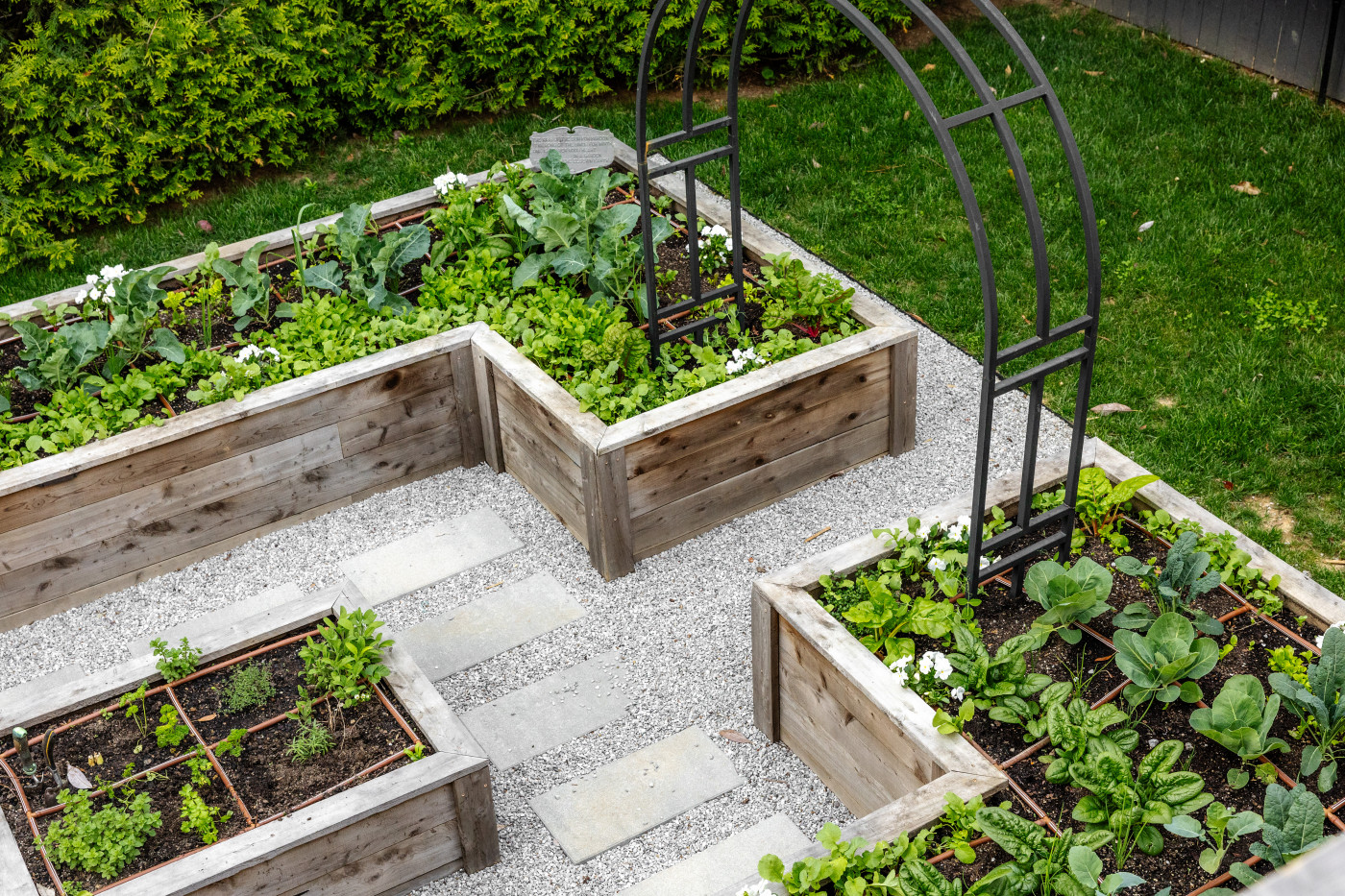
Now, simply fill your garden each season with the plants that thrive in those temperatures.
- Cold and cool seasons are for frost-tolerant crops like kale, spinach, carrots, radishes, and arugula.
- Warm and hot seasons are perfect for frost-sensitive crops like tomatoes, peppers, basil, cucumbers, and eggplant.
When the temperature shifts, you shift your planting plan. That’s how your garden stays full and productive all year long.
Need a little inspiration for what to plant?
Check out our article, Two Easy Planting Plans for Garden Success—it walks you through simple, ready-to-go planting plans for both the cool and warm seasons.
And the best part? You can get all the seeds you need for both planting plans in our Easy Garden Kit! It’s everything you need to start your garden strong, no matter the season.
Why This Works (and Always Will)
Recently, the USDA updated the planting zone map, shifting many gardeners “up” by half a zone. It made headlines, but for me, it didn’t change a thing.
Because my garden isn’t based on one single minimum temperature. It’s based on how the weather actually changes month to month.
By focusing on your highs and your frost chances, you’ll have everything you need to plan your garden naturally, intuitively, and confidently—no zone number required.

The Gardenary Way
At Gardenary, we believe gardening should feel simple and joyful, not technical or intimidating. Nature gives us all the cues we need—if we just pay attention.
So, skip the zone map this year. Instead, grab your calendar, check your local temps, and start planting with the rhythm of your real seasons.
Your garden will thank you.
Click on the image below to save this article for later.