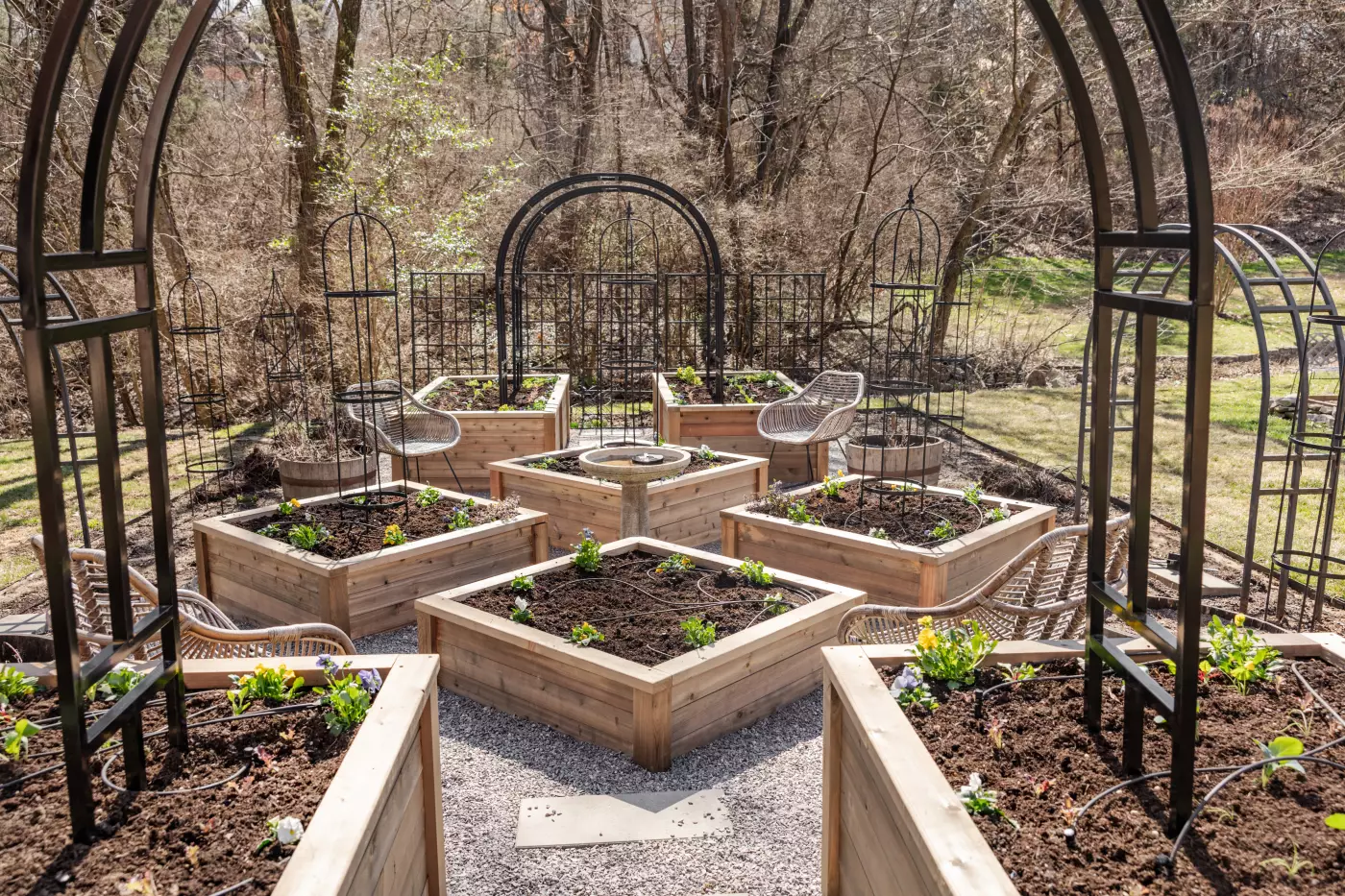
Nicole's Quick Take: Raised beds work best at 12 to 18 inches deep, need good drainage, and perform differently on soil versus concrete. One of the biggest components of your garden's success is adding high-quality soil and compost. It's the single biggest factor in how well a raised bed drains, holds moisture, and feeds your plants season after season.
At a Glance
- Raised beds should be 12 to 18 inches deep for most vegetables — deeper beds hold nutrients and moisture longer, giving plants more to work with.
- On concrete or hard surfaces, aim for at least 18 inches of soil depth and a compost-rich mix, since roots can't reach into the ground below.
- Beds don't need to be perfectly level, but a significant slope causes uneven watering — taking the time to level before you build makes everything easier later.
By Nicole Johnsey Burke: Founder of Gardenary and Author of Kitchen Garden Revival
Common Raised Bed Questions, Answered
Raised bed gardening comes with a lot of “Am I doing this right?” moments. This guide covers a few common questions I hear so you can move forward with confidence when creating your raised bed. From bed depth and drainage to placement and soil volume, these answers are meant to simplify the setup process and get you growing, fast!

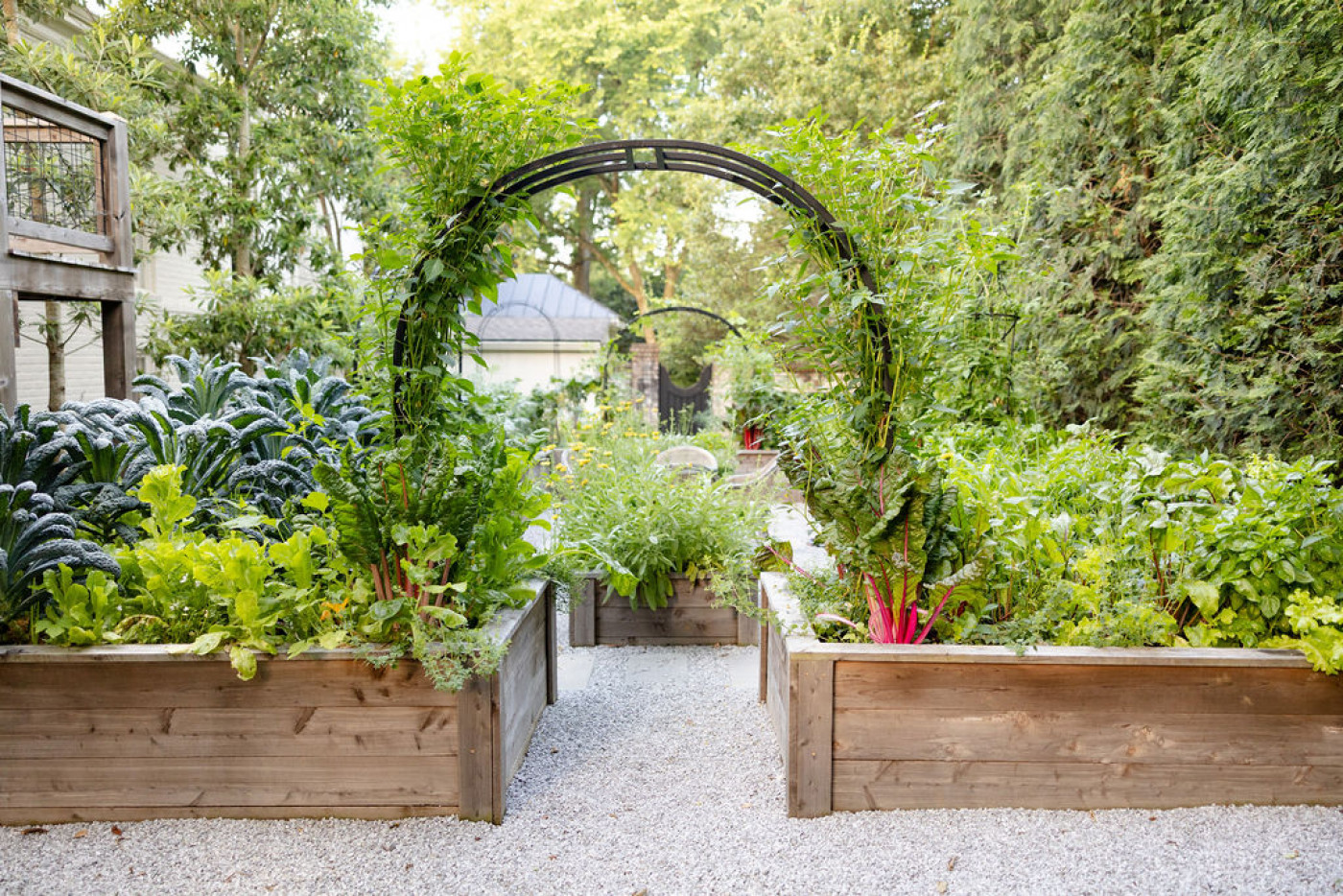
How Deep Do Raised Beds Need to Be?
If you're new to raised bed gardening, it can feel surprisingly difficult to find answers to questions about your garden setup. One of the most frequently asked questions I hear is, "How deep do raised beds need to be?"
Raised beds are flexible, but the depth matters more than most beginners realize. It needs to be deep enough to maintain nutrients in the soil. Some nutrients dissolve easily in water and move downward through the soil. After rain or watering, gravity pulls water down, and if the soil layer is too shallow, nutrient-rich water can move past the root zone very quickly. When that happens, plants can't reach to the nutrients we worked hard to add.
Deeper raised beds slow this process down. With more soil volume, water moves more gradually instead of rushing straight out of reach. This helps keep nutrients where plant roots can access them, supporting steady growth and stronger plants.
Shallow beds can still work, especially for shallow-rooted crops, but they are less forgiving. With less soil to buffer moisture and nutrients, plants tend to show stress sooner after heavy watering or rain. I find that deeper beds give me more room for error, which is especially helpful while I am still learning to read my soil and fine-tune my watering and composting habits.
For most home vegetable gardens, the answer is 12 to 18 inches of soil.
This depth supports the majority of vegetables, herbs, and leafy greens while giving you enough soil volume to retain moisture and nutrients. It also creates space for beneficial soil life to develop naturally, which is the foundation of organic gardening.
Here is why this depth range works so consistently:
- Most vegetable roots are concentrated in the top 12 inches
- Deeper soil holds water longer and reduces plant stress
- Nutrients are less likely to leach away
- Soil structure improves over time instead of collapsing
→Learn more about how deep your raised bed garden should be.

Learn How to Plan and Build Beautiful Raised Beds
Follow a simple process to build a raised bed that makes construction straightforward — even if you’re not “handy.”

How Tall Should Raised Beds Be for the Best Comfort and Usability?
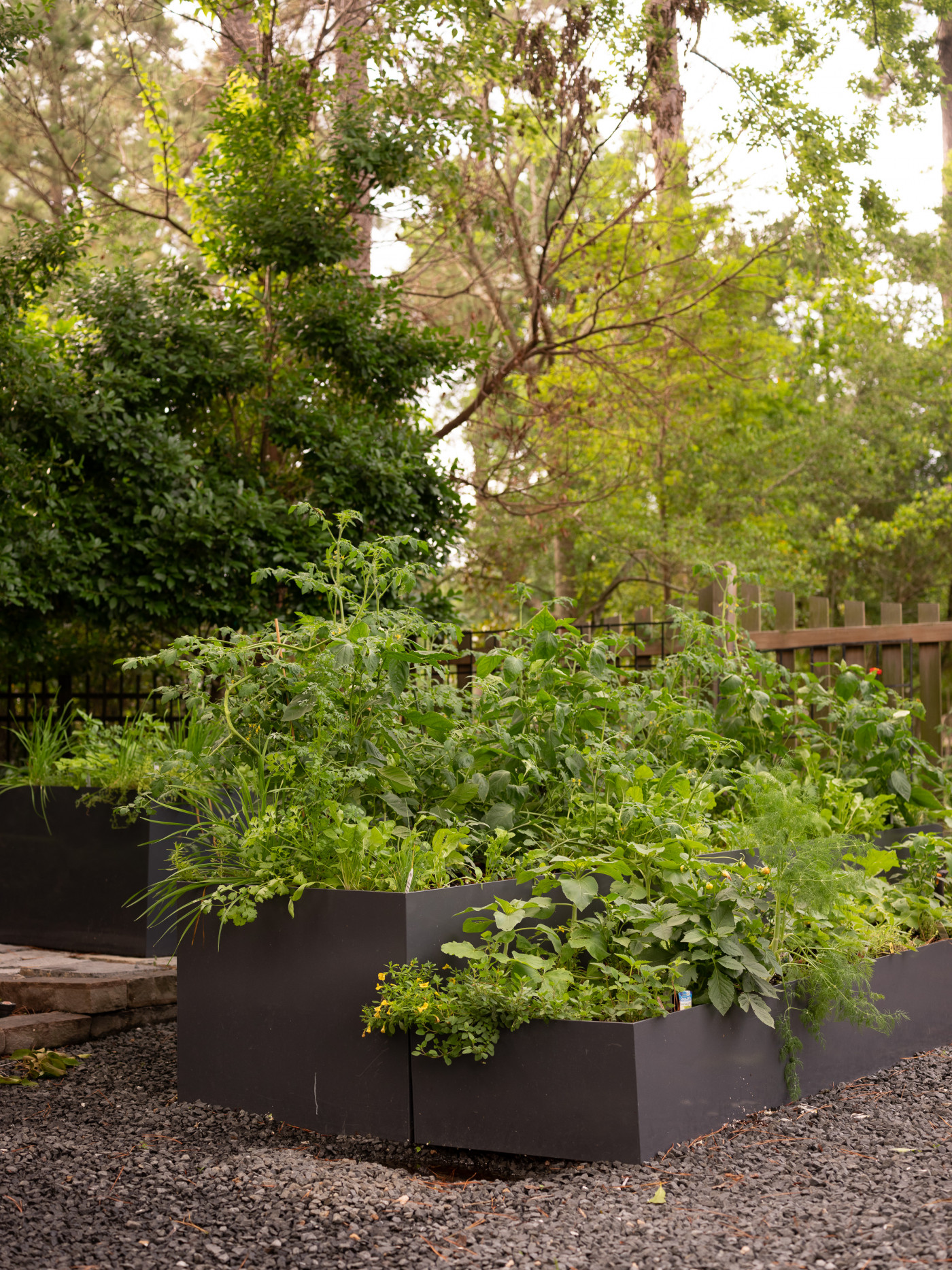
Height affects how much you bend, kneel, or strain while gardening. A bed that is comfortable to work in is far more likely to stay planted and maintained.
Here is how common heights typically function:
- More bending, lowest cost: 10 to 12 inches
- Comfortable for most gardeners with less bending or sitting: 12 to 18 inches
- Best accessibility and easiest on the body, higher cost: 24 inches or more
Taller raised beds reduce the need to bend, kneel, or squat, making gardening more comfortable and accessible for seniors or anyone with limited mobility, joint pain, or balance concerns. Also, aesthetically, I tend to prefer the look of taller beds. It's just a preference, but it's a little more eye-catching, like my garden gets to be the showpiece of the backyard!

Can You Put a Raised Bed on Concrete or Other Hard Surfaces?
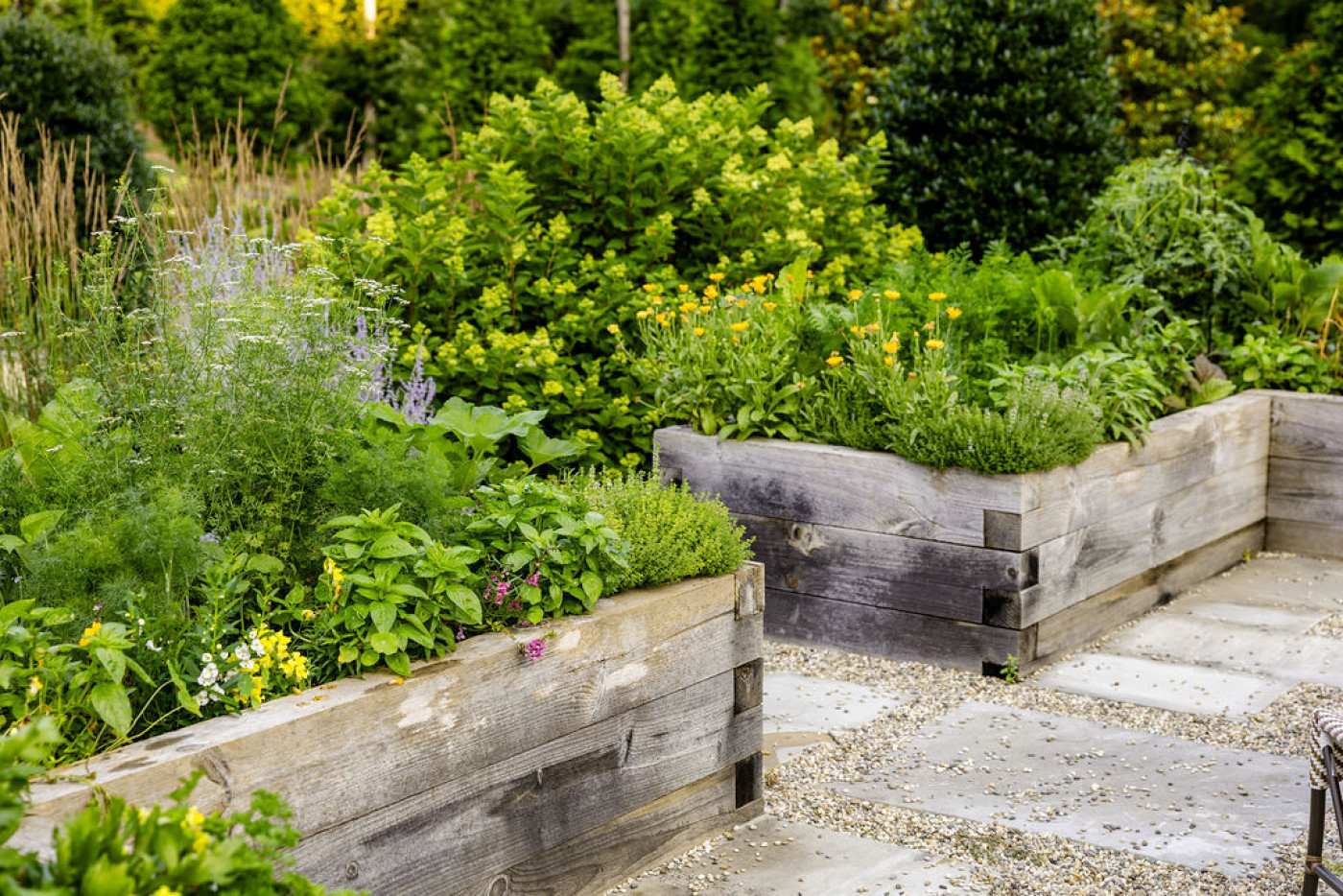
Yes, you can absolutely put a raised bed on concrete, but it needs to be designed a little differently than a bed placed directly on soil.
When a raised bed sits on concrete, there is no natural drainage into the ground below. Because of that, drainage becomes the most important design factor. I make sure the bed is deep enough to support healthy roots and filled with a compost-rich soil that drains well while still holding moisture.
Concrete also heats up faster than soil, especially during warm weather. That heat can transfer into the bed and stress plant roots. I rely on compost as my mulch to help regulate soil temperature and retain moisture, which protects plants during hot periods.
I think of raised beds on concrete as fully contained ecosystems. Since plants cannot access nutrients or beneficial organisms from the ground below, consistent compost additions and regular observation are essential. With thoughtful design and daily attention, raised beds on concrete can be just as productive as beds placed on soil.

How Deep Do Raised Beds Need to be on Natural Soil Versus Concrete?
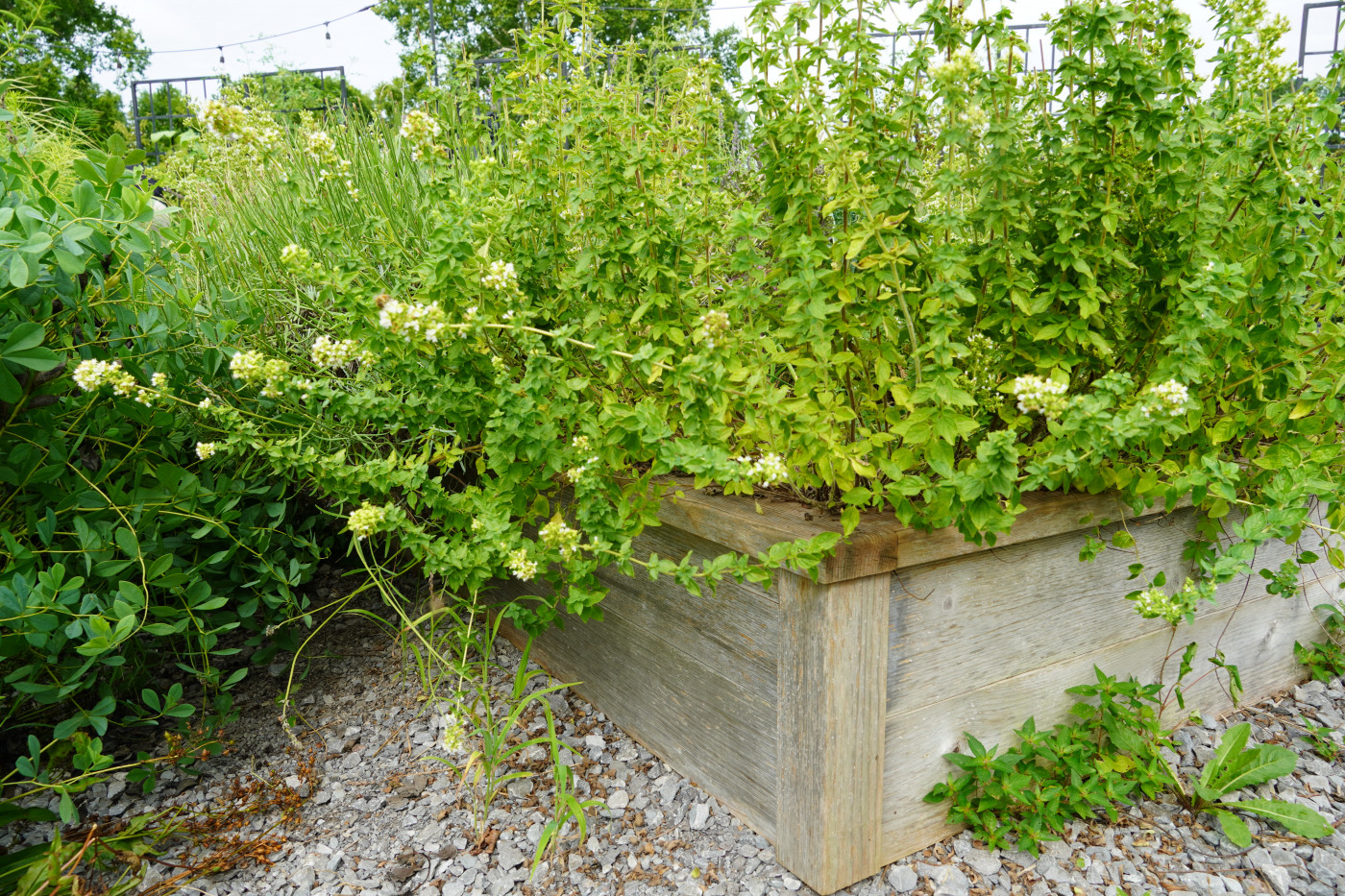
If your raised bed is placed directly on soil, roots can grow downward and into the native ground directly. In this case, a bed that is 10 to 12 inches deep can still grow healthy crops, especially leafy greens and herbs.
If your raised bed sits on concrete, stone, a deck, or if it has an enclosed bottom, then depth becomes much more important. Roots are confined entirely to the soil inside the bed, so I recommend at least 18 inches of soil depth at a minimum whenever possible.
Beds on hard surfaces behave more like large containers. They dry out faster, heat up more quickly, and rely completely on the soil you provide. Extra depth helps stabilize moisture and temperature.
Organic tip from experience: raised beds on concrete benefit greatly from compost content. It helps with water retention and gives vital nutrients to your plants.
So, in short...
- On natural soil, 10 to 12 inches is usually enough
- On concrete or hard surfaces, aim for at least 18 inches
- Beds on concrete dry out and heat up faster
- Compost-rich soil is especially important on concrete

Do Raised Beds Need Drainage?
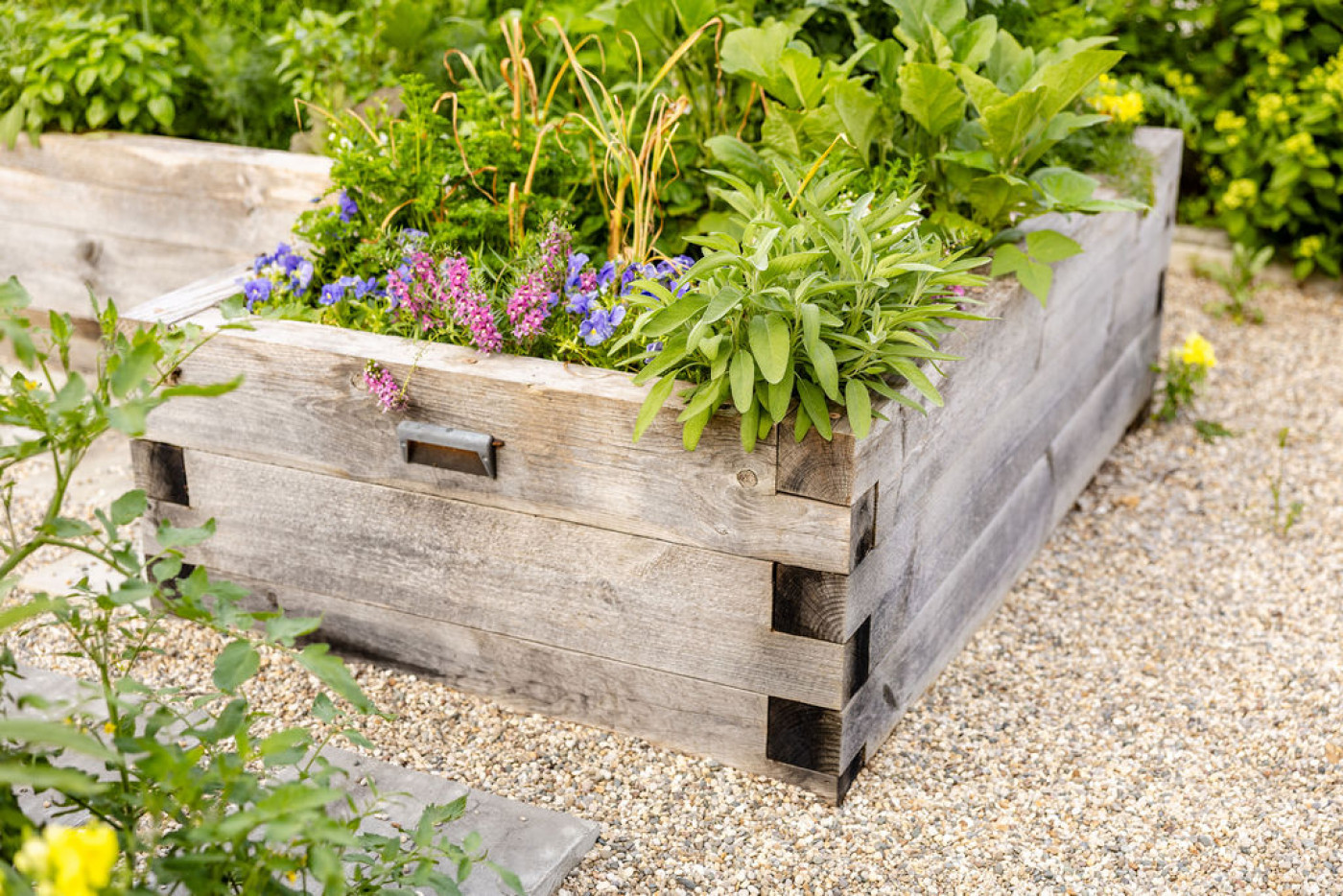
Yes, raised beds do need drainage, but how that drainage works depends on where the bed is placed. The goal is always the same: excess water needs a way to move out so roots stay healthy and active.
Drainage matters because plant roots need both water and oxygen. When water cannot drain away, soil stays saturated, oxygen levels drop, and roots begin to struggle. Without oxygen, roots cannot absorb nutrients properly, growth slows, and plants become more vulnerable to disease and stress.
When a raised bed is placed directly on natural soil, drainage usually happens on its own. Water can move down through the bed and into the ground below, especially when the soil is rich in compost. In this case, I do not add any artificial drainage layers. Healthy soil structure does the work for me.
Proper drainage becomes more important when a raised bed sits on concrete, stone, a deck, or has an enclosed bottom. Water cannot move downward into the ground, so the bed must be designed to let excess water escape. Without drainage openings, soil can stay overly wet, which stresses roots and slows plant growth.
I rely on compost to help manage drainage in these situations. Compost improves soil structure, allowing water to move evenly through the bed instead of pooling. I also avoid adding gravel or rocks at the bottom of raised beds, since they can actually trap water rather than help it drain.
From experience, most drainage issues are not caused by too much water but by poor soil structure. When soil is alive, well-aerated, and regularly refreshed with compost, raised beds tend to drain well and support healthy plants.
To increase drainage, I focus first on improving soil structure rather than changing the bed itself. Adding finished compost regularly helps create air pockets in the soil, allowing water to move through more evenly. I also avoid compacting the soil by stepping or pressing down inside the bed, since compacted soil slows drainage and stresses roots. When needed, I slightly adjust watering habits, watering more deeply but less often, so roots grow down, and soil structure improves naturally over time.

Do Raised Beds Need to Be Level?
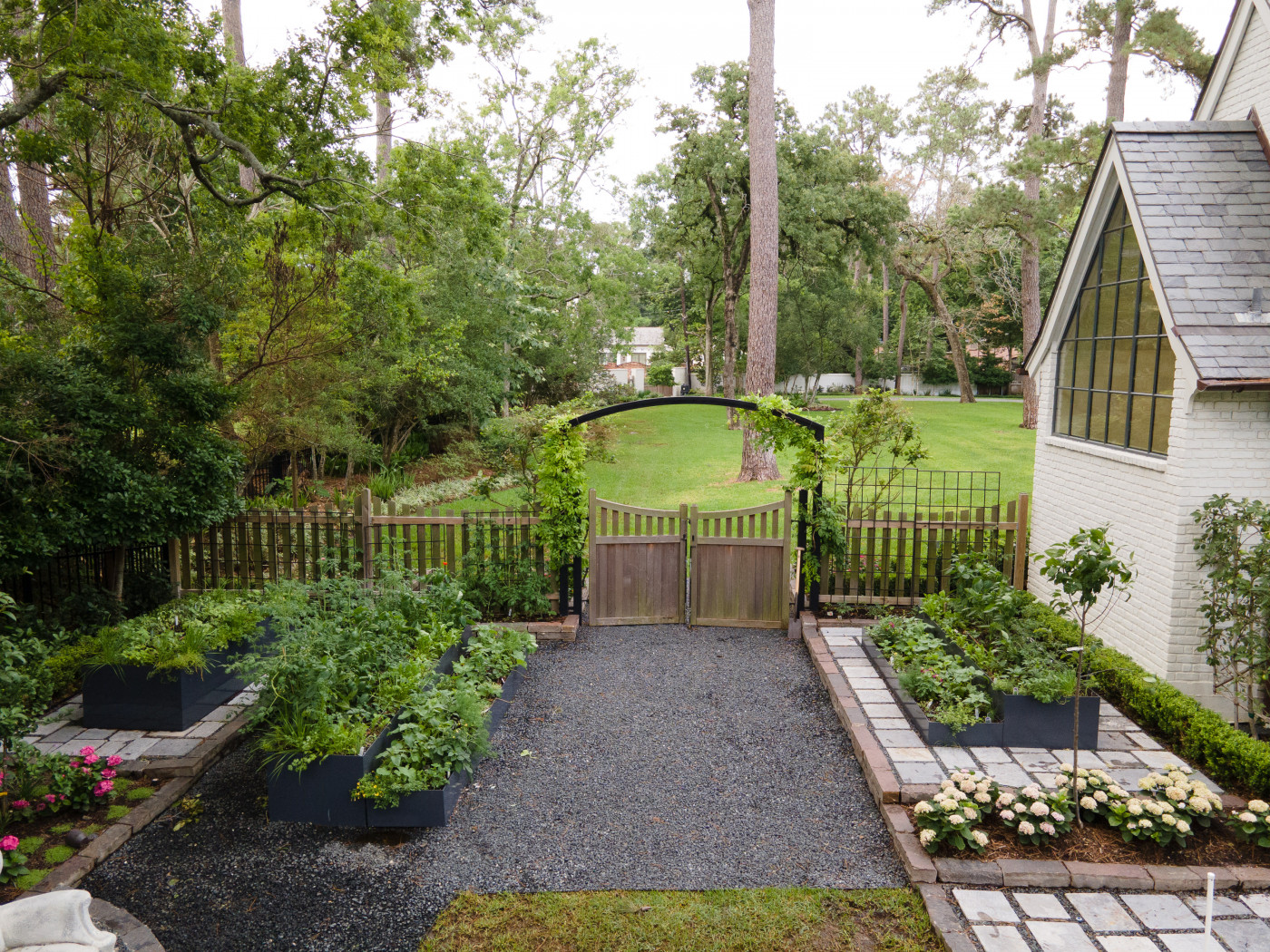
Raised beds do not need to be perfectly level, but they do need to be mostly level to function well. When a bed is significantly sloped, water tends to run to one side instead of soaking in evenly. This can leave plants on the higher end dry and plants on the lower end overly wet.
In my experience, taking the time to level the ground before installing a raised bed leads to more consistent watering, healthier root development, and it generally just looks better! A slight slope can usually be corrected by adjusting soil depth within the bed, but major slopes are best addressed before the bed is built. A mostly level bed makes everything easier, from watering and nutrient distribution to long-term maintenance and aesthetics.

How Much Raised Bed Soil Do I Need?
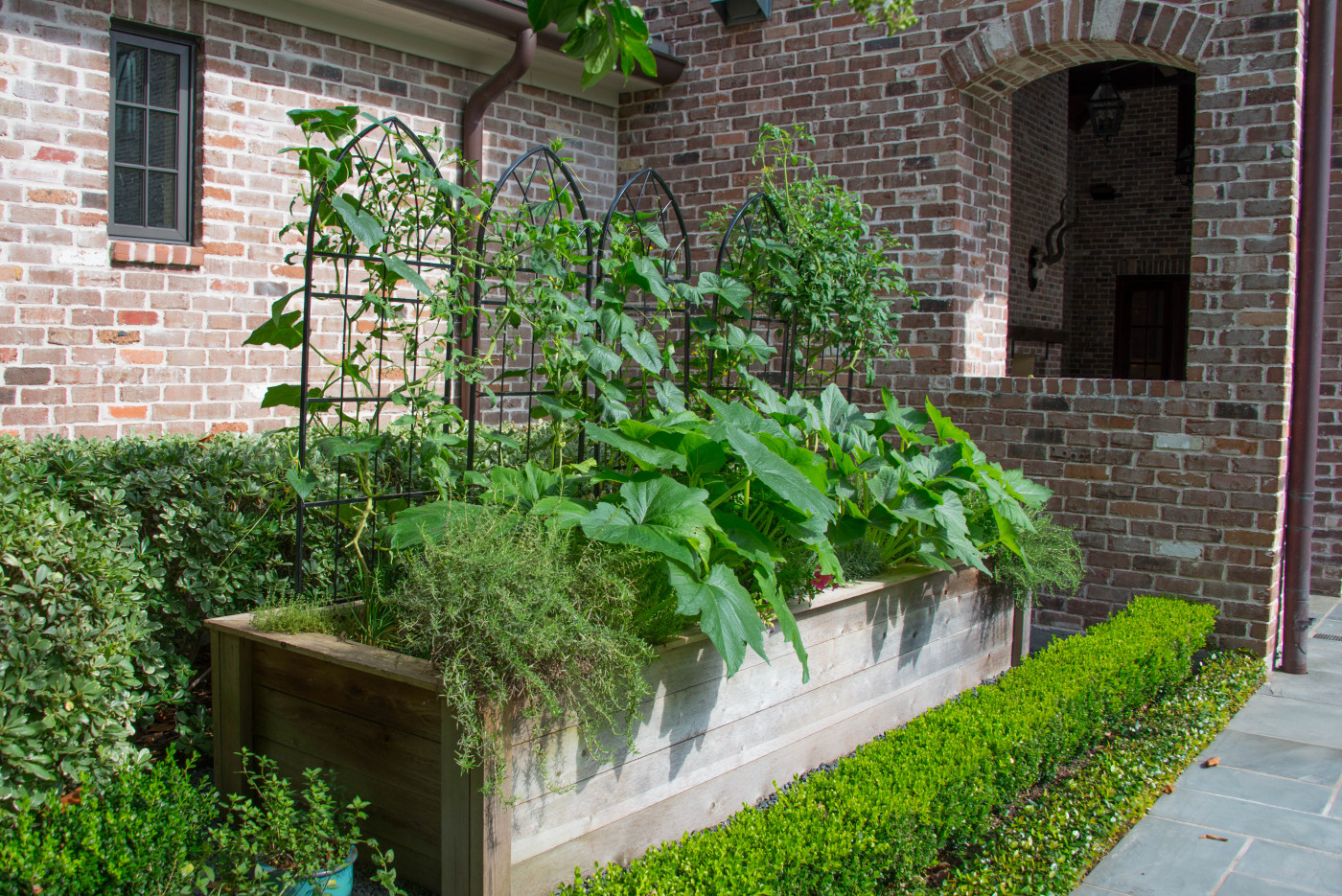
To find out how much soil you need, start by measuring the length, width, and height of your raised bed in feet. Multiply those numbers together to get the total cubic feet of soil required.
For example, if I am building a raised bed that is 4 feet long, 8 feet wide, and 1 foot deep, the calculation looks like this:
Length × Width × Height
4 × 8 × 1 = 32 cubic feet of soil
Since soil is often sold by the cubic yard, I convert cubic feet into cubic yards. One cubic yard equals 27 cubic feet, so I divide:
32 cubic feet ÷ 27 = a little over 1 cubic yard of soil
The basic equations I use are:
- Length × Width × Height = cubic feet of soil
- Cubic feet ÷ 27 = cubic yards of soil
I always round up slightly when buying soil. Soil settles over time as air pockets collapse, especially after watering. Using high-quality compost as a key part of the soil mix helps maintain structure, nutrients, and long-term soil health as the bed settles.
Frequently Asked Questions
Can I put a raised bed on concrete?
Yes, you can place a raised bed directly on concrete. Because roots can't access the ground below, use at least 18 inches of soil depth and fill it with a compost-rich mix that drains well. Concrete heats up faster than soil, so regular compost additions help regulate temperature and retain moisture.
Do raised beds need drainage holes?
Raised beds placed on natural soil drain on their own because they typically don't have bottoms — no drainage holes are needed. If your bed sits on concrete, a deck, or has an enclosed bottom, drainage becomes critical. Skip the gravel layer at the bottom (it actually traps water) and focus on building a healthy, compost-rich soil that allows water to move through evenly.
Does a raised bed need to be perfectly level?
No, but it should be very close or mostly level. Ideally, yes. A significant slope causes water to pool on one side and leave the other side dry, which creates uneven growth and makes watering harder to manage. A slight slope can usually be corrected by adjusting soil depth inside the bed.
What is the best height for a raised bed?
The best height depends on how much bending you're comfortable with. Beds at 10 to 12 inches require more bending; 12 to 18 inches is comfortable for most gardeners; and 24 inches or taller is ideal for seniors or anyone with joint or mobility concerns. Taller beds also tend to look more polished in the garden.
Where can I buy a raised bed that will last for years?
Gardenary's cedar raised bed kits are made from untreated kiln-dried cedar and are built to last. They come in several sizes and ship ready to assemble. You can browse the full collection in our shop.
Cedar Raised Bed Kits
These premium raised bed kits arrive ready to assemble and are handmade in the USA using high-quality, untreated cedar. Whether you're creating your first garden or expanding an existing space, these beds give you the structure, durability, and classic Gardenary look—without the overwhelm.
With These Answers, You’re Ready to Grow
Designing raised beds doesn't have to feel complicated, but it does benefit from a little intention upfront. When I focus on depth, drainage, height, and placement before planting, I spend far less time troubleshooting later in the season. Good raised bed garden design supports healthy soil, resilient plants, and a garden that feels easier to care for year after year. If there is one thing I have learned, it is that raised beds work best when we design them to support how water, nutrients, and roots naturally move through soil. Start with the basics, observe how your garden responds, and let each season teach you how to make small improvements that lead to long-term success.
Click the image below to save this article for later!