
At a Glance
- Raised bed gardens are the best fit for senior gardeners because they eliminate bending, reduce weeding, and can be designed at the perfect height for sitting or standing work.
- In-ground gardens ask too much of aging bodies — the kneeling, the stooping, the constant weed management — and often lead to pain and frustration that takes the joy right out of gardening.
- A well-built cedar raised bed is a gift that keeps giving for years, and once it's set up and filled, a senior can tend it almost entirely on their own.
Gardening Is Really, Really Good for Seniors
The research backs up what most gardeners already know instinctively — time in the garden is good for you. For seniors, especially, the benefits go well beyond fresh tomatoes.
- Reduces stress and anxiety — time spent tending plants has been shown to lower cortisol levels and calm the nervous system
- Improves mood and reduces depression — the combination of sunlight, movement, and purpose is a powerful antidepressant
- Keeps the mind sharp — planning a garden, remembering what to plant and when, and problem-solving through the season all support cognitive function
- Encourages gentle daily movement — light physical activity like planting, watering, and harvesting supports joint health, flexibility, and strength without overexertion
- Provides a sense of purpose and accomplishment — tending something living and watching it grow is deeply satisfying at any age
- Gets seniors outside and into natural light — sunlight supports vitamin D production and helps regulate sleep
- Creates connection — a garden gives seniors something to share with family, neighbors, and friends, reducing isolation
The Best Garden for Seniors Isn't on the Ground
If there's one thing I've learned from building gardens for hundreds of families, it's that the right garden setup changes everything. And for senior gardeners specifically, the setup matters more than just about anything else.
The wrong garden — too low, too hard to reach, too weedy, too physically demanding — will sit abandoned by July. The right one becomes a daily ritual, a source of pride, a reason to get outside every single morning. I've seen it happen over and over again. And I've seen it happen in my own family's backyard.

I Gave My Senior Parents the Gift of a Garden (A Surprise!)
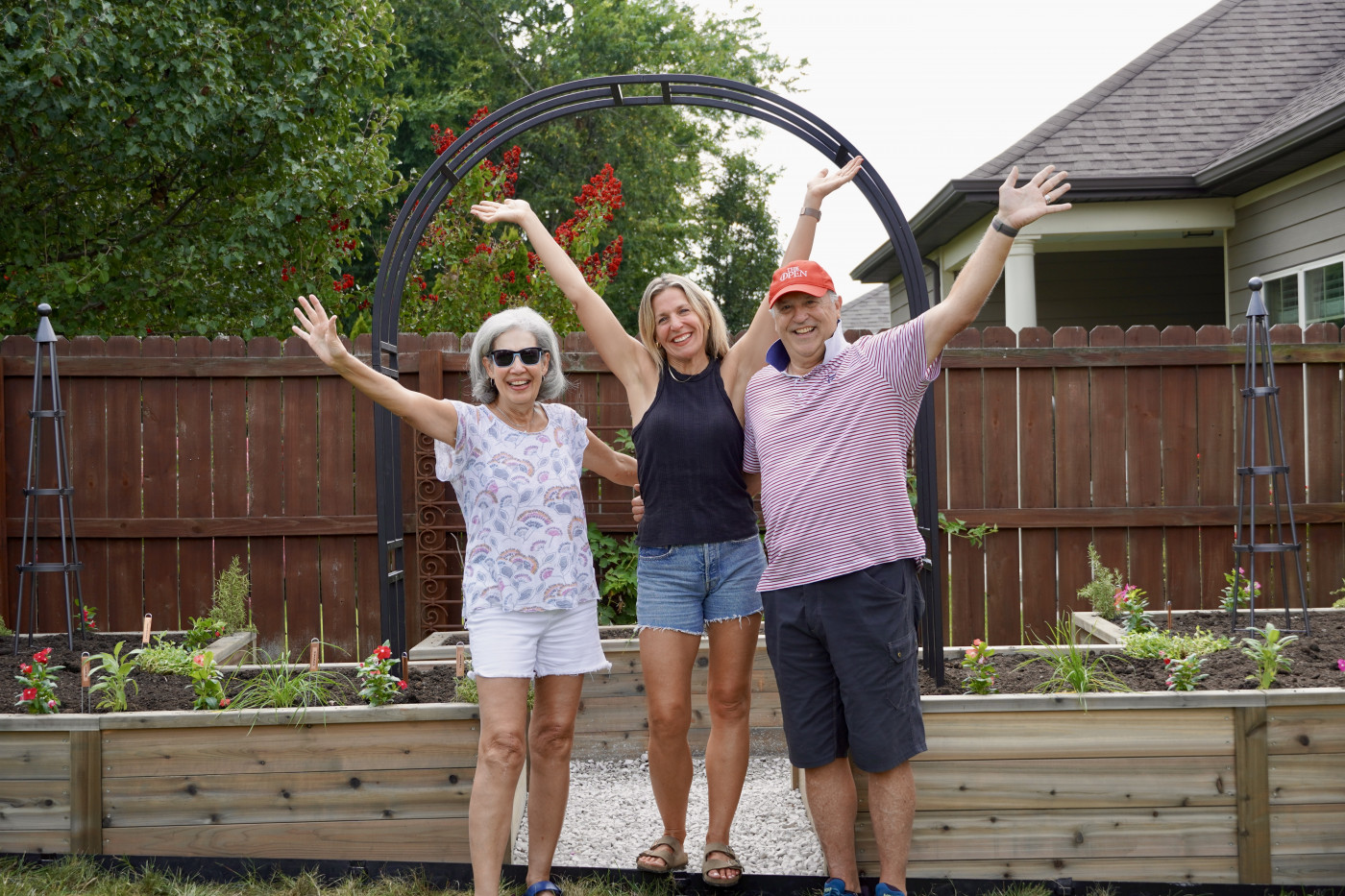
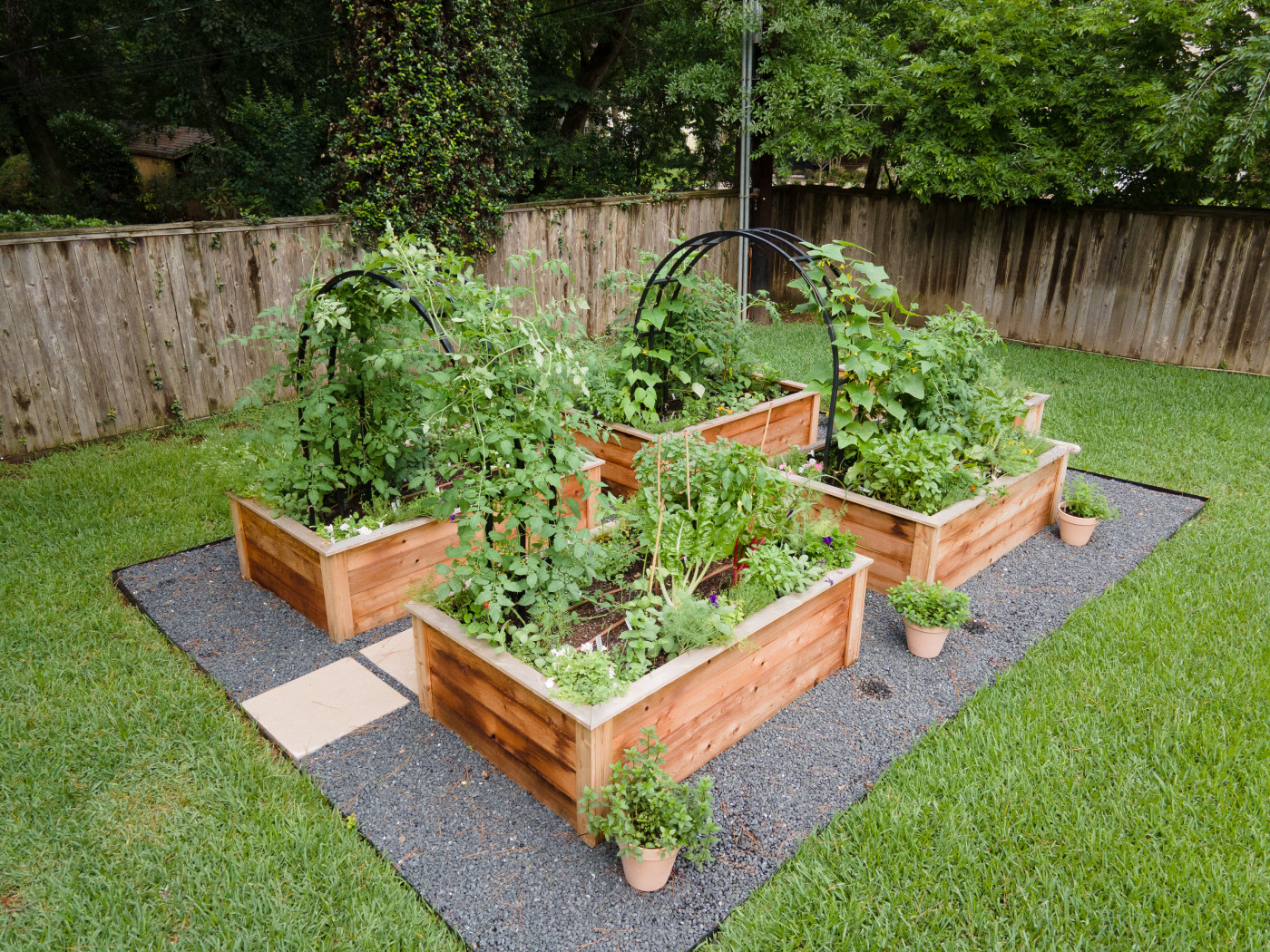
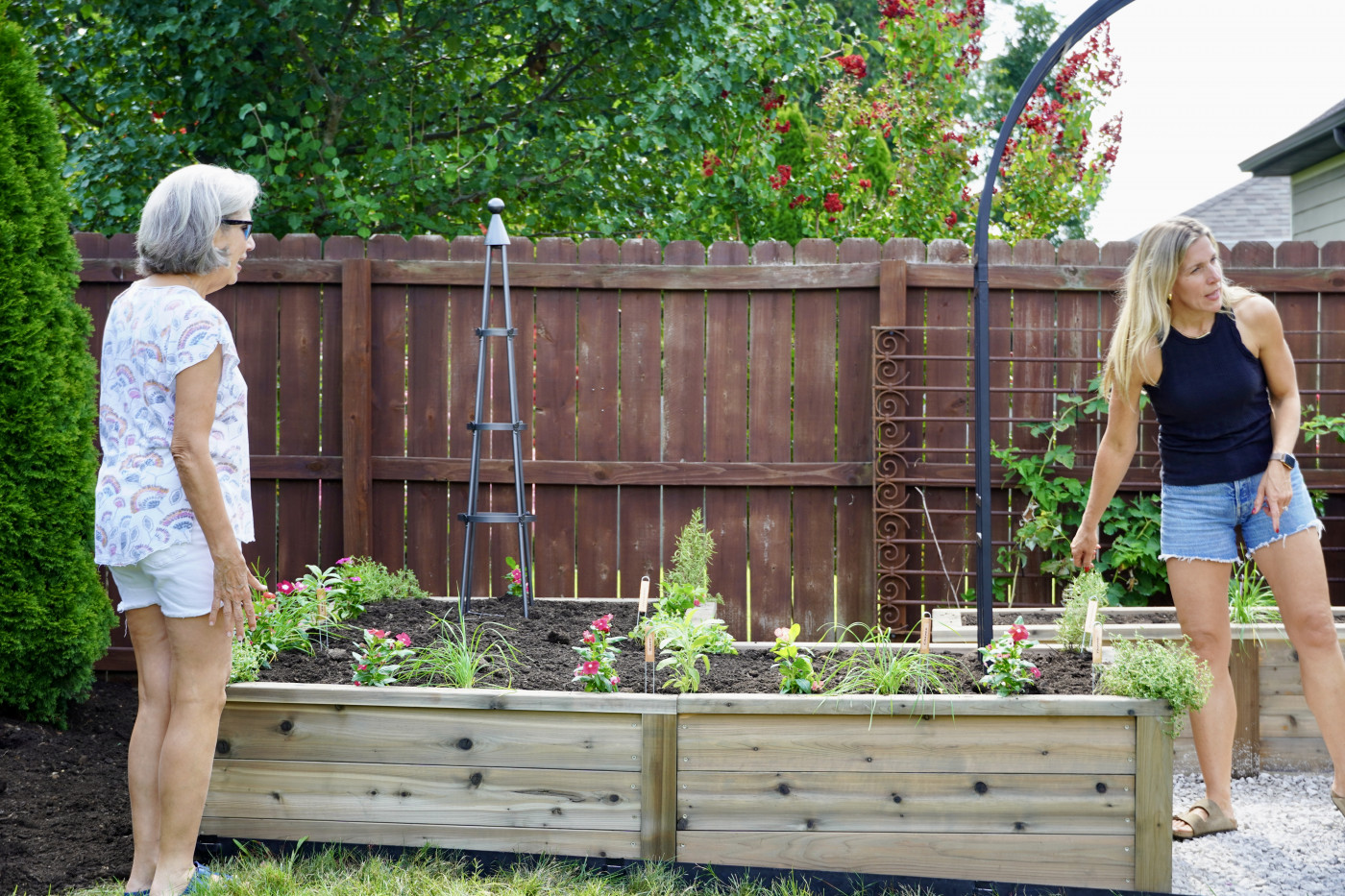
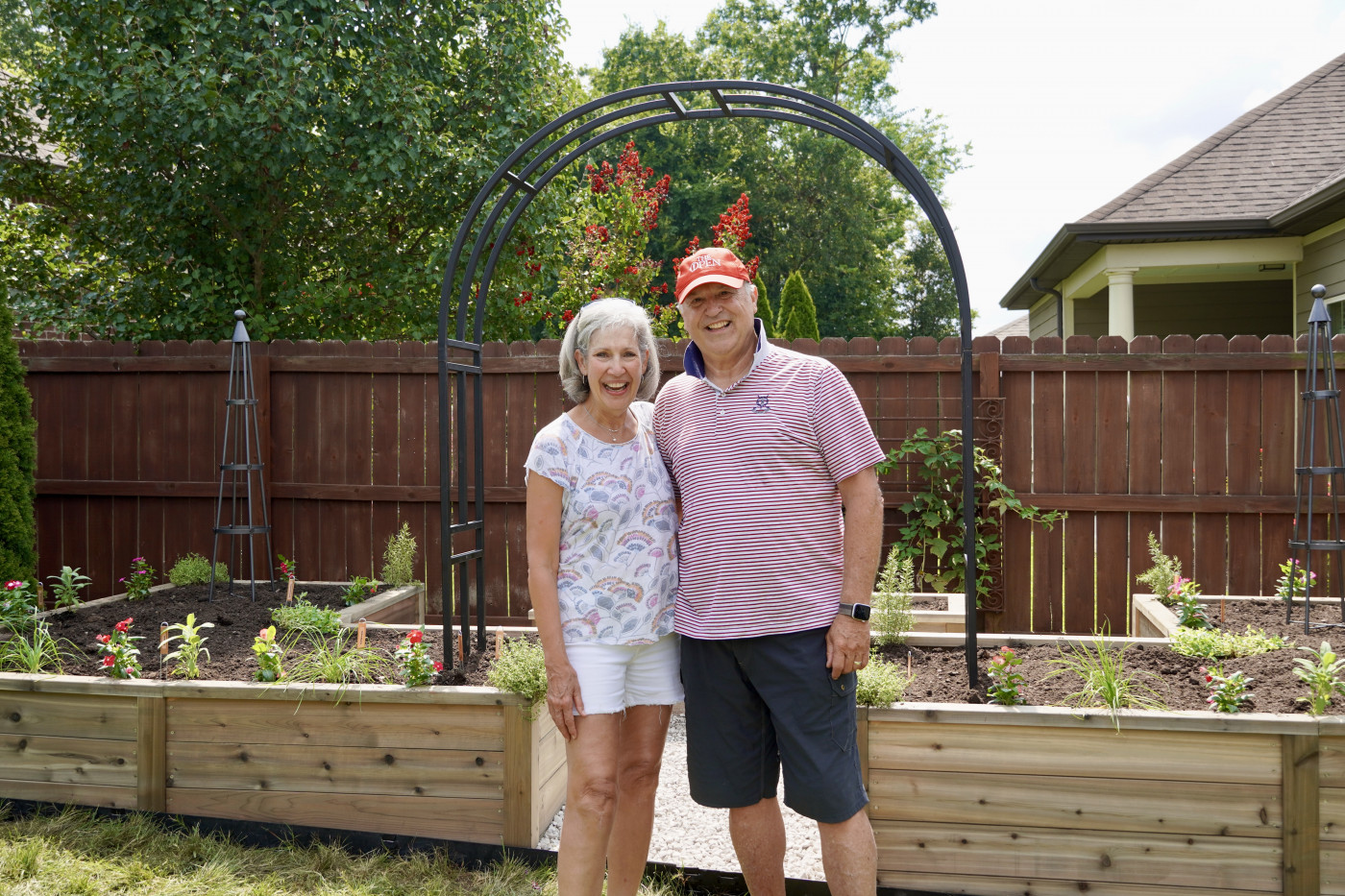
A few years ago, I decided to build a raised bed kitchen garden for my parents. I knew what it could give them — fresh food, time outdoors, something to tend and watch grow — but I also knew I needed to set it up in a way that would actually work for their bodies and their lifestyle.
I planned it carefully. I chose the right location, the right beds, the right soil. My husband and I did the heavy lifting — literally — because filling raised beds with quality soil is not a one-person job, and it's certainly not something I was going to ask my parents to do.
When it was ready, I walked my parents outside and asked them to close their eyes. My mom grabbed my dad's hand. I led them across the yard and told them to open their eyes.
My mom cried. My dad stood there quietly for a moment and then said, "We're really going to grow things in here, aren't we?"
They do. Every single day. That garden has become one of their favorite parts of life, and it's one of my favorite things I've ever built for someone I love. If you have a parent, grandparent, or senior in your life who loves to garden or always wished they could, this is the gift I'd give them without hesitation.
Why In-Ground Gardens Don't Work for Most Senior Gardeners
Before we talk about what does work, let's be honest about what doesn't. In-ground gardening — the traditional kind, where you're working directly in the earth — asks a lot of the body. For younger gardeners, those demands are manageable. For seniors, they're often the reason gardening gets abandoned altogether.
Here's what in-ground gardening requires that most seniors simply shouldn't have to do:
- Kneeling and getting back up — hard on knees, hips, and lower back, and genuinely risky for anyone with balance concerns
- Deep bending and stooping — one of the fastest ways to aggravate a back injury or cause a new one
- Constant weeding — ground-level gardens are in direct competition with every weed in the surrounding soil; it's an endless, backbreaking battle
- Navigating uneven terrain — crouching down, shifting weight, working from awkward angles
- Soil amendment and tilling — working compost and amendments into native soil requires real physical effort, season after season
- Pest and disease pressure — in-ground gardens deal with more soil-borne disease and pest activity than contained raised beds
None of this is insurmountable for an active, able-bodied gardener. But for a senior who wants to enjoy gardening rather than suffer through it, in-ground growing is simply not the right fit.

What Makes a Garden the Right Fit for a Senior
A garden designed for a senior gardener looks and works differently from a standard backyard plot. Here are the features that matter most:
Height
This is the single most important factor. A garden bed that sits at the right height eliminates bending almost entirely and lets a senior gardener work comfortably from a standing position or while seated. Look for beds that are at least 24 inches tall — high enough to reach into without stooping, and tall enough to keep the work accessible regardless of mobility level.
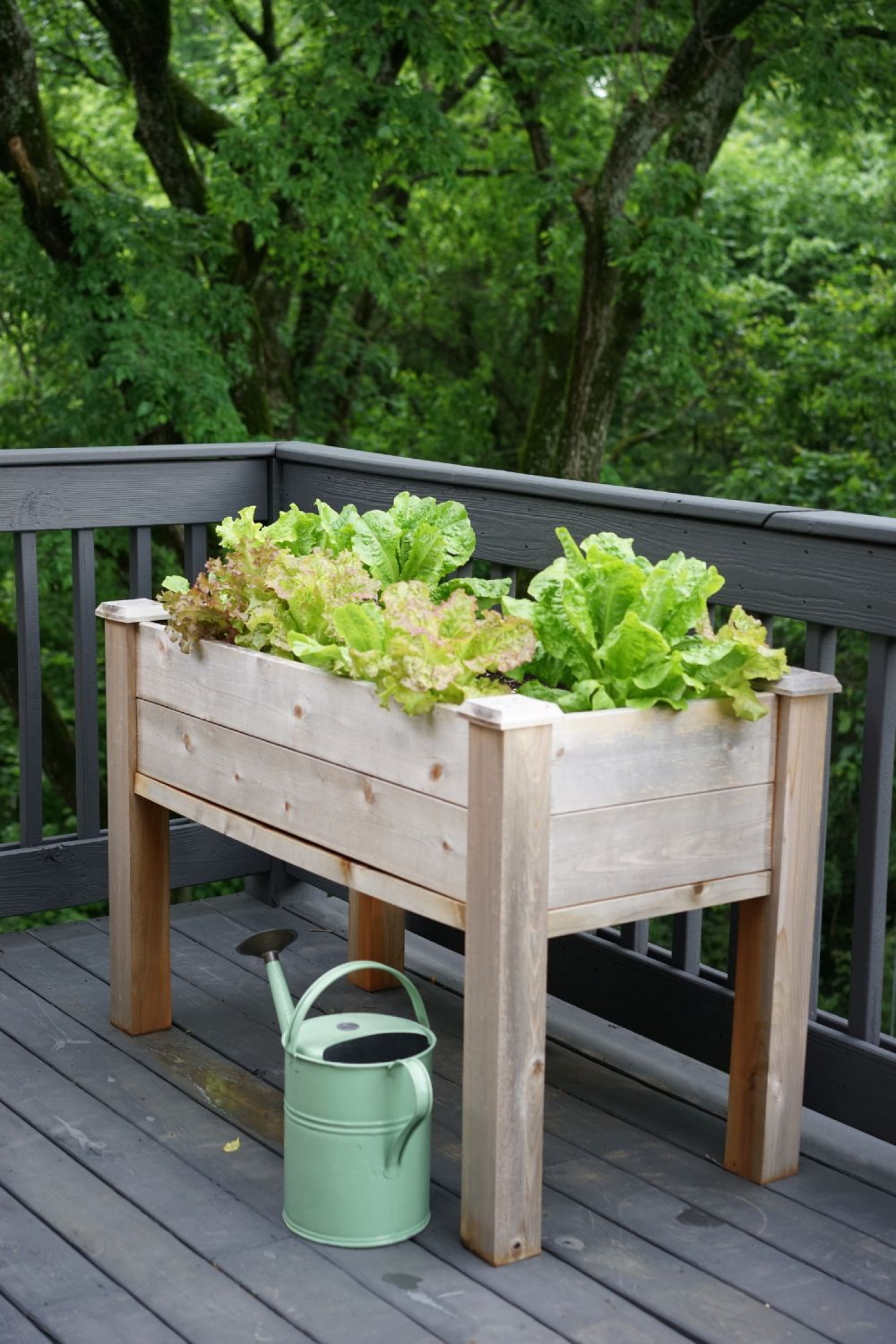
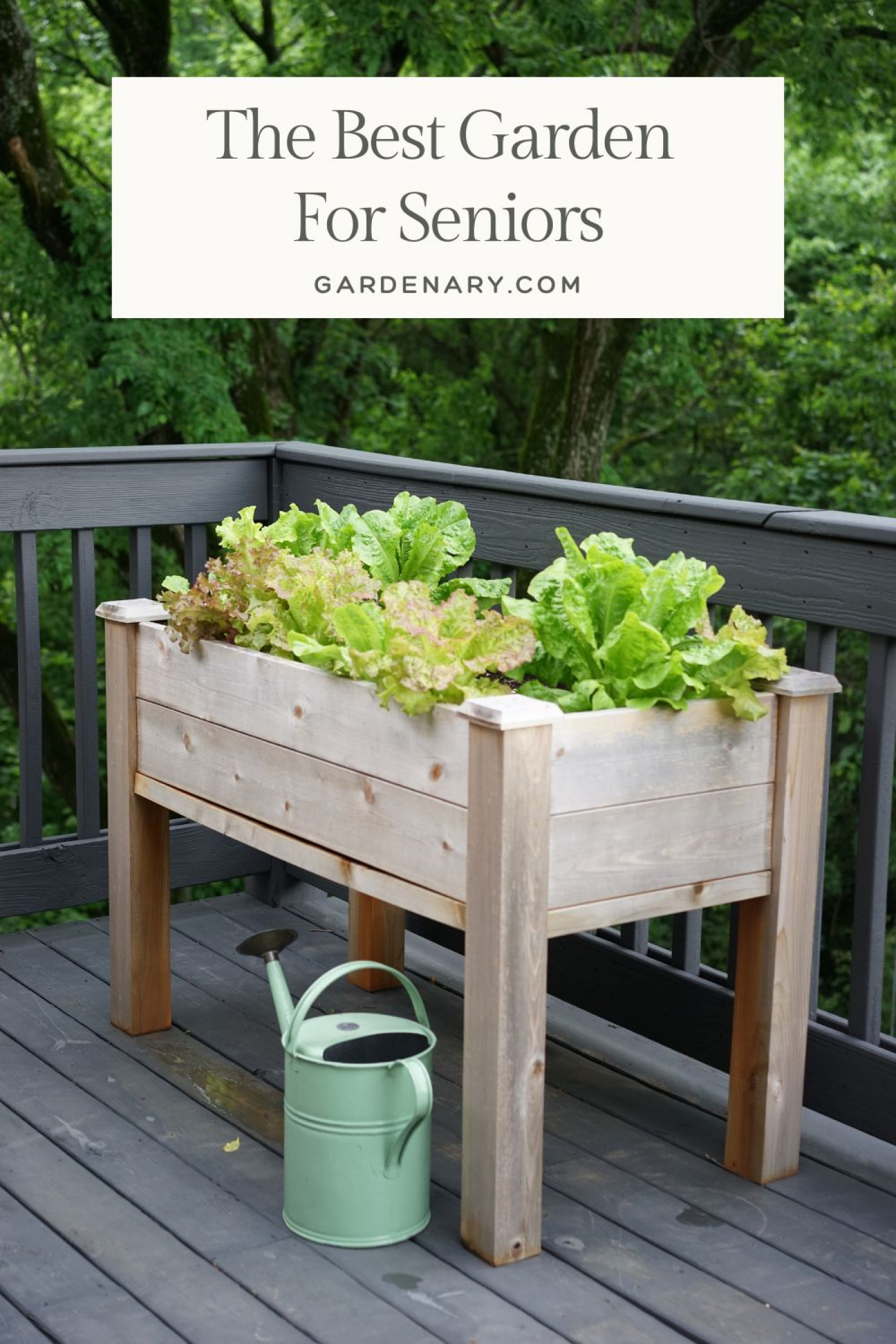
- We offer standing planters that make gardening easy and accessible for seniors to use without bending or straining.
- These cedar raised beds with strong top trim can be used to sit on the edge while gardening - just make sure to get ones that are 24 inches in height.
Sturdy, Sittable Edges
A raised bed with a wide, solid top rail does double duty. It provides structural stability for the bed itself, and it gives the gardener a place to sit comfortably while they work. Being able to sit on the edge of the bed, reach in, plant, weed, and harvest — all without standing — is a genuine game-changer for seniors with hip, knee, or back concerns.
Quality Materials That Last
A senior gardener doesn't want to rebuild their garden in three years. Cedar raised beds are the gold standard for raised bed construction — naturally rot-resistant, beautiful, and built to last for a decade or more with minimal maintenance. It's the kind of material you invest in once and enjoy for years.
Manageable Size
Bigger isn't always better for senior gardeners. A bed that's too wide makes it impossible to reach the center without overextending. The standard 4-foot width is a good maximum for most gardeners — reachable from either side without strain.
Easy-Care Soil
Good raised bed soil — a well-amended mix of compost, topsoil, and a draining component — requires far less ongoing effort than native ground soil. It stays loose and workable, drains properly, and doesn't compact the way in-ground soil does. Once it's established, maintaining it from season to season is straightforward and low-effort.
Shop Our Cedar Raised Beds
Gardenary's new line of quality cedar garden beds are easy to assemble and will provide years of gardening enjoyment. Choose from numerous different garden sizes to fit your space.
The Best Gardenary Raised Beds for Senior Gardeners
Gardenary's cedar raised beds are designed with exactly this kind of longevity and usability in mind. Here are the specific options that work best for senior gardeners:
Tall Cedar Raised Beds — 24 Inches High
At two feet tall, these beds bring the garden up to a comfortable working height that eliminates stooping for most adults. The wide cedar top rail is sturdy enough to sit on comfortably, making it possible to garden from a seated position right on the edge of the bed. For seniors who want to work while standing or perch while planting, this is the ideal height.
Browse tall raised beds at shop.gardenary.com
Elevated Cedar Planters — Standing Height
For seniors who prefer to work entirely from a standing position without bending at all, Gardenary's elevated cedar planters bring the garden up to counter height. These are especially wonderful for seniors with significant back concerns or those who use mobility aids. You stand, you garden, you walk away. No bending required at any point.
Browse elevated planters at shop.gardenary.com
Why Cedar
All Gardenary raised beds are built from naturally rot-resistant cedar that holds up through years of weather, watering, and seasonal change without deteriorating. There are no chemical treatments, no need to seal or refinish, and no rebuilding every few years. For a senior gardener who wants to plant in the same bed for the next decade, cedar is the right material.
The One Part That Needs Help: Setup
Here's something I want to be upfront about, because I think it's important to set expectations honestly.
Setting up a raised bed garden — assembling the beds, positioning them, and especially filling raised beds with soil — is physically demanding work. A single raised bed can require several hundred pounds of soil to fill properly. That is not a job for a senior to take on alone, and I would never suggest otherwise.
This is exactly what I did for my parents. I handled the setup completely. The assembly, the soil, the heavy lifting — all of it. My parents' only job was to show up, close their eyes, and be surprised.
Once the garden is set up and filled, the ongoing work is light, manageable, and genuinely enjoyable. Planting, watering, and harvesting — none of that asks anything of the body that most seniors can't comfortably do. The setup is a one-time investment of effort. The enjoyment lasts for years.
If you're giving a raised bed garden as a gift to a senior, plan to be part of the setup. Build it for them, fill it for them, and hand them a garden that's ready to grow. That's the gift.

A Raised Bed Garden Is One of the Best Gifts You Can Give a Senior
I mean this genuinely, not just as someone who sells garden products but as someone who has watched what a well-designed garden does for an older person's daily life.
It gets them outside. It gives them something to tend, something to anticipate, something to harvest and share. It connects them to the seasons and to the quiet satisfaction of growing their own food. And because a properly designed raised bed asks so little of the body, it can remain a source of joy even as mobility changes over time.
My parents garden every day. They send me photos. They call to tell me what came up this week. That garden gave them something I couldn't have given them any other way.
If there's a senior in your life who would love that, do what I did. Choose the right beds. Do the setup for them. Hand them something ready to grow.
They will remember it forever.

Join the 2026 Gardening Workshop

Frequently Asked Questions About Gardens for Seniors
What is the best type of garden for seniors? Raised bed gardens are the best option for most senior gardeners. They eliminate bending and kneeling, reduce weed pressure significantly, and can be designed at a height that allows comfortable standing or seated work. Cedar raised beds at 24 inches or taller are particularly well-suited for seniors with back, hip, or knee concerns.
How tall should a raised bed be for a senior gardener? At minimum, 24 inches tall. This height brings the soil surface up to a level where most adults can reach in comfortably without bending deeply. For seniors who want to garden entirely from a standing position without any bending, elevated planters at counter height are an even better option.
Can seniors set up a raised bed garden on their own? The ongoing gardening — planting, watering, harvesting, tending — is very manageable for most seniors. However, the initial setup, particularly filling the beds with soil, involves significant physical labor and should be done with help. Soil is heavy, and filling a raised bed properly is a job best handled by family members, a garden professional, or a hired helper. Once the setup is complete, the garden is largely self-managing from season to season.
What should I plant in a senior's raised bed garden? Easy, low-maintenance crops are the best starting point. Herbs like basil, parsley, chives, and rosemary are productive and require very little effort. Leafy greens like lettuce, spinach, and kale grow quickly and can be harvested repeatedly. Cherry tomatoes, cucumbers on a trellis, and beans are excellent fruiting options that produce abundantly with minimal fuss.
Is a raised bed garden a good gift for an elderly person? It's one of the most thoughtful and lasting gifts you can give an older person who loves gardens or has always wanted to grow their own food. The key is to give the complete gift — not just the bed, but the setup, the soil, and a garden that's ready to grow from day one. That way the recipient gets all of the joy with none of the heavy lifting.
What are the benefits of gardening for seniors? Gardening offers significant benefits for older adults across multiple dimensions. Physically, it provides light movement, fresh air, and gentle activity that supports mobility and fine motor skills. Mentally, it reduces stress, provides a sense of purpose, and has been linked to reduced symptoms of depression and anxiety. Socially, a garden gives seniors something to share — harvests, stories, photos — and something to connect over with family and friends. For many seniors, their garden becomes one of the most meaningful parts of their daily routine.
Click the image below to save this article for later!

Sources
"Health Benefits of Gardening for Seniors" — https://www.ncbi.nlm.nih.gov/pmc/articles/PMC6334070