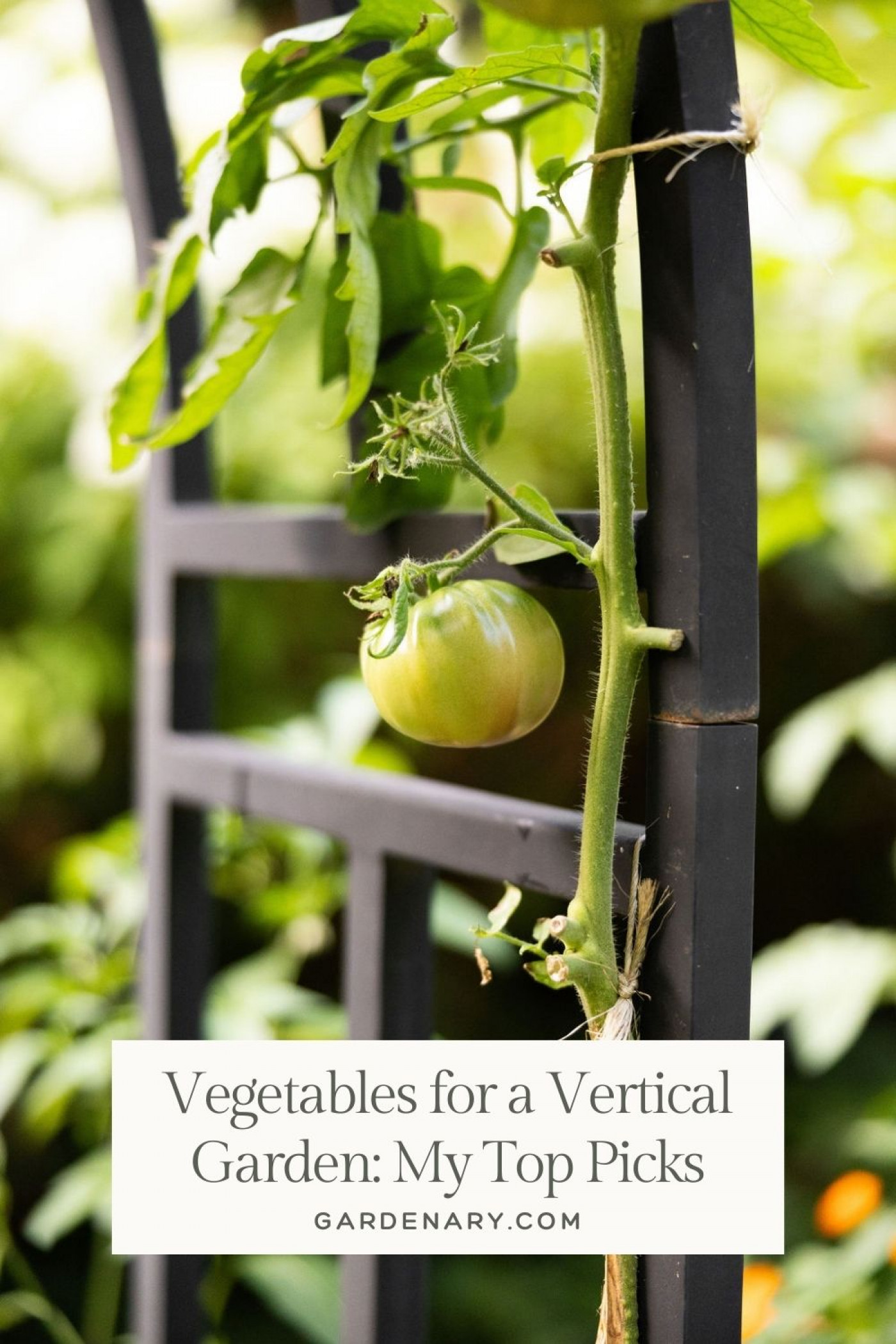
At a Glance
- The best vegetables for vertical garden growing and why they thrive on trellises
- My personal top picks for maximizing harvests in raised bed gardens
- Tips on what type of trellis to use for each vegetable
Upward Not Outward
Vertical gardening is one of the most effective ways to grow more food in the same amount of space. Instead of letting plants sprawl across the soil, trellises allow them to grow upward, where airflow is better, pests are easier to spot, and harvesting is simpler.
I like to compare it to a skyscraper where people live versus a sprawling neighborhood. You can fit more people into less space with a tall tower. It's the same concept as vertical gardening. We want to use upward space instead of outward.
Over the years, I've tested many crops vertically in raised beds, and these are the vegetables that consistently perform best when paired with the right trellis.

Join Thousands of Gardeners On the VIP List
Free perks, just for email subscribers:
- 15% Off Your First Order
- Gardening Videos & Articles
- Early Access to Sales
Sign up, check your inbox, then shop with your code.
CLAIM YOUR 15% OFF BELOW
Vegetables for a Vertical Garden That Maximize Space

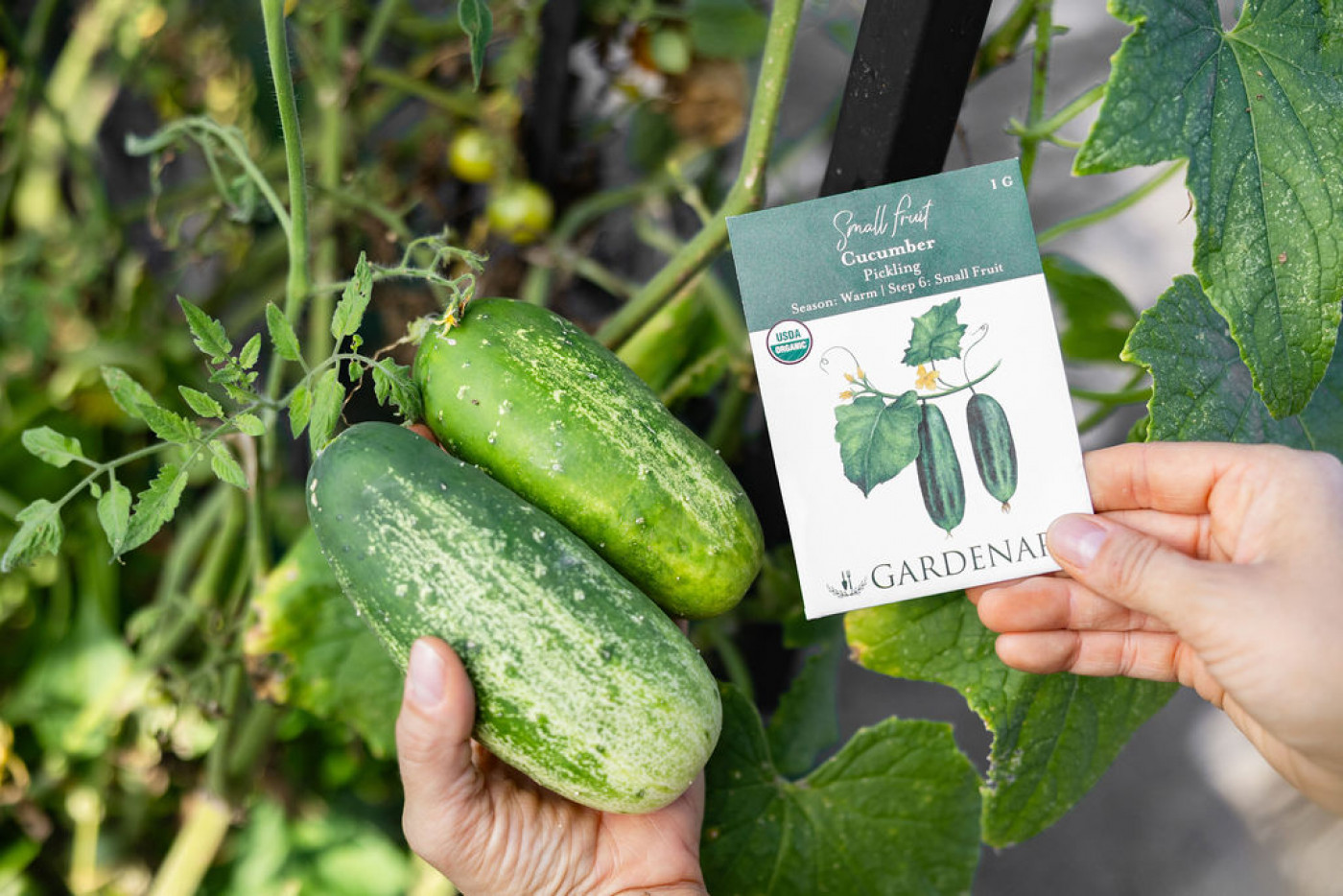
Cucumbers
Cucumbers are fast-growing vines that naturally want to climb. When grown on the ground, they tend to sprawl, tangle, and hide fruit under dense foliage. This makes harvesting more difficult and increases the risk of pest and disease issues.
Growing cucumbers vertically keeps vines organized and fruits visible. It also makes better use of space, especially in raised beds where every square foot matters.
Benefits of Growing Cucumbers on a Trellis
- Keeps fruit off the soil and cleaner
- Improves airflow to reduce disease pressure
- Makes harvesting faster and easier
Recommended Trellis: Arch Trellis
Arch trellises work especially well for cucumbers because the vines can climb up and over, allowing fruit to hang down naturally. This makes cucumbers easy to spot and harvest from both sides of the bed. Plus, arch trellises provide sturdy support for plants that get heavy. You don't want anything that might tip over!
The Iconic Nicole Arch Trellis
Bring the classic Gardenary look to your own kitchen garden with this exclusive arch trellis, designed after the stunning arch in Nicole Burke’s personal garden. This trellis combines beauty, strength, and simplicity—shipping directly to your door and assembling without tools.

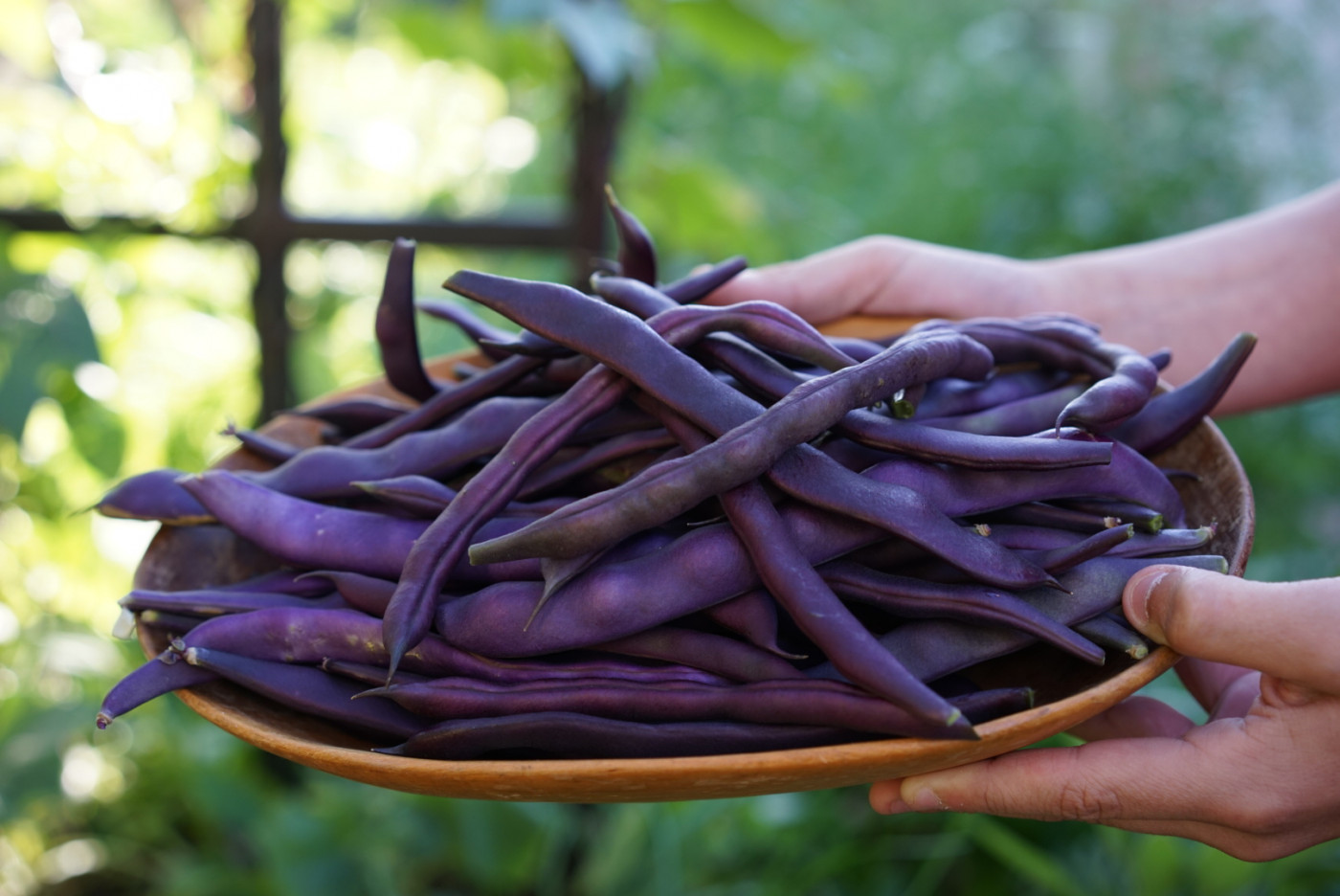
Pole Beans
Pole beans are one of the most productive vegetables you can grow vertically. Unlike bush beans, they continue growing and producing over a long season, making them ideal for trellising.
Because pole beans climb aggressively, they need consistent vertical support early in the season. Once established, they grow quickly and fill vertical space with ease.
Benefits of Growing Pole Beans on a Trellis
- Produces more over a longer harvest window
- Uses minimal ground space
- Improves visibility for harvesting
Recommended Trellis: Obelisk Trellis
Obelisk trellises provide strong vertical support without spreading outward. Pole beans naturally wrap around the structure and climb upward, making this a great option for compact raised beds.

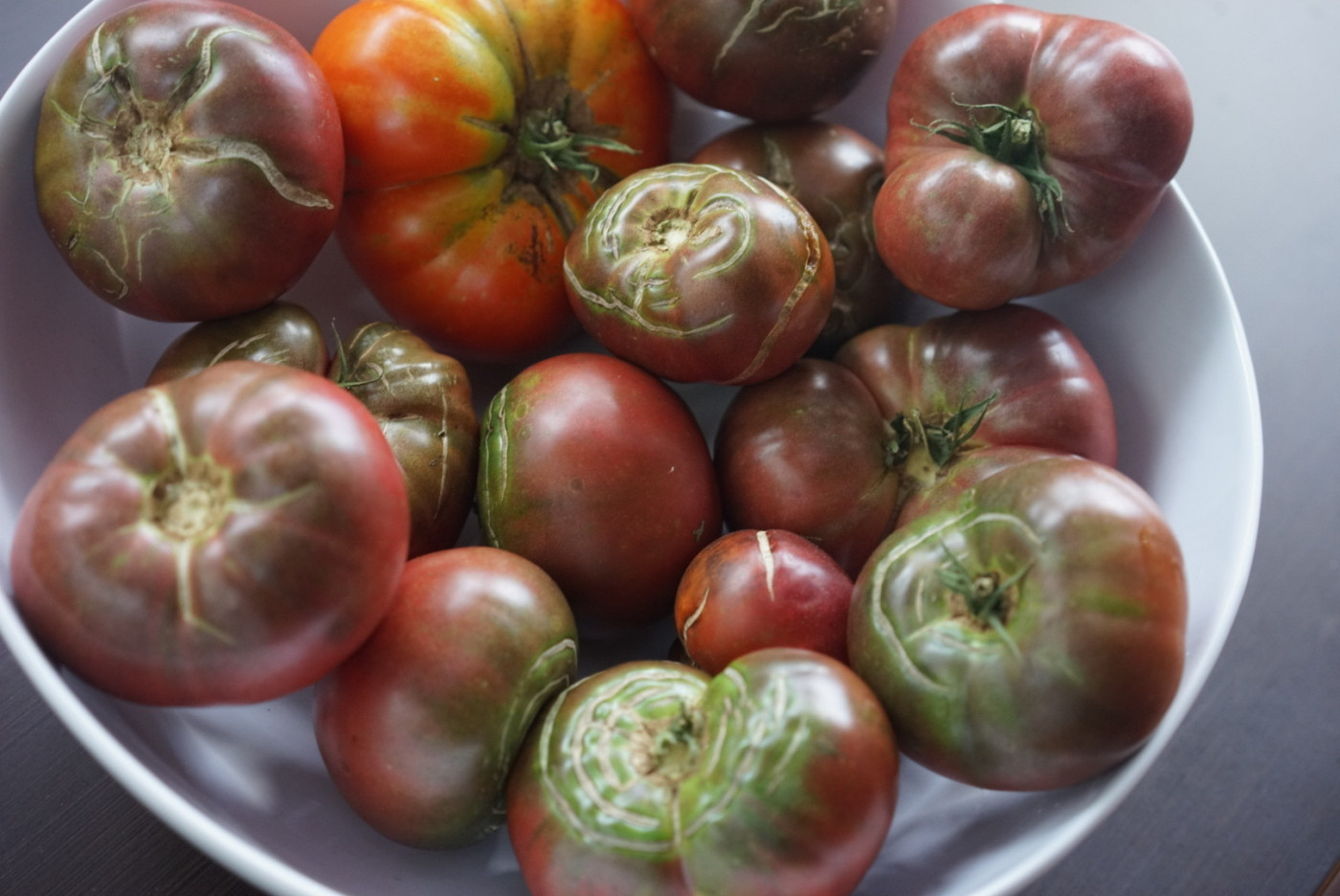
Tomatoes
Tomatoes grow continuously throughout the season, sending out long vines that require support. Without trellising, these plants sprawl, become difficult to manage, and are more prone to disease.
Vertical growing keeps tomato plants organized and improves overall plant health, especially in humid or rainy climates.
Benefits of Growing Tomatoes on a Trellis
- Improves airflow around foliage
- Keeps fruit off the soil
- Makes pruning and harvesting easier
Recommended Trellis: Panel or Arch Trellis
Panel trellises provide sturdy, upright support that can handle the weight of tomato vines and fruit. They keep growth contained and allow easy access for pruning and tying throughout the season.
Modern Panel Trellis
This modern trellis is perfect for doubling your growing space in narrow beds or border gardens. You could also use a panel trellis in the middle of a wide bed that you can access from both sides. It will accommodate pole beans, cucumbers, tomatoes, sugar snap peas—really anything that wants to climb.

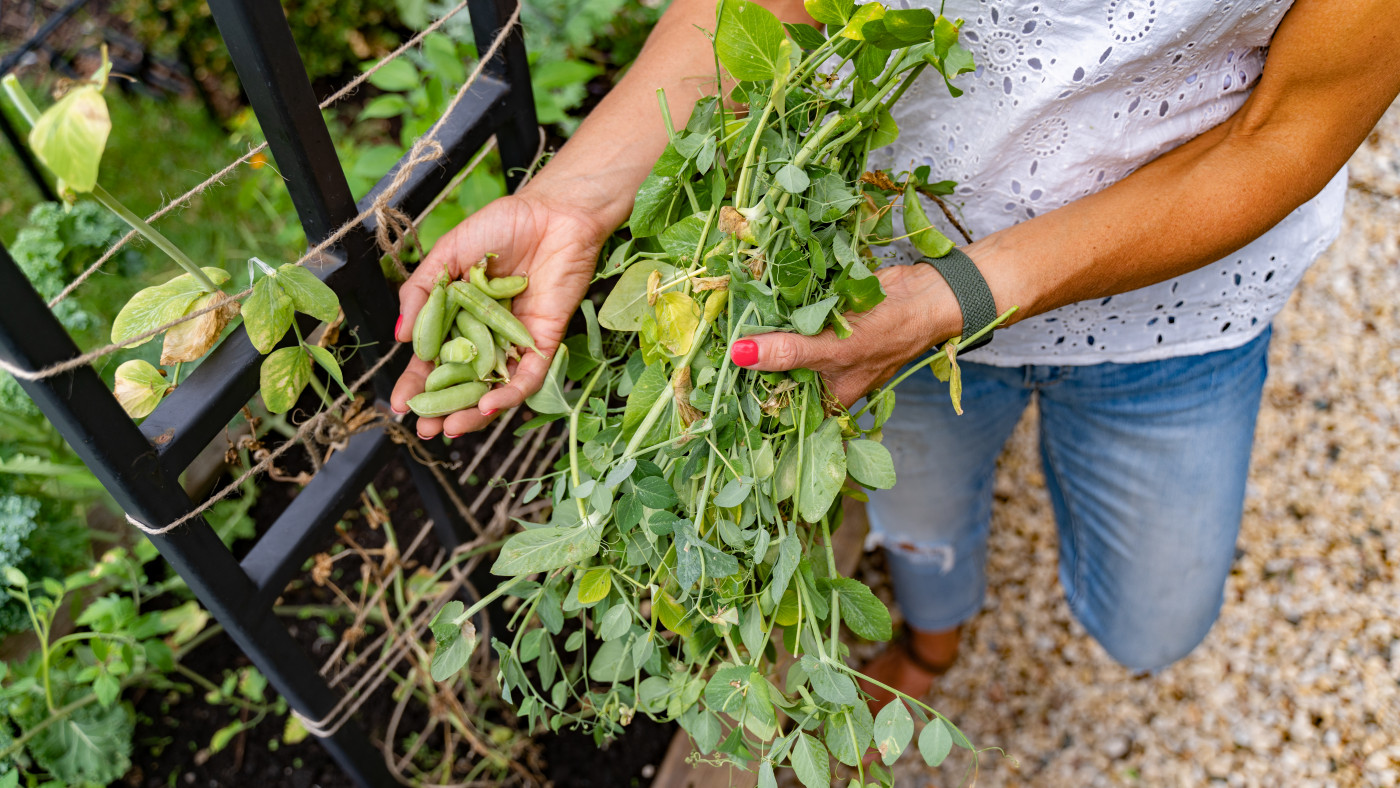
Peas
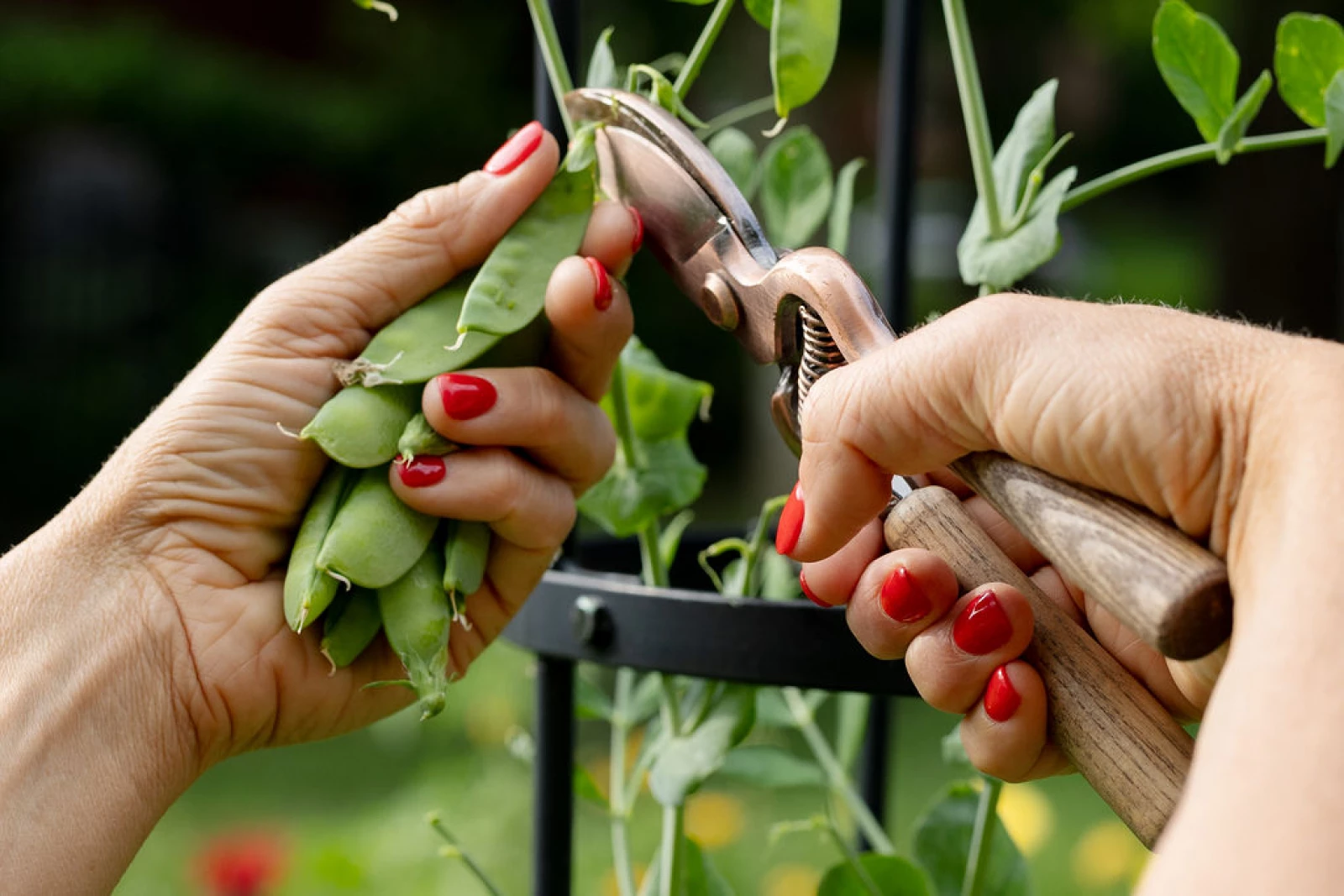
Peas are one of the easiest vegetables to grow vertically, especially in cool-season gardens. Their delicate tendrils naturally grab onto support and climb with very little guidance.
Vertical pea growing also makes succession planting easier, since trellises can be reused later in the season for other crops.
Benefits of Growing Peas on a Trellis
- Keeps vines upright and accessible
- Improves airflow and reduces rot
- Makes harvesting faster and cleaner
Recommended Trellis: Panel or Arch Trellis
Panel trellises offer plenty of surface area for pea tendrils to latch onto. They are lightweight yet effective, making them perfect for early-season vertical crops.
NICOLE'S GUIDE TO GROWING PEAS, FREE!
Pea Season Starts Here: Straight From the Vine
Everything you need to plant, tend, and pick your own peas this season, straight from Nicole's kitchen garden. Learn how to set up a trellis, choose the right soil and season, and know exactly when to pick for the sweetest, crispest peas. Grab your free copy below.

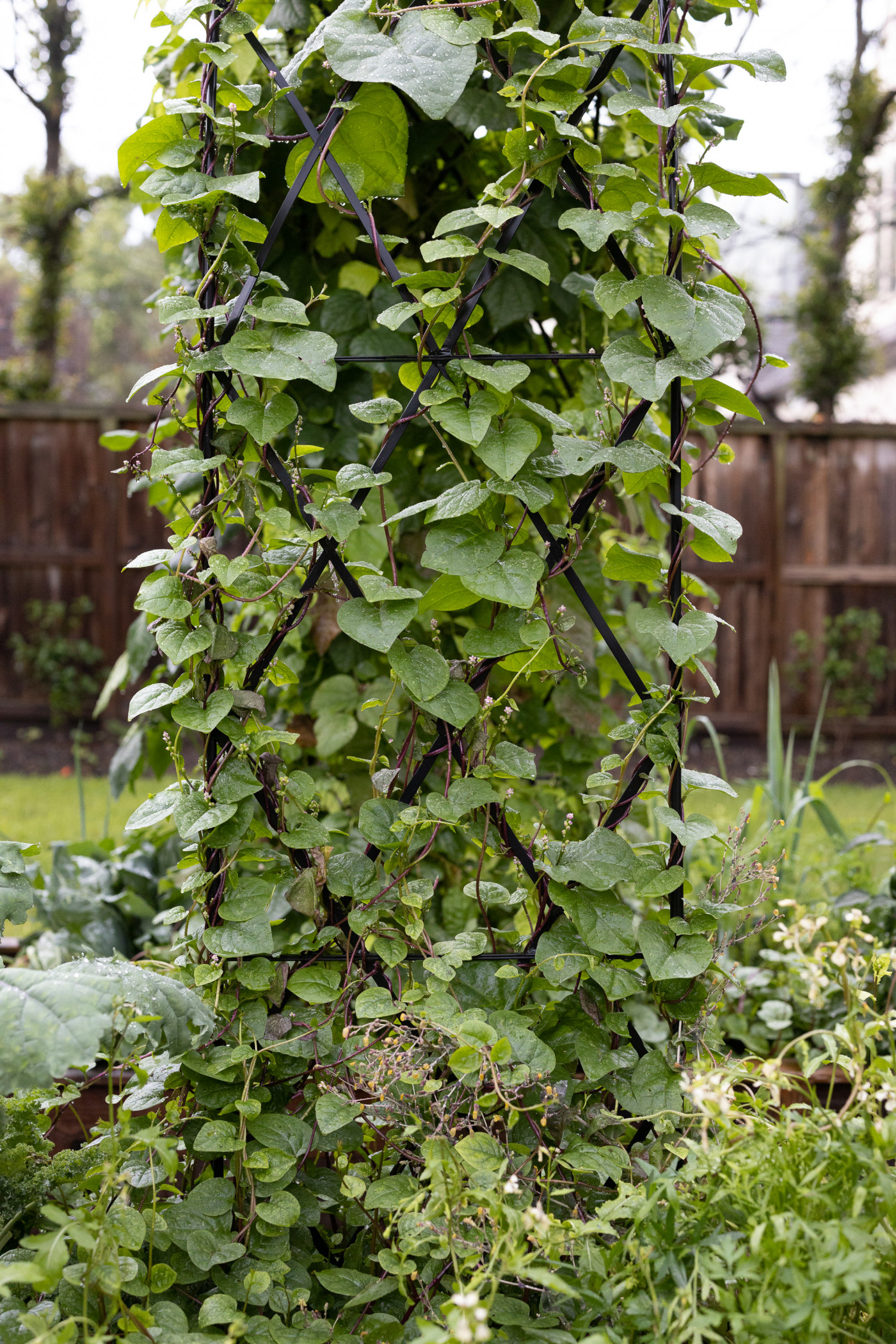
Malabar Spinach
Malabar spinach is a heat-loving leafy green that thrives when grown vertically. Unlike traditional spinach, it grows as a climbing vine and produces continuously through warm months.
Vertical growing helps manage its vigorous growth while keeping leaves easy to harvest.
Benefits of Growing Malabar Spinach on a Trellis
- Encourages upright, manageable growth
- Improves airflow in hot weather
- Makes continuous harvesting easier
Recommended Trellis: Obelisk Trellis
Obelisk trellises allow Malabar spinach to spiral upward without overwhelming nearby plants. This keeps growth compact and well-contained in raised beds.
Tower Obelisk Trellis
Bring style and height to your kitchen garden with this obelisk garden trellis. The four legs of this structure gently curve as they extend upward, creating a pyramid-shaped frame that will support all your climbing plants.

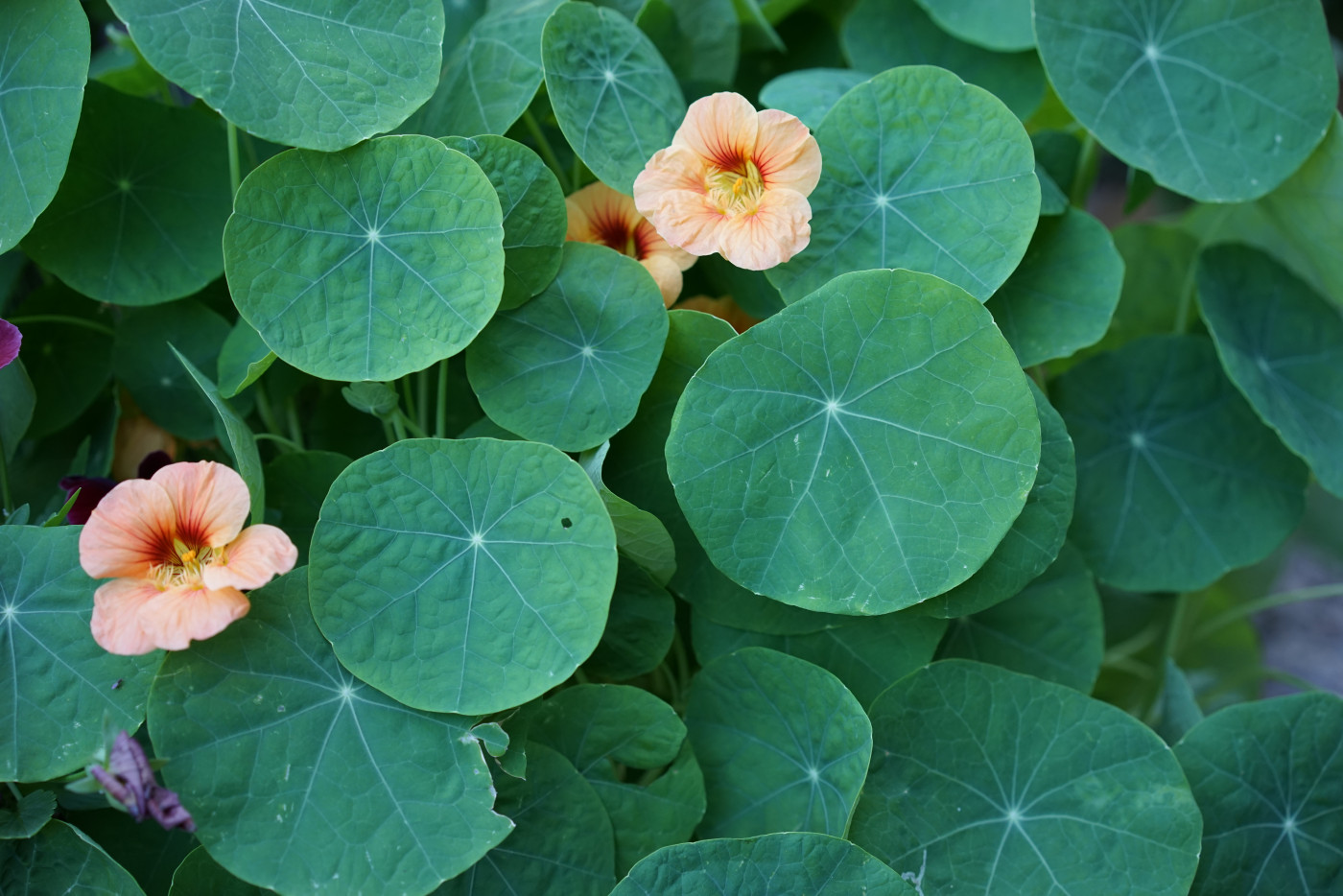
Nasturtiums
Nasturtiums are edible flowers that bring beauty and function to the vertical garden. Trailing varieties climb readily and complement vegetable crops by attracting pollinators.
When grown vertically, nasturtiums take up less ground space while still providing abundant flowers and leaves.
Benefits of Growing Nasturtiums on a Trellis
- Saves space while supporting pollinators
- Improves airflow around foliage
- Adds visual interest to garden structures
Recommended Trellis: Arch or Obelisk Trellis
Arch trellises allow nasturtiums to climb and drape naturally, softening the structure and filling vertical space with color without crowding the bed.

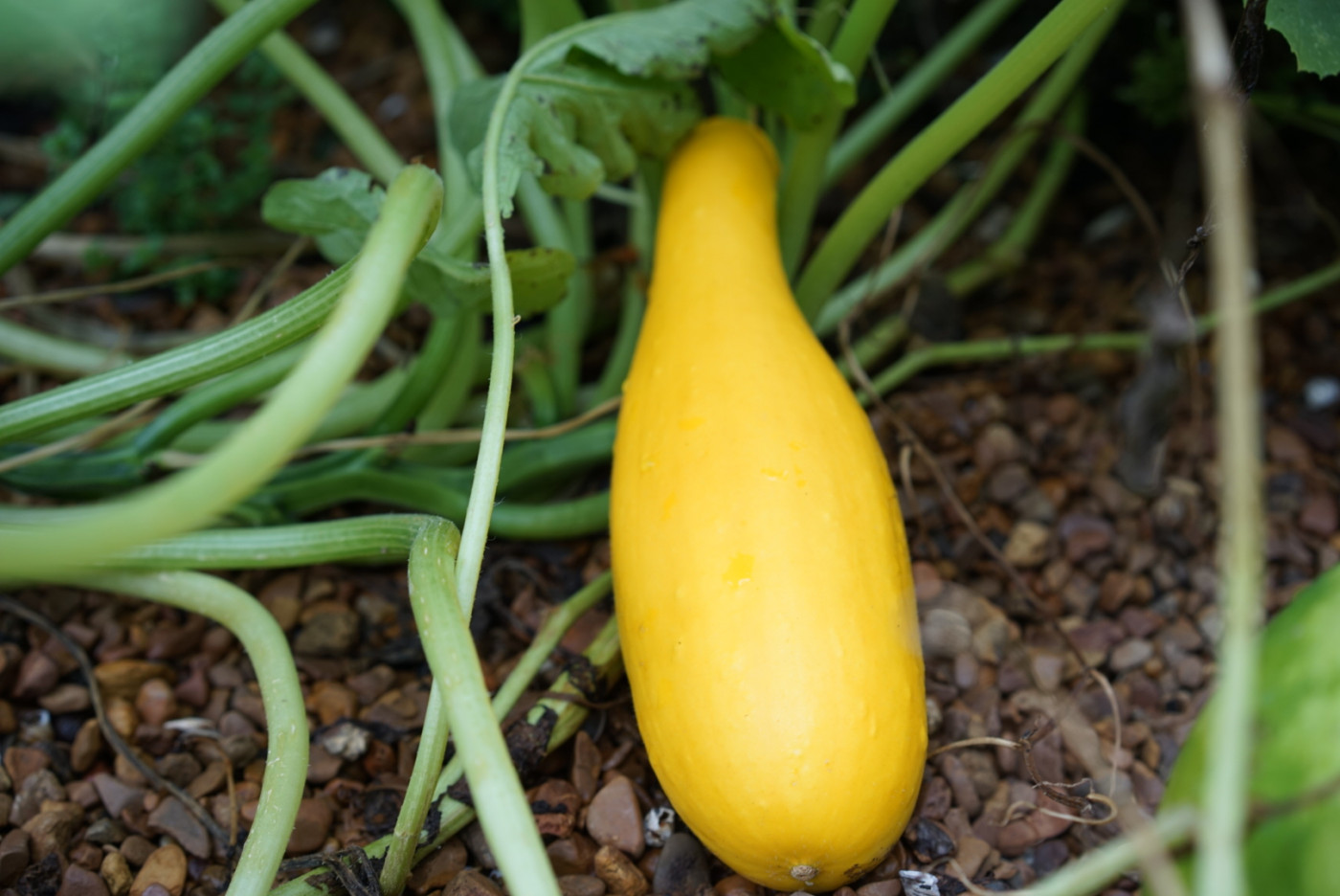
Squash
Smaller squash varieties can be trained vertically with excellent results. While squash is often grown sprawling, vertical growing keeps vines organized and easier to manage.
Choosing the right variety and providing strong support is key to success.
Benefits of Growing Squash on a Trellis
- Improves airflow and reduces disease
- Keeps fruit visible and accessible
- Saves significant garden space
Recommended Trellis: Panel Trellis
Panel trellises offer the strength needed to support squash vines and developing fruit. They keep plants upright and allow easy monitoring throughout the season.
Many Trellis Options Work for Vertical Garden Vegetables
While I recommend specific trellis styles for each vegetable, there is rarely only one right answer. Most vegetables for a vertical garden will grow well on a variety of trellises as long as they have consistent support and room to climb.
I have grown the same crops on arch trellises, obelisk trellises, and panel trellises at different times, depending on what I had available and how my garden was laid out that season. The most important thing is not the exact trellis style. It is giving the plant something sturdy to grow on early and training it upward as it grows.
If you already have a trellis in place, use it. Vertical garden growing is flexible, and plants are often more adaptable than we expect.

Join Thousands of Gardeners On the VIP List
Free perks, just for email subscribers:
- 15% Off Your First Order
- Gardening Videos & Articles
- Early Access to Sales
Sign up, check your inbox, then shop with your code.
CLAIM YOUR 15% OFF BELOW
Why Vegetables for a Vertical Garden Pair Well With Raised Beds
Vertical gardening fits naturally into raised bed gardening. Growing upward keeps plants accessible, improves air circulation, and makes it easier to care for crops throughout the season. I have found that vertical growing helps my raised beds feel more open while still producing more food than I ever expected from the same footprint.
Using trellises has completely changed the way I think about space in the garden. Every season, I’m reminded that I don’t need more beds to grow more food. I just need to grow smarter.
Trellises help me keep plants healthier, make harvesting easier, and create a garden that feels calm and intentional instead of crowded. I love walking through the garden and seeing vines climbing, fruit hanging cleanly, and plants using the space they were meant to use.
If you’re feeling limited by space or overwhelmed by sprawl, I encourage you to start small. Choose one vegetable, add one trellis, and watch how much more enjoyable and productive your garden becomes when you grow upward on purpose.
Click the image below to save this article for later!