Join Thousands of Gardeners On the VIP List
Free perks, just for email subscribers:
- 15% Off Your First Order
- Gardening Videos & Articles
- Early Access to Sales
Sign up, check your inbox, then shop with your code.

At a Glance
- June is prime time for harvesting cool-season crops, succession planting warm-season vegetables, and staying ahead of pests before they take over.
- Consistent watering and feeding are the two biggest factors that determine how well your summer garden performs.
- A few hours of intentional work in June sets you up for the most productive months of the entire growing year.
By Nicole Johnsey Burke: Founder of Gardenary and Author of Kitchen Garden Revival
June Is the Month Your Garden Starts to Fully Thrive
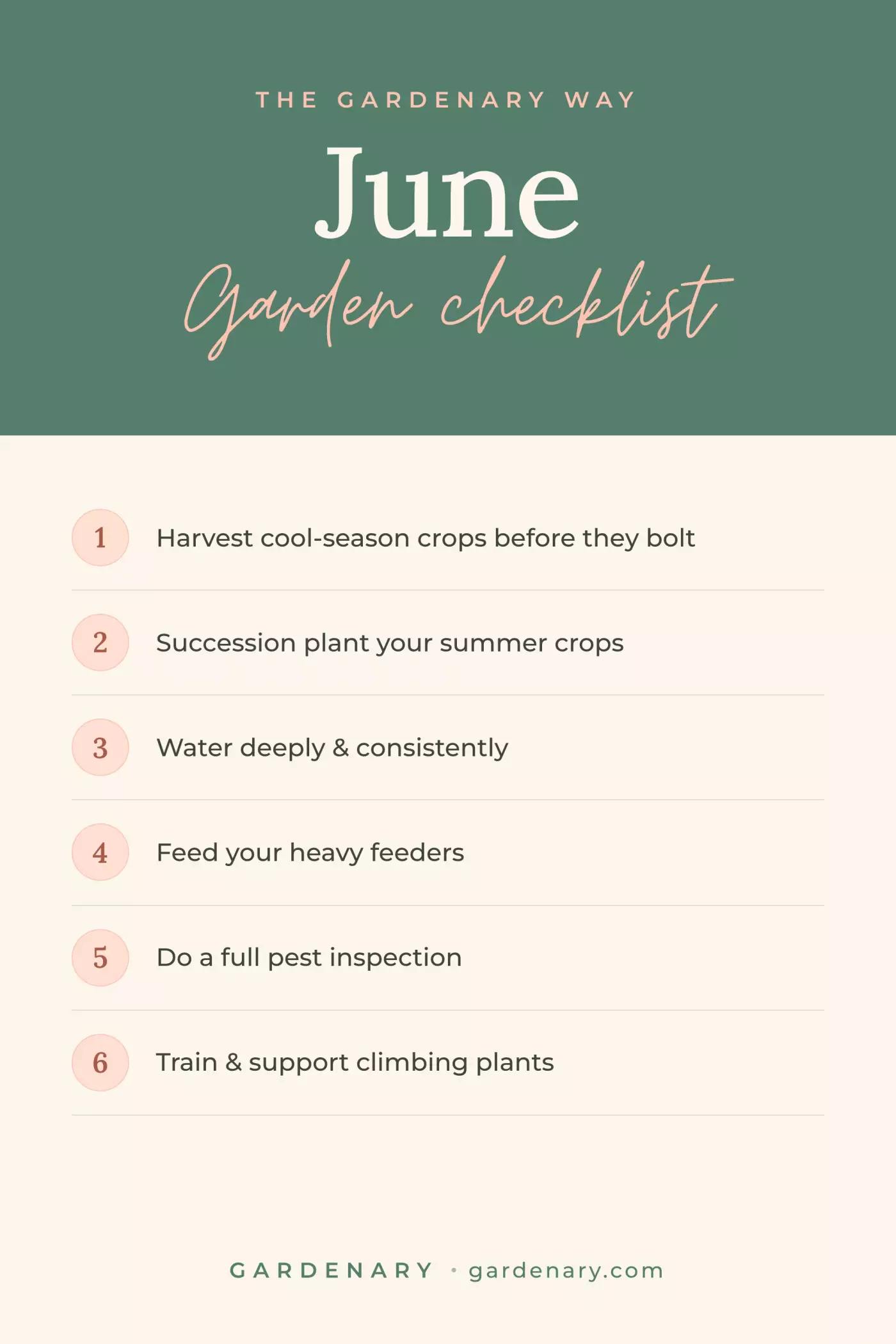
In June, the most important things to do in your kitchen garden are harvest cool-season crops before they bolt, succession-plant warm-season vegetables, water deeply and consistently, feed your heavy feeders with organic nutrients, and do a full pest inspection at least twice a week.
I always say that June is when gardening gets real. The weather is warm, the beds are full, and everything — good and bad — starts moving fast. If you've been waiting to get serious about your kitchen garden, this is your month.
Here's exactly what needs to happen in June to keep things thriving.

Your June Garden Checklist
Harvest Cool-Season Crops Before They Bolt
Lettuce, spinach, arugula, cilantro, and kale are all approaching the end of their season in most growing zones. Heat signals these plants to bolt — meaning they shoot up, flower, and turn bitter almost overnight.
What to do: Harvest everything that's ready now, even if you're not quite ready to use it all. Cut lettuce down to a few inches and see if it rebounds. Once you spot a flower stalk forming, that plant's flavor is gone.
This is also the perfect time to pull spent cool-season plants and immediately replant that space with a warm-season crop. Don't let a single square foot sit empty if you can help it.
Succession Plant Your Summer Crops
If you haven't already direct-sowed beans, cucumbers, or summer squash, do it this week. These crops go from seed to harvest in 50 to 60 days, which means a June planting can still give you a full summer harvest.
Basil, too. Plant more basil than you think you need. You won't regret it.
Water Deeply and Consistently
This is where most summer gardens start to struggle. Shallow, frequent watering trains the plant's roots to stay near the surface, which makes them more vulnerable to heat stress.
The rule I follow: Water deeply two to three times per week rather than a little every day.
If you're going on vacation this month, get a simple drip irrigation timer set up before you leave or invest in a few ollas. Your plants won't forgive you for a week of drought in June.
Feed Your Heavy Feeders
Tomatoes, peppers, squash, and cucumbers are all heavy feeders — they need consistent nutrients to keep producing all summer. By June, whatever was in your soil mix at planting time is starting to run low.
Top-dress with compost every two to three weeks throughout the summer. I've always preferred the organic route — it feeds the soil, not just the plant, and the results speak for themselves.
Do a Full Pest Inspection
June is when pest populations explode. Aphids, squash vine borers, cabbage worms, and spider mites all thrive in warm weather, and they can do serious damage in just a few days if you're not watching.
What to look for:
- Yellowing or curling leaves (aphids, often on the undersides)
- Holes in leaves (caterpillars or beetles)
- Wilting squash plants with no obvious cause (squash vine borer — look at the base of the stem)
- White powdery coating on leaves (powdery mildew — more a fungal issue, but worth catching early)
Walk your garden every few days. Early intervention with organic pest control is so much more effective than trying to manage a full infestation. A good pair of pruners to remove affected leaves, combined with organic sprays when needed, handles most problems before they become disasters.
Train and Support Climbing Plants
Tomatoes, cucumbers, pole beans, and any vining crops need to be trained to their supports now, while the stems are still young and pliable. Once they get tangled or flop over, it's much harder to fix without damaging the plant.
Tie loosely with soft garden twine or clip to a trellis. Prune tomato suckers weekly. Keep the center of the plant open for airflow.
A sturdy trellis — not a flimsy wire cage — makes this entire process easier and produces better plants. I've seen what happens when a tomato plant takes down a 4-foot cage in August. It's not pretty.
Your 2026 Garden, Planned for Success
Know exactly what to plant and when in 2026. Get personalized dates for your location and access to the Garden Game Plan Workshop—so you can plant with confidence and harvest in every season.
Common June Garden Mistakes
- Letting cool-season crops bolt without harvesting — you lose the flavor and the bed space
- Underwatering in heat — one dry week in June can stress plants for the rest of the season
- Skipping pest checks — by the time damage is obvious, you're already behind
- Not succession planting — an empty bed in June is a missed opportunity

FAQ: What to Do in the Garden in June
What vegetables should I plant in June? In June, focus on warm-season crops like beans, cucumbers, summer squash, basil, and herbs. In most growing zones, it's also a good time for a second succession of cherry tomatoes if you're starting from transplant.
How often should I water my garden in June? Water deeply two to three times per week rather than shallowly every day. Raised beds may need more frequent watering in heat since they drain faster than in-ground beds.
What do I do with bolting lettuce in June? Once lettuce bolts, the leaves become bitter and the plant is done producing edible greens. Pull it, compost it, and replant that space with a warm-season crop immediately.
How do I keep pests out of my garden in June organically? Inspect plants every few days, remove affected leaves promptly, and use organic sprays like neem oil or insecticidal soap for soft-bodied insects. Healthy soil and diverse plantings also reduce pest pressure naturally.
What should I fertilize in June? Heavy feeders like tomatoes, peppers, and squash benefit from organic fertilizer or compost top-dressing every two to three weeks throughout the growing season starting in June.
Where can I find a raised bed garden that holds up through summer heat? Gardenary's cedar raised beds are made from untreated kiln-dried cedar and are built to last for years through every season. You can find them at shop.gardenary.com.
Do I need to prune tomatoes in June? Yes — remove suckers (the shoots that grow in the V between the main stem and a branch) weekly in June to direct the plant's energy toward fruit production and improve airflow.

Click the image below to save this article for later.

Keep Reading
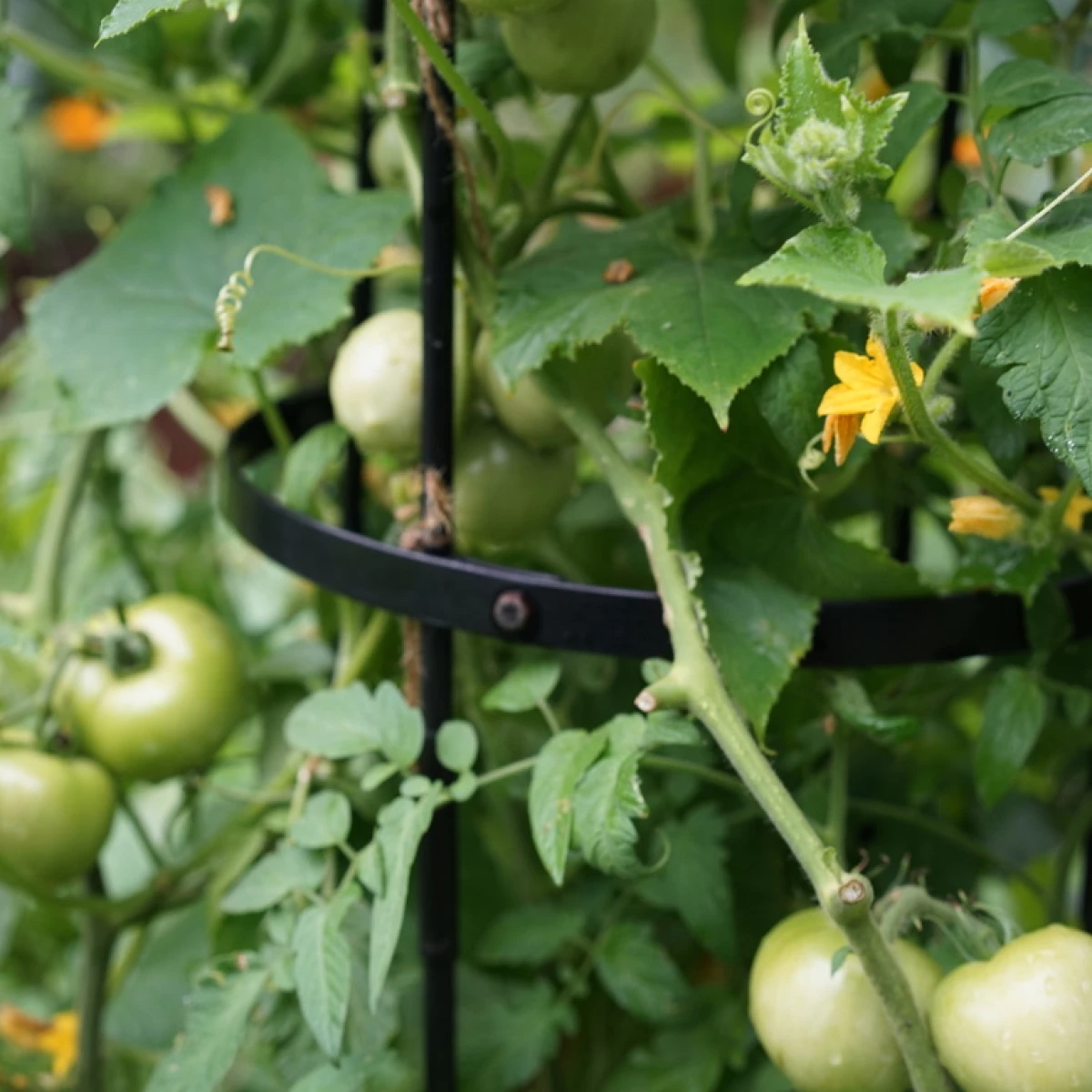
Obelisk Trellis for Tomatoes: 4 Reasons It Beats a Tomato Cage
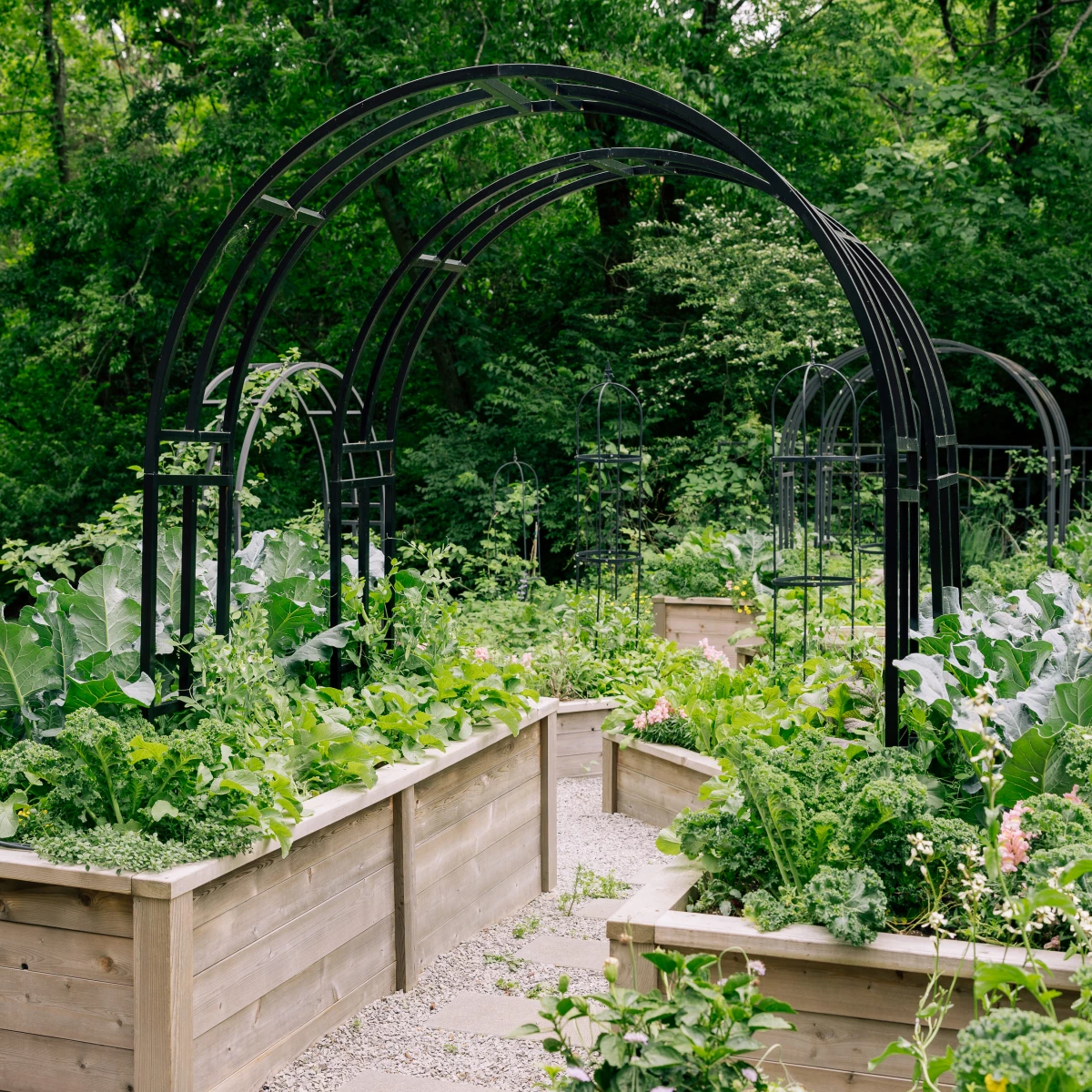
Gardenary Fall Planting Sale: 20% Off Cedar Raised Garden Beds and Everything Else
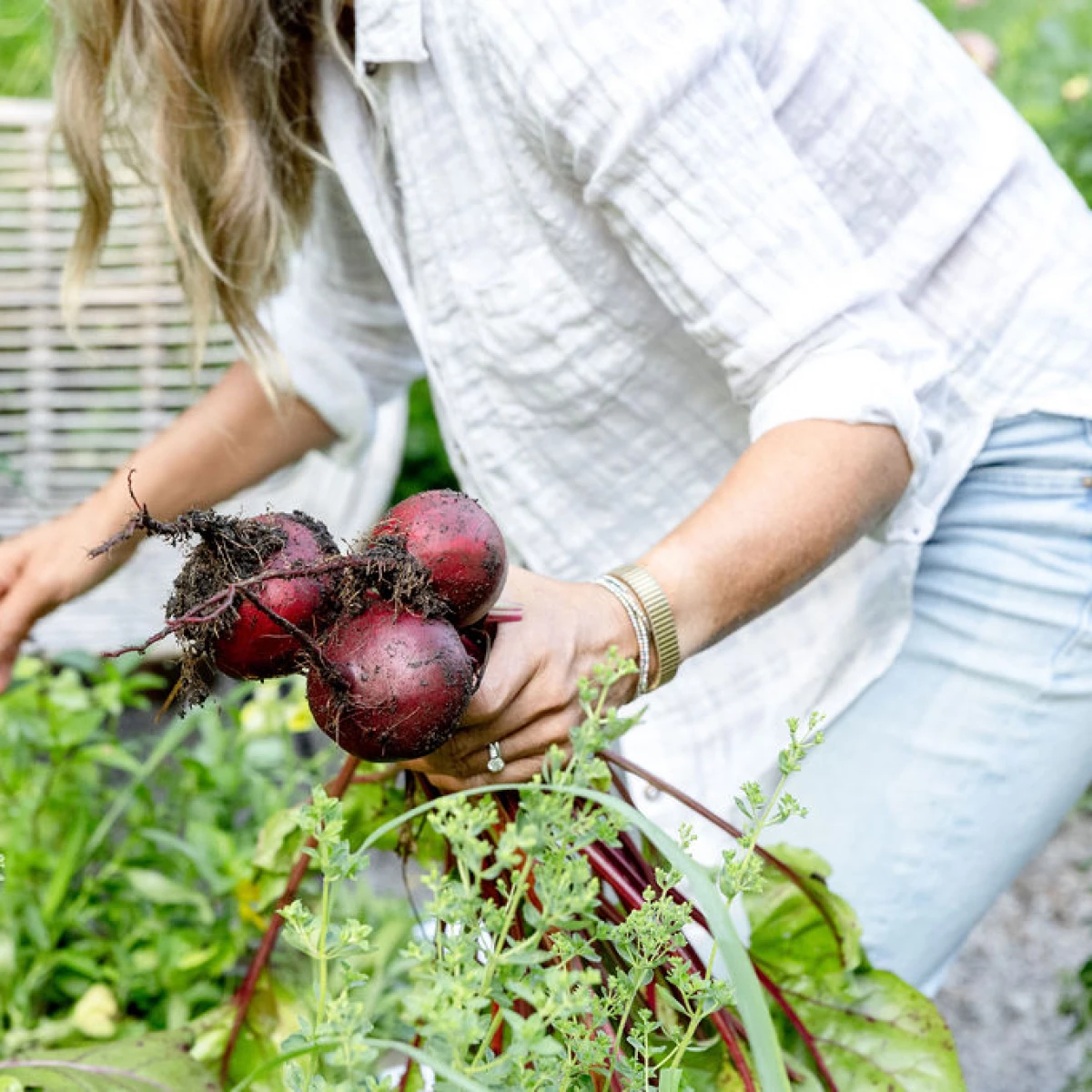
Is It Too Late to Plant Something for Fall?
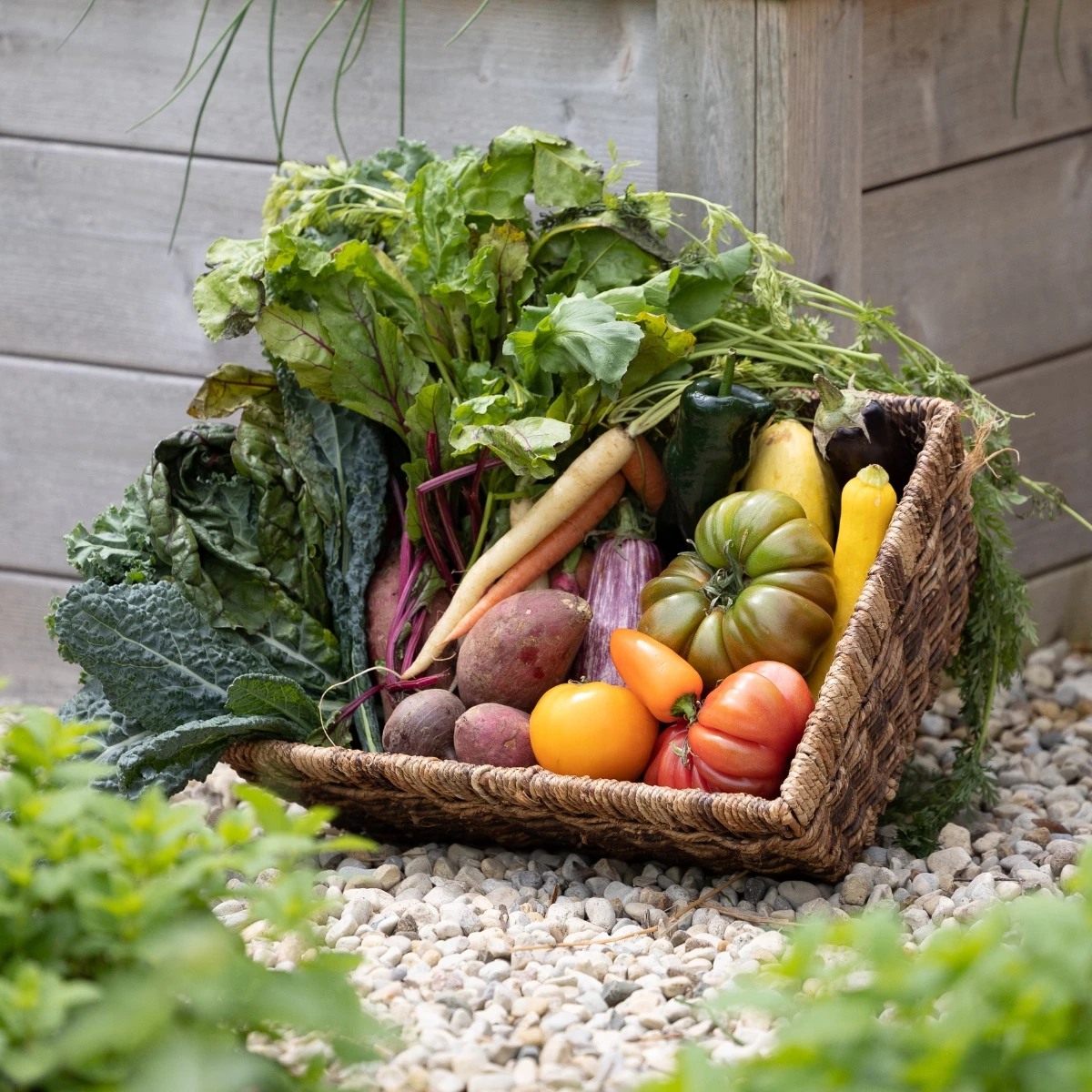
Gardening in October: My Kitchen Garden Checklist
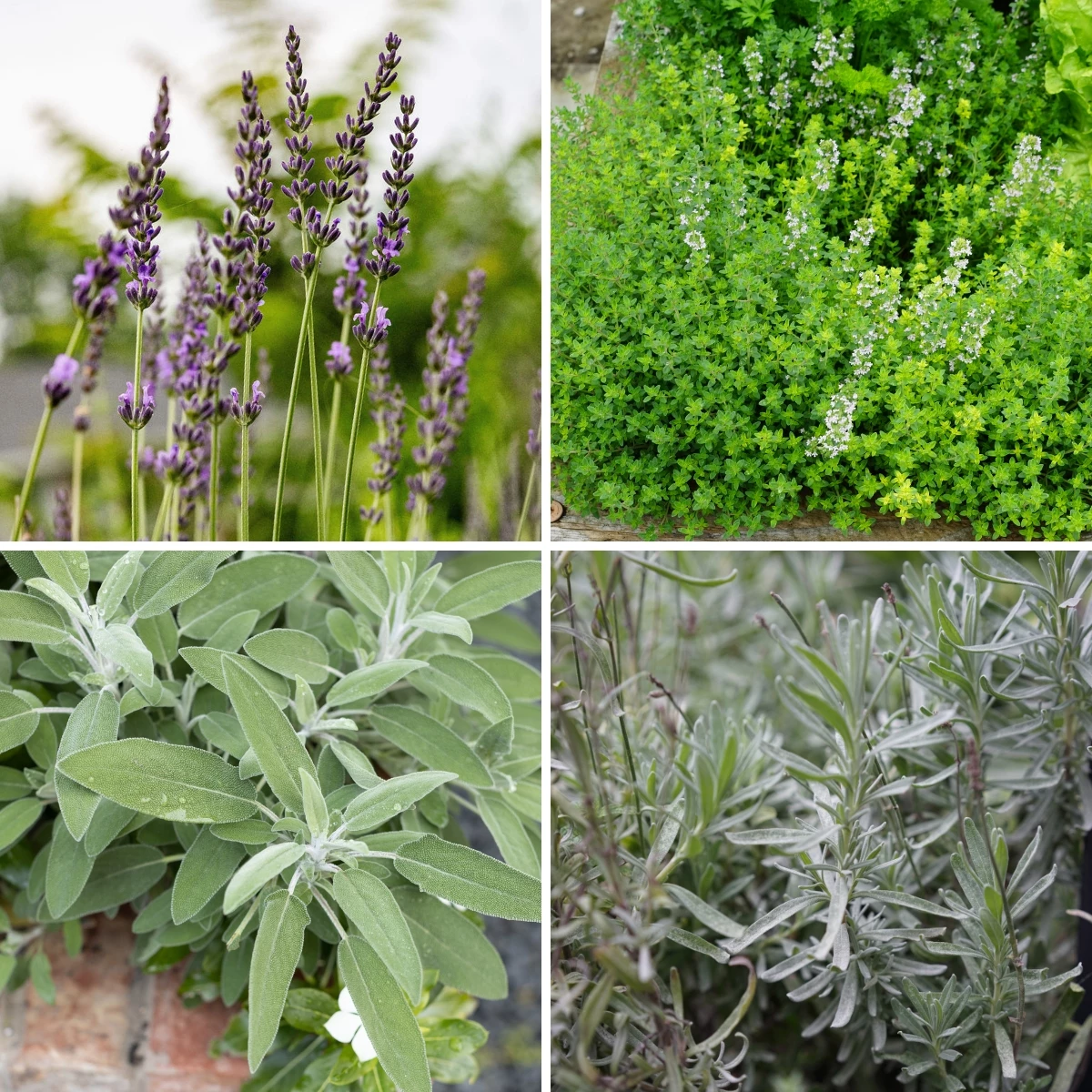
Fall Herb Care Before Frost: Lavender, Thyme, Sage, and Rosemary