
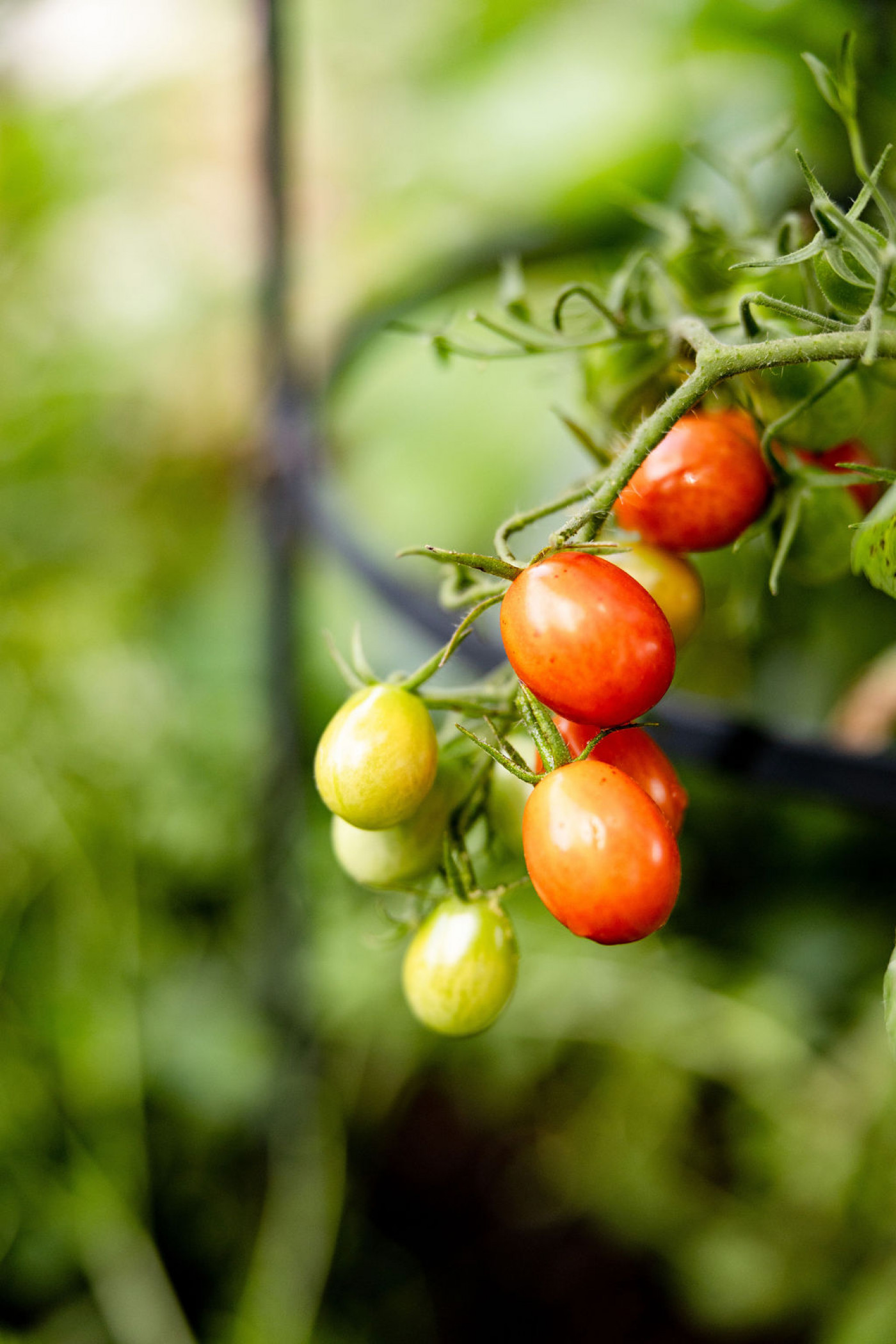
At a Glance
- The safest time to transplant tomatoes outdoors is 2 weeks after your area's average last frost date.
- Planting times vary widely by state — a gardener in Texas and a gardener in Minnesota are working with completely different calendars.
- Tomatoes need warm weather, so never plant them if there is a chance of frost.
When to Plant Tomatoes: The Short Answer
Start tomato seeds indoors 6 to 8 weeks before your last frost date.
Then...
Transplant tomatoes outdoors to your garden 2 weeks after your last frost date, once nighttime temperatures are reliably above 50°F.
Let's make it easy.
STEP 1: Enter your zip code to get your last frost date below.
STEP 2: Count backwards 6 to 8 weeks to learn your indoor tomato seed starting date
STEP 3: Count forward 2 weeks from that same date for your outdoor transplant window.
Three easy steps and you've got your whole tomato season mapped out!
Frost Date Calculator
*Based on historical climate data from NOAA, only zip codes from United States are supported.
Join the 2026 Gardening Workshop
Why Your Frost Date Is the Only Tomato Planting Calendar You Actually Need
Tomatoes are warm-season plants that are genuinely sensitive to cold. They don't just dislike frost — they really suffer in it. Even a light frost can damage or kill young transplants overnight, and cold soil without any frost at all will still stunt their growth and stress the plant right from the start.
This is why planting by calendar date alone gets so many well-meaning gardeners into trouble. "Plant after Mother's Day" sounds reasonable and easy in Indiana, but in Georgia, it's already almost too late to start. In Minnesota, Mother's Day might still be at risk for frost. The calendar means well, but it's not your friend here. Your last frost date is.
Tomato Temperature Tips:
- Frost dates are averages, not guarantees. A late surprise frost can still happen, so keep an eye on the forecast for the two weeks after you transplant. It's worth it.
- Soil temperature matters just as much as air temperature. Tomato roots prefer soil that's at least 60°F. If the air feels warm but the ground is still cold, your tomatoes will just sit there looking a little sad until it catches up.
- If you're in a cooler region with a short growing season, choosing a short-season tomato variety (under 70 days to maturity) gives you the best shot at a full, satisfying harvest before fall frost arrives.

Starting Tomatoes Indoors: What You Need to Know
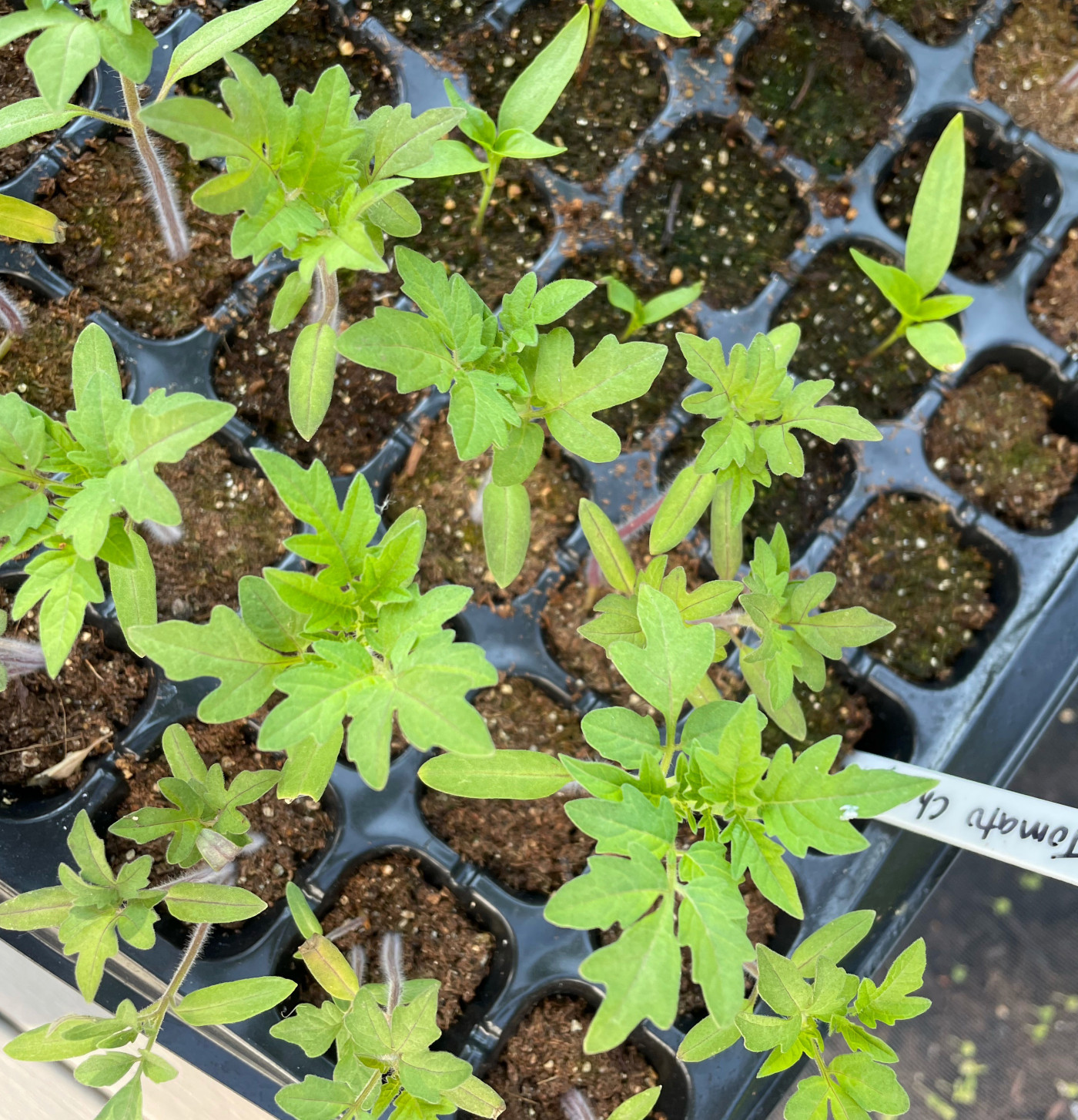
Starting tomatoes indoors is honestly one of the best things you can do for your garden season. It gives you a real head start, opens up a whole world of varieties you'd never find at a nursery, and means your plants hit the ground running rather than just getting started. If you've never done it before, this is the year.
The window is 6 to 8 weeks before your last frost date. Start too early, and you'll have tall, leggy transplants that have been cooped up in pots too long by the time it's warm enough to go outside. Start too late, and you're essentially doing what you could have done by buying starts at the garden center. The sweet spot is worth hitting.
Indoor Tomato Seed Starting Process:
- Fill seed trays or small pots with a quality seed-starting mix.
- Plant seeds about ¼ inch deep, two seeds per cell.
- Keep the soil consistently moist and warm — around 70 to 80°F for germination. A heat mat speeds this up significantly and is a worthwhile investment.
- Once seedlings sprout, move them to a bright window or under grow lights for at least 14 to 16 hours of light per day.
- About a week before transplanting outdoors, begin hardening off your seedlings. Set them outside in a sheltered spot for a few hours each day, gradually increasing their outdoor time so they can adjust to wind, sun, and temperature swings.
That hardening-off step is one that a lot of first-time gardeners skip, and it really does show. Plants that go straight from a cozy indoor environment to full outdoor exposure can go into shock and stall out for weeks. A little patience at the end of the process saves a lot of frustration.

When to Plant Tomatoes by Region
Here's a general breakdown by region to give you a solid starting framework. These are estimates based on typical frost date ranges for each area. Because microclimates, elevation, and year-to-year weather variation all play a role, always confirm with your specific last frost date before you plant. Think of this as your starting point, not your final answer.
The South (Texas, Louisiana, Mississippi, Alabama, Georgia, Florida, South Carolina, Arkansas)
Gardeners in the deep South have the longest growing season in the country, which is a genuine gift — but the intense summer heat means timing is still everything.
- Start indoors: Late January to mid-February
- Transplant outdoors: Mid-March to mid-April
- Note: In South Florida, tomatoes are often grown as a winter and spring crop rather than a summer one. Summer heat there is simply too intense.
The Southeast and Mid-Atlantic (North Carolina, Virginia, Tennessee, Kentucky, Maryland, Delaware)
- Start indoors: Late February to early March
- Transplant outdoors: Late April to mid-May
The Northeast (New York, Pennsylvania, New Jersey, Connecticut, Massachusetts, Rhode Island, Vermont, New Hampshire, Maine)
Shorter seasons and unpredictable springs are the reality here — and if you've gardened in the Northeast for any length of time, you already know a warm April week is not an invitation to plant. Be patient. It pays off.
- Start indoors: Mid-March to early April
- Transplant outdoors: Mid-May to early June (later for northern Maine and Vermont)
The Midwest (Ohio, Indiana, Illinois, Michigan, Wisconsin, Minnesota, Iowa, Missouri, Kansas, Nebraska)
Frost dates shift quite a bit across this region. Missouri and Kansas gardeners are working with a noticeably more forgiving timeline than those in Minnesota or Michigan's Upper Peninsula, so don't just go by what your neighbor in another state is doing.
- Start indoors: Early to mid-March (southern Midwest) / Late March to early April (northern Midwest)
- Transplant outdoors: Early May (southern Midwest) / Late May to early June (northern Midwest)
The Mountain West (Colorado, Utah, Wyoming, Idaho, Montana, Nevada)
Elevation changes everything here. Denver gardeners and those living in the Colorado mountains are operating in almost entirely different growing zones despite being in the same state. Know your elevation and your frost date.
- Start indoors: Mid-March to early April
- Transplant outdoors: Mid-May to early June (lower elevations) / June (higher elevations)
The Pacific Northwest (Washington, Oregon)
Cool, wet springs and mild summers make this a wonderfully unique tomato-growing region. Choose heat-loving varieties and consider a wall-o-water or row cover to extend your season and keep your plants cozy on cooler nights.
- Start indoors: Early to mid-March
- Transplant outdoors: Mid-May to early June
California
California's climate is almost a story unto itself — from the cool, foggy coast to the blazing Central Valley to the mild Southern California coast, it really does depend on exactly where you are.
- Start indoors: January to February (Southern California and Central Valley) / February to March (Northern California and coastal areas)
- Transplant outdoors: March to April (Southern California) / April to May (Northern California)
The Southwest (Arizona, New Mexico)
Like the deep South, summer heat in the desert Southwest can be too brutal for tomatoes to set fruit reliably. Many savvy gardeners here plant in late winter for a spring harvest, then again in late summer for a fall crop — two seasons for the price of one garden.
- Start indoors: January to early February (spring crop) / July (fall crop)
- Transplant outdoors: February to March (spring crop) / August (fall crop)
The Upper Plains and Great Plains (North Dakota, South Dakota, Nebraska, Kansas, Oklahoma)
Short seasons and unpredictable springs make a quick-maturing variety your best friend in the northernmost states. Plan for it and you'll do just fine.
- Start indoors: Late March to early April
- Transplant outdoors: Mid-May to early June

Quick State-by-State Planting Estimates
These are rough estimates based on regional averages. Always verify with your specific last frost date before planting — this list is a helpful starting point, not a substitute for your local data.
- Alabama — Start indoors: Feb. Transplant: Late March to April
- Alaska — Start indoors: April. Transplant: June (very short season — use cold-hardy varieties and every season extender you can find)
- Arizona — Start indoors: Jan. Transplant: Feb to March (spring crop)
- Arkansas — Start indoors: Feb. Transplant: Late March to April
- California (Southern) — Start indoors: Jan to Feb. Transplant: March to April
- California (Northern) — Start indoors: Feb to March. Transplant: April to May
- Colorado (lower elevation) — Start indoors: March. Transplant: Mid-May
- Colorado (high elevation) — Start indoors: March to April. Transplant: June
- Connecticut — Start indoors: March to April. Transplant: Mid-May
- Delaware — Start indoors: March. Transplant: Late April to May
- Florida (North) — Start indoors: Jan to Feb. Transplant: March
- Florida (South) — Start indoors: Dec to Jan. Transplant: Feb (winter/spring crop)
- Georgia — Start indoors: Feb. Transplant: Late March to April
- Idaho — Start indoors: March to April. Transplant: Late May
- Illinois — Start indoors: March. Transplant: Early to mid-May
- Indiana — Start indoors: March. Transplant: Early to mid-May
- Iowa — Start indoors: March to April. Transplant: Mid-May
- Kansas — Start indoors: March. Transplant: Late April to May
- Kentucky — Start indoors: March. Transplant: Late April to May
- Louisiana — Start indoors: Jan to Feb. Transplant: March
- Maine — Start indoors: April. Transplant: Late May to early June
- Maryland — Start indoors: March. Transplant: Late April to May
- Massachusetts — Start indoors: March to April. Transplant: Mid-May
- Michigan — Start indoors: March to April. Transplant: Mid to late May
- Minnesota — Start indoors: Late March to April. Transplant: Late May to early June
- Mississippi — Start indoors: Feb. Transplant: Late March to April
- Missouri — Start indoors: March. Transplant: Late April to May
- Montana — Start indoors: April. Transplant: Late May to June
- Nebraska — Start indoors: March to April. Transplant: Mid-May
- Nevada — Start indoors: March. Transplant: April to May
- New Hampshire — Start indoors: March to April. Transplant: Late May
- New Jersey — Start indoors: March. Transplant: Early to mid-May
- New Mexico — Start indoors: Feb. Transplant: March to April
- New York — Start indoors: March to April. Transplant: Mid-May
- North Carolina — Start indoors: March. Transplant: Late April to May
- North Dakota — Start indoors: April. Transplant: Late May to June
- Ohio — Start indoors: March. Transplant: Early to mid-May
- Oklahoma — Start indoors: Feb to March. Transplant: Late April
- Oregon — Start indoors: March. Transplant: Mid-May to June
- Pennsylvania — Start indoors: March. Transplant: Early to mid-May
- Rhode Island — Start indoors: March to April. Transplant: Mid-May
- South Carolina — Start indoors: Feb. Transplant: Late March to April
- South Dakota — Start indoors: March to April. Transplant: Mid to late May
- Tennessee — Start indoors: Feb to March. Transplant: Late April
- Texas (North) — Start indoors: Feb. Transplant: Late March to April
- Texas (South) — Start indoors: Jan. Transplant: Feb to March
- Utah — Start indoors: March. Transplant: Mid-May
- Vermont — Start indoors: April. Transplant: Late May to early June
- Virginia — Start indoors: March. Transplant: Late April to May
- Washington — Start indoors: March. Transplant: Mid-May to June
- West Virginia — Start indoors: March. Transplant: Early to mid-May
- Wisconsin — Start indoors: March to April. Transplant: Late May
- Wyoming — Start indoors: April. Transplant: Late May to June
One Last Thing Before You Plant
Knowing when to plant tomatoes is genuinely half the battle, and you've now got a solid handle on it. The other half is trusting the process — which, honestly, is the harder part. Even now, after so many seasons of gardening, I still find myself feeling impatient and ready to fill my basket with beautiful red and gold tomatoes.
It can feel genuinely agonizing to watch your little seedlings sitting on a windowsill in March while a stretch of warm, sunny days is happening right outside your window. It's tempting to go ahead and put them in the ground, but don't do it. One late frost can take out an entire flat of transplants in a single night. If you follow your last frost date, then at least you'll know that you did everything within your knowledge and power to start your tomatoes off right.
Your tomatoes will absolutely reward the patience — and there is nothing quite like that first homegrown tomato of the season to make all the waiting feel very, very worth it.