

Quick Facts: Yellowing potato leaves mean one of two things — your potatoes are almost ready to harvest, or your plant is dealing with a nutrient deficiency, overwatering, or pest pressure. The timing tells you everything: yellowing near 90 to 120 days is good news, yellowing well before that needs attention.
At A Glance
- If your potato plants are nearing maturity (90–120 days), yellowing leaves are a natural sign that the tubers are finishing up. Stop watering at this stage to help the skins toughen before harvest.
- Premature yellowing usually signals an issue: nutrient deficiency (especially nitrogen, iron, or magnesium), overwatering leading to root rot, or pests like aphids or leafhoppers.
- Fix premature yellowing by hilling with compost for nutrients, adjusting watering so soil dries between waterings, and removing pest-affected leaves. If the problem persists, harvest early — immature potatoes are still edible and are called new potatoes.
By Nicole Johnsey Burke: Founder of Gardenary and Author of Kitchen Garden Revival
Yellow Potato Leaves: What Do They Mean?
Yellowing leaves can be a good sign or a bad sign.
If the leaves of your potato plant are turning yellow and you're nearing the time to harvest, then those yellow leaves are actually a signal that your potato harvest is right around the corner!
Potatoes grow for 90 to 120 days before they're ready to harvest. You'll know you're nearing the end date when your leaves start turning yellow, then brown. Eventually, they'll dry up and fall over, which tells you those spuds are ready to be dug up.
Yellowing leaves usually mean you're a couple of weeks away from harvest. Your plant is putting all its energy toward finishing off the tubers, so it can't spare anything for the leaves. This is a good time to stop giving your plants supplemental water so the tubers will toughen up underground before harvest time.
All right, now let's look at potential reasons your leaves might be yellowing if you're nowhere near harvest time.


Yellow Leaves Before the Time to Harvest
If your plant is not yet mature, then yellow leaves are, I'm sorry to say, not a good sign. You've got a nutrient problem, a watering problem, or a pest problem. Let's look at each of these problems and how you can fix them.
Cause 1: Nutrient Deficiency
Yellow leaves could be a sign of a nutrient deficiency. If it's mostly the older leaves on the plant that are yellowing, the plant might need nitrogen. If the veins of the leaves stay green while the rest yellows, it could be iron that's missing. And if your leaves are looking striped, it might be a magnesium issue.
All you have to do to solve a nutrition issue is push some compost around the base of your potato plants. This is called hilling. In addition to adding more organic matter, hilling also helps support the plant and ensures the growing tubers are covered. I typically don't add additional fertilizers to my potatoes because compost will provide everything they need.
Never Miss a Planting Date Again!
Cause 2: Overwatering and Root Rot
Yellowing leaves can also be a sign of disease or root rot caused by overwatering. Potato plants really don't like to have their roots sitting in water. The goal is to give these plants a deep watering and then allow the area to dry out before watering again. Use your finger as a water gauge: Only water when the soil feels dry 1 to 2 inches down.
If you're growing your spuds in a container, make sure that water is able to come out of the drainage hole at the bottom.
If you're growing in the ground, make yourself a note to amend the soil next year down to 12 inches with some coarse sand and compost. The sand will improve drainage so you don't have a repeat issue.
Cause 3: Pest Pressure
Common pests like aphids or potato leafhoppers can cause potato leaves to turn yellow. You may also notice holes in the leaves, curling leaves, or wilted leaves. Knock aphids off by giving your plants a sharp blast with a garden hose. Prune any pest-affected leaves and toss them in the trash. Learn more ways to deal with garden pests organically.
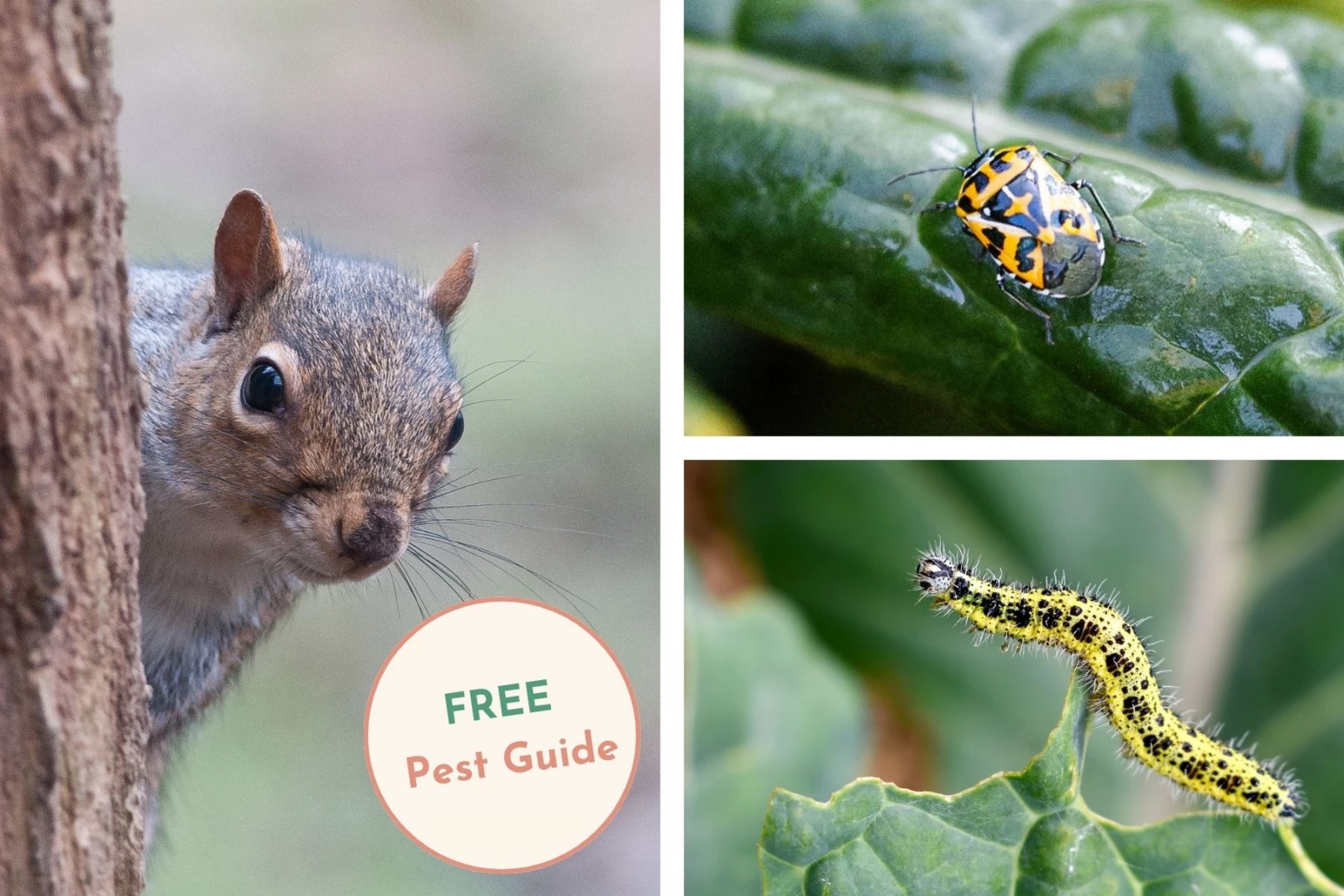
Stop Spraying. Start Gardening Smarter.
Organic Pest Control Made Simple
No harsh sprays. No endless guessing. Just a thriving, abundant garden that practically protects itself. With the Organic Pest Control Method, you’ll learn Nicole Burke's exact steps to grow naturally and confidently, season after season.
Is Your Potato Plant Ready to Harvest?
Yellow leaves are one of the first signs your potatoes are almost ready — but there are a few more signals to watch for before you start digging. Here's a quick video overview of what to look for:
Hope That Helps You Decode Your Yellow Potato Leaves!
If you're still not sure what the issue is, prune all the yellowed leaves and push some compost around the base of your plants. Stop giving your plants extra water until you're sure the soil has dried out a bit. If the problem persists, then you may need to harvest your plants early.
Potatoes formed underground before the plant has reached full maturity are still edible. They're called "new potatoes," and they need to be harvested carefully and then enjoyed ASAP since they won't have had time to toughen up their skin for long-term storage.
If you pull up your potatoes and notice they're molding or rotting underground, then that's your sign that your plants were given way too much water. You created swamp-like conditions underground—never a good thing. You might switch to growing in a container next year or just ease up on the watering hose. Follow these steps to plant your potatoes so you know you're setting them up to grow under the right conditions.
If you're not able to save your potato plants this year, don't stress. Even the most experienced gardeners learn lessons every year. Do your best to figure out what went wrong and then try again next season!
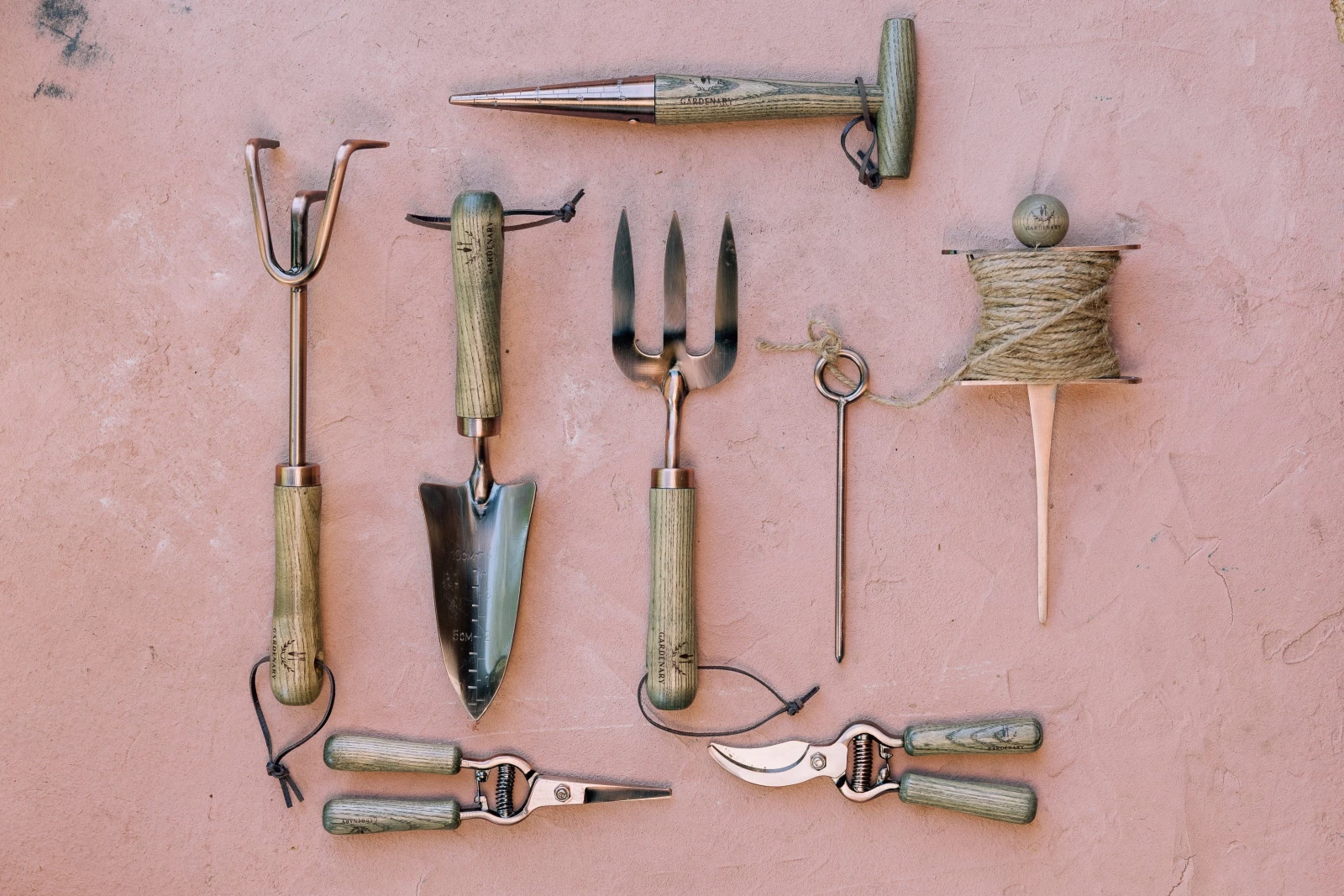
7 Tools, Beautifully Designed
The tool set gardeners actually want, made from carbon steel with an ash wood handle and a warm copper finish.
- Bypass pruner for clean, precise harvest cuts
- Needlenose pruner for detail work in tight spaces
- Transplanting shovel for seedlings and planting holes
- Dibber for perfectly spaced seed sowing
- Cultivator for loosening soil and clearing debris
- Hand fork for weeding and working around established plants
- Row marker & planting line for straight, intentional rows
All in a gift box, ready to use.
Click on the Pinterest icon below to save this post for later!

