Each of Us Can Do Our Small Part to Help the Environment
If you follow the news at all, I'm sure you're well aware of the many awful things that are happening around the world due to climate change. It's easy to get overwhelmed and feel hopeless. But instead of focusing on all the bad stuff, let's look at positive things each of us can do at home. You might not be able to stop deforestation in the Amazon or prevent flooding in Pakistan, but each of us can make small changes to the way we eat to help out our little corner of the Earth.
Here are three things you can do at home to contribute something positive to the climate:
One: Eat seasonally
Two: Shop locally
Three: Grow Naturally
We'll dive into each of these three things, including what might have been preventing you from embracing these beneficial actions before, and then I'll give you practical steps to get started.
(Prefer to listen? Check out Episode 33 of the Grow Your Self podcast, "Three Things That Can Change Everything," on iTunes, iHeartRadio, Spotify, and Stitcher.)

The 1st Change We Can Make for the Planet
Eat Seasonally
It's not always easy to eat with the seasons in our current system in the US. The grocery store shelves look pretty much the same every day, 365 days of the year, and that's because capitalism makes it so that every store is filled with pretty much every kind of food that people will pay money for every day of the year. The grocery shelves have been fooling us into thinking tomatoes grow in Chicago in the winter or beets pop up during a Florida summer.
To eat more seasonally, you do have to put more effort and thought into your shopping. That being said, eating with the seasons has three major benefits.

The Benefits of Eating Seasonally
Here's what happens when you eat with the seasons.
Eating with the seasons allows you to fill up on a few nutritious foods
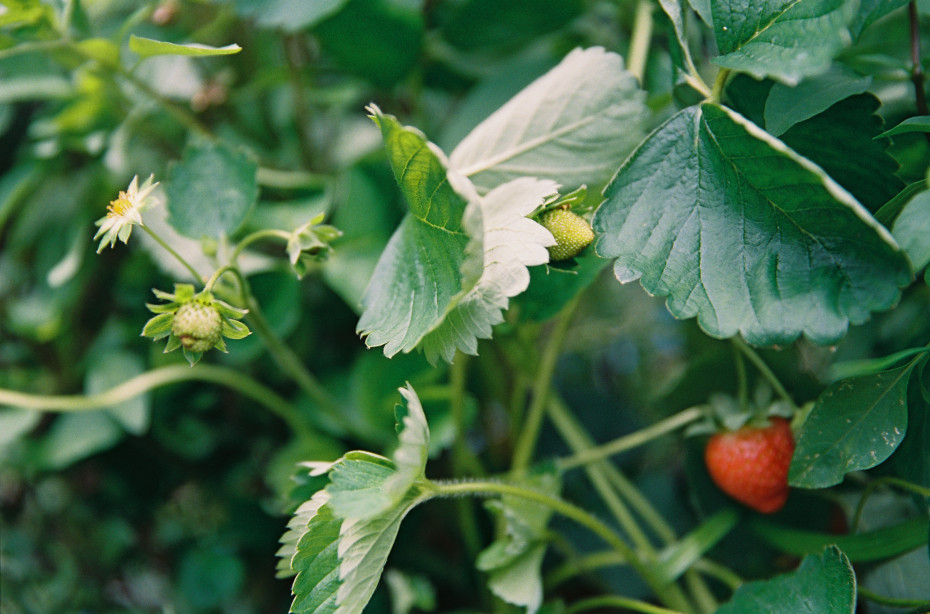
During any given season, you'll eat more in quantity of a single food but experience less overall variety. When strawberry season rolls around, you’re going to eat those strawberries in every way imaginable. You end up filling up on the very best things available in that season, and by the time they're no longer in season, you're kind of done with them for a bit because you’ve had your fill.
Eating with the seasons gives you the best nutrition
Eating seasonally means you give your body more of what it needs when it needs it. It's like nature knows us or something. Watermelons grow in summer when we need water, while citrus grows in the colder seasons when we need more vitamin C. Plus, eating foods when they're fresh and in season means you enjoy them at their nutritional peak. You'll enjoy benefits to your overall health by eating more seasonally.
Eating with the seasons saves money
When supply is less than demand, the price goes up and vice versa. So, when you're trying to buy things that aren't in season, there's much less supply than demand, so you pay more.

How to Eat Seasonally
To start eating seasonally, we have to first learn what the actual seasons are in our area, and then we need to figure out what things grow in each of those seasons.
Here's a breakdown of the four seasons and which foods grow best in those temperatures, though you may not experience a cold or hot season where you live.
The Cold Season
For the coldest season, eating seasonally would mean eating lots of root vegetables and hardy greens that might be growing in a greenhouse like broccoli, cauliflower, kale, and spinach.
The Cool Season
In the cool season, you can eat greens, root crops, peas, and eventually, strawberries. The cool season is prime lettuce time.
The Warm Season
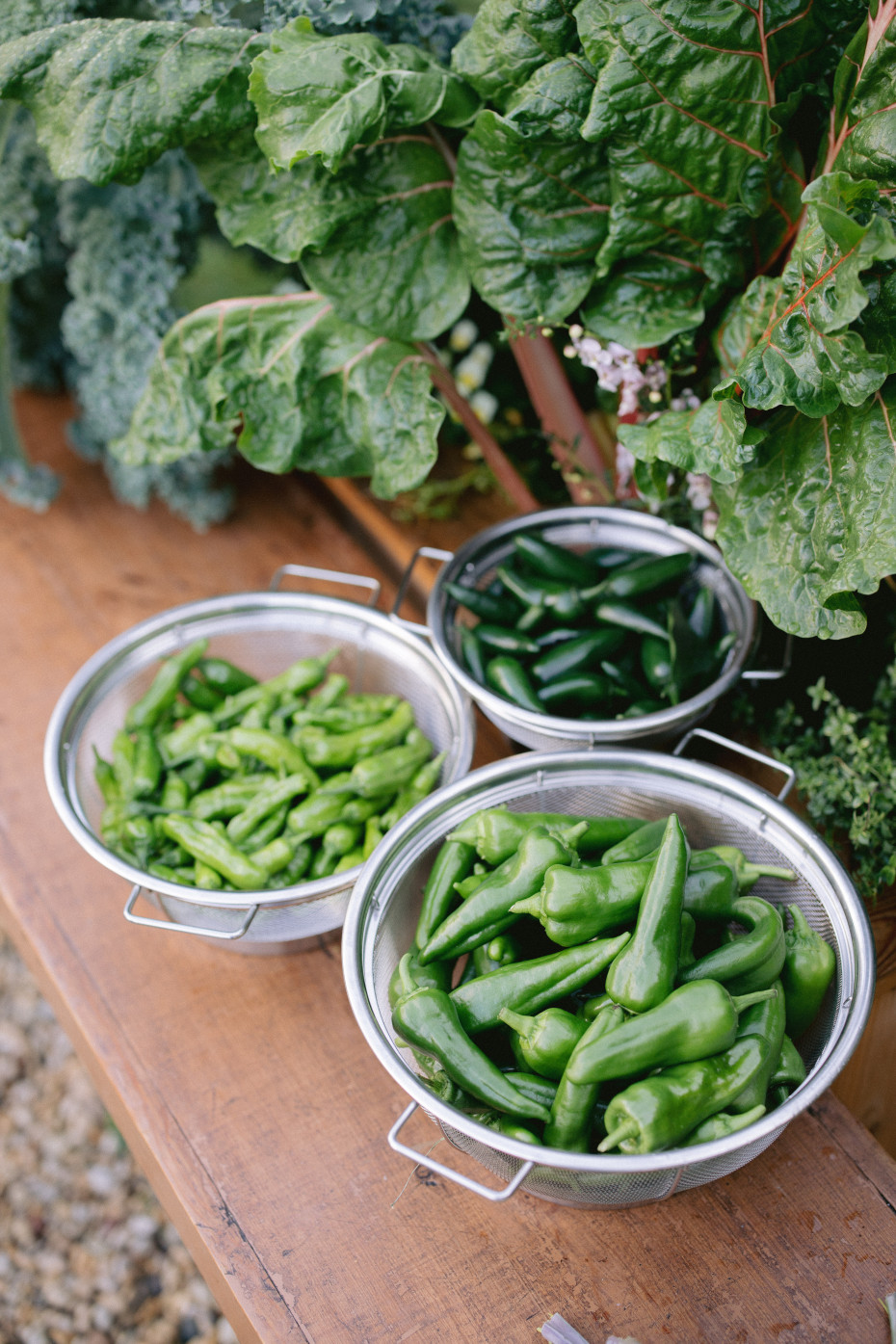
In the warmer season, you'll eat tomatoes, peppers, squash, cucumbers, zucchini, and beans. Herbs like rosemary, sage, thyme, oregano, and mint thrive during the warm season, so eat as many herbs fresh as you can.
The Hot Season
And in the hottest time of the year, you can be eating melons, basil, eggplant, okra, and peaches.


I break down how to eat seasonally for each of the four traditional seasons in these articles, but keep in mind that seasonal eating will vary by location. What's seasonal to me in the fall in Chicago might be what's seasonal to you in the winter if you're in a warmer climate.
Become a member of Gardenary 365 to access our new online course, Kitchen Garden to Table. We'll share our favorite ways to enjoy seasonal roots, leaves, fruits, and veggies pulled fresh from the garden (or purchased locally).
The 2nd Change We Can Make for the Planet
Shop Locally
Our current food system makes buying local extremely difficult. Most of the grocery stores near you are likely bringing food in from really large farms that prioritize growing and selling in bulk. It makes sense that if you're a farmer who grows loads and loads of certain varieties of foods, you can allow grocery store chains to buy larger quantities at cheaper prices. Unfortunately, that means that grocery stores often deal with growers who are not nearby.
When you make a point of shopping locally, your produce will taste better, it will be less expensive, and the money you spend on your food will go right back into your community, providing resources for some of the hardest workers in your area.

How to Shop Locally
Here are three ways you can shop locally.
ONE: SHOP AT THE FARMERS' MARKET
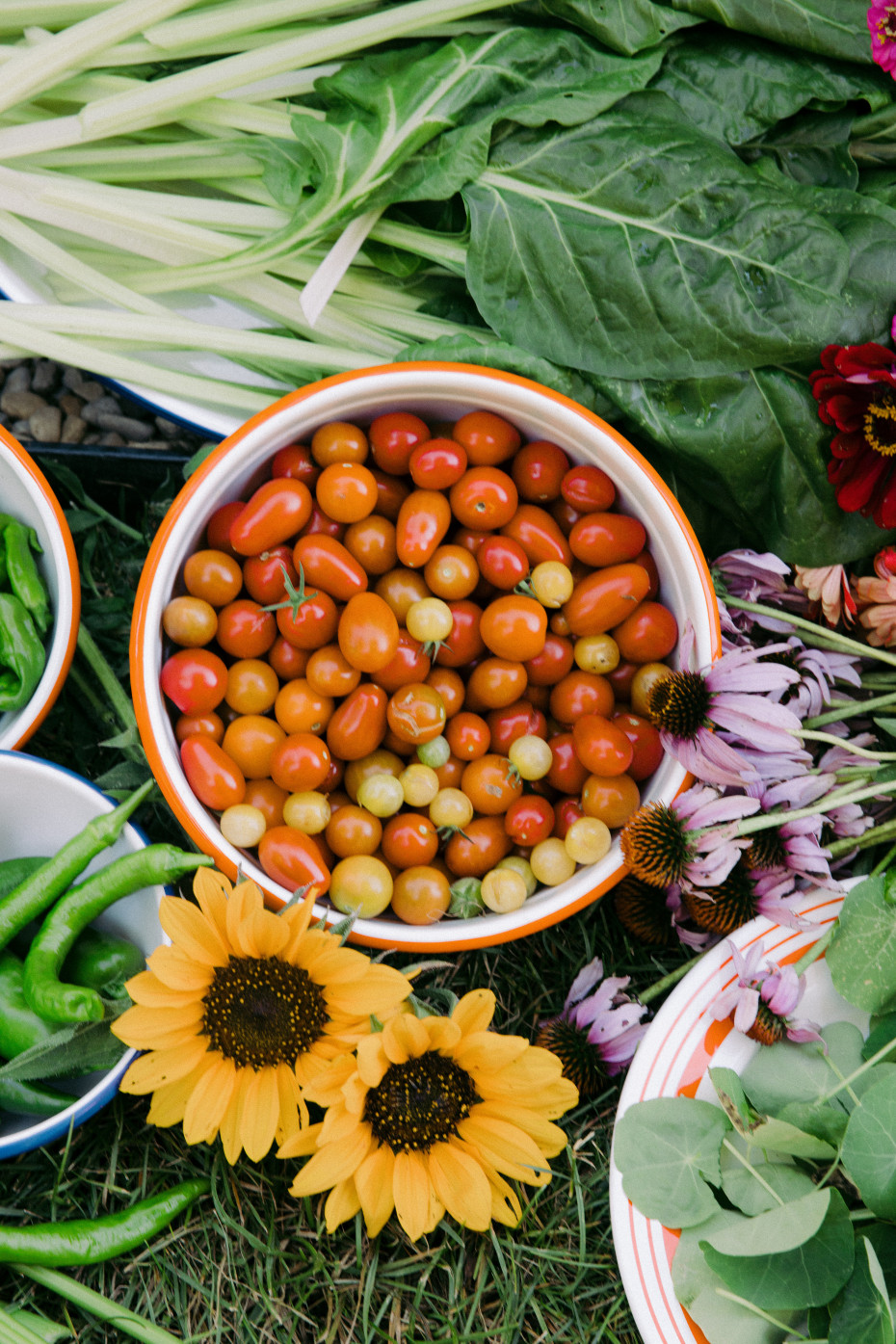
The first (and best) way to shop locally is to shop at local farmers' markets. When you shop at a farmers' market, almost all of your money goes straight into the hands of your local growers. Depending on where you live, there will be different options for you. (Find a farmers' market near you.) Once you find a local market, you’ll want to prioritize going there for your produce as much as you can.
TWO: SIGN UP FOR A CSA
I do know that with a busy schedule it can be hard to set aside time each week to make a trip to your farmers' market. This is where CSAs come in. CSA stands for Community Supported Agriculture. It’s sort of like Hello Fresh or some of those other food subscription services, but it’s even better! Services like Hello Fresh are great because they do help people to eat healthier. The problem is that they’re likely shipping the produce from all over the world. A CSA is better because you will be getting produce that was grown near you. (Find a CSA in your area.)

THREE: CHECK THE GROCERY TAGS
Even when I do my best to shop at the farmers' market and fill in what I'm not growing myself with produce from my local CSA, there are still times when I need to hit the grocery store.
When you're at the store, check the tags. Pick the produce with tags that mark locations as close to you as possible.
No tags? Talk to the employees at the store. Ask them where that food came from. Ask if they stock any produce from nearby farms. Every time you ask the question, you are letting your local grocery stores know that you value local produce. When they start to hear this over and over again, they'll be more likely to prioritize it.

The 3rd Change We Can Make for the Planet
Grow Naturally
If you have a garden but haven't been following organic gardening practices, don't feel bad. It turns out there are three very good reasons why most of us aren't growing naturally.
Gardening takes some practice
Our society has this long-held belief in the green thumb—people are either born with a natural ability to garden or they're just not. The green thumb thing is a myth! Human history tells us this: We've been gardening to keep ourselves alive for thousands of years, even those of us who weren't born with some supernatural ability. The ability to grow naturally isn't magic; it's developed with practice and training. Gardening is for everyone, you included.
Organic gardening methods are rarely taught
There's little access to methodical instruction and education on how we can all do this at home. Most of us can make it through years of grade school, college, and even graduate school and never learn a single thing about how to grow a little of our own food naturally at home.
Organic gardening products don't sell as well as quick fixes and miracle cures
Our current gardening industry focuses on products, not people. When you head to the store, there are racks and racks of things you can buy in regards to gardening but very few people there ready to help you understand how to use those things or what those products even do. Worse still, these products are mostly made of synthetic materials that promise miraculous but incredibly unnatural results: no pests! no disease! explosive growth!


Garden pests are the main reason people turn to synthetic sprays and chemicals. Learn our best organic gardening practices in our new online gardening course available with a Gardenary 365 subscription.
The Benefits of Organic Gardening
When you start to grow naturally, you'll get to eat the healthiest and best-tasting food possible. The nutrients in fruits and vegetables that our bodies need are most available the minute after they’re harvested. Foods that are shipped across the country or even across the globe are the least nutrient-rich food we can put in our bodies, at least when it comes to raw fruits and vegetables. When you cut something from the plant yourself and stick that food directly into your mouth (don't worry, you can rinse it first), you're giving your body the nutrition it craves.
This comes with such a sense of accomplishment. Every time you see leaves sprout or fruit form, every time you eat a little something you've tended to yourself, you're going to feel amazing.
And get ready: You won't be able to see food the same again. Once you've watched a seed turn into food that you can cut and literally feed your family with, you'll be entranced with the wonder of food.
Finally, you'll be inspired to do more of the first two things: eat seasonally and shop locally. As you start to grow yourself, you'll know what's in season because you're seeing it in your garden. And you'll want to shop locally because those just-harvested carrots are seriously addictive—you're going to want more of that good stuff!

How to Start Gardening Organically
Here are two tips to help you get started growing naturally at home.
Start with Leaves
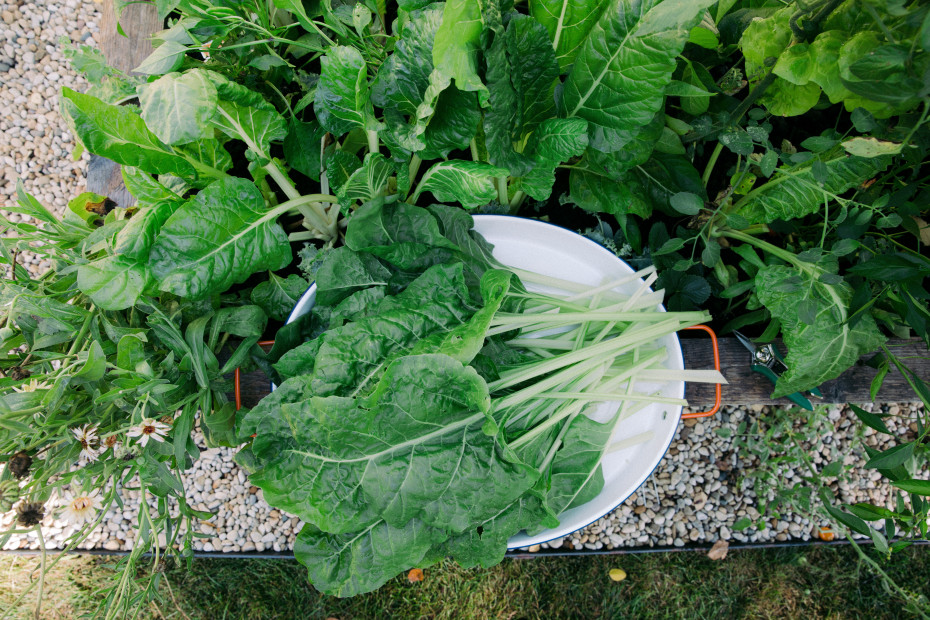
If you've never grown before or if you just want to see some success with simple plants grown organically, I encourage you to start with leaves. Herbs and greens are simply the easiest things that you can grow naturally. You don't have to wait very long to be able to harvest leaves, and you can cut from these plants the most often.
Anytime I meet a client or a friend who's ready to start trying their hand at gardening, I always recommend they start with herbs and leafy greens.
START SMALL
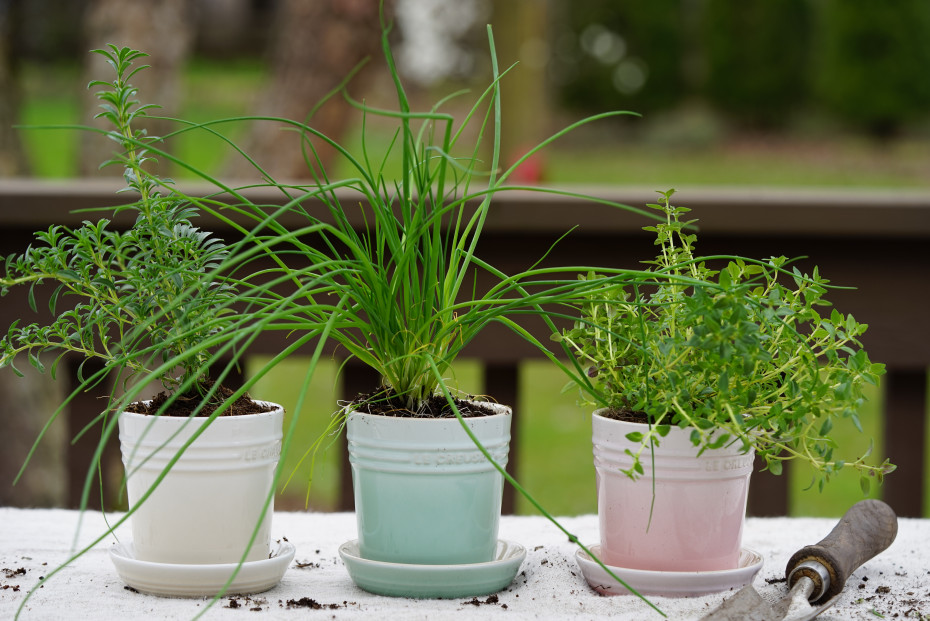
You don't have to go big or go home with gardening. In fact, I often encourage people to start with just one simple pot, like a pot of chives. It's pretty hard to kill chives, and chives are a fun thing to add to almost any dish.

There's no such thing as a natural green thumb, but you can learn how to cultivate your own. Take our quick quiz to discover your own gardening strengths and find inspiration to grow your self further.
These Three Things Can Change Everything
Are you starting to see how all three things could change you, your community, and even the planet? (Do I sound like I'm trying to save the world or something?) If you start doing these three things, you'll also notice something really cool: Buying local produce in season helps you to know what to plant when in your own garden (you'll just subtract 45 to 90 days from when you purchased it to figure out when to plant it, depending on what type of produce it is). These positive changes go hand in hand, and get easier with time.
Here inside the Gardenary community, we share with you the tools you need to make these three things happen in your life. I recommend starting with a free trial to Gardenary 365. Each month, we drop new gardening lessons to help you grow in the garden and enjoy seasonal foods in your kitchen.
Thanks for being here and helping to make small changes for the better!
Listen to the Full Episode on the Grow Your Self Podcast
This is just the summary. Come hear the full episode, subscribe, and leave a review so more people can do these three great things alongside you. I'd be so so thankful!