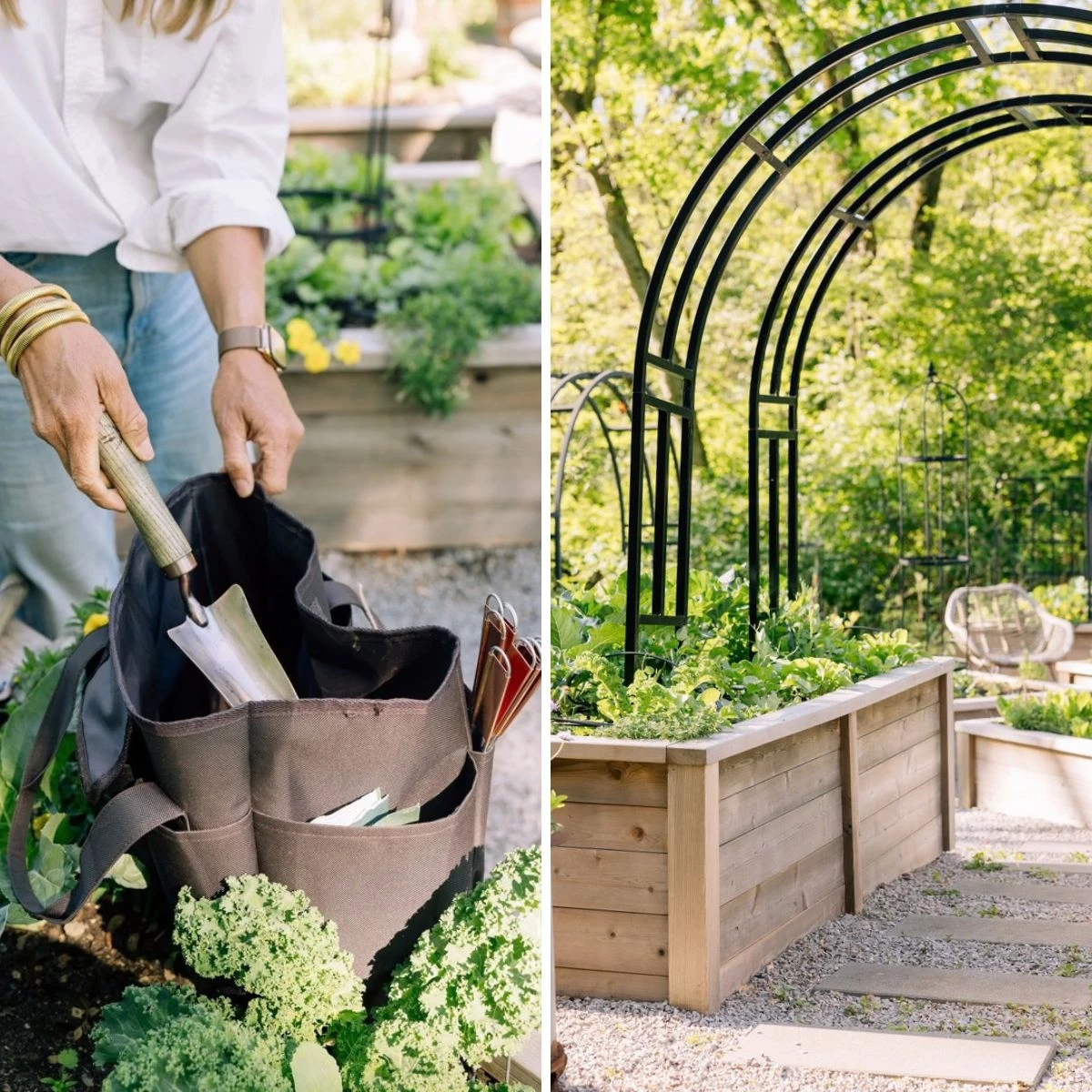
What to Know Before You Plant: Summer is the season of tomatoes, cucumbers, beans, basil, and squash — the crops that thrive in heat and taste nothing like their grocery store counterparts when harvested fresh. Eating seasonally and locally this summer means prioritizing these plants from your own garden, a local farmers' market, or a nearby CSA.
At a Glance
- Summer is peak season for nightshades (tomatoes, peppers, eggplant), cucumbers and squash, beans and peas, and fresh herbs — all best eaten within days of harvest for maximum flavor and nutrition.
- Eating seasonally means buying locally from farmers' markets or CSAs whenever you're not growing your own — these foods have traveled hours, not days, and the difference in taste is remarkable.
- Swiss chard, kale, arugula, garlic, and chives round out the summer harvest and give you nutrient-dense options beyond the classic warm-season fruits.
By Nicole Johnsey Burke: Founder of Gardenary and Author of Kitchen Garden Revival
Eat These Foods All Summer Long
Summer is here, and so is the most abundant season in the kitchen garden and at the farmers' market.
I talk a lot about three things: eat seasonally, buy locally, and grow naturally. This article is about the first two. Specifically, what you should be prioritizing right now — whether you're heading to the farmers' market, visiting a local CSA, or stepping out to your own backyard.
Most gardeners across the US are in their warm or hot season right now, so I'll focus on heat-loving crops below. If you're in a truly hot climate like Houston, you can add okra, sweet potatoes, and eggplant to the top of your list.
If you want a simple, season-by-season framework for growing and eating from your own garden, my book, The 5-Minute Gardener, was written exactly for this.


How to Eat Locally This Summer
Eating locally doesn't mean you have to grow everything yourself.
Here are the simplest ways to make it happen:
- Find your nearest farmers' market — most run weekly from late spring through fall. Search LocalHarvest.org or check your city's parks and recreation site for a schedule.
- Join a CSA — a Community Supported Agriculture subscription connects you directly to a local farm. You pay upfront for a weekly share of whatever they're harvesting. It's one of the best ways to eat seasonally without any planning on your end.
- Talk to your neighbors — if someone on your street gardens, they almost certainly have more zucchini, herbs, or tomatoes than they can use. Ask. Gardeners love to share.
- Grow the easiest things yourself — even a single pot of basil on a sunny windowsill counts. Once you taste the difference, you won't go back.
- Skip the grocery store herbs — this is the easiest swap you can make right now, today, with zero effort.
The goal isn't perfection. It's just choosing local whenever you can.
New to Growing Your Own? Start Here
These are the most forgiving crops for first-time kitchen gardeners — a great entry point before you work your way up to the full summer harvest:
- Herbs — the easiest, most rewarding plants in the kitchen garden; basil, oregano, and thyme are great first crops
- Swiss chard — produces all summer with almost no fuss
- Zucchini — prolific and forgiving; one plant feeds a family
- Kale — more heat-tolerant than most greens and easy to keep harvesting all season
- Green beans — fast-growing, beginner-friendly, and incredibly satisfying to harvest fresh
Once you've got a season or two under your belt, the rest of the summer harvest list is absolutely within reach. Every single crop on the farmers' market list above can be grown in a raised bed kitchen garden — and every one of them tastes better when you grow it yourself.
Warm-Season Plant Families to Enjoy All Summer Long


Solanaceae Family: Tomatoes, Peppers, Eggplant, and More
These are the crowning jewels of the summer kitchen garden — and the ones that taste most dramatically better fresh than anything you'll find at the grocery store.
What to eat this summer:
- Tomatoes — all varieties, at peak ripeness
- Sweet and hot peppers
- Eggplant
- Tomatillos
- Potatoes (pulled up as the leaves yellow)
Nicole's tip: If you're not growing your own tomatoes yet, farmers' market tomatoes are your next best option. Please say no to long-distance tomatoes whenever local ones are available — the flavor difference is not subtle.


Please say no to long-distance tomatoes whenever they're locally available. This is the perfect time to support your local farmers, most of whom are not selling to big grocery chains and rely on us to show up and buy those tomatoes, peppers, and eggplants from them at their peak ripeness.
Most of these plants taste so much better if they are eaten within a few days of harvest, so this is another great reason to be getting them from the farmers' market or from your own backyard garden. By growing your own or enjoying them in season from a local source, you get so much more for your money in terms of nutrition, flavor, and vitamins.


Cucurbits: Cucumbers, Squash, and Zucchini
The cucumber family is one of the most productive in the summer garden — so productive that you may find yourself leaving zucchini on neighbors' doorsteps anonymously.
What to eat this summer:
- Cucumbers
- Green and yellow zucchini
- Crookneck squash
- Summer squash of all kinds
Nicole's tip: If you've never tasted a just-harvested cucumber, you're in for a revelation. The grocery store version wrapped in plastic has almost nothing in common with a fresh one. Seek these out at your farmers' market if you're not growing your own.


Fabaceae Family: Green Beans, Peas, and More
Beans and peas are one of summer's most underrated crops — protein-rich, easy to grow, and delicious eaten fresh right off the plant.
What to eat this summer:
- Green beans
- Purple beans
- Crowder peas
- Purple hull peas (especially in hot climates)
Nicole's tip: If you're heading to the farmers' market, beans should be near the top of your list. They're full of protein, ideal for plant-based meals, and taste nothing like the canned version.


The Lamiaceae Family: Basil, Oregano, Thyme, and the Rest
Summer is peak herb season — your plants are producing faster than you can harvest, and the flavor is at its absolute best.
What to eat and harvest this summer:
- Basil — the quintessential summer herb
- Oregano
- Thyme
- Rosemary
- Sage
- Mint
Nicole's tip: Make a pledge with me — no grocery store herbs all summer long. Only fresh. The plastic containers have traveled too far and taste like almost nothing compared to what's growing right outside your door or at your local farmers' market.


Free Video Course! Learn to Grow Herbs the Easy Way.
Ready to grow your own fresh herbs, but not sure where to start? This free course teaches you exactly what to do —without the overwhelm.

Brassicas: Arugula and Kale
Most brassicas are cool-season plants, but kale and arugula are the exceptions — they can hang on through summer with the right care.
What to eat this summer:
- Arugula — grows well in summer with some afternoon shade
- Kale — more heat-tolerant than most brassicas; dinosaur kale especially
Nicole's tip: If your kale or arugula starts to bolt in the heat, harvest everything you can and freeze it or make pesto before it goes to seed.


The Amaryllis Family (Alliums): Garlic, Onions, and Chives
Summer is when fall-planted garlic comes out of the ground — one of the garden's most satisfying harvests.
What to eat this summer:
- Garlic — pull it, cure it, store it
- Chives — snip from the plant all season long
- Onions of all varieties
Nicole's tip: Buy a big haul of garlic from your farmers' market if you didn't grow your own — it stores beautifully for months and locally grown garlic is infinitely better than the imported kind.


Amaranth Family: Swiss Chard
Swiss chard is one of the most underappreciated summer crops — it keeps producing all season and is packed with nutrients.
What to eat this summer:
- Swiss chard — all varieties, all summer long
Nicole's tip: Harvest the outer leaves regularly to keep the plant producing. Swiss chard is one of the easiest crops to sneak into any meal — sauté it, add it to eggs, toss it in pasta, or eat it raw in salads.


How to Eat Seasonally All Summer Long
Here's the complete list of plants to eat seasonally this summer:
- tomatoes
- eggplants
- potatoes
- peppers
- tomatillos
- cucumbers
- squash
- zucchini
- melons
- green beans
- purple beans
- crowder peas
- kale
- arugula
- herbs
- onions
- chives
- garlic
- swiss chard
This is the way we can make a simple but true difference in our communities and in the world. Every time you choose to eat food that was grown locally, every time you choose to eat seasonally, you are literally doing good for the whole planet. You are decreasing your fuel footprint and supporting your local economy, which is one of the best ways to make a long-lasting difference in our food industry.
It's super simple—you just have to slightly change the way that you eat, the way you think about food, and the way that you source your food.
I know that heading out to the farmers' market can sometimes be a pain. It's so much easier to schedule a grocer pickup from a big chain that's open 24 hours a day. But every time you head to your farmers' market this summer, you put money right in your local economy.


Frequently Asked Questions About Eating Seasonally in Summer
What vegetables are in season in summer?
Summer is peak season for tomatoes, peppers, eggplant, cucumbers, zucchini, squash, green beans, basil, and other warm-season crops. In hotter climates, okra, sweet potatoes, and crowder peas also thrive. These crops taste best — and are most nutritious — when eaten within days of harvest.
Why is eating seasonally better?
Seasonal produce is harvested at peak ripeness and travels shorter distances to reach you, meaning more flavor, more nutrients, and less environmental impact. A summer tomato from a local farmers' market has more in common with a homegrown one than with anything available at a grocery store in January.
What should I buy at the farmers' market in summer?
Prioritize tomatoes, peppers, cucumbers, fresh herbs, green beans, garlic, and summer squash. These are the crops that degrade fastest after harvest and taste most dramatically better when bought locally rather than shipped across the country.
What herbs grow best in summer?
Basil, oregano, thyme, rosemary, sage, and mint all thrive in summer heat. In fact, summer is when these herbs produce the most leaves and the most flavor. Harvest frequently — regular cutting encourages the plant to keep producing.
What is a CSA, and how do I find one?
A CSA (Community Supported Agriculture) is a local farm subscription — you pay upfront for a share of the farm's seasonal harvest, delivered or picked up weekly. It's one of the best ways to eat seasonally without growing your own. Search "CSA near me" or visit LocalHarvest.org to find one in your area.
I hope that you're inspired to eat seasonally this summer. I really want you to fill up on the good stuff.
In her book Animal, Vegetable, Miracle, Barbara Kingsolver talks about the concept of filling up so full of certain foods when they're in season, that you don't crave them when they're not. You satiate yourself for that flavor so that, come winter or spring when that food is no longer locally available, you're okay to wait. You know you're going to stuff your face with it when it comes back in season.
That's what I want to encourage you to do this summer: stuff your face with all the foods that are available to you seasonally. Fill your body up with good stuff literally growing right outside your back door or in your local farms.
Keep Reading
10 Reasons You Should Never Use Miracle-Gro in Your Garden
The Best Herbs to Grow in Shade

Are Your Radishes Ready to Harvest? Look for These 3 Signs
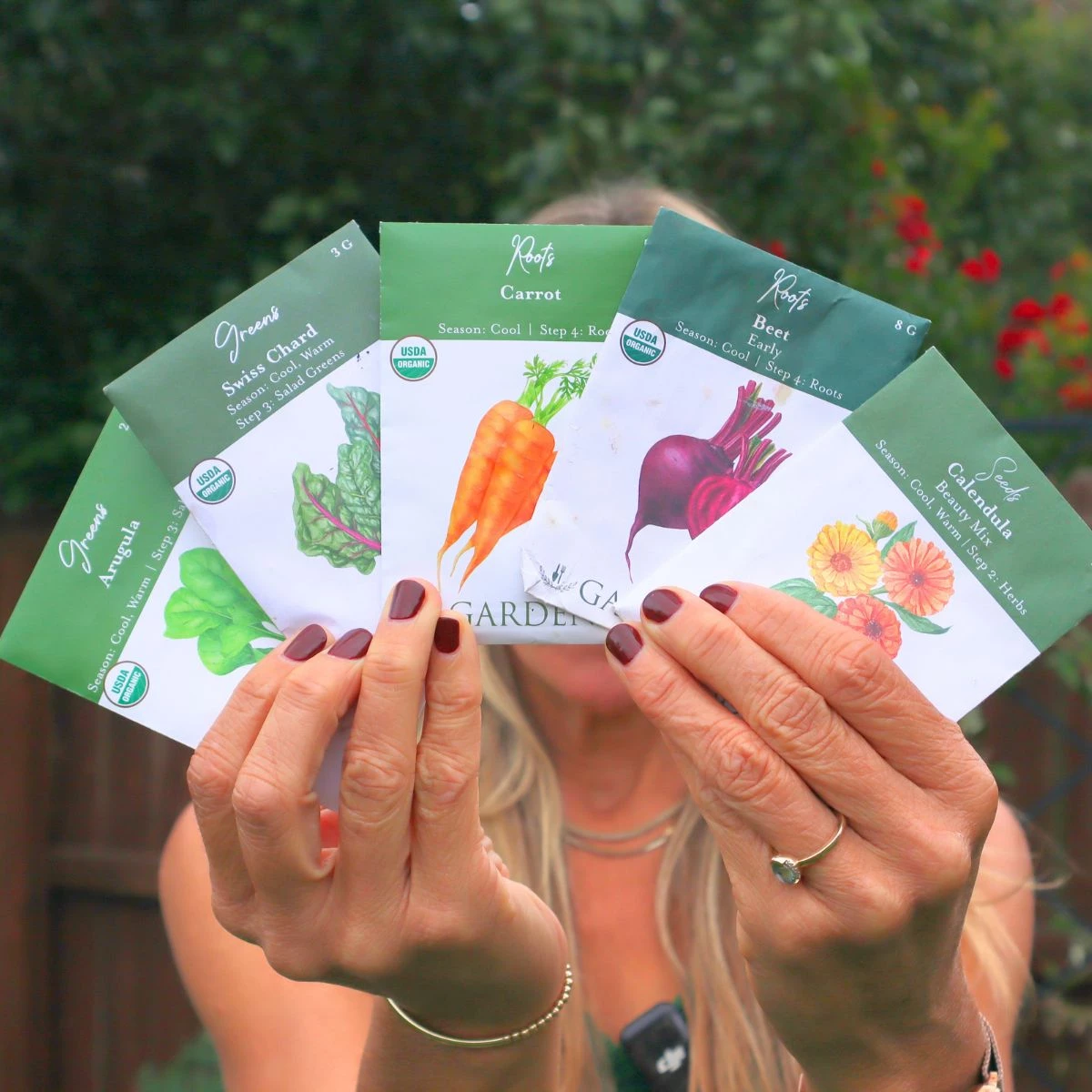
What to Plant in October: Vegetables for Every Climate

This Garden Consultant Started From Scratch, Now She's Featured in Martha Stewart