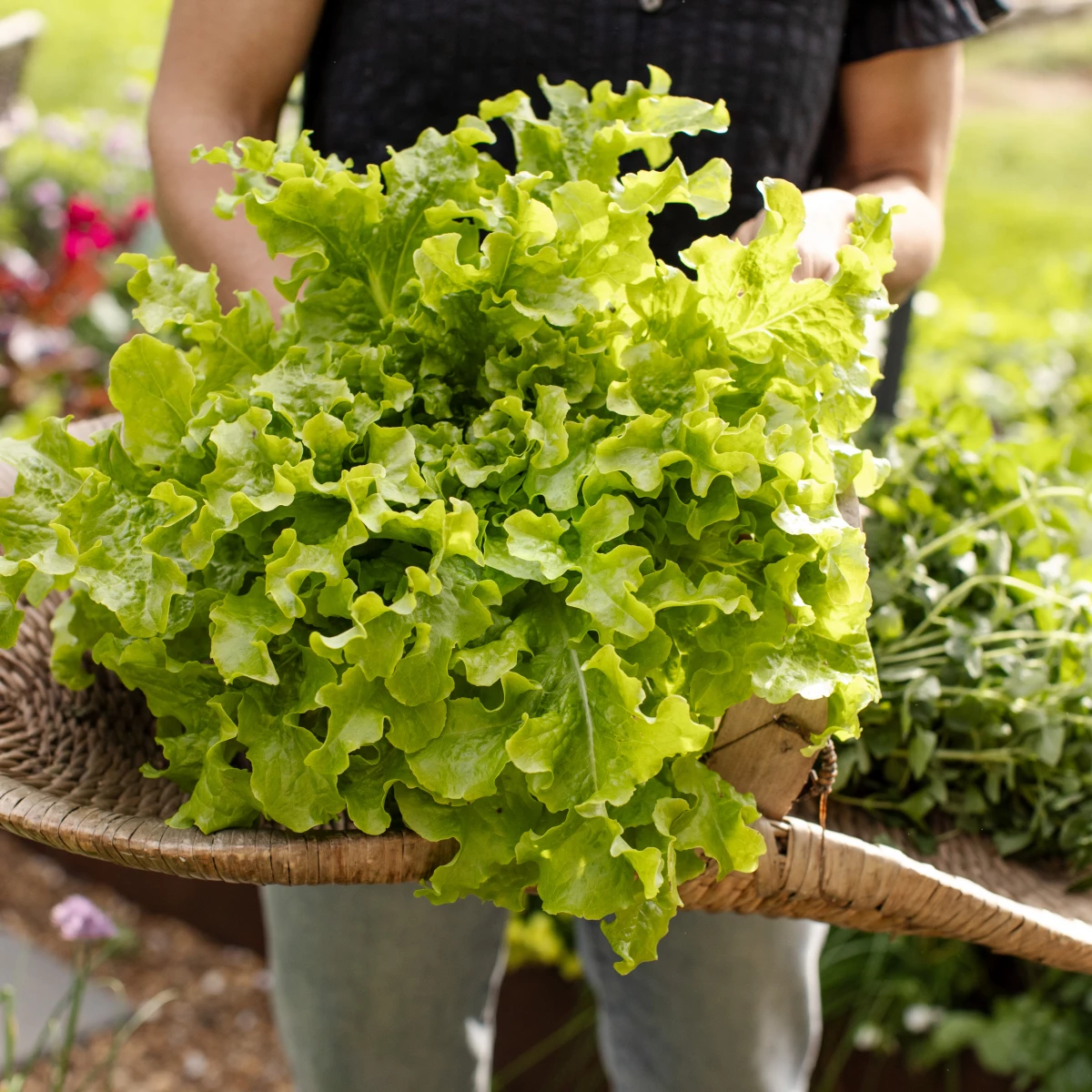
Nicole's Take: After helping thousands of beginner gardeners find success, I've narrowed it down to four tips that work every time: start with herbs, add leafy greens, grow in raised beds, and get support from someone who knows your climate.
At a Glane
- The best plants for beginner gardeners are herbs first, then leafy greens — both are forgiving, fast, and give you something to harvest quickly while you're still learning.
- Raised beds filled with nutrient-rich soil are the single biggest factor in beginner gardening success — they fix drainage, improve root depth, and make tending easier from day one.
- You don't have a black thumb — you just haven't had the right setup, the right plants, or the right support yet.
By Nicole Johnsey Burke: Founder of Gardenary and Author of Kitchen Garden Revival
Four Tips That Will Actually Make You a Better Gardener
If you're here to learn how to become a better gardener, you're in the right place.
After helping so many gardeners take their gardening skills to the next level, I narrowed it down to four tips for success in the garden. Four simple tips that work whether you have a sprawling backyard or a single sunny windowsill.
Here they are.


Tip 1: Start with Herbs
Herbs Are the Most Forgiving Plants You Can Grow
If you're wondering what a beginner gardener should plant, the answer is herbs. You can grow a ton of herbs, even in a small space, even indoors. Herbs are super forgiving; you can cut from them again and again, and they really are the best way to get started in your kitchen garden. My first real experience growing my own food was keeping a pot of chives my mom gave me alive. Every time I snipped some greens for an omelet or a baked potato, I felt like Ina Garten.
If you're a beginner gardener who's killed your fair share of plants and are convinced you'll never have a green thumb, herbs are the way to go.
If you're an experienced gardener but you've never really given herbs a shot, you gotta try growing your own year-round supply of organic herbs.


The experts have spoken: you'll get the most return on your garden investment when you grow kitchen herbs (re: basil, rosemary, thyme, chives, calendula, parsley, and more). Growing herbs is the simplest & most productive entry to kitchen gardening. I'll teach you the entire process in this course.
Tip 2: Add Leafy Greens Next
Leafy Greens Give You Results Fast
Leafy greens like lettuce plants, spinach, and arugula were the first plants that gave me loads of success in the kitchen garden, and I see the same with clients and students who grow plants for their leaves first. The reason they're so fast is that leaves are one of the first plant parts to form. You don't have to wait around for flowers and fruit to develop. Less waiting time equals fewer things that can go wrong.
You can grow microgreens in a matter of days and with very little setup. These little guys can grow indoors and give you loads of nutrients in every bite.
If you're a salad lover, start a salad garden at home. Baby leaves taste delicious, and you only have to wait about 30 days to harvest your first spinach or arugula leaves. I love growing salad greens because almost all of them are cut and come again. You know what that means? You can cut them, and they'll come back again. And then you can cut them again and again—it's pretty amazing.
Most of you can grow six months of garden salad from your own space. If you're in a warm climate, you're going to be doing this in the colder parts of the year, from, say, October to March, and if you're in a cooler climate, you're going to do this in the warmer parts of the year, from say March to October.
No matter where you live, there is a way to grow tons of greens in your own space.


What Should a Beginner Gardener Plant First?
Start here and work your way down as your confidence grows:
- Herbs — chives, basil, thyme, oregano, mint; all forgiving, all useful in the kitchen
- Salad greens — arugula, spinach, lettuce; ready to harvest in 30 days
- Microgreens — the fastest crop you can grow, ready in days, no outdoor space required
- Swiss chard — produces all season, hard to kill, beautiful in the garden
- Green beans — fast-growing, beginner-friendly, incredibly satisfying to harvest
- Cherry tomatoes — once you have a raised bed, these are the natural next step
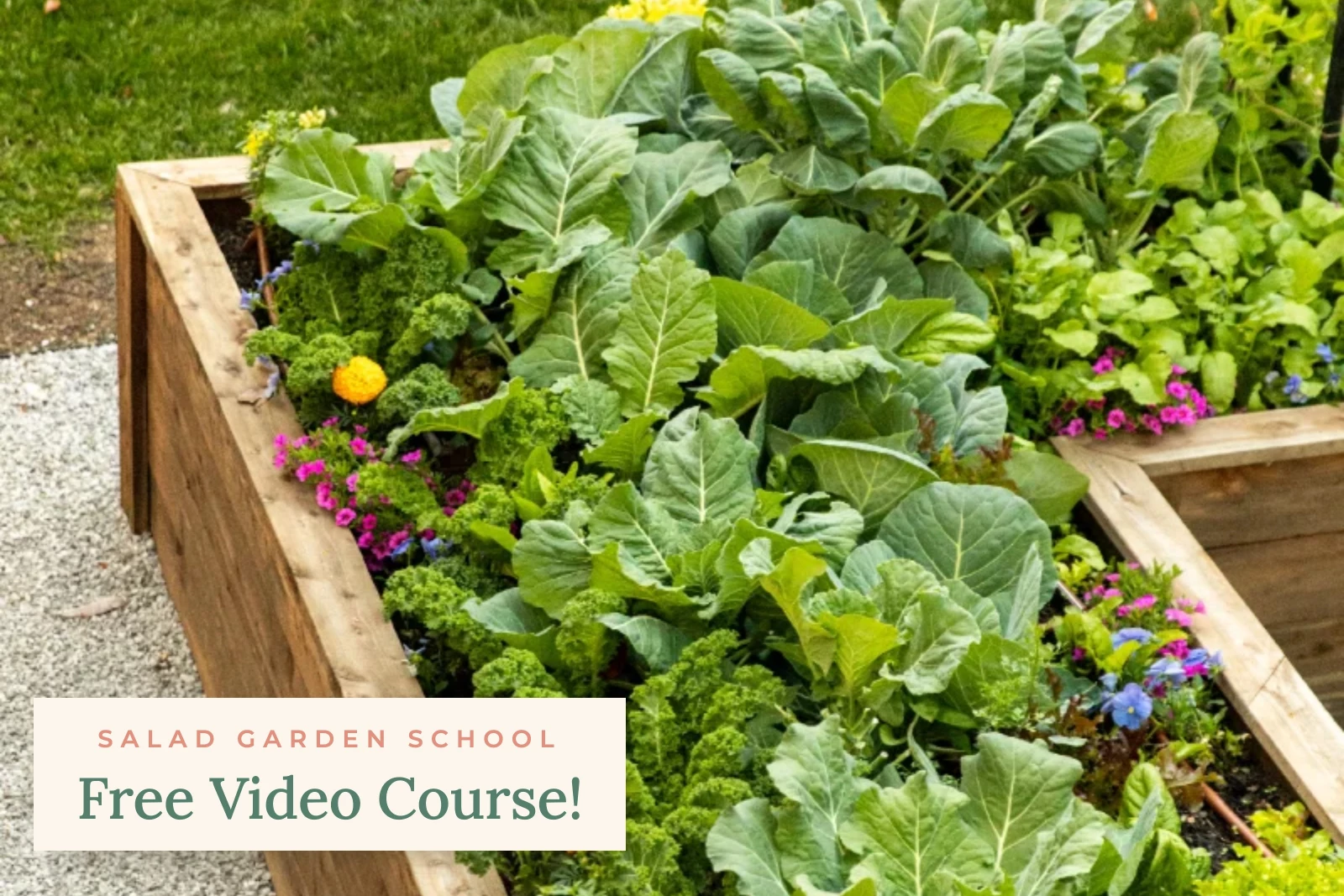
Grow Your Own Salad
Step-by-step video lessons for a raised-bed or container salad garden.
Imagine stepping outside and harvesting crisp, organic greens straight from your own garden, no grocery trips needed. Salad Garden School teaches you exactly how to plan, plant, and grow a salad garden that keeps producing for at least half the year.
Claim your free access today.
Tip 3: Grow in Raised Beds
Why Raised Beds Change Everything for Beginner Gardeners
There are few things that can kill your enthusiasm for gardening faster than spending money on plants only for them to die. Plants often die because we don't give them the conditions they want to grow in. We stick them in a too-small pot where they can't dig down for more resources. We overwater them. We put them in the ground where there's too much clay and not enough nutrients.
Raised beds filled with nutrient-rich soil give plants room for their roots to dig down deep. The added height also means better drainage, so your plants won't rot in a tub of water.
Raised beds are totally our thing at Gardenary. I love raised beds so much I wrote a whole book about them. It's called Kitchen Garden Revival.
Herbs and leafy greens don't mind being grown in containers, but once you have a raised bed, you can grow so much more! You can include root crops because your raised bed gives those crops lots of space to form juicy taproots, and you can grow fruiting crops like cherry tomatoes, cucumbers, and pole beans. The raised bed is the key to success with these crops.
Find directions to build your own raised bed for a little over $100—no carpentry skills required. Or learn more about setting up your own raised beds right with online video lessons and support from real gardening experts in Kitchen Garden Academy.
Shop Our Cedar Raised Beds
Gardenary's new line of quality cedar garden beds are easy to assemble and will provide years of gardening enjoyment. Choose from numerous different garden sizes to fit your space.


Tip 4: Get Support from Someone Who Knows Your Climate
Work with a Garden Coach Near You
Most people think they have a black thumb because they kill plants. The real problem is not the people buying the plants. It's the plant store. Big box stores are so focused on products that they sell you plants that aren't right for your climate, and then lots of synthetic sprays to use to try to keep that plant alive. What they really need to sell is knowledge.
We're here to connect people who want more gardening knowledge with people who are experts at growing in their climate. Over the years, we've trained hundreds of experienced gardeners all over the country in our methods to help beginner gardeners find success. Search our business directory to find a garden coach near you. Ask them to give you some one-on-one coaching, attend their workshops, or simply follow them on social media to find out what they plant when in your area.
Learn How to Plan and Build Beautiful Raised Beds
Follow a simple process to build a raised bed that makes construction straightforward — even if you’re not “handy.”


Frequently Asked Questions for Beginner Gardeners
Do I need a raised bed to start gardening?
You don't need one to start, but it makes a significant difference. Raised beds filled with nutrient-rich soil fix the two most common reasons beginner plants die — poor drainage and nutrient-depleted ground soil. Even a single small raised bed will produce more than a much larger in-ground plot.
Why do my plants keep dying?
The most common reasons beginner plants die are overwatering, poor soil drainage, wrong plant for the season, and plants purchased from big box stores that were already stressed before you brought them home. Starting with herbs and leafy greens in a raised bed with quality soil eliminates most of these problems from the start.
How much space do I need to start a kitchen garden?
Very little. A single 4x4 raised bed gives you 16 square feet of growing space — enough to grow a meaningful variety of herbs, greens, and even some fruiting crops. You can start even smaller with a container of herbs on a patio or windowsill.
Start your dream garden. Watch the free class!


Keep Reading
What to Plant in October: Vegetables for Every Climate

This Garden Consultant Started From Scratch, Now She's Featured in Martha Stewart
The Best Gardening Gifts for Every Gardener on Your List
What to Do With Green Tomatoes Before Frost (and How to Tell Which Ones Will Ripen)
3 Signs Your Carrots Are Ready to Be Harvested from the Garden