
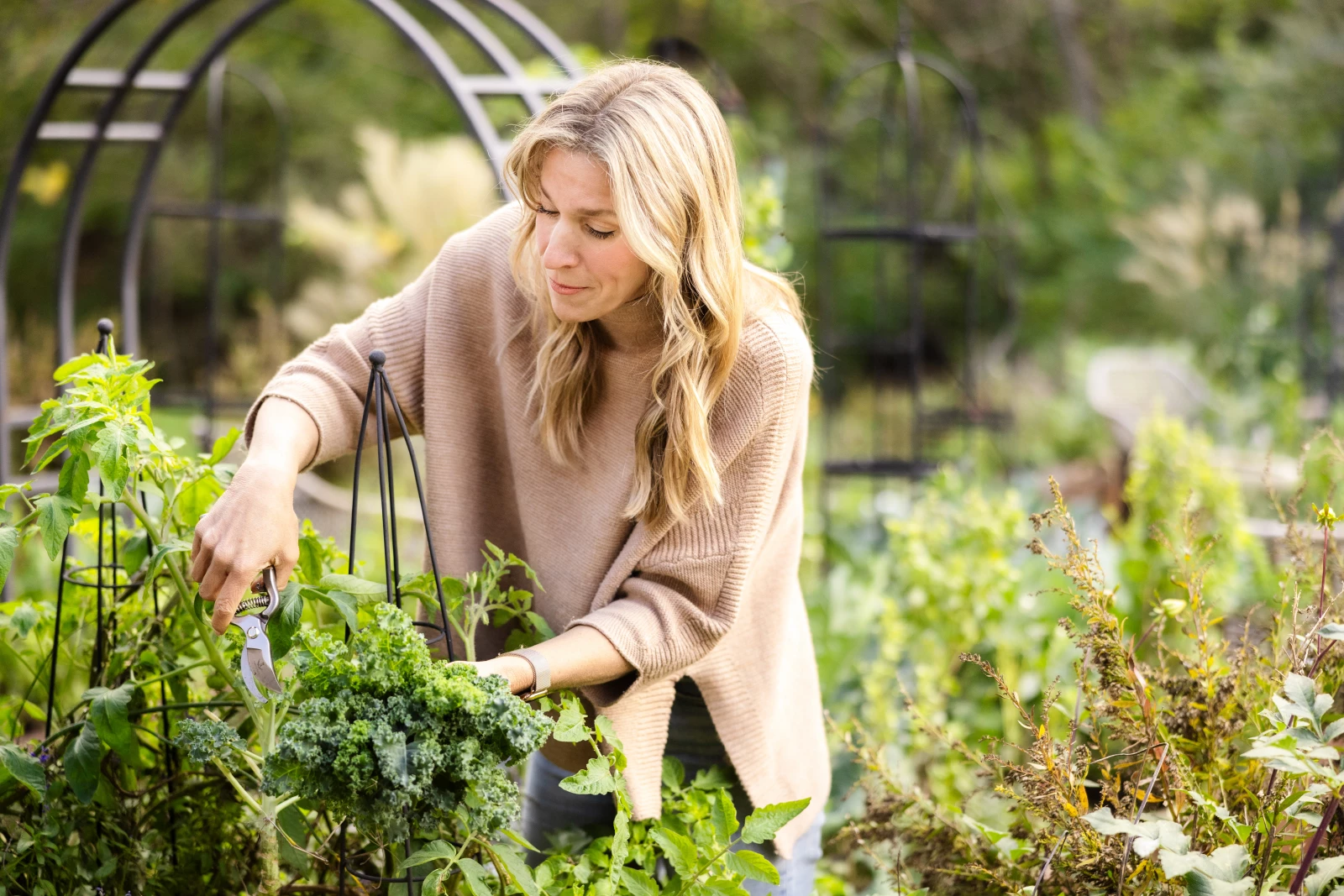
Nicole's Quick Take: Fall is actually the easier, more productive season to garden, not summer. Once evening temperatures drop below 70 degrees, pests fade out, the soil is already warmed from months of sun, and fast-maturing crops like arugula and radishes can go from seed to harvest in as little as 25 to 70 days.
At a Glance
- Most vegetables actually stall out above 90°F during the day and 70°F at night, so cooling fall temperatures often produce a second wave of growth.
- Fall soil is already warmed, which means seeds germinate faster and more evenly.
- Cool-season fall crops mature in a fraction of the time as summer vegetables, and need far less daily maintenance.
By Nicole Johnsey Burke: Founder of Gardenary & Author of Kitchen Garden Revival
I Used to Put My Garden to Bed Every August
For years, once the tomatoes slowed down, I figured that was it.
Summer was over, the garden was done, time to clean up and wait for spring.
The truth is, some of my best harvests, the ones with the fewest bugs and the least effort, have come from what I plant in late summer for a fall garden.

The Real Reason Your Garden Struggles in the Heat of Summer
I didn't know this when I started gardening: most of what we grow- tomatoes, cucumbers, squash, beans, greens, root crops- actually hates temperatures over 90°F.
- Above 90°F days / above 70°F nights: production and ripening stall almost completely.
- Below 70°F evenings, 70s–80s days: plants wake back up, even the ones you thought were done for the season.
So if August has felt like a fight, sweating through harvests while production crawls to a stop, that's not you doing anything wrong. That's just the heat.
The moment temperatures cool, your garden comes back to life.
Why Fall Is Better

Reason One: The Temperatures Finally Work With You, Not Against You
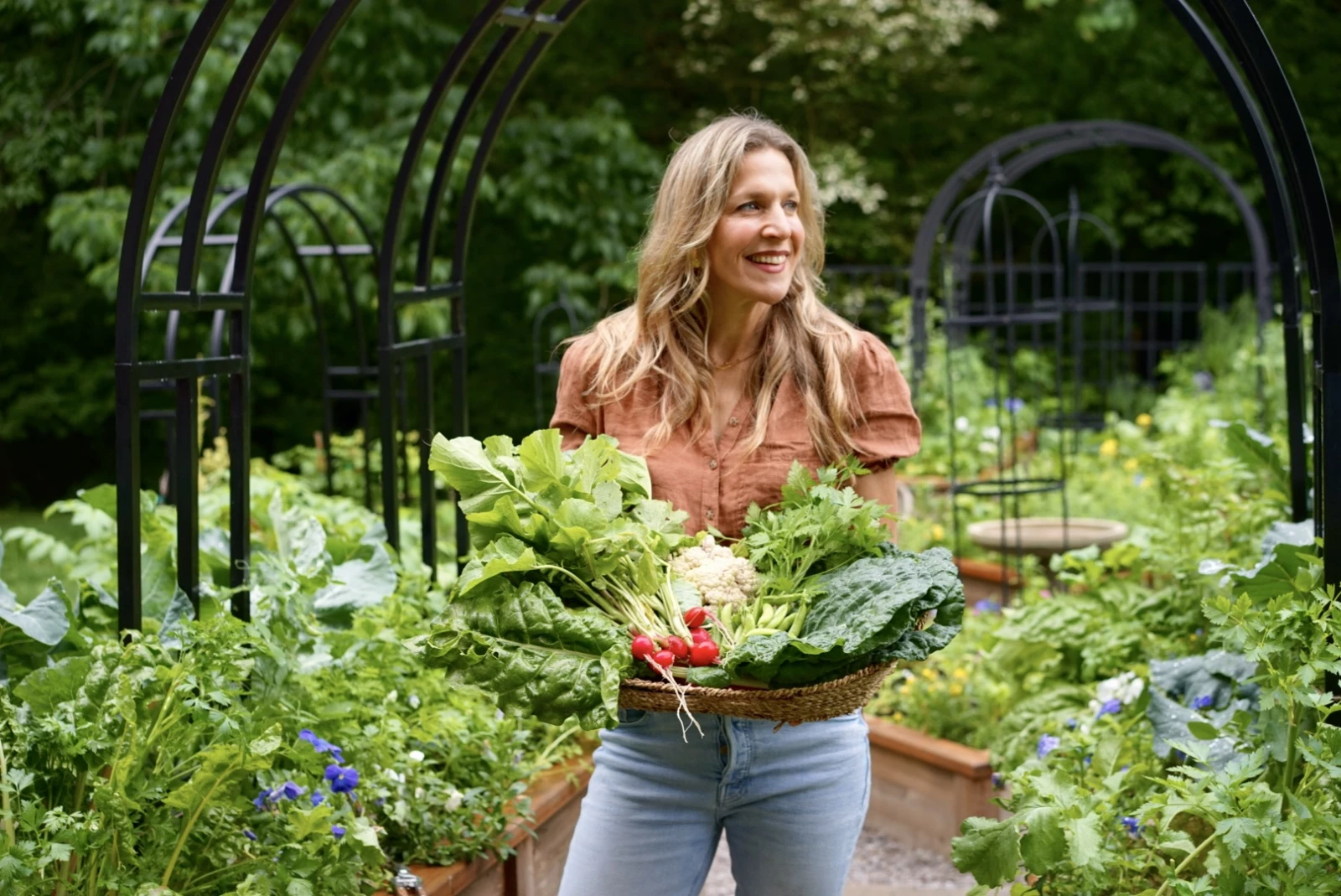
Fewer 90-degree afternoons mean less stress on the plants and less sweating through your own harvests.
I'll be honest, I don't love heading out to pick beans while I'm dripping sweat. Once the evenings cool off, you'll actually want to spend more time out there, especially in the early morning and at dusk, and more time in the garden always means a better-looking garden.
Gardenary's Fall Garden Guide
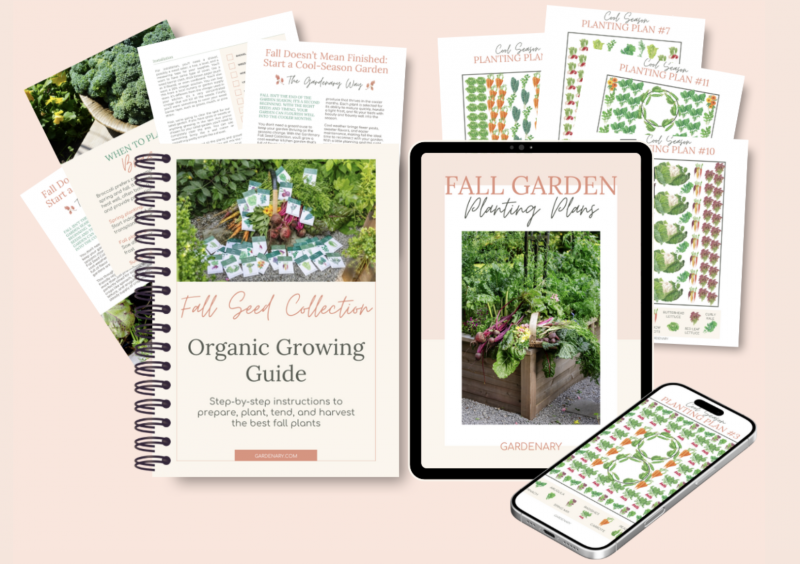
Spring gets all the attention, but fall is actually the ideal time to start your kitchen garden. Get expert guidance, done-for-you layouts, and step-by-step tips to help you plant smarter, grow healthier crops, and harvest more—right through fall.

Reason Two: The Soil Is Already the Perfect Temperature
In spring, we wait and wait for soil to warm up, and just when it does, another frost sets it back.
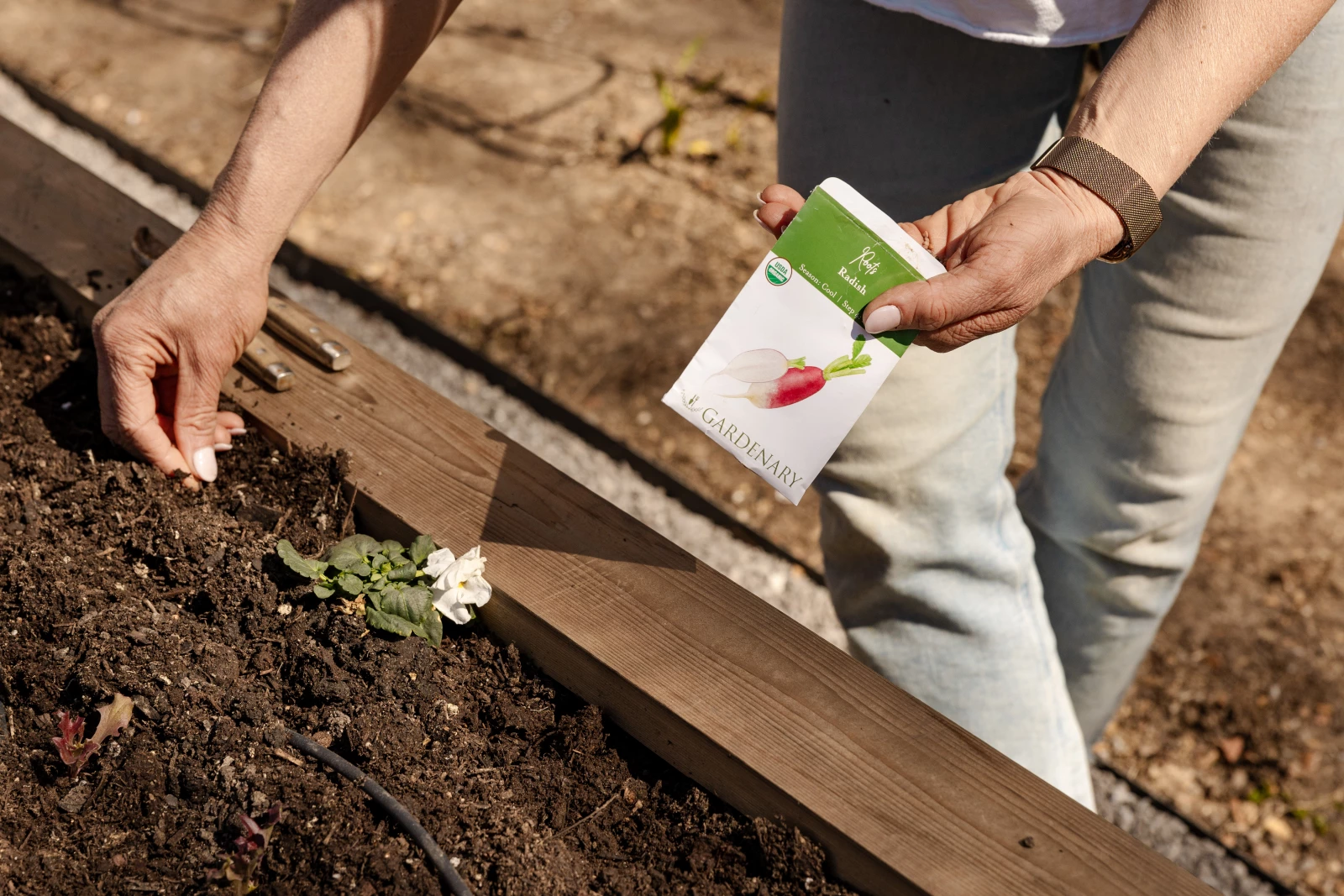
Fall soil doesn't have that problem. It's been sitting under the sun for months, so it's already warm and ready to go the moment you plant.
Last August in my Nashville garden, I noticed baby salad greens sprouting on their own in a bed I hadn't touched, seeds that had dropped from spring lettuce plants, suddenly germinating the second the soil hit the right temperature. That's the kind of thing that happens when the soil is doing the hard work for you instead of against you.

Reason Three: There Are Genuinely Fewer Pests & Weeds to Fight
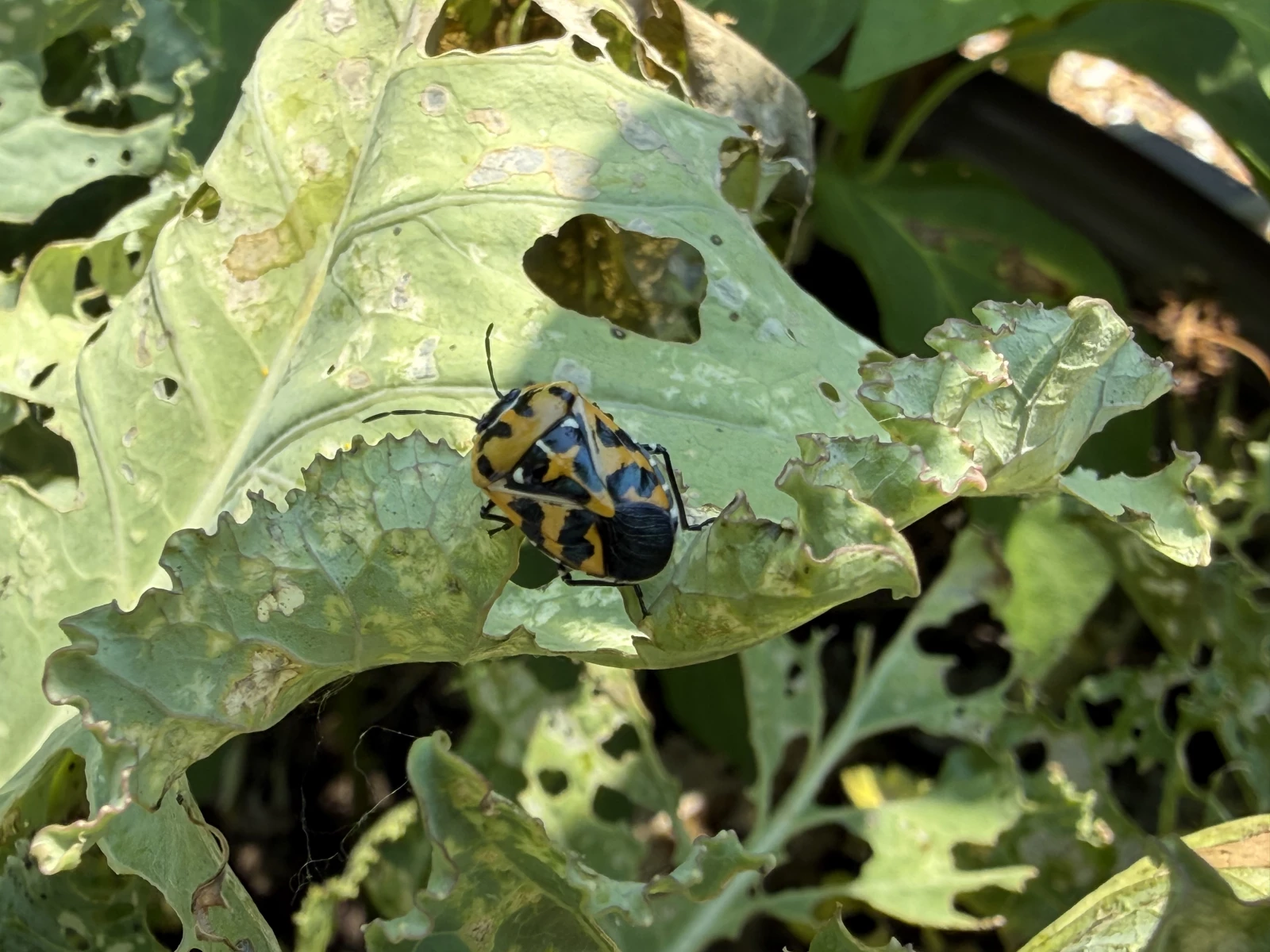
Insects and wildlife do most of their eating in summer, then slow down considerably as days shorten and temperatures drop.
The University of New Hampshire found that fall gardens come with less weed pressure and that many pest insects have already completed their lifecycles by fall planting time.
You'll still have a few pests; you always will, but it's nowhere near the daily battle summer can be.

Reason Four: Fall Gardening Is Just Easier, Full Stop
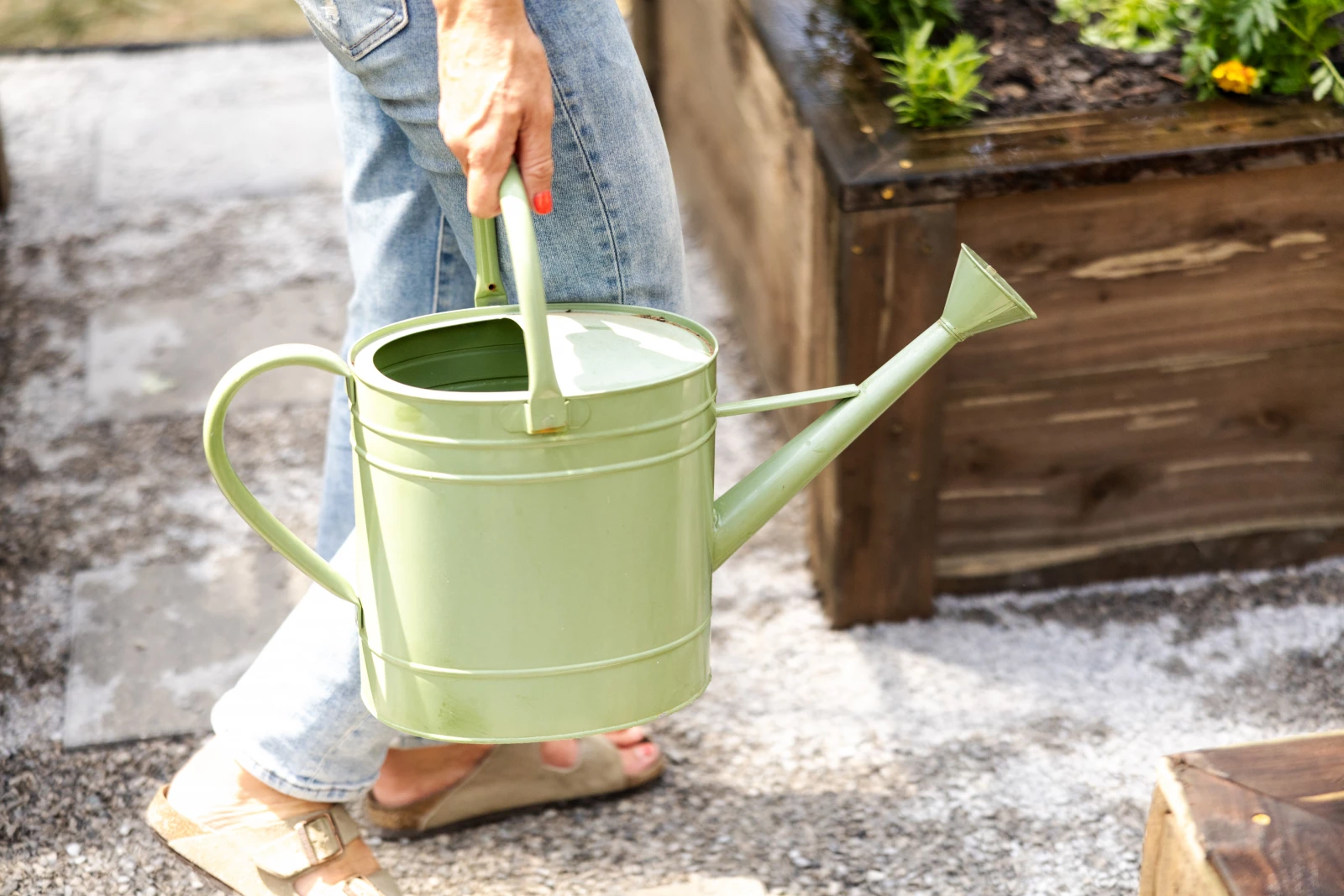
Watering gets simpler. Fall seeds and transplants need consistent watering for the first two weeks while they germinate and settle in. After that, a lower evaporation rate means the soil holds moisture much longer than it does in summer, so you're often down to one solid watering session a week.
Weeding gets lighter. Fewer windborne weed seeds move around in cooler weather, and fast-growing root crops and leafy greens fill in the empty spaces where weeds would otherwise take hold.
Quality actually improves. Warm days followed by cool, humid nights are close to ideal growing conditions.

Join Thousands of Gardeners On the VIP List
Free perks, just for email subscribers:
- 15% Off Your First Order
- Gardening Videos & Articles
- Early Access to Sales
Sign up, check your inbox, then shop with your code.
CLAIM YOUR 15% OFF BELOW
Reason Five: Fall Crops Grow Faster, Smaller, and Simpler
Cool-season crops know they're working on borrowed time before winter, so they move fast.
Compare their days-to-maturity to a summer crop that can take 100 to 150 days:
- Radishes: 25 to 30 days
- Leaf lettuce: 50 to 60 days
- Spinach: 50 to 70 days
They're smaller, too, fitting into a fraction of the space a sprawling tomato or squash plant needs. The care they ask for is refreshingly simple: plant, water, harvest.
What to Plant Right Now for a Fall Harvest
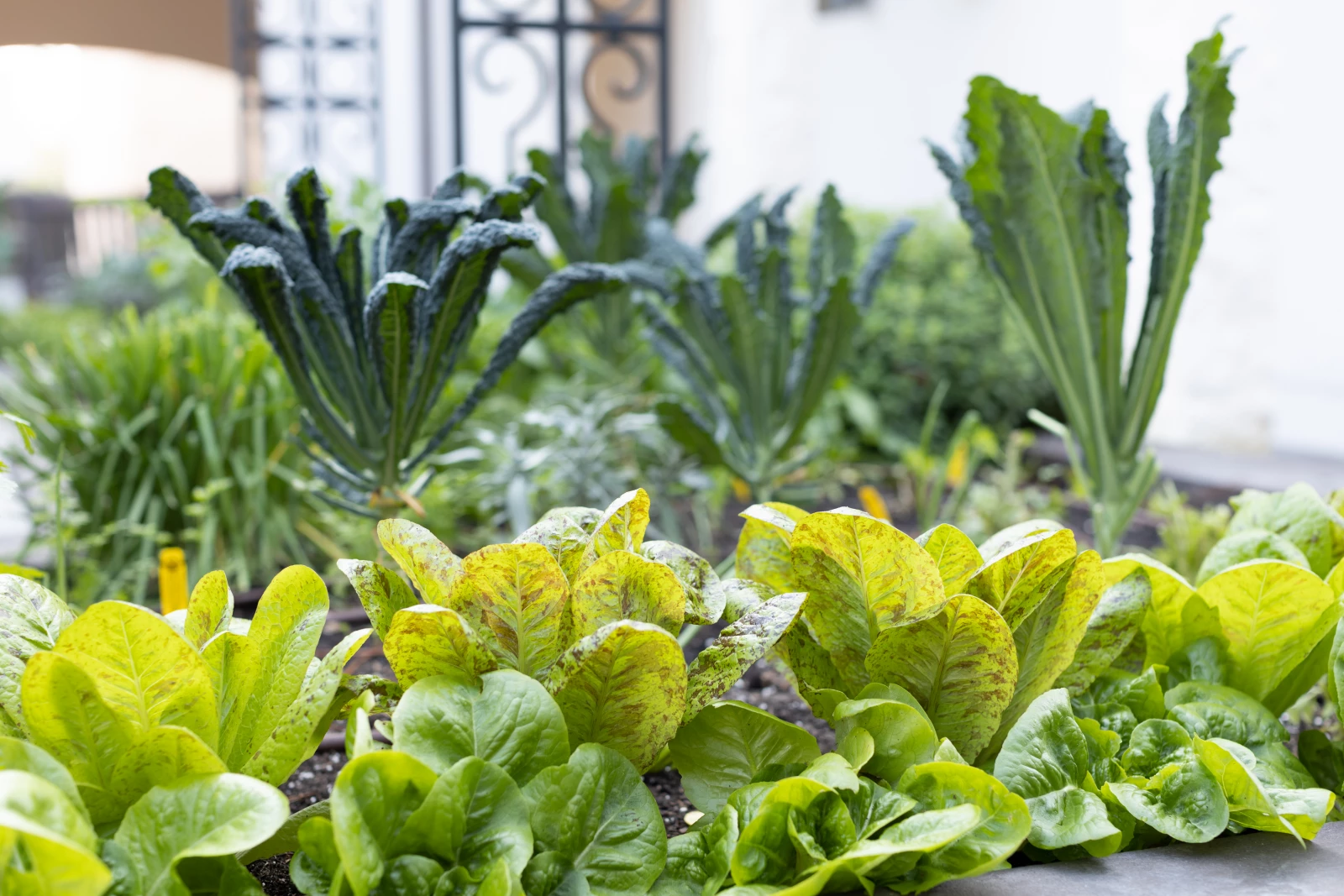
- Leafy greens: spring mix, spinach, arugula
- Root crops: radishes, carrots
- Something to grow up: sugar snap peas on a trellis
If you're setting up a new trellis for peas or another climbing crop this fall, the Nicole Panel Trellis is a sturdy, powder-coated steel option built to hold up through the cooler, wetter months without warping or rusting the way a wood trellis eventually will.
Getting the right seeds together for a fall planting is its own small project. Gardenary's seasonal seed collections are built around exactly this kind of succession planting. [INTERNAL: Gardenary seed collections / fall seed set — confirm current SKU and availability before linking, since standalone seed products are handled separately from bundles]
Common Mistakes to Avoid With Your Fall Garden
- Waiting for a hard frost warning before you plant. By then, most cool season crops won't have enough time left to mature. Late summer, while it's still hot, is actually when fall planting needs to start.
- Skipping the daily watering in the first two weeks. Fall soil is warm, which helps, but seedbeds still dry out fast if you're not staying on top of it early.
- Treating fall crops like they need the same spacing as summer plants. Most cool season crops are compact. Crowding them out of habit wastes space you don't need to give up.
Fall Gardening FAQs
When should I start a fall vegetable garden?
Leafy greens like spinach, arugula, and spring mix, along with root crops like radishes and carrots, are some of the most reliable fall crops. All of these mature quickly and tolerate cooler temperatures well.
Do I need to water a fall garden as often as a summer garden?
Only for the first two weeks after planting, while seeds germinate and get established. After that, cooler temperatures and a lower evaporation rate mean the soil holds moisture longer, often bringing you down to about one watering session a week.
Are there really fewer pests in a fall garden?
Yes. Most insects and wildlife do the majority of their feeding during summer and slow down significantly as the days shorten and temperatures cool, so fall gardens tend to need far less pest management.
How long does it take for fall crops to be ready to harvest?
Many fall vegetables mature in 25 to 70 days, radishes being among the fastest and spinach and leaf lettuce close behind, compared to the 100 to 150 days some summer crops need.
Can I still garden in the fall if I live somewhere warm?
es. Fall gardening works in nearly every climate; you're simply watching for the point where evening temperatures drop below 70°F, which is when heat-stressed plants start producing again regardless of where you live.
What's the best trellis for growing sugar snap peas in the fall?
The Nicole Panel Trellis holds up well through cooler, wetter fall weather since it's powder-coated steel rather than wood, so it won't warp or need yearly maintenance the way a wooden trellis does.
Keep Reading

This Garden Consultant Started From Scratch, Now She's Featured in Martha Stewart
The Best Gardening Gifts for Every Gardener on Your List
What to Do With Green Tomatoes Before Frost (and How to Tell Which Ones Will Ripen)
3 Signs Your Carrots Are Ready to Be Harvested from the Garden
Best Types of Lettuce to Grow in Your Garden
The Best Soil Blocker for Seed Starting and How to Use It
Sources
- "Fall Vegetable Gardening" — University of New Hampshire
- "Hot Tips for Cool-Season Gardening" — Oklahoma State University
- "Will Heat Make My Tomatoes Ripen Faster?" — South Dakota State University