
Join Thousands of Gardeners On the VIP List
Free perks, just for email subscribers:
- 15% Off Your First Order
- Gardening Videos & Articles
- Early Access to Sales
Sign up, check your inbox, then shop with your code.

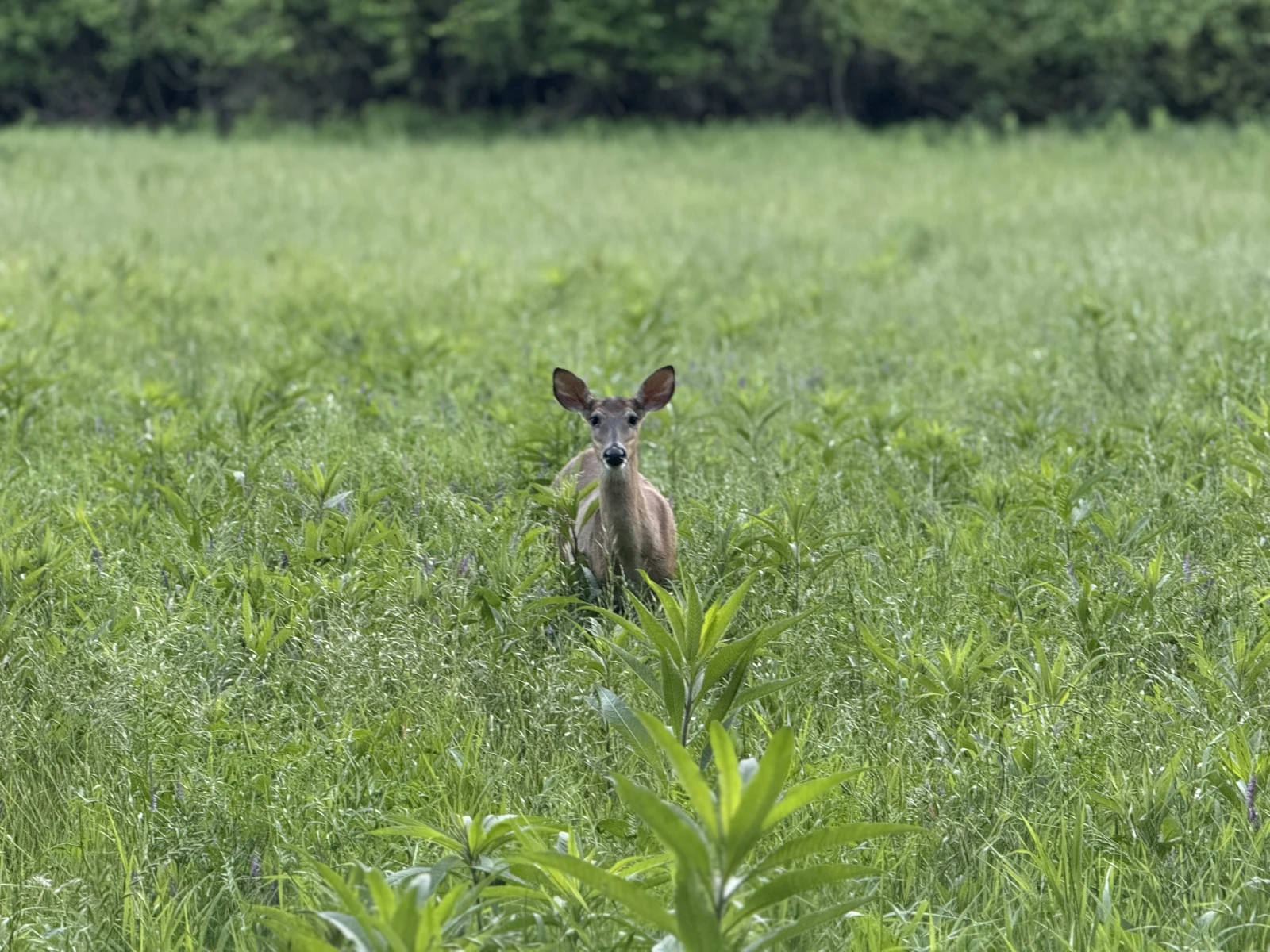
Nicole's Quick Take: The most reliable way to keep deer out of your garden is a physical barrier: a fence at least 6 feet tall, a double fence, or covers over your raised beds. Then layer in natural deer-repelling plants.
At a Glance
- A fence 6 feet tall is usually enough to keep deer out of a garden.
- Deer have poor depth perception, so two shorter fences a few feet apart can stop them, too.
- Ultrasonic devices haven't been shown to work, so save your money.
By Nicole Johnsey Burke: Founder of Gardenary & Author of Kitchen Garden Revival
Why Deer Hit Your Garden Hardest in Fall
As summer wraps up and wild food gets harder to find, a kitchen garden full of tender fall greens and brassicas starts to look irresistible. That's why fall is the season to get serious about protecting your garden from deer.
SIGNS IT'S DEER (NOT RABBITS):
- Ragged, torn leaves: Deer tear plants instead of making a clean cut, so the edges look shredded.
- Damage up high: Deer browse well above where a rabbit can reach.
- Hoof prints and droppings: Look for split, heart-shaped tracks and small pellet piles near your beds.
If the damage is low and the cuts are clean, you're more likely dealing with rabbits. Here's how to keep rabbits out of your garden.

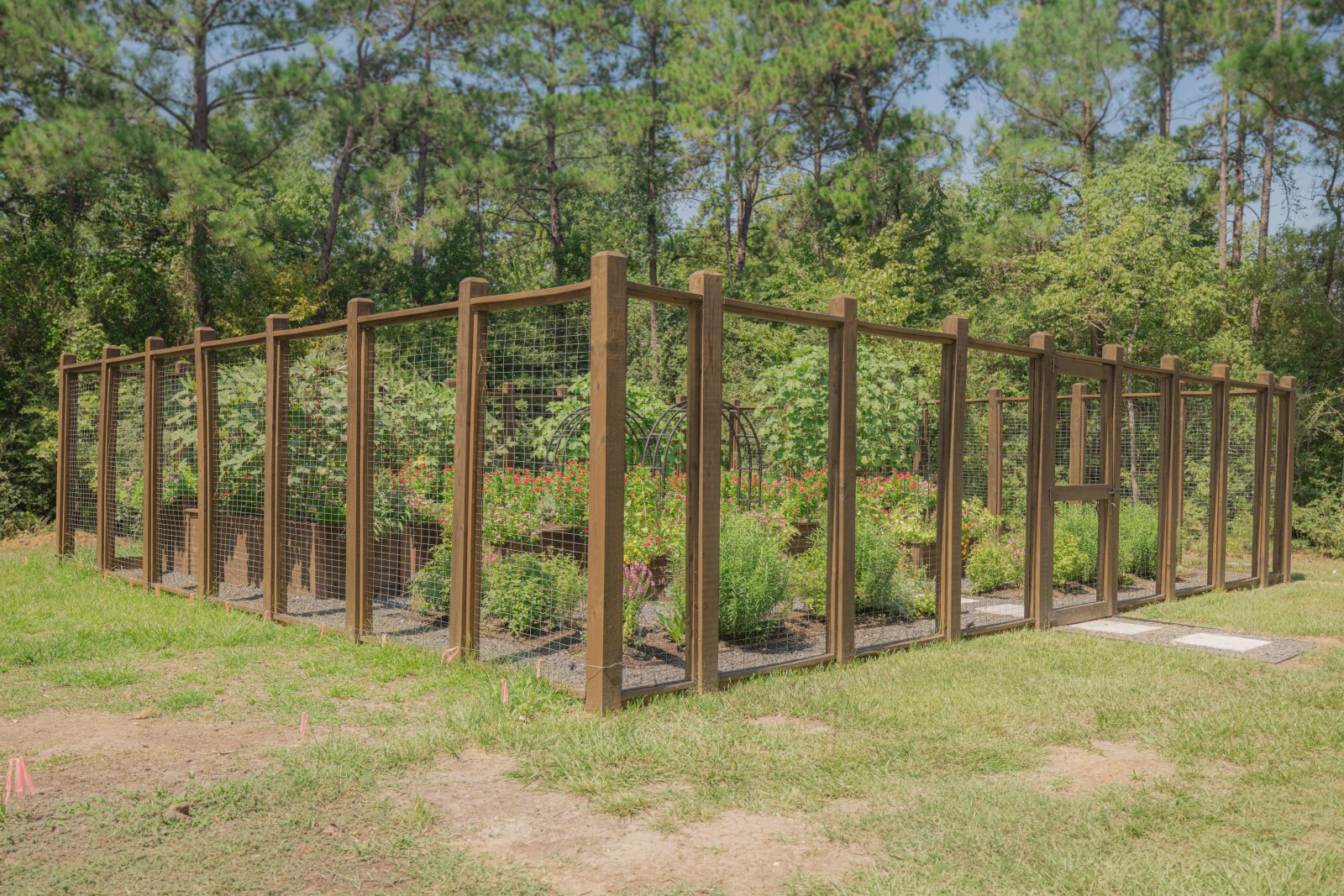
How Do You Keep Deer Out of a Garden? Start With a Barrier
Repellents and plants help, but a barrier is the one thing that reliably keeps deer out.
Start here for the most protection.
Build a Tall Enough Fence
A fence 6 feet tall is usually enough to keep deer out of your garden. Keep a clear, open area around the outside so deer can see the fence clearly before they get close.
Try a Double Fence
Deer have poor depth perception, so two shorter fences set a few feet apart can be just as effective as one tall fence. Deer can't judge the gap, so they won't risk the jump.
Make Deer-Proof Garden Beds
If a big fence isn't realistic, protect the beds themselves. You can build a cage frame over a raised bed, or, for an easier solution, use hoops covered in garden mesh or netting. Fabric garden covers can often keep out deer and plenty of other pests.
A sturdy Gardenary cedar raised bed makes an easy base for hoops and mesh covers.
Grow a Living Fence
A hedge of dense shrubs or berry canes adds another layer between deer and your beds. It works best alongside other barriers. Here's my guide to planting a living fence.

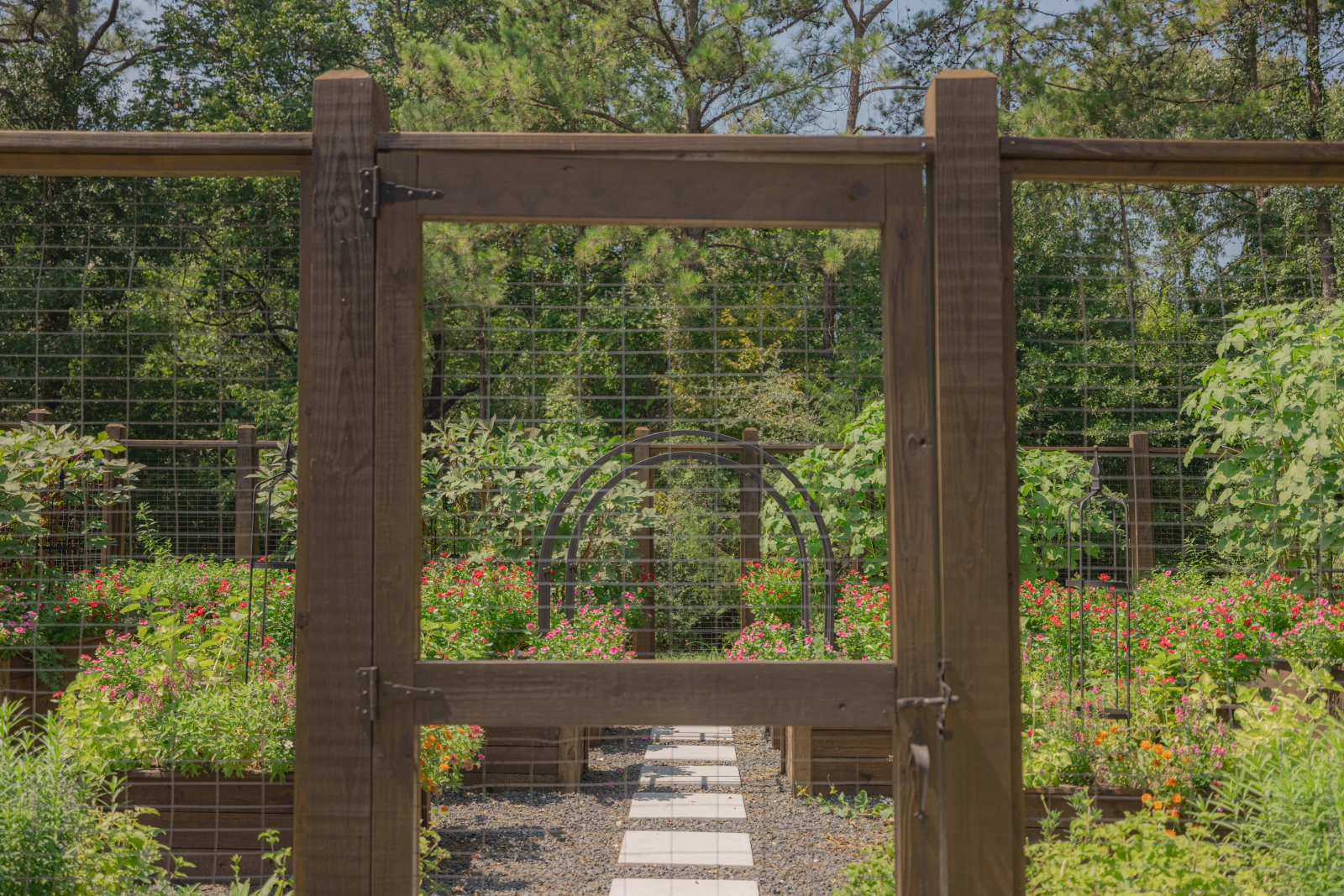
Love the Look of a Gardenary Garden? Start With the Beds.
Handmade cedar kits that skip the sawing, measuring, and hammering
- A raised bed for every space, with 39 size options
- Three heights to fit your planting needs
- Handmade in the USA from premium, untreated cedar
- Built for long-term durability and productivity
My Go-To Guide for Deer Defense
If deer are a regular visitor in your garden, my Deer Pest Guide walks you through every organic option in one place: living fences, physical barriers, natural repellents, and predator scents. It also includes a deer pressure assessment, protection strategies for common crops, and a deer defense checklist to keep your harvest safe all season.
Keep Deer From Eating Your Harvest
Smart, organic solutions to protect your garden all season
- Living fences, physical barriers, and natural repellents
- Pressure assessment tool and deer defense checklist
- Protection strategies for common crops
- Printed booklet shipped straight to your door
Natural Deer Repellents That Work (and How to Use Them)
Natural deer repellents work by making your plants smell or taste unpleasant. They won't stop a hungry deer on their own, but they're a great second layer of defense.
The key is to rotate between a few different repellents, since deer get used to the same smell over time, and to reapply after heavy rain.
My Deer Pest Guide walks you through which repellents to use, when to apply them, and how to rotate them through the season.
Deer Repellent Plants: What Deer Usually Skip
No plant is completely deer-proof, and a hungry deer will eat almost anything. But some plants are much less appealing than others.
PLANTS DEER USUALLY AVOID:
- Strongly scented herbs: Rosemary, lavender, sage, thyme, and oregano.
- Alliums: Garlic, onions, and chives.
PLANTS DEER LOVE MOST:
- Tender greens: Lettuce, spinach, and kale.
- Legumes: Beans and peas.
- Fruit: Strawberries and anything ripening.
Tucking scented herbs around the edges of your beds is an easy, beautiful first line of defense.
For an easy herb border, my Herb Garden Guide course shows you how to grow herbs all season, and my Deer Pest Guide covers more ways to make your garden less tempting to deer.
GENTLE. EFFECTIVE. STRATEGIC.
The Complete Pest Control Course
Learn Nicole Burke's method.
- 28 Video Lessons: Organic Pest Control
- 8 Video Lessons: Pest-Proof Garden
- Pest Guide Ebook
- Deer Guide
- Burrowing Pests Guide
- Rabbit Guide
- Climbing Pests Guide
- Domestic Pests Guide
- Bonus #1 — Organic Pest Control Planting Plans
- Bonus #2 — Growing Guide
- Bonus #3 — Organic Pest Spray Recipes
How to Protect Your Fall Crops From Deer
- Harvest promptly: The sooner you pick, the less time deer have to find your crops.
- Plant favorites away from the woods: Keep deer magnets like lettuce and kale as far from wooded edges as you can.
- Cover beds at night: Deer do most of their browsing at dawn and dusk, so cover your most tender crops in the evening.
- Protect your herbs, too: Here's what my perennial herbs need this time of year in my fall herb care guide.

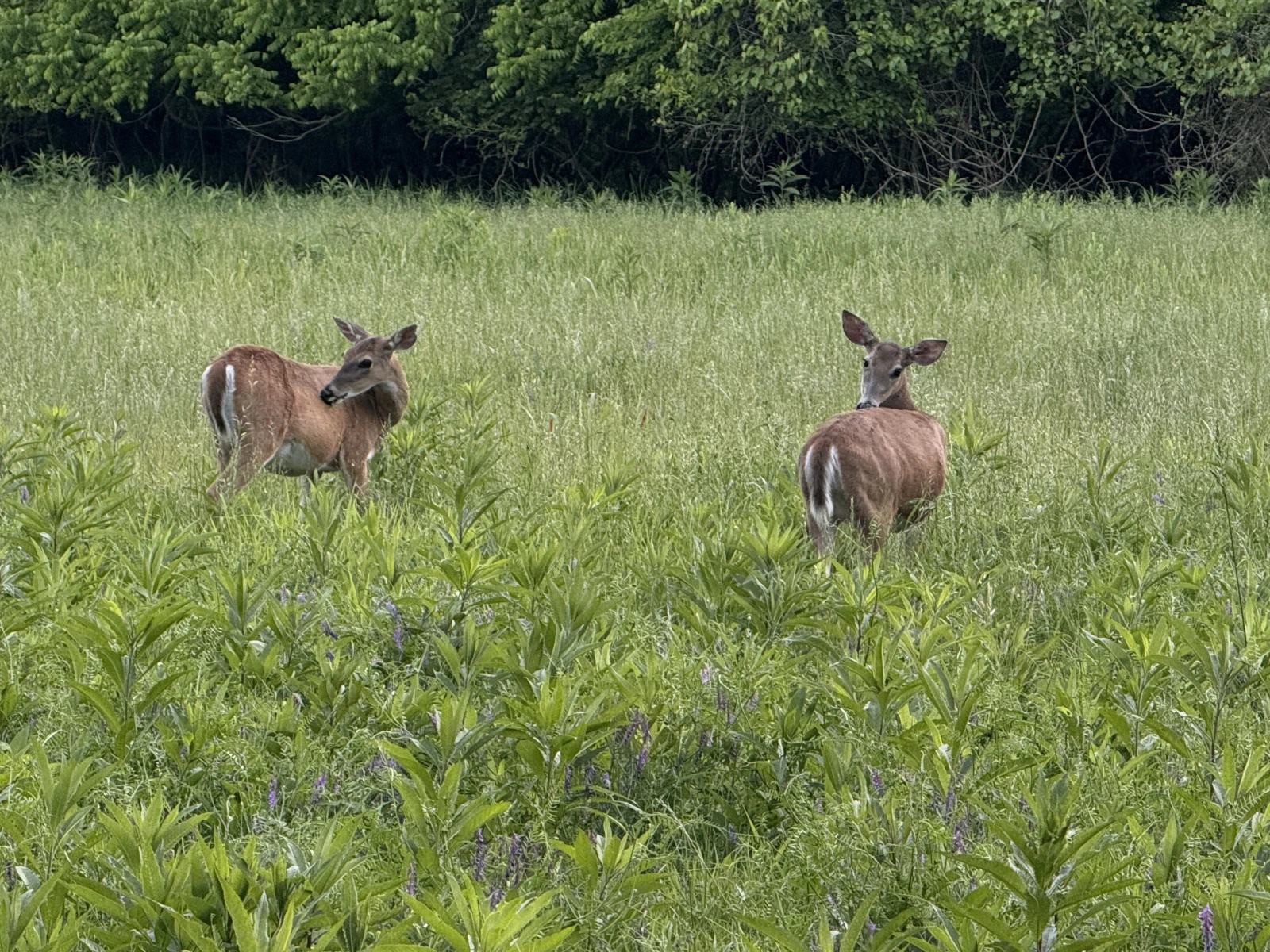
Tried Everything? Unconventional Ways to Keep Deer Out
If you've already put up a fence, sprayed every repellent, and planted all the herbs, and the deer are still showing up, here are a few less common ideas to try.
The Peanut Butter Fence
This one sounds silly, but it's a tried-and-true trick. A baited strand of fencing teaches curious deer to stay away from the whole area. My Deer Pest Guide shows you how to set it up.
Let Your Dog Patrol
I have two small dogs, and although they aren't very intimidating, they often keep deer away from the garden. If your pup loves being outside, they may be your best deer deterrent.
A Motion-Activated Sprinkler
A surprise burst of water startles deer when they step into the garden. Many gardeners swear by them, especially for small spaces.
Invisible Fishing Line
Deer can't see clear fishing line, so when they bump into it around your beds, they get spooked and back off.
Things That Shine, Clink, and Move
Aluminum pie tins, wind chimes, and reflective tape can startle deer. Move them around every few days, since deer get used to anything that stays the same.
Bar Soap or Human Hair
These are old gardeners' tricks, and results are mixed. They're worth a try if nothing else is working, but don't count on them alone.
WHAT I'D SKIP:
- Ultrasonic devices: They haven't been shown to work, so I'd save your money.
Where Deer Defense Usually Goes Wrong
- A fence that's too short: Deer clear short fences with ease. Go tall, or go double.
- Relying on one repellent: Deer adapt fast, so switch between a few.
- Skipping reapplication: Rain washes repellents away. Reapply after storms.
- Waiting for damage: Set up your defenses before deer find your garden.
- Leaving crops too long: Ripe, ready crops are an open invitation. Harvest promptly.
Keep Deer Out of Your Garden FAQs
How do you keep deer out of a garden naturally?
Start with a physical barrier, like a fence at least 6 feet tall, a double fence, or mesh covers over your raised beds. Then add natural deer repellents, rotate them so deer don't adapt, and plant strongly scented herbs around your beds.
How tall does a deer fence need to be?
A fence 6 feet tall is usually enough to keep deer out of a garden. Two shorter fences set a few feet apart can also work, since deer have poor depth perception.
What is the best natural deer repellent?
The best natural deer repellent is the one you rotate. Deer get used to any single smell or taste, so switch between a few organic repellents and reapply after rain. Pair them with a barrier for the best results.
What plants do deer hate?
Deer usually avoid strongly scented herbs like rosemary, lavender, sage, and thyme, plus alliums like garlic, onions, and chives. A very hungry deer will still eat almost anything, so use plants as one layer of protection.
Do deer eat vegetables in the fall?
Yes. As wild food gets scarce, deer are drawn to tender fall crops like lettuce, spinach, kale, and other greens. Fall is a great time to add barriers and repellents.
Does bar soap keep deer away?
Some gardeners hang bar soap around their beds, but results are mixed. It's worth a try as an extra layer, but rely on fences and barriers first.
Do ultrasonic deer repellents work?
Ultrasonic devices haven't been shown to work as deer repellents. A fence, mesh covers, or a dog near the garden are better options.
Where can I learn more about organic deer control?
My Deer Pest Guide covers every organic option, from living fences and barriers to natural repellents, plus a deer pressure assessment and a deer defense checklist. For all garden pests, the Organic Pest Control Course walks you through my complete organic approach.
Keep Reading
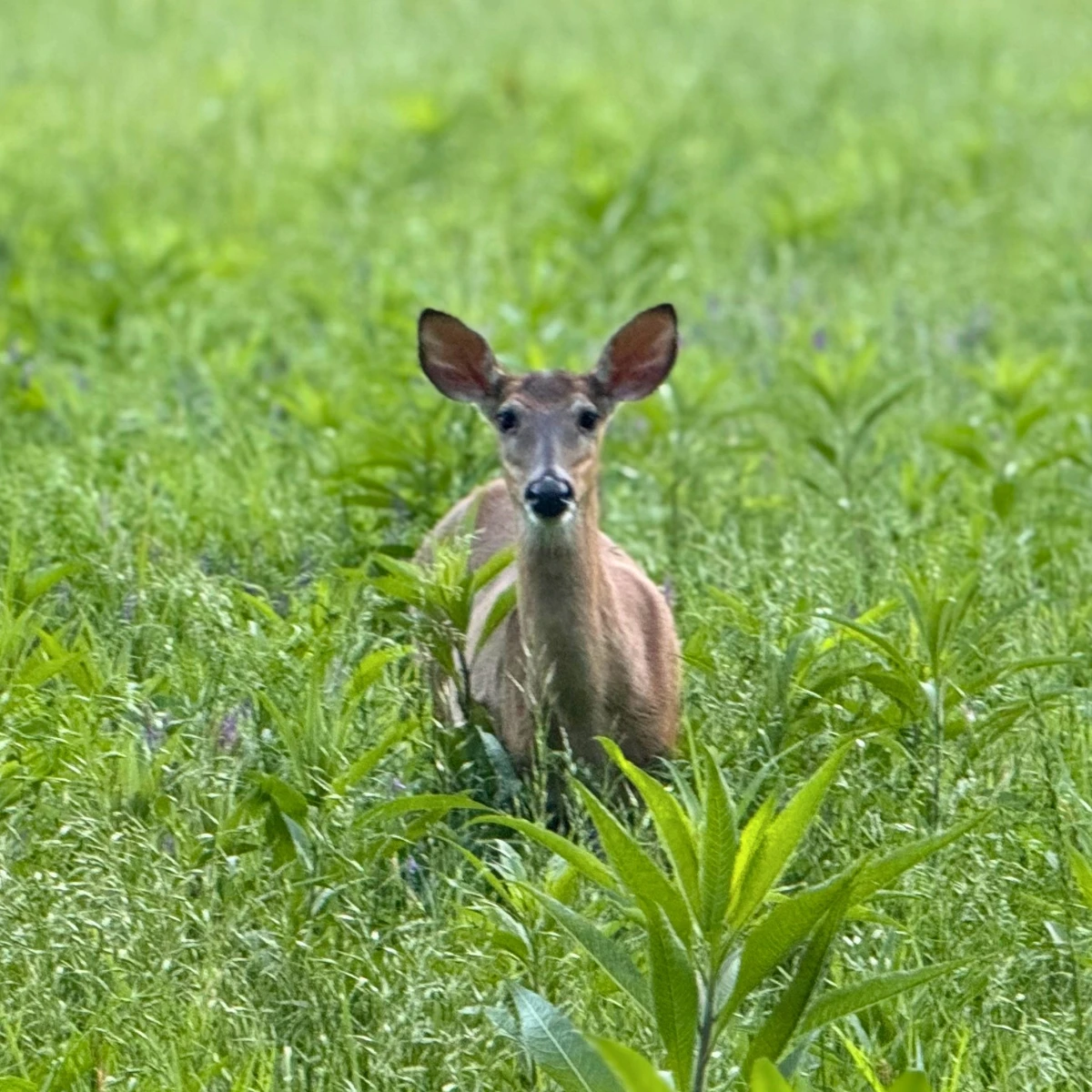
How to Keep Deer Out of Your Garden This Fall (Naturally)

How to Harvest Lettuce So It Keeps Growing (2 Easy Ways to Pick It)

The Complete Guide to Raised Garden Beds: How to Plan, Build, and Fill Them

Cedar Raised Beds: Where to Buy Them and What to Look For
How to Grow a Lifetime Supply of Garlic: How Much to Plant and Save Each Year

Garden Coaching as a Second Career: How Kate Corrigon Built a Successful Business After Retirement
Sources
- Organic Deer Control — Montana State University Extension
- Preventing Deer Damage in the Garden — LSU AgCenter
- Deer Barriers: Fencing, Repellents, Dog Restraint Systems, Scare Devices (E2672) — Michigan State University Extension