
Join Thousands of Gardeners On the VIP List
Free perks, just for email subscribers:
- 15% Off Your First Order
- Gardening Videos & Articles
- Early Access to Sales
Sign up, check your inbox, then shop with your code.


Nicole's Quick Take: The easiest way to grow blackberries in your backyard is on a blackberry trellis, like an arch (I recommend the Nicole Arch Trellis or the Manhattan Trellis), that gives the canes room to climb, plenty of sun, and lots of airflow. Choose a thornless, semi-erect variety, plant just one on each side of the arch, and you can be picking fresh, chemical-free berries all summer long.
At a Glance
- A blackberry trellis should be at least 6 feet tall and set at least 1 foot into the ground so it never moves.
- Thornless, semi-erect varieties like Triple Crown and Chester have bendable canes that are easy to train over an arch.
- Blackberries fruit on second-year canes, so don't cut back the leafy first-year growth.
By Nicole Johnsey Burke: Founder of Gardenary & Author of Kitchen Garden Revival
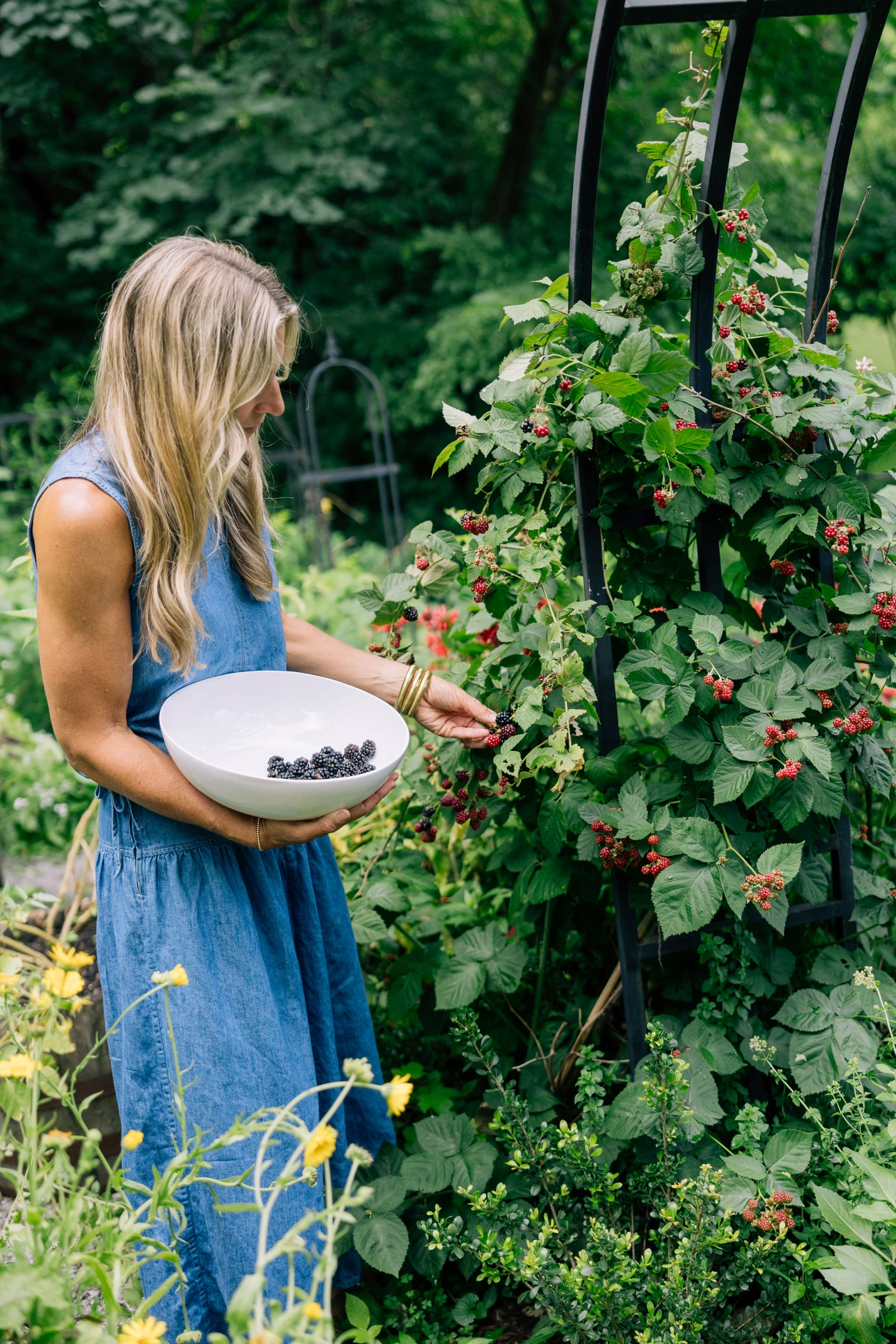
Why I Grow My Blackberries on an Arch
The first year I grew blackberries, I had no idea how wild and big these plants could get. I planted them right in the ground and ended up with a huge, tangled, pest-infested mess.
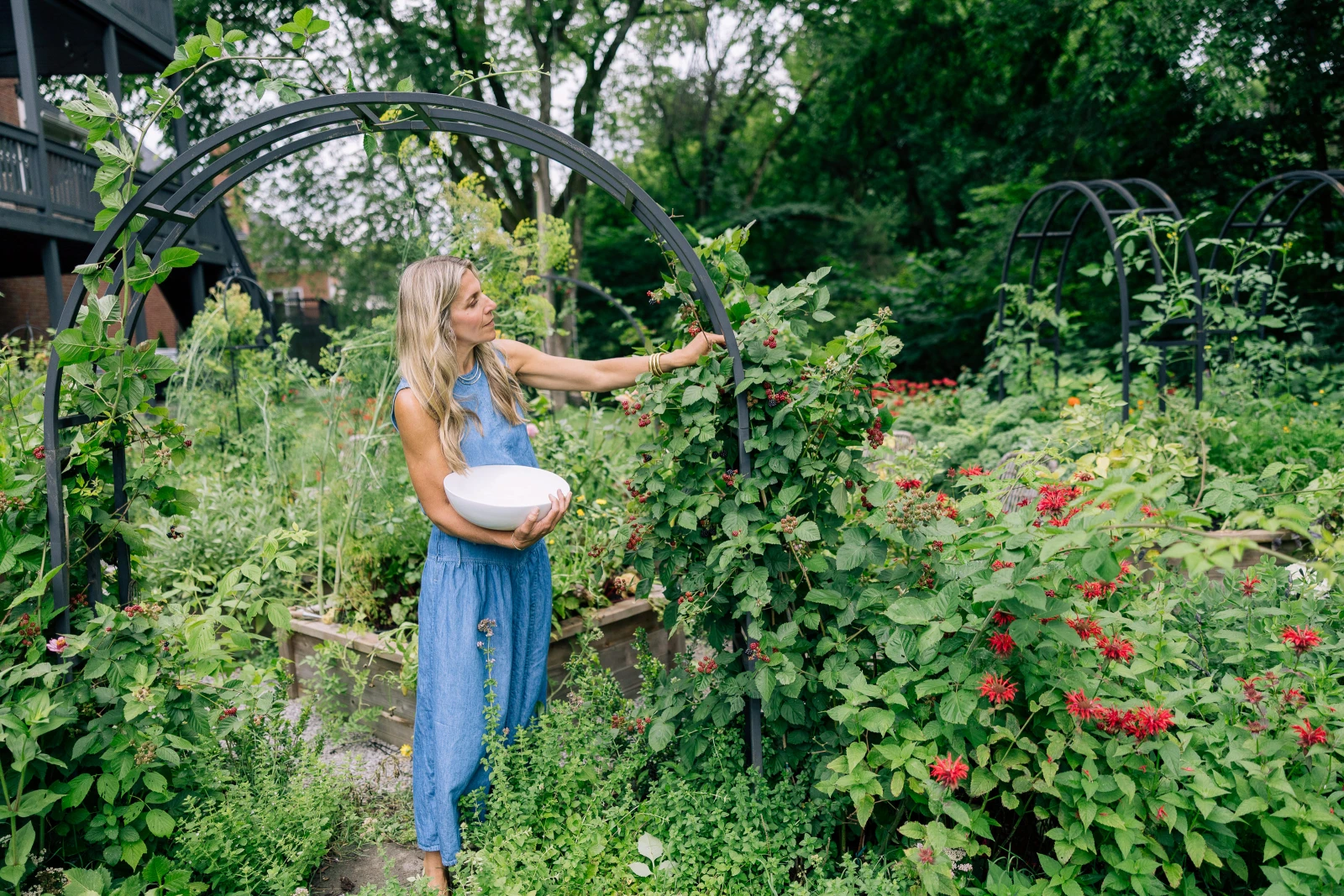
After that year, I started growing them on an arch trellis instead, and it changed everything. An arch lets blackberry canes grow big and wide, gives them tons of sunlight and airflow, and creates a beautiful entrance into your garden. Here's my five-step method.

Step 1: Set Up Your Blackberry Trellis
Before you buy a single plant, set up your trellis. Blackberries are perennials, so this structure will be holding heavy canes and fruit for years to come. A good blackberry trellis keeps the canes up off the ground, makes picking so much easier, and turns your berry patch into a beautiful entrance to your garden. Here's what to look for.
WHAT TO LOOK FOR IN A BLACKBERRY TRELLIS:
- Set it deep: Sink the legs at least 1 foot into the ground. This trellis should never move.
- Go tall: Make it at least 6 feet tall. Mine is about 7 feet from the ground.
- Go wide: Make it wide enough to fit a wheelbarrow through. I like room for two people to walk through side by side.
One budget option is a cattle panel bent into an arch. Or you can choose a kit that ships to your door, like the Nicole Arch Trellis or the Manhattan Trellis. Both slide together without any complicated tools.
Nicole Arch Trellis
Our bestselling Nicole Arch Trellis is perfect for all your vining vegetables and strong enough for vining roses or other ornamental vining plants.
Product Features:
- Powder-coated black steel
- Easy assembly: pieces slide together without tools
- Four stakes to secure the trellis into the ground
- Measures 88" x 67" x 15"

Step 2: Choose the Right Blackberry Variety
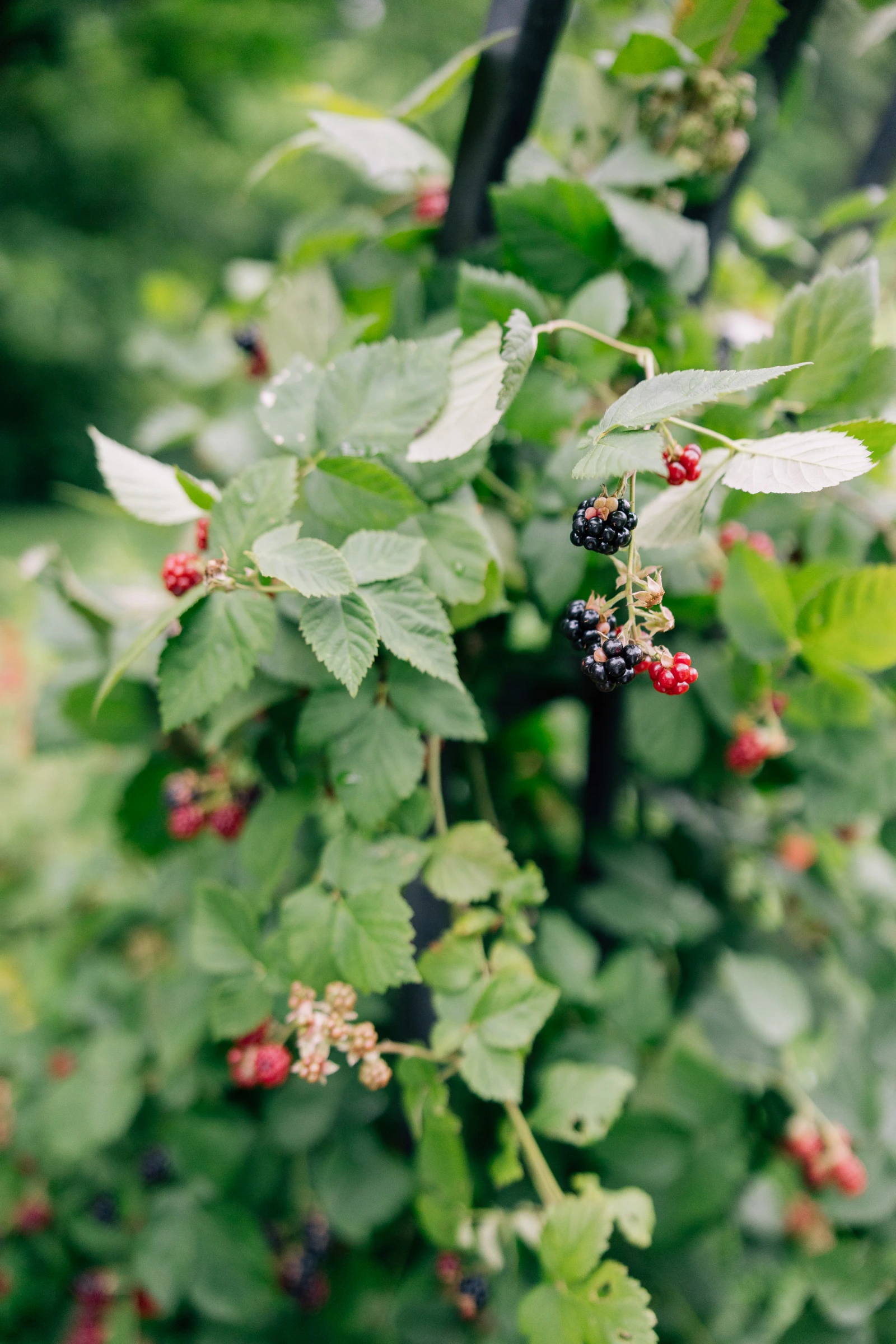
Once your trellis is in place, it's time to pick out your plants. Blackberries come in thorny and thornless types, and their canes grow in different ways: some trail along the ground, some stand stiffly upright, and some fall in between. For an arch, the variety you choose makes a big difference in how easy your plants are to train and harvest. Look for two things on the plant tag.
- Thornless: This makes the plants so much more pleasant to grow and pick, and it matters for how you'll train them.
- Semi-erect: These canes are pliable and bendable, which is important because you'll be weaving them in and out of the trellis as they grow.
My favorite variety is Triple Crown. Chester is another great thornless, semi-erect option.

Step 3: Plant Two Blackberries Per Arch
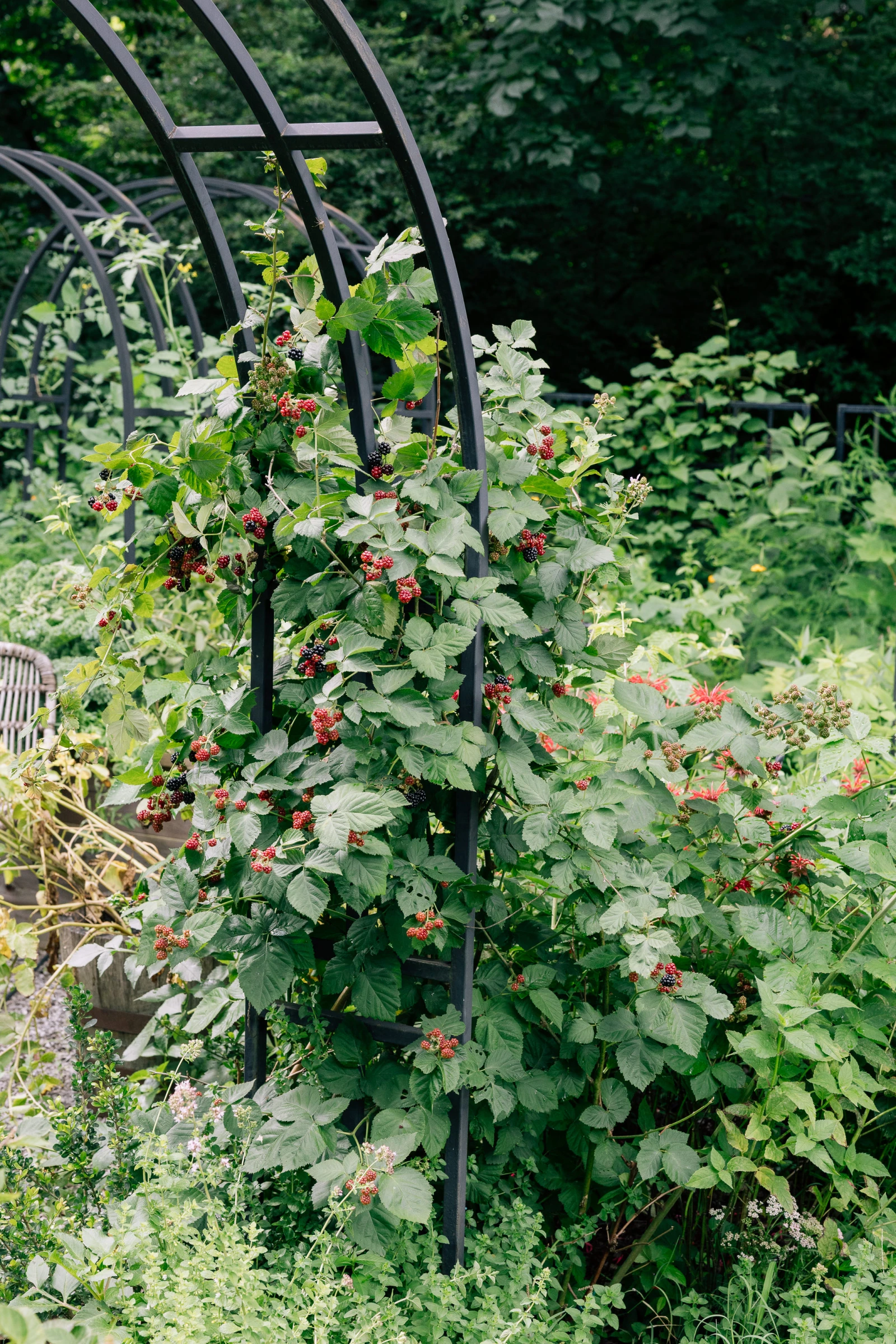
Here's the good news: you don't need many plants to get a big harvest. Because blackberries are perennials that spread and fill in over time, a couple of plants will give you berries for years. You only need two blackberry plants per arch trellis, one on each side. More than one per side just crowds them.
You don't need to amend the soil much, but I like to add a little organic compost to each planting hole. If your canes are floppy at first, tie them loosely to the arch with a bit of twine to start training them up.

Grow up, not out! Get your free vertical growing guide.
This free 28-page ebook shows you how to grow tomatoes, cucumbers, peas, and more on vertical supports — so you get more food, better airflow, and a garden that actually looks beautiful. No extra square footage required.
Step 4: Know Your Canes (Primocanes vs. Floricanes)
Understanding how blackberry canes grow is the key to pruning them the right way and getting the biggest harvest. This is the part I didn't know, and it ruined my harvest that first year. Blackberry canes grow in stages, and each cane only fruits once.
HOW BLACKBERRY CANES GROW:
- Year one, the primocane: The cane grows tall and leafy, and nothing else seems to happen. Don't cut it back. Its job is to grow strong roots and get ready for next year. Just train it through your trellis and let it be.
- Year two, the floricane: This is when the magic happens. The same cane flowers and then fruits, giving you the sweetest blackberries you've ever tasted.
- After fruiting: Once a floricane has finished fruiting, it won't produce again. Cut it all the way down to the ground to make room for new canes.
At any given time, your plant will have canes at different stages, so it's worth learning to tell them apart.
What helps: A sharp pair of bypass pruners makes cutting back old canes quick and clean. I use the pruners from my Gardenary Copper Plated Garden Tool Set. Here are the other best gardening tools I recommend.
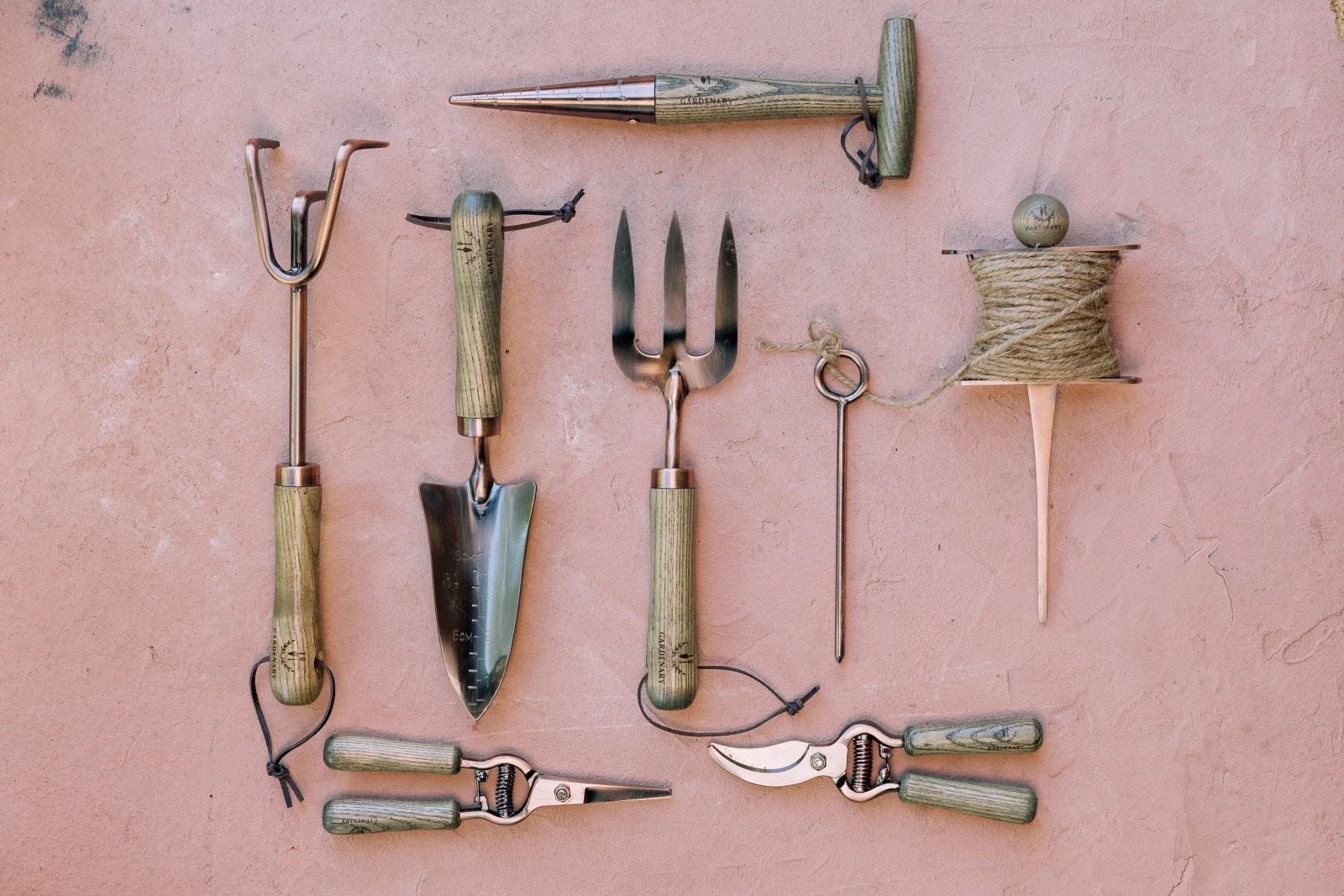
7 Tools, Beautifully Designed
The tool set gardeners actually want, made from carbon steel with an ash wood handle and a warm copper finish.
- Bypass pruner for clean, precise harvest cuts
- Needlenose pruner for detail work in tight spaces
- Transplanting shovel for seedlings and planting holes
- Dibber for perfectly spaced seed sowing
- Cultivator for loosening soil and clearing debris
- Hand fork for weeding and working around established plants
- Row marker & planting line for straight, intentional rows
All in a gift box, ready to use.

Step 5: Harvest Every Day (and Tip Your Canes)
This is the best part. Once your second-year canes start to flower, the harvest is only weeks away. You'll first see clusters of white or light purple flowers. Over several weeks, the petals fall away and tiny green berries form, then slowly turn red, and finally black. A few simple habits during this stage will give you the most berries.
- Wait for black: A berry picked halfway through ripening is a little tart. Pick it when it's completely black.
- Feed the soil: When berries start turning red, add a little compost around the base of the plant. Feed the soil, not the plant.
- Pick, pick, pick: Once berries ripen, harvest every day. Berries left on the cane invite wildlife and slow down production. If you travel in midsummer, send a neighbor over to pick.
- Tip the canes: Around midsummer, snip the tip of each long cane. This tells the plant to put its energy into finishing the fruit and, early in the season, into side shoots that bring more berries.

My Favorite Blackberry Trellises: The Nicole Arch and the Manhattan Arch
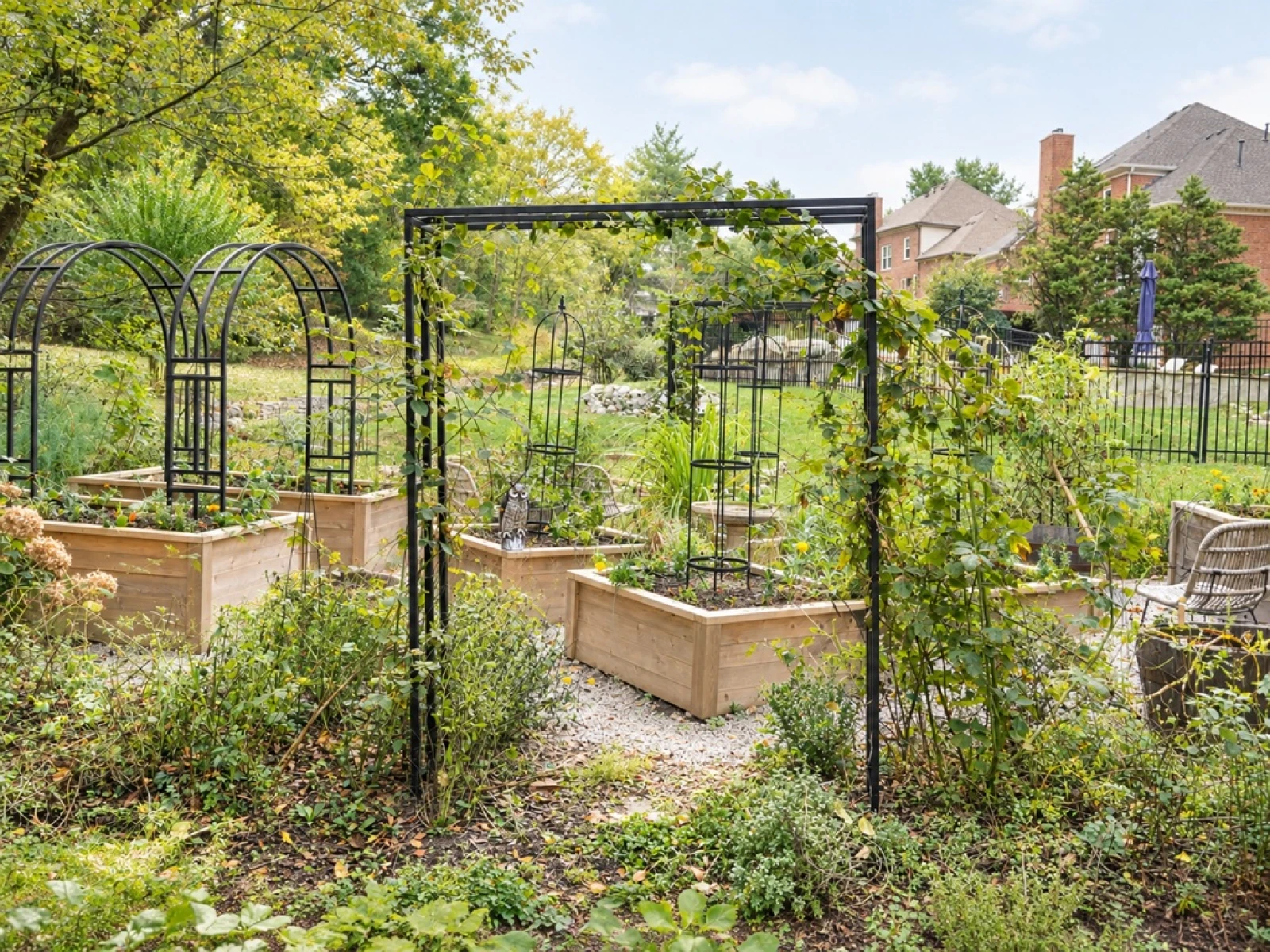
If you'd rather skip the cattle panel and go straight to something beautiful that lasts, these are the two arch trellises I recommend for blackberries. Both are made from sturdy steel, slide together without power tools, and include a free Gardenary Guide to Growing Vertically ebook.
The Nicole Arch Trellis
I designed the Nicole Arch Trellis after years of using custom arches in my own gardens and my clients' gardens. It has moved with me from Houston to Chicago to Nashville, and it's the trellis my blackberries climb every summer.
WHY IT WORKS SO WELL FOR BLACKBERRIES:
- Tall enough for big canes: At 88 inches tall and 67 inches wide, it gives blackberry canes plenty of room to climb up and over, with space to walk through underneath.
- Built to last: Powder-coated steel stands up to the weather and holds years of heavy canes and fruit.
- Easy to set up: Four steel pieces slide together without tools, and four stakes secure it in the ground.
- Beautiful year-round: Even in winter, it frames the entrance to your garden.
The Nicole Arch is one of our most popular trellises and often sells out, so if you're planning a blackberry patch for next summer, now is a great time to get yours.
The Manhattan Trellis
If your style leans more modern, the Manhattan Trellis gives you the same growing power with a bold, square-framed silhouette and clean lines.
- Plenty of room to climb: At 7 feet tall and 5.6 feet wide, it has space for blackberry canes to grow up and over.
- Made for heavy vines: It's built to support heavy vining crops with confidence.
- Simple setup: It slides together with just an Allen wrench, and 1-foot stakes anchor it in the ground.
- A clean, modern look: The square frame looks as intentional as everything else in your garden.
Grow Blackberries as a Living Fence
Blackberries are native to the United States, which makes them a great addition to a native plant living fence. I planted mine as part of a living fence that gives me flowers and fruit and helps protect my garden from deer. Here's how to keep deer out of your garden naturally, and here's how to turn any fence into a living wall of raspberries and blackberries.
Watch: How to Grow Blackberries in Your Backyard
In this video, I walk you through all five steps, from setting up the arch to picking the first ripe berries.
What is the best trellis for blackberries?
An arch trellis is one of the best options. It gives canes room to grow big and wide, lots of sun and airflow, and makes harvesting easy. I recommend the Nicole Arch Trellis or the Manhattan Trellis, both sturdy enough to hold years of blackberry growth.
How tall should a blackberry trellis be?
At least 6 feet tall, set at least 1 foot into the ground. Make it wide enough to fit a wheelbarrow through.
Do blackberries need a trellis?
Thornless, semi-erect blackberries grow best with support. Without a trellis, the canes sprawl into a tangled mess that's hard to harvest and more prone to pests.
Can I use a cattle panel as a blackberry trellis?
Yes. A cattle panel bent into an arch is a budget-friendly option. Just make sure it's well secured in the ground.
How many blackberry plants do I need per trellis?
Just two per arch trellis, one on each side. Blackberries spread a lot, so more plants will only crowd each other.
When do blackberries produce fruit?
Most blackberries fruit on second-year canes, called floricanes. First-year canes, called primocanes, grow leaves and roots, so don't cut them back.
What is the best thornless blackberry variety?
Triple Crown is my favorite thornless, semi-erect variety. Chester is another great option. Both have bendable canes that are easy to train on a trellis.
How do I know when blackberries are ripe?
Wait until the berries are completely black. Berries picked while they're still turning from red to black taste tart.
Keep Reading

How to Grow Blackberries in Your Backyard: The 5-Step Trellis Method
The Gardenary Holiday Gift Guide for Gardeners
How to Clean Garden Tools in the Fall (and Keep Rust Away)
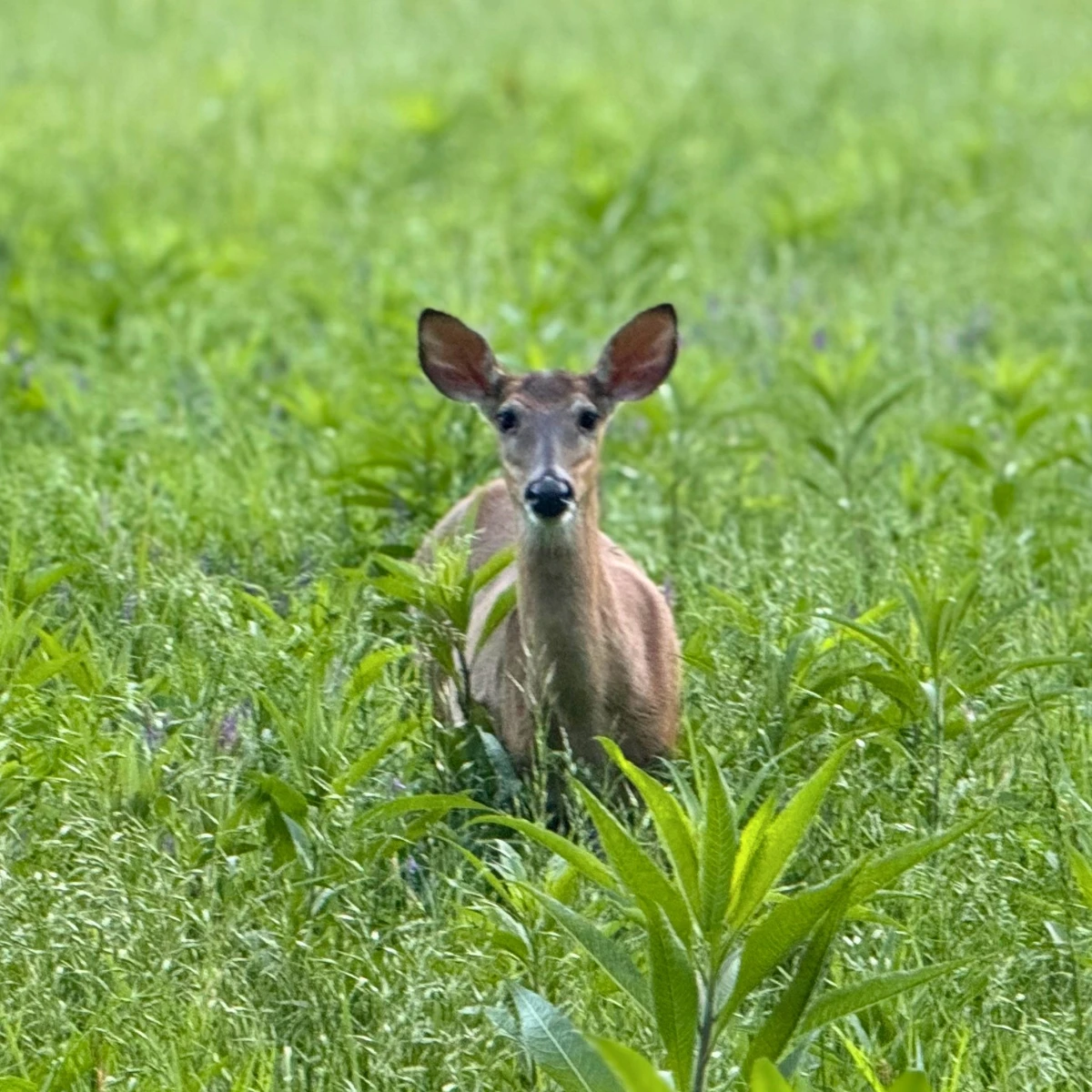
How to Keep Deer Out of Your Garden This Fall (Naturally)

What Are the Best Gardening Tools? 7 Essentials and the Garden Tool Set I Use

How to Harvest Lettuce So It Keeps Growing (2 Easy Ways to Pick It)
Sources
- Blackberry — Clemson Cooperative Extension Home & Garden Information Center
- Plant Growth: Southeast Regional Caneberry Production Guide — NC State Extension
- Pruning and Training: Southeast Regional Caneberry Production Guide — NC State Extension