At a Glance
- Drip irrigation and soaker hoses are both excellent low-waste options, but they work best in different garden setups.
- The 30/30 rule is a simple watering guideline that helps you avoid the two most common irrigation mistakes.
- The best irrigation system for a raised bed vegetable garden is a drip system — and setting one up is easier than you think.
By Nicole Johnsey Burke: Founder of Gardenary and Author of Kitchen Garden Revival
The Irrigation Questions I Get Asked All the Time
I've answered a lot of garden irrigation questions over the years. From my Houston clients who were hand-watering raised beds in 95-degree heat, to the students in my Kitchen Garden Academy online course who message me mid-summer wondering why their plants are wilting even though they swear they've been watering.
Irrigation doesn't have to be complicated, but there's a lot of conflicting information out there. I want to cut through it for you. Below are the questions I get asked most, answered as clearly and honestly as I can.

What Is the Best Irrigation System for a Garden?
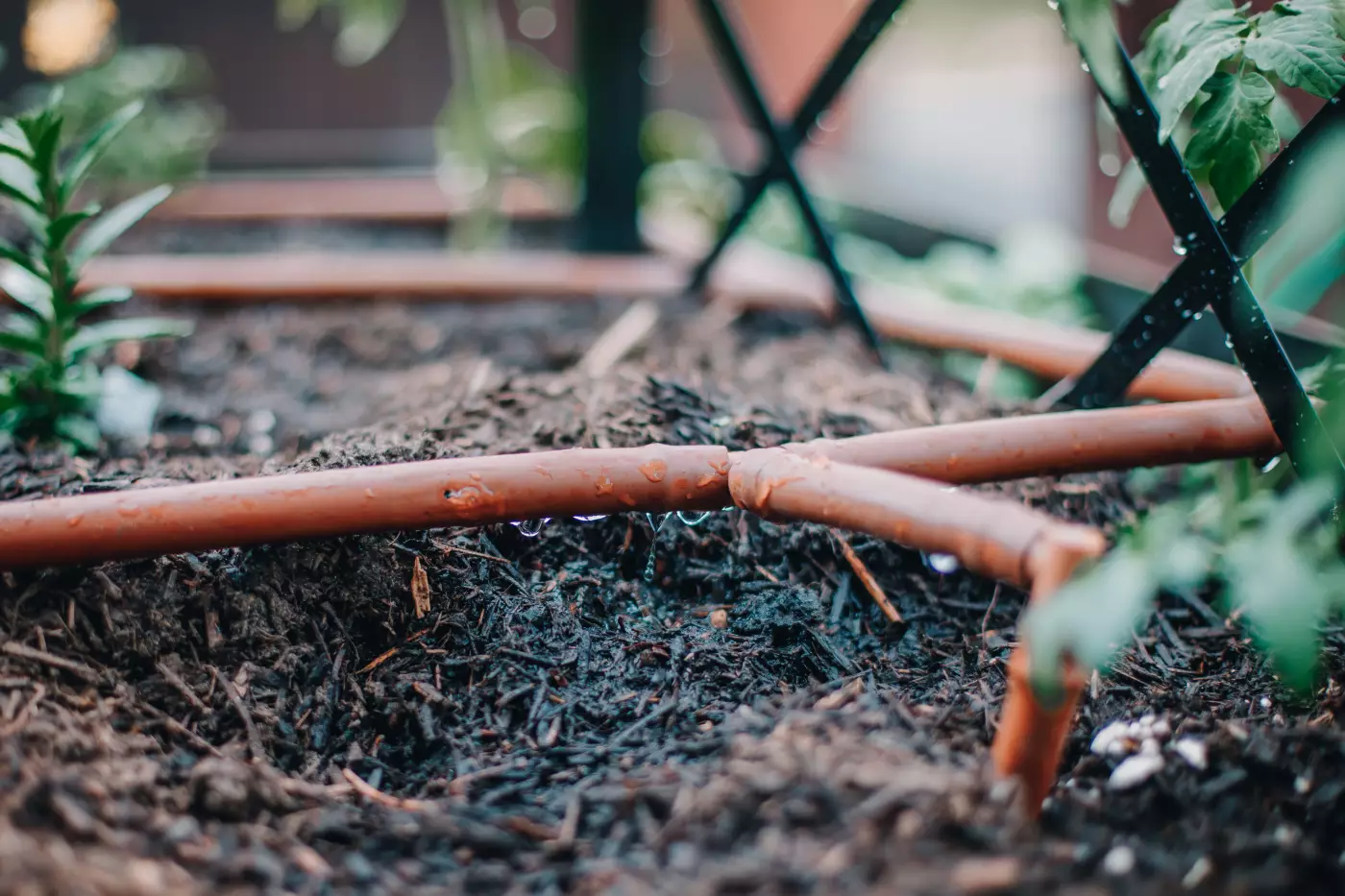
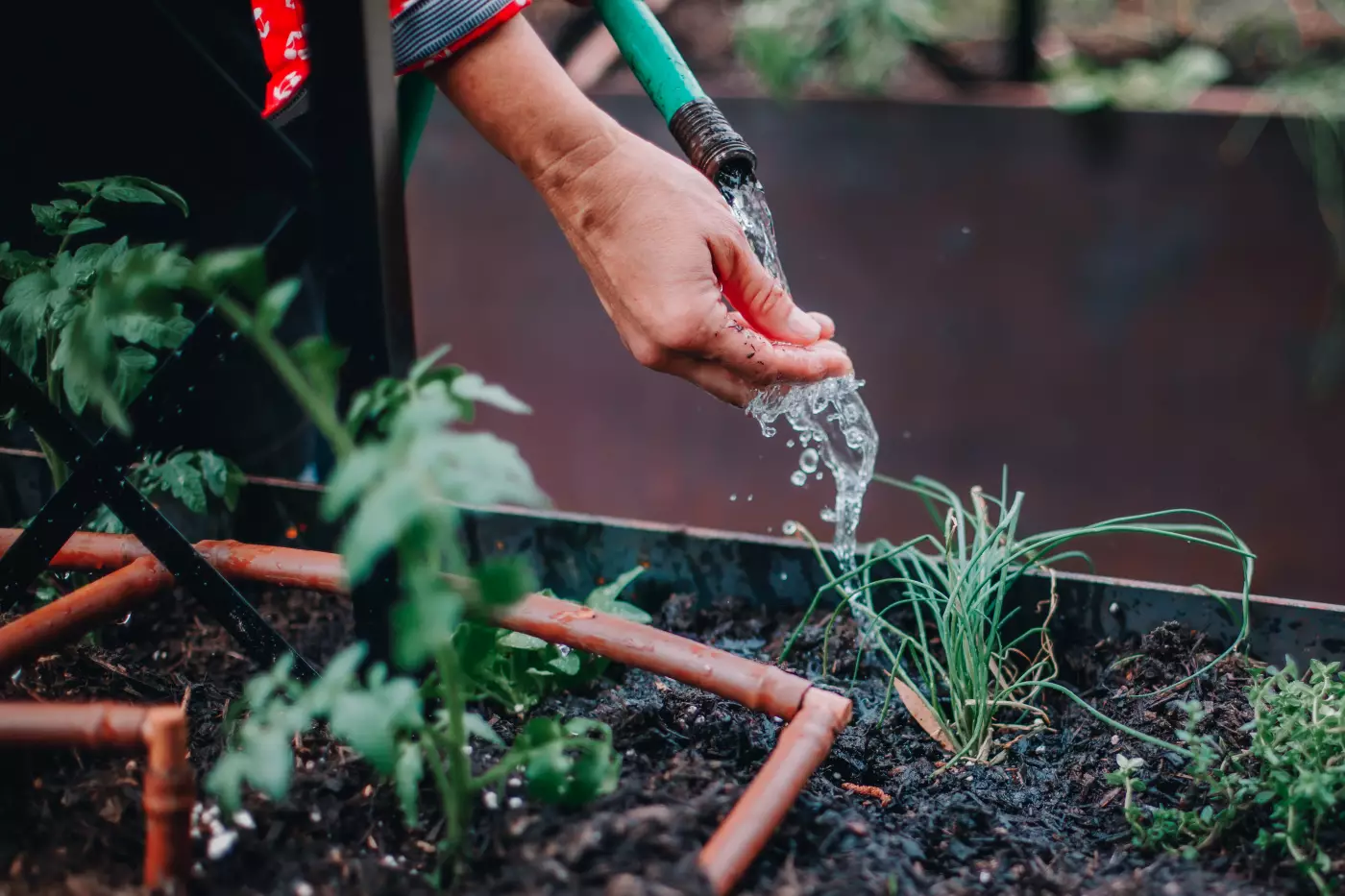
For most home gardens, a drip irrigation system is the best choice. It delivers water directly to the root zone, reduces water waste, and keeps foliage dry, which means fewer fungal problems.
That said, "best" depends on your specific setup.
Irrigation Options:
- Drip irrigation: Best for raised beds, vegetable gardens, and any garden where efficiency and plant health are the priority. Water goes exactly where it needs to go.
- Soaker hoses: Best for long rows of plants or in-ground beds where covering a wider area matters more than precision.
- Overhead sprinklers: Fine for lawns, but I'd steer clear of them for vegetables. Wet foliage is an open invitation for disease.
- Hand watering: Works — but it's inconsistent, time-consuming, and easy to skip on a busy day. A drip system eliminates the guesswork.
- Olla irrigation: A lesser-known method worth knowing about. Ollas are unglazed clay pots buried in the soil that slowly seep water directly to the root zone. It's one of the oldest irrigation techniques in the world, and it's surprisingly effective for deep root watering in dry climates. Less common in a typical kitchen garden setup, but simple and affordable.
If you're starting from scratch, I'd go drip every time. Once it's set up, it practically runs itself — and your plants get steady, consistent moisture at the root level, which is exactly what they need.
If you're growing in Gardenary cedar raised beds, a simple drip kit sized to your bed is one of the best investments you can make alongside your setup. It pays for itself in water savings and healthier plants.

Learn How to Plan and Build Beautiful Raised Beds
Follow a simple process to build a raised bed that makes construction straightforward — even if you’re not “handy.”
What Is the Best Watering System for Vegetables?
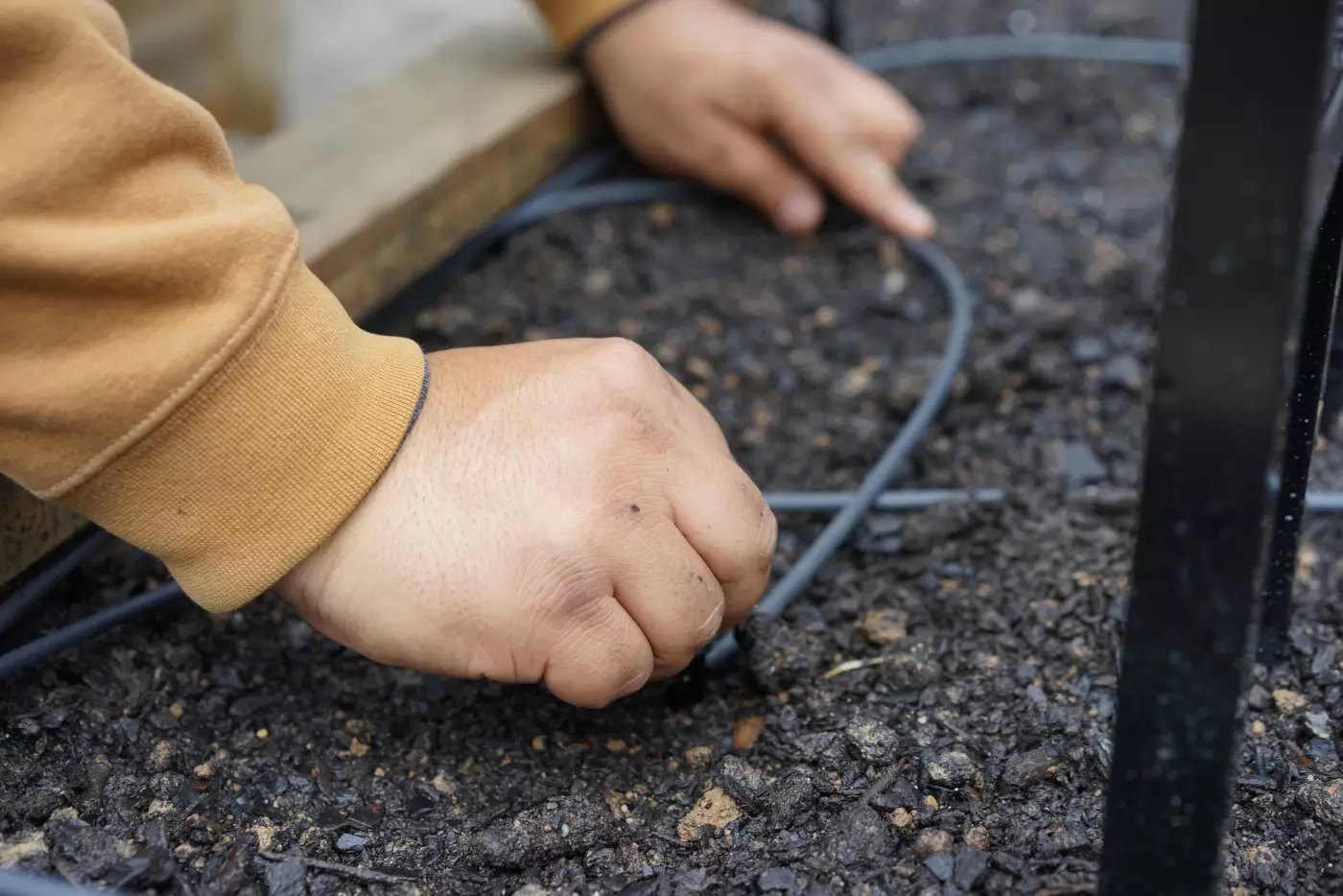
Drip irrigation, specifically a micro-drip or inline drip system, is the gold standard for vegetable gardens.
Vegetables are particular about water. Too much and you risk root rot and fungal disease. Too little and they stress, bolt, or stop producing. Drip irrigation solves both problems by delivering a slow, steady supply of water directly to the soil without ever touching the leaves.
Here's what I look for in a vegetable garden drip setup:
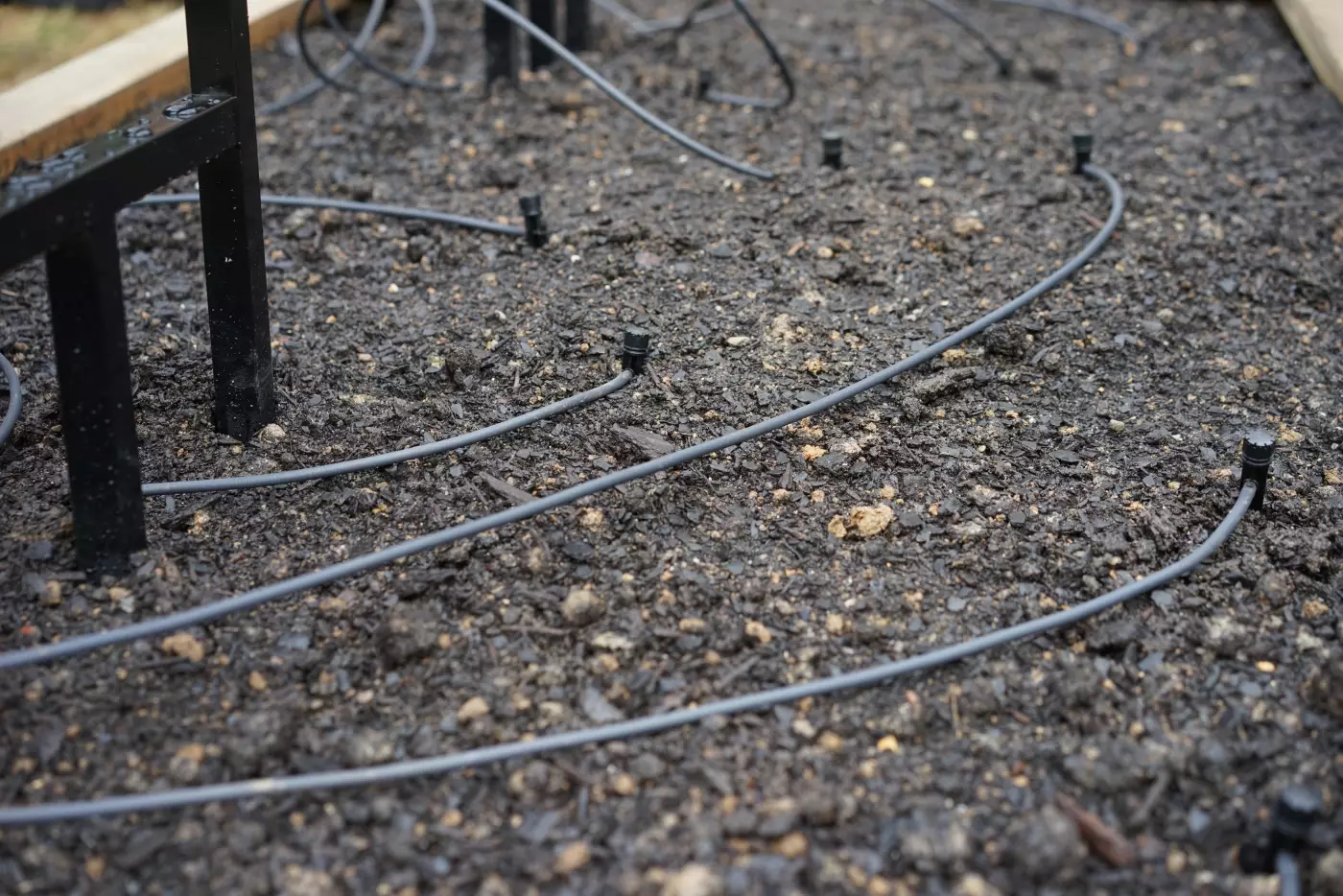
- Emitters spaced 6 to 12 inches apart — closer spacing for raised beds, wider for in-ground rows
- A timer — this is non-negotiable for me. Set it and stop worrying about it.
- A pressure regulator — protects your emitters and keeps flow consistent
- A filter — keeps debris from clogging your lines
For raised bed vegetable gardens specifically, a micro drip kit designed for the size of your bed is the most efficient option. You can customize it, expand it, and add a timer so your garden waters itself even when you're traveling.
One thing I always tell my students: the best irrigation system is the one you'll actually use consistently. A simple drip setup on a timer beats the most elaborate hand-watering routine every time.

What Is the 30/30 Rule for Irrigation?
The 30/30 rule is a guideline that says you should water when the top 30% of your soil is dry, and water deeply enough to wet the bottom 30% of the root zone.
I'll be honest, I didn't learn this rule by name when I started gardening. I learned it eventually, the hard way, by killing a few plants and then figuring out why.
The principle behind the 30/30 rule:
Watering too shallowly encourages roots to stay near the surface, where they're vulnerable to heat and drought. Deep, infrequent watering trains roots to grow downward where moisture is more stable.
Watering too frequently keeps the top layer of soil perpetually wet, which invites fungal problems and root rot.
How to check your soil:
- Stick your finger two inches into the soil. If it's still moist, wait.
- If it's dry at two inches, it's time to water.
- When you do water, water long enough that moisture reaches the full depth of your root zone, which is typically 6 to 12 inches for most vegetables.
A drip system on a timer takes all the guesswork out of this. You set the frequency and duration based on your climate and season, and the system handles the rest. You can always re-adjust it as needed.

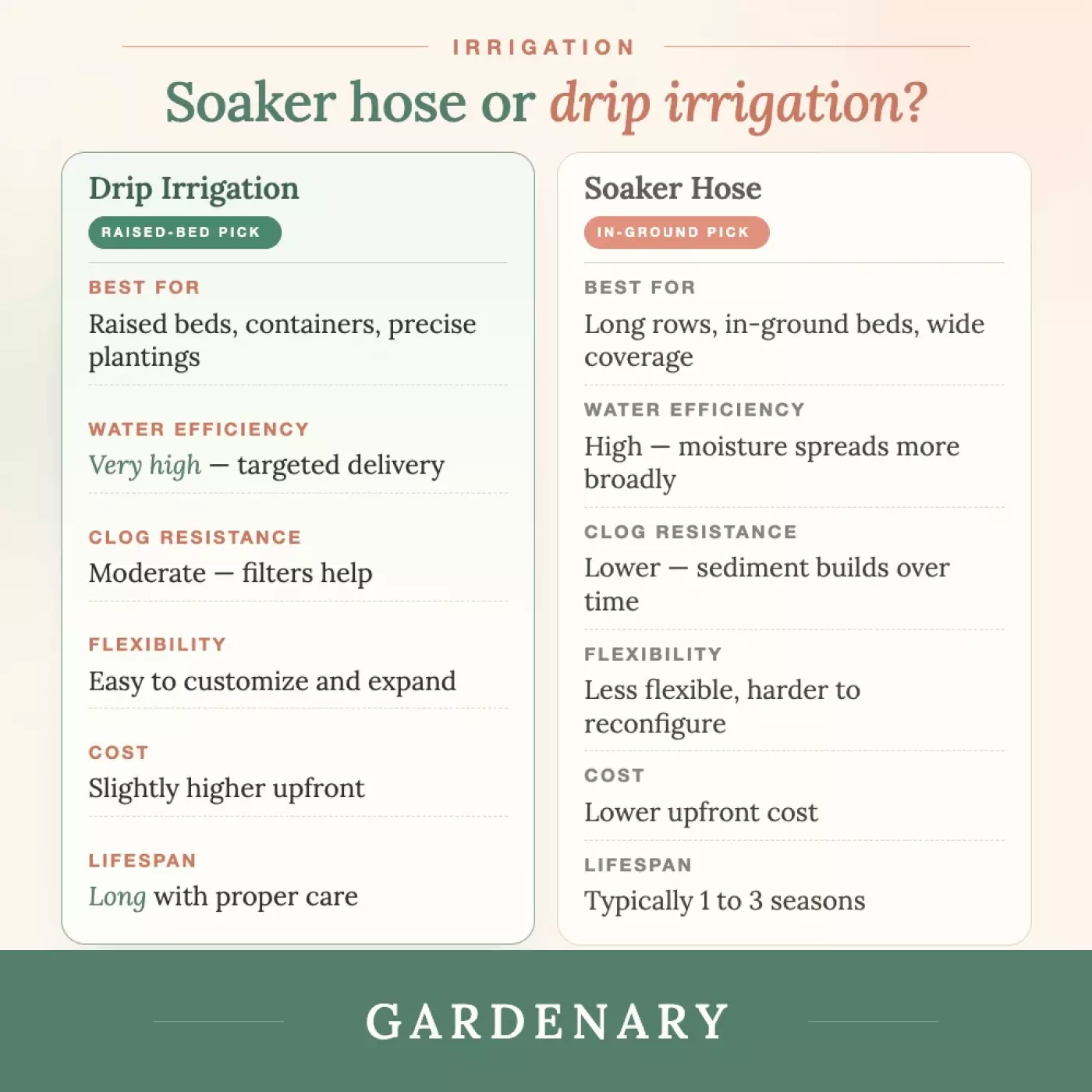
Is a Soaker Hose Better Than Drip Irrigation?
Neither is universally better — they serve different garden types. But for raised bed vegetable gardens, drip irrigation typically wins.
Soaker Hose VS Drip Irrigation:
Soaker hoses are a great choice when:
- You have long, straight rows of plants
- You're working with in-ground beds over a large area
- You want a simple, lower-cost setup
Drip irrigation is the better choice when:
- You're growing in raised beds
- You want precise, targeted watering
- You're using a timer for automation
- You want a system that scales as your garden grows
My personal preference, and what I recommend to most Gardenary students, is drip. The precision, the scalability, and the ability to connect it to a timer make it the smarter long-term investment for a kitchen garden.
More Garden Irrigation Questions, Answered
How often should I water a raised bed vegetable garden?
Most raised bed gardens need watering every 1 to 3 days in warm weather, depending on your climate, the size of your plants, and how well your soil retains moisture. A drip system on a timer set to run in the early morning is the most reliable approach. Check soil moisture with your finger before adjusting frequency.
Can I overwater with drip irrigation?
Yes — especially if you set your timer too frequently or run it too long. Drip irrigation is efficient, but it still requires calibration. Start with shorter run times and adjust based on how your soil looks and how your plants respond.
What is the best time of day to run irrigation?
Early morning is ideal — between 5 and 9 a.m. This gives foliage time to dry before temperatures rise, reduces evaporation, and delivers water when plants can absorb it most efficiently. Avoid watering in the evening, which keeps soil wet overnight and invites disease.
How deep should drip irrigation lines be buried?
For surface drip systems in raised beds, there's no need to bury lines — they sit on top of the soil or just below your mulch layer. For in-ground systems, lines are typically buried 6 to 12 inches deep to protect them and reduce evaporation.
Do I need a filter for my drip irrigation system?
Yes — especially if you're using municipal water, which can contain sediment and minerals that clog emitters over time. A simple inline filter at the connection point is inexpensive and protects your whole system.
What's the difference between a drip emitter and a micro sprayer?
A drip emitter releases water in slow, targeted drops directly into the soil. A micro sprayer distributes a fine mist or spray over a small area. For vegetable gardens, emitters are preferred because they keep foliage dry. Micro sprayers can be useful for seed starting or closely spaced plantings.
Where can I learn more about setting up a kitchen garden irrigation system?
Gardenary's Kitchen Garden Academy video course walks you through every element of building and managing a productive raised bed garden — including lessons about irrigation setup.

Join Thousands of Gardeners On the VIP List
Free perks, just for email subscribers:
- 15% Off Your First Order
- Gardening Videos & Articles
- Early Access to Sales
Sign up, check your inbox, then shop with your code.
Keep Reading
How to Plant a Fall Garden in 5 Simple Steps
10 Reasons You Should Never Use Miracle-Gro in Your Garden
The Best Herbs to Grow in Shade

Are Your Radishes Ready to Harvest? Look for These 3 Signs
What to Plant in October: Vegetables for Every Climate