Join Thousands of Gardeners On the VIP List
Free perks, just for email subscribers:
- 15% Off Your First Order
- Gardening Videos & Articles
- Early Access to Sales
Sign up, check your inbox, then shop with your code.


Nicole's Take: Garden mesh is the single most effective organic pest control tool I've found in over a decade of building kitchen gardens — it's a simple physical barrier that keeps bugs, birds, and animals out while letting water, sunlight, and air in, and it costs almost nothing compared to the damage pests can do.
At a Glance
- Garden mesh is a physical barrier that protects young plants from the moment they're transplanted into the garden.
- Use flexible hoops to tent the mesh over your beds, so plants have room to grow underneath, and secure the edges with landscaping pins so pests can't sneak in.
- Remove mesh only to harvest, prune, or check on your plants — or leave it off during the day and cover at night when most insects are active.
By Nicole Johnsey Burke: Founder of Gardenary and Author of Kitchen Garden Revival
Why Garden Mesh Is My First Line of Defense Against Pests
This might just be the answer to all of your problems… your kitchen garden problems, that is. Problems that arrive in the form of white flies, flea beetles, aphids, and all those other buzzing and crawling things that eat your leaves and drive you mad.
Keep reading to find out how a simple piece of mesh can mean the difference between a raised bed filled with bitten, damaged leaves and the lush garden of your dreams.
Added bonus: no expensive greenhouse, fencing, or chemicals required.


How to Keep Bugs off Your Plants
If you've grown salad greens, you've probably experienced some type of pest pressure.
The usual suspects:
- rabbits
- squirrels
- aphids
- caterpillars
- slugs
I tried everything to keep them out.
What didn't work for me:
- Cayenne pepper scattered around the bed
- Shiny CDs hung as deterrents
- Forks stuck in the dirt (yes, really)
None of it made a dent.
Then a fellow gardener suggested tulle — yes, the bridal fabric. I bought yards of it and draped it over my beds. It kept pests out, but it wasn't built for outdoor life and fell apart quickly.
That's when I discovered garden mesh, also called agfabric — a much stronger version of the same idea, made specifically for garden use. It's an ultra-fine physical barrier that lets water, sunlight, and air through while keeping out insects, birds, and even larger animals. Nothing has worked better for me in all my years of growing.
Two things that make garden mesh especially effective:
- Timing matters. Cover your beds the moment you transplant seedlings or sow seeds. Young plants are the most vulnerable, and starting early means pests never get a foothold.
- Bonus benefits. Beyond pest protection, mesh helps lock moisture into your raised beds and buffers plants from strong winds and harsh weather.
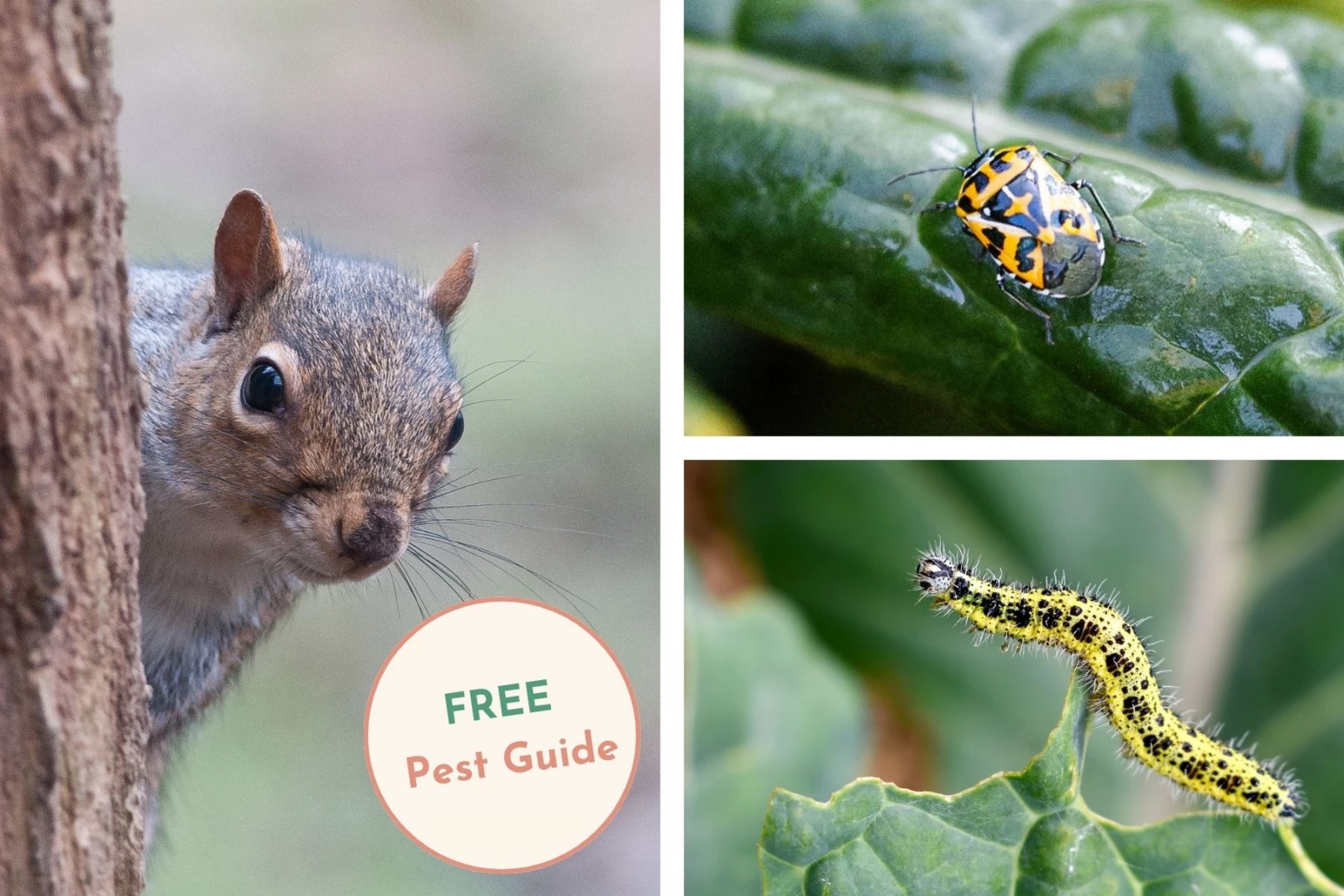
Stop Spraying. Start Gardening Smarter.
Organic Pest Control Made Simple
No harsh sprays. No endless guessing. Just a thriving, abundant garden that practically protects itself. With the Organic Pest Control Method, you’ll learn Nicole Burke's exact steps to grow naturally and confidently, season after season.


Head's up: This post contains Amazon affiliate links. As an Amazon affiliate, I receive a small commission if you click on the links below and purchase my recommendations.
How to Set Up Garden Mesh Over Your Raised Beds
Before you cover anything, do a quick pest check — look at the soil surface and the underside of leaves. The last thing you want is to trap pests inside and give them a free buffet.
Once you're confident the bed is clear:
- Space flexible hoops every couple of feet along your raised bed to create a frame.
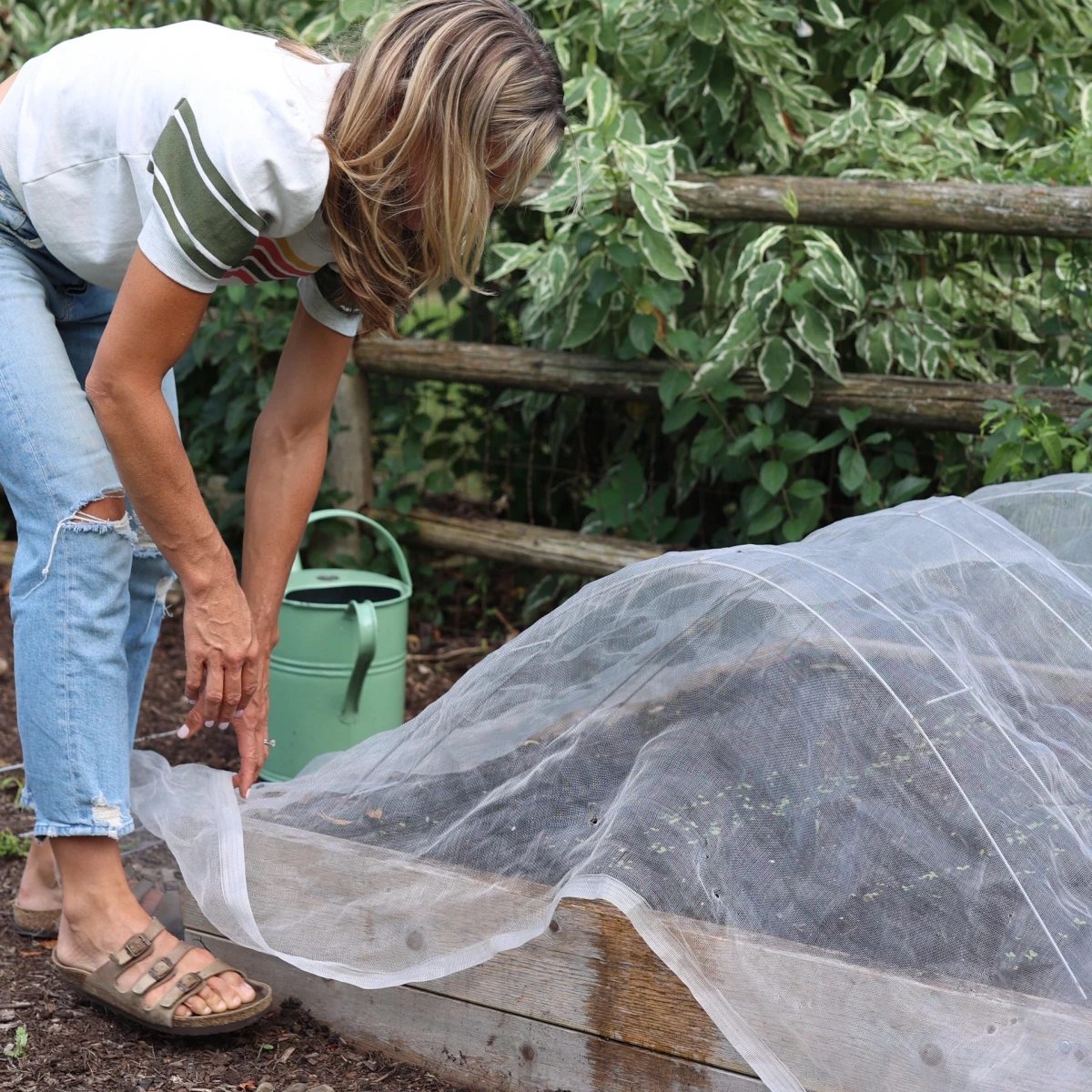
- Drape the mesh over the hoops — this keeps the fabric off your plants so nothing gets smooshed.
- Secure the edges with landscaping pins pushed right through the mesh. This stops wind from lifting it and animals from sneaking under.
- Leave the mesh in place as much as possible, removing only to harvest, prune, or inspect your plants.
Tip: If you like to see your garden during the day, leave it uncovered in daylight hours and cover at night — that's when most insects are most active.


Where to Find Garden Mesh and What to Look For
Here are some options for covering your garden:
- Tierra Garden Micromesh Prepack Blanket (198"L x 70"W; can be cut to size)
- Tierra Garden Micromesh Tunnel
- Agfabric Garden Netting (10' x 20')
- All-Purpose Garden Fabric Row Cover from Gardener's Supply Company
Check out more of my recommendations on Amazon here.
Now that you know what to search for or ask for, you can find tons of options online or at your local garden supply store. Find a size and style that works for you and your garden and get covering!
Chemical-Free Solution for Unwanted Pests
Garden mesh is inexpensive and can be used season after season. It's an odorless, chemical-free, and organic solution to prevent pests from wreaking havoc in your garden. Plus, it's flexible and can either be purchased or cut down to fit all spaces.
That’s how a piece of fabric can help you save all of your delicious greens for yourself!
If, despite your best covering efforts, pests do get in, there are ways you can treat them organically. First, remove all damaged leaves and clean the soil around the plant. Continue for two weeks.
If severe cutting and cleaning don’t rid the plants of the pest, you can apply a spray or soil treatment, such as diluted castile soap or garlic barrier (an extract of garlic mixed with water and sprayed on plants). In extreme pest infestations, you could use Monterey Bt, but if the pest issue is that severe, I typically just remove the affected plants, clean the area, and start again.
For more tips on how to increase production in your space, check out the many resources we offer here at Gardenary. We love helping you end your gardening woes and vanquish garden pests once and for all, sans chemicals. Keep on growing, my friends!
Frequently Asked Questions About Garden Mesh
What is garden mesh, and how does it work?
Garden mesh, also called agfabric or row cover, is an ultra-fine fabric barrier that lets in water, sunlight, and air while physically blocking insects, birds, and small animals. It's one of the most effective and affordable organic pest control tools available.
When should I put garden mesh on my plants?
Cover your plants from the moment you transplant seedlings or sow seeds. Young plants are the most vulnerable to pest pressure, and starting early means you never give pests a chance to get established.
Does garden mesh block sunlight?
Quality garden mesh is designed to let the majority of sunlight through while providing a small amount of shade, which can actually benefit plants during extreme heat. It won't meaningfully reduce growth when used correctly.
Do I need hoops to use garden mesh?
Hoops aren't strictly required, but they make a big difference. Draping mesh directly on plants can damage leaves and restrict growth. Flexible hoops spaced every couple of feet create a tent that gives plants room to grow while keeping the barrier intact.
What pests does garden mesh keep out?
Garden mesh is effective against a wide range of pests, including aphids, flea beetles, whiteflies, caterpillars, and cabbage moths, as well as larger animals like rabbits, squirrels, and birds.
Can I leave garden mesh on all season?
Yes — ideally, your mesh stays on as much as possible. Remove it only to harvest, prune, or inspect your plants. If your plants need pollination (like peppers, tomatoes, or squash), remove the mesh once flowers appear to give pollinators access.


Keep Reading
How to Grow a Lifetime Supply of Garlic: How Much to Plant and Save Each Year
Garden Coaching as a Second Career: How Kate Corrigon Built a Successful Business After Retirement
When Should I Cover My Plants? The Temperatures and Timing I Use in My Own Garden
The Galvanized Garden Trug: A Tool Caddy Too Pretty to Hide
Thanksgiving Herbs: What to Grow for Turkey, Stuffing, and Sides